Hyperuricemia (HUA) is a metabolic disease caused by an imbalance in uric acid (UA) metabolism, leading to high serum uric acid (SUA) levels. It is closely linked to poor kidney uric acid excretion and gut flora imbalance. Traditional HUA drugs often have side effects on the liver and kidneys. Adipose stem cells (ASCs) show promise for treating metabolic diseases because they can differentiate into different cell types, reduce inflammation, and regulate metabolism. However, few studies have looked at ASC transplantation for hyperuricemia. This study aimed to find out whether ASCs can protect against HUA and how they work. A mouse HUA model was made by giving oxonic acid potassium salt (750 mg/kg) and hypoxanthine (500 mg/kg) by mouth every day for two weeks. For treatment, one dose of 10 6 ASCs was given through the abdomen. Results showed that uric acid, creatinine, blood urea nitrogen, microalbuminuria, and 24-hour urinary protein levels all rose in HUA mice compared to normal mice, but dropped after ASC treatment. In addition, mRNA levels of inflammation and fibrosis-related genes were lower in the ASC-treated group. Kidney tissue staining also showed that ASCs reduced kidney damage and fibrosis. Furthermore, compared to the benzbromarone drug group, ASCs helped restore a healthier balance of gut bacteria in HUA mice. This research explores how ASC transplantation improves HUA in mice, focusing on its effects on kidney and intestinal uric acid excretion and gut microbiota regulation. The findings support ASCs as a potential multi-target therapy with low side effects for hyperuricemia and related kidney problems.
Radix Rehmanniae Praeparata polysaccharide (RRPP), a primary bioactive component of the traditional Chinese medicine Rehmannia, possesses diverse pharmacological activities including immunomodulatory effects. While its cardioprotective potential has been noted, the role of RRPP in promoting cardiac regeneration and the underlying mechanisms remain largely unexplored. Using a zebrafish cardiac cryoinjury model, we demonstrated that RRPP administration significantly enhanced heart regeneration by promoting cardiomyocyte proliferation and dedifferentiation. This regenerative effect was coupled with an accelerated inflammatory response, marked by increased infiltration of L-Plastin+ leukocytes and T cells, and a rapid induction of IFN-γ expression at the injury site. Disruption of IFN-γ signaling, either pharmacologically with the antagonist creatine or genetically in ifng1r+/− heterozygous mutants, severely impaired innate regenerative capacity and abrogated the benefits of RRPP. Transcriptomic profiling revealed that RRPP activates the NOD-like receptor (NLR) signaling pathway, which is associated with the upregulation of NF-κB. Crucially, pharmacological inhibition of NF-κB with aspirin attenuated heart regeneration, and this inhibition was effectively rescued by co-treatment with RRPP. Our findings unveil a novel mechanism whereby RRPP facilitates zebrafish heart regeneration, which is associated with the orchestration of an inflammatory response centered on the IFN-γ/NF-κB signaling axis. This study not only elucidates a pro-regenerative function of RRPP but also highlights the potential of modulating specific inflammatory pathways as a therapeutic strategy for heart repair.
Headings Ethnopharmacological relevanceRehmanniae Radix Praeparata (RRP), a staple in traditional Chinese medicine, is derived from Rehmannia glutinosa Libosch and is renowned for its wound-healing properties. Despite its clinical prevalence, the molecular mechanisms underlying RRP's wound-healing effects have not been fully elucidated.Aim of the studyThis research endeavored to delineate the molecular and cellular mechanisms underlying the beneficial effects of RRP on wound healing, utilizing a zebrafish model.Materials and MethodsZebrafish larvae at 3 days post-fertilization were amputated at the fin and subsequently treated with RRP. The pro-wound healing and regenerative effects of RRP were evaluated through morphological analysis, assessment of cell proliferation and apoptosis, Additionally, mechanistic insights were gained through a comprehensive approach encompassing network pharmacology analysis, cell tracing, RNA-sequencing, CRISPR/Cas9 gene editing, and pharmacological inhibition.ResultsOur findings demonstrate that RRP significantly accelerates caudal fin regeneration in zebrafish following injury by suppressing cell apoptosis, promoting cell proliferation, and upregulating the expression of regenerative-related genes. Furthermore, RRP triggers autophagy signals during the regenerative process, which is attenuated by the autophagy inhibitor chloroquine (CQ). Notably, the administration of RRP enhances the expression of ahr1 and ahr2 in the regenerating fin. Genetic knockout of ahr1a, ahr1b, or ahr2 using CRISPR/Cas9, or pharmacological blockade of AHR signals with the antagonist CH-223191, diminishes the regenerative potential of RRP. Remarkably, zebrafish lacking ahr2 completely lose their fin regeneration ability. Additionally, inhibition of AHR signaling suppresses autophagy signaling during fin regeneration.ConclusionsThis study uncovers that RRP stimulates fin regeneration in zebrafish by inducing AHR signals and, at least partially, activating the autophagy process. These findings provide novel insights into the molecular mechanisms underlying the wound-healing effects of RRP and may pave the way for the development of novel therapeutic strategies.
Mitochondrial fission is a tightly regulated process involving multiple proteins and cell signaling. Despite extensive studies on mitochondrial fission factors, our understanding of the regulatory mechanisms remains limited. This study shows the critical role of a mitochondrial GTPase, GTPBP8, in orchestrating mitochondrial fission in mammalian cells. Depletion of GTPBP8 resulted in drastic elongation and interconnectedness of mitochondria. Conversely, overexpression of GTPBP8 shifted mitochondrial morphology from tubular to fragmented. Notably, the induced mitochondrial fragmentation from GTPBP8 overexpression was inhibited in cells either depleted of the mitochondrial fission protein Drp1 (also known as DNM1L) or carrying mutated forms of Drp1. Importantly, downregulation of GTPBP8 caused an increase in oxidative stress, modulating cell signaling involved in the increased phosphorylation of Drp1 at Ser637. This phosphorylation hindered the recruitment of Drp1 to mitochondria, leading to mitochondrial fission defects. By contrast, GTPBP8 overexpression triggered enhanced recruitment and assembly of Drp1 at mitochondria. In summary, our study illuminates the cellular function of GTPBP8 as a pivotal modulator of the mitochondrial division apparatus, inherently reliant on its influence on Drp1.
Colorectal cancer (CRC) is a leading cause of cancer-related deaths worldwide, characterized by molecular and clinical heterogeneity. Interleukin (IL)-27, a heterodimeric cytokine composed of p28 and EBI3 subunits, has been reported to exert potent antitumor activity in several cancer models. However, the precise role of IL-27 in the pathogenesis of CRC remains unclear. Here, we show that during the azoxymethane (AOM)/dextran sodium sulfate (DSS)-induced CRC development, IL-27p28 levels are dramatically increased in peripheral blood and tumor tissues, and the cytokine is mainly produced by tumor-infiltrating myeloid cells. IL-27p28 deficient mice display tumor resistances in both inflammation-associated CRC model and syngeneic MC38 colon cancer model. Administration with IL-27p28 neutralizing antibody also reduces the tumor formation in AOM/DSS-treated mice. Mechanically, CD8+ T cells in IL-27p28-/- mice exhibit enhanced tumor infiltration and cytotoxicity, which can be largely attributed to activation of the Akt/mTOR signaling pathway. Furthermore, selective depletion of CD8+ T cells in IL-27p28-/- mice markedly accelerate tumor growth and almost abrogate the protective effects of IL-27p28 deficiency. Most interestingly, the expression of IL-27p28 is also upregulated in tumor tissues of CRC patients and those with high expression of IL-27p28 tend to have a poorer overall survival. Our results suggest that loss of IL-27p28 suppresses colorectal tumorigenesis by augmenting CD8+ T cell-mediated anti-tumor immunity. Targeting IL-27p28 could be developed as a novel strategy for the treatment of colorectal cancers.
CRISPR base editor(BE)techniques are a promising tool for pre-cise cytosine(C)to thymine(T),adenine(A)to guanine(G),and CtoG base editing(CBE,ABE,and GBE,respectively)without the use of a donor DNA template conversion(Komor et al.,2016;Nishida et al.,2016;Gaudelli et al.,2017;Kurt et al.,2021;Zhao et al.,2021).A large portion of human single-gene genetic diseases are caused by an in-dividual mutation,known as single nucleotide polymorphism(SNP)(Gaudelli et al.,2017;Anzalone et al.,2019).BE is ideal for correcting such SNPs and is considered a universal solution for human genetic diseases(Porto et al.,2020).
结直肠癌(colorectal cancer,CRC)发病率高且难以治愈.越来越多的证据表明肠道微生物群生态失调与CRC发生发展密切相关,具核梭杆菌(Fusobacterium nucleatum,Fn)已经被确定为肠道微生物群中的病原体,有助于结直肠发生癌变.本文综述了Fn诱导CRC发生发展的重要机制,包括毒力因子、慢性炎症、miRNA、免疫调节和肠道代谢物,并描述了Fn在诊断治疗中的临床价值,以期为新型肿瘤生物标志物的筛查与新兴免疫治疗靶点的开发提供参考.
为了解肺癌肿瘤组织白细胞介素-10(interleukin-10,IL-10)的表达和来源,并探究IL-10对肿瘤的作用,采用MSD超敏电化学发光技术检测Lewis肺癌小鼠模型血清中IL-10的水平,使用流式细胞术分析肿瘤组织IL-10的主要来源,再通过CCK-8实验、膜联蛋白V-碘化丙啶(annexin V-PI)凋亡实验、划痕实验,检测IL-10重组蛋白对肺癌细胞增殖、凋亡、迁移的影响.结果表明:Lewis肺癌小鼠血清中IL-10水平较正常小鼠显著升高,肿瘤组织中的IL-10主要由免疫细胞产生.其中,B细胞和髓源性抑制细胞(myeloid-derived suppressor cells,MDSCs)是IL-10的主要来源,IL-10重组蛋白可以显著抑制LLC(小鼠Lewis肺癌细胞:Lewis lung carcinoma line)的增殖和迁移并促进其凋亡.综上可见,IL-10水平与肺癌密切相关,B细胞和MDSCs是产生IL-10的主要来源,IL-10可能通过激活CD8 T细胞或者直接作用于肿瘤细胞而发挥抗肿瘤作用.
Neural stem cells (NSCs) are responsible for maintaining the nervous system and repairing damages. Utility of NSCs could provide a novel solution to treat neurodegenerative diseases, such as Alzheimer's disease and Parkinson's disease. However, we have no idea the exact phenotypic and functional characteristics of NSCs and their precise role in geriatric neurological and aging-related diseases. In this study, C57BL/6 mice were used to isolate and identify CD133+GFAP+CD117+Sca1+ cells in the hippocampal dentate gyrus region of the mouse brain as a novel neural stem cell population, in terms of cell phenotype, self-renewal capacity, and differentiation capability. With increasing in aging, the function, total cell number, and self-renewal capacity of CD133+GFAP+CD117+Sca1+ cells decreased, and the activity of differentiated cells also decreased. Meanwhile, we investigated differentially expressed genes in order to further classify their gene signature and pathways associated with their functional changes. Taken together, these findings demonstrate the existence of a rare population of NSCs in the hippocampal dentate gyrus region. Identification of specific NSCs offers ample opportunities for alleviating neural diseases.
CRISPR base editing techniques tend to edit multiple bases in the targeted region, which is a limitation for precisely reverting disease-associated single-nucleotide polymorphisms (SNPs). We designed an imperfect gRNA (igRNA) editing methodology, which utilized a gRNA with one or more bases that were not complementary to the target locus to direct base editing toward the generation of a single-base edited product. Base editing experiments illustrated that igRNA editing with CBEs greatly increased the single-base editing fraction relative to normal gRNA editing with increased editing efficiencies. Similar results were obtained with an adenine base editor (ABE). At loci such as DNMT3B, NSD1, PSMB2, VIATA hs267 and ANO5, near-perfect single-base editing was achieved. Normally an igRNA with good single-base editing efficiency could be selected from a set of a few igRNAs, with a simple protocol. As a proof-of-concept, igRNAs were used in the research to construct cell lines of disease-associated SNP causing primary hyperoxaluria construction research. This work provides a simple strategy to achieve single-base base editing with both ABEs and CBEs and overcomes a key obstacle that limits the use of base editors in treating SNP-associated diseases or creating disease-associated SNP-harboring cell lines and animal models.
Mitochondria are essential organelles for neuronal function and cell survival. Besides the well-known bioenergetics, additional mitochondrial roles in calcium signaling, lipid biogenesis, regulation of reactive oxygen species, and apoptosis are pivotal in diverse cellular processes. The mitochondrial proteome encompasses about 1,500 proteins encoded by both the nuclear DNA and the maternally inherited mitochondrial DNA. Mutations in the nuclear or mitochondrial genome, or combinations of both, can result in mitochondrial protein deficiencies and mitochondrial malfunction. Therefore, mitochondrial quality control by proteins involved in various surveillance mechanisms is critical for neuronal integrity and viability. Abnormal proteins involved in mitochondrial bioenergetics, dynamics, mitophagy, import machinery, ion channels, and mitochondrial DNA maintenance have been linked to the pathogenesis of a number of neurological diseases. The goal of this review is to give an overview of these pathways and to summarize the interconnections between mitochondrial protein dysfunction and neurological diseases.
为构建Slfn2-/-小鼠肺癌细胞系(Lewis lung carcinoma,LLC),本文利用CRISPR/Cas9技术,在CHOPCHOP网站筛选Slfn2基因的sgRNA序列,将合成的oligo序列退火后连接至pLenti CRISPR v2质粒中,并与pMD2.G、psPAX2共转染至293T细胞中包装慢病毒;利用包装的慢病毒感染LLC细胞,经筛选和单克隆培养,获取Slfn2--敲除的LLC细胞.结果显示:SgRNA成功插入载体重组质粒;利用3质粒包装的慢病毒成功将LLC中的Slfn2基因突变,获得丢失8个碱基移码突变和丢失180个碱基缺失突变的Slfn2-/-小鼠肺癌细胞.可见,利用CRISPR/Cas9技术成功构建了Slfn2基因敲除的小鼠肺癌细胞.
Aim: Sca-1+CD31− cells are resident cardiac progenitor cells, found in many mammalian tissues including the heart, and able to differentiate into cardiomyocytes in vitro and in vivo. Our previous work indicated that heart-derived Sca-1+CD31− cells increased the Nr1d1 mRNA level of Nr1d1 with aging. However, how Nr1d1 affects the senescence of Sca-1+CD31− cells. Methods: Overexpression and knockdown of Nr1d1 in Sca-1+CD31− cells and mouse cardiac myocyte (MCM) cell lines were performed by lentiviral transduction. The effects of Nr1d1 abundance on cell differentiation, proliferation, apoptosis, cell cycle, and transcriptomics were evaluated. Moreover, binding of Nr1d1 to the promoter region of Nr4a3 and Serpina3 was examined by a luciferase reporter assay. Results and Conclusions: Upregulation Nr1d1 in young Sca-1+CD31− cells inhibited cell proliferation and promoted apoptosis. However, depletion of Nr1d1 in aged Sca-1+CD31− cells promoted cell proliferation and inhibited apoptosis. Furthermore, Nr1d1 was negatively associated with cell proliferation, promoting apoptosis and senescence-associated beta-galactosidase production in MCMs. Our findings show that Nr1d1 stimulates Serpina3 expression through its interaction with Nr4a3. Nr1d1 may therefore act as a potent anti-aging receptor that can be a therapeutic target for aging-related diseases.
Hepatic Stem/progenitor cells (HSPCs) have gained a large amount of interest for treating acute liver disease. However, the isolation and identification of HSPCs are unclear due to the lack of cell-specific surface markers. To isolate adult HSPCs, we used cell surface-marking antibodies, including CD49f and Sca-1. Two subsets of putative HSPCs, Lin−CD45−Sca-1−CD49f+ (CD49f+) and Lin−CD45−Sca-1+CD49f− (Sca-1+) cells, were isolated from adult mice liver by flow cytometry. Robust proliferative activity and clonogenic activity were found in both CD49f+ and Sca-1+ cells through colony-forming tests and cell cycle analyses. Immunofluorescence staining revealed that CD49f+ cells expressed ALB and CK-19 while Sca-1+ cells expressed only ALB, indicating that CD49f+ cells were bipotential and capable of differentiating into hepatocyte and cholangiocyte. Consequently, PAS stain showed that differentiated CD49f+ and Sca-1+ cells synthesised glycogen, indicating they could differentiate into functional hepatocytes. mRNA expression profile indicated that both CD49f+ and Sca-1+ cells showed differential expression of genes that are associated with liver progenitor function such as Sox9 and EpCam. Moreover, two subsets of putative HSPCs were activated by DDC and we found that their abundance and proliferation increased with age. In summary, we hypothesized that CD49f+ cells were a type of potential HSPCs and may be utilised for clinical stem cell therapy.
Mitochondria are key regulators of many important cellular processes and their dysfunction has been implicated in a large number of human disorders. Importantly, mitochondrial function is tightly linked to their ultrastructure, which possesses an intricate membrane architecture defining specific submitochondrial compartments. In particular, the mitochondrial inner membrane is highly folded into membrane invaginations that are essential for oxidative phosphorylation. Furthermore, mitochondrial membranes are highly dynamic and undergo constant membrane remodeling during mitochondrial fusion and fission. It has remained enigmatic how these membrane curvatures are generated and maintained, and specific factors involved in these processes are largely unknown. This review focuses on the current understanding of the molecular mechanism of mitochondrial membrane architectural organization and factors critical for mitochondrial morphogenesis, as well as their functional link to human diseases.
Abstract Objective Lung cancer may be accompanied by the abnormal activity of hematopoietic stem cells (HSCs), which rapidly proliferate and are biased toward myeloid differentiation, leading to abnormal immune cell development and consequently tumor immune disorders. However, the mechanism underlying the altered behavioral function of HSCs in the tumor state remains unclear. Methods Meanwhile, glucose metabolism, which plays an important role in the self-renewal and differentiation of HSCs, is remodeled in lung carcinogenesis. The goal of this study was to examine the relationship between glucose metabolism and the abnormal activity of HSCs in a tumor environment. A LLC mouse model of lung cancer was established. Metabolomics assays were used to analyze the differences of metabolites and the metabolic pathways between HSCs of normal (N-HSCs) and tumor-bearing mice (T-HSCs). Results Pyruvate metabolic changes were observed the most. T-HSCs exhibited up-regulated oxidative phosphorylation, elevated mitochondrial number and activity, ATP and ROS levels. Injection of the gluconeogenesis inhibitor 2-DG into tumor-bearing mice resulted in altered proliferation and apoptosis of HSCs, reduced differentiation of myeloid cells, and decreased the myeloid-derived suppressor cells. Conclusions The present results suggest that glucose metabolic state in HSCs is altered during tumorigenesis. Glucose metabolism remodeling in tumor HSCs could change their differentiation preferences.
Aim: Sca-1+CD31− cells were shown to be endothelial stem/progenitor cells, found in many mammalian tissues, including heart, were able to differentiate into cardiomyocytes in vitro and in vivo. Our previous work indicated that heart derived Sca-1+CD31− cells increased Nr1d1 mRNA level and decreased cells plasticity with aging. However, little is known about how NR1D1 affects Sca-1+CD31− cells plasticity. Methods: Lentiviral vector was used to stably overexpress Nr1d1 in young Sca-1+CD31− cells and to knockdown Nr1d1 in aged Sca-1+CD31− cells. Cell differentiation, proliferation, apoptosis, and cell cycle were evaluated. Results and Conclusions: The overexpression of Nr1d1 in young Sca-1+CD31− cells inhibited cell proliferation and promoted apoptosis. Knockdown of Nr1d1 in aged Sca-1+CD31− cells promoted cell proliferation and inhib-ited apoptosis. Using mouse cardiac myocytes cell line, confirmed the effect of Nr1d1 and indi-cated that Nr1d1 induce Serpina3 expression via Nr1d1 interaction with Nr4a3. Nr1d1 may there-fore be identified as a potent anti-aging receptor and be a therapeutic target for aging relative diseases.
黑色素瘤是一种最具侵袭性和最难以治疗的癌症之一,目前黑色素瘤的治疗主要是使用靶向药物和免疫治疗药物.然而,受限于耐药性,这些疗法也无法有效改善黑色素瘤患者的预后.因此,需要新的预后方法来指导个体化治疗和改善预后.本文利用TCPA和TCGA数据集的多因素COX分析,建立基于P21、YAP、X1433ZETA、CKIT、S6、CD20、LCK、P27、CD49B、GATA6和SRC_pY416蛋白质的预后模型.风险评分分析显示,风险评分高的患者预后较差.单因素和多因素COX模型分析显示预后与风险评分相关.共表达分析确定了与预后模型中蛋白质共表达的各种蛋白质.将低风险蛋白质GATA6和高风险蛋白质X1433ZETA在黑色素瘤细胞中过表达,GATA6抑制肿瘤生长,X1433ZETA促进肿瘤生长.本文所建立的黑色素瘤预后模型可潜在应用于个体化治疗指导.
CD4+CD25+细胞是一群具有免疫抑制活性的T细胞,又称为调节性T细胞(regulatory T cells,Tregs).肿瘤发生中Tregs会抑制T细胞的活化,促进肿瘤的发生、发展,而正常生理来源的Tregs回输后产生的免疫调节作用是未知的.为探讨正常生理状态下Tregs的免疫调节作用,利用小鼠肺癌模型和细胞移植术,比较正常和荷瘤小鼠CD4+CD25+细胞移植对肿瘤生长、受体小鼠T细胞产生以及肺部病变的影响.结果显示:与对照组相比,移植正常CD4+CD25+细胞的小鼠生存期延长、肿瘤生长缓慢,其外周血与脾脏中T细胞及其亚群含量增加,小鼠肺部无明显病变;而移植荷瘤CD4+CD25+细胞的小鼠生存期缩短、肿瘤生长较快,其外周血与脾脏中T细胞及其亚群含量显著下降,肺部出现更严重弥散灶性病变.这些结果表明,正常来源CD4+CD25+细胞在小鼠肺癌模型中具有抗肿瘤作用.
 Zuping Zhou (周祖平)合作论文数College of Life Sciences, Guangxi Normal University34
 Qiong Wu合作论文数18
 Hongxia Zhao合作论文数9Ziqi Guo合作论文数6Shuangli He合作论文数5Jinxi Zhan合作论文数5XING Bing (邢兵)合作论文数5LI Peihua (李培华)合作论文数4
 Xu Shisan合作论文数4Qin Liu合作论文数3Daxiu Zhang (张达秀)合作论文数3Xuxu Chen合作论文数3Siwei Li合作论文数3CHEN Ying (陈莹)合作论文数3Jing TANG (汤婧)合作论文数3Xiao-yu LI (李晓玉)合作论文数3Yun Li合作论文数3Lin LIU (刘霖)合作论文数3LiJuan Fang (方利娟)合作论文数3
 Changhao Bi (毕昌昊)合作论文数中国科学院天津工业生物技术研究所3
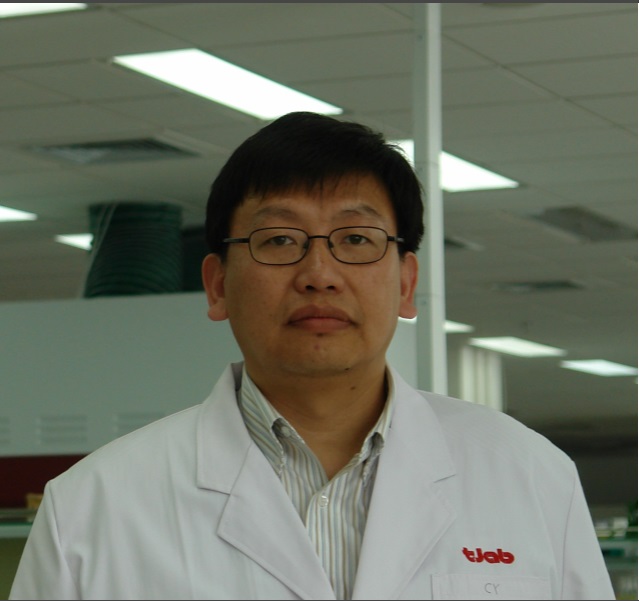 Cheng Yang (杨诚)合作论文数南开大学药学院3
 Xueli Zhang (张学礼)合作论文数Tianjin Institute of Industrial Biotechnology, Chinese Academy of Sciences3Ju Li合作论文数3
 Dongdong Zhao (赵东东)合作论文数School of Information Science & Engineering, Lanzhou University3CHEN Shuman (陈舒曼)合作论文数2CHEN Yajing (陈雅静)合作论文数2HE Liu (何柳)合作论文数2
 Liang Wang合作论文数2WANG Qian (王倩)合作论文数2Chen Zhixiu (陈治秀)合作论文数2Guo Jiang合作论文数2Liu Yang合作论文数2Xiaoxia Wang合作论文数2LI Yinling (李银玲)合作论文数2Li-jie ZHANG (张立杰)合作论文数2
 Yu Zhu合作论文数2ShiLin Su (苏仕林)合作论文数2
 Xiaobo Cen (岑小波)合作论文数State Key Laboratory of Biotherapy, Sichuan University2
 Wang Jie合作论文数Shanghai Institutes for Biological Sciences, University of Chinese Academy of Sciences2
 Yanhe Ma (马延和)合作论文数Laboratory of Microbial Resources and Biotechnology, Institute of Microbiology, Chinese Academy of Sciences;National Engineering Laboratory for Industrial Enzymes, Institute of Microbiology, Chinese Academy of Sciences;Tianjin Institute of Industrial Biotechnology, Chinese Academy of Sciences2Taj-Malook Khan合作论文数1Xue-Ting Hou合作论文数1Ting Li合作论文数1Ziyun Yang合作论文数1Hoi Ying Tsang合作论文数1Youfei Cen合作论文数1Peng Feng-lin合作论文数1Xueheng WU (伍学恒)合作论文数1




