The Bin/Amphiphysin/Rvs (BAR) domain protein FAM92A1 is a multifunctional protein engaged in regulating mitochondrial ultrastructure and ciliogenesis, but its physiological role in the brain remains unclear. Here, we show that FAM92A1 is expressed in neurons starting from embryonic development. FAM92A1 knockout in mice results in altered brain morphology and age-associated cognitive deficits, potentially due to neuronal degeneration and disrupted synaptic plasticity. Specifically, FAM92A1 deficiency impairs diverse neuronal membrane morphology, including the mitochondrial inner membrane, myelin sheath, and synapses, indicating its roles in membrane remodeling and maintenance. By determining the crystal structure of the FAM92A1 BAR domain, combined with atomistic molecular dynamics simulations, we uncover that FAM92A1 interacts with phosphoinositide- and cardiolipin-containing membranes to induce lipid-clustering and membrane curvature. Altogether, these findings reveal the physiological role of FAM92A1 in the brain, highlighting its impact on synaptic plasticity and neural function through the regulation of membrane remodeling and endocytic processes.
Mitochondria are key regulators of many important cellular processes and their dysfunction has been implicated in a large number of human disorders. Importantly, mitochondrial function is tightly linked to their ultrastructure, which possesses an intricate membrane architecture defining specific submitochondrial compartments. In particular, the mitochondrial inner membrane is highly folded into membrane invaginations that are essential for oxidative phosphorylation. Furthermore, mitochondrial membranes are highly dynamic and undergo constant membrane remodeling during mitochondrial fusion and fission. It has remained enigmatic how these membrane curvatures are generated and maintained, and specific factors involved in these processes are largely unknown. This review focuses on the current understanding of the molecular mechanism of mitochondrial membrane architectural organization and factors critical for mitochondrial morphogenesis, as well as their functional link to human diseases.
 Hongxia Zhao合作论文数2
 Ying Zhao合作论文数1Yaxing Chen合作论文数1Meng Qin合作论文数1Ni Zhang合作论文数1
 Liang Wang合作论文数1Linhong Jiang合作论文数1Ziyi Yan合作论文数1Qiong Wu合作论文数1Yanping Dai合作论文数1Ziqi Guo合作论文数1Weihong Kuang (况伟宏)合作论文数1
 Shiming Pu合作论文数1
 Hongchun Li (李红春)合作论文数Shenzhen Institutes of Advanced Technology, Chinese Academy of Science1
 Xiaobo Cen (岑小波)合作论文数State Key Laboratory of Biotherapy, Sichuan University1Feng Qin合作论文数1
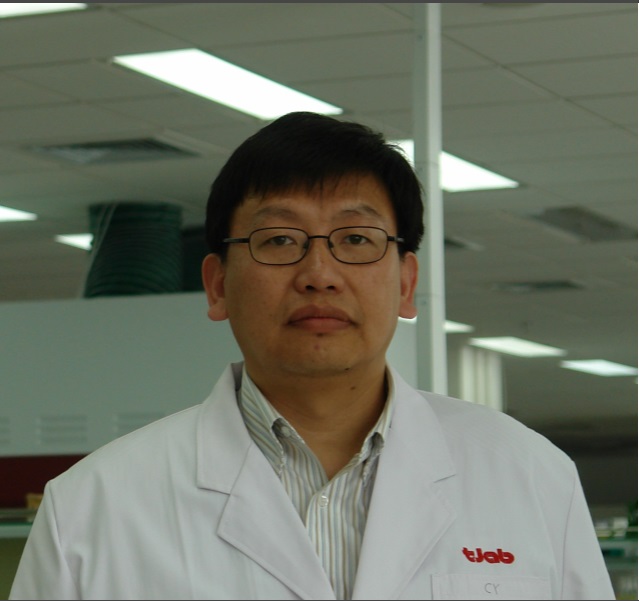 Cheng Yang (杨诚)合作论文数南开大学药学院1Xavier Prasanna合作论文数CSIR-National Chemical Laboratory, Council of Scientific and Industrial Research1Fudo Satoshi合作论文数1
 Ilpo Tapio Vattulainen合作论文数Department of Physics, Tampere University of Technology;Fysiikan osasto, Matemaattis-luonnontieteellinen tiedekunta, Helsingin Yliopisto1
 Yinglan Zhao (赵瀛兰)合作论文数West China Hospital of Sichuan University;West China School of Pharmacy, Sichuan University;State Key Laboratory of Biotherapy, Sichuan University1Helena Vihinen合作论文数1
 Tommi Kajander合作论文数Institute of Biotechnology, University of Helsinki1
 Eija Jokitalo合作论文数1
 Qian Bu (卜倩)合作论文数1
 Zuping Zhou (周祖平)合作论文数College of Life Sciences, Guangxi Normal University1




