Delivery of humanitarian global surgical aid to low-middle income countries (LMICs) often occurs as a "fly-in, fly-out" marathon of operations. Unfortunately, the sustainability and efficacy of these missions remain questionable because they are difficult to reproduce and they have limited ability to provide peri-operative care. The goal of this project was to describe the Moore Pediatric Surgery Center (MPSC) in Guatemala City as an alternative model that provides a centralized structure to the interaction between surgical providers and patients in the operative and peri-operative periods. We also describe the Center's patient population and present feedback from surgical teams visiting the MPSC. A retrospective chart review was performed to quantify the number of patients, procedures, and post-operative complications at the MPSC between January 2011 and December 2014. We also performed a cross-sectional sociodemographic survey of MPSC patients and conducted a satisfaction survey of patients and surgical team members visiting the Center. Since 2011, the MPSC has hosted 42 surgical teams representing 7 different specialties. During its first four years, the surgery center hospital performed 2260 operations with a 1.07 % peri-operative complication rate and 0 % peri-operative mortality rate. All surgeries were performed free-of-charge to children from low-income households. Furthermore, the MPSC was rated highly among visiting team members (range 4.5-6 on a 7-point Likert scale) for quality metrics including organization, physical space, and collaboration with local staff. The MPSC represents a model for delivering multi-specialty surgical aid in low-and middle-income countries by providing modern surgical facilities with quality-assured post-operative care for the treatment of childhood surgical diseases.
developing a theoretical framework for global programs in schools of nursing, calling for quality standards, identifying metrics for measuring outcomes on all partners, increasing interprofessional opportunities and addressing nursing regulation issues pertaining to credit-toward major global coursework.
Introduction To date, medical aid to the developing world has largely focused on infectious diseases such as tuberculosis, malaria and HIV/AIDS; malnutrition; and maternal-neonatal care. Only recently has surgical disease gained recognition as an important component of the public health paradigm. Yet, the burden of disease that is treatable by surgery is significant. One landmark report estimated that surgical diseases resulted in an 11% decrease in total world disability-adjusted life years (DALYs). 2 In other words, more than one-tenth of the years of productive life lost worldwide could be improved with surgery. While current efforts are being undertaken to characterize the surgical burden of disease around the world, it is well recognized that the toll of disease is significantly worse in developing nations. Because surgery is often the definitive treatment for many disease states, global surgical aid is becoming a more commonplace endeavor for both academic and community physicians wishing to provide humanitarian support abroad. While there is growing awareness and activity, surgery in the global health arena is still in its infancy. Indeed, surgery has been referred to as “the neglected stepchild of global health [efforts]”. There are myriad reasons why surgery has taken longer to become a priority in global health efforts. Foremost is the complexity: surgery requires a sterile field and instruments, anesthesia, a reliable source of electricity, and highly trained personnel. Many surgeons are uncomfortable working in an environment that they consider to be substandard, even if the facilities meet or exceed local norms. While human and material resources are one limiting factor, several additional limitations hinder the efficacy and sustainability of the surgical missions currently performed. The most common form of surgical aid is the short -term medical mission, usually a “fly-in, fly-out” marathon of procedures and operations with surgeons, nurses, and staff volunteering their time and efforts. While this strategy can deliver a high volume and skill level of surgery, it is problematic for the following reasons: (i) low capacity to provide quality postoperative care; (ii) high cost of purchasing and importing surgical equipment, anesthesia and medications; (iii) frequently poor conditions for surgery; and (iv) cultural discrepancies (e.g., the notion of obtaining informed consent). Thus, a successful global surgical aid program would be one that is well orchestrated and focused on the provision of safe and effective patient care. Such an enterprise would ensure not only a quality surgery, but also thorough pre-operative evaluation and postoperative follow up. It would provide a steady source of human and material resources. It would operate in a dedicated space with modern technology and a consistent source of electricity and water. Finally, an ideal global surgical initiative would be foundationally integrated within the host country’s infrastructure as to provide a culturally sensitive and nation-specific quality of care.
“Health and Human Rights,” edited by Doris Schroeder, welcomes contributions on all areas outlined below. Submitted papers are peer-reviewed (short discussion papers will be reviewed by at least one, full papers by at least two reviewers). To submit a paper or to discuss suitable topics, please e-mail Doris Schroeder at dschroeder@uclan.ac.uk. I thank Professor Solomon Benatar (Center for Bioethics, University of Cape Town), Dr. Walter Robinson (Department of Social Medicine, Division of Ethics, Harvard Medical School, Boston), Dr. Carolyn Hayes (Brigham and Women's Hospital, Harvard Medical School, Boston), and Professor Patricia Illingworth (Department of Philosophy, Northeastern University, Boston) for reading the manuscript and for their valuable critical comments.
Background Accurate assessment of prognosis in the first hours of stroke is desirable for best patient management. We aimed to assess whether the extent of ischaemic brain injury on magnetic resonance diffusion-weighted imaging (MR DWI) could provide additional prognostic information to clinical factors.Methods In a three-phase study we studied 66 patients from a North American teaching hospital who had: MR DWI within 36 hours of stroke onset; the National Institutes of Health Stroke Scale (NIHSS) score measured at the time of scanning; and the Barthel Index measured no later than 3 months after stroke. We used logistic regression to derive a predictive model for good recovery. This logistic regression model was applied to an independent series of 63 patients from an Australian teaching hospital, and we then developed a three-item scale for the early prediction of stroke recovery.Findings Combined measurements of the NIHSS score (p=0.01), time in hours from stroke onset to MR DWI (p=0.02), and the volume of ischaemic brain tissue on MR DWI (p=0.04) gave the best prediction of stroke recovery. The model was externally validated on the Australian sample with 0.77 sensitivity and 0.88 specificity. Three likelihood levels for stroke recovery-low (0-2), medium (3-4), and high (5-7)-were identified on the three-item scale.Interpretation The combination of clinical and MR DWI factors provided better prediction of stroke recovery than any factor alone, shortly after admission to hospital. This information was incorporated into a three-item scale for clinical use.
The macrophage mannose receptor, a pattern recognition molecule and component of innate immunity, mediates binding and phagocytosis of Pneumocystis carinii and likely represents an important clearance mechanism in the lungs of immunocompetent hosts. The purpose of this study was to examine the ability of alveolar macrophages from HIV-infected individuals to bind and phagocytose P. carinii, and to investigate the role of the macrophage mannose receptor in mediating this interaction. Compared with healthy individuals, alveolar macrophage phagocytosis of P. carinii from HIV+ persons was reduced up to 74% (P = 0.02), primarily reflecting a reduction in the number of organisms associated with each macrophage (P = 0.019). Furthermore, macrophages from HIV+ individuals demonstrated up to an 80% (P < 0.05) reduction in mannose receptor surface expression and endocytosis. Mannose receptor affinity was unaltered, and mRNA levels were modestly reduced (P < 0.05). Cells from HIV+ individuals with CD4(+) counts < 200 cells/mm3 (representing individuals at high clinical risk for P. carinii pneumonia) demonstrated the lowest levels of P. carinii phagocytosis and mannose receptor endocytosis. In vitro HIV infection of alveolar macrophages from healthy individuals reduced mannose receptor endocytosis to 53.2% (P < 0.05) and P. carinii binding and phagocytosis to 67.4% (P < 0.05) of control. Our studies suggest that HIV infection may alter innate immunity in the lungs, and that impaired alveolar macrophage mannose receptor-mediated binding and phagocytosis of P. carinii may contribute to the susceptibility of HIV-infected individuals to this opportunistic pulmonary pathogen.
Cdc25A, a phosphatase essential for G1-S transition, associates with, dephosphorylates, and activates the cell cycle kinase cyclin E-cdk2. p21CIP1 and p27 are cyclin-dependent kinase (cdk) inhibitors induced by growth-suppressive signals such as p53 and transforming growth factor beta (TGF-beta). We have identified a cyclin binding motif near the N terminus of Cdc25A that is similar to the cyclin binding Cy (or RR LFG) motif of the p21CIP1 family of cdk inhibitors and separate from the catalytic domain. Mutations in this motif disrupt the association of Cdc25A with cyclin E- or cyclin A-cdk2 in vitro and in vivo and selectively interfere with the dephosphorylation of cyclin E-cdk2. A peptide based on the Cy motif of p21 competitively disrupts the association of Cdc25A with cyclin-cdks and inhibits the dephosphorylation of the kinase. p21 inhibits Cdc25A-cyclin-cdk2 association and the dephosphorylation of cdk2. Conversely, Cdc25A, which is itself an oncogene up-regulated by the Myc oncogene, associates with cyclin-cdk and protects it from inhibition by p21. Cdc25A also protects DNA replication in Xenopus egg extracts from inhibition by p21. These results describe a mechanism by which the Myc- or Cdc25A-induced oncogenic and p53- or TGF-beta-induced growth-suppressive pathways counterbalance each other by competing for cyclin-cdks.
The mannose receptor (MR) is a transmembrane protein that functions primarily as a phagocytic receptor for a wide range of microorganisms. Its expression appears to be restricted to tissue macrophages and Langerhans cells. To gain an understanding of the regulation of the gene, we have isolated the 5' flanking sequence of the murine MR gene and have analyzed a 536-bp sequence upstream of the ATG start site for transcriptional activity. This sequence lacks a TATA box but contains an initiator (Inr) consensus element overlapping the single transcriptional start site. Transcription factor binding sites contained within this sequence include PU.1, Sp1, ETS, GATA, and MYB motifs. Serial 100-bp deletions of this promoter fragment fused to a luciferase reporter gene showed various patterns of activity when transfected into different cell types. In myeloid cells, sequence elements upstream of bp -300 appeared to have a silencing effect on promoter activity. Of the four potential PU.1 binding sites contained within the fragment, one site (at -164) bound the PU.1 factor most strongly, whereas the adjacent PU.1 site (at -177 bp) bound PU.1 to a lesser degree. Mutations of these sites decreased transcriptional activity but did not abolish it. However, promoter activity was abrogated when both the -164 bp PU.1 site and the adjacent -177 bp PU.1 site were mutated. In addition, mutation of the Sp1 site also significantly reduced promoter activity. Cotransfection studies in Drosophila Schneider cells indicated that PU.1 and Sp1 may function synergistically in transactivating the murine MR. This study indicates that MR gene expression is regulated in part by the interaction between the ubiquitously expressed factor Sp1 and the lymphoid/myeloid factor PU.1 and provides a basis for studying the regulation of this gene.
The collectins are proteins with collagen tails and globular lectin domains that appear to play an important role in mammalian first line host defense. Recent insights have clarified the structural basis of ligand recognition, the interactions of collectins with complement cascades, and the association with disease susceptibility.
chronic granulomatous disease is a rare disorder of phagocyte oxidative metabolism. The disease is characterised by recurrent infections in childhood that require prolonged courses of antimicrobial therapy. Adjunctive therapy with interferon-γ has been shown to reduce the frequency and severity of infections. Combined use of daily prophylactic antibiotics and thrice weekly therapy with interferon-γ is an effective and well tolerated treatment that reduces the risk of serious infection. We also update the progress that defines the molecular basis of the disease.
Chronic granulomatous disease is a rare disorder of phagocyte oxidative metabolism. The disease is characterised by recurrent infections in childhood that require prolonged courses of antimicrobial therapy. Adjunctive therapy with interferon-gamma has been shown to reduce the frequency and severity of infections. Combined use of daily prophylactic antibiotics and thrice weekly therapy with interferon-gamma is an effective and well tolerated treatment that reduces the risk of serious infection. We also update the progress that defines the molecular basis of the disease.
The past decade has witnessed a rapid transition from the first positional cloning of an infectious disease susceptibility gene (Slc11a1, also called Nramp1) in the mouse to genome-wide scans in human multicase families and the identification of potential disease-causing genes by simple inspection of the public human genome databases. Pathogen genome projects have facilitated multilocus sequence typing of pathogen isolates and studies of ecological fitness and virulence patterns in disease-causing isolates. Comparative sequence analysis of pathogen strains and functional genomics studies are now underway, hopefully providing new insight into infectious disease susceptibility.
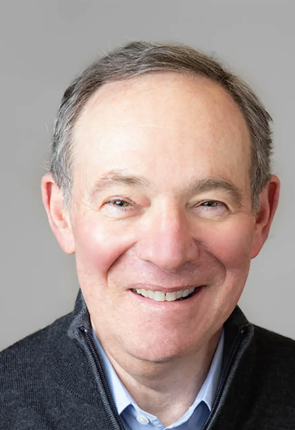 Alan Ezekowitz合作论文数Third Rock Ventures4
 tyler k merceron合作论文数2Ff Richards合作论文数2B Silver合作论文数2C Chaves合作论文数2
 Robert R. Edelman合作论文数NorthShore Research Institute, NorthShore University;Department of Radiology, NorthShore University;Pritzker School of Medicine, University of Chicago2R. Alan B. Ezekowitz合作论文数2Alison E. Baird合作论文数2
 Henry Koziel合作论文数2g anguyo合作论文数1BA KRUSKAL合作论文数1A Minty合作论文数1Ligia Figueroa合作论文数1MYK ARMSTRONG合作论文数1Pascual Ferrara合作论文数1Rm Rose合作论文数1Gail A. P. Bruns合作论文数1L Caplan合作论文数1S Sheriff合作论文数1D. Darby合作论文数1
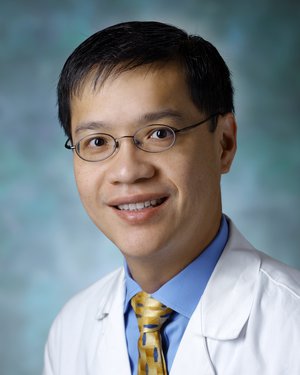 Chao-Wei Hwang合作论文数Department of Medicine, School of Medicine, Johns Hopkins University1
 Donald E. Ingber合作论文数Ingber Laboratory, Boston Children's Hospital;Harvard Medical School;Wyss Institute for Biologically Inspired Engineering, Harvard University;John A. Paulson School of Engineering and Applied Sciences, Harvard University1
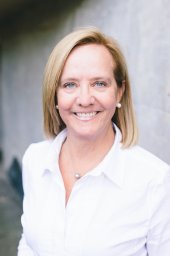 Barbara Astle合作论文数1
 Bruce J. Mayer合作论文数Department of Genetics and Genome Sciences, University of Connecticut1
 Sui Huang合作论文数Institute for Systems Biology1
 Alan Barber合作论文数Faculty of Medical and Health Sciences, University of Auckland;Centre for Brain Research, University of Auckland1Evert Jessica合作论文数1
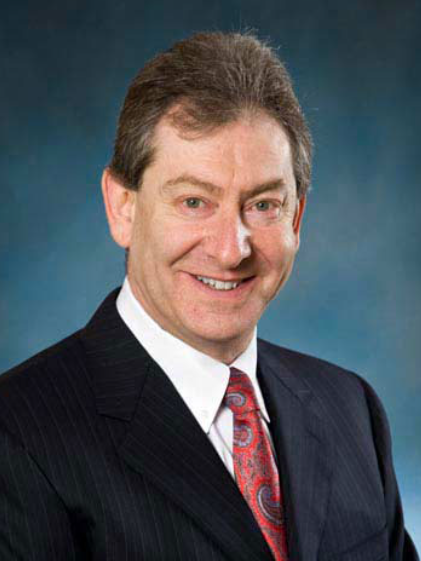 Stephen N. Davis合作论文数Department of Medicine, School of Medicine, University of Maryland;University of Maryland Medical Center1Warach Steven J合作论文数1
 William A Cherniak合作论文数1
 Anindya Dutta合作论文数Department of Genetics, Heersink School of Medicine, The University of Alabama at Birmingham1J Dambrosia合作论文数1
 Frank Mckeon合作论文数Department of Biology and Biochemistry, College of Natural Sciences and Mathematics, University of Houston1Paula Pinkston合作论文数1
 Mark Parsons合作论文数South Western Sydney Clinical School, The University of New South Wales;Department of Neurology, Royal Melbourne Hospital1Judith Epstein合作论文数1
 Louis R Caplan合作论文数Beth Israel Deaconess Medical Center;Department of Neurology, Harvard Medical School, Harvard University1Alister Browne合作论文数1Phillipe Clerc合作论文数1R.Alan B. Ezekowitz合作论文数1Matti Hayry合作论文数1
 Stefan Eriksson合作论文数Department of Economics, Uppsala University1
 Daniel Caput合作论文数1Evan Stuart Garfein合作论文数1
 Michael E. Silverman合作论文数Department of Emergency Medicine, Morristown Memorial Hospital1
 Gert Helgesson合作论文数Centre for Bioethics, Uppsala University & Karolinska Institutet1
 Dennis Paul Orgill合作论文数Division of Plastic Surgery, Brigham and Women's Hospital;Harvard Medical School1Rick a Rogers合作论文数1Edward H. Fischer合作论文数1




