BACKGROUND:Endothelium-derived NO is an important vasodilator essential for maintaining vascular homeostasis. However, how eNOS (endothelial nitric oxide synthase) is regulated in hypertension conditions is not yet fully understood. In this study, we describe a critical role of the GLRA2 (α2 subunit of glycine receptor) in modulating eNOS signaling and blood pressure regulation. METHODS:Endothelial-specific Glra2-deficient mice and the adeno-associated viral-transfected mice were generated to assess the role of GLRA2 in hypertension models. Endothelium-dependent relaxation response and whole-cell patch clamp recording were determined. RESULTS:We first demonstrated selective expression of GLRA2 in arterial endothelial cells. Activation of GLRA2 by its ligand, glycine, effectively counteracts hypertension in a GLRA2-dependent manner. Our patient study indicated a negative correlation between plasma levels of glycine and blood pressure. Furthermore, we showed that endothelial GLRA2 regulates vasodilation by promoting NO production, rather than functioning solely as a chloride channel. Mechanistically, GLRA2 facilitates the phosphorylation of glycogen synthase kinase-3β at Ser9 (serine 9), which activates the AKT (protein kinase B)/eNOS signaling pathway in the endothelium, leading to increased NO release. CONCLUSIONS:This study discovers that a novel endothelial GLRA2 pathway holds significant potential for developing new strategies to control hypertension.
Many important vascular diseases including neointimal hyperplasia and atherosclerosis are characterized by the endothelial cell (EC) injury-initiated pathological vascular remodeling. However, the endogenous regulatory mechanisms underlying it are not fully understood. The present study investigates regulatory role of major vault protein (MVP) in the pathogenesis of vascular remodeling via controlling EC injury. By generating male murine vascular disease models, we find that ablation of endothelial MVP increases neointima formation and promotes atherosclerosis. Mechanistically, MVP directly binds with Parkin and inhibits the ubiquitination and proteasomal degradation of Parkin by dissociating the E3 ligase NEDD4L from Parkin, leading to activation of Parkin-mediated mitophagy pathway in the EC. Genetic modulation of endothelial MVP and Parkin influences the mitophagy, apoptosis, and neointima formation. These results demonstrate that MVP acts as an intracellular regulator promoting Parkin-mediated mitophagy. Our findings suggest that MVP/NEDD4L/Parkin axis may serve as the therapeutic target for treating intimal hyperplasia and atherosclerosis.
Multiple hematological indicators have been shown to be associated with the prediction and prognosis of gliomas. The present study aimed to explore the value of 22 preoperative peripheral blood routine indicators in the diagnosis and prognosis prediction of glioma. Patients with glioma were grouped according to the 2021 World Health Organization (WHO) guidelines for glioma. The correlations among preoperative peripheral blood routine indicators in all patients with glioma were assessed using Spearman's rank correlation analysis. The relationships between these indicators and glioma molecular subtypes were evaluated using ANOVA, independent samples t-test and logistic regression analysis. Analysis of prognosis prediction was conducted using multivariate Cox regression. Based on the WHO 2021 guidelines, patients with glioma were classified into 92 cases of astrocytoma, 77 cases of oligodendroglioma and 402 cases of glioblastoma. Among 22 routine blood indicators, 10 low-correlation indicators were identified, 9 of which demonstrated significant value for the diagnosis of glioma. Among them, the neutrophil percentage (NEUT%) showed a notable predictive power in glioma molecular subtypes classification. In the study of overall survival (OS) prediction in patients with glioma, 6 biomarkers were found to be significantly associated with OS. Through statistical analysis, 4 independent biomarkers were selected to construct a multivariable Cox regression model. However, in the regression model, NEUT% was identified as the sole statistically significant biomarker. Despite its statistical significance, the results indicated that NEUT% had limited effectiveness in predicting OS in patients with glioma. Certain preoperative blood indicators had significant predictive value for glioma diagnosis, with NEUT% emerging as a key biomarker for predicting the presence of glioma. For prognosis, although NEUT% showed a modest effect size, it was significantly associated with poor outcomes in patients with glioma. Monitoring preoperative NEUT% levels is therefore clinically important for glioma diagnosis and prognosis.
As the prevalence of obesity increases dramatically, obesity-associated cardiac dysfunction constitutes a considerable challenge to human health. This study aimed to identify more useful lipid/inflammatory markers to predict the risk of obesity-associated cardiac dysfunction. By retrospectively analyzing the clinical characteristics of 5648 cardiac disease patients, we found that both the plasma level of high-density lipoprotein cholesterol (HDL-C) and the blood monocyte count were significantly associated with impairment of the left ventricular ejection fraction (LVEF). Univariate and multivariate regression analyses revealed that the monocyte to HDL-C ratio (MHR) was a more powerful predictor of the risk of LVEF decline than either HDL-C or monocyte alone. Mediation analysis further revealed a mediating effect of a high MHR on the decline in obesity-associated cardiac systolic function. Collectively, our results demonstrate a superior role of MHR in predicting the risk of an obesity-associated decline in cardiac systolic function among routine metabolic/inflammatory markers.
Macrophage-orchestrated inflammation contributes to multiple diseases including sepsis. However, the underlying mechanisms remain to be defined clearly. Here, we show that macrophage TP53-induced glycolysis and apoptosis regulator (TIGAR) is up-regulated in murine sepsis models. When myeloid Tigar is ablated, sepsis induced by either lipopolysaccharide treatment or cecal ligation puncture in male mice is attenuated via inflammation inhibition. Mechanistic characterizations indicate that TIGAR directly binds to transforming growth factor β-activated kinase (TAK1) and promotes tumor necrosis factor receptor-associated factor 6-mediated ubiquitination and auto-phosphorylation of TAK1, in which residues 152-161 of TIGAR constitute crucial motif independent of its phosphatase activity. Interference with the binding of TIGAR to TAK1 by 5Z-7-oxozeaenol exhibits therapeutic effects in male murine model of sepsis. These findings demonstrate a non-canonical function of macrophage TIGAR in promoting inflammation, and confer a potential therapeutic target for sepsis by disruption of TIGAR-TAK1 interaction.
Adipokines play key roles in adaptive thermogenesis of beige adipocytes, though its detailed regulatory mechanisms are not fully understood. In the present study, we identify a critical function of vascular endothelial growth factor B (VEGFB)/vascular endothelial growth factor receptor 1 (VEGFR1) signaling in improving thermogenesis in white adipose tissue (WAT). In mouse subcutaneous WAT (scWAT), thermogenesis activation leads to the up-regulation of VEGFB in adipocytes and its receptor VEGFR1 in macrophages. Ablation of adipocyte VEGFB results in deficiency in murine WAT browning. Meanwhile, supplementation of VEGFB promotes WAT thermogenesis, but this effect is blocked by knockout of macrophage VEGFR1. Mechanistic studies show that the VEGFB-activated VEGFR1 inhibits p38 MAPK signaling through its dissociation with receptor for activated C kinase 1, thereby preventing norepinephrine transporter (solute carrier family 6 member 2) and norepinephrine-degrative monoamine oxidase a mediated norepinephrine clearance in macrophages. Our findings demonstrate that VEGFB/VEGFR1 circuit contributes to the WAT thermogenesis.
The macrophage-mediated inflammatory response is crucial for the recovery of skeletal muscle following ischemia. Therefore, macrophage-based therapeutic targets need to be explored for ischemic disease. In the current study, we found that the mRNA levels of scavenger receptor A1 ( Sr-a1) were elevated in patients with critical limb ischemia, based on an analysis of the Gene Expression Omnibus data. We then investigated the role and underlying mechanisms of macrophage SR-A1 in a mouse hindlimb ischemia (HLI) model. Compared with the Sr-a1 fl/fl mice, the Lyz Cre/+/ Sr-a1 flox/flox ( Sr-a1 ΔMΦ) mice showed significantly reduced laser Doppler blood flow in the ischemic limb on day seven after HLI. Consistently, histological analysis revealed that the ischemic limb of the Sr-a1 ΔMΦ mice exhibited more severe and prolonged necrotic morphology, inflammation, fibrosis, decreased vessel density, and delayed regeneration than that of the control Sr-a1 fl/fl mice. Furthermore, restoring wild-type myeloid cells to the Sr-a1 knockout mice effectively improved the Doppler perfusion in the ischemic limb and mitigated skeletal muscle damage seven days after HLI. Consistent with these in vivo findings, co-cultivating macrophages with the mouse myoblast cell line C2C12 revealed that the Sr-a1 -/- bone marrow macrophages significantly inhibited myoblast differentiation in vitro. Mechanistically, SR-A1 enhanced the skeletal muscle regeneration in response to HLI by inhibiting oncostatin M production via suppression of the NF-κB signaling activation. These findings indicate that SR-A1 may be a promising candidate protein to improve tissue repair and regeneration in peripheral ischemic arterial disease.
BackgroundGliomas are the most common primary brain tumours and constitute approximately half of all malignant glioblastomas. Unfortunately, patients diagnosed with malignant glioblastomas typically survive for less than a year. In light of this circumstance, genotyping is an effective means of categorising gliomas. The Ki67 proliferation index, a widely used marker of cellular proliferation in clinical contexts, has demonstrated potential for predicting tumour classification and prognosis. In particular, magnetic resonance imaging (MRI) plays a vital role in the diagnosis of brain tumours. Using MRI to extract glioma-related features and construct a machine learning model offers a viable avenue to classify and predict the level of Ki67 expression.MethodsThis study retrospectively collected MRI data and postoperative immunohistochemical results from 613 glioma patients from the First Affliated Hospital of Nanjing Medical University. Subsequently, we performed registration and skull stripping on the four MRI modalities: T1-weighted (T1), T2-weighted (T2), T1-weighted with contrast enhancement (T1CE), and Fluid Attenuated Inversion Recovery (FLAIR). Each modality's segmentation yielded three distinct tumour regions. Following segmentation, a comprehensive set of features encompassing texture, first-order, and shape attributes were extracted from these delineated regions. Feature selection was conducted using the least absolute shrinkage and selection operator (LASSO) algorithm with subsequent sorting to identify the most important features. These selected features were further analysed using correlation analysis to finalise the selection for machine learning model development. Eight models: logistic regression (LR), naive bayes, decision tree, gradient boosting tree, and support vector classification (SVM), random forest (RF), XGBoost, and LightGBM were used to objectively classify Ki67 expression.ResultsIn total, 613 patients were enroled in the study, and 24,455 radiomic features were extracted from each patient’s MRI. These features were eventually reduced to 36 after LASSO screening, RF importance ranking, and correlation analysis. Among all the tested machine learning models, LR and linear SVM exhibited superior performance. LR achieved the highest area under the curve score of 0.912 ± 0.036, while linear SVM obtained the top accuracy with a score of 0.884 ± 0.031.ConclusionThis study introduced a novel approach for classifying Ki67 expression levels using MRI, which has been proven to be highly effective. With the LR model at its core, our method demonstrated its potential in signalling a promising avenue for future research. This innovative approach of predicting Ki67 expression based on MRI features not only enhances our understanding of cell activity but also represents a significant leap forward in brain glioma research. This underscores the potential of integrating machine learning with medical imaging to aid in the diagnosis and prognosis of complex diseases.
AIMS:Abdominal aortic aneurysm (AAA) is a common, usually asymptomatic disease with high mortality and limited therapeutic options. Extensive extracellular matrix (ECM) fragmentation and transmural inflammation act as major pathological processes of AAA. However, the underlying regulatory mechanisms remain incompletely understood. Herein, we aimed to investigate the role of scavenger receptor A1 (SR-A1), a key pattern recognition receptor modulating macrophage activity, in pathogenesis of AAA.METHODS AND RESULTS:The AAA model was generated by administration of angiotensin II (Ang II) into apolipoprotein E knockout mice or peri-arterial application of calcium phosphate in C57BJ/6L mice. We found that SR-A1 was markedly down-regulated in the macrophages isolated from murine AAA aortas. Global or myeloid-specific ablation of SR-A1 aggravated vascular inflammation, loss of vascular smooth muscle cells and degradation of the extracellular matrix. These effects of SR-A1 deficiency on AAA development were mediated by suppressed immunoresponsive gene 1 (IRG1) and increased inflammatory response in macrophages. Mechanically, binding of SR-A1 with Lyn led to STAT3 phosphorylation and translocation into the nucleus, in which STAT3 promoted IRG1 transcription through directly binding to its promoter. Restoration of macrophage SR-A1 in SR-A1-deficient mice by bone marrow transplantation or administration of 4-octyl itaconate, the derivate of IRG1 product itaconate, could relieve murine AAA.CONCLUSION:Our study reveals a protective effect of macrophage SR-A1-STAT3-IRG1 axis against aortic aneurysm formation via inhibiting inflammation.
Background: Macrophages are implicated in atherosclerotic plaque instability by inflammation and degradation of extracellular matrix. However, the regulatory mechanisms driving these macrophage-associated processes are not well understood. Here, we aimed to identify the plaque destabilization-associated cytokines and signaling pathways in macrophages. Methods: The atherosclerotic models of myeloid-specific MVP (major vault protein) knockout mice and control mice were generated. Atherosclerotic instability, macrophage inflammatory signaling, and active cytokines released by macrophages were examined in vivo and in vitro by using cellular and molecular biological approaches. Results: MVP deficiency in myeloid cells exacerbated murine plaque instability by increasing production of both MMP (matrix metallopeptidase)-9 and proinflammatory cytokines in artery wall. Mechanistically, expression of MMP-9 was mediated via ASK1 (apoptosis signal-regulating kinase 1)-MKK-4 (mitogen-activated protein kinase kinase 4)-JNK (c-Jun N-terminal kinase) signaling in macrophages. MVP and its α-helical domain could bind with ASK1 and inhibit its dimerization and phosphorylation. A 62 amino acid peptide (MVP-[686–747]) in the α-helical domain of MVP showed a crucial role in preventing macrophage MMP-9 production and plaque instability. Conclusions: MVP may act as an inhibitor for ASK1-JNK signaling-mediated MMP-9 production in macrophages and, thereby, attenuate unstable plaque formation. Our findings suggest that suppression of macrophage ASK1-JNK signaling may be a useful strategy antagonizing atherosclerotic diseases.
OBJECTIVE:Chronic inflammatory response plays a prominent role in obesity-related nonalcoholic fatty liver disease (NAFLD). However, the intrahepatic triggering mechanism of inflammation remains obscure. This study aimed to elucidate the role of serum amyloid A1 (SAA1), an acute-phase response protein, in the obesity-induced hepatic inflammation and NAFLD. METHODS:Male mice were fed a high fat diet (HFD) for 16 weeks, and insulin resistance, hepatic steatosis, and inflammation in mice were monitored. Murine SAA1/2 was genetically manipulated to investigate the role of SAA1 in NAFLD. RESULTS:We found that SAA1 was increased in the NAFLD liver in both humans and mice. Knockout of SAA1/2 or knockdown of hepatic SAA1/2 promoted energy expenditure and alleviated HFD-induced metabolic disorder, hepatic steatosis, and inflammation. Endogenous overexpression of SAA1 in hepatocytes by adeno-associated virus 8 (AAV8) transfection aggravated overnutrition-associated gain of body weight, insulin resistance, hepatic lipid accumulation, and liver injury, which were markedly alleviated by knockout of murine toll-like receptor 4 (TLR4). Mechanistically, SAA1 directly bound with TLR4/myeloid differentiation 2 (MD2) to induce TLR4 internalization, leading to the activation of nuclear factor (NF)-κB signaling and production of both SAA1 and other inflammatory cytokines, including interleukin (IL)-6 and C-C chemokine ligand (CCL2) in hepatocytes. Administration of HFD mice with an AAV8-shRNA-SAA1/2 showed a therapeutic effect on hepatic inflammation and NAFLD progression. CONCLUSIONS:These results demonstrate that SAA1 triggers hepatic steatosis and intrahepatic inflammatory response by forming a SAA1/TLR4/NF-κB/SAA1 feedforward regulatory circuit, which, in turn, leads to NAFLD progression. SAA1 may act as a potential target for the disease intervention.
Obesity is an escalating global pandemic posing a serious threat to human health. The intervention therapy using weight-reducing drugs, accompanied by lifestyle modification, is a strategy for the treatment of obesity. In the present study, we explored the role of fucoidan, a seaweed compound, on high-fat diet (HFD)-induced obesity in mice. We found that fucoidan treatment significantly reduced the body fat and caused redistribution of visceral and subcutaneous fat in HFD-fed mice. Meanwhile, fucoidan treatment inhibited adipocyte hypertrophy and inflammation in adipose tissue. Collectively, these results suggest that fucoidan may be a promising treatment for obesity and obesity-induced complications.
Background: Circular RNAs (circRNAs) are involved in inflammation; however, their role in allergic rhinitis (AR) remains unclear. In this study, we analyzed circRNA expression and identified a circRNA-miRNA-mRNA network through which circRNAs regulate AR pathogenesis. Methods: We analyzed circRNA, miRNA, and mRNA expression profiles in the nasal mucosa by high-throughput sequencing (HTS), using a fold-change >1.5 and p-value < 0.05 to pinpoint significantly differentially expressed (DE) circRNAs, miRNAs, and mRNAs in AR. A DEcircRNA-DEmiRNA-DEmRNA crosstalk network was then constructed using bioinformatics and statistical analysis. Gene ontology and Kyoto encyclopedia of genes and genomes pathway analyses were performed to identify the biological terms enriched in the network; whereas RT-PCR and Sanger sequencing were used to confirm the circRNAs. Results: A total of 264 DEcircRNAs were identified by HTS, including 120 upregulated and 144 downregulated in AR compared to controls. A DEcircRNA-DEmiRNA-DEmRNA crosstalk network was constructed with 17 miRNAs, 11 circRNAs, 29 mRNAs, and 64 interaction pairs. These genes were involved in the Wnt signaling pathway, TNF biosynthesis, inflammatory responses, the PI3K-Akt signaling pathway, and Toll-like receptors. Of the 11 DEcircRNAs, hsa_circ_0008668 and circTRIQK were upregulated, whereas hsa_circ_0029853 and circRNA_01002 were down-regulated in AR tissues. Sanger sequencing confirmed the back-splicing junctions of these circRNAs. Conclusions: We constructed a novel DEcircRNA-DEmiRNA-DEmRNA network for AR that pro -vides a basis for future studies to investigate its underlying molecular mechanisms.
While Zn2+ dyshomeostasis is known to contribute to ischemia/reperfusion (I/R) injury, the roles of zinc transporters that are responsible for Zn2+ homeostasis in the pathogenesis of I/R injury remain to be addressed. This study reports that ZIP13 (SLC39A13), a zinc transporter, plays a role in myocardial I/R injury by modulating the Ca2+ signaling pathway rather than by regulating Zn2+ transport. ZIP13 is downregulated upon reperfusion in mouse hearts or in H9c2 cells at reoxygenation. Ca2+ but not Zn2+ was responsible for ZIP13 downregulation, implying that ZIP13 may play a role in I/R injury through the Ca2+ signaling pathway. In line with our assumption, knockout of ZIP13 resulted in phosphorylation (Thr287) of Ca2+-calmodulin-dependent protein kinase (CaMKII), indicating that downregulation of ZIP13 leads to CaMKII activation. Further studies showed that the heart-specific knockout of ZIP13 enhanced I/R-induced CaMKII phosphorylation in mouse hearts. In contrast, overexpression of ZIP13 suppressed I/R-induced CaMKII phosphorylation. Moreover, the heart-specific knockout of ZIP13 exacerbated myocardial infarction in mouse hearts subjected to I/R, whereas overexpression of ZIP13 reduced infarct size. In addition, knockout of ZIP13 induced increases of mitochondrial Ca2+, ROS, mitochondrial swelling, decrease in the mitochondrial respiration control rate (RCR), and dissipation of mitochondrial membrane potential (ΔΨm) in a CaMKII-dependent manner. These data suggest that downregulation of ZIP13 at reperfusion contributes to myocardial I/R injury through activation of CaMKII and the mitochondrial death pathway.
RATIONALE:Doxorubicin-induced cardiomyopathy (DiCM) is a primary cause of heart failure and mortality in cancer patients, in which macrophage-orchestrated inflammation serves as an essential pathological mechanism. However, the specific roles of tissue-resident and monocyte-derived macrophages in DiCM remain poorly understood.OBJECTIVE:Uncovering the origins, phenotypes, and functions of proliferative cardiac resident macrophages and mechanistic insights into the self-maintenance of cardiac macrophage during DiCM progression.METHODS AND RESULTS:Mice were administrated with doxorubicin to induce cardiomyopathy. Dynamic changes of resident and monocyte-derived macrophages were examined by lineage tracing, parabiosis, and bone marrow transplantation. We found that the monocyte-derived macrophages primarily exhibited a proinflammatory phenotype that dominated the whole DiCM pathological process and impaired cardiac function. In contrast, cardiac resident macrophages were vulnerable to doxorubicin insult. The survived resident macrophages exhibited enhanced proliferation and conferred a reparative role. Global or myeloid specifically ablation of SR-A1 (class A1 scavenger receptor) inhibited proliferation of cardiac resident reparative macrophages and, therefore, exacerbated cardiomyopathy in DiCM mice. Importantly, the detrimental effect of macrophage SR-A1 deficiency was confirmed by transplantation of bone marrow. At the mechanistic level, we show that c-Myc (Avian myelocytomatosis virus oncogene cellular homolog), a key transcriptional factor for the SR-A1-P38-SIRT1 (Sirtuin 1) pathway, mediated the effect of SR-A1 in reparative macrophage proliferation in DiCM.CONCLUSIONS:The SR-A1-c-Myc axis may represent a promising target to treat DiCM through augmentation of cardiac resident reparative macrophage proliferation.
Aims Dysfunctional innate immune function and inflammation contributes to the pathogenesis of obesity-associated hypertension, in which macrophage infiltration in the perivascular adipose tissue (PVAT) plays a key role. However, the mechanisms behind it are not well understood. Class A1 scavenger receptor (SR-A1) is one of the major pattern recognition receptors in modulating macrophage activity, and here, we aimed to investigate its role in obesity-associated hypertension. Methods and results Both diet-induced and genetic obesity were generated in mice. Deficiency in SR-A1 aggravated the obesity-induced blood pressure (BP) elevation and endothelial dysfunction in mice. The BP-elevating effect of SR-A1 deficiency was blocked by the down-regulation of vascular endothelial growth factor B (VEGF-B) in obese mice. Overexpression of VEGF-B raised BP in the obese mice but not in normal mice. Administration of fucoidan, a ligand of SR-A1, Lowered BP, and VEGF-B levels in Sr-a1(+/+) but not in Sr-a1(-/-) obese mice. Conclusuion These results reveal a new link between PVAT and vascular biology in obesity orchestrated by the SR-A1/VEGF-B axis in macrophages. SR-A1 and VEGF-B may be promising therapeutic targets in the treatment of obesityassociated hypertension. [GRAPHICS] .
BackgroundMajor vault protein (MVP) is the major component of vault, a eukaryotic organelle involved in multiple cellular processes, and is important in multiple cellular processes and diseases including the drug resistance in cancer chemotherapies. However, the role of MVP in lung cancer remains unclear.MethodsWe examined MVP expression in 120 non-small cell lung cancer (NSCLC) tumors and matched normal tissues by immunohistochemistry. Its relationship with NSCLC prognosis was determined by investigating the patient cohort and analyzing the data from a published dataset consisting with more than 1900 lung cancer patients. We further performed shRNA-introduced knockdown of MVP in Lewis lung carcinoma (LLC) cells and examined its effects on the tumor formation in a xenograft mouse model and the tumor cell proliferation, apoptosis, and signal transduction in vitro.ResultsWe found that MVP was up-regulated significantly in tumor tissues compared with the matched tumor-adjacent normal tissues. The increased expression of MVP in lung adenocarcinoma was associated with a better prognosis. Knockdown of MVP in LLC cells promoted xenografted lung cancer formation in mice, which was accompanied with accelerated tumor cell proliferation and suppressed cell apoptosis in vitro. Knockdown of MVP stimulated STAT3 phosphorylation, nuclear localization, and activation of JAK2 and RAF/MEK/ERK pathways in LLC cells. Administration of STAT3 inhibitor WP1066 could prevent MVP knockdown induced tumorigenesis.ConclusionsOur findings demonstrate that MVP may act as a lung tumor suppressor via inhibiting STAT3 pathway. MVP would be a potential target for novel therapies of lung adenocarcinoma.
Macrophage-orchestrated, low-grade chronic inflammation plays a pivotal role in obesity and atherogenesis. However, the underlying regulatory mechanisms remain incompletely understood. Here, we identify major vault protein (MVP), the main component of unique cellular ribonucleoprotein particles, as a suppressor for NF-κB signaling in macrophages. Both global and myeloid-specific MVP gene knockout aggravates high-fat diet induced obesity, insulin resistance, hepatic steatosis and atherosclerosis in mice. The exacerbated metabolic disorders caused by MVP deficiency are accompanied with increased macrophage infiltration and heightened inflammatory responses in the microenvironments. In vitro studies reveal that MVP interacts with TRAF6 preventing its recruitment to IRAK1 and subsequent oligomerization and ubiquitination. Overexpression of MVP and its α-helical domain inhibits the activity of TRAF6 and suppresses macrophage inflammation. Our results demonstrate that macrophage MVP constitutes a key constraint of NF-κB signaling thereby suppressing metabolic diseases.
Macrophage class A1 scavenger receptor (SR-A1) is a pattern recognition receptor with an anti-inflammatory feature in cardiovascular diseases. However, its role in acute aortic dissection (AD) is not known yet. Using an aortic dissection model in SR-A1-deficient mice and their wild type littermates, we found that SR-A1 deficiency aggravated beta-aminopropionitrile monofumarate induced thoracic aortic dilation, false lumen formation, extracellular matrix degradation, vascular inflammation and accumulation of apoptotic cells. These pathological changes were associated with an impaired macrophage efferocytosis mediated by tyrosine-protein kinase receptor Tyro3 in vitro and in vivo. SR-A1 could directly interact with Tyro3 and was required for Tyro3 phosphorylation to activate its downstream PI3K/Akt signaling pathway. Importantly, co-culture of SR-A1−/− macrophages with apoptotic Jurkat cells resulted in less devoured apoptotic cells accompanied by swelling mitochondria and damaged ATP generation, following poor IL-10 and robust TNF-α production. Deficiency of SR-A1 did not influence phagolysosome formation during the efferocytosis. Lentiviral overexpression of Tyro3 in SR-A1−/− macrophages induced restorative phagocytosis in vitro. Administration of Tyro3 agonist protein S could restore SR-A1−/− macrophages phagocytosis in vitro and in vivo. These findings suggest that SR-A1-Tyro3 axis in macrophages mitigate AD damage by promoting efferocytosis and inhibiting inflammation.
Inflammatory bowel disease is characterized by chronic intestinal inflammatory disorders associated with increased risk of developing colorectal cancer. However, the detailed mechanisms are not fully understood. The aim of this study was to determine the effect of macrophage scavenger receptor class A1 (SR-A1), a pattern recognition receptor primarily expressed in macrophages, on colitis and clarify the underlying mechanisms. We found that SR-A1−/− mice had an aggravating dextran sodium sulfate-induced acute and recurring colitis. This action was associated with a robust activation of both canonical and noncanonical NF-κB signaling in the colon. Suppression of the noncanonical NF-κB signaling by SR-A1 may be via its interaction with TRAF3 in macrophages. Furthermore, the anti-inflammation effect of SR-A1 could inhibit occurrence of colitis-associated cancer in mice. These results, for the first time, demonstrate that SR-A1 as a suppressor for inflammatory bowel disease.
 Qi Chen (陈琪)合作论文数School of Basic Medical Sciences, Nanjing Medical University34
 Hui Bai合作论文数30
 Jingjing Ben (贲晶晶)合作论文数School of Basic Medical Sciences, Nanjing Medical University28
 Hanwen Zhang (张瀚文)合作论文数School of Basic Medical Sciences, Nanjing Medical University24
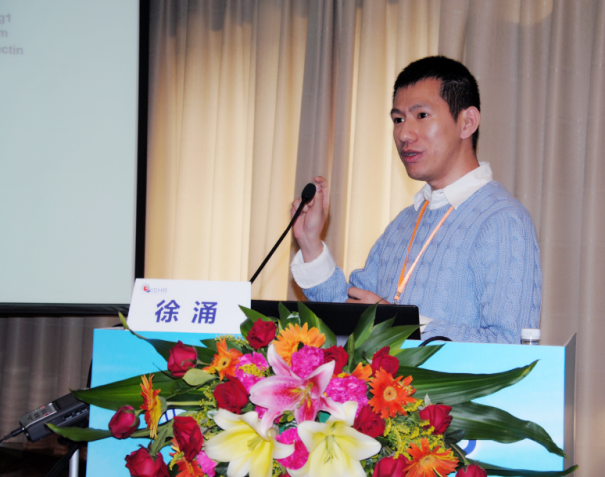 Yong Xu (徐涌)合作论文数南京医科大学基础医学院11Bin Jiang合作论文数8Yan Zhang合作论文数6
 Nan Li (李南)合作论文数College of Economics and Management, Nanjing University of Aeronautics and Astronautics6
 Yan Wang (王言)合作论文数Centre for Translational Medicine Research and Development, Shenzhen Institutes of Advanced Technology, Chinese Academy of Sciences;University of Chinese Academy of Sciences;Shenzhen Research Institute, The Chinese University of Hong Kong4Wang Dongdong合作论文数4Li Kexue合作论文数4Liu Zhu合作论文数4
 Junqing Ma (马俊青)合作论文数Department of Orthodontics, Stomatological Hospital Affiliated to Nanjing Medical University4Yunlong Jiang合作论文数3guijuan zong合作论文数3Jianan Huang合作论文数3Rong-Mei Zhou合作论文数3Jing Zhang合作论文数3Yaqin Zhu合作论文数3Ke Ma合作论文数3Lili Chen合作论文数State Key Laboratory of Pharmaceutical Biotechnology, Department of Biochemistry, College of Life Sciences, Nanjing University, Nanjing 210093, PR China3Yu Qi合作论文数Nanjing Med Univ, Dept Pathophysiol, Key Lab Cardiovasc Dis & Mol Intervent, Nanjing 211166, Jiangsu, Peoples R China3Lu Yan合作论文数3Wang Chenchen合作论文数3Fang Ru合作论文数3Yongjing Zhang合作论文数2Xiaodan Zhou合作论文数2Zhuoyun Wang合作论文数2Shichao Chen (陈世超)合作论文数2Lei Wang合作论文数2Yuchen Jiang合作论文数2Qingling Liu合作论文数2Zhongqiu Zhou合作论文数2Xing Tong合作论文数2
 Xudong Zhu (朱旭东)合作论文数College of Life Sciences, Beijing Normal University2
 Qian Lingling合作论文数2
 Erik Wiemer合作论文数Department of Medical Oncology, Cancer Institute, Erasmus Medical Center2Wang Si-Ying合作论文数2Yan Zhuang (庄燕)合作论文数2Donghai Li (李冬海)合作论文数School of Life Sciences, Nanjing University2Xuan Sun (孙瑄)合作论文数2
 Qin Hu (胡琴)合作论文数School of Pharmacy, Nanjing Medical University2
 Xiaoyu Li (李晓宇)合作论文数Institute of Medicinal Biotechnology, Chinese Academy of Medical Sciences & Peking Union Medical College2Hanpeng Huang (黄汉鹏)合作论文数2Hongjian Zhang合作论文数1
 Liansheng Wang (王连生)合作论文数Nanjing Medical University1




