From January 1993 through June 1999, 18 simultaneous pancreas–kidney transplants (SPKs) were performed from controlled non-heart-beating donors (NHBDs) and 339 SPKs were performed from heart-beating donors (HBDs). No difference in donor characteristics was noted except for warm ischemic time, which was 14.8 min (range 4–46 min) for NHBDs. Following transplantation, no difference in pancreatic function was noted; however, a higher rate of enteric conversions was seen in pancreas transplants from NHBDs (32% vs. 13%; p < 0.01). Hemodialysis for acute tubular necrosis (ATN) was higher in kidney transplants from NHBDs (22.2% vs. 4.1%; p = 0.009) as was discharge serum creatinine (1.7 mg/dl vs. 1.5 mg/dl; p < 0.05). Also, the number of patients remaining rejection free was lower for NHBDs and approached significance (33.3% vs. 50.1%; p = 0.07). However, no difference in patient survival (100% vs. 95.4%) or pancreatic (87.4% vs. 86.5%) and renal (86.3% vs. 86.3%) allograft survival was noted during the study period. Our results indicate that SPK transplantation from controlled NHBDs is a viable method for increasing the number of pancreas and kidney transplants available for transplantation.
Background/Aims: Combination therapy with interferon-α (IFN-α) plus ribavirin is more efficacious than IFN-α monotherapy in previously untreated patients with chronic hepatitis C and patients with IFN-α relapse. Only limited data are available in IFN-α non-responders. In a multicenter trial we therefore evaluated the efficacy of combination therapy in IFN-α-resistant chronic hepatitis C. Methods: Eighty-two patients (mean age 46.8 years, 54 males, 28 females) with chronic hepatitis C were treated with IFN-α-2a (3 × 6 MIU/week) and ribavirin (14 mg/kg daily) for 12 weeks. Thereafter, treatment was continued only in virological responders (undetectable serum HCV RNA at week 12) with an IFN-α dose of 3 × 3 MIU/week and without ribavirin for a further 9 months. The primary study endpoint was an undetectable HCV RNA by RT-PCR at the end of the 24-week follow-up period. Results: After 12 weeks of combination therapy, an initial virological response was observed in 29 of 82 (35.4%) patients. Due to a high breakthrough rate after IFN-α dose reduction and ribavirin discontinuation, an end-of-treatment response was only achieved in 12 of 82 (14.6%) patients. After the follow-up period, a sustained virological response was observed in 8 of 82 (9.8%) patients. Infection with HCV genotype 3 was the only pretreatment parameter, which could predict a sustained response (HCV-1, 5%; HCV-3, 57.1%; p < 0.001). Conclusions: Despite a high initial response rate of 35.4%, sustained viral clearance was achieved only in 9.8% of the retreated primary IFN-α non-responders. Higher IFN-α induction and maintenance dose, as well as prolonged ribavirin treatment may possibly increase the virological response rates in non-responders, particularly in those infected by HCV-1.
BACKGROUND:Combination therapy with interferon alpha (IFNalpha) plus ribavirin has been shown to improve the sustained response rate in patients with chronic hepatitis C but there is little information regarding the lengths of time for this therapeutic regimen. In this study we therefore tried to evaluate whether the analysis of different virological parameters could provide new clues with respect to the early determination of the efficacy of this form of combination therapy. Furthermore, we also examined whether short-term induction combination therapy followed by IFNalpha alone is more effective than monotherapy in mounting an initial as well as a sustained virological response.METHODS:185 patients with histologically proven chronic hepatitis C (mean age 42 years (range 19-65 years); 110 males, 75 females) were enrolled in the study. The patients were randomly assigned to receive, over the first 12 weeks, either interferon alpha 2a 6 million units (MU) three times weekly plus ribavirin 14 mg/kg per day (n=93) or the same dose of IFNalpha alone (n=92). Patients with a virological response (serum HCV RNA undetectable) after 12 weeks were subsequently treated with 3 MU IFNalpha alone thrice weekly for a further 40 weeks. Otherwise, treatment was discontinued. After the end of treatment, patients were followed up for 24 weeks.RESULTS:Patient characteristics at baseline were not significantly different in the two treatment groups. An initial virological response at week 12 was seen in 61 (66%) patients receiving IFNalpha plus ribavirin and in 44 (48%) being treated with IFNalpha alone (p=0.015) and this improvement in the response rate was mainly restricted to HCV genotype 1-infected patients (58% vs. 38%). In contrast, end-of-treatment (week 52) and sustained virological response rates were similar in both groups (37% vs. 29% and 26% vs. 17% [p=0.1], respectively). Interestingly, patients with HCV genotype 3, however, clearly benefited from short-term combination therapy. Thus, sustained virological response rates in these patients significantly increased from 25% (IFNalpha monotherapy) to 59% (combination therapy) (p=0.05).CONCLUSIONS:Short-term combined therapy for 12 weeks is more effective than the monotherapy with respect to the induction of an initial virological response but this effect applies only to genotype 1-infected patients. However, there is no significant difference between both therapeutic schedules with regard to the induction of sustained response. Although HCV genotype 3-infected patients seem to benefit from this short-term combined therapy, prolonged combined therapy may be necessary in HCV genotype 1-infected patients.
BACKGROUND/AIMS:The significance of interferon antibodies with respect to response to treatment in patients with chronic hepatitis C treated with interferon-alpha (INF-alpha) remains a matter of debate. The influence of ribavirin on IFN-antibody formation in combination therapy with IFN-alpha has not yet been studied. Therefore we evaluated the relationship between IFN-antibodies and response to ribavirin/IFN-alpha combination therapy and IFN-alpha monotherapy.METHODS:We studied 169 patients with chronic hepatitis C who were treated either with IFN alpha 2a (6 MU, thrice weekly) alone or in combination with ribavirin (14 mg/kg per day) for twelve weeks. Thereafter, patients who achieved a virological response (HCV-RNA-negative) were treated with 3 MU IFN-alpha thrice weekly for another 40 weeks. IFN antibodies were analyzed and quantified by a double-antigen sandwich enzyme immunoassay (EIA). In 86 patients two neutralization assays--an antiviral neutralization assay as well as an antiproliferative neutralization assay--were performed in addition. The relationship of the development of IFN-antibodies with the virologically defined response to treatment was analyzed.RESULTS:Ribavirin did neither influence the prevalence nor the level of IFN-antibodies. The frequencies of IFN-antibody formation did not differ in the response groups. However, patients with breakthrough showed significantly higher IFN-antibody titers as compared to responder at end of treatment (median 1,336 BU/ml vs. 148 BU/ml; p = 0.018). Among the breakthrough patients those with IFN-antibodies showed the reappearance of HCV-RNA during therapy significantly earlier (median week 24) than those without IFN-antibodies (median week 32; p = 0.03).CONCLUSION:The addition of ribavirin to IFN-alpha does not influence the formation of IFN-antibodies. The development of high-titer IFN-antibodies during IFN-alpha or ribavirin/IFN-alpha therapy of patients with chronic hepatitis C may account for the early occurrence of breakthrough in some patients, while other mechanisms seem to be responsible for this phenomenon in the majority of the afflicted patients.
849 Both donor and recipient factors are known to influence long-term renal allograft survival. Since 1995, the use of donors over age 50 and transplantation of higher risk recipients (retransplants and obese patients) have both increased by 10% in our center. We examined the effect of the change in donor and recipient factors on the incidence of delayed graft function (DGF-defined as dialysis in the first week post-transplant), rejection, and long-term patient and graft survival. We examined three time periods: 1989-91, 1992-94 (coincident with the importation of a large number of HCV-positive donors), and 1995-98. 1604 CAD renal transplants (RTX) were transplanted since 1989. The incidence of DGF was 8% in 1989-91, 13% in 1992-94, and 20% in 1995-98 (p=0.0001). However, two groups of recipients had an extremely low incidence of DGF: 495 SPK (5% DGF rate) and 127 CAD RTX never on dialysis (0% DGF rate). After exclusion of these two groups, 982 CAD RTX had an incidence of DGF of 13% in 1989-91, 18% in 1992-94, and 30% in 1995-98 (p=0.0001). A univariate analysis of multiple risk factors for DGF revealed that non-heart-beating donors (p=0.0001), donor age >50 (p=0.0002), donor HCV-positive (p=0.04), recipient body mass index >27.5 (p=0.0001), and non-primary recipient (p=0.03) were significant risk factors for DGF. In a multivariate analysis, all of the risk factors continued to be highly significant with non-heart-beating donors conferring the greatest risk for DGF with a relative risk of 2.1. Non-significant risk factors for DGF included donor gender, preservation time (mean 30 ± 8 hours), type of preservation (although nearly all kidneys were machine-perfused), shipped kidney, recipient age >50, diabetes, and duration of dialysis. Rejection was more common in recipients with DGF (59% vs 42% in those without DGF, p=0.0001). Patient and graft survival were also affected by DGF with significantly poorer patient and graft survival in patients with DGF. When graft failure was analyzed with death with a functioning graft censored, the 5-year graft survival for recipients without DGF was 81% vs 67% in patients with DGF (p=0.002). Conclusions: (1) A single transplant with all the risk factors identified in this study may have a risk of DGF >90%. This may have implications for allocation of transplants which avoid multiple risk factors for DGF. (2) In the current era, despite improvements in immunosuppression, higher risk donors and recipients have higher rates of DGF and ultimately poorer graft outcome.
A strong virus-specific CD4+ and CD8+ T lymphocyte response to hepatitis B virus (HBV) has been associated with viral clearance, but little is known about factors determining the individual's ability to mount such a T cell response. Recently a strong association between the HLA class II allele DR13 and a self-limited course of HBV infection has been described. In the present study of 33 patients with acute hepatitis B we show that individuals carrying HLA-DR13 mount a more vigorous CD4+ T cell response to HBV core (5706 ct/min (25th/75th percentile 3239 ct/min; 10,552 ct/min)) than patients without HLA-DR 13 (1365 ct/min (490 ct/min; 5334 ct/min); P = 0.006). However, peptide epitopes aa 50-69, aa 61-85, and aa 81-105 were recognized most frequently by both patient groups. Moreover, among 14 HBV core-specific CD4+ T cell clones from two patients with HLA-DR13, only one T cell clone was HLA-DR13-restricted. Our data suggest that the beneficial effect of the HLA-DR13 alleles on the outcome of HBV infection could be explained by a more vigorous HBV core-specific CD4+ T cell response, which may either be due to more proficient antigen presentation by the HLA-DR13 molecules themselves or a linked polymorphism in a neighbouring immunoregulatory gene.
In this study, we demonstrated that Px grafts from donors older than 45 years are associated with an increased risk of developing poor glycemic control and premature loss of Px function. Previous studies corroborate our finding that age of the donor is the principal donor characteristic impacting postoperative Px survival. Whereas prior studies also implicated hyperamylasemia as a factor which contributes adversely to outcome, we were unable to demonstrate a significant influence of donor hyperamylasemia on long-term graft survival, although it did correlate with the degree of immediate postoperative pancreatitis and with the need for oral hypoglycemic agents. Similarly, elevated blood glucoses in the donor, which can be a result of many other factors unrelated to the quality of the graft, did not predict a poor outcome in the recipient. NHB donor pancreata did as well as HB pancreata with regards to all postoperative functional parameters. A marginally increased risk of developing major complications was associated with older donors. Despite the frequent use of non-ideal donors, including older and NHB donors, excellent overall Px graft survival can be achieved. Although the quality of the pancreas graft was not directly addressed in this study, we believe irrespective of hyperglycemia or hyperamylasemia, subjective assessment of organ quality by an experienced transplant surgeon is the most important determinant of suitability.
BACKGROUND/AIMS Pulmonary side effects of interferon-alpha therapy of chronic hepatitis C seem to be rare. So far, only two cases of sarcoidosis in association with interferon-alpha treatment of chronic hepatitis C have been described. METHODS/CASES We report on three patients who were treated with recombinant interferon-alpha2a for chronic hepatitis C, two of them in combination with ribavirin. These patients developed pulmonary sarcoidosis 12, 20 and 21 weeks, respectively, after beginning interferon therapy, one patient with Löfgren's syndrome. In one patient sarcoidosis emerged only after discontinuation of interferon therapy because of treatment failure. Clinical symptoms of sarcoidosis in the three patients were suggestive of side effects of interferon-alpha. Interferon therapy was discontinued and spontaneous remission was observed in all three cases 5, 6, and 8 months, respectively, after the onset of symptoms. CONCLUSION The occurrence of sarcoidosis in association with interferon-alpha therapy for chronic hepatitis C may have been underestimated so far. This could be due to the fact that symptoms of sarcoidosis and common side effects of interferon are similar, and sarcoidosis may occur after the end of interferon therapy. We hypothesize that interferon-alpha as a potent stimulator for T-helper 1 (Th1) immune responses may trigger the compartmentalized Th1 reaction that has been shown to take place in sarcoidosis.
Methods: From July 1984 to July 1995, 99 pediatric patients underwent 127 orthotopic liver transplants (OLT) at the University of Wisconsin Children's Hospital. The patients were divided into four groups according to age at time of transplant: group I, 0 to 6 months (n = 20); group II, 6 to 12 months (n = 18); group III, 1 to 2 years (n = 10); and group IV, 2 to 18 years (n = 51). A retrospective analysis was per formed to compare these four groups with regard to preoperative indications and demographics, intraoperative technique, complications, and survival. All patients were followed up for 2 to 13 years.Results: Biliary atresia was the most common indication for OLT in all four groups. The average waiting period varied from 19 +/- 18 days for group I to 44 +/- 64 days for group IV. Reduced-size liver transplant (1, 41%; II, 52%; III, 28%; IV, 21%), split-liver transplant (I, 0%; II, 7.4%; III, 17%; IV, 2.9%), or whole-liver transplant techniques were used. Although postoperative Intensive Care Unit stay was longer for the 0- to 6-month-old patients (I, 20 +/- 64; II, 7.6 +/- 9; III, 13 +/- 17; IV, 6.8 +/- 14 days), the total hospital stay (I, 43 +/- 63; II, 33 +/- 34; III, 32 +/- 20; IV, 29 +/- 31 days) was similar for all patients. The incidence of hepatic artery thrombosis (I, 19%; II, 19%; III, 27%; IV, 16%), biliary tract complications (I, 4.8%; II, 15%; III, 20%; IV, 14%), and retransplantation (I, 9.5%; II, 41%; III, 33%; IV, 14%) were not significantly different between the four groups. Portal vein thrombosis (I, 9.5%; II, 11%; III, 6.6; IV, 0%) and primary nonfunction (I, 9.5%; II, 7.4%; III, 0%; IV, 3.1%) occurred more frequently in the 0- to 6-month and 6- to 12-month groups, however, the 1; 5-, and 10-year survival rate for patients (I, 85%, 79%, 79%; II, 89%, 74%, 74%; III, 80%, 80%, 80%; IV, 84%, 75%, 75%, respectively) and primary liver allografts (I, 69%, 69%, 69%; II, 72%, 72%, 63%; III, 70%, 70%, 70%; IV, 71%, 57%, 57%, respectively) were not significantly different (P =.98 and P =.83).Conclusion: These results demonstrate that OLT can be effectively performed on infants of all ages and that OLT should not be delayed because of age. Copyright (C) 1998 by W.B. Saunders Company.
This article discusses the guidelines for brain death determination, the criteria for donor selection, the management of the cadaveric donor, the surgical techniques of isolated renal and multiorgan retrieval, methods of organ preservation, and proper transport of organs to the recipient.
In acute hepatitis C virus infection, 50 to 70% of patients develop chronic disease. Considering the low rate of spontaneous viral clearance during chronic hepatitis C infection, the first few months of interaction between the patient's immune system and the viral population seem to be crucial in determining the outcome of infection. We previously reported the association between a strong and sustained CD4+ T-cell response to nonstructural protein 3 (NS3) of the hepatitis C virus and a self-limited course of acute hepatitis C infection. In this study, we identify an immunodominant CD4+ T-cell epitope (amino acids 1248 to 1261) that was recognized by the majority (14 of 23) of NS3-specific CD4+ T-cell clones from four of five patients with acute hepatitis C infection. This epitope can be presented to CD4+ T cells by HLA-DR4, -DR11, -DR12, -DR13, and -DR16. HLA-binding studies revealed a high binding affinity for 10 of 13 common HLA-DR alleles. Two additional CD4+ T-cell epitopes, amino acids 1388 to 1407 and amino acids 1450 to 1469, showed a very narrow pattern of binding to individual HLA-DR alleles. Our data suggest that the NS3-specific CD4+ T-cell response in acute hepatitis C infection is dominated by a single, promiscuous peptide epitope which could become a promising candidate for the development of a CD4+ T-cell vaccine.
 Gerd R Pape合作论文数47
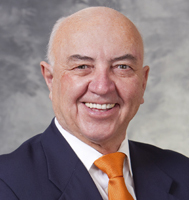 Hans W. Sollinger合作论文数Division of Transplantation, Department of Surgery, School of Medicine and Public Health, University of Wisconsin38
 Folkert O. Belzer合作论文数35Munci Kalayoglu合作论文数34Maria-Christina Jung合作论文数29AM DALESSANDRO合作论文数26Reinhart Zachoval合作论文数26Gert Riethmuller合作论文数26
 Stuart J. Knechtle合作论文数Children’s Hospital of Atlanta25John D. Pirsch合作论文数Departments of Medicine, Pediatrics, and Surgery, University of Wisconsin25Ulrich Spengler合作论文数Department of General Internal Medicine University Hospital Bonn23Gustav Paumgartner合作论文数21Helmut Michael Diepolder合作论文数18J Eisenburg合作论文数18Joern Tilman Gerlach合作论文数10A Reed合作论文数8A M D'Alessandro合作论文数7Jh Southard合作论文数7Robert J Stratta合作论文数7J DOHRMANN合作论文数7
 Michael Houghton合作论文数Department of Medical Microbiology and Immunology, Faculty of Medicine and Dentistry, University of Alberta;Li Ka Shing Applied Virology Institute, University of Alberta6Ernst Peter Rieber合作论文数6J Johnson合作论文数5Jon S. Odorico合作论文数5
 Rutger J. Ploeg合作论文数Nuffield Department of Surgical Sciences, University of Oxford5Siegfried Scholz合作论文数5CA Schirren合作论文数5Fm Zwiebel合作论文数4
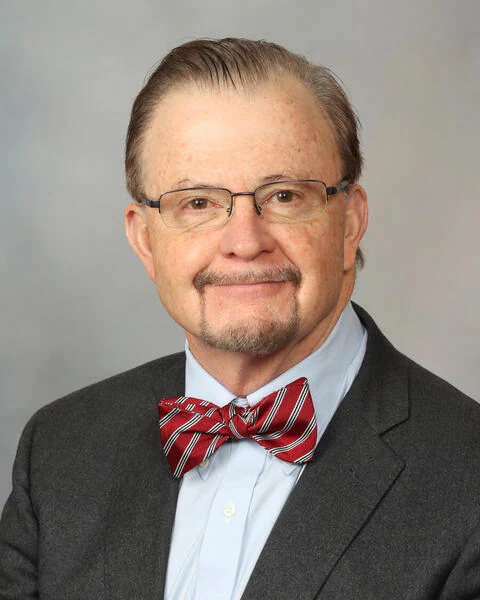 Mark D. Stegall合作论文数Department of Surgery, Mayo Clinic;Children's Center, Mayo Clinic4
 Stefan Zeuzem合作论文数J W Goethe University Hospital4Uwe Hopf合作论文数4Eddy A. Wierenga合作论文数4Norbert Grüner合作论文数4J.S. Melzer合作论文数4
 Thomas Berg合作论文数Division of Hepatology, Department of Medicine II, University of Leipzig Medical Center4Gerlinde Teuber合作论文数4Fo Belzer合作论文数3E. Wierenga合作论文数3A MOLLER合作论文数3Lorentzen D F合作论文数3
 Helmuth Forst合作论文数3Michael Lafrenz合作论文数3Teresa Santantonio合作论文数Department of Clinical and Experimental Medicine, University of Foggia3Dieter Eichenlaub合作论文数3Ludger Leifeld合作论文数3M. Mamin合作论文数3DE Eckhoff合作论文数3MH DEIERHOI合作论文数3Glass Nr合作论文数2




