Cardiovascular disease is the leading cause of mortality following kidney transplantation. Heart failure affects 17-21% of patients with chronic kidney disease and increases along with time receiving dialysis. The Seattle Heart Failure Model (SHFM) is a validated mortality risk model for heart failure patients that incorporates clinical, therapeutic, and laboratory parameters but does not include measures of kidney function. We applied the SHFM to patients with end-stage renal disease (ESRD) who were being evaluated for kidney transplantation to determine if the model was associated with post-transplant mortality. This retrospective single-center study analyzed survival among 360 adult deceased-donor kidney transplant recipients. Cox regression was used to model post-transplant patient survival. Our findings indicated that a 1.0-point increase in the adapted SHFM score was significantly associated with post-transplant mortality (HR 1.76, 95% CI = 1.10-2.83, p = 0.02), independently of the Kidney Donor Profile Index and Estimated Post-Transplant Survival. Individual covariates of the SHFM were evaluated in univariate analyses, and age, sodium, cholesterol, and lymphocyte count were significantly related to mortality. This study provides preliminary evidence that an adapted SHFM score could be a useful tool in evaluating mortality risk post-transplant in patients with ESRD.
In March 2022, Kidney Disease: Improving Global Outcomes (KDIGO) held a virtual Controversies Conference to address the important but rarely examined phase during which the kidney transplant is failing or has failed. In addition to discussing the definition of a failing allograft, 4 broad areas were considered in the context of a declining functioning graft: prognosis and kidney failure trajectory; immunosuppression strategies; management of medical and psychological complications, and patient factors; and choice of kidney replacement therapy or supportive care following graft loss. Identifying and paying special attention to individuals with failing allografts was felt to be important in order to prepare patients psychologically, manage immunosuppression, address complications, prepare for dialysis and/or retransplantation, and transition to supportive care. Accurate prognostication tools, although not yet widely available, were embraced as necessary to define allograft survival trajectories and the likelihood of allograft failure. The decision of whether to withdraw or continue immunosuppression after allograft failure was deemed to be based most appropriately on risk-benefit analysis and likelihood of retransplantation within a few months. Psychological preparation and support was identified as a critical factor in patient adjustment to graft failure, as was early communication. Several models of care were noted that enabled a medically supportive transition back to dialysis or retransplantation. Emphasis was placed on the importance of dialysis-access readiness before initiation of dialysis, in order to avoid use of central venous catheters. The centrality of the patient to all management decisions and discussions was deemed to be paramount. Patient "activation," which can be defined as engaged agency, was seen as the most effective way to achieve success. Unresolved controversies, gaps in knowledge, and areas for research were also stressed in the conference deliberations.
Background Until recently, combined heart-liver-kidney transplantation was considered too complex or too high-risk an option for patients with end-stage heart failure who present with advanced liver and kidney failure as well. Aims The objective of this paper is to present our institution's best practices for successfully executing this highly challenging operation. At our institution, referral patterns are most often initiated through the cardiac team. Results Determinants of successful outcomes include diligent multidisciplinary patient selection, detailed perioperative planning, and choreographed care transition and coordination among all transplant teams. The surgery proceeds in three distinct phases with three different teams, linked seamlessly in planned handoffs. The selection and perioperative care are executed with determined collaboration of all of the invested care teams. Conclusions Combined heart-liver-kidney transplantation can be successfully done by careful selection, coordination, and execution.
Background: Delayed graft function (DGF) is associated with worse short and long-term outcomes after kidney transplantation. There is a lack of biomarkers to predict outcomes in patients with DGF. Serum β2 microglobulin is a low-molecular-weight protein that correlated with creatinine but it has the advantage of measuring residual renal function in dialysis patients. In kidney transplant patients, β2 microglobulin at the time of discharge is associated with graft failure and overall mortality. The role of the β2 microglobulin trend in patients with DGF has not been explored. Methods: This is a retrospective study of deceased kidney transplant patients from 2013 to 2019. β2 microglobulin trend was defined as the difference between β2 on postoperative day four and β2 on postoperative day one. We used univariate and multivariate logistic regression models with level of significance of α=0.05. Results: A total of 236 kidney recipients were reviewed, 105 (44.5%) had delayed graft function (median 9 days, 1 - 53); 50% of the patients with DGF received dialysis for one week only. The demographic and clinical characteristics of the patients with and without DGF is shown in table 1. β2 microglobulin significantly correlated with the presence of DGF (p<0.001) and significantly correlated with eGFR at 1, 3 and 6 months in all patients (p<0.001). In DGF group, β2 microglobulin trend correlated with the duration of DGF with p<0.05. This was independent of donors after circulatory death and type of kidney storage. In our cohort, β2 microglobulin was not associated with mortality or rejection. Conclusions: The β2 microglobulin trend is a marker of kidney function useful particularly in patients with DGF, because measures the residual kidney function in the setting of dialysis. Following the trend of β2 microglobulin in patients with DGF is informative about the duration of the DGF and may help to make clinical decisions. With DGF Without DGF N=131 N=105 Age 52.8 51.5 African American 70.5% 66.4% BMI 28.5 27.8 Cold ischemia (hrs) 15.4 14.3 Pump 40.9% 30.5% DCD 49.5% 34.3% KDPI 62 (12-100) 50 (2-96) Rejection 15.2% nbsp; 16.8% Death 14.3% 14.5% This study didn’t receive any funding.
As the transplant community begins to implement and assess the impact of new allocation policies, it is imperative that we understand the journey to where we are now and where we hope to be in the future. Looking at 1-year survival as the only metric for success or program review is an inadequate way to assess whether or not the donor and recipient families are being served in the best way possible. Interaction with governing bodies in the context of policy making is complex. Consensus is even harder to achieve. A discussion of how we best go about maintaining self-governance while moving forward with new policies is discussed.
Background While kidney transplantation has favorable outcomes in patients aged 65 years and older, many are not referred for evaluation despite having no contraindications. We wanted to determine whether incorporating geriatrics and geriatric assessments (GA), as part of kidney transplant evaluation at the University of Chicago Medicine, would help identify suitable candidates and improve transplantation outcomes among older adults. Methods Between 2012 and 2016, as part of their multi-disciplinary transplant evaluation, 171 patients underwent an initial GA with the study geriatrician, who rated them on a five-point scale from "poor" to "excellent," and presented their cases to multidisciplinary transplant review meetings. Patients were followed until June 1st, 2021. Predictor variables included geriatric recommendation, clinical characteristics, and demographics. Outcomes of interest were mortality, receipt of transplant, and waitlist placement. Results Compared to patients rated "poor," "marginal," or "fair," we found that patients that the geriatrician recommended as "good" or "excellent" were more likely to be waitlisted and receive a transplant. Favorably rated patients were also less likely to be removed from the waitlist due to becoming medically unfit, meaning worsening medical morbidity, frailty, and cognitive status. Conclusion Including geriatricians to perform GAs as part of the transplant evaluation process can help identify suitable elderly candidates.
Background. Procurement biopsies suffer from challenges with quality and reproducibility and are linked to kidney discard. Nonetheless, procurement biopsies are obtained for the majority of kidneys in the United States, and biopsy findings are commonly relied upon in kidney acceptance decisions. Methods. We conducted in-depth, semistructured interviews with 30 surgeons, nephrologists, nurse coordinators, and organ procurement organization (OPO) staff and directors to assess perceptions of factors contributing to kidney discard and strategies to reduce kidney discard, with a focus on the role of procurement biopsies. Thematic analysis was used to analyze qualitative data. Results. Three main themes emerged: (1) participants emphasized the importance of biopsy findings in making acceptance decisions but expressed concerns about a lack of standardization and quality control; (2) participants reported large variations in the level of importance placed on biopsy findings, the level of reliance on glomerulosclerosis in particular, and the cutoffs used; and (3) participants disagreed about how often procurement biopsies should be taken, with some supporting stricter limits on which kidneys are biopsied and others preferring a biopsy for most kidney offers. Conclusions. These findings support the development of standard practices for which kidneys require biopsy, how the biopsy material is prepared, and how the biopsy is interpreted. Variability in kidney acceptance practices across centers and the use of biopsy findings in guiding recipient selection also lend support to policies to allocate kidneys with suboptimal histological findings to the centers that are willing to use such kidneys and the patients who could most benefit from such offers.
Herein, we performed a meta-analysis of published clinical outcomes of corona virus disease 2019 (COVID-19) in hospitalized kidney transplant recipients. A systematic database search was conducted between December 1, 2019 and April 20, 2020. We analyzed 48 studies comprising 3137 kidney transplant recipients with COVID-19. Fever (77%), cough (65%), dyspnea (48%), and gastrointestinal symptoms (28%) were predominant on hospital admission. The most common comorbidities were hypertension (83%), diabetes mellitus (34%), and cardiac disease (23%). The pooled prevalence of acute respiratory distress syndrome and acute kidney injury were 58% and 48%, respectively. Invasive ventilation and dialysis were required in 24% and 22% patients, respectively. In-hospital mortality rate was as high as 21%, and increased to over 50% for patients in intensive care unit (ICU) or requiring invasive ventilation. Risk of mortality in patients with acute respiratory distress syndrome (ARDS), on mechanical ventilation, and ICU admission was increased: OR = 19.59, OR = 3.80, and OR = 13.39, respectively. Mortality risk in the elderly was OR = 3.90; however, no such association was observed in terms of time since transplantation and gender. Fever, cough, dyspnea, and gastrointestinal symptoms were common on admission for COVID-19 in kidney transplant patients. Mortality was as high as 20% and increased to over 50% in patients in ICU and required invasive ventilation.
Opportunities continue to be lost with a high rate of kidneys recovered for transplant but not utilized, particularly those considered less than ideal quality. The Organ Procurement and Transplantation Network (OPTN) Organ Center is tasked with allocating arguably the most difficult-to-place kidneys, and we hypothesized an accelerated placement pathway would increase utilization of kidneys placed by the Organ Center. The Kidney Accelerated Placement (KAP) project, implemented by the Organ Center from July 18, 2019 to July 15, 2020, aimed to offer kidneys with a high kidney donor profile index to programs that had a history of accepting such organs. We compared OPTN kidney match run, donor, and transplant recipient data during the project period and 1 year prior. There was no statistically significant change in the percentage of KAP-eligible donors accepted during the project period (16.4%) compared to the prior year (17.5%). Conversion from acceptance to transplant was higher under KAP (72.7% vs. 71.2%), though not significant. Waiting to accelerate placement after kidneys have been declined by multiple transplant programs locally and regionally is an intervention that may come too late to effectively increase utilization. Transplant rates of nationally shared and marginal kidneys remain a challenge, and future iterations of this project should be investigated.
Islet allotransplantation in the United States (US) is facing an imminent demise. Despite nearly three decades of progress in the field, an archaic regulatory framework has stymied US clinical practice. Current regulations do not reflect the state-of-the-art in clinical or technical practices. In the US, islets are considered biologic drugs and "more than minimally manipulated" human cell and tissue products (HCT/Ps). In contrast, across the world, human islets are appropriately defined as "minimally manipulated tissue" and not regulated as a drug, which has led to islet allotransplantation (allo-ITx) becoming a standard-of-care procedure for selected patients with type 1 diabetes mellitus. This regulatory distinction impedes patient access to islets for transplantation in the US. As a result only 11 patients underwent allo-ITx in the US between 2016 and 2019, and all as investigational procedures in the settings of a clinical trials. Herein, we describe the current regulations pertaining to islet transplantation in the United States. We explore the progress which has been made in the field and demonstrate why the regulatory framework must be updated to both better reflect our current clinical practice and to deal with upcoming challenges. We propose specific updates to current regulations which are required for the renaissance of ethical, safe, effective, and affordable allo-ITx in the United States.
Background. Although the impact of the kidney donor profile index (KDPI) on kidney discard is well researched, less is known about how patients make decisions about whether to give consent for KDPI > 85 kidney offers. Methods. We conducted in-depth, semistructured interviews with 16 transplant recipients, 15 transplant candidates, and 23 clinicians (transplant surgeons, nephrologists, and nurse coordinators) to assess and compare perceptions of transplant education, informed consent for KDPI > 85 kidneys‚ and the decision-making process for accepting kidney offers. Thematic analysis was used to analyze qualitative data. Results. Four themes emerged: (1) patients reported uncertainty about the meaning of KDPI or could not recall information about KDPI; (2) patients reported uncertainty about their KDPI > 85 consent status and a limited role in KDPI > 85 consent decision making; (3) patients’ reported willingness to consider KDPI > 85 kidneys depended on their age, health status, and experiences with dialysis, and thus it changed over time; (4) patients’ underestimated the survival benefit of transplantation compared with dialysis, which could affect their KDPI > 85 consent decision making. Conclusions. To better support patients’ informed decision making about accepting KDPI > 85 kidneys, centers must ensure that all patients receive education about the trade-offs between accepting a KDPI > 85 kidney and remaining on dialysis. Additionally, education about KDPI and discussions about informed consent for KDPI > 85 kidneys must be repeated at multiple time points while patients are on the waiting list.
 Hans W. Sollinger合作论文数Division of Transplantation, Department of Surgery, School of Medicine and Public Health, University of Wisconsin79
 Jon S. Odorico合作论文数75John D. Pirsch合作论文数Departments of Medicine, Pediatrics, and Surgery, University of Wisconsin70Bryan N. Becker合作论文数Departments of Medicine, Pediatrics, and Surgery, University of Wisconsin50
 Stuart J. Knechtle合作论文数Children’s Hospital of Atlanta37A M D'Alessandro合作论文数27
 Luis Alberto Fernandez合作论文数18Anthony M. D'Alessandro合作论文数17
 Glen Leverson合作论文数Department of Surgery, School of Medicine and Public Health, University of Wisconsin-Madison16
 Piotr Witkowski合作论文数Transplantation Institute, University of Chicago15Munci Kalayoglu合作论文数15Michelle A. Josephson合作论文数15
 John Fung合作论文数Transplant Institute, The University of Chicago Medicine14LT Chin合作论文数13Piotr J Bachul合作论文数10David P Foley合作论文数9Rolf Barth合作论文数Biological Sciences Division, The University of Chicago9
 Angelica Perez-Gutierrez合作论文数Departamento de Cirugía, Instituto Nacional de Ciencias Médicas y Nutrición Salvador Zubirán.9
 Jose R. Torrealba合作论文数University of Wisconsin and W.M. VA Hospital9Dennis M. Heisey合作论文数9
 Julio Pascual合作论文数Universidad Autónoma;Hospital Universitario 12 de Octubre8
 Milagros Samaniego合作论文数7Ge Leverson合作论文数7Bradley H Collins合作论文数7
 Elisa J. Gordon合作论文数Department of Surgery, Section of Surgical Sciences, Vanderbilt University Medical Center;Transplant Center, Vanderbilt University Medical Center7
 W. James Chon合作论文数7L. Thomas Chin合作论文数7M Sika合作论文数6PC BRAZY合作论文数6H. Sollinger合作论文数6Jk Wright合作论文数6
 John J Friedewald合作论文数Nephrology and Hypertension, Department of Medicine, Feinberg School of Medicine, Northwestern University6Valluvan Jeevanandam合作论文数Department of Surgery, The University of Chicago6
 Milda Saunders合作论文数Department of Medicine, The University of Chicago6Djamali Arjang合作论文数6CW Pinson合作论文数6LA Fernandez合作论文数5Barbara Voss合作论文数5
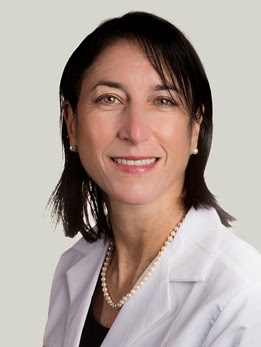 Talia B Baker合作论文数Department of Surgery, University of Chicago5
 Gene Kim合作论文数Department of Medicine, The University of Chicago5
 Alexander Yevzlin合作论文数Department of Medicine, University of Wisconsin School of Medicine and Public Health5Bradley H. Collins合作论文数5
 Mark B Lockwood合作论文数5B. Voss合作论文数5Braden Juengel合作论文数4WJ Van der Werf合作论文数4
 Yaser Al-Salmay合作论文数4
 Masoud Barah合作论文数McCormick Sch Engn, Northwestern Univ4M. Samaniego合作论文数4




