Abstract Background Acute kidney injury (AKI) is a common clinical syndrome associated with high morbidity and progression to chronic kidney disease. Ischaemia is a leading cause of AKI, driving cellular stress, metabolic reprogramming, and injury-associated epithelial states. Scalable human models that enable controlled investigation of ischaemic injury, repair, and therapeutic targets in AKI remain limited. We therefore assessed the extent to which induced pluripotent stem cell (iPSC)-derived human kidney organoids recapitulate key features of ischaemic AKI. Methods Kidney organoids were subjected to hypoxic injury (1% O₂, 48 h) followed by normoxic recovery. Transcriptomic, proteomic, metabolomic, single-cell, and spatial profiling were performed across acute injury and recovery phases. iPSC-derived macrophages were integrated into organoids and analysed following hypoxic injury. Results Hypoxia induced acute stress responses, including hypoxia-inducible factor activation, glycolytic reprogramming, cell cycle arrest, and induction of injury markers. Following recovery, organoids exhibited sustained inflammatory signalling and persistent metabolic dysregulation. Single-cell analysis revealed loss of cell type-specific markers and key functional genes across nephron segments. After return to normoxia, podocyte and distal tubule markers were largely restored, whereas proximal tubule markers showed only partial recovery. Injury-associated and inflammatory programs persisted across all nephron cell types, including upregulation of GDF15, MMP7, SPP1, CXCL2, and ICAM1, with enrichment of complement, TNF-NFκB, and lipid-associated inflammatory pathways. Injured proximal tubules were enriched for adaptive/maladaptive repair signatures derived from human kidney biopsies and displayed heterogeneous recovery. While some cells restored canonical identity, others retained dedifferentiated injury-associated states, including focal expression of CDKN1A and VCAM1. Integrated macrophages transitioned from homeostatic, resident-like profiles to activated phenotypes following injury, exhibiting spatially localised interactions with injured tubules and increased expression of cytokines, chemokines, and matrix-remodelling factors. Conclusions Human kidney organoids recapitulate key epithelial features of hypoxic injury, including segment-specific vulnerability, persistent inflammatory signalling, and heterogeneous recovery, with integrated macrophages adopting activated inflammatory states following injury. While constrained by developmental immaturity, this system provides a tractable human platform to investigate injury-associated epithelial states and macrophage–epithelial crosstalk in AKI.
The glycopeptide antibiotics (GPAs) remain clinical antibiotics used against drug-resistant Gram-positive infections. The discovery of GPAs continues, with new type IIa and V GPAs, the kineomicins, the rimomycins, and corbomycin, being recently identified. Despite this larger repertoire of GPA scaffolds and crosslinking types, limitations remain with the in vitro exploration of the cytochrome P450 enzymes that install the essential crosslinks between the aromatic side chain residues of GPAs. While the chemoenzymatic synthesis of the more hydrophilic type I GPAs like vancomycin has aided our understanding of GPA crosslinking pathways, type II-V GPAs remain underexplored. This is due to the hydrophobic nature of these GPAs that makes access to peptidyl-CoA substrates difficult and reduces in vitro crosslinking activity. Here, we explore the use of modified Knorr-pyrazole chemistry to provide access to hydrophobic peptidyl-CoA substrates of the type II/IIa GPAs, kineomicin and actinoidin, and the type IV GPA, teicoplanin. Yields of peptidyl-CoAs were improved 3-7-fold through careful tuning of reaction solvents and the arylthiol used for displacement of the pyrazole. The type II/IIa GPA scaffolds explored in this study displayed the highest in vitro OxyC activity seen to date, likely due to both improved synthesis and their structural properties.
Background: Mass spectrometry (MS)-based immunopeptidomics has emerged as the gold standard for profiling HLA-bound peptides, yet detection remains challenging due to their non-tryptic nature, variable lengths, and lack of basic residues, which limit ionisation and fragmentation efficiency. Methods: To address these limitations, we investigated the impact of incorporating 5% dimethyl sulfoxide (DMSO) into LC-MS/MS mobile-phase buffers on immunopeptidomic workflows. Using B-lymphoblastoid cell lines expressing HLA class I and II alleles and elastase-digested HeLa lysates as a surrogate for non-tryptic peptides, we assessed peptide identification, ionisation efficiency, charge state distribution, and fragmentation quality. Results: DMSO significantly increased peptide identifications across all sample types, with gains of ~1.33 folds for HLA class I, ~1.55 folds for HLA class II, and ~1.24 folds for elastase digests. Improvements were systematic and reproducible, driven by enhanced electrospray ionisation, higher charge states, and superior MS2 spectral quality, evidenced by ~2-fold increase in b- and y-ion intensities. Importantly, DMSO did not introduce major sequence bias, preserving motif integrity and predicted binding characteristics. Conclusions: Overall, these findings establish DMSO as a robust additive for improving sensitivity and reliability in immunopeptidomics, particularly for low-input or clinically derived samples.
During the biosynthesis of the peptide antibiotic rufomycin, the cytochrome P450 (P450) RufO catalyzes the aromatic nitration of a tyrosine residue in a ribosomal pentapeptide that serves as a precursor for nonribosomal peptide synthesis. To understand the mechanism of this unusual P450-mediated reaction, a series of pentapeptides were tested as substrates alongside molecular dynamics simulations and quantum mechanics/molecular mechanics (QM/MM, ONIOM approach) calculations. A new substrate bound crystal structure of the homolog NsRufO was also obtained. These experiments revealed the intimate and necessary involvement of a histidine residue within the pentapeptide substrate of RufO in supporting effective nitration, with the protonation state of the intermediate Compound II proposed to influence the production of nitrated tyrosine over unwanted nitrate formation. These findings provide key insights into the mechanism of P450-mediated nitration that explains how sequence differences in RufO and its analogues, along with the structure of the pentapeptide substrate, facilitate aromatic nitration of tyrosine by RufO.
Biarylitides are a group of bacterial ribosomally synthesized and post-translationally modified peptides (RiPPs) that contain a biaryl bridge formed by dedicated cytochrome P450 enzymes that can introduce different cross-links. The biarylitides are produced via a five-amino-acid precursor peptide, encoded by a minimal 18 bp gene that evades automatic detection. Previous genome mining approaches for biarylitides do not capture their full biosynthetic space. We therefore repurposed a machine learning algorithm to comprehensively chart the biosynthetic space of the biarylitides, including variation of precursor motifs, P450, and additional modifying enzymes, which yielded 277 biarylitide biosynthetic gene clusters (BGCs). We experimentally investigated biaryl formation with previously uninvestigated core peptide motifs, including YWH, YVH, and YWY, and elucidated the nature of these cross-links. This study significantly expands the biarylitide precursor and BGC diversity and provides directions for the systematic exploration of other RiPP families.
Enhancer of zeste homolog 2 (EZH2) is a methyltransferase that tri-methylates histone H3K27 as the catalytic subunit of the polycomb repressive complex 2. However, inhibition of EZH2 methyltransferase showed only variable anti-cancer efficacy, suggesting that this approach is insufficient. Here, we demonstrate a methyltransferase-independent mechanism of EZH2 wherein EZH2 interacts with inosine monophosphate dehydrogenase 2 (IMPDH2) in the cytoplasm to promote guanosine-5'-triphosphate (GTP) synthesis. Mass spectrometry identified methyltransferase-independent interactions between the EED-binding domain of EZH2 and the CBS domain of IMPDH2. EZH2 knockdown impeded IMPDH2 and reduced GTP levels, ribosome biogenesis, and cancer progression-effects reversed by guanosine. IMPDH2 knockout antagonized EZH2's tumor-promoting effects in vivo, and increased cytosolic EZH2 and IMPDH2 expression was observed in human melanomas and associated with nucleolar enlargement. EZH2-IMPDH2 complexes were also observed across multiple cancers, wherein Sappanone A (SA), which inhibits EZH2-IMPDH2 interactions, was anti-tumorigenic. These findings reveal a methyltransferase-independent oncogenic mechanism of EZH2.
Glycopeptide antibiotics (GPAs) are clinically important antibiotics characterized by a rigid, highly cross-linked structure. The cross-links in GPAs are installed by the activity of several cytochrome P450 (Oxy) enzymes, which are recruited to their peptide substrates by a unique domain, the X-domain. Given that this cross-linking cascade is the source of both the antibiotic activity and the synthetic complexity of GPAs, it remains a central point for exploring the tolerance of the Oxy enzymes for altered peptide substrates. In this study, we have investigated the ability of the Oxy enzymes to cross-link peptides with changes to their amide backbone, specifically a [Ψ[CH2NH]Tpg] methylene linkage that was inspired by synthetic efforts showing that such analogues can recover antibiotic activity toward resistant bacteria. Our results show that the Oxy enzymes are extremely sensitive to the presence of a methylene linkage in their peptide substrates, which suggests that these backbone carbonyl groups play a crucial role in maintaining the correct binding of peptide substrates to the P450 enzymes within the GPA cross-linking cascade.
Pancreatic cancer cells rely on glutamine to sustain their survival in the stiff and poorly vascularized tumor microenvironment (TME). Inhibiting glutamic-oxaloacetic transaminase 1 (GOT1) is a strategy to target glutamine metabolism and impair cancer cell functions. However, it remains unclear how cellular and extracellular elements of the TME respond to GOT1 inhibition. We engineered a pancreatic TME model 'on a dish' and recreated the metabolic interactions. Stromal cells remodeled the extracellular matrix and upregulated metabolic programs, including glutamine metabolism, oxidative phosphorylation, and central carbon metabolism. Cell responses to GOT1 inhibition were modulated by TME elements, with reductions in cell viability and proliferation occurring only under tissue-like conditions. GOT1 inhibition altered matrix organization by upregulating different matrix-related proteins, while it did not enhance cell responses to cytotoxic drugs. Our findings uncover the metabolic crosstalk within the TME and show that metabolism-targeting treatments directly impact stromal elements of pancreatic cancer.
Abstract Vaccine-induced cytotoxic T cells can prevent malaria by killing parasite-infected hepatocytes during the liver stage. While several antigenic targets have been identified, little consideration has been given to their temporal expression. Here, we identified SERA1 of Plasmodium berghei as a late liver-stage target in rodent malaria and further showed that the classic vaccine antigen thrombospondin-related adhesion protein (TRAP) is only an early target. While vaccination with either antigen alone was modestly protective, combining these antigens enabled killing over the entire liver-stage, greatly improving efficacy. Given the relatively long liver-stage in human malaria, our findings imply TRAP-dependent vaccines likely utilize only a small proportion of the available liver-stage to eradicate parasites. Our findings further indicate that considerations of temporal coverage when selecting vaccine antigens will improve efficacy. One-Sentence Summary Temporally defining presentation of liver-stage antigens informs rational combinations that maximize malaria vaccine efficacy.
The push for new clinical biomarkers has seen rapid innovation in biofluid analysis, particularly for plasma. For mass-spectrometry (MS)-based analysis, achieving depth and quantitative accuracy whilst ensuring throughput continues to shape plasma methods development. Numerous workflows have emerged that mitigate high-abundance suppression and expand dynamic range, especially when paired with next-generation MS instrumentation. Yet systematic evaluations that also consider biological variables (e.g., biofluid type, species) and technical parameters (e.g., MS methods) are limited. Here, we benchmarked eight sample-preparation workflows spanning neat approaches (SP3, STrap), depletion (perchloric acid, PerCA), and corona-enrichment strategies (MagNet HILIC/SAX, Enrich-iST, ProteoNano). We compared their performance across human plasma, human serum, and rat plasma, analysing all samples on an Orbitrap Astral (Thermo) using two plasma-optimised data-independent acquisition (DIA) methods: one discovery-maximised and one throughput-maximised. We identified 2,726 human and 3,767 rat proteins across workflows and methods, including ∼1,000 from neat plasma. Increasing throughput incurred a ∼20-30% reduction in depth, depending on workflow and species. EV-enrichment produced the deepest proteomes but with distinct compositions relative to neat, depleted, and secreted-protein-enriched samples, revealing a unique sub-proteome niche. Several workflows also performed markedly better in rat plasma, supporting improved sensitivity for preclinical analyses. Enrichment or depletion dramatically reshaped the balance of tissue-and cell-specific proteins detectable in plasma, suggesting that workflow choice should be guided by the organs, immune targets, or inflammatory signals most relevant to the study. In this vein, statistical analysis of differentially abundant proteins showed that >90% of detected proteins were significantly altered between workflows, with the largest numbers arising from the corona-enrichment strategies, underscoring how strongly workflow choice shapes the downstream proteome. Taken together, these findings emphasise a rapidly expanding plasma methodological landscape, where the most effective workflow is the one most precisely tailored to a cohort’s biology. ### Competing Interest Statement The authors have declared no competing interest. * Abbreviations : 2-CAA : 2-chloroacetamide ACN : Acetonitrile DAP : Differentially Abundant Protein DDA : Data Dependent Acquisition DIA : Data Independent Acquisition ECM : Extracellular Matrix EDTA : Ethylenediaminetetraacetic Acid EV : Extracellular Vesicle FA : Formic Acid GO : Gene Ontology HILIC : Hydrophilic Interaction Liquid Chromatography LC : Liquid Chromatography MS : Mass Spectrometry NP : Nanoparticle PCA : Perchloric Acid PPI : Protein-protein Interaction SAX : Strong Anion Exchange SPD : Samples Per Day TCEP : Tris (2-Carboxyethyl) phosphine TFA : Tri-fluoro acetic acid Medical Research Future Fund, NCRI000108
Background: Metabolic flexibility is characterized by a complex response in blood markers rapidly returning to baseline after a high-saturated-fat, high-refined-carbohydrate meal, and this adaptability is progressively lost as chronic metabolic dysfunction develops. Objective: To comprehensively profile the postprandial response and identify novel potential biomarkers related to defense, oxidative stress and other processes, to better define metabolic flexibility. Methods: Conventional methods as well as metabolomics and proteomics were used to profile the response in 12 healthy men to a high-saturated-fat, high-refined-carbohydrate meal, at hourly time points both before and after consumption. Results: In addition to the expected changes in glucose, insulin, triglycerides, fatty acids and myeloperoxidase, we observed multiple previously unreported changes in the plasma proteome, including a compromised "cellular oxidant detoxification" pathway (55 proteins) at 4 and 5 hours after the meal. Between individuals, the magnitude of the decrease in Cu-Zn-superoxide dismutase protein was associated with plasma postprandial glucose area-under-the-curve (r = -0.767, p = 0.004). In contrast, the peripheral blood mononuclear cell proteome showed minimal changes over 6 hours. Through plasma metabolomic analysis, we observed many novel postprandial changes with potential use as biomarkers, most notably increases in oxidative stress-related products such as myeloperoxidase putative products L-methionine S-oxide, 3-(4-hydroxyphenyl)pyruvate, and L-homocitrulline and in gut microbiota metabolites such as hydroxy-isocaproic acid, as well as a sustained elevation of phenylalanine, tyrosine, and branched chain amino acids at 6 hours. Conclusion: These data indicate a complex diminution of plasma defense proteins after a high-saturated fat high-refined carbohydrate meal, and then a return to baseline reflecting metabolic flexibility in the cohort of healthy young men. However, the data also show that some risk markers and stress products are still elevated 6 hours after the meal. The data provide a valuable resource for future postprandial metabolomic studies assessing the protective effect of nutrients and phytochemicals on postprandial stresses, and enabling comparisons between healthy and compromised populations. The clinical trial registry number is ACTRN12619000929101 (www.anzctr.org.au).
In soil ecosystems, aerobic bacteria survive oxygen deprivation (hypoxia) by entering nonreplicative persistent states. In contrast to the well-studied metabolism of obligate and facultative anaerobes, little is known about how obligately aerobic bacteria adapt their metabolism to stay viable during hypoxia. The model obligate aerobe Mycobacterium smegmatis maintains redox homeostasis during hypoxia by mediating fermentative hydrogen production. However, the fate of organic carbon during fermentation is unresolved. Here we systematically profiled the metabolism of M. smegmatis during aerobic growth, hypoxic persistence, and the transition between these states. By integrating a differentially 13C-labeled glucose isotopologue assay with paired metabolomics and proteomics, we observed M. smegmatis rerouted central carbon metabolism through the pentose phosphate pathway and/or Entner-Doudoroff pathways during hypoxia, while excreting high levels of hydrogen and acetate. Lipid and cryoelectron tomography analyses suggest M. smegmatis also stores carbon as glycerides in lipid droplets during hypoxia, which serve as a major reductant sink. Gene knockouts and knockdowns revealed that, while M. smegmatis depends on its hydrogen-producing hydrogenase for hypoxic survival, it can compensate for the disruption of acetate production and glyceride synthesis by producing and excreting other organic acids. We confirmed through an extensive genomic survey and biogeochemical measurements that diverse aerobic soil bacteria can store organic carbon and mediate fermentation during hypoxia. Altogether, this hybrid fermentative metabolism likely provides a competitive advantage in soils and other resource-variable environments by enabling bacteria, such as M. smegmatis, to simultaneously dispose excess reductant and maintain carbon stores during hypoxia.
Skeletal muscle orchestrates systemic metabolism, dynamically coordinating glucose uptake and fuel use to match energy demand. In Duchenne muscular dystrophy, loss of dystrophin is associated with altered metabolic regulation. In the mdx mouse, we show that physiological stress reveals impaired coordination between insulin and stress responses: glucocorticoid signalling increases without a proportional rise in insulin secretion, resulting in systemic hyperglycaemia despite preserved capacity for muscle glucose uptake. These data support a multi-tissue dystrophinopathy associated with altered endocrine-metabolic coordination. Skeletal muscle glycogen is elevated and incompletely mobilised under stress. The heart maintains high glucose uptake, whereas the brain exhibits reduced uptake, highlighting tissue specific differences in metabolic response. Acute insulin supplementation improves systemic glucose control and restores stress-induced behavioural deficits. Likewise, empagliflozin-mediated glucose offloading reduces stress-associated blood glucose spikes and is associated with improved muscle function to levels comparable with standard care prednisolone. These findings identify impaired coordination of endocrine and metabolic responses during stress as a contributor to metabolic vulnerability in DMD and suggest that modulating insulin availability or glucose flux can improve systemic metabolic control.
Abstract mRNA translation is commonly dysregulated in cancer at both initiation and elongation phases. We previously showed that tRNA-modifying enzymes, including ELP3, coordinate transcriptional and translational programs in prostate cancer cells downstream of estrogen receptor alpha. Here, we asked how ELP3 regulates proteome composition and thereby downstream cellular functions. ELP3 depletion significantly decreased proliferation and clonogenic potential in prostate cancer cell lines, but not in a non-transformed cell line. Consistent with regulation of gene expression at the elongation phase of mRNA translation, mRNAs encoding proteins that were reduced upon ELP3 depletion were highly associated with polysomes. While single-codon composition was insufficient to explain ELP3-sensitive protein expression, we identified six codon pairs (di-codons) that associated with reduced protein output. Intriguingly, although the Integrated Stress Response (ISR) was activated upon ELP3 depletion, as indicated by increased p-eIF2α, its translational program was unaffected. As proteins with ISR-sensitive translation also showed high frequencies of identified di-codons, ELP3 appears to interfere with the ISR. Di-codons were also enriched in mRNAs encoding proliferation-associated proteins. Consistently, ELP3 depletion caused mitotic defects, including lagging chromosomes and micronuclei formation. In summary, ELP3 appears to regulate proteome composition via di-codons that slow down elongation and thereby determine protein fate. Citation Format: Kiana H. Moghaddam, Clelia Timpone, Laasya N. Gowda, Dani Tutuka, Gail P. Risbridger, Qishan Lin, Ralf B. Schittenhelm, Ivan Topisirovic, Eric P. Kusnadi, Luc Furic, Ola Larsson. Di-codon organization links tRNA modifications to cancer cell proteome composition [abstract]. In: Proceedings of the American Association for Cancer Research Annual Meeting 2026; Part 2 (Late-Breaking, Clinical Trial, and Invited Abstracts); 2026 Apr 17-22; San Diego, CA. Philadelphia (PA): AACR; Cancer Res 2026;86(8_Suppl):Abstract nr SY24-02.
Migration of leukocytes in the context of immune homeostasis or inflammatory diseases is regulated by activation of chemokine receptors by chemokine ligands. To elucidate how these interactions give rise to cell migration, we mapped the chemokine-stimulated signal transduction network in monocytic THP-1 cells. Global phosphoproteomics revealed 630 time-resolved changes in phosphorylated proteins downstream of the chemokine receptor CCR2. We used the "PHONEMeS" network modeling algorithm to generate the most parsimonious signal transduction network consistent with the observed protein phosphorylation data. The CCR2 signaling network is highly divergent, acting via multiple branches to regulate proteins required for cell migration. We validated this model using kinase inhibitors targeting different branches of the network and successfully blocked chemokine-stimulated cell migration. Thus, chemotaxis is an emergent property resulting from an integrated cellular response to divergent signaling pathways. This paradigm suggests that physiological regulation or pharmacological blockade of chemokine-driven inflammation could potentially be achieved by inhibiting any of the divergent pathways within the network.
The push for new clinical biomarkers has seen rapid innovation in biofluid analysis, particularly for plasma. For mass-spectrometry (MS)-based analysis, achieving depth and quantitative accuracy whilst ensuring throughput continues to shape plasma methods development. Numerous workflows have emerged that mitigate high-abundance suppression and expand dynamic range, especially when paired with next-generation MS instrumentation. Yet systematic evaluations that also consider biological variables (e.g., biofluid type, species) and technical parameters (e.g., MS methods) are limited. Here, we benchmarked eight sample-preparation workflows spanning neat approaches (SP3, STrap), depletion (perchloric acid, PerCA), and corona-enrichment strategies (MagNet HILIC/SAX, Enrich-iST, ProteoNano). We compared their performance across human plasma, human serum, and rat plasma, analyzing all samples on an Orbitrap Astral (Thermo) using two plasma-optimized data-independent acquisition (DIA) methods: one discovery-maximized and one throughput-maximized. We identified 2726 human and 3767 rat proteins across workflows and methods, including ∼1000 from neat plasma. Increasing throughput incurred a ∼20 to 30% reduction in depth, depending on workflow and species. EV-enrichment produced the deepest proteomes but with distinct compositions relative to neat, depleted, and secreted-protein-enriched samples, revealing a unique sub-proteome niche. Several workflows also performed markedly better in rat plasma, supporting improved sensitivity for preclinical analyses. Enrichment or depletion dramatically reshaped the balance of tissue- and cell-specific proteins detectable in plasma, suggesting that workflow choice should be guided by the organs, immune targets, or inflammatory signals most relevant to the study. In this vein, statistical analysis of differentially abundant proteins showed that >90% of detected proteins were significantly altered between workflows, with the largest numbers arising from the corona-enrichment strategies, underscoring how strongly workflow choice shapes the downstream proteome. Taken together, these findings emphasize a rapidly expanding plasma methodological landscape, where the most effective workflow is the one most precisely tailored to a cohort's biology.
ABSTRACT Hormone-signalling modulates levels of tRNA-modifying enzymes, including ELP3, in cancer cells. Here we show that ELP3 is required to sustain proliferation in prostate cancer cells. Intriguingly, although ELP3 modifies tRNA at the U34-position, the ELP3-sensitive proteome was poorly explained by frequencies of codons requiring U34-modified tRNA for decoding. Instead, we identified six codon pairs (herein denoted ELP3 down di-codons “E3dDCs”) that, in concert with local sequence context and 5’UTR features affecting translation initiation, explain ELP3-sensitive protein expression. Moreover, despite activation of the canonical integrated stress response upon ELP3 suppression, the associated expression program was paradoxically suppressed in a fashion correlating with higher E3dDC frequencies. E3dDCs were also enriched in mitotic regulators, and ELP3-suppression caused mitotic defects that limited proliferation. Therefore, ELP3 regulates proteome composition via E3dDCs that, depending on their local sequence context and translation initiation activity, determine protein expression and downstream cellular phenotypes upon reduced levels of U34-modified tRNA.
Consumption of atmospheric hydrogen (H2) enables diverse aerobic microorganisms to grow and persist in resource-deprived environments. In the aerobic saprophyte Mycobacterium smegmatis, hydrogen oxidation is catalyzed by two differentially expressed, high-affinity, oxygen-insensitive uptake hydrogenases, Huc and Hhy. Huc enables mixotrophic growth and facilitates the transition from growth to dormancy. Although the huc operon is known to be upregulated in response to organic carbon deprivation, the specific signals and regulators modulating its expression remain unresolved. Here, we show that GylR, a glycerol-3-phosphate-sensing regulator of glycerol metabolism, plays a role in the repression of huc expression in response to the availability of glycerol but not other carbon sources. Based on proteomic analyses and activity assays, mutation or knockdown of gylR leads to enhanced Huc production and activity. GylR and other key catabolite repressor proteins (Crp1 and Crp2) do not directly bind to the huc operon, indicating that repression is mediated by unidentified transcription factors, with GylR acting as an upstream sensor. Here, we present data that suggest atmospheric H2 oxidation is regulated in response to organic carbon source availability through the process of catabolite repression. By identifying a key signal that prompts atmospheric H2 oxidation, these findings advance understanding of how aerobic bacteria adapt to changing environmental conditions and suggest that organic carbon levels are a key factor regulating the main sink of atmospheric H2 in soils globally.IMPORTANCESoil microorganisms collectively consume 70 million tonnes of atmospheric hydrogen (H2) a year, regulating atmospheric composition and climate change. In turn, consuming this dependable trace gas enables these microorganisms to survive even when their preferred organic energy sources are exhausted. Despite the importance of H2 consumption for soil biodiversity and atmospheric regulation, the signals and sensors that regulate this process remain to be understood. Here, we demonstrate that a model soil bacterium turns on the machinery required for atmospheric H2 consumption in direct response to being limited by organic carbon availability, through the process of catabolite repression. Specifically, in the absence of a sensor of the organic carbon source glycerol, a H2-consuming hydrogenase is highly expressed and active. These findings suggest that organic carbon levels have a major role in regulating trace gas oxidation, with implications for predicting how trace gas consumption and soil biodiversity respond to environmental change.
Mass spectrometers and their attached liquid chromatography (LC) systems, often referred to as LC-MS/MS instrumentation, have become an indispensable tool in biomedical research to identify and quantify proteins, metabolites, and other molecules of interest. However, these sophisticated instruments are very susceptible to malfunction or suboptimal performance, and as a result, quality control (QC) samples are typically acquired at regular intervals to assess their performance. Not surprisingly, several QC software packages have been developed in recent years to analyze and interrogate a variety of QC samples. However, existing QC software predominantly supports proteomic QC samples, with limited options for metabolomic and lipidomic QC samples. In addition, pipelines and workflows that can accommodate both types of QC samples are largely missing. To address this unmet demand, we have developed MaSpeQC, which is a free, easy-to-install, interactive and fully customizable web application to track LC-MS/MS performance across proteomic, metabolomic, and/or lipidomic workflows. MaSpeQC is vendor-agnostic and can handle any commercially available or in-house-generated QC sample from which it extracts relevant metrics. Furthermore, MaSpeQC provides an intuitive web interface for performance monitoring and early detection of issues through customizable email alerts.
The glycopeptide antibiotics (GPAs) are clinically relevant antibiotics defined by their highly cross-linked structure, which is required for their antimicrobial activity. While GPAs are typically characterized as type I-IV GPAs - heptapeptides that bind to the d-Ala-d-Ala terminus of Lipid II - an expansion of these subtypes has recently been seen for type V GPAs that possess altered structural characteristics and mechanisms of action. The major structural changes seen with this class are due to varied cross-linking occurring between the aromatic side chain residues, with these cross-links installed by cytochrome P450 (Oxy) enzymes that are recruited to the peptide substrate during nonribosomal peptide synthesis by a specialized recruitment domain, known as the X-domain. Given the importance of these cross-links for the structural rigidity and activity of GPAs, in vitro characterization of their activity remains a priority for the field. In this study, we synthesized a range of peptides, including an authentic complestatin precursor, to explore the cross-linking of these peptides by a selection of Oxy enzymes. Our results show the importance of stereochemistry in the C-terminal portion of the peptide substrate, revealing alternate cross-linking patterns and emphasizing the challenge of working with complete type V GPA peptides in vitro.
 Huang Cheng合作论文数52
 Joel Ricky Steele合作论文数Monash Proteomics and Metabolomics Facility- Biomedicine Discovery Institute, Monash University36
 Max J Cryle合作论文数School of Molecular and Microbial Sciences, University of Queensland36
 Anthony Purcell合作论文数Monash Biomedicine Discovery Institute, Monash University27
 Julien Tailhades合作论文数27Christopher K. Barlow合作论文数Department of Chemistry, Texas A&M University25
 Anup D Shah合作论文数Monash Proteomics and Metabolomics Facility, Monash University19
 Goode Robert J A合作论文数17Yongwei Zhao合作论文数14
 Chris Greening合作论文数Department of Microbiology, Monash University11
 Colin J. Jackson合作论文数CSIRO Entomology11
 Pouya Faridi合作论文数Faculty of Pharmacy and Pharmaceutical Sciences Research Center, Shiraz University of Medical Sciences and Health Services10
 James De Voss合作论文数School of Chemistry and Molecular Biosciences, Faculty of Science, The University of Queensland9
 Ellisdon Andrew M合作论文数Monash Biomedicine Discovery Institute, Monash University9
 Trevor Lithgow合作论文数Centre to Impact AMR, Monash University;School of Biomedical Sciences, Faculty of Medicine, Nursing and Health Sciences, Monash University9
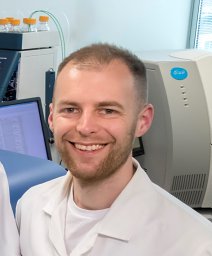 Nathan P. Croft合作论文数Infect & Immun Program, Monash Univ9Terry C C Lim Kam Sian合作论文数8Hanchapola Iresha合作论文数8
 Rhys Grinter合作论文数Department of Microbiology, School of Biomedical Sciences, Faculty of Medicine, Nursing and Health Sciences, Monash University8Han-Chung Lee合作论文数7Y T Candace Ho合作论文数7
 Thierry Izore合作论文数Monash Biomed Discovery Inst, Monash Univ7
 Michelle L Halls合作论文数Spatial Organisation of Signalling Laboratory, Monash University;Monash Institute of Pharmaceutical Sciences, Faculty of Pharmacy and Pharmaceutical Sciences, Monash University7Kleifeld Oded合作论文数7Matthew J. Watt合作论文数7
 Darren Creek合作论文数Monash Institute of Pharmaceutical Sciences, Monash University (Parkville Campus7Haijian Zhang合作论文数6
 Erwin Tanuwidjaya合作论文数6Laura D'Andrea合作论文数6
 Anja Greule合作论文数6Melanie Schoppet合作论文数Max Planck Inst Med Res, Dept Biomol Mech, Jahnstr 29, D-69120 Heidelberg, Germany6
 Hariprasad Venugopal合作论文数Monash Univ, Ramaciotti Ctr Cryoelectron Microscopy, Clayton, Vic, Australia6
 Milda Kaniusaite合作论文数6
 Elizabeth Krenske合作论文数School of Chemistry and Molecular Biosciences, Faculty of Science, The University of Queensland6Woods Katherine合作论文数Olivia Newton John Cancer and Wellness Centre, Ludwig Institute for Cancer Research;School of Cancer Medicine, La Trobe University;School of Cancer Medicine, La Trobe University6
 Andreas Behren合作论文数Cancer Immunobiology Laboratory, Ludwig Institute for Cancer Research6
 Roger Daly合作论文数Daly Laboratory, Department of Biochemistry and Molecular Biology, Monash University6
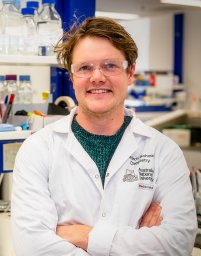 Joe Kaczmarski合作论文数6Sri H. Ramarathinam合作论文数The Bio21 Molecular Science and Biotechnology Institute, The University of Melbourne6David L Steer合作论文数5
 Christian Lehner合作论文数Department of Molecular Life Sciences, University of Zurich;Institute for Molecular Life Sciences, University of Zurich5Cheng Huang合作论文数5
 Christopher J Lupton合作论文数ARC Ctr Excellence Adv Mol Imaging, Monash Univ5
 Edward Marschall合作论文数Biochemistry, Monash University5
 Pok Man Leung合作论文数Monash Univ, Sch Biol Sci, Clayton, Vic, Australia5
 Pankaj Deo合作论文数5
 Pablo Casillas-Espinosa合作论文数Department of Neuroscience, Central Clinical School, Monash University5Caramia Franco合作论文数5
 Manuela Tosin合作论文数Department of Chemistry, Faculty of Science, Engineering and Medicine, The University of Warwick5




