Radial artery occlusion (RAO), a complication of transradial access, has an incidence of 4.0% to 9.1% in patients with advanced chronic kidney disease (CKD) and may preclude the creation of arteriovenous fistula. Distal transradial access (dTRA) has lower rates of RAO compared with conventional proximal TRA, but prior studies excluded patients with advanced CKD. This was a single center study of patients with advanced CKD who underwent coronary procedures with dTRA from January 1, 2019 to May 12, 2022 who were retrospectively evaluated for radial artery patency in follow-up with reverse Barbeau testing or repeat access of the artery. Of 71 patients, 66% were on hemodialysis and the remainder had CKD 3 to 5. Access was ultrasound-guided, and all received adequate spasmolytic therapy and patent hemostasis. Proximal radial arteries were patent in 100% of the patients at follow-up. Our data suggest that dTRA is safe for patients with advanced CKD and preserves radial artery patency.
BACKGROUND:The diagnosis of cardiac sarcoidosis (CS) is often challenging, particularly in atypical cases. CASE SUMMARY:This case involves a previously healthy 33-year-old woman who was found to have a biatrial mass and evidence of a diffuse inflammatory or neoplastic process on multimodality imaging. Percutaneous biopsy of the cardiac mass was performed, and histopathologic examination revealed granulomas consistent with CS. DISCUSSION:This case adds to the growing number of reports of CS manifesting as an intracardiac mass. TAKE-HOME MESSAGES:The clinical presentation of CS is highly variable, and it may rarely manifest as an intracardiac mass. The diagnosis of cardiac sarcoidosis is often challenging, particularly in patients with atypical presentations. Indeterminate cardiac masses often require direct tissue sampling because the changes in treatment and prognosis are substantial.
BACKGROUND:LMNA (lamin A/C)-related dilated cardiomyopathy is a rare genetic cause of heart failure. In a phase 2 trial and long-term extension, the selective p38 alpha MAPK (mitogen-activated protein kinase) inhibitor, ARRY-371797 (PF-07265803), was associated with an improved 6-minute walk test at 12 weeks, which was preserved over 144 weeks. METHODS:REALM-DCM (NCT03439514) was a phase 3, randomized, double-blind, placebo-controlled trial in patients with symptomatic LMNA-related dilated cardiomyopathy. Patients with confirmed LMNA variants, New York Heart Association class II/III symptoms, left ventricular ejection fraction <= 50%, implanted cardioverter-defibrillator, and reduced 6-minute walk test distance were randomized to ARRY-371797 400 mg twice daily or placebo. The primary outcome was a change from baseline at week 24 in the 6-minute walk test distance using stratified Hodges-Lehmann estimation and the van Elteren test. Secondary outcomes using similar methodology included change from baseline at week 24 in the Kansas City Cardiomyopathy Questionnaire-physical limitation and total symptom scores, and NT-proBNP (N-terminal pro-B-type natriuretic peptide) concentration. Time to a composite outcome of worsening heart failure or all-cause mortality and overall survival were evaluated using Kaplan-Meier and Cox proportional hazards analyses. RESULTS:REALM-DCM was terminated after a planned interim analysis suggested futility. Between April 2018 and October 2022, 77 patients (aged 23-72 years) received ARRY-371797 (n=40) or placebo (n=37). No significant differences (P>0.05) between groups were observed in the change from baseline at week 24 for all outcomes: 6-minute walk test distance (median difference, 4.9 m [95% CI, -24.2 to 34.1]; P=0.82); Kansas City Cardiomyopathy Questionnaire-physical limitation score (2.4 [95% CI, -6.4 to 11.2]; P=0.54); Kansas City Cardiomyopathy Questionnaire-total symptom score (5.3 [95% CI, -4.3 to 14.9]; P=0.48); and NT-proBNP concentration (-339.4 pg/mL [95% CI, -1131.6 to 452.7]; P=0.17). The composite outcome of worsening heart failure or all-cause mortality (hazard ratio, 0.43 [95% CI, 0.11-1.74]; P=0.23) and overall survival (hazard ratio, 1.19 [95% CI, 0.23-6.02]; P=0.84) were similar between groups. No new safety findings were observed. CONCLUSIONS:Findings from REALM-DCM demonstrated futility without safety concerns. An unmet treatment need remains among patients with LMNA-related dilated cardiomyopathy.
Background: Catheter ablation (CA) for ventricular tachycardia (VT) can be a useful treatment strategy, however, few studies have compared CA to medical therapy (MT) in the sarcoidosis population. Objective: To assess in-hospital outcomes and unplanned readmissions following CA for VT compared to MT in patients with sarcoidosis. Methods: Data was obtained from the Nationwide Readmissions Database between 2010 and 2019 to identify patients with sarcoidosis admitted for VT either undergoing CA or MT during elective and non-elective admission. Primary endpoints were a composite endpoint of inpatient mortality, cardiogenic shock, cardiac arrest and 30-day hospital readmissions. Procedural complications at index admission and causes of readmission were also identified. Results: Among 1581 patients, 1217 with sarcoidosis and VT underwent MT compared to 168 with CA during non-elective admission. 63 patients admitted electively underwent CA compared with 129 managed medically. There was no difference in the composite outcome for patients undergoing catheter ablation or medical therapy during both non-elective (9.0 % vs 12.0 %, p = 0.312) and elective admission (3.2 % vs. 7.8 %, p = 0.343). The most common cause of readmission were ventricular arrhythmias (VA) in both groups, however, those undergoing elective CA were less likely to be readmitted for VA compared to non-elective CA. The most common complication in the CA group was cardiac tamponade (4.8 %). Conclusion: VT ablation is associated with similar rates of 30-day readmission compared to MT and does not confer increased risk of harm with respect to inpatient mortality, cardiogenic shock or cardiac arrest. Further research is warranted to determine if a subgroup of sarcoidosis patients admitted with VT are better served with an initial conservative management strategy followed by VT ablation.
BACKGROUND:Because of advances in medical treatment of heart failure, patients are living longer than in previous eras and may approach the need for advanced therapies, including heart transplantation, at older ages. This study assesses practices surrounding heart transplant in older adults (> 70 years) and examines short- and medium-term outcomes. METHODS AND RESULTS:This study is a retrospective analysis using the United Network for Organ Sharing (UNOS) database from 2010 to 2021. The absolute number of older adults being transplanted is increasing. Older adults were more likely to have had a prior malignancy or ischemic cardiomyopathy and less likely to be on extra-corporeal membrane oxygenation or have a high UNOS status prior to transplant. Mortality at 1-year was higher for older adults (27.8% vs. 23.4%), but at 5 years there was no significant difference (22.3% vs. 19.4%.). Older adults were more likely to die of malignancy or infection. Adults under 70 were more likely to die of cardiovascular causes or graft failure. There was less rejection in older adults. Mortality has not changed for older adults transplanted before versus after the 2018 UNOS allocation change. CONCLUSIONS:Carefully selected older adults may be considered for heart transplantation, given similar intermediate-term mortality.
Background Donation after circulatory death (DCD) with cardiopulmonary bypass for thoracoabdominal normothermic regional perfusion (TA-NRP) has led to increased use of donor hearts. Rejection rates and long-term survival outcomes are not known. Methods A single-center retrospective cohort review of patients who underwent DCD heart transplantation from January 2020 to December 2023 was performed. Donor and recipient characteristics, operative characteristics, and posttransplantation outcomes were analyzed. Subgroup analysis comparing co-localized vs distant donors and recipients was performed. The primary end point was 1-year survival. Secondary end points included incidences of primary graft dysfunction (PGD), cardiac allograft vasculopathy (CAV), rejection rate, and overall mortality. Our TA-NRP protocol has remained the same, consisting of sternotomy, ligation of aortic arch vessels, establishment of cardiopulmonary bypass, reintubation, resuscitation of the heart, and cold static storage during transport. Results In total, 32 recipients underwent DCD heart transplantation, including 26 isolated hearts, 3 heart-lungs, and 3 heart-kidneys. The median age was 56 years for recipients and 39 years for donors; 21 donors and recipients were co-localized, whereas 11 were distant. One-year survival was 100%. Two patients required mechanical circulatory support for PGD. Four patients experienced grade 2R acute cellular rejection. Five patients had grade 1 CAV at 1 year. On subgroup analysis, distant donors and recipients had longer warm (47 vs 30 minutes; P < .005) and cold (213 vs 76 minutes; P < .005) ischemia times, without any other differences. Conclusions Outcomes after DCD heart transplantation using TA-NRP remain encouraging with acceptable rates of rejection, PGD, CAV, and survival at 1 year.
Background: Public hospitals face challenges in providing access to structural heart interventions due to limited resources. Our aim is to describe the implementation and outcomes of a comprehensive, multi-disciplinary Structural Heart Disease Program (SHDP) in the largest public healthcare system in the United States, as a strategy to mitigate healthcare disparities and improve access to care. Methods: The SHDP at Bellevue Hospital serves as the referral center for 11 public hospitals in New York. It launched in 2022 and added a hybrid OR in March 2023. We collected clinical, demographic, and socioeconomic data for patients undergoing structural heart interventions. Results: A total of 56 patients were included from January 2022 to June 2023. The median age was 60 years (22-93 years), 59% were women, 41% were Black, 38% Hispanic, 11% White and 9% Asian. Most patients were immigrants (71%), 28.5% were uninsured, 37.5% were undocumented and 41% required an English interpreter. Only 21% of patients completed high school and 9% completed college. The most common procedure was PFO closure (30%) followed by M-TEER and BAV (Figure 1). For TAVRs and M-TEERs combined, the 30-day re-admission rate was 7.1% (n=1) and 30-day mortality was 0%, with no differences by ethnic group. Length of stay varied by procedure and there were low rates of procedural complications (Table 1). Conclusions: Our multidisciplinary SHDP program demonstrates feasibility to provide care to underserved populations in a public healthcare system with excellent outcomes. Further study of strategies aimed at improving access to structural heart interventions is warranted.
Genetically modified xenografts are one of the most promising solutions to the discrepancy between the numbers of available human organs for transplantation and potential recipients. To date, a porcine heart has been implanted into only one human recipient. Here, using 10-gene-edited pigs, we transplanted porcine hearts into two brain-dead human recipients and monitored xenograft function, hemodynamics and systemic responses over the course of 66 hours. Although both xenografts demonstrated excellent cardiac function immediately after transplantation and continued to function for the duration of the study, cardiac function declined postoperatively in one case, attributed to a size mismatch between the donor pig and the recipient. For both hearts, we confirmed transgene expression and found no evidence of cellular or antibody-mediated rejection, as assessed using histology, flow cytometry and a cytotoxic crossmatch assay. Moreover, we found no evidence of zoonotic transmission from the donor pigs to the human recipients. While substantial additional work will be needed to advance this technology to human trials, these results indicate that pig-to-human heart xenotransplantation can be performed successfully without hyperacute rejection or zoonosis. In a short-term study in which hearts from gene-edited pigs were transplanted into two recently deceased human recipients, the hearts were able to function for the duration of the study without signs of rejection and without evidence of pig virus transmission, encouraging further clinical study of cardiac xenotransplantation.
Introduction: There is an increasing trend towards transplanting older adults, and the proportion of those over 70 who have been transplanted has increased in recent years. In 2018, the United Network for Organ Sharing (UNOS) implemented a 6-tier allocation policy to replace the prior 3-tier system. There have been significant shifts in cardiac transplantation practices and patient outcomes following the implementation of the new policy. Hypothesis: This study aims to evaluate the impact of the new allocation policy on older adults. Methods: Adult patients who received heart transplant between January 1, 2010 and December 31, 2021 were identified in the UNOS registry and stratified by whether they were transplanted pre-2018 or post-2018. Outcome of interest was mortality at 1 after heart transplant. Multivariable Cox proportional hazard modeling was used to estimate hazard ratios associated with outcomes of interest. Results: 661 patients over the age of 70 were transplanted pre-2018 and 413 patients over 70 were transplanted post-2018. Those who were transplanted after the 2018 UNOS allocation change were less likely to have had an ischemic cardiomyopathy, more likely to have had an IABP or be on ECMO prior to transplant, and more likely to have had cancer prior to transplant. There was no difference in rates of diabetes, prior CVA, and dialysis for those transplanted pre- vs post-2018. 1 Year mortality for those pre- and post-2018 were similar (10.4% pre-2018, 11.4% post-2018, HR 1.11, CI 0.77-1.61, p=0.6). Conclusions: There has not been a change in mortality in older adults with the 2018 UNOS allocation change. The increase in usage of IABP and ECMO prior to transplant post-2018 mirror changes in the overall population. Notably, post-2018, more older adults with prior malignancies are being transplanted.
Introduction: The objective of this experiment was to describe the endomyocardial biopsy technique in two brain-dead decedent porcine xenoheart transplant recipients. Methods: Two 10-gene-edited porcine xenograft hearts were transplanted into brain-dead decedents and monitored over 66 hours. Endomyocardial biopsies were performed on POD 1 and POD 2 in order to surveil for hyperacute and acute xenograft rejection. In order to ensure proper positioning of the bioptome without damaging adjacent structures or perforating the heart, biopsies were performed under continuous transesophageal echocardiography guidance. Results: An 8.5-Fr introducer sheath was used to access the right internal jugular vein. A 7-Fr, 50cm Argon Jawz Pre-Curved flexible bioptome was introduced several times through the 8.5-Fr sheath and advanced under echocardiographic guidance to the right ventricle. A bicaval view was used to guide the bioptome from the superior vena cava through the tricuspid valve (Fig 1A). Then, a 4-chamber view was used to guide tip of the bioptome to face the right interventricular septum, avoiding the apex and the right ventricular free wall (Fig 1B). Finally, a transgastric short axis view was used to ensure that the bioptome advanced into the mid-septum, avoiding the anterior and posterior septal insertion points (Fig 1C). 7 tissues samples were taken from the right mid-interventricular septum for analysis. No complications occurred during the study period. Conclusion: Endomyocardial biopsy of porcine xenografts poses a unique challenge due to the morphological differences between human and porcine cardiac anatomy. The left ventricle is more dominant in porcine hearts, which shifts the septum to the right and limits the size of the right ventricular chamber. The moderator band is more prominent, limiting the ability to maneuver the bioptome freely. In addition, the external geometry of porcine hearts may alter their orientation in the human thorax after xenotransplantation. Conventional fluoroscopic guidance may be inadequate to ensure the safety of the procedure. The use of echocardiography is prudent to identify internal cardiac structures during endomyocardial biopsy of xenotransplanted hearts.Supported by Lung Biotechnology, a wholly owned subsidiary of United Therapeutics. References: 1. Crick SJ, Sheppard MN, Ho SY, Gebstein L, Anderson RH. Anatomy of the pig heart: comparisons with normal human cardiac structure. J Anat. 1998 Jul; 193(Pt 1): 105–119. doi: 10.1046/j.1469-7580.1998.19310105.x
Introduction: The total number and the proportion of older adults receiving heart transplants have increased over the last two decades. In 2016, the ISHLT guidelines for patients over 70 years of age were updated to remove the use of an alternate-type pool of donors, and now recommend transplanting carefully selected patients over 70 from the general pool. Aims: This study examines outcomes of older adults (>70) who receive heart transplants in the modern era. Methods: Adult patients who received heart transplant between January 1, 2010 and December 31, 2021 were identified in the United Network for Organ Sharing (UNOS) registry. Outcomes of interest were mortality at 1 and 5 years after heart transplant. Results: Those over 70 were more likely to be male, white, have an ischemic etiology of their heart failure, and have had a prior malignancy. Overall mortality at 1 year was 10.8% for those over 70 and 8.9% for those under 70 (p<0.033). Overall mortality at 5 years was 12.8% for those over 70 and 19.8% for those under 70 (p=0.37). Time to event survival analysis showed mortality was higher at 1 (HR 1.25, 1.04-1.51, p=0.019) and 5 years (HR 1.21, 1.05-1.39, p=0.006), however if patients conditionally survived the first year, 5-year conditional mortality was not different (HR 1.17, 0.95-1.43, p=0.135). Those over 70 were less likely to suffer from rejection, more likely to die from infectious disease or malignancy, but less likely to die from cardiovascular causes or graft failure. Conclusions: Older adults (over 70) who receive heart transplants have slightly worse 1- and 5-year survival but similar conditional 5-year survival to those under 70—the difference is driven by mortality in the first year. Both cohorts’ survival curves are improved compared to transplants in earlier eras. Those over 70 are less likely to experience rejection, consistent with the well-described phenomenon of immunosenescence.
Human herpesvirus-6 (HHV-6) is an increasingly recognized cause of myocarditis. We present the case of a 46-year-old woman who presented with fulminant HHV-6 myocarditis requiring heart transplantation. (Level of Difficulty: Advanced.)
•Scleroderma-related heart disease is usually secondary to lung disease or PH.•Scleroderma rarely causes systolic HF in young patients or those without CAD.•A multimodality strategy should be used to characterize scleroderma cardiomyopathy.
 Bernard Shown Kadosh合作论文数19
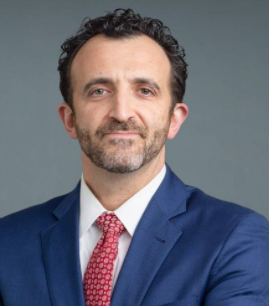 Alex Reyentovich合作论文数Division of Cardiology, Department of Medicine, Grossman School of Medicine, New York University15
 T. Saraon合作论文数Leon H. Charney Division of Cardiology, NYU Langone Health13Nader Moazami合作论文数12Smith Deane E合作论文数11Aprajita Mattoo合作论文数8
 Jacqueline Kim合作论文数8K. Khalil合作论文数8Ian Jaffe合作论文数7Elaina Weldon合作论文数7
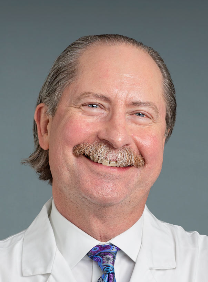 Robert Montgomery合作论文数Department of Surgery, NYU Grossman School of Medicine;NYU Langone Health/NYU Transplant Associates;550 First Avenue, 7th Floor, New York, NY 10016/403 East 34th Street;Third Floor;New York, NY 100167
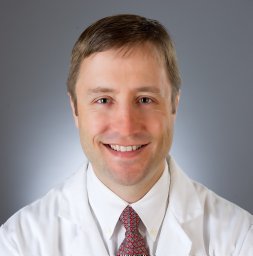 Adam Griesemer合作论文数Department of Molecular Biology, Pharmacology, Washington University School of Medicine7Edward Skolnik合作论文数6Imad Aljabban合作论文数6D. Ayares合作论文数6Jeffrey Stern合作论文数Transplant Inst, NYU Langone Hlth6Jennifer Cruz合作论文数5
 V. Tatapudi合作论文数Langone Medical Center, New York University5
 Sripal Bangalore合作论文数Department of Medicine, Grossman School of Medicine, New York University;Cardiac Catheterization Laboratory, Bellevue Hospital5DiVita Michael合作论文数5Rao Shaline合作论文数5Haider Nazeer合作论文数4Stephanie Golob合作论文数4Mehta Sapna A合作论文数4Carlos L. Alviar合作论文数4
 Norma M Keller合作论文数3Samuel Bernard合作论文数3Yuhe Xia合作论文数Department of Population Health, NYU Grossman School of Medicine3
 John A. Dodson合作论文数Division of Cardiology, Department of Medicine, Grossman School of Medicine, New York University3
 Claudia G. Gidea合作论文数RWJBarnabas Health;Newark Beth Israel Medical Center3Matos Jason合作论文数3
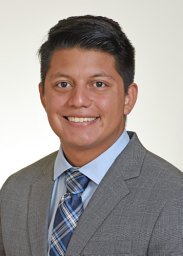 Orly Leiva合作论文数Boonshoft School of Medicine, Wright State University3
 Syed Tarique Hussain合作论文数3
 Navneet Narula合作论文数3Stuart D Katz合作论文数2Joshua E. Kiss合作论文数2Thomas Jan合作论文数2Andrew H Locke合作论文数2Les James合作论文数2Daniel Bamira合作论文数2Maxine W. Stachel合作论文数2
 Ramya C. Mosarla合作论文数2Massimo Mangiola合作论文数2Amit Alam合作论文数2
 Sunil Vadlakonda Rao合作论文数Department of Medicine, Duke University School of Medicine2
 Anthony Aizer合作论文数Department of Medicine, Grossman School of Medicine, New York University2
 Warren J. Manning合作论文数Department of Medicine, Harvard Medical School;Department of Radiology, Beth Israel Deaconess Medical Center2
 Gurin Michael I合作论文数College of Physicians and Surgeons, Columbia University2




