We contend that the degree of closure in women entrepreneurs' social networks affects how concerned they feel about being judged through the lens of negative gender stereotypes (i.e., their experience of social identity threat). Using data from a survey of entrepreneurs in Study 1, we observe that women (but not men) entrepreneurs who report more closure in their social networks experience less social identity threat. Study 2 shows that the trust that is inherent in closed social networks accounts for our effects. Using an experimental design, we find that a field sample of entrepreneurs who are assigned to develop a closed (vs. open) network experience more trust, which is associated with reduced social identity threat for women (but not men). Our findings suggest that a closed social network may inoculate women against the risk of being derailed by negative stereotypes in the venture creation process. We conclude by discussing the theoretical and practical implications of our findings.
Diversity policies designed to foster more equitable work environments are widespread, but not necessarily widely supported. In this review, we advance a fixed-growth mindsets approach to understand people’s support for, or resistance to, diversity policies in the workplace. We theorize that people’s mindsets, or their fundamental beliefs about the malleability of attributes, underlie their diversity support via multiple mechanisms: (1) effort, (2) bias, (3) attributions, and (4) worldview threat. We expand upon each theorized mechanism, draw on established evidence to substantiate our arguments, and offer exciting new questions to guide future research. Because mindsets are amenable to change, we argue that our motivational framework to understanding diversity support offers a novel path forward for both scholarship and organizations that want to generate a greater consensus of support for their diversity policies.
The commencement of a new editorial tenure within the Journal of Personality and Social Psychology: Attitudes and Social Cognition (JPSP: ASC) provides an opportunity for reflection regarding the journal's core mission. The editors recognize that social psychology is at a crossroads due to competing demands that may have led to reduced submissions and posed challenges for previous editors in filling the journal's pages. Now, JPSP: ASC has been allotted more pages to allow for growth during this editorial term. Although this is desirable for the field, it adds to the pressure of identifying articles for publication given the difficulties filling the pages during previous editorial terms. As the premier outlet of social psychology since 1965, JPSP: ASC will retain its centrality if we increase submissions and publish more articles, while continuing to strive to communicate methodologically trustworthy, intellectually stimulating, and socially relevant research, in a responsible fashion. (PsycInfo Database Record (c) 2024 APA, all rights reserved).
Being able to deliver a persuasive and informative talk is an essential skill for academics, whether speaking to students, experts, grant funders or the public. Yet formal training on how to structure and deliver an effective talk is rare. In this Comment, we give practical tips to help academics to give great talks to a range of different audiences.
Research on mindsets (a.k.a. implicit theories, or lay beliefs) about the fixedness or malleability of human attributes has proliferated in various fields of applied psychology—e.g., educational, social, organizational. Particularly in organizations, mindsets have increasingly been identified as a critical topic of research because not only of the possibility of shifting mindsets through experimental manipulation, but also the long-term and impactful consequences that mindsets can shape. Indeed, mindset manipulations and interventions have been developed, tested, and implemented—albeit mostly in non-organizational contexts—with successful outcomes in terms of reducing stress and conflict, enhancing self-efficacy and employee happiness—among others. The purpose of this symposium is to present new research that builds on and extends the mindsets literature by examining the effects of both established and previously unresearched mindsets in the modern workplace. Inspired by the Academy of Management 2023 theme, “Putting the Worker Front and Center,” these projects extend research and theory on how mindsets help individuals to manage and overcome challenges in times of uncertainty. Specifically, the research featured in the symposium highlights how mindsets can support individuals to yield more positive attitudinal and behavioral outcomes during stressful situations at work, shape more positive job search outlook and better mental health during employment uncertainty, as well as managers to support employees’ work efforts and performance in the workplace. In an era of unprecedented uncertainty and changing nature of work, we believe that researchers in organizational behavior must seize upon this moment of opportunity to accelerate the development of a substantial body of rigorous research on mindsets in organizational contexts. By elucidating the processes through which mindsets shape core aspects of outcomes in people’s careers and in the workplace (e.g., job search, well-being, performance), we contribute to a fascinating new area of mindsets research that promotes human flourishing in organizations. The Role of Stress Mindset in Shaping Responses to Challenging and Threatening Stress Author: Sean Barrett Fath; ILR at Cornell Author: Alia Joy Crum; Columbia Business School Mind the Unknown: Development and Validation of the Uncertainty Mindset Author: Federico Magni; ETH Zürich Author: Alina Gerlach; ETH-Zurich, Work & Organizational Psy Author: Julian Pfrombeck; Columbia Business School Author: Sara Zaniboni; U. of Bologna Author: Laura Elaine Strittmatter; ETH Zürich, D-MTEC Author: Gudela Grote; ETH Zürich Mindsets Shape Well-Being and Job Search Outlook during Employment Uncertainty Author: Eva Hsin-Lian Lin; London Business School Author: Aneeta Rattan; London Business School Managerial Growth Mindsets and Employee Efforts Towards Self-Improvement Author: Benjamin Alan Rogers; Boston College Author: Jessica Siegel Christian; U. of North Carolina, Chapel Hill Author: Elad Netanel Sherf; Kenan-Flagler Business School, U. of North Carolina at Chapel Hill
Extensive research has documented organizational decision-makers' preference for men over women when they evaluate and select candidates for leadership positions. We conceptualize a novel construct-mindsets about the universality of leadership potential-that can help reduce this bias. People can believe either that only some individuals have high leadership potential (i.e., a nonuniversal mindset) or that most individuals have high leadership potential (i.e., a universal mindset). Five studies investigated the relationship between these mindsets and decision-makers' gender biases in leader evaluation and selection decisions. The more senior government officials in China held a universal mindset, the less they showed gender bias when rating their subordinates' leadership capability (Study 1). Working adults in the United Kingdom who held a more universal mindset exhibited less gender bias when evaluating and selecting job candidates for a leadership position (Study 2). In an experiment, Singaporean students exposed to a universal mindset exhibited less gender bias when evaluating and selecting candidates than those exposed to a nonuniversal mindset (Study 3). Another experiment with working adults in China replicated this pattern and added a control condition to confirm the directionality of the effect (Study 4). Last, Study 5 showed that a more universal mindset was associated with less gender bias particularly among decision-makers with stronger gender stereotypes in the domain of leadership. This research demonstrates that, although they are seemingly unrelated to gender, mindsets about the universality of leadership potential can influence the extent to which people express gender bias in the leadership context. (PsycInfo Database Record (c) 2023 APA, all rights reserved).
Organizations spend annually billons of dollars on DEI-efforts. These efforts, however, are not always effective. Showcasing cutting-edge research, this symposium seeks to answer a critical question for management scholars: Why do many of these costly and often well-intentioned DEI-efforts fail to deliver and what can organizations do about it? The presentations seek to answer this question by illuminating key factors and mechanisms with regards to the (in)effectiveness of DEI-efforts. The presentations are followed by an integrative moderated discussion with a focus on what future research is needed and how the insights from the presentations can be used to better shape DEI-efforts. You can’t fix what you don’t see: Diversity blind spots reduce support for organizational diversity Author: Linda Nguyen; U. of Washington Author: Serena Does; UCLA Anderson School of Management Author: Miguel Unzueta; U. of California, Los Angeles Author: Sapna Cheryan; U. of Washington The Business Case for Diversity Undermines Women’s Performance During Recruitment Author: Oriane Georgeac; Boston U. Questrom School of Business Author: Aneeta Rattan; London Business School A Path Forward for Diversity Training: Bringing More Diversity Science into Practice Author: Ivuoma Ngozi Onyeador; - Author: Hannah McKinney; Boston U. Author: Ashley E. Martin; Stanford Graduate School of Business Gender neutral = Masculine Author: Adriana Germano; Yale School of Management Author: Kristina Olson; Princeton U.
We explore the conditions under which people will opt in to reading information about bias and stereotypes, a key precursor to the types of self-directed learning that diversity and anti-bias advocates increasingly endorse. Across one meta-analysis (total N = 1,122; 7 studies, 5 pre-registered) and 2 pre-registered experiments (total N = 1,717), we identify a condition under which people opt in to reading more about implicit bias and stereotypes. People randomly assigned to read a growth, rather than fixed, mindset frame about bias opted in to read more information about stereotypes and implicit bias (Study 1 and Study 3). The mechanism that drove these effects was individuals' construal of the task as a challenge (Studies 2 and 3). Our findings offer insight into how to promote engagement with information about stereotypes and biases. We discuss how this work advances the study of mindsets and diversity science.
A large portion of the workforce carries an invisible stigmatized identity with them in the workplace. Despite this pervasiveness, employees with these stigmatized identities continue to experience bias and inequity. This presents difficulties not only for these employees, but also for the organizations that employ them, making it essential to better understand how employees with stigmatized identities can effectively navigate the workplace. To advance our understanding of stigmatized identities in the workplace, this symposium explores this question across multiple levels in organizations. By examining the impact of organizational contexts, interpersonal processes, and intrapersonal management strategies, five papers provide insights into circumstances which can mitigate negative outcomes and improve equity for prospective and incumbent employees with stigmatized identities. Moral Duties vs. Moral Values: Disabled Prospective Employee Responses to Organizational Messaging Author: Julia A. Langdon; London Business School Author: Oriane Georgeac; Boston U. Questrom School of Business Author: Aneeta Rattan; London Business School Small Empires: How Equipped are Small Business Owners in Hiring People with Disabilities? Author: Mason Ameri; Rutgers Business School Author: Terri R Kurtzberg; Rutgers Business School (Un)common Ground: Misperceived Similarity Shapes Support for Employees with Invisible Disabilities Author: Chloe Kovacheff; U. of Toronto Acting as a Change Agent: The Factors that Facilitate Lesbian and Gay Employees’ Proactivity Author: Chris Zhang; Wilfrid Laurier U. Author: You-Ta Chuang; York U. Author: Robin Church; Ryerson U. Author: Jing Wang; York U. Effortful Identity Management Among Workers with Hearing Loss Author: Alecia Marie Santuzzi; Northern Illinois U. Author: Robert Keating; Northern Illinois U. Author: Jesus Martinez; Northern Illinois U. Author: Lisa M Finkelstein; Northern Illinois U. Author: Larissa K. Barber; San Diego State U. Author: Deborah Elizabeth Rupp; George Mason U.
Many organizations offer justifications for why diversity matters, that is, organizational diversity cases. We investigated their content, prevalence, and consequences for underrepresented groups. We identified the business case, an instrumental rhetoric claiming that diversity is valuable for organizational performance, and the fairness case, a noninstrumental rhetoric justifying diversity as the right thing to do. Using an algorithmic classification, Study 1 (N = 410) found that the business case is far more prevalent than the fairness case among the Fortune 500. Extending theories of social identity threat, we next predicted that the business case (vs. fairness case, or control) undermines underrepresented groups' anticipated sense of belonging to, and thus interest in joining organizations-an effect driven by social identity threat. Study 2 (N = 151) found that LGBTQ+ professionals randomly assigned to read an organization's business (vs. fairness) case anticipated lower belonging, and in turn, less attraction to said organization. Study 3 (N = 371) conceptually replicated this experiment among female (but not male) Science, Technology, Engineering, and Math (STEM) job seekers. Study 4 (N = 509) replicated these findings among STEM women, and documented the hypothesized process of social identity threat. Study 5 (N = 480) found that the business (vs. fairness and control) case similarly undermines African American students' belonging. Study 6 (N = 1,019) replicated Study 5 using a minimal manipulation, and tested these effects' generalizability to Whites. Together, these findings suggest that despite its seeming positivity, the most prevalent organizational diversity case functions as a cue of social identity threat that paradoxically undermines belonging across LGBTQ+ individuals, STEM women, and African Americans, thus hindering organizations' diversity goals. (PsycInfo Database Record (c) 2022 APA, all rights reserved).
Approximately 44% of U.S. workers are low-wage workers. Recent years have witnessed a raging debate about whether to raise their minimum wages. Why do some decision-makers support raising wages and others do not? Ten studies (four preregistered) examined people's beliefs about the malleability of intelligence as a key antecedent. The more U.S. human resource managers (Study 1) and Indian business owners (Study 2) believed that people's intelligence can grow (i.e., had a growth mindset), the more they supported increasing low-wage workers' compensation. In key U.S. swing states (Study 3a), and a nationally representative sample (Study 3b), residents with a more growth mindset were more willing to support ballot propositions increasing the minimum wage and other compensation. Study 4 provided causal evidence. The next two studies confirmed the specificity of the predictor. People's beliefs about the malleability of intelligence, but not personality (Study 5a) or effort (Study 5b), predicted their support for increasing low-wage workers' compensation. Study 6 examined multiple potential mechanisms, including empathy, attributions for poverty, and environmental affordances. The relationship between growth mindset and support for raising low-wage workers' wages was explained by more situational rather than dispositional attributions for poverty. Finally, Studies 7a and 7b replicated the effect of growth mindset on support for increasing low-wage workers' compensation and provided confirmatory evidence for the mediator-situational, rather than dispositional, attributions of poverty. These findings suggest that growth mindsets about intelligence promote support for increasing low-wage workers' wages; we discuss the theoretical and practical implications. (PsycInfo Database Record (c) 2023 APA, all rights reserved).
While research has documented positivity biases in workplace feedback to women versus men, this phenomenon is not fully understood. We take a motivational perspective, theorizing that the gender stereotype of warmth shapes feedback givers' goals, amplifying the importance placed on kindness when giving critical feedback to a woman versus a man. We found support for this hypothesis in a survey of professionals giving real developmental feedback (Study 1, N = 4,842 raters evaluating N = 423 individuals) and five experiments with MBA students, lab participants, and managers (Studies 2-5, N = 1,589). Across studies, people prioritized the goal of kindness more when they gave, or anticipated giving, critical feedback to a woman versus a man. Studies 1, 3, and 5 suggest that this kindness bias relates to gendered positivity biases, and Studies 4a and 4b tested potential mechanisms and supported an indirect effect through warmth. We discuss implications for the study of motivation and workplace gender bias.
Over the last two decades, organizations across a wide range of industries have increasingly started to discuss mindsets, or lay beliefs, about the fixedness or malleability of human attributes could shape employees experiences, performance, and thus organizations. These organizations build their approaches from initial research showing that the growth (vs. fixed) mindset shapes how managers evaluate their employees, how employees respond to challenges and setbacks in their environments, and how much trust and belonging they feel in organizations (Canning et al., 2020; Emerson & Murphy, 2014; Heslin & VandeWalle, 2008, 2011; Murphy & Reeves, 2019; Rattan & Ozgumus, 2019). Despite these encouraging insights, however, mindsets research in the workplace settings is still in its nascent stages. The purpose of this symposium is to feature new research that examines whether, how, and which mindsets shape important outcomes in the workplace, in order to more rigorously build a scholarship of mindsets in organizations. We believe that researchers in organizational behavior must seize upon this moment of engagement to accelerate the development of a substantial body of rigorous research on mindsets in workplace contexts. Inspired by the Academy of Management 2022 theme, “Creating a Better World Together,” these projects extend research and theory on how mindsets help individuals to overcome challenges in their careers and workplaces, as well as organizational leaders to foster a better workplace for the employees. By elucidating the processes with which mindsets shape previously understudied outcomes in the workplace, we hope to contribute to a fascinating new area of mindsets research that promotes human flourishing in organizations. Frugality Mindsets: Exploring Entrepreneurs’ Beliefs about the Nature of Resourcefulness Presenter: Jeffrey M. Pollack; NC State U. Presenter: Tim Michaelis; Northern Illinois U. Presenter: Joseph Billingsley; NC State U. Presenter: Jeni Burnette; North Carolina State U. Mindsets and Employee Experience in the Workplace Presenter: Eva Hsin-Lian Lin; London Business School Presenter: Aneeta Rattan; London Business School Support for Increasing Low-Wage Workers' Compensation: The Role of Fixed-Growth Mindsets Presenter: Shilpa Madan; Virginia Tech Presenter: Ramadhar Singh; Amrut Mody School of Management Presenter: Aneeta Rattan; London Business School Presenter: Krishna Savani; Department of Management and Marketing, The Hong Kong Polytechnic U. Why Do American Workplaces Still Lack Paid Family Leave? The Role of Gender Role Mindsets Presenter: Ezgi Ozgumus; London Business School Presenter: Aneeta Rattan; London Business School
For group discussions about fraught racial topics between Black and White Americans to be beneficial, conversation participants must view the person who facilitates as effective at communicating both the perspectives of Black and White Americans. We identify a biracial advantage in this domain. In three studies (total N = 710), we tested how a facilitator’s race affects their perceived effectiveness in communicating with both Black and White Americans. Both Black and White participants expected Black and White monoracial facilitators to more effectively engage with racial in-group than racial out-group members. However, they expected biracial facilitators to be equally effective in communicating with both Black and White groups. Both Black and White participants also expected biracial facilitators to use productive learning strategies (perspective taking, showing empathy) more than White facilitators, and either more than or equally to Black facilitators, suggesting one reason why people expect biracial facilitators to perform well in these moments.
How do people evaluate how much social progress has been achieved, and how do these perceptions influence intergroup attitudes? We present a model summarizing the signals and sense-making that arise when people think about progress. We review the signals that shape progress perceptions when people observe individual exemplars of success from, or substantive advances for, negatively stereotyped groups. We also identify three types of stereotype-relevant cognitive schemas that can be disrupted, or exacerbated, as people work to make sense of social progress: bias and perceived threat, beliefs about persisting inequality, and support for further progress. We highlight the complexities of progress - a reversible, fragmented, and sometimes superficial process - that merit further study. We discuss implications for organizations and society.
Despite increasing societal attention to the need for social change along multiple dimensions, including well-being, diversity, pay equity, and corporate responsibility, organizations have struggled to make substantial progress. Workplaces continue to be dominated by constrictive “ideal worker” norms, leadership spaces remain predominantly White and male, the gender pay gap has barely budged since the 1990s, and shareholders remain the primary stakeholder for most organizations. Why is it so difficult for organizations to accomplish the social change called for by leaders, scholars, advocates, and the general public alike? Across arenas of mental health, diversity, pay equity, and corporate responsibility, the papers in this symposium investigate the risks that organizations associate with social change, the responses that they craft to mitigate these risks, and the detrimental consequences that these responses have for social change in organizations. By adopting an expansive, interdisciplinary perspective at the crossroads of psychology, sociology, and management, this symposium provides insights not only into how social change efforts are thwarted on a case-by-case basis, but also into the dynamics that systematically reinforce the status quo in organizations. Well but Unwanted: The Subtle Backlash Against Prioritizing Mental Wellbeing at Work Presenter: Andrea Freund; Stanford Graduate School of Business Presenter: Ashley E. Martin; Stanford Graduate School of Business Presenter: Margaret A. Neale; Stanford U. Framing Diversity as Instrumental to Performance Undermines Organizations’ Diversity Efforts Presenter: Oriane Georgeac; Yale School of Management Presenter: Aneeta Rattan; London Business School From the Job’s Worth to the Person’s Price: The Transformation of U.S. Pay-Setting Practices Presenter: Laura Adler; Harvard U. The Long Shadow of Depoliticized Organizational Theory Presenter: Andrew Paul Lynn; U. of Virginia
We report the first investigation of whether observers draw information about mindsets from behavior, specifically prejudice confrontation. We tested two questions across 10 studies (N = 3,168). First, would people who observe someone confront a biased comment (vs. remain silent) see them as endorsing more growth (vs. fixed) mindsets about prejudice and bias? If so, would the growth mindset perceptions that arise from confrontation (vs. remaining silent) attenuate the backlash that observers exhibit against confronters? We investigated these questions using scenarios (Studies 1, 2a-b, 4, 5a-d), naturalistic confrontations of national, race, and gender stereotypes reported retrospectively (Study 3), and an in-person laboratory experiment of actual confrontations of racial bias (Study 6). Correlational and experimental methods yielded support for our core hypotheses: People spontaneously imbue someone who confronts a biased comment with more growth mindset beliefs about prejudice and bias (Studies 1, 2a-b, 4, 6), regardless of whether participants observe the confrontation (Studies 1, 2a-b, 5a-d) or are being confronted themselves (Studies 2a-4, 6). The growth mindset perceptions arising from these confrontations suppress backlash, assessed by classic interpersonal perceptions (Studies 4-5) and judgments of interpersonal warmth and willingness to interact again in the future (Study 6), both when the confronter was a target of the biased behavior (Studies 1-5), and when they were an ally (Study 6), in both correlational studies (Study 3-4) and when growth mindset (about personality, Study 5; about prejudice, Study 6) was manipulated, confirming causality. We discuss implications for the study of mindsets, confrontation, and intergroup relations.
 Carol Dweck合作论文数Department of Psychology, School of Humanities and Sciences, Stanford University16
 Krishna Savani合作论文数School of Social Sciences, College of Humanities, Arts, and Social Sciences, Nanyang Technological University15
 Oriane A. M. Georgeac合作论文数School of Management, Yale University11
 Ezgi Ozgumus合作论文数London Business School5
 Raina Brands合作论文数5
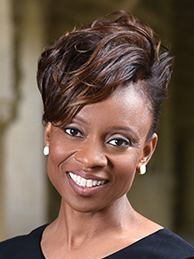 Jennifer Lynn Eberhardt合作论文数Department of Psychology, Stanford University5
 Nalini Ambady合作论文数Department of Psychology, Stanford University4
 Murphy Mary C合作论文数Indiana University4
 Catherine Good合作论文数4
 Cynthia R. Levine合作论文数Department of Psychology, University of Washington4
 Eva Hsin-Lian Lin合作论文数London Business School3
 Clarissa Cortland合作论文数School of Management, Faculty of Engineering Sciences, University College London3
 Herminia Ibarra合作论文数London Business School3Bonita London合作论文数3
 Rainer Romero-Canyas合作论文数3
 Geraldine Downey合作论文数Department of Psychology, Columbia University3
 Sapna Cheryan合作论文数Department of Psychology, University of Washington3Diana T. Sanchez合作论文数2Manchi Chao合作论文数2Carol S. Dweck合作论文数2
 Franco Pestilli合作论文数Department of Psychology, College of Liberal Arts, University of Texas at Austin2
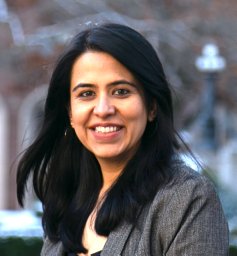 Shilpa Madan合作论文数Virginia Tech, Pamplin Coll Business2
 Patricia Lombard Mabry合作论文数HealthPartners Inst2Ivuoma Onyeador合作论文数Department of Psychology, Weinberg College of Arts and Sciences, Northwestern University2
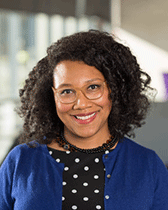 Sylvia Perry合作论文数Department of Psychology, Weinberg College of Arts and Sciences, Northwestern University2
 Denise Sekaquaptewa合作论文数Department of Psychology, College of Literature, Science, and the Arts, University of Michigan-Ann Arbor2
 Stephanie Fryberg合作论文数Culture Collaboratory, Department of Psychology, College of Literature, Sciences and Arts, University of Michigan2
 Xi Zou合作论文数Nanyang Business School, Nanyang Technological University2
 Zhi Liu (刘知)合作论文数Guanghua School of Management, Peking University2
 Ratliff Kate A合作论文数Department of Social Psychology, Tilburg University2Tyson Diana F合作论文数2
 Wilton Leigh S合作论文数Department of Psychology, Rutgers University2
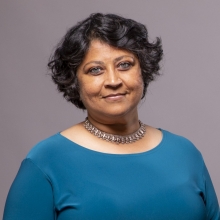 Nilanjana Dasgupta合作论文数Department of Psychological and Brain Sciences, College of Natural Sciences, University of Massachusetts Amherst2
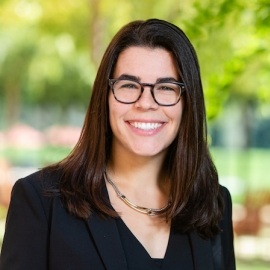 Ashley Martin合作论文数Graduate School of Business, Stanford University2
 Amanda Diekman合作论文数Department of Psychological and Brain Sciences, The College of Arts & Sciences, Indiana University Bloomington2
 Xiaoran Yan合作论文数AI Research Institute, Zhejiang Lab2
 Dustin B. Thoman合作论文数Department of Psychology, University of Utah2
 Corinne A. Moss-Racusin合作论文数Dept Psychol, Skidmore Coll2
 Lora E Park合作论文数University of Michigan2
 Dolly Chugh合作论文数Stern School of Business, New York University2
 Alison Ledgerwood合作论文数University of California , Davis;New York University;University of California , Davis, New York University2
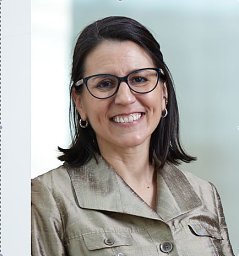 Zoe Kinias合作论文数Kellogg School of Management, Northwestern University2
 Jessi L. Smith合作论文数Department of Psychology, Montana State University2
 Susanne Ressl合作论文数Max-Planck-Institute of Biophysics2N. V. R. Naidu合作论文数1Dan Cable合作论文数1
 Maferima Toure‐Tillery合作论文数1Julia A. Langdon合作论文数1Chris Zhang合作论文数1




