Recent updates to monocyte count thresholds recognize oligomonocytic chronic myelomonocytic leukemia (OM-CMML) as an early form of CMML. However, the clinical validity of these changes remains uncertain without incorporating biological and genomic factors. In this study, we analyzed a cohort of 911 patients (249 with OM-CMML, 359 with overt CMML, and 303 with myelodysplastic syndromes) using unsupervised clustering to evaluate the role of genomic determinants in refining CMML diagnosis. Our findings show that CMML molecular signatures (biallelic TET2 mutations or SRSF2-TET2 comutations) are linked to a distinct transcriptome, monocytic bias, classical monocytosis, and a higher risk of progression to overt CMML in OM-CMML cases. We developed a weighted genomic model and diagnostic workflow showing that combining genomic signatures with bone marrow monocyte frequencies in OM-CMML more accurately predicts progression to overt CMML. These findings support integrating genomic determinants and our clinic-ready diagnostic workflow into the CMML diagnostic framework to improve accuracy. SIGNIFICANCE:Through comprehensive clinical and genomic profiling of a large patient cohort, alongside immunophenotypic and transcriptional cellular analyses, this study provides evidence that incorporating genomic determinants into the diagnostic criteria for OM-CMML improves diagnostic accuracy and refines the identification of early-stage CMML, thereby preventing misclassification.
Heatmap of patients with active disease at study theray initiation, showing CBF subtype, ACA, treatment group and mutational groups
Association of biTET2/SRSF2 and monocytic differentiation parameters in a validation cohort.
Survival outcomes of patients with acute myeloid leukemia (AML) who achieve complete remission (CR) without allogeneic stem cell transplantation (allo-SCT) remain largely undefined, yet these benchmarks are essential for developing post-remission strategies. We retrospectively analyzed 362 adults with newly diagnosed de novo AML who achieved CR/Incomplete CR (CRi) (between 2016–2023) and did not undergo allo-SCT in first remission. Patients with APL and corebinding factor AML, which are rarely consolidated with allo-SCT, were excluded. The cohort was stratified by low-intensity (LIT, n=257) and intensive therapy (IT, n=105), and survival was evaluated across predefined subgroups. Median relapse-free survival (RFS) and overall survival (OS) were 11 and 19 months, respectively. Venetoclax was associated with significantly lower 24- month relapse rates in both LIT (68% to 45%) and IT (49% to 27%) (p
Cox multivariate for overall survival in the full cohort with backward model selection not including DNMT3A-ASXL1-TET2 (DAT) and TRANSCRIPTION FACTORS
Comparison of SF3B1-mutated MDS with del(5q) to subclonal SF3B1-mutated MDS without del(5q). (A-F) No significant differences in baseline clinical demographics or SF3B1 VAF were observed between cases with vs. without del(5q). (G,H) Whilst survival was superior in patients with clonal SF3B1 mutations, no significant difference in leukemia-free or overall survival was identified between cases of SF3B1-mutated MDS with del(5q) vs. subclonal SF3B1-mutated MDS without del(5q), suggesting survival outcomes in such cases are influenced by alternative molecular driver events. Reported p-values utilized the cox model Wald test.
Correlation between RAS pathway mutation variant allele frequencies and monocytic parameters.
Cytogenetic abnormalities and somatic mutations among all patients included in the validation cohort.
INTRODUCTION:Acute promyelocytic leukemia (APL) is a highly curable subtype of AML, largely due to the introduction of differentiating therapy with all-trans retinoic acid and arsenic trioxide. While intravenous arsenic trioxide (ATO) is considered the standard-of-care in the United States, its prolonged administration and monitoring requirements pose logistical challenges that require high healthcare resource utilization and negatively impact quality of life. AREAS COVERED:This review summarizes the development and clinical evaluation of intravenous and oral arsenic formulations in APL. We discuss the pharmacokinetics, safety, and efficacy of oral arsenic compared with intravenous ATO across populations, including children and patients with obesity or renal impairment. A PubMed search using the terms 'oral arsenic,' 'arsenic trioxide,' 'arsenic formulations,' 'acute promyelocytic leukemia,' and 'pharmacokinetics' was used to compile data. It draws on current pharmacokinetic and clinical evidence, including data from retrospective publications, phase 3 trials, meta-analyses, and long-term follow-up studies. EXPERT OPTION:Oral arsenic formulations achieve comparable molecular remission, long-term survival, and toxicity profiles to intravenous ATO. These oral formulations may offer meaningful advantages in quality of life, cost, and overall availability of optimal treatment. Continued clinical trials are expected to further define oral arsenic's role in frontline therapy in the United States.
Characteristics of patients in whom bulk RNA-sequencing was performed in bone marrow CD34+ cells.
Menin inhibition leads to an antileukemic effect through hematopoietic differentiation. Treatment with the menin inhibitor revumenib results in clinical remissions in relapsed or refractory (R/R) acute myeloid leukemia (AML) with either rearrangement of lysine methyltransferase 2A (KMT2A) or mutation in nucleophosmin 1 (NPM1), leading to regulatory approval of this drug. However, determinants of response to revumenib have not been fully elucidated. We examined the immunophenotype of leukemia cells by flow cytometry, in sequential bone marrow specimens from 48 patients with R/R AML treated with revumenib. We observed dynamic changes in the immunophenotype after treatment in 16 of 31 (52%) patients, characterized by a switch from a myeloid/stem-like to a monocytic or myelomonocytic immunophenotype, or vice versa, or by substantial changes in the intensity of antigen expression or in patterns of leukemia-associated immunophenotypes. Morphologic remission with undetectable measurable residual disease (MRD) by flow cytometry following revumenib was associated with improved overall survival, with a median of 23.6 months compared with 20.8 months in patients with morphologic response and detectable MRD, and 3.2 months in non-responders. In summary, treatment monitoring of AML by flow cytometry, following menin inhibition, requires recognition of phenotypic changes associated with differentiation.
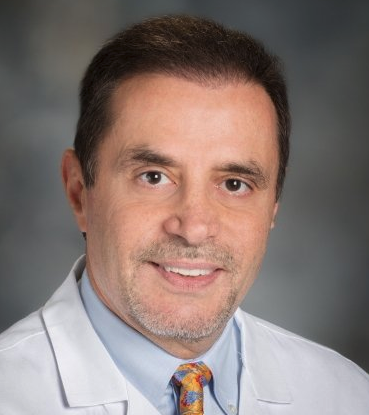 Hagop M. Kantarjian合作论文数Department of Leukemia, Division of Cancer Medicine, The University of Texas MD Anderson Cancer Center1500
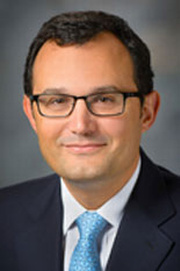 Guillermo Garcia-Manero合作论文数Section of Myelodysplastic Syndromes, Department of Leukemia, Division of Cancer Medicine, The University of Texas MD Anderson Cancer Center;UTHealth Houston Graduate School of Biomedical Sciences1235
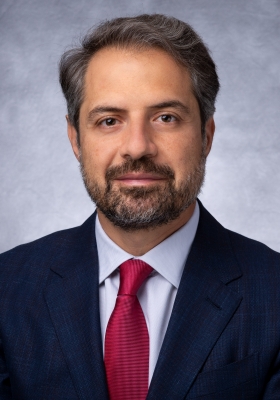 Elias Jabbour合作论文数Department of Leukemia, Division of Cancer Medicine, MD Anderson Cancer Center, University of Texas1032
 Gautam Borthakur合作论文数Department of Leukemia, Division of Cancer Medicine, The University of Texas MD Anderson Cancer Center991
 Tapan M. Kadia合作论文数Department of Leukemia, Division of Cancer Medicine, M.D. Anderson Cancer Center948
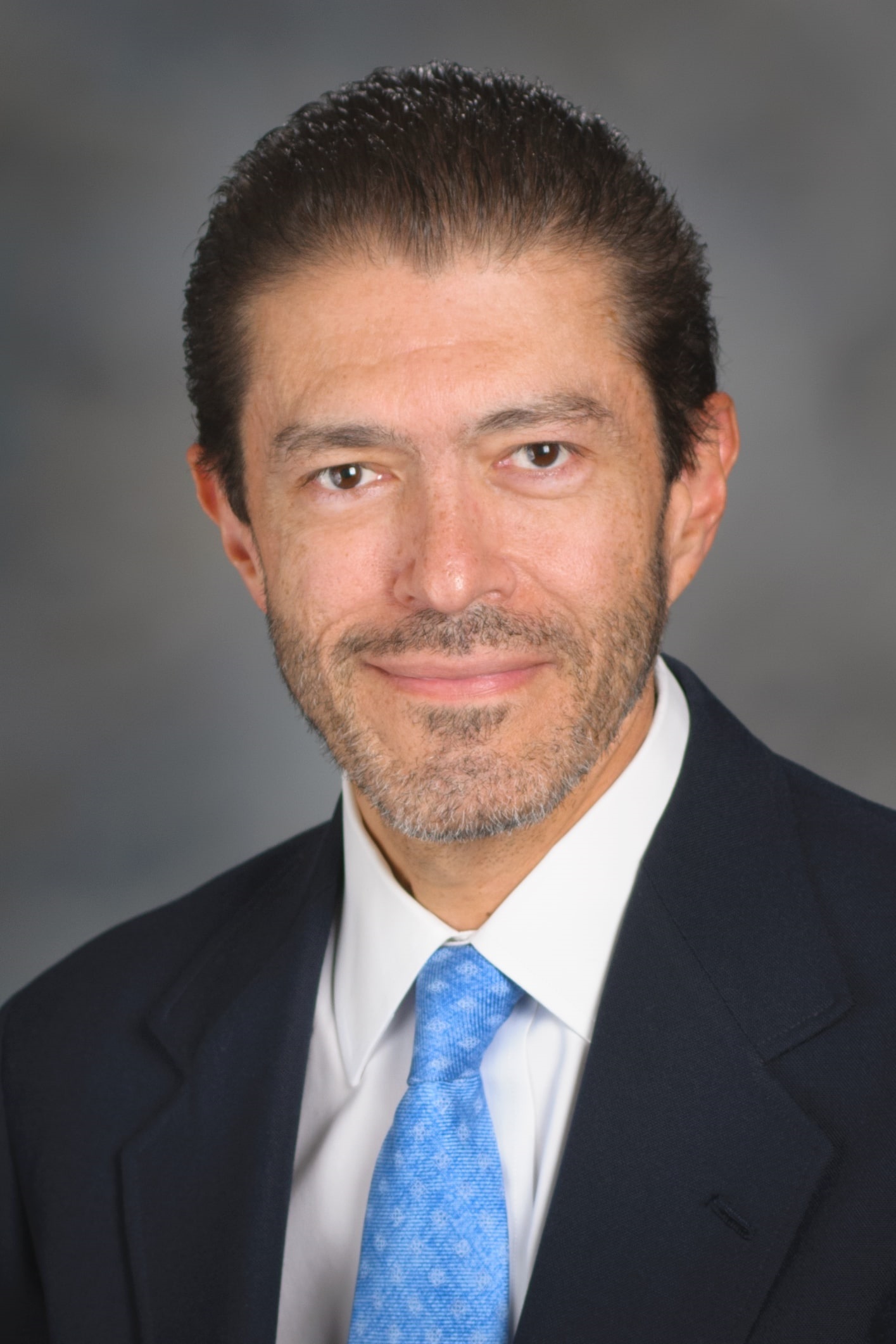 Jorge Cortes合作论文数Georgia Cancer Center, Augusta University;Department of Medicine, Medical College of Georgia, Augusta University;The Graduate School, Augusta University;Latin America Leukemia Net Lalnet881
 Naval G. Daver合作论文数Department of Leukemia, Division of Cancer Medicine, The University of Texas MD Anderson Cancer Center880
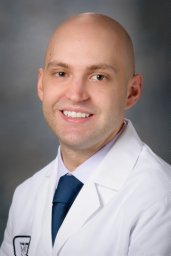 Nicholas Short合作论文数Department of Cellular and Structural Biology, University of Texas Health Science Center at San Antonio605
 Courtney DiNardo合作论文数Department of Leukemia, The University of Texas MD Anderson Cancer Center598
 Marina Konopleva合作论文数Department of Oncology, Albert Einstein College of Medicine;Department of Molecular Pharmacology, Albert Einstein College of Medicine580
 Stephanie Pierce合作论文数Western Governors University534
 Naveen Pemmaraju合作论文数Department of Leukemia, The University of Texas MD Anderson Cancer Center510
 Koji Sasaki合作论文数472
 Susan M. O Brien合作论文数Division of Oncology, School of Medicine, University of California;Division of Hematology, School of Medicine, University of California;Sue & Ralph Stern Center for Clinical Trials & Research, University of California, Irvine;Chao Family Comprehensive Cancer Center, University of California, Irvine393
 Ghayas C Issa合作论文数343
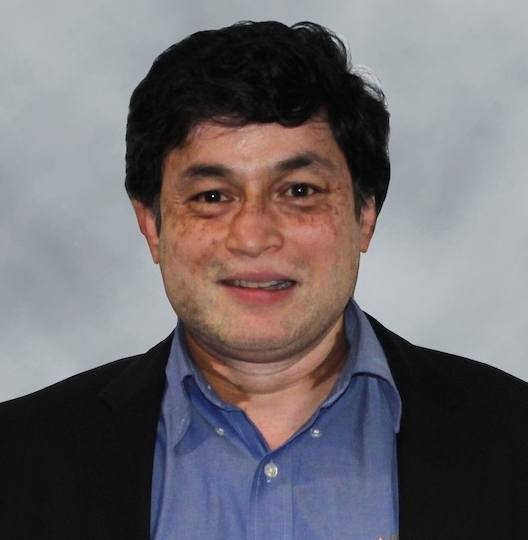 Nitin Jain合作论文数Qorvo, Inc.340
 Stefan Faderl合作论文数Division of Leukemia, John Theurer Cancer Center, Hackensack University Medical Center317
 Koichi Takahashi合作论文数311
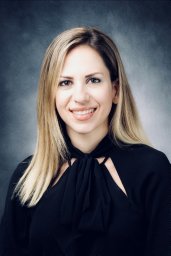 Loghavi Sanam合作论文数Dept Hematopathol, Univ Texas MD Anderson Canc Ctr276
 Michael Andreeff合作论文数Department of Leukemia, Division of Cancer Medicine, The University of Texas MD Anderson Cancer Center;Bone Marrow Aspiration Clinic, Department of Hematology, The University of Texas MD Anderson Cancer Center271
 Musa Yilmaz合作论文数Department of Leukemia, MD Anderson Cancer Center265
 Yesid Alvarado合作论文数246
 William G. Wierda合作论文数Department of Leukemia, Division of Cancer Medicine, The University of Texas MD Anderson Cancer Center246
 Zeev Estrov合作论文数Department of Leukemia, Division of Cancer Medicine, The University of Texas MD Anderson Cancer Center241Garris Rebecca合作论文数221
 Srdan Verstovsek合作论文数Department of Leukemia, Division of Cancer Medicine, University of Texas MD Anderson Cancer Center205Guillermo Montalban Bravo合作论文数200
 Rashmi Kanagal Shamanna合作论文数Molecular Diagnostic Laboratory, Department of Hematopathology, Division of Pathology and Laboratory Medicine, The University of Texas MD Anderson Cancer Center;Leukemia Planning Clinic, Department of Hematopathology, Division of Pathology and Laboratory Medicine, The University of Texas MD Anderson Cancer Center197Alessandra Ferrajoli合作论文数188
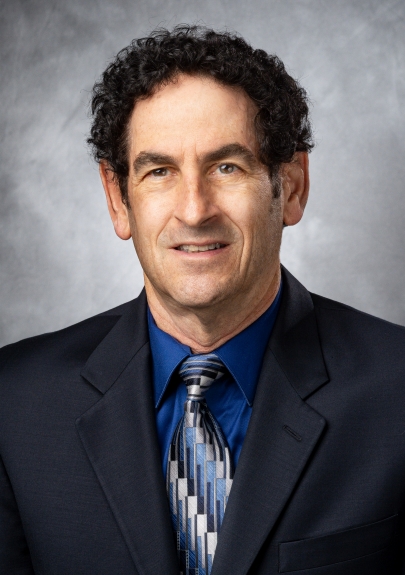 Steven M. Kornblau合作论文数Department of Leukemia, Division of Cancer Medicine, University of Texas MD Anderson Cancer Center;Department of Stem Cell Transplantation, Division of Cancer Medicine, The University of Texas MD Anderson Cancer Center179Deborah A. Thomas合作论文数168
 Keyur P. Patel合作论文数Department of Hematopathology, Division of Pathology/Lab Medicine, The University of Texas MD Anderson Cancer Center;Department of Molecular Diagnostics Laboratory, Division of Pathology/Lab Medicine, The University of Texas MD Anderson Cancer Center155Ohanian Maro合作论文数154
 Maiti Abhishek合作论文数Department of Critical Care Medicine, West Bank Hospital153Sa Wang合作论文数148
 Mark Brandt合作论文数148Danielle Hammond合作论文数144Xuelin Huang合作论文数141
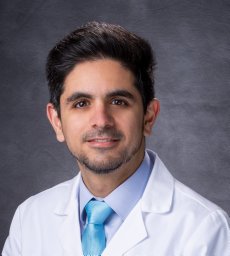 Fadi G Haddad合作论文数Dept Leukemia, Univ Texas MD Anderson Canc Ctr138
 Guilin Tang合作论文数138Kelly S Chien合作论文数127
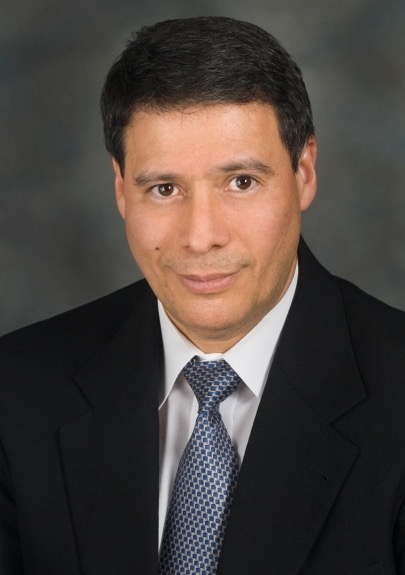 Carlos E. Bueso-Ramos合作论文数Bone Marrow Laboratory, Department of Hematopathology, The University of Texas MD Anderson Cancer Center;Division of Pathology/Lab Medicine, The University of Texas MD Anderson Cancer Center127
 Jan Burger合作论文数Department of Leukemia, Division of Cancer Medicine, The University of Texas MD Anderson Cancer Center;Graduate School of Biomedical Sciences, University of Texas-Houston Health Science Center;School of Medicine, Albert-Ludwigs University126
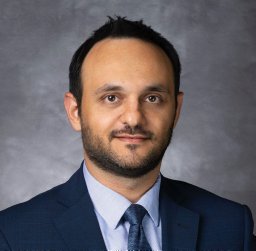 Abbas Hussein A合作论文数Department of Molecular and Cellular Oncology, University of Texas M. D. Anderson Cancer Center117
 Alex Bataller合作论文数Dept Leukemia, Univ Texas MD Anderson Canc Ctr116Kebriaei Partow合作论文数109
 Richard E. Champlin合作论文数Department of Stem Cell Transplantation and Cellular Therapy, Division of Cancer Medicine, The University of Texas MD Anderson Cancer Center;Division of Internal Medicine, The University of Texas Health Science Center102
 Prithviraj Bose合作论文数101
 Jeffrey L. Jorgensen合作论文数Department of Hematopathology, The University of Texas M.D. Anderson Cancer Center101




