Armed conflicts undermine medical education by destroying campuses and clinical training sites, displacing students and educators, and disrupting electricity and communications. In Gaza, the destruction of its 2 medical schools and hospitals compromised education for approximately 3,000 medical students. Most students have remained inside Gaza, while a minority have been displaced externally, creating parallel needs for remote curriculum delivery and external placement pathways. In Ukraine, displacement and attacks on education, health, and energy infrastructure similarly disrupted training systems that depend on in-person clinical learning. Educators and clinicians partnered across borders to mitigate these disruptions. In Gaza, Gaza Educate Medics (GEM) and the Union of Gazan Medical Students Initiative (UGMSI) coordinated remote teaching, assessment support, and placement navigation. In Ukraine, Kyiv Medical University (KMU) implemented a dual-campus hybrid model supported by a cross-border partnership. These field examples highlight transnational partnerships as a practical mechanism for sustaining medical education in conflict settings.
BACKGROUND:Sickle cell disease (SCD) affects over 7 million people globally, with blood transfusion remaining a cornerstone of management. However, contemporary transfusion practices across diverse settings remain poorly characterized. We evaluated global transfusion practices for patients with SCD to identify gaps and inform resource prioritization. STUDY DESIGN AND METHODS:We conducted a cross-sectional web-based survey of clinicians and laboratory professionals providing transfusion support for SCD, distributed via email using three professional society's membership lists (July-September 2025). Variables included facility characteristics, pre-transfusion testing capabilities, antigen-matching strategies, transfusion modalities, and barriers to care, stratified by World Bank income classification. RESULTS:After excluding incomplete/duplicate responses, 102 facilities from 39 countries were analyzed; 95 actively treated patients with SCD. Facilities were predominantly public (73%), with 46% in lower-middle-income countries (LMICs). Routine newborn screening was performed by 33% overall (48% high-income countries [HICs] vs. 0% low-income). While ABO/RhD typing was nearly universal, antibody screening was available in only 72% of facilities (0% low-income, 47% LMICs, 98% HICs). Prophylactic RBC antigen matching was performed by 46% (18% LMICs vs. 70% HICs), primarily limited to Rh(CcEe) and K. Automated RBC exchange was available in 44% overall (0% low-income, 25% LMICs, 73% HICs); among facilities with exchange capability, 83% of HICs versus 36% of LMICs could provide exchange within 24 h for acute indications. DISCUSSION:Pronounced income-related disparities exist in SCD transfusion support. Facilities in lower-income settings disproportionately lack antibody testing, prophylactic matching, and timely automated exchange. Targeted infrastructure investment and context-appropriate guidelines are essential for equitable care.
OBJECTIVE:Reliable diagnostic services and testing capacity are fundamental to quality health care delivery. Yet data on such testing and services are often sparse in low- and--middle-income countries. The objective of this study was to obtain these data from the African country of Malawi by surveying a range of clinical laboratories and diagnostic services. METHODS:We conducted a cross-sectional survey of clinical pathology services and infrastructure among laboratories across Malawi. Subject matter experts developed a structured instrument covering staffing, infrastructure, equipment, and test menus by discipline. Surveys were distributed through the American Society for Clinical Pathology international listserv (May-Oct 2022), with targeted follow-up to Malawian institutions (November 2022-July 2025). RESULTS:Nine laboratories from the northern, central, and southern regions of Malawi submitted complete responses: 6 public and 3 private (2 tertiary facilities and 7 district, secondary, or research centers). All sites reported point-of-care/rapid diagnostics, chemistry, microbiology, and hematology services. Blood bank/transfusion services were available at 7 sites, 2 of which had all 5 queried products available (red blood cells, plasma, platelets, cryoprecipitate, and whole blood). Coagulation testing (2 sites), flow cytometry (2 sites), and cytogenetics (0 sites) were limited. Infrastructure gaps included inconsistent electricity or lack of backup generators (3 sites), limited internet access (5 sites), and need for more trained staff (4 sites). CONCLUSIONS:Basic diagnostic services were widely available among this sample of Malawian laboratories, whereas advanced modalities and infrastructure were constrained outside tertiary centers. The baseline data obtained from this study could inform national planning and partner investments as external funding landscapes evolve.
Objectives To identify structural and systemic barriers to pathology education in low- and middle-income countries (LMICs), evaluate emerging digital and AI-driven solutions and develop consensus-based frameworks for sustainable diagnostic capacity building. Design Expert consensus-based synthesis. Qualitative synthesis of inaugural Global Pathology and Laboratory Medicine Consortium (GPALMC) summit proceedings using facilitated deliberative consensus, transcript-based thematic analysis with artificial intelligence (AI)-assisted synthesis and human oversight, triangulated with a scoping literature review. Setting University of Michigan, Ann Arbor, USA. Participants 20 multidisciplinary experts from eight countries spanning sub-Saharan Africa, North Africa, the Middle East, Latin America and North America, including pathologists, surgeons, public health officials and medical educators. Main outcome measures Identification of critical gaps in pathology training; refinement of the Residency in a Box cloud-based model with four LMIC-specific prerequisites, development of five interdependent strategic axes and policy recommendations on workforce retention, digital infrastructure and governance. Results Nearly 47% of the global population lacks access to essential diagnostics. Primary barriers include brain drain, infrastructure deficits and curricula misaligned with local disease burdens. Digital pathology and AI offer transformative potential but are hindered by high costs of ownership and a lack of diverse training datasets. Models from Ghana, Rwanda, India, Ethiopia and Nigeria confirm sustainable progress requires government ownership, phased implementation and integrated governance. Conclusions Scaling global pathology education requires a shift from donor-dependent aid towards nationally owned health system strengthening. The GPALMC framework integrates cloud-based training, bidirectional mentorship, contextualised curricula and diversified financing to close the diagnostic gap and advance health equity.
Apheresis practice patterns for complications of heart and lung transplant vary among institutions. In this study, we conducted an international survey distributed to all members of the American Society for Apheresis to characterize how therapeutic plasma exchange (TPE) and extracorporeal photopheresis (ECP) are used for complications related to heart and lung transplantation. In total, there were 49 survey responders. For both heart and lung transplant, there was significant variability in factors used to determine whether to initiate apheresis, technical aspects of performing apheresis, assessment of response to apheresis, and utilization of additional apheresis for inadequate responses. This survey highlights the variability and need for standardization in TPE and ECP practice patterns for complications of heart and lung transplant. By understanding variabilities in apheresis practice patterns, guidelines may be developed in the future to optimize and standardize care for patients.
BACKGROUND AND OBJECTIVES:Different countries in the Eastern Mediterranean region face significant challenges resulting from man-made disasters. This survey aimed to assess the experiences of blood bank and transfusion services in the Eastern Mediterranean region in managing their operations during conflict/war disasters. MATERIALS AND METHODS:A survey was distributed to medical directors in 61 blood banks and transfusion services in low- and middle-income countries with conflict/war disasters. The survey assessed the organization of blood banks, blood, consumables and reagents supply and management of transfusion demand during conflict/war disasters. It also gathered lessons learned during these experiences. RESULTS:A total of 20 respondents participated from Palestine, Yemen, Pakistan, Egypt, Iraq and Lebanon. Thirteen respondents reported decentralization of blood services in their countries. Only three countries had existing regulations that allowed shipment of blood from other countries. Fourteen participants (70%) reported a decline in blood supply and/or donations during the disasters. Twelve (60%) reported an increase in transfusion demand. Most institutions (85%) had a disaster response plan for blood supply, but only seven plans included practice drills. The participants highlighted key lessons and recommendations including the need to enhance communication with various stakeholders, provide staff training and mental health support and ensure self-sufficiency in blood supply, consumables and reagents. CONCLUSION:Conflict/war disasters have presented significant challenges to blood banks and transfusion services in the impacted countries in the region. It is crucial to address these vulnerabilities to maintain continuous, safe and efficient operation of blood services during such disasters.
ABO-incompatible hematopoietic stem cell transplantation (HSCT) has a number of well-established complications, including hemolysis, delayed RBC engraftment, pure red cell aplasia (PRCA), and transfusion dependence; however, the clinical significance of non-ABO RBC antibodies in allogeneic HSCT remains insufficiently explored. The present study aimed to characterize the prevalence, incidence, and clinical implications of non-ABO RBC autoantibodies and alloantibodies in the HSCT population. This international multicenter retrospective study analyzed HSCT 2010-2021 across 9 US and 1 Brazilian academic centers, focusing on immunohematologic findings in recipients of allogeneic HSCT, excluding hemoglobinopathies. RBC antibodies were evaluated pre-HSCT and at 100 days post-HSCT. Hemolysis was assessed by laboratory tests and confirmed by a 2-physician review of the medical records. Descriptive statistics and regression analysis were performed. IRB approval and data use agreements were obtained at each center. The study analysis included a total of 8896 transplants. The majority of transplantations used apheresis collection (78.0%), were matched unrelated (41.6%), involved a nonmyeloablative conditioning regimen (51.2%), and were ABO-compatible (56.7%). The prevalence of non-ABO antibodies pre-HSCT, including autoantibodies, alloantibodies, and passive transfer of anti-D, was 4.0% (n = 355). The majority of these were alloantibodies (77.5%), followed by warm autoantibodies (7.3%) and both alloantibodies and warm-reactive autoantibodies (6.5%). De novo antibody formation post-HSCT occurred in 1.5% (n = 135). The most frequent pre-HSCT alloantibody specificities were in the Rh blood group system (46%), followed by Kell (17%) and Kidd (13%). The incidence of anti-D in RhD-mismatched transplants was 1% (n = 8) for RhD-positive recipients with RhD-negative donors, and 0.2% (n = 2) for RhD-negative recipients with RhD-positive donors. Myeloproliferative neoplasms and myelodysplastic syndromes had the highest rate of antibodies pre- and post-HSCT. Hemolysis was observed in 24 cases (antibodies present pre-HSCT) and in 15 de novo cases post-HSCT. PRCA was not observed in any of these cases. The presence of non-ABO RBC antibodies was associated with higher RBC transfusions but not platelet transfusions; engraftment of neutrophils and platelets was not affected by the presence of RBC antibodies. The current study reports on a low prevalence of RBC antibodies, including alloantibodies and autoantibodies, in HSCT recipients during the peritransplantation period, with a rate of 4% for those with preexisting antibodies pretransplantation and 1% for de novo antibody formation post-transplantation. They are associated with a low risk of mild to moderate hemolysis but increased RBC transfusions. Comprehensive immunohematology data should be incorporated into HSCT databases for improved risk assessment, monitoring, and management.
Solid organ transplant is associated with high rates of anaemia and transfusion, but there is little comparative data on interventions such as erythropoietin-stimulating agents (ESAs) and intravenous (IV) iron. We conducted a systematic review examining the association of ESAs and IV iron with outcomes in adults undergoing solid organ transplant. This review was registered with PROSPERO (CRD42023474722). EMBASE and MEDLINE were searched from inception to April 11, 2025. Identified studies included adults (≥18 years of age) undergoing heart, liver, lung, or kidney transplant who received any ESA and/or IV iron before, during, or up to 1 month following solid organ transplant surgery compared to patients who did not. Article screening, full text review and data extraction were performed by two independent reviewers. The primary outcome of interest was transfusion volume, with secondary outcomes including haematological parameters, graft-related outcomes and rates of major morbidity and mortality. Results were analysed descriptively and compiled into tables, and the risk of bias was assessed using the CLARITY framework. From 1693 studies identified, 22 were included (kidney transplant, n = 16; heart transplant or Left Ventricular Assist Device as a bridge to transplant, n = 4; liver transplant, n = 2). Due to heterogeneity in design, interventions and outcomes, meta-analysis was not attempted. The quality of evidence was graded as Very Low. On the whole, a comprehensive strategy implementing ESAs and IV iron may improve haematological parameters and facilitate transfusion avoidance. High-quality prospective studies assessing the impact of protocols for haemoglobin optimisation and transfusion avoidance in solid organ transplant are needed.
We have previously argued that empathy is a multidimensional, context-modulated attribute, and that the Western unidimensional ‘one size fits all’ approach to empathy is inadequate particularly in intercultural settings. We called for relational empathy characterized by qualities such as curiosity; cultural and epistemic humility; bidirectional engagement; relational consciousness/ubuntu. In a paradigm shift from dominant models of ego-based empathy as projected content, here we describe a model of empathies or multiple ‘local stories’ that are process-based, fluid and context-dependent. Such empathies are not ‘given’ but ‘generated’ as an emergent property of social engagement based on a dialectic of democracy. Establishing such Intercultural Relational Empathies demands a shift from singular ‘content’ empathy to multiple ‘process’ empathies produced through sensitive, democratic encounter. We thus distinguish between ‘settled’ empathy as an individual trait and ‘nomadic’ empathies as negotiation in social settings. While the former describes empathy as ego-based content, the latter describes empathy as process and eco-centric – specifically, an emergent property of a nonlinear, open, dynamic, complex system that is an active social collective. We focus on the collective of an intercultural healthcare setting common to contemporary global healthcare - multicultural healthcare teams treating a range of patients. We describe ‘nomadic’ empathies as produced through dialectic and negotiation, both collaborative and competitive. We suggest that the globally dominant modernist model of content-based, ego-driven empathy is grounded in the values systems of individualism common to high-income countries. This affords a ‘grand narrative’ or dominant value, but one size does not fit all.
Immune thrombotic thrombocytopenic purpura (iTTP) is characterized by microangiopathic hemolytic anemia, thrombocytopenia, and microvascular occlusion secondary to acquired ADAMTS13 deficiency. Contemporary data regarding iTTP treatment practices in the US, including the use of caplacizumab, are lacking. We aimed to characterize the demographics and therapies, including medications and apheresis practices, in patients with iTTP in the US. We retrospectively analyzed iTTP cases at 15 sites in the US that provide comprehensive care for patients with iTTP. The time-period assessed was from January 1, 2017 to December 31, 2021. Our primary objective was to analyze data by iTTP episode, inclusive of initial episodes and relapses. A total of 390 iTTP episodes were reported for 280 unique individuals (187 females, 93 males). Thirty-day mortality was 3.7% (14/374), and 6-month mortality was 7.4% (27/367). TPE details were reported for 343 episodes, among which 261 underwent at least one procedure (median 6, IQR 3-11). Among the 261 episodes with at least one therapeutic plasma exchange (TPE) performed, 82.0% (214/261) used only plasma. Caplacizumab was used either alone or in combination with other agents in 43 (11.0%) episodes. Management strategies for iTTP remain varied across centers in the US, with a variety of combinations for TPE replacement fluids and therapeutic agents, as well as limited use of caplacizumab. Further research and standardization of treatment regimens may further reduce mortality in this condition.
Objective There is a paucity of data regarding the anatomic and clinical pathology capabilities at hospitals and laboratories across much of Africa, including in Kenya. We aimed to sample institutions in Kenya to identify the available pathology and laboratory diagnostic services. Methods Subject matter experts developed 2 individual surveys assessing anatomic pathology (AP) and clinical pathology (CP), respectively. The surveys were administered to individuals involved in pathology services at hospitals and laboratories across Kenya between June and August 2022 using the American Society for Clinical Pathology email listserv. Results Responses from 18 unique laboratories in Kenya were analyzed. Five sites provided AP services, while 17 provided CP services; 4 sites provided both AP and CP services. Cytopathology, autopsy services, and hematopathology services were available at all 5 sites that performed AP; 4 provided surgical pathology services for large resections with margins (80%); and 2 provided services for small biopsies (40%). No location had molecular testing capabilities. Among the 17 sites that provided CP services, most had the capability to perform rapid diagnostic and/or point-of-care testing (n = 14, 82%), chemistry (n = 13, 76%), microbiology (n = 13, 76%), and hematology and/or coagulation (n = 13, 76%). However, cytogenetics and flow cytometry were generally not available (n = 4, 24%). Conclusions These findings demonstrate that, among this sample of institutions in Kenya, basic AP and CP services were frequently available. Conversely, advanced diagnostic modalities were the exception. Strategic investment to improve this capacity could contribute to optimization of the health care system in Kenya.
Objectives: Inadequate laboratory infrastructure and testing capabilities are a major impediment to addressing the infectious disease burden in Africa. Therefore, the aims of this study were to characterize the clinical microbiology/infectious disease laboratory capabilities among countries in Africa. Methods: A survey to assess the microbiological testing capabilities at hospitals, government laboratories, and free-standing public and private laboratories in African countries was developed by subject matter experts. Questions included institutional demographics and microbiology services in the broad categories of bacteriology, virology, mycology, parasitology, and rapid diagnostics/point-of-care testing. The survey was distributed using the American Society of Clinical Pathology email listserv between June and August 2022. Results: In total, 131 unique institutions in 28 countries endorsed at least 1 type of microbiology service, with parasitology (80.9%, 106/131) and bacteriology (77.9%, 102/131) being most common, while mycology (45.0%, 59/131) and virology (45.8%, 60/131) laboratories were less prevalent. The most frequently performed bacteriology test was bacterial identification (90.2%, 92/102), followed by aerobic bacterial cultures and antimicrobial susceptibility testing (both 89.2%, 91/102). Among all clinical microbiology/infectious disease laboratories, the most commonly tested agents were HIV (90.8%, 119/131), Treponema pallidum (78.6%, 103/131), Plasmodium falciparum (76.3%, 100/131), Mycobacterium tuberculosis (76.3%, 100/131), and hepatitis C virus (74.8%, 98/131). Conclusions: These findings provide contemporary data regarding the availability of critical infectious disease testing capabilities among institutions in Africa. These results and future additional studies will be crucial for understanding where strategic investment in the laboratory and public health infrastructure is warranted.
Objectives The paucity of data regarding the availability and extent of diagnostic medical services across sub-Saharan Africa hinders appropriate allocation of resources to improve health care in these regions. We assessed anatomic pathology (AP) and clinical pathology (CP) services in Nigeria, one of the most populous and fastest-growing countries in the world.Methods Two individual surveys (AP focused and CP focused) were developed by subject matter experts and administered to individuals involved in pathology and laboratory medicine diagnostic services at hospitals and laboratories across Nigeria between June and August 2022 using the American Society for Clinical Pathology email listserv.Results A total of 75 responses (29 AP and 46 CP) were received from 48 unique laboratories. Twenty-four sites provided AP services and 35 provided CP services. Eleven respondents performed both AP and CP services. Among AP services, basic surgical and cytopathology capabilities were available at most sites; however, the availability of automated technologies (eg, automated sample processing and staining) was more variable. Advanced diagnostic techniques, (eg, immunohistochemistry, human papillomavirus testing, molecular diagnostics) were rarely performed. The most frequently available CP services included hematology, microbiology, and chemistry. Microbiology services appeared to be among the most robust laboratory medicine services, particularly parasitology and bacteriology testing. Similar to AP services, more advanced diagnostic assays, such as flow cytometry, cytogenetics, and molecular testing, were largely unavailable.Conclusions These findings augment earlier studies and identify gaps that should be prioritized from a policy perspective to improve medical services and the overall health care infrastructure in Nigeria.
Prior studies have suggested that immune thrombotic thrombocytopenic purpura (iTTP) may display seasonal variation; however, methodologic limitations and sample sizes have diminished the ability to perform a rigorous assessment. This 5-year retrospective study assessed the epidemiology of iTTP and determined whether it displays a seasonal pattern. Patients with both initial and relapsed iTTP (defined as a disintegrin and metalloprotease with thrombospondin type motifs 13 activity <10%) from 24 tertiary centers in Australia, Canada, France, Greece, Italy, Spain, and the US were included. Seasons were defined as: Northern Hemisphere-winter (December-February); spring (March-May); summer (June-August); autumn (September-November) and Southern Hemisphere-winter (June-August); spring (September-November); summer (December-February); autumn (March-May). Additional outcomes included the mean temperature in months with and without an iTTP episode at each site. A total of 583 patients experienced 719 iTTP episodes. The observed proportion of iTTP episodes during the winter was significantly greater than expected if equally distributed across seasons (28.5%, 205/719, 25.3%-31.9%; p = .03). Distance from the equator and mean temperature deviation both positively correlated with the proportion of iTTP episodes during winter. Acute iTTP episodes were associated with the winter season and colder temperatures, with a second peak during summer. Occurrence during winter was most pronounced at sites further from the equator and/or with greater annual temperature deviations. Understanding the etiologies underlying seasonal patterns of disease may assist in discovery and development of future preventative therapies and inform models for resource utilization.
Introduction: Acute chest syndrome (ACS) is the leading cause of mortality, accounting for 25% of all deaths among individuals with sickle cell disease (SCD). The etiologies and clinical manifestations of ACS are variable, with a lack of clear risk stratification guidelines for the practicing clinician. Management of ACS is based on limited evidence and is currently guided primarily by expert opinion. Based on this gap in the diagnosis and management of ACS, we created a multicenter ACS work group in March 2022 that included pediatric and adult hematologists, and transfusion medicine physicians. We hypothesized that the risk stratification and management of ACS is significantly variable among providers involved in the care of SCD individuals. Methods: The ACS work group created a survey to determine how providers from different subspecialty groups diagnose and manage ACS. The survey was anonymous. Five ACS diagnostic features had to be rated from 1 to 5 in addition to 3 case scenarios to reflect mild, moderate, or severe ACS events as determined by the work group. The study was IRB approved and distributed through RedCap to providers from adult and pediatric hematology/oncology, transfusion medicine, emergency medicine, critical care and pulmonology during a one-month period in June to July, 2023. Results: Out of 465 providers who have received the survey to date, 161 providers have responded (34.6%). Of these, 103 (64%) reported caring for over 50 SCD individuals while 38 (24%) reported caring for >200 SCD individuals in the year prior. Most providers (68%) were from pediatric specialties (110/161) while 20% (32/161) were from solely adult specialties. One hundred and twenty-four (77%) of respondents were hematologists. Sixty-four percent (n= 103) of the providers rated a new pulmonary infiltrate as one of the top 2 criteria to diagnose ACS. However no other criteria for ACS such as hypoxia, lobar pneumonia, fevers, drop in hemoglobin of more than 2 g/dL from baseline, were rated as the top 2 criteria by more than 40% of the providers. For the case scenarios, the case deemed moderate ACS by the work group received the most discordant results about its stratification and management. Although most respondents considered it ACS (93%), 42% graded it as mild ACS (63/150) and 31% graded it as moderate ACS (46/150). For the management of this case, transfusion practices varied with 28 providers choosing 10-15 mL/kg packed red blood cells (pRBCs), 67 choosing pRBCs to goal hemoglobin of 9-10 g/dL and 10 providers choosing RBC exchange transfusion (RBCX). For all the case scenarios, a mean of 37 providers (24%) selected that grading for ACS is not important as the patient had ACS regardless of the grading. In the case deemed mild ACS, transfusions were selected by 4% (n = 6) of the providers choosing 10-15 mL/kg of pRBCs, and 7.5% (n =12) providers choosing pRBCs to goal hemoglobin of 9-10 g/dL. Conclusion: We conclude that diagnosis and management of ACS is highly variable, even among experienced specialty providers. Further research is needed to improve standardization of ACS risk stratification and management to optimize care for individuals with SCD.
There are substantial disparities in the availability and safety of blood between high-income countries and low- and middle-income countries. Steps could be taken to prioritize access to transfusion.
OBJECTIVES:Pathology services are limited across most of sub-Saharan Africa. We sought to ascertain the availability of anatomic and clinical pathology services and diagnostic resources in Zambia.METHODS:Two individual surveys-one for anatomic pathology and one for clinical pathology/laboratory medicine-were developed by subject matter experts. These surveys were administered to individuals involved in pathology and laboratory medicine diagnostic services at hospitals and laboratories across Zambia from May to October 2022 using the American Society for Clinical Pathology email listserv.RESULTS:A total of 20 responses were received from 17 unique laboratories-8 sites provide anatomic pathology (AP) services, 12 provide clinical pathology (CP) services, and 3 perform both AP and CP services. Anatomic pathology services are variable and generally limited to a few of the responding laboratories, as only 1 laboratory performs immunohistochemical staining on surgical pathology specimens, and only 2 perform general histochemical stains. Conversely, certain microbiology testing (eg, for HIV) is more widely available.CONCLUSIONS:This study of 17 unique laboratories represents the most complete analysis of pathology capabilities in Zambia. Despite initiatives to improve pathology services, both personnel and infrastructure challenges remain. Given a population of approximately 20 million, expansion of anatomic pathology in Zambia must be prioritized.
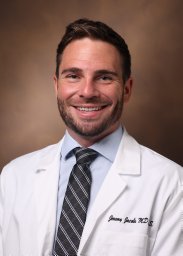 Jeremy W Jacobs合作论文数Dept Lab Med, Yale Sch Med15
 Evan M. Bloch合作论文数9
 Brian D. Adkins合作论文数Department of Pathology, University of Texas Southwestern8
 Evert Jessica合作论文数8
 Charles Stratton合作论文数Department of Pathology, Microbiology and Immunology, Vanderbilt University8
 Gordon J. Freeman合作论文数Dana-Farber Cancer Institute;Harvard Medical School6
 Adam C. Seegmiller合作论文数Dept Pathol Microbiol & Immunol, Vanderbilt Univ6
 William A Cherniak合作论文数6
 Bruce D Walker合作论文数Howard Hughes Medical Institute;Institute for Medical Engineering and Science, MIT;Nelson Mandela School of Medicine;Ragon Institute of MGH, MIT;Center for AIDS Research, Harvard University6
 Jennifer Trueblood合作论文数Department of Psychological and Brain Sciences, The College of Arts + Sciences, Indiana University6Deva Sharma合作论文数5
 Delaney Meghan合作论文数5
 Monica B. Pagano合作论文数Department of Laboratory Medicine & Pathology, University of Washington5
 Marius Hedimbi合作论文数Faculty of Science, University of Namibia5Mary Johnson合作论文数4Shaun Lawicki合作论文数4Margaret L Compton合作论文数4
 Tina S Ipe合作论文数4
 Linda Barnes合作论文数Department of Global Health4
 William Holmes合作论文数McGuffey at Miami University, 1826-1836
Produced by the Miami University Libraries in cooperation with the McGuffey Museum4
William Holmes合作论文数McGuffey at Miami University, 1826-1836
Produced by the Miami University Libraries in cooperation with the McGuffey Museum4 Yvette Tanhehco合作论文数Department of Cardiothoracic Surgery (SAS, YT, WK, SJL, KHK, New York Presbyterian Hospital-Weill Medical College of Cornell University4
 Alan Bleakley合作论文数Faculty of Health, University of Plymouth;Department of Medical Education and Medical Humanities, Peninsula School of Medicine, Plymouth University4Silvano Wendel合作论文数4
 Hoverman Adam合作论文数3Elahe Nezami合作论文数3Charles Nwobu合作论文数3
 Geoffrey Anguyo合作论文数3Alexander Indrikovs合作论文数3Wenrui Huang合作论文数3Joel Buenaventura合作论文数3Laura D Stephens合作论文数3
 C.Th. Smit Sibinga合作论文数3Karla Diaz合作论文数3Wei Cai合作论文数3
 Chisa Yamada合作论文数Department of Pathology, Medical School, University of Michigan-Ann Arbor3
 Zabrina Brumme合作论文数Fac Hlth Sci, Simon Fraser Univ3
 Barbara Astle合作论文数3
 Bowa Kasonde合作论文数Department of Surgery, Copperbelt University School of Medicine3Matthew Decamp合作论文数3
 E. John Wherry合作论文数Department of Systems Pharmacology & Translational Therapeutics, Perelman School of Medicine, University of Pennsylvania3
 Hall Thomas L合作论文数3
 Jay S Raval合作论文数Department of Pathology, University of Pittsburgh;The Institute for Transfusion Medicine;The Institute for Transfusion Medicine, University of Pittsburgh3
 Nyarango Peter合作论文数3
 Sean G Yates合作论文数Department of Pathology, UT Southwestern Medical Center3
 Jean-Daniel Stanley合作论文数Division of Sedimentology, Smithsonian Institution3
 Hua Shan合作论文数Department of Pathology, Stanford University3Olli Vainio合作论文数Department of Medical Microbiology, Turku University3
 Heiko Jessen合作论文数3
 Hendrik Streeck合作论文数Institut of Virology, University Hospital Bonn3




