Logging data are measurements of physical properties of the formation surrounding a borehole, acquired in situ after completion of coring (wireline logging) or during drilling (Logging-While-Drilling, LWD). The range of data (resistivity, gamma radiation, velocity, density, borehole images,…) in any hole depends on the scientific objectives and operational constraints.
Logging data are measurements of physical properties of the formation surrounding a borehole, acquired in situ after completion of coring (wireline logging) or during drilling (Logging-While-Drilling, LWD). The range of data (resistivity, gamma radiation, velocity, density, borehole images,…) in any hole depends on the scientific objectives and operational constraints.
New radiocarbon calibration curves, IntCal04 and Marine04, have been constructed and internationally ratified to replace the terrestrial and marine components of IntCal98. The new calibration data sets extend an additional 2000 yr, from 0–26 cal kyr BP (Before Present, 0 cal BP = AD 1950), and provide much higher resolution, greater precision, and more detailed structure than IntCal98. For the Marine04 curve, dendrochronologically-dated tree-ring samples, converted with a box diffusion model to marine mixed-layer ages, cover the period from 0–10.5 cal kyr BP. Beyond 10.5 cal kyr BP, high-resolution marine data become available from foraminifera in varved sediments and U/Th-dated corals. The marine records are corrected with site-specific 14C reservoir age information to provide a single global marine mixed-layer calibration from 10.5–26.0 cal kyr BP. A substantial enhancement relative to IntCal98 is the introduction of a random walk model, which takes into account the uncertainty in both the calendar age and the 14C age to calculate the underlying calibration curve (Buck and Blackwell, this issue). The marine data sets and calibration curve for marine samples from the surface mixed layer (Marine04) are discussed here. The tree-ring data sets, sources of uncertainty, and regional offsets are presented in detail in a companion paper by Reimer et al. (this issue).
The Younger Dryas climate event occurred during the middle of the last deglacial cycle and is marked by an abrupt shift in the North Atlantic polar front almost to its former glacial position, trending east to west. Using high-precision and high-accuracy U-Th-dated Barbados reef crest coral, Acropora palmata, we generate a detailed sea level record from 13.9 to 9000years before present (kyrB.P.) and reconstruct the ice volume response to the Younger Dryas cooling. From the mid-AllerOd (13.9kyrB.P.) to the end of the Younger Dryas (11.65kyrB.P.), rates of sea level rise decreased smoothly from 20mmyr(-1) to 4mmyr(-1), culminating in a 400year slow stand before accelerating into meltwater pulse 1B (MWP-1B). The MWP-1B event at Barbados is better constrained as beginning by 11.45kyrB.P. and ending at 11.1kyrB.P. during which time sea level rose 142m and rates of sea level rise reached 40mmyr(-1). We propose that MWP-1B is the direct albeit lagged response of the Northern Hemisphere ice sheets to the rapid warming marking the end of the Younger Dryas coinciding with rapid warming in the circum-North Atlantic region and the polar front shift from its zonal to meridional position 11.65kyrB.P. As predicted by glaciological models, the ice sheet response to rapid North Atlantic warming was lagged by 400years due to the thermal inertia of large ice sheets. The regional circum-North Atlantic Younger Dryas climate event is elevated to a global response through sea level changes, starting with the global slowdown in sea level rise during the Younger Dryas and culminating with MWP-1B. No meltwater pulses are evident at the initiation of the Younger Dryas climate event as is often speculated.
Based on new U-Th ages of corals drilled offshore Barbados, Abdul et al. (2016) have confirmed the existence of the abrupt stratigraphic feature called meltwater pulse 1B (MWP-1B), which they interpret as being due to a very large and global sea level step change dated at about 11.3 kyr before present (approximately 15 m and equivalent to twice the amount of water stored in the present Greenland ice sheet). This contrasts with the Tahiti record, in which MWP-1B is essentially absent or very small, as Carlson and Clark (2012) and Lambeck et al. (2014) also conclude in their recent reviews of deglacial sea levels at the global scale. However, the evidence provided by Abdul et al. and their main conclusions are not convincing as they are affected by the following three main problems, which may explain the apparent discrepancies: Problem #1/Barbados is located in a subduction zone, which was also active throughout the Late Glacial period. Furthermore, the Barbados cores studied by Abdul et al. were drilled on both sides of the extension of a tectonic feature identified at the southern tip of Barbados (South Point) as underlined by several studies of the Barbados stratigraphy. Problem #2/Fossil samples of Acropora palmata may not be reliable sea level markers during rapid and large sea level rises. Indeed, the asexual reproduction strategy of this species may not be optimal to keep up when the water depth is increasing very rapidly. This may in part explain why the living depth of A. palmata at Barbados was significantly greater than 5 m during some periods of the last deglaciation, notably between 14.5 and 14 kyr B.P. and possibly between 14 and 11.5 kyr B.P. Problem #3/The slow glacio-isostatic adjustment and the rapid responses due to gravitational changes of ice and water masses complicate the interpretation of individual relative sea level (RSL) records at specific locations. Therefore, the Barbados and Tahiti record cannot be compared directly in terms of absolute sea level values as done by Abdul et al. In addition, different glaciohydroisostatic adjustments at the two sites may also have contributed to the observed discrepancy between their deglacial RSL records.
, 1462 (1998); 282 Science et al. Pehr B. Harbury High-Resolution Protein Design with Backbone Freedom This copy is for your personal, non-commercial use only. clicking here. colleagues, clients, or customers by , you can order high-quality copies for your If you wish to distribute this article to others here. following the guidelines can be obtained by Permission to republish or repurpose articles or portions of articles ): August 14, 2014 www.sciencemag.org (this information is current as of The following resources related to this article are available online at http://www.sciencemag.org/content/282/5393/1462.full.html version of this article at: including high-resolution figures, can be found in the online Updated information and services, http://www.sciencemag.org/content/282/5393/1462.full.html#ref-list-1 , 14 of which can be accessed free: cites 54 articles This article 232 article(s) on the ISI Web of Science cited by This article has been http://www.sciencemag.org/content/282/5393/1462.full.html#related-urls 57 articles hosted by HighWire Press; see: cited by This article has been
Three cycles of δ13C occurred in Oligocene to Miocene benthic and planktonic foraminifera at western North Atlantic Sites 558 and 563. Intervals of high δ13C occurred at about 35–33 Ma (early Oligocene), 25–22 Ma (across the Oligocene/Miocene boundary), and 18–14 Ma (across the early/middle Miocene boundary). Similar carbon isotopic fluctuations have been measured in benthic and planktonic foraminifera from the Atlantic, Pacific, and Indian oceans, suggesting that these cycles represent global changes in the δ13C of mean ocean water. The average duration of the carbon cycles is 50 times greater than the residence time of carbon in the oceans. Therefore, the mechanism controlling these cycles must be tied to changes in the input ratio of organic carbon to carbonate from weathering rocks or to changes in the output ratio of organic carbon to carbonate in marine sediments. Following a strategy used to study modern and Pleistocene oceans, benthic foraminiferal δ13C differences between the Atlantic and Pacific are used to infer Oligocene through Miocene abyssal circulation changes. The Atlantic was most enriched in l3C relative to the Pacific from about 36–33 Ma (early Oligocene) and 26–10 Ma (late Oligocene to late Miocene). We interpret this as indicating supply of nutrient-depleted bottom water in the North Atlantic, perhaps analogous to modern North Atlantic Deep Water. High benthic foraminiferal δ13O values at about 36–35 Ma, 31–28 Ma, 25–24 Ma, and younger than 15 Ma indicate the presence of ice sheets at these times. Covariance between benthic and planktonic foraminiferal δ18O records of 0.3–0.5°/ºº at 36 Ma, 31 Ma, and 25 Ma suggests that three periods of continental glaciation caused eustatic (global sea-level) lowerings of 30–50 m during the Oligocene epoch. The δ13C cycles do not correlate with sea-level changes deduced from oxygen isotopic data, nor do they correlate with other proxy indicators for sea level.
Oxygen isotope measurements (δ18Ow) were made on seawater samples collected monthly between May 1996 and February 1997 and between December 2005 and May 2006 at various water depths at the Cariaco Basin ocean time series station (10°30N, 64°40W). The δ18Ow values are compared with concurrent salinity measurements to assess the δ18Ow:salinity relationship in this tropical region and to determine if significant seasonal variability exists in the relationship. The δ18Ow values range from 0.88 to 1.19‰ SMOW in the upper 250 m. Our results indicate that the strongest positive linear correlation between δ18Ow and salinity in the upper 250 m occurred during the February and April 2006 upwelling season (R2 = 0.95 and 0.94, respectively). The salinity: δ18Ow relationship displays significant seasonal variability which is attributed to seasonal changes in freshwater input from the Tuy, Neverí, and Unare rivers into the Cariaco Basin. Specifically, an inverse correlation (R2 = 0.77) exists between monthly Neverí River discharge and sea surface salinity. Our results demonstrate that significant seasonal changes in the δ18Ow:salinity relationship occur in the tropics. The data also show a distinct difference between the surface water δ18Ow:salinity relationship during the upwelling season (R2 = 0.96) and the nonupwelling season (R2 = 0.93) revealing zero‐salinity end‐members of −28.53 (SE ± 3.04) and −8.77 (SE ± 1.33), respectively. The seasonal mixing lines are an important consideration when utilizing the salinity:oxygen isotope relationship for paleosalinity reconstructions. The oxygen isotope composition (δ18Oc) was also measured in two surface‐dwelling planktonic foraminiferal species, Globigerinoides ruber and Globigerina bulloides, from biweekly sediment trap samples collected in the Cariaco Basin between November 1996 and February 1997 and May 2003 through May 2006. The large range in δ18Oc during the study period, 1.4‰ for G. ruber and 1.5‰ for G. bulloides, is attributed to changes in calcification depths of the species from 1996–1997 to 2005–2006. Using the surface water δ18Ow:salinity equations generated for the upwelling and nonwelling seasons in the Cariaco Basin, we compare measured seawater salinity with the calculated seawater salinity at various depths of calcification. The δ18Ow:salinity equation generated from surface waters during the upwelling months yields salinity estimates that best agree with measured salinities.
Découvert et identifié en 1985 par Clance [1], le phénomène de l’imposteur concerne des personnes qui, en dépit de signes évidents et objectifs de réussites, ne parviennent à s’estimer responsables de leur succès ou mériter leur récompense. Facteurs étiologiques multiples, caractéristiques précises, conséquences variables sur le bien-être et le psychisme des individus, le phénomène de l’imposteur a fait l’objet de nombreuses études dans différents pays. Cet article a pour visée d’établir un inventaire des diverses données qui ont pu être mises en évidence au sujet de ses origines conceptuelles, de ses définitions, des causes et antécédents du phénomène, de la description des critères, des conséquences psychologiques et des traitements psychothérapeutiques envisagés atour du phénomène de l’imposteur.Seventy percent of people believe at some point in their career that they do not deserve their success. Discovered and identified in 1985 by Clance [1], the impostor phenomenon (IP) affects people who, through lack of clear and objective signs of success, are unable to take responsibility for their success. The impostor phenomenon, which has multiple etiological factors, specific characteristics and variable consequences on the well-being and psyche of individuals, has been the object of numerous studies in different countries. The aim of this article is to establish an inventory of identified data regarding the conceptual origins, definitions, causes and antecedents of the phenomenon, as well as a description of criteria, psychological consequences and possible psychotherapeutic treatment of the impostor phenomenon. The IP is defined by several specific notions: feeling of inauthenticity (thoughts, sentiments and actions judged to be fraudulent), fear of being exposed or seen as incompetent, inability to internalize own success, and self-deprecation (high level of self-criticism, high standards of personal success and evaluation). People suffering from IP have real abilities in spite of their beliefs to the contrary, but are not able to attribute success to their own merits, to the point of relativizing it to occurring by luck or by chance, and not through intelligence or competence. They demonstrate low expectations with regard to future success, think that their abilities have been overestimated by others and live in the fear of being exposed as a fraud. The origins of IP can be found in different factors including the nature of parental messages (focused on intelligence, success, competitive values, the need to please, the desire for approval), the developmental environment and family dynamics (lack of support, expressivity or attention, strong degree of control, conflict or overprotection) as well as personality traits (neurotic, anxious or perfectionist). The IP is marked by six characteristics: the impostor cycle, the need to be the best, success in all aspects of life, fear of failure, denial of abilities and fear of success. Not everyone who suffers from IP necessarily manifests the six characteristics but a minimum of two criteria must be present. People suffering from IP have a strong need to appear competent in many fields to avoid being found out, whilst having a particular relationship based on doubt, anxiety and worry with regard to current tasks, their fulfilment and the possibilities for success but also failure. IP can be associated with a wide psychopathological spectrum, with a real impact on psychological well-being (burnout, stress, anxiety, depression, psychological distress, suicidal risk). But the presence of a specific comorbidity or epidemiological risk has not yet been established. The tendency of IP subjects to overestimate the frequency of their errors causes them to have a low level of satisfaction in their performance and low self-confidence. They have low self-esteem and a deep feeling of inferiority. A certain number of maladaptive thoughts, which seem to be part of IP are also noted. In addition to the tendency to poorly estimate their competencies and abilities, the individual affected by IP also seems to exhibit dichotomous thinking which forces them to see their abilities as insufficient matched by a desire to be “the best” in all fields. Nevertheless, studies describing the therapeutic processes dealing with IP are rare. Fear of success, fear of failure, perfectionism, the need to be the best and generalization are all negative dysfunctional cognitions, which require in-depth and varied work. The challenges in the treatment of IP are centred on the possibility of the subject to come out of solitude (group therapy), the identification of dysfunctional attitudes (cognitive dissonance, superstitious rituals, self-disabling strategies), the construction of a better process of internalization (reconstitution and correction of relational experiences, weekly attribution tasks), the restitution of a realistic self-image (struggle against the false self, empathetic listening, non-judgement, authenticity) and the decrease of dependency by the subject on positive evaluation (representation of performance and intelligent, irrational beliefs, unconditional self-acceptance).
While ocean circulation is driven by the formation of deep water in the North Atlantic and the Circum-Antarctic, the role of southern-sourced deep water formation in climate change is poorly understood. Here we address the balance of northern- and southern-sourced waters in the South Atlantic through the last glacial period using neodymium isotope ratios of authigenic ferromanganese oxides in thirteen deep sea cores front throughout the South Atlantic. The data indicate that northern-sourced water did not reach the Southern Ocean during the late glacial, and was replaced by southern-derived intermediate and deep waters. The high-resolution neodymium isotope record (similar to 300 yr sample spacing) from two spliced deep Cape Basin sites indicates that over the last glacial period northern-sourced water mass export to the Southern Ocean Was Stronger during the Major Greenland millennial warming intervals (and Southern Hemisphere cool periods), and particularly during the major interstadials 8, 12, and 14. Northern-sourced water mass export was weaker during Greenland stadials and reached minima during Heinrich Events. The benthic foraminiferal carbon isotopes in the same Cape Basin Core reflect a partial control by Southern Hemisphere climate changes and indicate that deep water formation and ventilation occurred in the Southern Ocean during major Greenland cooling intervals (stadials). Together, neodymium isotopes and benthic carbon isotopes provide new information about water mass sourcing and circulation in deep Southern Ocean waters during rapid glacial climate changes. Combining carbon and neodymium isotopes can be used to monitor the relative proportion of northern- and southern-sourced waters in the Cape Basin to gain insight into the processes which control the carbon isotopic composition of deep waters. In this study we show that deep water formation and circulation was more important than biological productivity and nutrient regeneration changes for controlling the carbon isotope chemistry of Antarctic Bottom Water during millennial-scale glacial climate cycles. This observation also lends Support to the hypothesis that ocean circulation is linked to interhemispheric climate changes on short timescales, and that ventilation in the glacial ocean rapidly switched between the northern and Southern Hemisphere on millennial timescales. (C) 2008 Elsevier B.V. All rights reserved.
PALEOCEANOGRAPHY, VOL. 25, PA4212, doi:10.1029/2009PA001788, 2010 Coral records of central tropical Pacific radiocarbon variability during the last millennium Laura K. Zaunbrecher, 1,2 Kim M. Cobb, 1 J. Warren Beck, 3 Christopher D. Charles, 4 Ellen R. M. Druffel, 5 Richard G. Fairbanks, 6 Sheila Griffin, 5 and Hussein R. Sayani 1 Received 12 May 2009; revised 18 May 2010; accepted 7 June 2010; published 10 November 2010. [ 1 ] The relationship between decadal to centennial changes in ocean circulation and climate is difficult to discern using the sparse and discontinuous instrumental record of climate and, as such, represents a large uncertainty in coupled ocean‐atmosphere general circulation models. We present new modern and fossil coral radiocarbon (D 14 C) records from Palmyra (6°N, 162°W) and Christmas (2°N, 157°W) islands to constrain central tropical Pacific ocean circulation changes during the last millennium. Seasonally to annually resolved coral D 14 C measurements from the 10th, 12th–17th, and 20th centuries do not contain significant interannual to decadal‐scale variations, despite large changes in coral d 18 O on these timescales. A centennial‐scale increase in coral radiocarbon from the Medieval Climate Anomaly (∼900–1200 AD) to the Little Ice Age (∼1500–1800) can be largely explained by changes in the atmospheric D 14 C, as determined with a box model of Palmyra mixed layer D 14 C. However, large 12th century depletions in Palmyra coral D 14 C may reflect as much as a 100% increase in upwelling rates and/or a significant decrease in the D 14 C of higher‐ latitude source waters reaching the equatorial Pacific during this time. SEM photos reveal evidence for minor dissolution and addition of secondary aragonite in the fossil corals, but our results suggest that coral D 14 C is only compromised after moderate to severe diagenesis for these relatively young fossil corals. Citation: Zaunbrecher, L. K., K. M. Cobb, J. W. Beck, C. D. Charles, E. R. M. Druffel, R. G. Fairbanks, S. Griffin, and H. R. Sayani (2010), Coral records of central tropical Pacific radiocarbon variability during the last millennium, Paleoceanography, 25, PA4212, doi:10.1029/2009PA001788. 1. Introduction [ 2 ] Ocean circulation changes in the tropical Pacific strongly influence global climate, as demonstrated during El Nino‐Southern Oscillation (ENSO) extremes. During strong El Nino events, a relaxation of the trade winds results in a large reduction of the equatorial upwelling of cooler subsurface waters and reshapes the wind‐driven surface currents in the tropical Pacific [Taft and Kessler, 1991]. This reorganization of equatorial currents causes anomalously warm waters in the eastern and central tropical Pacific, ulti- mately driving a reorganization of the large‐scale global atmospheric circulation. While instrumental data resolve seasonal to interannual variability in tropical Pacific circu- lation [Picaut and Tournier, 1991; Donguy and Meyers, School of Earth and Atmospheric Sciences, Georgia Institute of Technology, Atlanta, Georgia, USA. Now at Department of Geosciences, Georgia State University, Atlanta, Georgia, USA. Physics and Geosciences Department, University of Arizona, Tucson, Arizona, USA. Scripps Institution of Oceanography, University of California, San Diego, La Jolla, California, USA. Earth System Science Department, University of California, Irvine, California, USA. Earth and Planetary Science Department, Rutgers, State University of New Jersey, New Brunswick, New Jersey, USA. Copyright 2010 by the American Geophysical Union. 0883‐8305/10/2009PA001788 1996], the nature of decadal to centennial‐scale changes in tropical Pacific circulation remain unknown. Resolving such low‐frequency ocean circulation variability and its rela- tionship to low‐frequency regional and global climate changes is critical to the improvement of ocean models used for climate prediction. [ 3 ] Radiocarbon ( 14 C) is a useful tracer of water mass mixing, as deep waters that have been isolated from the atmosphere are depleted in 14 C due to radioactive decay, whereas surface waters are relatively enriched. Large sur- face water 14 C gradients arise from horizontal and vertical mixing – upwelling brings relatively depleted 14 C waters to the ocean surface whereas prolonged air‐sea gas exchange in the mid‐ocean gyres drives 14 C enrichment in these areas. Thus, regional water masses are ‘tagged’ with a distinct 14 C signature depending on the regional oceanographic setting. Changes to regional seawater 14 C values through time imply changes in either horizontal or vertical mixing. [ 4 ] Corals are useful tools for the reconstruction of sea- water 14 C signatures as they incorporate the 14 C of the dissolved inorganic carbon of the seawater in which they grow into their skeletal matrix, and can live for decades to centuries [Druffel and Linick, 1978; Dunbar and Cole, 1999; Druffel et al., 2007]. Annual band counting in mod- ern corals and/or U/Th dating in fossil corals ensure accurate, C‐independent absolute chronologies for the construction of coral‐based records of seawater radiocarbon variability through time. Indeed, the incorporation of “bomb 14 C” PA4212 1 of 15
This study was designed to investigate the effect of light and temperature on Sr/Ca and Mg/Ca ratios in the skeleton of the coral Acropora sp. for the purpose of evaluating temperature proxies for paleoceanographic applications. In the first experiment, corals were cultivated under three light levels (100, 200, 400 mu mol photons m(-2) s(-1)) and constant temperature (27 degrees C). In the second experiment, corals were cultivated at five temperatures (21, 23, 25, 27, 29 degrees C) and constant light (400 mu mol photons m(-2) s(-1)). Increasing the water temperature from 21 to 29 degrees C, induced a 5.7-fold increase in the rate of calcification, which induced a 30% increase in the Mg/Ca ratio. In contrast, by increasing the light level by a factor of 4, the rate of calcification was increased only by a factor of 1.7, with a corresponding 9% increase in the Mg/Ca ratio. Thus, the relative change in the calcification rate in the two experiments (5.7 vs. 1.7) scales with the corresponding relative change in Mg/Ca ratio (30% vs. 9%). We conclude that there is a strong biological control on the incorporation of Mg.For Sr/Ca, good correlations were also observed with water temperature and the calcification rate induced by temperature changes. However, in sharp contrast with the Mg/Ca ratio, a temperature-induced 5.7-fold increase in the calcification rate only induced a 4.5% change (decrease) in the Sr/Ca ratio. An important finding for paleoccanographic applications is that the Sr/Ca ratio did not appear to be sensitive to changes in the light level, or to changes in calcification rate induced by changes in the light level. Thus, in this study, water temperature was found to be the dominant parameter controlling the skeletal Sr/Ca ratio. (c) 2006 Elsevier Inc. All rights reserved.
 Richard Mortlock合作论文数Lamont-Doherty Earth Observatory, Columbia University36
 Edouard Bard合作论文数College de France;CEREGE19
 Christopher Charles合作论文数Scripps Institution of Oceanography, University of California, San Diego18
 James D Wright合作论文数12
 Thomas P. Guilderson合作论文数Center for Accelerator Mass Spectrometry;Lawrence Livermore National Laboratory;Center for Accelerator Mass Spectrometry, Lawrence Livermore National Laboratory12
 Delia Oppo合作论文数Geology & Geophysics Department, Woods Hole Oceanographic Institution11
 Kenneth G. Miller合作论文数Department of Earth and Planetary Sciences, School of Arts and Sciences, Rutgers University10
 Tzu-Chien Chiu合作论文数10Cao Li合作论文数8B. Hamelin合作论文数7J. L. Rubenstone合作论文数7J. Warren Beck合作论文数Department of Physics;University of Arizona;Department of Physics, University of Arizona7
 Nasiru Abdul合作论文数6
 Julia Cole合作论文数Department of Earth and Environmental Sciences, College of Literature, Science, and the Arts, University of Michigan-Ann Arbor6
 Steven L. Goldstein合作论文数Department of Earth and Environmental Sciences, Columbia University;Lamont-Doherty Earth Observatory, Columbia Climate School, Columbia University6Maurice Arnold合作论文数6
 Peter Schlosser合作论文数Global Institute of Sustainability and Innovation, Arizona State University6Gerry McCormac合作论文数5
 George Burr合作论文数5Michael Friedrich合作论文数5
 Sidney Rasbury Hemming合作论文数Department of Earth and Environmental Sciences, Lamont-Doherty Earth Observatory, Columbia University5John R. Southon合作论文数School of Physical Sciences, University of California, Irvine5
 Minze Stuiver合作论文数Quaternary Research Center, University of Washington5
 Wallace S. Broecker合作论文数Department of Earth and Environmental Sciences, Columbia University5
 Christopher Bronk Ramsey合作论文数School of Archaeology, University of Oxford;Merton College, University of Oxford5
 Richard E. Dodge合作论文数5
 Jean Lynch-Stieglitz合作论文数School of Earth and Atmospheric Sciences, College of Sciences, Georgia Institute of Technology5
 Alexey Kaplan合作论文数Department of Earth and Environmental Sciences, Columbia University;Division of Ocean and Climate Physics, Lamont-Doherty Earth Observatory, Columbia University5
 Ron W Reimer合作论文数University Belfast5
 Paul Blackwell合作论文数School of Mathematics and Statistics, Faculty of Science, The University of Sheffield5Sabine Remmele合作论文数5
 Paula Reimer合作论文数School of Natural and Built Environment, Queen's University Belfast5
 Alexander Piotrowski合作论文数Department of Earth Sciences, University of Cambridge5Constanze E Weyhenmeyer合作论文数4Michael D. Moore合作论文数4
 Hans Plicht合作论文数Leiden University;Isotope Research — Energy and Sustainability Research Institute Gron, Faculty of Science and Engineering, University of Groningen4Bernd Kromer合作论文数Klaus Tschira Laboratory of Scientific Dating4Robert W. Houghton合作论文数4
 Frederick W. Taylor合作论文数Institute for Geophysics, The University of Texas at Austin4
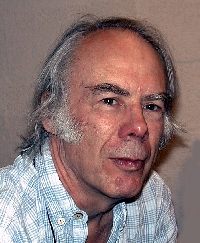 Nicholas Shackleton合作论文数Department of Earth Sciences, University of Cambridge4M. G. L. Baillie合作论文数4Kirsten B Cutler合作论文数4
 Michael John Risk (Michael J Risk)合作论文数School of Earth, Environment & Society, Faculty of Science, McMaster University4
 Bruno Hamelin合作论文数4
 Sturt Manning合作论文数Department of Classics, The College of Arts Sciences, Cornell University;Cornell Tree Ring Laboratory, Cornell University3Alan Zindler合作论文数Lamont-Doherty Earth Observatory3Paul E. Damon合作论文数3
 Caitlin E. Buck合作论文数Department of Probability and Statistics;University of Sheffield;Department of Probability and Statistics, University of Sheffield3
 Ana Christina Ravelo合作论文数Ocean Sciences Department, University of California at Santa Cruz3




