Abstract Background Effective prevention of ischemic stroke and transient ischemic attack (TIA) involves timely, guideline-concordant risk factor management. Obstructive sleep apnea (OSA), a significant but underdiagnosed cerebrovascular risk factor, affects approximately 70% of stroke and TIA patients. Untreated OSA is linked to impaired post-stroke recovery, recurrent vascular events, and increased mortality. Despite guideline recommendations to consider early post-stroke/TIA OSA screening, few patients receive sleep studies. This study explores the implementation of a multidisciplinary quality improvement intervention for OSA management at six Department of Veterans Affairs medical centers between 2021 and 2024, focusing on contextual factors influencing implementation success. Methods This mixed-methods study used data from the Addressing Sleep Apnea Post-Stroke/TIA (ASAP) stepped-wedge cluster-randomized clinical trial (NCT04322162). We conducted qualitative analyses of provider interviews and quantitative assessments via configurational comparative methods (CCMs) to identify difference-making conditions for successful implementation. The Group Organization (GO) score, a facility-level measure indicating team cohesion and activation in diagnosing and treating OSA among patients with acute cerebrovascular events, served as the primary implementation outcome. Results Successful implementation, defined by a GO score of ≥ 6, was achieved at four of the six facilities. Four conditions were sufficient by themselves for implementation success: implementation of sleep test ordering, monitoring sleep testing processes, post-discharge care coordination, and positive influence of champions during implementation. Conclusions This study highlights the interplay between local context and novel clinical practices in successful program implementation of an acute sleep service. Four difference-makers perfectly distinguished between sites with and without implementation success. These findings provide actionable insights for tailoring and timing implementation strategies to improve adoption. Trial registration ClinicalTrials.gov NCT04322162.
IntroductionLongitudinal research examining community reintegration among military veterans with invisible injuries remains limited, despite widespread recognition that post-separation adjustment encompasses multiple interconnected domains including mental health, physical health, social functioning, and overall well-being. This study investigated associations between changes in reintegration outcomes and changes in health-related quality of life, social support, and flourishing over a two-year period among U.S. military veterans with invisible injuries who separated from service within the previous five years.MethodsSeventy-five veterans diagnosed with invisible injuries (post-traumatic stress disorder, anxiety, depression, traumatic brain injury, or adjustment disorder) completed assessments at baseline, 6, 12, 18, and 24 months. Reintegration was measured using the Military to Civilian Questionnaire (M2C-Q) and Community Reintegration of Injured Service Members computer-adaptive test (CRIS-CAT). Health and well-being outcomes included the Veterans RAND Health Survey (VR-12), Patient Health Questionnaire-15 (PHQ-15), Multidimensional Scale of Perceived Social Support (MSPSS), and Secure Flourishing Index (SFI). Mixed-effects models examined associations between changes in reintegration measures and psychosocial outcomes while controlling for demographic characteristics and PTSD symptoms.ResultsM2C-Q scores remained stable across waves (F(4,236) = 1.73, p = .14), while CRIS-CAT Participation scores improved significantly (F(4,238) = 10.10, p < .001). Improvements in community participation (CRIS-CAT) were positively associated with subsequent secure flourishing and physical health quality of life. Reductions in reintegration difficulties (M2C-Q) positively influenced social support, secure flourishing, somatic symptoms, and mental health quality of life. Social support and secure flourishing increased significantly between 6 and 24 months, while physical and psychological symptoms remained relatively stable throughout the study period.DiscussionFindings demonstrate that improvements in community participation and reductions in reintegration difficulties precede positive changes in psychosocial outcomes and physical symptoms. The relative stability of reintegration challenges alongside improvements in community participation suggests these constructs may represent distinct aspects of veteran adjustment. Results suggest the potential for interventions targeting community engagement and social connection during the critical transition period, emphasizing holistic approaches that address both functional participation and subjective reintegration experiences to enhance long-term veteran well-being.
Background The Coordinated Transitional Care (CTraC) program is an evidence-based, nurse-driven, low-cost intervention that improves transitional care for geriatric patients following hospital admission. CTraC reduces readmissions and enhances outcomes for older Veterans with chronic conditions or minimal caregiver support.Objectives This program evaluation was a component of the US Department of Veterans Affairs (VA) Geriatric Learning Health System initiative, which seeks to support community-dwelling older Veterans as they transition from hospital to home. We examined CTraC's operation across diverse hospital settings and identified critical transitional processes and contextual factors supporting patients transitioning from hospital to home. Our goal was to identify lessons to support the widespread deployment of CTraC systemwide.Design Semi-structured interviews were conducted with CTraC nurses at 11 VA hospitals. Qualitative data explored program set-up, protocol use, data tracking, program challenges and successes, and readmission reduction strategies. Comparison matrices were developed within a rapid qualitative analysis approach.Results CTraC nurses act as the point person for Veterans, address concerns, provide guidance, and resolve potential issues before escalation. Five themes emerged on CTraC alleviating gaps in transitional care and the program's organizational factors impacting implementation and sustainment. Nurses identified and addressed problems, including medication issues, follow-up appointment scheduling, in-home safety issues, and handling tasks overlooked by other clinicians. Interviews indicated variation in CTraC nurses' ability to track data, integrate CTraC into existing systems, and communicate program effectiveness with leadership. Sustainability challenges (e.g., facility decommissioning CTraC due to limited leadership awareness of program effectiveness) highlighted the need for enhanced data infrastructure and analytic support to report program efficacy.Conclusions Adaptation and feedback-driven refinement are critical to expanding CTraC's impact and promoting sustainment. Strengthening data feedback support and workforce resources may enable CTraC to sustain its adaptive, patient-centered approach to transitional care for Veterans.
Background: The Addressing Sleep Apnea Post-Stroke/TIA (ASAP) clinical trial aimed to enhance OSA management at six VA medical centers through a hybrid implementation trial, requiring coordination across hospital medicine, sleep medicine, nursing, and neurology in both inpatient and outpatient settings. This analysis evaluated the trial’s efforts to standardize early OSA screening in stroke/TIA patients. Methods: This mixed-methods evaluation used configurational comparative methods (CCMs) to identify key contextual factors for successful implementation, examining the joint effects of multiple factors. The stepped-wedge trial ran from May 2019 to January 2024 across three implementation waves. The primary outcome was the Group Organization (GO) score, which measured team cohesion in managing sleep apnea among cerebrovascular patients. Data sources included observational data, qualitative interviews, and administrative data across three periods (A, B, C), calibrated into dichotomous or multi-value categories for analysis. Results: Four key difference-makers distinguished more successful sites (GO score ≥6) from others: routines for ordering inpatient OSA tests, patient care coordination during hospitalization, involvement of field staff, and strong local champions. The ability to order and complete sleep studies was crucial for timely OSA diagnosis. Field staff (e.g., respiratory technicians, polysomnographic technologists, research) played a critical role in coordinating care during inpatient stays and post-discharge. Key pathways to success included active field staff engagement and strong champion support, particularly in the final phase. Less successful sites faced barriers like geographic separation and staff shortages. The figure describes the values for each of these factors at the 4 more successful versus 2 less successful sites. Conclusions: The study highlights the importance of flexibility in integrating new practices, particularly in stroke care requiring multi-specialty coordination. Findings provide a roadmap for healthcare systems implementing similar interventions, emphasizing leadership, coordinated care, and robust tracking for program success.
IntroductionA strategy for transitioning implementation successfully from pre-implementation to active implementation is to hold a team “kickoff.” The objectives of this manuscript are: (1) to present the frameworks that guided the development of the Protocol-guided Rapid Evaluation of Veterans Experiencing New Transient neurological symptoms (PREVENT) kickoff strategy, (2) describe design elements of the kickoff and how they contribute to achieving PREVENT kickoff aims; forming teams, developing an action plan, and launching active implementation (3) examine the perceived usefulness of those kickoff design elements toward achieving kickoff aims.MethodsPREVENT was a stepped-wedge trial to improve the quality of Transient Ischemic Attack (TIA) care at six Veterans Affairs (VA) medical centers. The PREVENT kickoff was designed from multiple frameworks: theory of change principles for process improvement; Consolidated Framework for Implementation Research (CFIR); social learning models; and systems redesign. Data collected included pre-kickoff planning documents and post-kickoff debriefs from the PREVENT national team, Audience Response System (ARS) data, post-kickoff site participant evaluations and semi-structured interviews.ResultsSite team participants reflected positively on the framework driven, interactive and interpersonal design elements, team building, and action plan exercises, and found them useful for a successful project launch. In-person and hybrid set-up of the kickoff, interactive elements, and team formation activities emphasized the quality problem, and motivated site implementation providers to plan for stroke/TIA care improvement.ConclusionsImplementation team kickoffs during pre-implementation are a useful approach to inform and engage local clinical teams and to form plans for practice changes to improve clinical care. Clinical Trial Registrationclinicaltrials.gov, identifier NCT02769338.
Background: Obstructive sleep apnea (OSA) is common among patients with ischemic stroke and transient ischemic attack (TIA) and has been associated with poor outcomes. Guidelines recommend evaluating eligible patients with cerebrovascular events for OSA. Objective: to examine whether a quality improvement (QI) intervention could increase OSA testing post-stroke/TIA. Methods: ASAP (NCT04322162) was a stepped-wedge cluster-randomized trial evaluating the effectiveness of a QI intervention to increase OSA testing among ischemic stroke or TIA patients at intervention (N=6) vs. control sites (N=30). Recruitment was at the facility level. The study involved 3 phases: baseline, implementation, and sustainability. The primary outcome was: 30-day OSA diagnostic testing rate. Secondary outcomes were: 30-day continuous positive airway pressure treatment rate, and 90-day recurrent vascular event and readmission rates. ASAP was powered to detect a difference in the primary outcome: baseline vs. implementation. Generalized linear mixed-effects models with binomial distribution and log link fit to patient-level data with site-level random effects were used. The QI intervention included: a virtual kickoff (teams reviewed data, identified improvement opportunities, considered barriers and solutions to diagnosing OSA post-stroke/TIA, and action plan development); monthly collaborative conferences; web-based platform displaying quality data and resource library; and external facilitation. Results: Among 1747 patients at 6 intervention sites the diagnostic rate increased from 2.1% (baseline, 20/952) to 29.1% (implementation, 189/650); among 7454 patients at 30 control sites the 30-day diagnostic rate varied (0.6%-2.2%; adjusted odds ratio (aOR) 16.90 (95%CI, 9.49-30.10). The diagnostic rate during sustainability was 11.7% (17/145); aOR 3.58 (1.59-8.04). The 30-day treatment rate varied (0.0%-0.4%) at control sites and increased at intervention sites: 0.3% (baseline, 3/952) to 2.8% (implementation, 18/650; OR 14.22 (2.40-84.40). The treatment rate during sustainability was 0.7% (1/145); aOR 2.66 (0.13-56.21). 90-day readmission and recurrent event rates were lower during implementation and sustainability (vs. baseline); these changes were not statistically significant. Conclusions: QI approaches can markedly increase OSA testing among patients with acute cerebrovascular events. Additional work should identify strategies to increase treatment rates among stroke/TIA patients with OSA.
BACKGROUND:The Veterans Affairs National TeleNeurology Program (NTNP) was developed to improve access to outpatient neurology care by leveraging telehealth to create efficient, cost-effective virtual video clinics. Studies suggest that NTNP led to shorter wait times, fewer community care neurology (CCN) consultations, reduced travel burden, and high patient/provider satisfaction. PURPOSE:This evaluation aimed to identify combinations of facility-level conditions that uniquely distinguish VA Medical Centers (VAMCs) with higher and lower usage of NTNP consults for stroke patients. METHODS:We conducted a mixed-methods evaluation of a Veterans Affairs (VA) quality improvement program extending access to outpatient neurological care through telehealth to Veterans receiving care in facilities with highly rural populations. The sample included consults placed to NTNP or CCN for outpatient stroke diagnoses. We applied configurational comparative methods to identify explanatory factors related to implementation success. The analysis used categorical factors to distinguish facilities with higher usage of VA NTNP consults compared to CCN. The primary outcome was the ratio of NTNP consults (video plus e-consults) placed to all consults (NTNP plus CCN) for Veterans with stroke. The proportion of consults placed to NTNP ranged from 3.3% to 49.3%, with a gap between two categories: the eight highest (over 22.4%, "higher") and the four lowest (under 14.2%). Data sources included administrative records, facility characteristics, leadership engagement ratings, and interviews with NTNP leadership/TN providers. RESULTS:Among 12 VA facilities evaluated, those with high NTNP consult usage (≥22.4%) exhibited three specific facility configurations, each of which were sufficient for the outcome to occur: an absence of local VA neurology providers, higher number of NTNP clinic days (≥0.65 per week), or a lower annual volume of stroke patients. These findings indicate that targeted adjustments in staffing or clinic availability may effectively increase NTNP adoption, especially in facilities with limited access to local neurology resources. CONCLUSIONS:This mixed-methods evaluation offers a strategic framework to enhance NTNP implementation by aligning facility resources with program goals based on stroke volume and local neurology resources. High-usage implementation of VA NTNP was observed to have simpler pathways to success compared to more complex reasons for lower usage.
This paper explores the concept of "community-engaged research" (CEnR) within the context of Veteran health care delivery and reintegration programs. A multi-sector expert panel (msExP) was formed to evaluate and make recommendations on Veteran community reintegration research and programs. The panel consisted of Veterans, care partners, clinical providers, researchers, community stakeholders, and subject matter experts. The paper examines the composition and lifecycle of the panel, highlighting the characteristics and experiences of the participants. Shifts in the panel's purpose and engagement levels occurred in response to unanticipated disruptions, particularly the COVID-19 pandemic. The transformation of the panel emphasizes the importance of aligning individual and group needs and deepening intrapersonal relationships Findings based on observations, surveys, and interviews with panel members contribute to the field of community-engaged research by demonstrating the utility of catalytic validity that balances group and individual development. As part of a broader study on Veteran reintegration, the panel and its development over time allowed for various perspectives on Veteran experiences and reintegration within the community that shaped the overall project. Despite the challenges of developing and maintaining a panel alongside a research study, feedback from the panel members on their participation provides insight into the potential for future working alliances in community-engaged health research.
BACKGROUND:Addressing Sleep Apnea Post-Stroke and TIA (ASAP) evaluated a quality improvement (QI) intervention to increase sleep apnea testing among patients with ischemic stroke or transient ischemic attack (TIA). We describe ASAP methods highlighting two features: inclusion of usual care control sites and validation of electronic health record (EHR) data. METHODS:ASAP was a stepped-wedge cluster-randomized clinical trial at N = 6 intervention sites augmented with N = 30 control sites to evaluate the effectiveness, implementation, sustainability, and business case of a quality improvement intervention to increase sleep apnea testing among stroke/TIA patients. The study period included the COVID-19 pandemic and an international device recall. EHR data were compared with chart review for cerebrovascular diagnosis, sleep study eligibility, sleep study receipt, and patient characteristics. EHR data accuracy (ACC) was assessed as: (true positives + true negatives)/(true positives + false positives + true negatives + false negatives). RESULTS:During the baseline period (May 2019-February 2021), the average 30-day diagnostic rate was 2.0 % (implementation sites) and 1.3 % (control sites). Among N = 1658 implementation site patients, the index event was stroke in 78.7 %. EHR data accuracy was high for cerebrovascular diagnoses (ACC 0.918-0.953), sleep study receipt (ACC 0.949), and patient characteristics (0.898-0.996). EHR data accuracy was lower for sleep study eligibility (ACC 0.850). CONCLUSIONS:The addition of control sites to stepped-wedge trials allows for intervention evaluation within the context of potential temporal trends influencing outcomes. EHR data can be used to evaluate sleep apnea diagnostic testing after ischemic stroke or TIA. Trial registration ClinicalTrials.govNCT04322162 Date of trial registration: 04/02/2020.
Introduction: Rates of guideline-concordant obstructive sleep apnea (OSA) testing among those with a recent cerebrovascular event are exceedingly low. Understanding the role contextual factors play is necessary to inform successful implementation of quality improvement (QI) initiatives designed to address this gap in stroke/transient ischemic attack (TIA) care. Methods: Longitudinal data was collected via questionnaires and semi-structured interviews to evaluate the implementation of QI initiatives conducted at six diverse VA Medical Centers (VAMCs) participating in Addressing Sleep Apnea Post-Stroke/TIA (ASAP), a Hybrid Type I, stepped-wedge cluster-randomized trial. Intervention components included a Systems Redesign Virtual Collaborative and data monitoring (Figure 1). Implementation strategies included external facilitation and audit and feedback. Provider- (e.g., clinical training) and systems-level contextual elements (e.g., Champion Team members and their roles) were collected. Select Consolidated Framework for Implementation Research (CFIR) constructs were rated in terms of magnitude and valence. The primary outcome of successful implementation was defined at the end of 21 months of active implementation as obtaining a Group Organizational (GO) score of ≥6 a measure of programmatic development and maturation. Comparisons of sites were conducted across contextual elements and stratified by those achieving a GO score of ≥6 (Figure 2). Results: ASAP Sites 1 through 4 obtained a GO score ≥6 (range: 7-9); across these sites, the Clinical Champion had: (1) field staff engaged in activities such as care coordination; (2) full to partial support of their local sleep personnel, and; (3) consistently positive CFIR scores values. These sites also received a greater amount of external facilitation and used a quality dashboard more often. All 4 sites created a change in health care personnel and medical center culture that stressed the importance of OSA testing soon after a cerebrovascular event occurred. Conclusions: Developing strong and consistent Champion teams who meaningfully engaged with local VAMC personnel within and across sleep medicine and stroke service lines was important for implementation success. Other key contextual factors for changing culture and creating a healthcare system wide approach to improving OSA testing for stroke/TIA patients included external facilitators and using performance data. Clinical Trials registration: NCT04322162
BACKGROUND:Learning health systems (LHS) improve patient and provider experiences, population health, and health system performance. LHS leaders develop LHS' social and scientific infrastructures and align the LHS with host organization's priorities. Although researchers have examined data infrastructure and Learning Community configurations, few studies have evaluated discrete strategies leaders deploy to construct a LHS. OBJECTIVES:We described methods used to establish the Department of Veterans Affairs (VA) Geriatric LHS (GLHS) supporting older Veterans transitioning from hospital to home and examined strategies GLHS leaders used to conduct LHS activities. DESIGN:Qualitative methods were employed to review notes from all meetings and post-meeting debriefs from encounters with operational partners, Learning Community members, and Quantitative and Qualitative Data Core subcommittees. Member checking with Learning Community and Data Core representatives led to iterative refinement of findings. A seven-question survey examined Learning Community member satisfaction with the GLHS. RESULTS:Ten of 16 Learning Community members (62.5%) completed surveys, indicating that the GLHS met Learning Community members' needs. The four key GLHS structural elements were (1) the imperative of maintaining an Idea Repository, (2) the value of notetaking and formal debriefs, (3) the cadence of meetings, and (4) the role of the newsletter to promote engagement. Five themes described core activities/perspectives GLHS operational leaders used: (1) listening to the Learning Community; (2) modifying analyses in response to Learning Community input; (3) including diverse perspectives; (4) managing organizational complexity; and (5) serving the healthcare system. CONCLUSIONS:The GLHS illustrates the importance of active listening, collaborative engagement, and responsive adaptation to advance LHS objectives. LHS leadership strategies such as an Idea Repository and iterative feedback mechanisms fostered stakeholder participation and informed data-driven improvements.
Introduction Interstitial lung disease encompasses a group of rare lung conditions causing inflammation and scarring of lung tissue. The typical method of monitoring disease activity is through pulmonary function tests performed in a hospital setting. However, accessing care can be difficult for rural patients due to numerous barriers. This study assesses the feasibility and acceptability of home spirometry telemonitoring using MIR-Spirometers and the patientMpower home-monitoring platform for rural patients with interstitial lung disease. Methods Unblinded, uncontrolled, prospective, multiple-methods study of the feasibility and utility of remote monitoring of 20 rural subjects with interstitial lung disease. Study assessments include adherence to twice weekly spirometry for 3 months in addition to mMRC dyspnea and EQ-5D-5L health-related quality of life questionnaires with each spirometry maneuver. Upon completion, subjects were encouraged to complete an 11-question satisfaction survey and participate in semi-structured qualitative interviews to further explore expectations and perceptions of rural patients to telehealth and remote patient monitoring. Results 19 subjects completed the 3-month study period. Adherence to twice weekly spirometry was mean 53% ± 38%, with participants on average performing 2.26 ± 1.69 maneuvers per week. The median (Range) number of maneuvers per week was 2.0 (0.0, 7.0). The majority of participants responded favorably to the patient satisfaction survey questions. Themes regarding barriers to access included: lack of local specialty care, distance to center with expertise, and time, distance, and high cost associated with travel. Remote monitoring was well perceived amongst subjects as a way to improve access and overcome barriers. Conclusions Remote spirometry monitoring through web-based telehealth is acceptable and feasible for rural patients. Perceived benefits include overcoming access barriers like time, distance, and travel costs. However, cost, reimbursement, and internet access must be addressed before implementing it widely. Future studies are needed to ensure long-term feasibility and to compare outcomes with usual care.
BackgroundPeople who support Veterans as they transition from their military service into civilian life may be at an increased risk of psychological distress. Existing studies focus primarily on paid family caregivers, but few studies include spouses and informal non-family “care partners.” We sought to identify key challenges faced by care partners of Veterans with invisible injuries.MethodsSemi-structured interviews were conducted with 36 individuals involved in supporting a recently separated US military Veteran enrolled in a 2-year longitudinal study. CPs completed validated measures on perceived stress, caregiving burden, quality of their relationship, life satisfaction, and flourishing. Independent t-tests were used to compare cases in these groups on caregiving burden, quality of their relationship, life satisfaction, and flourishing. Care partners were categorized as reporting high and low levels of stress. Exemplar cases were used to demonstrate divergences in the experiences of CPs with different levels of stress over time.ResultsCare partners reported shifts in self-perception that occurred from supporting a Veteran, emphasizing how they helped Veterans navigate health systems and the processes of disclosing health and personal information in civilian contexts. Exemplar cases with high and low burdens demonstrated divergent experiences in self-perception, managing multi-faceted strain, and coping with stress over time. Case studies of specific care partners illustrate how multi-faceted strain shifted over time and is affected by additional burdens from childcare, financial responsibilities, or lack of education on mental health issues.ConclusionsFindings suggest the unique needs of individuals who support military Veterans with invisible injuries, highlighting variations and diachronic elements of caregiving. This sample is younger than the typical caregiver sample with implications for how best to support unpaid care partners caring for Veterans in the early to mid-period of their use of VA and civilian health services.
AHA/ASA guidelines recommend patients with ischemic stroke or transient ischemic attack (TIA) be considered for obstructive sleep apnea (OSA) evaluation, given the high prevalence of OSA and improved outcomes for cerebrovascular disease when OSA is treated. However, OSA testing has not been incorporated into routine cerebrovascular management. We interviewed 30 patients hospitalized for acute stroke/TIA at six Veterans Affairs facilities participating in a stepped-wedge implementation trial to improve timely OSA testing after stroke/TIA. Thematic analysis of semi-structured interviews explored the experiences of care received, sleep testing, and education about the association between OSA and cerebrovascular disease. Patients perceived OSA testing as an integrated component of stroke/TIA care and reported few barriers to OSA testing. Patients had limited recall of details concerning sleep testing during hospitalization and education about OSA but expressed preferences about the timing, setting, and importance of caregiver participation. Patients expressed high levels of acceptance of sleep testing as a routine part of cerebrovascular care. Facilities could use these results to implement guideline-concordant screening for OSA, post-stroke/TIA.
BackgroundElectronic health records (EHRs) can accelerate documentation and may enhance details of notes, or complicate documentation and introduce errors. Comprehensive assessment of documentation quality requires comparing documentation to what transpires during the clinical encounter itself. We assessed outpatient primary care notes and corresponding recorded encounters to determine accuracy, thoroughness, and several additional key measures of documentation quality.MethodsPatients and primary care clinicians across five midwestern primary care clinics of the US Department of Veterans Affairs were recruited into a prospective observational study. Clinical encounters were video-recorded and transcribed verbatim. Using the Physician Documentation Quality Instrument (PDQI-9) added to other measures, reviewers scored quality of the documentation by comparing transcripts to corresponding encounter notes. PDQI-9 items were scored from 1 to 5, with higher scores indicating higher quality.ResultsEncounters (N = 49) among 11 clinicians were analyzed. Most issues that patients initiated in discussion were omitted from notes, and nearly half of notes referred to information or observations that could not be verified. Four notes lacked concluding assessments and plans; nine lacked information about when patients should return. Except for thoroughness, PDQI-9 items that were assessed achieved quality scores exceeding 4 of 5 points.ConclusionsAmong outpatient primary care electronic records examined, most issues that patients initiated in discussion were absent from notes, and nearly half of notes referred to information or observations absent from transcripts. EHRs may contribute to certain kinds of errors. Approaches to improving documentation should consider the roles of the EHR, patient, and clinician together.
Introduction:Few studies have explored how U.S. military Veterans perceive outreach events designed to aid in their transition out of military service. Responding to this gap, the authors examined first-hand perspectives of Veterans who attend events in the context of seeking resources to support readjustment to civilian life. Methods:Using a naturalistic fieldwork approach, U.S. military Veterans and National Guard members were interviewed and screened for the presence of probable invisible injury (mental health condition or traumatic brain injury) at Veteran outreach events. A qualitative constant comparative approach, with open and axial coding, identified cross-cutting themes that were subsequently evaluated by an expert panel. Results:Across 14 outreach events, 44 participants were interviewed about their health screening and experiences at outreach events. Three major themes were present in the interviews: 1) participants reported support during readjustment but stressed mismatch between their unique needs and information available, 2) Veterans face barriers in transition due to stigma around disclosure and knowledge accessibility, and 3) Veterans discussed balancing relationship disruptions at home and in the workplace while establishing wider social and professional networks. Discussion:Veterans expressed interest in assistance with bureaucratic hurdles, described concerns about employment and reintegration, and identified the need for trust and disclosure in a safe space. Subject matter experts recommend viewing the transition as a multi-stage process aided by use of peers, inclusive policies, and recognition that mental health screening and treatment should be continual. Closer attention to the format, personnel, and content available in post-deployment events should be considered.
Veterans with mental health or cognitive conditions who are separating from military service often face challenges transitioning to civilian life. However, questions remain about the relationship between reintegration and key psychosocial and well-being outcomes for veteran populations with invisible injuries soon after military separation. We investigated cross-sectional relationships between reintegration difficulties and health and well-being outcomes based on data from standardized measures with 75 US veterans. Reintegration difficulties were associated with low mental health functioning, lower social support, and lower flourishing. Reporting fewer perceived limitations with reintegration was positively associated with physical functioning, and higher levels of participation were positively associated with social support. Findings from this study suggest that among post-9/11 military veterans with mental health or cognitive conditions, fewer difficulties with reintegration are associated with greater social support, higher mental health-related quality of life, and lower levels of post-traumatic stress and somatic symptoms.
Objectives: Characterize the implementation, benefits, and challenges of an Essential Family Caregiver (EFC) program, a novel policy implemented in long-term care (LTC) settings during the COVID-19 pandemic in Indiana. Characterize LTC administrator perspectives on family/caregiver involvement in the LTC setting. Design: Semi-structured qualitative interviews.Setting and Participants: Administrators from 4 Indiana LTC facilities. Methods: In this qualitative study, a convenience sample of 4 LTC administrators was recruited. Each participant completed 1 interview during January to May 2021. Following transcription, a thematic analysis approach with 2 cycles of qualitative coding identified relevant themes.Results: Four LTC administrators participated, representing both urban and rural nonprofit nursing homes. Participants spoke positively of the program despite implementation challenges including perceived infection risk, policy interpretation, and logistical challenges. The psychological impact of isolation for nursing home residents was emphasized as a critical consideration alongside physical health concerns. LTC administrators desired to support resident well-being while maintaining good standing with regulatory agencies.Conclusions and Implications: Based on a limited sample, Indiana's EFC policy was viewed favorably by LTC administrators as a tool to balance resident and family psychosocial needs with infection-related health risks. LTC administrators desired a collaborative approach from regulators as they worked to implement a novel policy. Consistent with participant desire for broader caregiver access to residents, more recent policymaking has reflected growing recognition of the critical role of family members not only as companions but also as care providers, even in a structured care environment.& COPY; 2023 Published by Elsevier Inc. on behalf of AMDA - The Society for Post-Acute and Long-Term Care Medicine.
Researchers need approaches for analyzing complex phenomena when assessing contingency relationships where specific conditions explain an outcome only when combined with other conditions. Using a mixed methods design, we paired configurational methods and qualitative thematic analysis to model contingency in veteran community reintegration outcomes, identifying combinations of conditions that led to success or lack of success in community reintegration among US military veterans. This pairing allowed for modeling contingency at a detailed level beyond the capabilities of either approach alone. Our analysis revealed multiple contingent relationships at work in explaining reintegration, including social support, purpose, cultural adjustment, and military separation experiences. This study contributes to the field of mixed methods by pairing a mathematical cross-case method with a qualitative method to model contingency.
Background As women comprise a greater proportion of military service members, there is growing recognition of how their experiences in the early phase of military to civilian transitions have an important influence on their health and reintegration outcomes. Qualitative accounts of women veterans can inform programs that support transitioning service members. Objectives We examined narratives of civilian reintegration among women veterans to understand their experiences of adjusting to community life while coping with mental health challenges. Methods/Participants We interviewed 16 post-911 era women who were within 5 years of separating from military service and developed a case study based on three participants. Main approach Interviews were audio-recorded and transcribed verbatim. Inductive thematic analysis was conducted to establish categories about reintegration. Immersion/crystallization techniques were used to identify exemplary cases that illustrated salient themes. Key results Women veterans identified establishing a future career direction, drawing on social support, and navigating health care services as major factors influencing how they adjusted to civilian life. In addition, participants also highlighted the navigation of complex and intersecting identities (i.e., wife, mother, employee, friend, veteran, patient, etc.), further magnified by gender inequalities. These women performed emotional labor, which is often rendered invisible and oriented toward their family and loved ones, while simultaneously monitoring self-care activities. During the early period of reintegration, they described how they felt marginalized in terms of accessing healthcare compared to their military spouses and male veteran peers. Conclusions Our case study suggests that there are key gaps in addressing healthcare and readjustment needs for women servicemembers, a high priority VA group, as they transition into post-military life. It is important to consider innovative ways to address specific needs of women in veteran-focused policies and programs.
 Miech Edward J合作论文数HSR, VA;D Center on Implementing Evidence-Based Practice, Roudebush VA Medical Center;VA HSR&D Center on Implementing Evidence-Based Practice, Roudebush VA Medical Center29
 Dawn Bravata合作论文数School of Medicine, Yale University22
 Teresa M. Damush合作论文数Indiana University School of Medicine;Center for Health Information and Communication, Health Systems Research20
 Myers Laura J合作论文数15Barbara J. Homoya合作论文数14Anthony J. Perkins合作论文数Department of Biostatistics and Health Data Science, School of Medicine, Indiana University13
 Jennifer S. Myers合作论文数Division of General Internal Medicine, Department of Medicine, Perelman School of Medicine, University of Pennsylvania12
 Mindy E Flanagan合作论文数Ctr Hlth Serv & Outcomes Res, Indiana Univ12
 Richard M. Frankel合作论文数Indiana University School of Medicine;Regenstrief Institute11
 Lauren Susan Penney合作论文数South Texas Veterans Health Care System, 7400 Merton Minter Blvd, San Antonio, TX, 78229, USA. Lauren.Penney@va.gov.8Diana Natividad合作论文数7
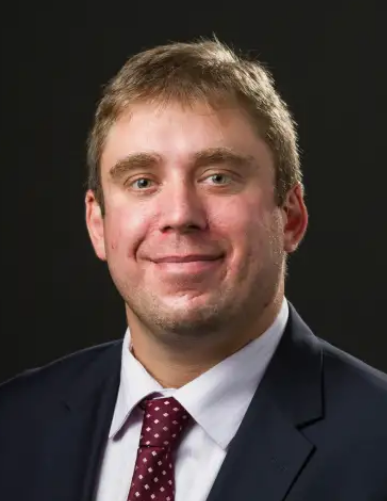 Jason Sico合作论文数Department of Neurology, Yale School of Medicine, Yale University7
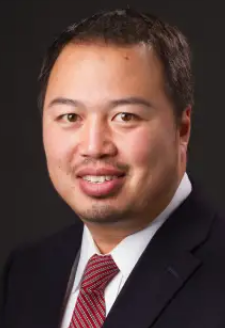 Brian B. Koo合作论文数Internal Medicine, Yale School of Medicine, Yale University7Kukla Marina合作论文数Roudebush VA Medical Center, Indianapolis, IN, USA.7Sean Baird合作论文数Veterans Health Administration Health Services Research and Development (HSR&D) Center for Health Information and Communication and Quality Enhancement Research Initiative Expanding expertise Through E-health Network Development (EXTEND) QUERI Centers, Roudebush VA Medical Center6
 True Gala合作论文数Center for Health Equity Research and Promotion, Philadelphia Veterans Affairs Medical Center6Ali Sexson合作论文数5Ying Zhang合作论文数5
 Daggy Joanne K合作论文数Department of Biostatistics, Indiana University School of Medicine5Ferguson Jared合作论文数5
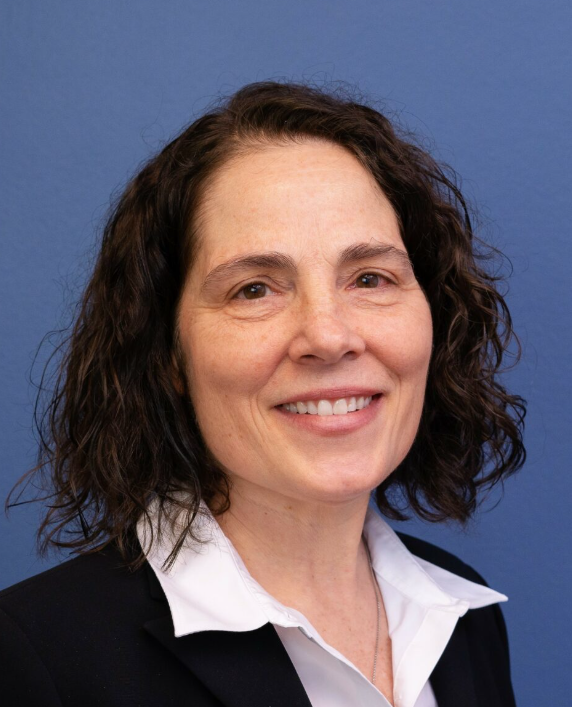 Laura Militello合作论文数Applied Decision Sciences5Katrina Spontak合作论文数4Salyers Michelle P合作论文数4Franks Zamal合作论文数4Paul Barach合作论文数4
 Laura Damschroder合作论文数Center for Clinical Management Research, VA Ann Arbor Health System;VA PROVE QUERI;Implementation Pathways, LLC4Ai-Nghia Do合作论文数3Ariel J. Cheatham合作论文数3
 Amy Kilbourne合作论文数Department of Psychiatry, Medical School, University of Michigan, Ann Arbor;U-M Institute for Healthcare Policy and Innovation;Quality Enhancement Research Initiative, U.S. Department of Veterans Affairs;Comprehensive Depression Center, University of Michigan3Taylor Stanley合作论文数3
 Howard S. Gordon合作论文数College of Medicine, University of Illinois at Chicago3
 Shakaib U. Rehman合作论文数Ralph H. Johnson Veterans Affairs Hospital, Medical University of South Carolina3Eric M. Cheng合作论文数Department of Neurology, VA Greater Los Angeles Healthcare System3
 Anita Patel合作论文数2
 Stephanie Jane Caroline Taylor合作论文数2Linda S Williams合作论文数2Janice Horte合作论文数2Michael W. Kennedy合作论文数2Carmel Nichols合作论文数2Kate Winseck合作论文数2Aleksandra Sasha Milicevic合作论文数2Robert J. Monte合作论文数2Kate Beadle合作论文数2Shreshtha Madaan合作论文数2Riki Mafune合作论文数2George Valko合作论文数2Kathryn G. Sapnas合作论文数2Moses Mwanza合作论文数2Sarah Tubbesing合作论文数2




