PURPOSE:We performed a randomized, prospective, multi-institutional study evaluating the durability of commercially available flexible ureteroscopes. MATERIALS AND METHODS:A total of 192 patients were randomized to the use of 7 less than 9Fr flexible ureteroscopes, including the Storz 11274AA and Flex-X, the ACMI DUR-8 and DUR-8 Elite, Wolf models 7330.170 and 7325.172, and the Olympus URF-P3. Information about total and lower pole use time, the number and method of ureteroscope insertion, and they type and duration of accessory instrumentation was recorded. Surgeons were asked to rate the visibility and maneuverability of the instrument on a scale of 0-poor to 10-excellent. RESULTS:The indication for ureteroscopy was upper tract calculi in 87% of cases. Of ureteroscope insertions 97% were performed through an access sheath. The average of number of cases before repair ranged from 3.25 for the Wolf 7325 to 14.4 for the ACMI DUR-8 Elite. Average ureteroscope operative time was statistically longer for the DUR-8 Elite (494 minutes) than for the Flex-X (p = 0.047), and the Wolf 7325 and 7330 (p = 0.001 and 0.001, respectively). Duration of use before repair for the URF-P3 (373 minutes) was statistically longer than for the Wolf 7325 and 7330 (p = 0.016 and 0.017, respectively). Minutes of use with an instrument in the working channel were significantly more with the DUR-8 Elite and the URF-P3 than the Wolf 7330 (p = 0.017 and 0.008) and 7325 (p = 0.012 and 0.005, respectively). The ureteroscope that experienced the greatest average duration of lower pole use was the URF-P3, while the shortest was the Wolf 7325 (103 vs 20 minutes, p = 0.005). Average minutes of laser use before breakage was significantly longer for the DUR-8 Elite than for the Wolf 7325 (110 vs 21 minutes, p = 0.021) and 7330 (24 minutes, p = 0.025). CONCLUSIONS:Currently available less than 9Fr flexible ureteroscopes remain fragile instruments. The DUR-8 Elite and Olympus URF-P3 proved to be the most durable devices.
You have accessJournal of UrologyDiscussed Poster, Tuesday, May 11, 2004, 1:00 - 5:00 pm1 Apr 20041478: Randomized Prospective Comparison of Ureteral Access Sheaths Manoj Monga, Ramakrishna Venkatesh, Sara Best, Caroline D. Ames, Jason Skenazy, David Lieber, Elizabeth Fallon, Richard Vanlangendock, and Jaime Landman Manoj MongaManoj Monga More articles by this author , Ramakrishna VenkateshRamakrishna Venkatesh More articles by this author , Sara BestSara Best More articles by this author , Caroline D. AmesCaroline D. Ames More articles by this author , Jason SkenazyJason Skenazy More articles by this author , David LieberDavid Lieber More articles by this author , Elizabeth FallonElizabeth Fallon More articles by this author , Richard VanlangendockRichard Vanlangendock More articles by this author , and Jaime LandmanJaime Landman More articles by this author View All Author Informationhttps://doi.org/10.1016/S0022-5347(18)39190-0AboutPDF ToolsAdd to favoritesDownload CitationsTrack CitationsPermissionsReprints ShareFacebookLinked InTwitterEmail "1478: Randomized Prospective Comparison of Ureteral Access Sheaths." The Journal of Urology, 171(4S), p. 389 © 2016 by American Urological AssociationFiguresReferencesRelatedDetails Volume 171Issue 4SApril 2004Page: 389 Advertisement Copyright & Permissions© 2016 by American Urological AssociationMetricsAuthor Information Manoj Monga More articles by this author Ramakrishna Venkatesh More articles by this author Sara Best More articles by this author Caroline D. Ames More articles by this author Jason Skenazy More articles by this author David Lieber More articles by this author Elizabeth Fallon More articles by this author Richard Vanlangendock More articles by this author Jaime Landman More articles by this author Expand All Advertisement PDF DownloadLoading ...
You have accessJournal of UrologyVideo Session,Tuesday, May 11, 2004,1:00 - 3:00 pm1 Apr 2004V1688: Laparoscopic Ureterocalicostomy: Development of a Technique in the Porcine Model Richard Vanlangendock, Ramakrishna Venkatesh, Christopher L. Vulin, and Jaime Landman Richard VanlangendockRichard Vanlangendock More articles by this author , Ramakrishna VenkateshRamakrishna Venkatesh More articles by this author , Christopher L. VulinChristopher L. Vulin More articles by this author , and Jaime LandmanJaime Landman More articles by this author View All Author Informationhttps://doi.org/10.1016/S0022-5347(18)39200-0AboutPDF ToolsAdd to favoritesDownload CitationsTrack CitationsPermissionsReprints ShareFacebookLinked InTwitterEmail "V1688: Laparoscopic Ureterocalicostomy: Development of a Technique in the Porcine Model." The Journal of Urology, 171(4S), p. 446 © 2016 by American Urological AssociationFiguresReferencesRelatedDetails Volume 171Issue 4SApril 2004Page: 446 Advertisement Copyright & Permissions© 2016 by American Urological AssociationMetricsAuthor Information Richard Vanlangendock More articles by this author Ramakrishna Venkatesh More articles by this author Christopher L. Vulin More articles by this author Jaime Landman More articles by this author Expand All Advertisement PDF DownloadLoading ...
You have accessJournal of UrologyDiscussed Poster, Tuesday, May 11, 2004, 1:00 - 5:00 pm1 Apr 20041477: Durability of Next Generation Flexible Ureteroscopes: Randomized Prospective Study Manoj Monga, Ramakrishna Venkatesh, Sara Best, Caroline D. Ames, Courtney Lee, David Lieber, Jason Skenazy, Stephen Lukasewycz, Richard Vanlangendock, Elizabeth Fallon, and Jaime Landman Manoj MongaManoj Monga More articles by this author , Ramakrishna VenkateshRamakrishna Venkatesh More articles by this author , Sara BestSara Best More articles by this author , Caroline D. AmesCaroline D. Ames More articles by this author , Courtney LeeCourtney Lee More articles by this author , David LieberDavid Lieber More articles by this author , Jason SkenazyJason Skenazy More articles by this author , Stephen LukasewyczStephen Lukasewycz More articles by this author , Richard VanlangendockRichard Vanlangendock More articles by this author , Elizabeth FallonElizabeth Fallon More articles by this author , and Jaime LandmanJaime Landman More articles by this author View All Author Informationhttps://doi.org/10.1016/S0022-5347(18)39189-4AboutPDF ToolsAdd to favoritesDownload CitationsTrack CitationsPermissionsReprints ShareFacebookLinked InTwitterEmail "1477: Durability of Next Generation Flexible Ureteroscopes: Randomized Prospective Study." The Journal of Urology, 171(4S), p. 389 © 2016 by American Urological AssociationFiguresReferencesRelatedDetails Volume 171Issue 4SApril 2004Page: 389 Advertisement Copyright & Permissions© 2016 by American Urological AssociationMetricsAuthor Information Manoj Monga More articles by this author Ramakrishna Venkatesh More articles by this author Sara Best More articles by this author Caroline D. Ames More articles by this author Courtney Lee More articles by this author David Lieber More articles by this author Jason Skenazy More articles by this author Stephen Lukasewycz More articles by this author Richard Vanlangendock More articles by this author Elizabeth Fallon More articles by this author Jaime Landman More articles by this author Expand All Advertisement PDF downloadLoading ...
PURPOSEWhile the use of ureteral access sheaths facilitates flexible ureteroscopy, buckling or kinking of the device may preclude its successful application. We evaluate the ability of 2 hydrophilic coated ureteral access sheaths to obtain and maintain access to the upper collecting system.MATERIALS AND METHODSA total of 54 flexible ureteroscopy procedures were randomized to use of the 12/15Fr Applied Access Forte XE (Applied Medical, Rancho Santa Margarita, California) or the 12/14Fr Cook Flexor (Cook Urological, Spencer, Indiana) access sheaths. Device failure was defined as buckling of the sheath that prevented adequate placement, kinking of the sheath after removal of the obturator or difficulty in passing instruments through the sheath. The ease of placement, instrument passage and stone extraction was scored from poor (1) to excellent (4). Fisher's exact test and Mann-Whitney tests were used for statistical comparisons.RESULTSNo patient required ureteral balloon dilation. There was no significant difference between the groups in regard to preoperative stenting (34% and 31%, p = 1.00) or rigid ureteroscopy before sheath placement (32% and 25%, p = 0.751). The device failure rate was 44% for the Applied sheath and 0% for the Cook sheath (p <0.001). Failures with the Applied sheath included buckling (25%), kinking (25%) and difficulty passing instruments (13%). The Cook sheath was rated superior with regard to ease of placement (3.89 vs 3.00, p = 0.001), ease of instrument passage (3.97 vs 3.29, p = 0.001) and ease of stone extraction (3.74 vs 3.00, p = 0.023).CONCLUSIONSThe performance of the Cook Flexor sheath was superior with regard to overall failure and ease of use.
You have accessJournal of UrologyDiscussed Poster, Saturday, May 8, 2004, 1:00 - 5:00 pm1 Apr 20049: Anthropometric Correlation of Ureteral Length with Surface Body Habitus Parameters Jaime Landman, Caroline D. Ames, David Lieber, Ramakrishna Venkatesh, Richard Vanlangendock, Sara Best, Stephen Lukasewycz, and Manoj Monga Jaime LandmanJaime Landman More articles by this author , Caroline D. AmesCaroline D. Ames More articles by this author , David LieberDavid Lieber More articles by this author , Ramakrishna VenkateshRamakrishna Venkatesh More articles by this author , Richard VanlangendockRichard Vanlangendock More articles by this author , Sara BestSara Best More articles by this author , Stephen LukasewyczStephen Lukasewycz More articles by this author , and Manoj MongaManoj Monga More articles by this author View All Author Informationhttps://doi.org/10.1016/S0022-5347(18)37271-9AboutPDF ToolsAdd to favoritesDownload CitationsTrack CitationsPermissionsReprints ShareFacebookLinked InTwitterEmail "9: Anthropometric Correlation of Ureteral Length with Surface Body Habitus Parameters." The Journal of Urology, 171(4S), p. 3 © 2016 by American Urological AssociationFiguresReferencesRelatedDetails Volume 171Issue 4SApril 2004Page: 3 Advertisement Copyright & Permissions© 2016 by American Urological AssociationMetricsAuthor Information Jaime Landman More articles by this author Caroline D. Ames More articles by this author David Lieber More articles by this author Ramakrishna Venkatesh More articles by this author Richard Vanlangendock More articles by this author Sara Best More articles by this author Stephen Lukasewycz More articles by this author Manoj Monga More articles by this author Expand All Advertisement PDF downloadLoading ...
You have accessJournal of UrologyDiscussed Poster, Wednesday, May 12, 2004, 8:00am- 12:00 pm1 Apr 20041904: Outcomes of Large Renal Calculi (>2-Cm) Treated with ESWL as First Line Therapy Richard Vanlangendock, Ramakrishna Venkatesh, Jamil Rehman, Chandra P. Sundaram, and Jaime Landman Richard VanlangendockRichard Vanlangendock More articles by this author , Ramakrishna VenkateshRamakrishna Venkatesh More articles by this author , Jamil RehmanJamil Rehman More articles by this author , Chandra P. SundaramChandra P. Sundaram More articles by this author , and Jaime LandmanJaime Landman More articles by this author View All Author Informationhttps://doi.org/10.1016/S0022-5347(18)39096-7AboutPDF ToolsAdd to favoritesDownload CitationsTrack CitationsPermissionsReprints ShareFacebookLinked InTwitterEmail "1904: Outcomes of Large Renal Calculi (>2-Cm) Treated with ESWL as First Line Therapy." The Journal of Urology, 171(4S), p. 503 © 2016 by American Urological AssociationFiguresReferencesRelatedDetails Volume 171Issue 4SApril 2004Page: 503 Advertisement Copyright & Permissions© 2016 by American Urological AssociationMetricsAuthor Information Richard Vanlangendock More articles by this author Ramakrishna Venkatesh More articles by this author Jamil Rehman More articles by this author Chandra P. Sundaram More articles by this author Jaime Landman More articles by this author Expand All Advertisement PDF downloadLoading ...
 Jaime Landman合作论文数Department of Urology, University of California, Irvine7
 R Venkatesh合作论文数6Sara L. Best合作论文数5David Lieber合作论文数4CD Ames合作论文数3J Skenazy合作论文数3Elizabeth Fallon合作论文数2Caroline D. Ames合作论文数2Stephen Lukasewycz合作论文数2Courtney Lee合作论文数2Manoj Monga合作论文数1CL Vulin合作论文数1Michael Kuskowski合作论文数1
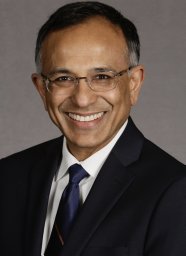 Chandru P. Sundaram合作论文数Department of Urology, Indiana University School of Medicine1
 Steven M. Schwartz合作论文数The Hospital for Sick Children, University of Toronto School of Medicine1Ramakrishna Venkatesh合作论文数1Jamil Rehman合作论文数1




