PurposeTo assess the inter-rater agreement of the Cribriform plate, Lamina papyracea, Onodi cell, Sphenoid sinus pneumatization, and Ethmoidal artery (CLOSE) checklist results among rhinology & skull-base surgeons and a head and neck-neuroradiology specialist for pre-operative computed tomography (CT) sinus assessment.MethodsThis retrospective cross-sectional study reviewed 50 patients who underwent endoscopic sinus surgery (ESS) in the period between January 2013 and March 2014 at the Royal Victoria Hospital in Montreal, Canada. According to the CLOSE checklist, the CT scans were evaluated independently by one surgeon and one radiologist using the InteleRadiology Picture Archiving and Communication System (IntelePACS).ResultsTwo experts reviewed fifty ESS patients' pre-surgical CT scans. Kappa scores indicated almost perfect agreement for the anterior ethmoidal artery, substantial for Onodi cells, moderate for lamina papyracea dehiscence and anterior clinoid pneumatization, and fair to none/slight agreement for other components. No cases of maxillary fat herniation or ICA aneurysm were observed.ConclusionThe CLOSE checklist is a reliable preoperative CT examination for paranasal sinuses that requires surgical and radiological expertise to identify anatomical variances, with updated definitions for accurate identification.
Objectives Chronic rhinosinusitis with nasal polyposis (CRSwNP) is a highly prevalent and challenging disease to manage. Several systematic reviews (SRs) have been carried out to evaluate the efficacy and safety of biologic therapies. We aimed to evaluate the current and available evidence of the biologics in treating CRSwNP. Data Source Systematic Review of three electronic databases. Review Methods Following the PRISMA Statement, the authors explored three main databases through February 2020 for pertinent SRs and meta-analyses (MAs) as well as experimental and observational studies. A Measurement Tool to Assess Systematic Reviews Version-2 (AMSTAR-2), was employed to evaluate the quality of methodology of SRs and MAs. Results A Total of five SRs were included in this overview. The AMSTAR-2 final summary was moderate to critically low. Although conflicting findings were reported, anti-immunoglobulin E (Anti-IgE) and anti-interleukin-4 (Anti-IL-4) were superior to placebo for improving total nasal polyp (NP) score, particularly in patients with asthma. Findings of the included reviews revealed that both sinus opacification and the Lund-Mackay (LMK) total scores significantly improved after biologics use. Subjective quality-of-life (QoL) assessment provided by general and specific questionnaires illustrated favorable results of biologics for CRSwNP, whereas no significant adverse events were reported. Conclusion The current findings support the use of biologics for CRSwNP patients. However, the evidence for their use in such patients should be cautiously adopted because of the questionable evidence.
Background: Olfaction plays a critical role in our health, emotions, social life and safety, which is why olfactory dysfunction has a great impact on a person's life.This has been highlighted with the recent coronavirus disease 2019 (COVID-19) pandemic.Despite Arabic being the fifth most commonly spoken language and one of the six official languages of the United Nations, there is no Arabic version for an olfactory-specific quality of life assessment tool.Method: The Questionnaire of Olfactory Disorders-Negative Statements (QOD-NS) is a validated questionnaire that assesses many aspects of a patient's daily life.We translated this questionnaire to the Arabic language following European Organisation for Research and Treatment of Cancer (EORTC) Quality of Life Group Translation Procedure guidelines.A pilot-testing of the Arabic version was done among 20 participants, 10 of whom were confirmed to have normosmia based on scoring at least 11/12 on the Sniffin' Sticks (SS) olfactory testing (Group 1) and another 10 participants who reported anosmia and scored less than 7/12 on the SS test.Patients could agree, partially agree, partially disagree, or disagree with each questionnaire statement.Results: The pilot study revealed that participants with confirmed anosmia had higher questionnaire scores compared to participants with normosomia (median 22 compared to 1, p value < 0.001).For each statement on the Arabic questionnaire, all questions scored at least 80% of intra-rater reliability, and the overall intrarater reliability was 90%. Conclusion:The Arabic translation of QOD-NS is a validated questionnaire that can be used both in academic and clinical practice.
OBJECTIVE:The purpose of this study was to evaluate the quality of evidence of rhinology and rhinologic skull base surgery (RSBS) research and its evolution over the past decade. STUDY DESIGN:Review article. SETTING:We reviewed articles from 2007 to 2019 in 4 leading peer-reviewed otolaryngology journals and 3 rhinology-specific journals. METHODS:The articles were reviewed and levels of evidence were assigned using the Oxford Centre for Evidence-Based Medicine 2011 guidelines. High quality was defined as level of evidence 1 or 2. RESULTS:In total, 1835 articles were reviewed in this study spanning a 13-year period. Overall, the absolute number of RSBS publications increased significantly 22.6% per year, from 108 articles in 2007 to 481 in 2019 (P < .001; 95% CI, 7.9-37.2). In 2007, only 13 articles, or 15%, were high quality, and this grew to 146 articles, or 39%, in 2019. A 14.0% per year exponential increase in the number of high-quality publications was found to be statistically significant (P < .001; 95% CI, 7.2, 20.7). Overall, high-quality publications represented just 25.8% of RSBS articles overall. There was no significant difference in quality between rhinology-specific journals and general otolaryngology journals (χ2 = 3.1, P = .077). CONCLUSION:The number of overall publications and of high-quality RSBS publications has significantly increased over the past decade. However, the proportion of high-quality studies continues to represent a minority of total RSBS research.
BackgroundInnovation represents a core value of the American Rhinologic Society (ARS), with multiple efforts to promote research in the advancement rhinologic care. We therefore sought to identify trends in extramural sinusitis funding and underutilized sources of support to facilitate future efforts.MethodsA systematic review of the National Institutes of Health (NIH) Research Portfolio Online Tools (RePORTER) database (fiscal year 1993 to 2017) was completed with the search strategy: (“chronic sinusitis” OR rhinosinusitis). All identified studies were accepted for review, with comparison to ARS membership rolls to identify studies supported by ARS investigators. Foundation awards were surveyed to identify and characterize additional sources of support.ResultsThe systematic review identified 958 projects receiving NIH funding, of which 120 remain active. The percentage of sinusitis‐related awards and total funding relative to all NIH awards increased over the past 10 years (2006 to 2016) from 0.06% (8 / 9128) and 0.09% ($2,151,152 / $3,358,338,602) to 0.87% (86 / 9540) and 0.90% ($37,201,095 / $4,300,145,614). Among active studies, 9 investigators maintain membership in the ARS and serve as principal investigator or project leader in 12 (10%) studies. ARS investigators received the greatest number of awards from the National Institute on Deafness and Other Communication Disrders (n = 8,66.7%), while only receiving 2.2% of awarded funding from the National Institute of Allergy and Infectious Diseases ($607,500/$26,873,022), the largest source of awards for sinusitis research.ConclusionSupport for sinusitis research is significantly growing, with the largest source of active funding not being fully utilized by members of the ARS. Further efforts to promote funding priorities among extramural sources is necessary to facilitate increased funding for ARS member initiatives.
Introduction: Chronic rhinosinusitis (CRS) affects millions of patients worldwide. The disease is multifactorial with influences including anatomic factors, immunological disturbances, and altered sinonasal microbiome. Although oral medications are effective in controlling some symptoms, they are associated with side effects and long-term use is not ideal. Thus, topical therapies have emerged as an alternative delivery method for localized, high-concentration medication with less side effects.Areas covered: This is a review of the various topical therapies available or under investigation for the management of CRS. Common medications such as saline, steroids, and antimicrobials will be discussed. Furthermore, additives including manuka honey, xylitol, surfactant, N-chlorotaurine, Dead Sea salt, and sodium hyaluronate will be addressed. Innovations in topical therapies, such as drug-eluting biomaterials and photodynamic therapy, will also be reviewed.Expert opinion: Although topical therapies provide a high dose of active substance at the site of disease, their efficacy in CRS is not clear. Topical saline and intranasal steroids appear to consistently demonstrate therapeutic benefits. However, other topical medications require further investigation to determine long-term clinical efficacy and safety. A better understanding of their effects on the sinonasal mucociliary system is needed before they become the standard of care in CRS.
PURPOSE OF REVIEW:Chronic rhinosinusitis (CRS) affects millions of patients worldwide, with significant health and financial implications. There is an immense utilization of resources involved, including prescription medications and surgical interventions. With increased emphasis on sound resource allocation and patient convenience, recent years have witnessed significant expansion in office-based rhinologic procedures. The purpose of this review is to discuss new technologic innovations designed to facilitate treatment of sinonasal disease in the clinic setting.RECENT FINDINGS:Vacuum-powered polypectomy, in-office navigation, photodynamic therapy, and drug-eluting sinus implants will be specifically addressed. The clinical indications, advantages and disadvantages, as well as accompanying evidence will be elucidated. Thus far, preliminary clinical studies have demonstrated the safety, feasibility, and efficacy of vacuum-powered polypectomy and steroid-eluting implants in select CRS patients with recurrent nasal polyposis. In-vitro studies have also illustrated the antimicrobial and anti-inflammatory effects of photodynamic therapy, but clinical trials evaluating its role in CRS are still ongoing.SUMMARY:The review discusses novel tools recently developed to expand our in-office armamentarium of rhinologic procedures in management of sinonasal disease. Ultimately, it is at the discretion of individual surgeons to determine how such innovations can be integrated into their clinical practice. SDC VIDEO LINK: http://links.lww.com/COOH/A18.
The LaryngoscopeVolume 126, Issue 9 p. 1981-1983 Allergy/Rhinology New instrumentation in endoscopic medial orbital decompression Rohit Garg MD, MBA, Corresponding Author Rohit Garg MD, MBA Orange County Sinus Institute, Southern California Permanente Medical Group, Irvine, California, U.S.A.Send correspondence to Rohit Garg, MD, 3460 E. La Palma Avenue, Anaheim, CA 92806. E-mail: rohit.x.garg@kp.orgSearch for more papers by this authorRickul Varshney MD, Rickul Varshney MD Orange County Sinus Institute, Southern California Permanente Medical Group, Irvine, California, U.S.A.Search for more papers by this authorJivianne T. Lee MD, Jivianne T. Lee MD Orange County Sinus Institute, Southern California Permanente Medical Group, Irvine, California, U.S.A.Search for more papers by this authorKenneth Krantz MD, Kenneth Krantz MD Orange County Sinus Institute, Southern California Permanente Medical Group, Irvine, California, U.S.A.Search for more papers by this authorDavid B. Keschner MD, JD, David B. Keschner MD, JD Orange County Sinus Institute, Southern California Permanente Medical Group, Irvine, California, U.S.A.Search for more papers by this author Rohit Garg MD, MBA, Corresponding Author Rohit Garg MD, MBA Orange County Sinus Institute, Southern California Permanente Medical Group, Irvine, California, U.S.A.Send correspondence to Rohit Garg, MD, 3460 E. La Palma Avenue, Anaheim, CA 92806. E-mail: rohit.x.garg@kp.orgSearch for more papers by this authorRickul Varshney MD, Rickul Varshney MD Orange County Sinus Institute, Southern California Permanente Medical Group, Irvine, California, U.S.A.Search for more papers by this authorJivianne T. Lee MD, Jivianne T. Lee MD Orange County Sinus Institute, Southern California Permanente Medical Group, Irvine, California, U.S.A.Search for more papers by this authorKenneth Krantz MD, Kenneth Krantz MD Orange County Sinus Institute, Southern California Permanente Medical Group, Irvine, California, U.S.A.Search for more papers by this authorDavid B. Keschner MD, JD, David B. Keschner MD, JD Orange County Sinus Institute, Southern California Permanente Medical Group, Irvine, California, U.S.A.Search for more papers by this author First published: 01 March 2016 https://doi.org/10.1002/lary.25939Citations: 3 Presented as a poster at the American Rhinologic Society meeting at the Academy of Otolaryngology–Head and Neck Surgery Annual Meeting, Dallas, Texas, U.S.A., September 25, 2015. The authors have no funding, financial relationships, or conflicts of interest to disclose. Read the full textAboutPDF ToolsRequest permissionExport citationAdd to favoritesTrack citation ShareShare Give accessShare full text accessShare full-text accessPlease review our Terms and Conditions of Use and check box below to share full-text version of article.I have read and accept the Wiley Online Library Terms and Conditions of UseShareable LinkUse the link below to share a full-text version of this article with your friends and colleagues. Learn more.Copy URL Share a linkShare onFacebookTwitterLinkedInRedditWechat Citing Literature Volume126, Issue9September 2016Pages 1981-1983 RelatedInformation
Velopharyngeal dysfunction (VPD) can be secondary to anatomic, neurologic, or functional maldevelopment in the pediatric population. We present a case of transient VPD after the removal of a voluminous oropharyngeal hairy polyp in a newborn with an intact palate. This report sensitizes physicians, speech-language pathologists, and occupational therapists not only to the repercussions of oropharyngeal congenital masses, such as hairy polyps, on the feeding mechanisms of a newborn but also to the possibility of conservative management.
Background Ultrasound guided fine-needle aspiration (USFNA) biopsy of thyroid nodules often gives a result of indeterminate pathology, placing thyroid specialists in difficult management situations. The aim of this study is to evaluate the incidence of malignancy in patients undergoing surgery and to correlate these results with the McGill Thyroid Nodule Score (MTNS). Methods We performed a retrospective study comparing USFNA results, MTNS and histopathology of patients undergoing thyroid surgery between 2010 and 2012. Pre-operative USFNA results were divided into three subgroups: benign, indeterminate and suspicious for/malignant. The indeterminate USFNA subgroup comprised of Bethesda type III (atypia of undetermined significance) and Bethesda type IV (follicular neoplasms, including Hurthle cell neoplasms) lesions. Post-operative histopathology was divided into benign or malignant groups. Results Of the 437 patient charts reviewed, 57.0% had an indeterminate USFNA biopsy. Within the indeterminate group, the malignancy rate was 39.8%. For indeterminate USFNA, the median MTNS was 7 (32% risk of malignancy) for benign nodules and 9 (63% risk of malignancy) for malignant nodules on post-operative histopathology ( p < 0.05). Conclusion The rate of malignancy in operated patients with an indeterminate USFNA result was 39.8%. The MTNS can be of value to thyroid specialists in pre-operative decision-making when dealing with an indeterminate result of a thyroid nodule on USFNA.
Objectives:Evaluate the accuracy and predictive values of ultrasound guided fine‐needle aspiration (USFNA) of nodules ≥4cm compared to smaller nodules. Authors have reported that fine‐needle aspiration (FNA) biopsies of thyroid nodules ≥4cm are unnecessary since they often yield inaccurate results compared to nodules <4cm. They therefore recommend diagnostic thyroid lobectomies for nodules ≥4cm and FNA for smaller nodules.Methods:A retrospective study at the McGill University Thyroid Cancer Center was performed on patients between 2006‐2012 comparing the USFNA and post‐operative pathology diagnoses of nodules ≥4cm versus those <4cm. Pre‐operative USFNA results were divided into benign, indeterminate and malignant/suspicious for malignancy subgroups. Postoperative results were separated into benign and malignant groups. SPSS was used for data analysis using the chi‐square method.Results:There were 225 patients with nodules ≥4cm and 773 patients with nodules <4cm. The sensitivity, specificity, positive predictive value, and negative predictive value for USFNA of nodules ≥4cm were 84.62% (confidence interval [CI] 71.91‐93.10), 91.49% (CI 79.6‐97.58), 91.67% (CI 80.0‐97.63) and 84.31% (CI 71.4–92.95), respectively. The sensitivity, specificity, positive predictive value and negative predictive value for USFNA of nodules <4cm were 90.48% (CI 86.1‐93.8), 85.92% (CI 75.6‐93.02), 95.8% (CI 92.41‐97.96) and 71.76% (CI 60.95‐81.0), respectively. The difference in diagnostic accuracy of USFNA between both groups was not statistically significant (P > 0.05).Conclusions:This study shows that USFNA of nodules ≥4cm is as accurate as smaller nodules. It is therefore suggested that these nodules be managed similarly to their smaller counterparts.
Background The technical challenges of endoscopic sinus surgery (ESS) and the high risk of complications support the development of alternative modalities to train residents in these procedures. Virtual reality simulation is becoming a useful tool for training the skills necessary for minimally invasive surgery; however, there are currently no ESS virtual reality simulators available with valid evidence supporting their use in resident education. Our aim was to develop a new rhinology simulator, as well as to define potential performance metrics for trainee assessment. Methods The McGill simulator for endoscopic sinus surgery (MSESS), a new sinus surgery virtual reality simulator with haptic feedback, was developed (a collaboration between the McGill University Department of Otolaryngology–Head and Neck Surgery, the Montreal Neurologic Institute Simulation Lab, and the National Research Council of Canada). A panel of experts in education, performance assessment, rhinology, and skull base surgery convened to identify core technical abilities that would need to be taught by the simulator, as well as performance metrics to be developed and captured. Results The MSESS allows the user to perform basic sinus surgery skills, such as an ethmoidectomy and sphenoidotomy, through the use of endoscopic tools in a virtual nasal model. The performance metrics were developed by an expert panel and include measurements of safety, quality, and efficiency of the procedure. Conclusion The MSESS incorporates novel technological advancements to create a realistic platform for trainees. To our knowledge, this is the first simulator to combine novel tools such as the endonasal wash and elaborate anatomic deformity with advanced performance metrics for ESS.
Objectives Inflammatory myofibroblastic tumor (IMT) is a borderline neoplasm with uncertain malignant potential. It is a rare disease also referred to as an inflammatory pseudotumor, a plasma cell granuloma, and an inflammatory fibrosarcoma. IMT rarely also involves the head and neck region with only 50 cases of laryngeal IMT reported in the literature, and this is the first case with reported magnetic resonance imaging (MRI) findings. Methods A 37-year-old man with a 1-year history of hoarseness, dysphagia, and fatigue presented with a right vocal fold submucosal mass and was treated conservatively. Results The MRI of the neck revealed a mildly spontaneously hyperintense right true vocal fold on GRE images and relative hyperintensity on fat-saturation T2-weighted images. A biopsy of the right-sided submucosal laryngeal mass was performed and the pathologic examination revealed a lesion consistent with an IMT. Conclusion IMT is a borderline neoplasm with uncertain malignant potential. There are many variants of IMT and its etiology is not truly understood. In general, IMT of the larynx has a benign clinical course with low rates of recurrence.
OBJECTIVE Radioactive iodine (RAI) remnant ablation in low-risk papillary thyroid cancer (PTC) is controversial. Current patient selection guidelines recommend the use of postoperative stimulated thyroglobulin (stim-Tg), neck dissections, and sonography but fail to include sentinel lymph node biopsy (SLNB). The objective of this study was to evaluate the correlation between SLNB status and postoperative stimulated thyroglobulin as a surrogate marker of clinical outcome. METHODS Retrospective chart review of low-risk PTC patients who underwent a total thyroidectomy with SLNB at the McGill Thyroid Cancer Center. SLNBs were obtained using methylene blue dye. Biochemical measurements were acquired between 4 and 12 weeks postoperatively. Statistical analyses were performed using logistic regression models and receiver operating characterisitc (ROC) curves. A P-value <.05 was considered significant. RESULTS Ninety-six patients were included in this study. The positive SLNB rate was 14.6%. The mean postoperative Tg level was 1.41 μg/L. There were no significant correlations between the SLNB and the covariates analyzed (age, gender, histology, tumor size, and thyrotropin levels). Patients with negative SLNB were significantly more likely to have a lower stim-Tg (P<.0001). When postoperative Tg was analyzed as a categorical variable, a threshold of <1 μg/L was significantly associated with a negative SLNB, with a sensitivity and specificity (determined by ROC curves) of 0.86 and 0.88, respectively. CONCLUSION There exists a correlation between SLNB and postoperative Tg. This creates the possibility of a new approach to RAI administration among low-risk PTC patients incorporating SLNB to the current guidelines.
Background Endoscopic sinus surgery (ESS) is a technically challenging procedure, associated with a significant risk of complications. Virtual reality simulation has demonstrated benefit in many disciplines as an important educational tool for surgical training. Within the field of rhinology, there is a lack of ESS simulators with appropriate validity evidence supporting their integration into residency education. The objectives of this study are to evaluate the acceptability, perceived realism and benefit of the McGill Simulator for Endoscopic Sinus Surgery (MSESS) among medical students, otolaryngology residents and faculty, and to present evidence supporting its ability to differentiate users based on their level of training through the performance metrics. Methods 10 medical students, 10 junior residents, 10 senior residents and 3 expert sinus surgeons performed anterior ethmoidectomies, posterior ethmoidectomies and wide sphenoidotomies on the MSESS. Performance metrics related to quality (e.g. percentage of tissue removed), efficiency (e.g. time, path length, bimanual dexterity, etc.) and safety (e.g. contact with no-go zones, maximum applied force, etc.) were calculated. All users completed a post-simulation questionnaire related to realism, usefulness and perceived benefits of training on the MSESS. Results The MSESS was found to be realistic and useful for training surgical skills with scores of 7.97 ± 0.29 and 8.57 ± 0.69, respectively on a 10-point rating scale. Most students and residents (29/30) believed that it should be incorporated into their curriculum. There were significant differences between novice surgeons (10 medical students and 10 junior residents) and senior surgeons (10 senior residents and 3 sinus surgeons) in performance metrics related to quality ( p < 0.05), efficiency ( p < 0.01) and safety ( p < 0.05). Conclusion The MSESS demonstrated initial evidence supporting its use for residency education. This simulator may be a potential resource to help fill the void in endoscopic sinus surgery training.
Castleman's Disease is a rare lymphoproliferative disorder. In the literature, only 29 cases, associated with the neck presentation in children, have been reported. This is another case report regarding a 5-year old child who presented with a persistent cervical lymphadenopathy. Final pathology, after undergoing exploratory neck dissection and surgical excision, revealed Castleman's Disease. This report, augmented with a literature review of all the 29 cases, compares the clinical course of this patient with the other cases. In conclusion, although Castleman's Disease carries a favorable prognosis in children, surgical excision is recommended to confirm the diagnosis and to rule out other causes.
Foreign body (FB) aspiration is a common problem in the pediatric population. Rigid bronchoscopy is considered the treatment of choice for removal of tracheobronchial FB. This is a report of two cases of tracheobronchial foreign body aspiration that were managed using an endoscopic urology basket through a flexible bronchoscope. This report's main purpose is to inform physicians on the benefit of flexible bronchoscopy and of the potential use of the endoscopic urology basket for tracheobronchial FB retrieval. We hope that the flexible bronchoscopy and the endoscopic basket will become a standard tool in FB retrieval kits for pediatric otolaryngologists who deal with this issue on a routine basis.
 Faisal Zawawi合作论文数16
 Richard Payne合作论文数asset558
 Michael P. Hier合作论文数7
 Marc A Tewfik合作论文数6Lee Jivianne T合作论文数and David Geffen School of Medicine, University of California Los Angeles4Saul Frenkiel合作论文数4Alex M. Mlynarek合作论文数3
 Jonathan Young合作论文数3
 Frederick A. Kingdom合作论文数Department of Psychology, Faculty of Science, McGill University3
 Lily Ha Nam P. Nguyen合作论文数Department of Pediatric Surgery, Faculty of Medicine and Health Sciences, McGill University3
 Louise Rochon合作论文数Department of Pathology, Faculty of Medicine and Health Sciences, McGill University3
 Veronique-Isabelle Forest合作论文数3
 Elena Gheorghiu合作论文数Laboratory of Experimental Psychology, University of Leuven3Michael Tamilia合作论文数3Yolene Lacroix合作论文数2
 John J. Manoukian合作论文数Department of Pediatric Surgery, Faculty of Medicine and Health Sciences, McGill University2
 Sam J Daniel合作论文数Department of Pediatric Surgery, Faculty of Medicine and Health Sciences, McGill University2Derin Caglar合作论文数Department of Pathology, Faculty of Medicine and Health Sciences, McGill University2
 Anthony G. Zeitouni合作论文数Department of Otolaryngology - Head and Neck Surgery, Faculty of Medicine and Health Sciences, McGill University2
 Rolando Fausto Del Maestro合作论文数Neurosurgical Simulation Research and Training Centre, Montreal Neurological Institute and Hospital, McGill University;Department of Neurology and Neurosurgery, Faculty of Medicine and Health Sciences, McGill University2
 Mascarella Marco A合作论文数Department of Otolaryngology - Head and Neck Surgery, McGill University2
 Yazeed Alghonaim合作论文数2Do Bao Anh合作论文数2
 Meredith E. Young合作论文数2Raisa Chowdhury合作论文数1Kalathupiriyan A Zhivago合作论文数1
 Hamad Almhanedi合作论文数1Hoda Alsayid合作论文数1
 Joe Saliba合作论文数1Rohit Garg合作论文数1Talal A. Alandejani合作论文数1Sarah Matouk Alnakhli合作论文数1George Tali合作论文数1
 Jacqueline Thompson合作论文数1Hatim Y. Shawli合作论文数1M Black合作论文数1Jennifer A Silver合作论文数1
 Elias Saad合作论文数1
 Jacob Pitaro合作论文数Sackler School of Medicine, Tel-Aviv University1
 Hebatullah M. Abdulazeem合作论文数Dept Sport & Hlth Sci, Tech Univ Munich1
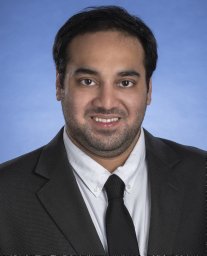 Ahmad A Mirza合作论文数Temerty Faculty of Medicine, University of Toronto1
 Hani Z Marzouki合作论文数1
 David Haegert合作论文数Department of Pathology, Faculty of Medicine and Health Sciences, McGill University1
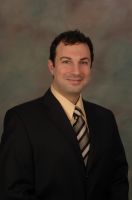 Sam J. Daniel合作论文数Department of Otolaryngology - Head and Neck Surgery, Faculty of Medicine and Health Sciences, McGill University1
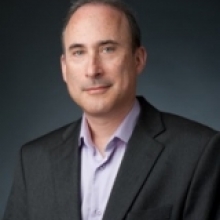 Roland Grad合作论文数Department of Family Medicine, Faculty of Medicine and Health Sciences, McGill University1
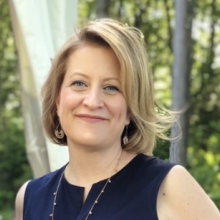 Gillian Bartlett Esquilant合作论文数Department of Family Medicine, Faculty of Medicine and Health Sciences, McGill University1
 Mark Levental合作论文数Department of Diagnostic Radiology, Faculty of Medicine and Health Sciences, McGill University1




