PURPOSE: Patients with acute myeloid leukemia with high-risk cytogenetics in first complete remission (CR1) achieve better outcomes if they undergo allogeneic hematopoietic cell transplantation (HCT) compared with consolidation chemotherapy alone. However, only approximately 40% of such patients typically proceed to HCT. METHODS: We used a prospective organized approach to rapidly identify donors to improve the allogeneic HCT rate in adults with high-risk acute myeloid leukemia in CR1. Newly diagnosed patients had cytogenetics obtained at enrollment, and those with high-risk cytogenetics underwent expedited HLA typing and were encouraged to be referred for consultation with a transplantation team with the goal of conducting an allogeneic HCT in CR1. RESULTS: Of 738 eligible patients (median age, 49 years; range, 18-60 years of age), 159 (22%) had high-risk cytogenetics and 107 of these patients (67%) achieved CR1. Seventy (65%) of the high-risk patients underwent transplantation in CR1 ( P < .001 compared with the historical rate of 40%). Median time to HCT from CR1 was 77 days (range, 20-356 days). In landmark analysis, overall survival (OS) among patients who underwent transplantation was significantly better compared with that of patients who did not undergo transplantation (2-year OS, 48% v 35%, respectively [ P = .031]). Median relapse-free survival after transplantation in the high-risk cohort who underwent transplantation in CR1 (n = 70) was 11.5 months (range, 4-47 months), and median OS after transplantation was 14 months (range, 4-44 months). CONCLUSION: Early cytogenetic testing with an organized effort to identify a suitable allogeneic HCT donor led to a CR1 transplantation rate of 65% in the high-risk group, which, in turn, led to an improvement in OS when compared with the OS of patients who did not undergo transplantation.
An increased risk of ALL second primary malignancy (SPM) has been observed with lenalidomide maintenance therapy after autologous HCT (len-post-autoHCT) for MM. Lenalidomide exerts its therapeutic effects via cereblon-mediated downregulation of the transcription factors Ikaros (IKZF1) and Aiolos (IKZF3). Inherited susceptibility variants in IKZF1 have been described for de novo ALL. We performed a case-control germline targeted sequencing study of the entire IKZF1 and IKZF3 genes with mean coverage ∼2,200X to investigate inherited susceptibility to ALL SPM risk. All cases and controls had a primary diagnosis of MM and received len-post-autoHCT with melphalan; sequencing was performed on an aliquot of the apheresis product or peripheral blood sample that was collected before autoHCT for MM. Cases of ALL SPMs were contributed by 4 individual centers and one national trial (BMT CTN 0702); each case had a maximum of 4 controls per case, sampled with replacement and matched on age, sex, race/ethnicity and duration of lenalidomide exposure (controls had longer duration of lenalidomide maintenance than cases). An additional control group of Acute Myeloid Leukemia/Myelodysplastic Syndrome (AML/MDS) SPMs after len-post-autoHCT were contributed by one center (Table). Multivariate logistic regression of case-control status, adjusted by age at HCT, sex, race/ethnicity, duration of lenalidomide maintenance, was performed for: 1) ALL SPM, 2) AML/MDS SPM, 3) ALL and AML/MDS SPM. We found the risk allele A of rs62447181 in IKZF1 had an OR=2.51 P=9.53 × 10⁻³ for ALL SPM, OR=4.18 P=0.09 for AML/MDS SPM and OR=2.57 P=4.98 × 10⁻³ for ALL&AML/MDS SPM. rs62447181 is a cis-expression quantitative trait loci (eQTL) of IKZF1 in blood (p=3.88 × 10−55 in eQTLGen Consortium data) and resides in a promoter-proximal enhancer predicted by the ENCODE project (Figure A). Our in silico analysis of transcription factor binding sites showed that rs62447181 disrupts the binding site of PLAGL2, a known AML oncoprotein (Figure B). Thus, we identified a germline variant, rs62447181, that may explain inherited risk of both ALL and AML/MDS SPMs. Gene-level analyses are on-going, and our findings should be validated in a larger independent dataset and in additional lenalidomide-containing MM regimens. Our results demonstrate an interesting risk variant for ALL, and potentially AML/MDS, SPM emerging in the setting of len-post-autoHCT. It is important to identify patients at higher risk of SPMs for survivorship screening, and to better understand the pathogenesis of acute leukemia SPMs associated with lenalidomide maintenance.
Unlike unrelated donor registries, transplant centers lack uniform approaches to related donor assessment and deferral. To test whether related donors are at increased risk for donation-related toxicities, we conducted a prospective observational trial of 11,942 related and unrelated donors aged 18–60 years. Bone marrow (BM) was collected at 37 transplant and 78 National Marrow Donor Program centers, and peripheral blood stem cells (PBSC) were collected at 42 transplant and 87 unrelated donor centers in North America. Possible presence of medical comorbidities was verified prior to donation, and standardized pain and toxicity measures were assessed pre-donation, peri-donation, and one year following. Multivariate analyses showed similar experiences for BM collection in related and unrelated donors; however, related stem cell donors had increased risk of moderate [odds ratios (ORs) 1.42; P
Purpose Hepatic veno-occlusive disease (VOD) or SOS is a serious and potentially fatal complication of HSCT. Due to the limited amount of data regarding prophylactic agents for VOD, the goal of this study is to determine the efficacy of the triple prophylactic regimen utilized at North Shore University Hospital (NSUH), in preventing VOD until engraftment in patients undergoing allogeneic HSCT. Methods This retrospective cohort study included patients 18 years and older admitted to NSUH for an allogeneic HSCT during 2015-18. Patients that had known hypersensitivity to any of the prophylactic agents and/ or who were hemodynamically unstable within 24 hours of starting VOD prophylaxis were excluded. All patients received the standard regimen of continuous infusion heparin at a dose of 100 units/kg/day, Ursodiol 300 mg by mouth twice a day, and glutamine 15 gram in two divided doses. Patients were monitored closely for any weight changes and aggressive management with diuretics was utilized to avoid fluid overload and hepatic congestion. The primary outcome measure was to achieve VOD-free survival at engraftment and secondary outcomes was any adverse effects due to the regimen. Results The study included 109 patients, 61 male, 48 female, average age of 54 years (range 20-75 years) and average weight of 81.2 kg (range 42.8-155.5kg). The patients were in the hospital for an average of 31 days (range 20-93; median 28 days). None of the patients experienced fulminant SOS/VOD as per European Society for Blood and Marrow Transplantation (EBMT) criteria. Ultrasounds were done in 3 patients, with no abnormalities suggestive of VOD. Prior to engraftment 1 patient had ascites, 2 painful hepatomegaly, 1 right upper quadrant pain, and 23 (21.1%) concurrent organ dysfunction requiring supportive care such as oxygen supplementation (5.5%) and/or Intravenous fluids (6.4%). Patient's weight, bilirubin, AST, ALT, and serum creatinine were monitored at baseline and daily for any abnormalities. Patients experienced an average weight increase of 4% (0-7%), 11 patients (10%) had a bilirubin of greater then 2mg/dl but had no other criteria for SOS. Majority of the patients returned to their baseline (95%). Only 3 patients required discontinuation of heparin, no other adverse effects were reported. All patients received diuretics for an average of 7 days (range 1-42 days) and mean dose was 46mg/day (range 20- 160mg). Of note one patient died before engraftment with possible late onset VOD, patient had elevated bilirubin and weight gain of 18.6% with trace ascites. Patient had received Inotuzumab Ozogamicin as salvage treatment prior to HSCT. Conclusion No instances of classical SOS/VOD were reported in the 109 patients undergoing allogeneic HSCT receiving the triple therapy regimen. One patient had possible late onset VOD. The data suggests an efficacious role of the triple prophylactic drug combination in this setting.
The development of reduced-intensity approaches for allogeneic hematopoietic cell transplantation has resulted in growing numbers of older related donors (RDs) of peripheral blood stem cells (PBSCs). The effects of age on donation efficacy, toxicity, and long-term recovery in RDs are poorly understood. To address this we analyzed hematologic variables, pain, donation-related symptoms, and recovery in 1211 PBSC RDs aged 18 to 79 enrolled in the Related Donor Safety Study. RDs aged > 60 had a lower median CD34+ level before apheresis compared with younger RDs (age > 60, 59 × 106/L; age 41 to 60, 81 × 106/L; age 18 to 40, 121 × 106/L; P < .001). This resulted in older donors undergoing more apheresis procedures (49% versus 30% ≥ 2 collections, P < .001) and higher collection volumes (52% versus 32% > 24 L, P < .001), leading to high percentages of donors aged > 60 with postcollection thrombocytopenia <50 × 109/L (26% and 57% after 2 and 3days of collection, respectively). RDs aged 18 to 40 had a higher risk of grades 2 to 4 pain and symptoms pericollection, but donors over age 40 had more persistent pain at 1, 6, and 12 months (odds ratio [OR], 1.7; P = 0.02) and a higher rate of nonrecovery to predonation levels (OR, 1.7; P = .01). Donors reporting comorbidities increased significantly with age, and those with comorbidities that would have led to deferral by National Marrow Donor Program unrelated donor standards had an increased risk for persistent grades 2 to 4 pain (OR, 2.41; P < .001) and failure to recover to predonation baseline for other symptoms (OR, 2.34; P = .004). This information should be used in counseling RDs regarding risk and can assist in developing practice approaches aimed at improving the RD experience for high-risk individuals.
Background/Purpose: High-dose chemotherapy followed by an autologous stem cell transplant (ASCT) remains an integral treatment option for many hematologic malignancies. Traditionally, filgrastim was the gold standard of granulocyte colony-stimulating factor (G-CSF) used to accelerate engraftment. Filgrastim-sndz was the first biosimilar drug to be used in the United States with the same indications as filgrastim. Within the Northwell Health system, filgrastim-sndz replaced filgrastim on the formulary in February 2016. There are limited data regarding the use of filgrastim-sndz rather than the traditionally used filgrastim to accelerate engraftment after ASCT. Methods: This is a single-center “Northwell Health Institutional Review Board (IRB) exempt” retrospective cohort study including patients greater than 18 years old that are admitted at North Shore University Hospital (NSUH) who received an autologous peripheral blood stem cell transplant prior to receiving filgrastim-sndz or filgrastim. Seventy-four patients were included in each group. The primary outcome is to compare the days to neutrophil engraftment in patients receiving filgrastim and filgrastim-sndz. Secondary objectives include comparison of overall length of stay and duration of drug use in each group. Statistical analysis includes a student's t-test to compare the use of filgrastim and filgrastim-sndz in respect to the outcome of engraftment at a confidence interval of 95% (P < .05). Results: There was no statistical significant difference between the days to neutrophil engraftment. There was also no statistical significant difference between secondary objectives of overall length of stay and duration of use of either agent. There was no statistical difference in patient baseline characteristics, the only significant difference was in cell viability between the two groups.Tabled 1FilgrastimFilgrastim-sndzP valueMean ± SDMean ± SDDays to neutrophil engraftment10 ± 210 ± 1.39Overall length of stay (days)22 ± 522 ± 5.66Duration of drug use13 ± 412 ± 2.61 Open table in a new tab Conclusion: There were no observed differences between filgrastim and filgrastim-sndz in terms of ANC engraftment, length of stay and duration of drug use.
Background: The development of reduced intensity approaches for allogeneic hematopoietic cell transplantation has resulted in growing numbers of older related donors (RD) of PBSC. The effects of age on donation efficacy, toxicity, and long-term recovery in RD are poorly understood. Methods: We analyzed hematologic variables, pain, donation-related symptoms and recovery in 1211 related PBSC donors aged 18-79 enrolled in the Related Donor Safety Study (RDSafe). Results: RD >60 had a lower median CD34 level pre-apheresis compared to younger RD (age >60, 59x106/L; age 41-60, 81x106/L; age 18-40, 121x106/L; p 24L, p 60 with post-collection thrombocytopenia <50x109/L (26% and 57% after 2 and 3 days of collection, respectively). RD age 18-40 had a higher risk of grade 2-4 pain and symptoms peri-collection, burrt donors above age 40 had more persistent pain at 1, 6, and 12 months (OR1.7, p=0.02) and a higher rate of non-recovery to pre-donation levels (OR 1.7, p=0.01). Donors reporting comorbidities increased significantly with age, and those with comorbidities that would have led to deferral by NMDP unrelated donor standards had an increased risk for persistent grade 2-4 pain (OR=2.41, p<0.001) and failure to recover to pre-donation baseline for other symptoms (OR=2.34, p=0.004). Conclusion: This information should be used in counseling RD regarding risk and can assist in developing practice approaches aimed at improving the RD experience for high-risk individuals. Funding Statement: This study was funded by R01 HL085707 through the NHLBI. Additional funding for MAP was provided by 2UG1HL069254 (NHLBI/NCI) and the Johnny Crisstopher Children’s Charitable Foundation St. Baldrick’s Consortium Grant. Conflict of Interests: None of the authors has any conflict of interest to declare. Ethical Approval Statement: If approved for donation, RD were approached for consent for this IRB approved study if they were willing and able to complete symptom reviews at 1, 6 and 12 months after donation administered by the CIBMTR Survey Research Group.
We report a single institution experience with reduced intensity conditioning haplo-identical transplantation in AML/MDS from the years 2014 to 2016. We retrospectively reviewed 24 cases. All patients had 2 or 3 loci mismatched. All received Fludarabine 30 mg/m2 × 5 doses, CTX 14.5 mg/kg × 2 doses and TBI 200 centigray prior to the infusion of the HPC product and CTX 50 mg/kg × 2 doses day 3, 4 after the infusion of the HPC product. Tacrolimus and MMF are started on day 5. HLA antibodies were performed for all patients. Mean age was 56.8 years, with range 21 to 73 years. Disease Status was CR1 in 14 patients with AML. Seven patients had a history of high risk MDS. Cytogenetics/Molecular abnormalities included Trisomy 1, 8, 9, 11, 21. Eight patients had FL+3 ITD mutations. Three patients developed acute renal failure. Two of these patients required dialysis. None of the patients developed severe acute GVHD (grade 3-4) or extensive chronic GVHD. All patients received unmanipulated HPC, Apheresis products with a mean CD34 cell dose of 5.48 × 10⁶/kg, range 2.6 to 8.85. Mean neutrophil engraftment was 19 days, with a range of 14 to 36. One patient had primary graft failure. Four patients had secondary graft failure. Two of these patients received Azacitidine for graft immune modulation. Three of the four receive incremental DLI's. One patient achieved full chimerism and count recovery with Azacitidine alone. One patient remains in remission 22 months after transplant on Azacitidine without evidence of engraftment of donor cells. Median overall survival was 256 days. Ten of these patients remain in CR with full donor chimerism at 9 months median follow up (range 9 to 30 months.) Four o f these patients had FLT 3 ITD mutations. T replete RIC haplo identical transplant using post transplant Cytoxan is a promising alternative for patients with high risk AML/MDS and may prove to be more effective than fully matched donor transplants.
Various preparative regimens are utilized for autologous transplantation in patients with relapsed diffuse large cell lymphoma, including TBI based regimens. The most commonly used regimen includes Ara-C + Etoposide + Melphalan + BCNU (BEAM). At our institution the ablative regimen utilized includes Cytoxan 7200 mg/m2, BCNU 400mg/m2 and Etoposide 2400mg/m2 (Augmented CBV). We performed a secondary analysis of North Shore University Hospital's (NSUH) Center for International Blood and Marrow Transplant Research (CIBMTR) data to describe the relapse and survival of our diffuse large cell lymphoma patients in second remission / response undergoing high dose chemotherapy and autologous stem cell transplantation from December 2007 to March 2012. Our primary aim was to evaluate overall and progression-free survival at 100 days and 1 year post transplant. Descriptive statistics (mean, standard deviation, frequencies and proportions) were calculated for demographics and clinical factors. The Kaplan-Meier product-limit method was used to estimate OS and PFS. Subjects in which the outcomes of interest (death or progression) were not observed were considered censored using their last date of follow-up. This analysis consisted of 29 patients; mean age 57.85 years. The 100-day and one year overall survival rates were 89.66% and 67.81%, respectively. The 100-day and one year progression free survival rates were 78.57% and 73.33%, respectively. Among those patients who died, the primary causes of death were bacterial infection, recurrence of primary disease, and cardiac failure. These outcomes appear comparable to those provided by the Center for International Blood and Marrow Transplant Research. Thus allowing us to conclude that Augmented CBV is a viable preparative regimen for patients with relapsed diffuse large cell lymphoma undergoing autologous stem cell transplantation.
Patients with Ph+ALL have very poor outcomes in the absence of allogeneic stem cell transplant. Allogeneic stem cell transplantation, even with reduced intensity preparative regimens, is associated with higher rates of mortality and morbidity as compared to conventional chemotherapy or autologous stem cell transplantation. HLA matched donors are not always available and certain patients may not be good candidates for this procedure. The best treatment alternatives to allogeneic stem cell transplant are not known in the current era of tyrosine kinase inhibitor (TKI) use. Autologous stem cell transplantation has been attempted in the pre-TKI era with very limited success. We report outcomes of eight patients with Ph+ALL treated with autologous stem cell transplantation in combination with TKI use pre and post transplant. We treated 8 patients with Ph+ ALL, between the years of 2004 to 2010, who did not have an available HLA-compatible donor with autologous stem cell transplantation. All patients underwent standard induction chemotherapy for ALL in combination with Imatinib. One patient who did not achieve complete molecular remission following induction chemotherapy with Imatinib received Dasatinib. Complete molecular remission was documented in all patients prior to peripheral blood stem cell (PBSC) mobilization with VP-16/Ara-C. Seven patients received TBI/Cytoxan/Etoposide as their preparative regimen and one patient received Busulfan/Cytoxan. All but one patient engrafted neutrophils at median 10 days (range 9-56) and platelets at median 21 days (range 9->365). One patient died prior to engraftment. Following recovery of counts patients were re-started on a tyrosine kinase inhibitor (Imatinib -5, Dasatinib -1). One patient had delayed recovery of blood counts and was not restarted on a TKI. One patient relapsed 4 months post PBSCT and died due to refractory disease. Remaining patients remain alive at median 26 months (range 12-86) in complete molecular remission. Of note the patient that never received post-transplant TKI remains in complete molecular remission 86 months following PBSCT. Autologous stem cell transplantation in combination with tyrosine kinase inhibition can provide long term durable remissions in patients with Ph+ ALL who are unable to undergo allogeneic stem cell transplantation.
The Monter Cancer Center, an integral part of the North Shore-LIJ Cancer Institute, is dedicated to providing patients with access to world-class oncologists, advanced treatment options and the most promising therapies in cancer care. Our team of expert medical oncologists, oncology nurses, and highly dedicated support staff work together to develop individualized treatment plans that provide the most effective and compassionate care for every patient. The Monter Cancer Center includes oncology nurse navigators who coordinate patient care, a nationally recognized NCI-funded clinical trials program, a dedicated cancer genetic counseling program, a FACT accredited adult bone marrow transplant program, social work services, nutrition counseling, extensive patient support services including pain and supportive care programs and a patient education center. All care is delivered to patients and their families in private treatment areas conducive to healing. For more information, visit northshorelij.com/montercancer.
Prognosis is extremely poor for AML patients who relapse after allogeneic stem cell transplantation. Donor Lymphocyte infusions (DLI) can be used to salvage these patients with complete response rates reported to be 10-15% with an associated 40-60% chance of developing clinically significant GVHD. The mechanism by which DLI results in clinical responses is thought to be a T-cell mediated process. Data suggest that DLI normalizes the T-cell receptor repertoire and expands the anti-leukemic cell population. Hypomethylating agents, which appear to foster the graft versus leukemia phenomenon, were combined with DLI in attempt to enhance the graft versus leukemia effect. We report ten AML patients who received Decitabine +/- Etoposide with incremental DLI as salvage after relapse from allogeneic stem cell transplantation during the years 2007-2010. These patients were between the ages of 26- 73 years. Six patients had de novo AML. Three patients were transformed from MDS, and one from essential thrombocythemia. Eight patients had reduced intensity conditioning regimens. Two patients received a fully ablative preparative regimen. Average time to progression post transplant was 17 months. Patients received Decitabine at 20mg/m2 for 5 - 10 days, some in combination with Etoposide for 3-5days for disease control. Patients received 1-4 courses of treatment approximately every 28 days with DLI between days 14-21. Two patients who progressed while receiving Decitabine/Etoposide received Clofarabine at 20-52mg/m2 for 5 days, with subsequent DLI. Cell dose ranged from 1.27 to 31.7 CD3+ cells / kg. Two patients received a mobilized DLI. Six out of ten patients regained full chimerism. One patient who relapsed with extra medullary disease never lost his graft. Seven out of ten patients achieved a complete remission. Only one patient developed Grade 2 GVHD of the skin. Overall survival in these patients after relapse from allogeneic transplantation was 10.8 months. The combination of Decitabine and DLI is a well tolerated outpatient therapeutic option for patients with relapsed AML post allogeneic stem cell transplantation. The majority of patients regained full chimerism and achieved complete remission with little or no GVHD.
Pituitary apoplexy is an uncommon neurological event resulting from sudden hemorrhage or infarction of the pituitary gland, usually in patients with undiagnosed pituitary adenomas. The occurrence of pituitary apoplexy is unpredictable with no correlation existing with tumor size, age, presence of intratumoral cysts and tumor growth, and numerous precipitating causes have been described.1
J.S. Cervia, B. Farber, D. Armellino, J. Klocke, R.‐L. Bayer, M. McAlister, I. Stanchfield, F.P. Canonica, G.A. Ortolano. Point‐of‐use water filtration reduces healthcare‐associated infections in bone marrow transplant recipients. Transpl Infect Dis 2010: 12: 238–241. All rights reserved
We report 40 patients (pts) with AML who underwent autologous HSCT in first (CR1) or second (CR2) remission from 2002 to 2007. Twenty one were male and nineteen were female with a mean age of 52.8 (range 35–66) years. Patients enrolled in clinical trials are not included in this analysis. Using CALGB (Byrd) criteria, 6 had favorable cytogenetic risk (all in CR2), 26 had intermediate risk, including 22 with normal karyotypes (20 in CR1 and 2 in CR2), and 8 had unfavorable cytogenetics (7 in CR1 and 1 in CR2), including two patients with t(9;22). One pt had Ph+ AML and one CML with myeloid blast crisis. One patient had AML transformed from myelodysplastic syndrome (MDS). Four patients had AML with multi-lineage dysplasia (MLD). Nine patients were in CR2. Thirty-five patients had intensification / mobilization with high dose VP16/ARAC, four with high dose ARAC and one patient had a bone marrow harvest. Thirty-six patients received Busulfan (0.8mg/kg x 16 doses) and VP-16 (60mg/kg) as their preparative regimen. Four received Busulfan (0.8 mg/kg x 16 doses) and Cytoxan (120 mg/kg). One hundred day transplant related mortality was 2.5%. Mean overall survival was 20.9 months. Mean disease free survival was 36.7 months with a range of 10–76 months. One year overall survival was 63%, with a one year disease free survival of 40%. Four of six pts with favorable cytogenetics are alive in CR more than 24 months after autologous transplant. Two patients with t(9;22) are on imatinib maintenance in CR 12 and 42 months post transplant. One patient with APL developed a secondary MDS with a monosomy 7. No patients with prior MDS or MLD were alive after 12 months. Five patients who relapsed after autologous HSCT went on to receive reduced intensity allogeneic transplantation with a 100 day mortality of 0%. We conclude that autologous HSCT should be considered an effective and safe post-remission consolidation therapy for pts with intermediate risk AML in CR1 and for pts with favorable cytogenetics in CR2. Patients with MLD and prior MDS do poorly. Prior autologous HSCT does not increase the 100 day mortality with reduced intensity allogeneic transplantation. Further studies are necessary, continuing to focus on risk-adapted therapy and assessing quality of life endpoints. We report 40 patients (pts) with AML who underwent autologous HSCT in first (CR1) or second (CR2) remission from 2002 to 2007. Twenty one were male and nineteen were female with a mean age of 52.8 (range 35–66) years. Patients enrolled in clinical trials are not included in this analysis. Using CALGB (Byrd) criteria, 6 had favorable cytogenetic risk (all in CR2), 26 had intermediate risk, including 22 with normal karyotypes (20 in CR1 and 2 in CR2), and 8 had unfavorable cytogenetics (7 in CR1 and 1 in CR2), including two patients with t(9;22). One pt had Ph+ AML and one CML with myeloid blast crisis. One patient had AML transformed from myelodysplastic syndrome (MDS). Four patients had AML with multi-lineage dysplasia (MLD). Nine patients were in CR2. Thirty-five patients had intensification / mobilization with high dose VP16/ARAC, four with high dose ARAC and one patient had a bone marrow harvest. Thirty-six patients received Busulfan (0.8mg/kg x 16 doses) and VP-16 (60mg/kg) as their preparative regimen. Four received Busulfan (0.8 mg/kg x 16 doses) and Cytoxan (120 mg/kg). One hundred day transplant related mortality was 2.5%. Mean overall survival was 20.9 months. Mean disease free survival was 36.7 months with a range of 10–76 months. One year overall survival was 63%, with a one year disease free survival of 40%. Four of six pts with favorable cytogenetics are alive in CR more than 24 months after autologous transplant. Two patients with t(9;22) are on imatinib maintenance in CR 12 and 42 months post transplant. One patient with APL developed a secondary MDS with a monosomy 7. No patients with prior MDS or MLD were alive after 12 months. Five patients who relapsed after autologous HSCT went on to receive reduced intensity allogeneic transplantation with a 100 day mortality of 0%. We conclude that autologous HSCT should be considered an effective and safe post-remission consolidation therapy for pts with intermediate risk AML in CR1 and for pts with favorable cytogenetics in CR2. Patients with MLD and prior MDS do poorly. Prior autologous HSCT does not increase the 100 day mortality with reduced intensity allogeneic transplantation. Further studies are necessary, continuing to focus on risk-adapted therapy and assessing quality of life endpoints.
Pituitary Apoplexy (PA) is an uncommon neurologic event that results from sudden hemorrhage or infarction of the pituitary gland. Most of these events occur in patients with undiagnosed pituitary adenoma. There are various precipitating causes. We report a case of PA precipitated by thrombocytopenia during autologous stem cell transplantation. The patient is a 48M with history of stage II multiple myeloma initially treated with lenalidomide and dexamethasone. The patient then proceeded to Auto PSCT. His preparative regimen consisted of melphalan 200 mg/m2. Initial lab values showed a platelet count of 429K/ul. The patient became febrile on Day 4 and was started on broad spectrum antibiotics. Voriconazole replaced fluconazole when fevers persisted. On Day 7, the patient complained of blurry vision. This was the first day plts were below 10K/ul. A possible culprit was voriconazole and it was discontinued. The patient complained his peripheral vision was particularly compromised, and bitemporal hemianopsia was confirmed. CT of the brain revealed a 2.3 × 2.5 cm hemorrhagic pituitary mass. Platelets were transfused to keep plts above 75K/ul. Hydrocortisone was begun, as was desmopressin, for developing diabetes insipidus. MRI confirmed a large suprasellar mass consisitent with a pituitary macroadenoma that contained hemorrhage. The incidence of PA with pituitary adenoma is variable, but has been reported to be as high as 27.7%. Many patients have nonfunctional adenomas or are asymptomatic prior to the event. Clinical symptoms of PA are also variable but the most common symptoms include headache, nausea, and visual deficits. As in most cases, our patient had an undiagnosed pituitary adenoma and was asymptomatic. The thrombocytopenia and immunocomprimise of PSCT can make the pituitary vulnerable to hemorrhage and abscess, both reported causes of apoplexy. Surgical management can be delayed by pancytopenia or other complications of PSCT. Transsphenoidal surgery has been shown to be more successful in improving vision if performed within 8 days of diagnosis. Emergent surgery is indicated for deteriorating vision, hemiparesis, or altered consciousness, while those with stable or resolving visual field deficits can be managed conservatively. Our patient was managed conservatively until engraftment. Transsphenoidal surgery was then performed, 9 days after diagnosis. At six months follow-up, his visual deficits had resolved but he continued to have diabetes insipidus.
Responders to the 9/11/01 attack on the World Trade Center (WTC) were exposed to a variety of toxins resulting from the combustion of jet fuels, collapse of the towers, smoldering fires, and diesel exhaust generated by heavy equipment during debris removal. These toxins included polycyclic aromatic hydrocarbons, polychlorinated biphenyls and furans, and dioxins. The potential for subsequent development of secondary malignancies has been of concern. We report a single institution series of 6 cases of acute myeloid leukemia (AML) occurring in responders to the WTC disaster. All spent extended periods of time at Ground Zero.
Autologous stem cell transplantation has become the gold standard for treatment of patients with multiple myeloma under the age of 65, and improves survival for these patients. It is evident that all patients will progress after transplantation. At this time it is not clear what is the best induction regimen prior to high dose chemotherapy and ASCT. Thalidomide has been proven to impact on plasma cell growth through multiple mechanisms. At our institution we used thalidomide (50-100 mg) after ASCT as a maintenance program along with a bisphosphonate (Zometa or Aredia). We reviewed 68 myeloma patientswho were transplanted at our facility between 2001 and 2005. 30 patients were placed on a thalidomide maintenance program. Patients received various cytoreductive regimens prior to stemcell collection. 27 patients who received thalidomide were in partial remission prior to ASCT; 3 patients were in complete remission and none were refractory. Of the 38 patients who did not receive maintenance 35 were in partial remission, 2 were in complete remission and 1 was refractory. All patients except 2 received a preparative regimen including melphalan 200 mg per meter squared. 24 patients received thalidomide maintenance with 100 mg daily and 6 patients received 50 mg daily. The dose given depended on prior tolerability of the drug and history. Thalidomide was started between 120 and 150 days post ASCT. Patients needed to have an ANC above 1000 and platelets above 100 as well as resolution of transplant related toxicities. 13 patients needed a decrease in thalidomide because of neuropathy. One of these 13 patients also suffered from decreased GI motility and bezoar. The average time to progression was 32.5 months in the thalidomide group and 19 months in the patients who did not receive the drug. Patients who received thalidomide after transplant had improved median time to progression (36 months) compared to patients who did not receive thalidomide (15 months). Low dose thalidomide maintenance in combination with bisphosphonates seemed to improve progression free survival in myeloma patients after stem cell transplantation.
It is estimated that 80% of patients who undergo high-dose chemotherapy plus or minus radiotherapy prior to transplantation develop mucositis. Mucositis is a painful complication, which can lead to poor nutrition, increased use of narcotics, dehydration, greater risk for infection and bacteremia, as well as altered quality of life. Patients can have oral ulceration, epigastric discomfort, diarrhea, rectal irritation, and bleeding. It is likely that the complications of mucositis can contribute to increased lenght of stay during stem cell transplantation.The purpose of this study is to compare patients who received Kepivance(palifermin) as part of their treatment with patients that did not receive this medication during autologous stem cell transplantation. We performed a retrospective analysis of 70 patients; 20 prior to the institution of Kepivance(palifermin), and 50 patients after. The preparative regimens include Melphalan, Busulfan & Etoposide, Cytoxan, BCNU, Etoposide, and Busulfan & Cytoxan.The average length of stay for non-Kepivance patients was 32.3 days compared to 28 days in patients who received the drug. The severity of both oral and GI mucositis appeared to be less. 85% of non-Kepivance patients experienced diarrhea or rectal irritation, versus 52% with Kepivance. Neutropenic fever was noted in 95% of patients that did not receive the drug and 76% of the patients that did. There was a trend torward earlier engraftment in the Kepivance group.Kepivance seems to have had a positive effect on our patients. This updated study suggests an improvement in mucositis symptoms with the use of Kepivance(palifermin). It appears that mucositis and its treatment contribute to the length of stay and costs of stem cell transplantation. Qualtiy of life for these patients can be greatly improved if mucositis is reduced during the course of stem cell transplantation. It is estimated that 80% of patients who undergo high-dose chemotherapy plus or minus radiotherapy prior to transplantation develop mucositis. Mucositis is a painful complication, which can lead to poor nutrition, increased use of narcotics, dehydration, greater risk for infection and bacteremia, as well as altered quality of life. Patients can have oral ulceration, epigastric discomfort, diarrhea, rectal irritation, and bleeding. It is likely that the complications of mucositis can contribute to increased lenght of stay during stem cell transplantation. The purpose of this study is to compare patients who received Kepivance(palifermin) as part of their treatment with patients that did not receive this medication during autologous stem cell transplantation. We performed a retrospective analysis of 70 patients; 20 prior to the institution of Kepivance(palifermin), and 50 patients after. The preparative regimens include Melphalan, Busulfan & Etoposide, Cytoxan, BCNU, Etoposide, and Busulfan & Cytoxan. The average length of stay for non-Kepivance patients was 32.3 days compared to 28 days in patients who received the drug. The severity of both oral and GI mucositis appeared to be less. 85% of non-Kepivance patients experienced diarrhea or rectal irritation, versus 52% with Kepivance. Neutropenic fever was noted in 95% of patients that did not receive the drug and 76% of the patients that did. There was a trend torward earlier engraftment in the Kepivance group. Kepivance seems to have had a positive effect on our patients. This updated study suggests an improvement in mucositis symptoms with the use of Kepivance(palifermin). It appears that mucositis and its treatment contribute to the length of stay and costs of stem cell transplantation. Qualtiy of life for these patients can be greatly improved if mucositis is reduced during the course of stem cell transplantation.
 C. Devoe合作论文数10
 John Reynolds合作论文数Australian Centre for Blood Diseases, Central Clinical School, Monash University;Alfred Health9James J Klocke合作论文数6laura donahue合作论文数5M. Cannon合作论文数5
 Mark R. Litzow合作论文数Division of Hematology, Department of Internal Medicine, Mayo Clinic4Theresa Hahn合作论文数Roswell Park Cancer Institute4
 Dennis Confer合作论文数Center for International Blood and Marrow Transplant Research;University of Minnesota4Alla Keyzner合作论文数4D. Gissinger合作论文数4Aly Abdel-Mageed合作论文数3E. Randolph Broun合作论文数3Margarida Magalhaes-Silverman合作论文数3Deidre M Kiefer合作论文数3Shahram Mori合作论文数3Bronwen E Shaw合作论文数3Edward D.Ball合作论文数3RaeAnne M. Besser合作论文数3Hati Kobusingye合作论文数3
 Ibrahim Ahmed合作论文数Div Pediat Hematol Oncol Blood & Marrow Transplan, Childrens Mercy Hosp3David Delgado合作论文数3
 Brian J Bolwell合作论文数3
 Vinod K. Prasad合作论文数Department of Pediatrics, School of Medicine, Duke University;Duke Cancer Institute, School of Medicine, Duke University3
 Thomas Spitzer合作论文数Mass General Cancer Center, Massachusetts General Hospital;Harvard Medical School3
 Mary M. Horowitz合作论文数Center for International Blood and Marrow Transplant Research, Medical College of Wisconsin;Division of Hematology and Oncology, Medical College of Wisconsin;Cancer Center, Froedtert Hospital3Miller John合作论文数3
 William Tse合作论文数3Vusirikala Madhuri合作论文数3Bigelow Carolyn合作论文数3
 Marcie Riches合作论文数3Drexler Rebecca合作论文数3
 John P. McCarty合作论文数Department of Biology, College of Arts and Sciences, University of Nebraska Omaha3Duckworth Katharine E合作论文数3
 James D. Rizzo合作论文数Department of Medicine, Faculty Collaboration Database, Medical College of Wisconsin;Division of Hematology and Oncology, Medical College of Wisconsin3
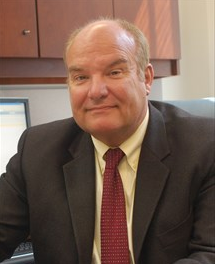 Walter E. Longo合作论文数Yale School of Medicine3
 Brent R. Logan合作论文数Division of Biostatistics, Department of Data Science Institute, Medical College of Wisconsin;Health Research Center, Medical College of Wisconsin;Clinical & Translational Science Institute, Medical College of Wisconsin3
 Hillard M. Lazarus合作论文数Department of Medicine, School of Medicine, Case Western Reserve University3
 Michael Lee Linenberger合作论文数3Willis H. Navarro合作论文数3Pintip Chitphakdithai合作论文数National Marrow Donor Program3Luke P. Akard合作论文数3
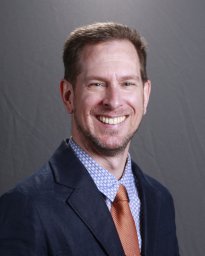 Christopher C. Dvorak合作论文数Division of Pediatric Gastroenterology, Hepatology and, Clinical Nutrition3Ann E. Haight合作论文数3
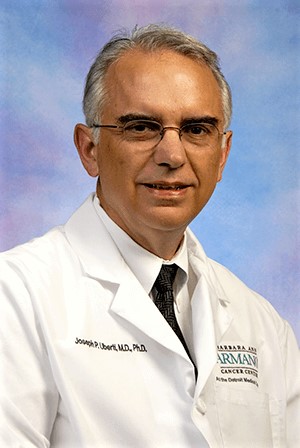 Joseph Uberti合作论文数Department of Oncology, Barbara Ann Karmanos Cancer Institute, Wayne State University3Paul J. Shaughnessy合作论文数3Galen E. Switzer合作论文数the Division of General Internal Medicine and Center for Research on Health Care, University of Pittsburgh3George B. Selby合作论文数3Brandon Hayes-Lattin合作论文数3Indira Sahdev合作论文数3




