Various methods for calibrating crystal plasticity finite element (CPFE) models lead to non-unique input parameter values, which subsequently introduce uncertainty in the predicted mechanical response. Sensitivity analysis (SA) conducted on crystal plasticity models is used to identify how variability in these parameters contribute to output uncertainty. Traditional SA on CPFE parameters uses simplified surrogate models to save computational time. However, the accuracy of the surrogate models depends on the quantity of training data used, and any modeling error can propagate into the SA results, potentially affecting their reliability. In this work, the elementary effects test (EET) method, a global SA technique using direct CPFE simulations was employed, and the results obtained were compared with the First Order Second Moment (FOSM) method. ExaConstit, an open-source GPU-enabled CPFE code, was used to perform the simulations and direct SA. The EET method was accurately able to capture the non-linear effects of all the input parameters on the output and is a valuable approach for reliably attributing parameter sensitivities in CPFE models. Based on the results, efficient strategies to perform future parameter calibration and SA are discussed. Additionally, the SA trends observed in different single crystal orientations closely mirrored the activity of the slip systems.
Microstructural variation of additively manufactured (AM) metal components in comparison to wrought counterparts makes certification for critical applications a challenge. Microscale simulations leveraging modern computational tools may be used to supplement testing of AM microstructures, thus accelerating certification by reducing the number of experiments needed. However, as micromechanical response is closely tied to critical properties like fatigue-life and fracture, utilization of these simulations with macroscale experimental data alone is insufficient. One means to attain microscale experimental data is in situ diffraction data collected from synchrotron X-ray sources. In this work, such data were collected during in situ compression of AM Inconel 625 superalloy. Interpretation of experimental results was assisted by massive (8M element) complementary micromechanical simulations performed on sets of virtual microstructures generated using cellular automata. Together, micromechanical data from diffraction experiments and simulations were used to probe the effects of textured "track" microstructures generated during laser powder bed fusion and directional strength-to-stiffness on micromechanical response. Though fiber-averaged directional strength-to-stiffness ratios were expected to dominate given the high elastic anisotropy of the material, the combination of small variations in texture and specific grain configurations unique to AM microstructures lead to significant variability in micromechanical response after yield. The findings emphasize the importance of high-fidelity microstructural representation that captures key texture components and AM-specific morphology for property prediction of AM metals.
Recent Molecular Dynamics and Discrete Dislocation Dynamics simulations of single crystal plasticity are reviewed with an eye on behaviors and mechanisms attributed to dislocation connectedness into a network. Simulations reveal that network nodes do not necessarily limit mobility of networked dislocations, but may instead facilitate faster dislocation motion or even enable coordinated cross-slip of non-screw dislocations at network nodes. Evidence is presented for the existence of asymptotic states of steady flow in which single crystals can be maintained indefinitely, for as long as deformation conditions remain unchanged. Difficult to observe experimentally, such asymptotic flow states offer a conceptually simple interpretation of staged hardening as a transient towards an attractor crystal orientation. Depending on deformation geometry, the space of crystal orientations partitions into patches, each patch centered around an attractor orientation serving as a orientation flow sink. Dimensional arguments are used to derive a simple kinetic equation for dislocation density evolution in which Taylor hardening emerges as a stationary condition for asymptotic steady flow. Simulation data lends strong support for universality of the Taylor hardening condition in steady plastic flow.
Additive Manufacturing (AM) of alloys holds significant promise as a disruptive technology in various industries, yet its adoption is often hindered by challenges in achieving consistent part quality. These issues are primarily due to the complex process-microstructure-property (PSP) relationships inherent to AM. Computational models can greatly aid in understanding these relationships, but their widespread impact and adoption has been limited by a lack of validated, open-source, and computationally efficient PSP modeling frameworks and hardware limitations. This study leverages the ExaAM software suite and data from the AMBench-2018 series of laser powder bed fusion (LPBF) benchmark experiments to perform a comprehensive model assessment, including verification, validation, sensitivity analysis, and uncertainty quantification. The RADICAL-EnTK workflow manager was used to perform an ensemble of heat transport, solidification, and mechanical response simulations on the exascale computer Frontier, considering uncertainties in critical model inputs such as laser spot size and nucleation parameters, and consisting of 125 explicit grain structure simulations and 7875 crystal plasticity simulations. For a selected location within the Inconel 625 AMBench-2018 test artifact, sensitivity analysis and uncertainty quantification were performed using the predicted distributions of grain structure and mechanical properties. Qualitative agreement was found between the predicted grain size and texture and the observed AMBench-2018 microstructure, the mean predicted yield stress was within 5% of the experimental measurement mean, and the mean predicted engineering stress at 5% strain was within 10% of the experimental measurement mean. The insights gained from development and validation of the ExaAM PSP modeling framework will help guide future directions for enhancing the credibility and reliability of PSP models in AM, thereby accelerating the adoption of AM technologies in various industries.
The Additive Manufacturing Benchmark Test Series (AM Bench) provides rigorous measurement data for validating additive manufacturing (AM) simulations for a broad range of AM technologies and material systems. AM Bench includes extensive in situ and ex situ measurements, simulation challenges for the AM modeling community, and a corresponding conference series. In 2022, the second round of AM Bench measurements, challenge problems, and conference were completed, focusing primarily upon laser powder bed fusion (LPBF) processing of metals, and both material extrusion processing and vat photopolymerization of polymers. In all, more than 100 people from 10 National Institute of Standards and Technology (NIST) divisions and 21 additional organizations were directly involved in the AM Bench 2022 measurements, data management, and conference organization. The international AM community submitted 138 sets of blind modeling simulations for comparison with the in situ and ex situ measurements, up from 46 submissions for the first round of AM Bench in 2018. Analysis of these submissions provides valuable insight into current AM modeling capabilities. The AM Bench data are permanently archived and freely accessible online. The AM Bench conference also hosted an embedded workshop on qualification and certification of AM materials and components.
When running at scale, modern scientific workflows require middleware to handle allocated resources, distribute computing payloads and guarantee a resilient execution. While individual steps might not require sophisticated control methods, bringing them together as a whole workflow requires advanced management mechanisms. In this work, we used RADICAL-EnTK (Ensemble Toolkit) - one of the SDK components of the ECP ExaWorks project - to implement and execute the novel Exascale Additive Manufacturing (ExaAM) workflows on up to 8000 compute nodes of the Frontier supercomputer at the Oak Ridge Leadership Computing Facility. EnTK allowed us to address challenges such as varying resource requirements (e.g., heterogeneity, size, and runtime), different execution environment per workflow, and fault tolerance. And a native portability feature of the developed EnTK applications allowed us to adjust these applications for Frontier runs promptly, while ensuring an expected level of resource utilization (up to 90
The properties of crystalline materials often depend on directionality and operating conditions. Specifically, the strength of materials can depend anisotropically on crystal direction and the loading condition. To probe these effects, a preliminary series of high strain-rate (>105/s) strength plate-impact hole closure experiments were performed on high purity single crystal Tantalum cubes. The orientation of the single crystals with respect to impact/loading were varied to provide data to inform crystal plasticity modeling efforts. The experiments consist of in-situ high-resolution X-ray radiographic imaging of the hole collapse under dynamic compression conditions to infer the material strength via its resistance to closure at increasing levels of plastic strain. The experiments are compared against hydrocode simulation predictions. A comparison with simple elastic perfectly plastic strength model predictions is presented to elucidate the response of the different crystal orientations at high strain-rate and large plastic strains.
MAGMA (Matrix Algebra for GPU and Multicore Architectures) is a pivotal open-source library in the landscape of GPU-enabled dense and sparse linear algebra computations. With a repertoire of approximately 750 numerical routines across four precisions, MAGMA is deeply ingrained in the DOE software stack, playing a crucial role in high-performance computing. Notable projects such as ExaConstit, HiOP, MARBL, and STRUMPACK, among others, directly harness the capabilities of MAGMA. In addition, the MAGMA development team has been acknowledged multiple times for contributing to the vendors’ numerical software stacks. Looking back over the time of the Exascale Computing Project (ECP), we highlight how MAGMA has adapted to recent changes in modern HPC systems, especially the growing gap between CPU and GPU compute capabilities, as well as the introduction of low precision arithmetic in modern GPUs. We also describe MAGMA’s direct impact on several ECP projects. Maintaining portable performance across NVIDIA and AMD GPUs, and with current efforts toward supporting Intel GPUs, MAGMA ensures its adaptability and relevance in the ever-evolving landscape of GPU architectures.
The annual Workshop on Workflows in Support of Large-Scale Science (WORKS) is a premier venue for the scientific workflow community to present the latest advances in research and development on the many facets of scientific workflows throughout their life-cycle. The Lightning Talks at WORKS focus on describing a novel tool, scientific workflow, or concept, which are work-in-progress and address emerging technologies and frameworks to foster discussion in the community. This paper summarizes the lightning talks at the 2023 edition of WORKS, covering five topics: leveraging large language models to build and execute workflows; developing a common workflow scheduler interface; scaling uncertainty workflow applications on exascale computing systems; evaluating a transcriptomics workflow for cloud vs. HPC systems; and best practices in migrating legacy workflows to workflow management systems.
Accurate crystal plasticity models that faithfully capture the behavior of single crystals under a wide range of loading conditions, such as loading direction, strain rate, and temperature, are still lacking. Here we introduce a novel approach in which a crystal plasticity (CP) model is informed directly from and calibrated to large-scale quantum-accurate MD simulations in which single crystal BCC Ta serves as a testbed material. By analyzing our large set of MD simulations several key insights are obtained leading us to modify constitutive assumptions in order to address deficiencies of existing CP models. Importantly, we observe that the standard notion of fixed slip systems - pairs of slip directions and slip planes - is inadequate for describing high-rate plasticity in BCC tantalum at room temperature. Instead, pencil glide defined as dislocation motion in the maximum resolved shear stress planes (MRSSP) of each Burgers vector is fully consistent with our MD simulation data while providing significant simplifications of the constitutive relations. Our resulting new CP model closely matches the behavior of single crystals observed in high-rate MD simulations while being fully consistent with lower rate experimental results.
Additive manufacturing (AM) may have many advantages over traditional casting and wrought methods, but our understanding of the various processes is still limited. Computational models are useful to study and isolate underlying physics and improve our understanding of the AM process-microstructure-property relations. However, these models necessarily rely on simplifications and parameters of uncertain value. These assumptions reduce the overall reliability of the predictive capabilities of these models, so it is important to estimate the uncertainty in model output. In doing so, we quantify the effect of model limitations and identify potential areas of improvement, a procedure made possible by uncertainty quantification (UQ). Here we highlight recent work which coupled and propagated statistical and systematic uncertainties from a melt pool transport model based in OpenFOAM, through a grain scale cellular automaton code. We demonstrate how a UQ framework can identify model parameters which most significantly impact the reliability of model predictions through both models and thus provide insight for future improvements in the models and suggest measurements to reduce output uncertainty.
Metal additive manufacturing (AM) is a disruptive manufacturing technology that opens the design space for parts outside those possible from traditional manufacturing methods. In order to accelerate industry and R&D needs to certify AM parts, the Exascale Additive Manufacturing project (ExaAM) has developed a suite of exascale-ready computational tools to model the process-to-structure-to-properties (PSP) relationship for additively manufactured metal components. One such tool is an uncertainty quantification (UQ) pipeline to quantify the effect that uncertainty in processing conditions has on local mechanical responses. We present an overview of this pipeline and its required simulation and workflow codes. Using the Oak Ridge National Laboratory’s (ORNL) exascale computer, Frontier, we utilize this pipeline to cross multiple length and time scales to predict the local mechanical response of a location within a complex AM bridge part, AMB2018-01 produced by the National Institute of Standards and Technology (NIST) as part of their 2018 AM-Bench test series. Our results are then compared to experimental mechanical tests of parts from the NIST build to quantify the error in the ExaAM UQ workflow.
Coupled process–microstructure–property modeling, and understanding the sources of uncertainty and their propagation toward error in part property prediction, are key steps toward full utilization of additive manufacturing (AM) for predictable quality part development. The OpenFOAM model for process conditions, the ExaCA model for as-solidified grain structure, and the ExaConstit model for constitutive mechanical properties are used as part of the ExaAM modeling framework to examine a few of the various sources of uncertainty in the modeling workflow. In addition to “random” uncertainty (due to random number generation in the orientations and locations of grains present), the heterogeneous nucleation density N0 and the mean substrate grain spacing S0 are varied to examine their impact of grain area development as a function of build height in the simulated microstructure. While mean grain area after 1 mm of build is found to be sensitive to N0 and S0, particularly at small N0 and large S0 (despite some convergence toward similar values), the resulting grain shapes and overall textures develop in a reasonably similar manner. As a result of these similar textures, ExaConstit simulation using ExaCA representative volume elements (RVEs) from various permutations of N0, S0, and location within the build resulted in similar yield stress, stress–strain curve shape, and stress triaxiality distributions. It is concluded that for this particular material and scan pattern, 15 layers is sufficient for ExaCA texture and ExaConstit predicted properties to become relatively independent of additional layer simulation, provided that reasonable estimates for N0 and S0 are used. However, additional layers of ExaCA will need to be run to obtain mean grain areas independent of build height and baseplate structure.
Additive manufacturing (AM), or 3D printing, of metals is transforming the fabrication of components, in part by dramatically expanding the design space, allowing optimization of shape and topology. However, although the physical processes involved in AM are similar to those of welding, a field with decades of experimental, modeling, simulation, and characterization experience, qualification of AM parts remains a challenge. The availability of exascale computational systems, particularly when combined with data-driven approaches such as machine learning, enables topology and shape optimization as well as accelerated qualification by providing process-aware, locally accurate microstructure and mechanical property models. We describe the physics components comprising the Exascale Additive Manufacturing simulation environment and report progress using highly resolved melt pool simulations to inform part-scale finite element thermomechanics simulations, drive microstructure evolution, and determine constitutive mechanical property relationships based on those microstructures using polycrystal plasticity. We report on implementation of these components for exascale computing architectures, as well as the multi-stage simulation workflow that provides a unique high-fidelity model of process–structure–property relationships for AM parts. In addition, we discuss verification and validation through collaboration with efforts such as AM-Bench, a set of benchmark test problems under development by a team led by the National Institute of Standards and Technology.
In this paper we describe the research and development activities in the Center for Efficient Exascale Discretization within the US Exascale Computing Project, targeting state-of-the-art high-order finite-element algorithms for high-order applications on GPU-accelerated platforms. We discuss the GPU developments in several components of the CEED software stack, including the libCEED, MAGMA, MFEM, libParanumal, and Nek projects. We report performance and capability improvements in several CEED-enabled applications on both NVIDIA and AMD GPU systems.
A bridgmanite/periclase aggregate is investigated due to its prevalence in the Earth’s lower mantle and its importance for understanding geodynamic processes. In dual-phase polycrystalline aggregates, both strength contrast between phases and single crystal elastic and plastic anisotropy are known to influence the development of intragrain misorientation, and the evolution of crystallographic texture. In this study, full-field crystal plasticity simulations are performed with a finite element solution method, and applied to an aggregate of a mechanically strong orthorhombic phase with perovskite structure (bridgmanite, MgSiO3), and a relatively weaker cubic phase (periclase, MgO). The relative strengths of the phases are parameterized to elucidate the effect that strength contrast has on texture evolution and single-phase simulations are performed for comparison. Overall, results indicate that the relative strength between the two phases influences the development of plasticity, and the overall texture evolution. Results are discussed in light of trends related to the evolution of plasticity and misorientation in the aggregate, and their dependence on both the strength contrast between phases as well as the spatial distribution of grains and phases.
 Matthew Rolchigo合作论文数8
 Natalie Beams合作论文数Univ Tennessee, Innovat Comp Lab, Knoxville, TN 37996 USA7
 Arturo Vargas合作论文数7
 Stanimire Tomov合作论文数University of Tennessee7
 Tzanio Kolev合作论文数Center for Applied Scientific Computing;Lawrence Livermore National Laboratory;Center for Applied Scientific Computing, Lawrence Livermore National Laboratory7
 Ahmad Abdel-Fattah合作论文数Department of Geological Sciences, Ohio University7Stefan Kerkemeier合作论文数Argonne Natl Lab, 9700 South Cass Ave, Lemont, IL 60439 USA6
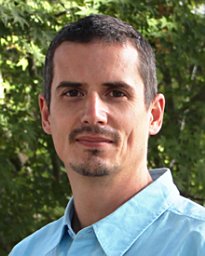 Jean-Sylvain Camier合作论文数Lawrence Livermore National Laboratory6
 Vladimir Tomov合作论文数Lawrence Livermore National Laboratory6Ananias G. Tomboulides合作论文数Department of Engineering and Management of Energy Resources, University of Western Macedonia6
 Tim Warburton合作论文数timwar@caam.rice.edu6Veselin Dobrev合作论文数Department of Mathematics, Texas A&M University6
 Paul Fischer合作论文数Spectral Element Analysis Lab, Scientific Computing Group, Department of Computer Science, University of Illinois at Urbana-Champaign;Department of Mechanical Science & Engineering, University of Illinois at Urbana-Champaign;Siebel School of Computing and Data Science, The Grainger College of Engineering, University of Illinois at Urbana-Champaign6
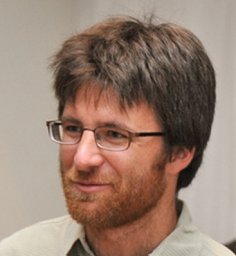 Jed Brown合作论文数Argonne National Laboratory6
 Jim Belak合作论文数Materials Science Division, Lawrence Livermore National Laboratory6Misun Min合作论文数Mathematics and Computer Science Division, Argonne National Laboratory6
 Yohann Dudouit合作论文数Lawrence Livermore Natl Lab, Livermore, CA 94550 USA5Thomas Stitt合作论文数5Jeremy Thompson合作论文数5
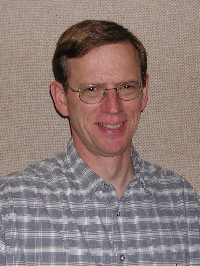 Paul R. Dawson合作论文数Sibley School of Mechanical and Aerospace Engineering, Cornell University College of Engineering5
 Elia Merzari合作论文数Research Laboratory for Nuclear Reactors N1-5, Tokyo Institute of Technology5
 Kenneth Weiss合作论文数University of Maryland, College Park5Ryan C. Bleile合作论文数4Thilina Ratnayaka合作论文数4John Coleman合作论文数Computational Sciences and Engineering Division, Oak Ridge National Laboratory4
 Mikhail Titov合作论文数Rutgers, The State University of New Jersey, Piscataway, NJ, USA4
 Ali Karakus合作论文数Mechanical Engineering Department, Middle East Technical University4
 David Medina合作论文数OpenAI4
 Jack Dongarra合作论文数Department of Electrical Engineering and Computer Science, The University of Tennessee;Innovative Computing Laboratory, The University of Tennessee;Center for Information Technology Research, The University of Tennessee;School of Mathematics, University of Manchester;Computer Science and Mathematics Division, Oak Ridge National Laboratory4
 Valeria Barra合作论文数College of Engineering & Applied Science, University of Colorado Boulder;Department of Environmental Science and Engineering, Division of Engineering and Applied Science, California Institute of Technology4Cameron W. Smith合作论文数3Noel Chalmers合作论文数AMD Research, Advanced Micro Devices Inc.3
 Malachi Phillips合作论文数Department of Computer Science, University of Illinois at Urbana-Champaign3Scott Parker合作论文数3
 A. Plotkowski合作论文数Materials Science and Technology Division, Oak Ridge National Laboratory3
 Nicolas Bertin合作论文数Lawrence Livermore National Laboratory3Matthew J. Churchfield合作论文数Natl Renewable Energy Lab3
 Michael A. Sprague合作论文数School of Natural Sciences, University of California3
 Nathan R. Barton合作论文数the Mechanical and Aerospace Engineering Department, Cornell University3Matt Bement合作论文数Los Alamos National Laboratory, MS T001, Engineering Institute, Los Alamos, NM 87544, USA3
 Shreyas Ananthan合作论文数Department of Aerospace Engineering;Martin Institute of Technology;University of Maryland;Martin Institute of Technology, University of Maryland3Ken Gall合作论文数2
 Matthew Kasemer合作论文数Corresponding author.2Damon McDougall合作论文数Inst Computat Engn & Sci, Univ Texas Austin2Yu-Hsiang Lan合作论文数Department of Computer Science, University of Illinois at Urbana-Champaign2
 Thilina Rathnayake合作论文数Department of Computer Science, University of Illinois at Urbana-Champaign2
 Daniel C Whittingslow合作论文数Georgia Inst Technol, Wallace H Coulter Dept Biomed Engn, Atlanta, GA 30332 USA2
 Safranski David L合作论文数MedShape Solutions2




