Vitrification protocols are widely used for mammalian embryo cryopreservation. Post-warming outcomes are impaired by cryodamage from crystalline intracellular ice, whose formation depends on both the cooling and warming rates. Here, time-resolved X-ray diffraction measurements on bovine embryos indicated that current standard tools and protocols achieved ice-free cooling, but that intracellular ice always formed during warming. Increasing cooling rates by a factor of ~ 30 over current standard rates allowed ice-free cooling and warming, even when cryoprotectant concentrations were reduced by 30%. Embryos cooled at ultrafast rates exhibited survival and developmental competence rates close to those of unvitrified controls and significantly better than those cooled at standard rates. Increased global H3K9me3 intensity was found with both standard and ultrafast cooling relative to controls, while DNA methylation (5mC and 5hmC) was comparable for all groups. Transcriptomic analysis indicated adhesion and cell-junction assembly genes were downregulated while DNA damage repair pathway genes were upregulated with standard cooling relative to controls, and cell-development and differentiation pathway genes were downregulated with standard cooling relative to ultrafast cooling. Embryos vitrified with the ultrafast cool protocol retain full developmental potential and can establish successful pregnancies. Overall, increased cooling rates improved post-cryopreservation outcomes in part by minimizing ice formation, minimizing DNA damage, and preserving gene expression related to embryonic developmental functions.
The increase in enzyme-catalyzed reaction rates with temperature is typically modeled using Arrhenius or Eyring relations. Interpretation of extracted parameters is subject to multiple caveats. Here we analyze the impact of temperature variations of underlying activation or Eyring parameters and of temperature-dependent contributions to overall rates from steps other than a rate-limiting chemical step. Linear Arrhenius/Eyring behavior can still be observed when the underlying activation energy E a or enthalpy Δ H ‡ and entropy Δ S ‡ vary with temperature. Modest variations-of the order of an H-bond energy over 60°C-lead to large fractional deviations of E a , Δ H ‡ and Δ S ‡ values derived from linear fits from their underlying values and to deviations of Arrhenius prefactors A by orders of magnitude. In a family of related enzymes with similar activation free energies Δ G ‡ , small differences in temperature-dependent contributions to overall rates will lead to apparent enthalpy-entropy compensation and may scramble enzyme ordering based on Δ H ‡ or Δ S ‡ . Similar considerations apply to interpretation of van 't Hoff plots of equilibrium measurements and related observations of enthalpy-entropy compensation. For enzymes exhibiting negative curvature and maximum rates well below the unfolding temperature, fits assuming Δ H ‡ T and Δ S ‡ T are connected by a negative heat capacity Δ C p ‡ T yield physically implausible values, suggesting the importance of other contributions to observed behavior. Complementary methods including pre-steady-state kinetics, kinetic isotope effect and viscosity-dependence measurements, multi-temperature static and time-resolved atomic-resolution structural studies, and simulations should play a key role in quantitatively interpreting temperature-dependent kinetic and equilibrium data from enzymatic systems.
Time-resolved X-ray crystallography has great promise to illuminate structure–function relations and key steps of enzymatic reactions with atomic resolution. The dominant methods for chemically-initiated reactions require complex instrumentation at the X-ray beamline, significant effort to operate and maintain this instrumentation, and enormous numbers (∼105–109) of crystals per time point. We describe instrumentation and methods that enable high-throughput time-resolved study of biomolecular systems using standard crystallography sample supports and mail-in X-ray data collection at standard high-throughput cryocrystallography synchrotron beamlines. The instrumentation allows rapid reaction initiation by mixing of crystals and substrate/ligand solution, rapid capture of structural states via thermal quenching with no pre-cooling perturbations, and yields time resolutions in the single-millisecond range, comparable to the best achieved by any non-photo-initiated method in both crystallography and cryo-electron microscopy. Our approach to reaction initiation has the advantages of simplicity, robustness, low cost, adaptability to diverse ligand solutions and small minimum volume requirements, making it well suited to routine laboratory use and to high-throughput screening. We report the detailed characterization of instrument performance, present structures of binding of N-acetylglucosamine to lysozyme at time points from 8 ms to 2 s determined using only one crystal per time point, and discuss additional improvements that will push time resolution toward 1 ms.
Enzymes utilize thermal energy to complete their catalytic cycle and are optimized to maximize reaction rates at biological temperatures. Enzyme-catalyzed reaction rates increase with temperature, but the temperature-dependent structural and dynamic changes contributing to increased turnover remain poorly understood. Here, we used multi-temperature X-ray crystallography to record structural changes from -20°C to 40°C of a mesophilic enzyme in complex with inhibitors mimicking substrate-, intermediate-, and product-bound states. These structures reveal dynamic changes to inhibitors, substrates, and catalytically relevant loop motifs as they increasingly populate competent conformations with increasing temperature. Multi- temperature kinetic data is often modelled using the Arrhenius equation with the assumption that a linear Arrhenius plot implies a temperature-independent energy landscape. Our structural data shows remodeling corresponding to a changing energy landscape even in temperature ranges where kinetic measurements show linear Arrhenius/Eyring behavior. Simple analysis indicates that linear Arrhenius/Eyring behavior can still be observed when the underlying activation energy (Ea) / enthalpy and entropy (ΔH and ΔS) vary with temperature. Even small temperature variations lead to large deviations in (apparent) Ea, ΔH and ΔS values derived from linear fits and may generate trends in fit parameters obtained from, e.g., families of related enzymes — such as apparent enthalpy-entropy compensation — that are disconnected from those of the underlying parameters. Our results showcase the application of temperature in near-atomic resolution structural studies to understand the dynamic nature of enzymes, reveal structural origins of rate-determining steps, and gives new evidence to suggest that the models and assumptions from previous eras may not apply to our modern physical framework of understanding.
Antisense oligonucleotides (ASOs) are promising therapeutics for treating various neurological disorders. However, ASOs are unable to readily cross the mammalian blood-brain barrier (BBB) and therefore need to be delivered intrathecally to the central nervous system (CNS). Here, we engineered a human transferrin receptor 1 (TfR1) binding molecule, the oligonucleotide transport vehicle (OTV), to transport a tool ASO across the BBB in human TfR knockin (TfR mu/hu KI) mice and nonhuman primates. Intravenous injection and systemic delivery of OTV to TfR mu/hu KI mice resulted in sustained knockdown of the ASO target RNA, Malat1 , across multiple mouse CNS regions and cell types, including endothelial cells, neurons, astrocytes, microglia, and oligodendrocytes. In addition, systemic delivery of OTV enabled Malat1 RNA knockdown in mouse quadriceps and cardiac muscles, which are difficult to target with oligonucleotides alone. Systemically delivered OTV enabled a more uniform ASO biodistribution profile in the CNS of TfR mu/hu KI mice and greater knockdown of Malat1 RNA compared with a bivalent, high-affinity TfR antibody. In cynomolgus macaques, an OTV directed against MALAT1 displayed robust ASO delivery to the primate CNS and enabled more uniform biodistribution and RNA target knockdown compared with intrathecal dosing of the same unconjugated ASO. Our data support systemically delivered OTV as a potential platform for delivering therapeutic ASOs across the BBB.
Damage from ice and potential toxicity of ice-inhibiting cryoprotective agents (CPAs) are key issues in assisted reproduction of humans, domestic and research animals, and endangered species using cryopreserved oocytes and embryos. The nature of ice formed in bovine oocytes (similar in size to oocytes of humans and most other mammals) after rapid cooling and during rapid warming was examined using synchrotron-based time-resolved x-ray diffraction. Using cooling rates, warming rates and CPA concentrations of current practice, oocytes show no ice after cooling but always develop large ice fractions-consistent with crystallization of most free water-during warming, so most ice-related damage must occur during warming. The detailed behavior of ice at warming depended on the nature of ice formed during cooling. Increasing cooling rates allows oocytes soaked as in current practice to remain essentially ice free during both cooling and warming. Much larger convective warming rates are demonstrated and will allow routine ice-free cryopreservation with smaller CPA concentrations. These results clarify the roles of cooling, warming, and CPA concentration in generating ice in oocytes and establish the structure and grain size of ice formed. Ice formation can be eliminated as a factor affecting post-warming oocyte viability and development in many species, improving outcomes and allowing other deleterious effects of the cryopreservation cycle to be independently studied.
Although the first generation of immunotherapies for Alzheimer's disease (AD) are now clinically approved, further optimization could improve both efficacy and safety. Here, we report an antibody transport vehicle (ATV) targeting the transferrin receptor (TfR) for brain delivery of amyloid beta (Aβ) antibodies. We show that introduction of asymmetrical Fc mutations (ATVcisLALA) allowed the molecule to selectively retain effector function only when bound to Aβ while mitigating TfR-related hematology liabilities. ATVcisLALA:Aβ maintained the ability to induce microglial phagocytosis of Aβ both ex vivo and in vivo . Mice treated with ATVcisLALA:Aβ exhibited broad brain parenchymal antibody distribution and enhanced plaque target engagement, whereas anti-Aβ IgG was highly localized to arterial perivascular spaces where cerebral amyloid angiopathy (CAA) is commonly found and likely plays a role in induction of amyloid-related imaging abnormalities (ARIA). Importantly, ATVcisLALA:Aβ mitigated ARIA-like lesions and vascular inflammation associated with anti-Aβ treatment in a mouse model of amyloid deposition. Taken together, ATVcisLALA has the potential to significantly improve both safety and efficacy of Aβ immunotherapy through enhanced biodistribution mediated by transport across the blood-brain barrier. ### Competing Interest Statement MEP, NK, WK, SLD, CBD, TE, DJ, ER, DC, JCD, KG, RM, IB, RC, JC, AJC, MSD, JD, LF, JAG, MSK, DJK, AWL, HNN, ERT, PES, LS, APS, HS, RT, MEC, RJW, RGT, JL, and YZ are currently or were previously paid employees of Denali Therapeutics Inc. EDP, JA, ML, SH, JS, ACSA, PHW, DMW, and TB are currently or were previously paid employees of Biogen. Denali has filed patent application no. PCT/US2019/012990 and PCT/US2024/021179, each of which are related to the subject matter of this paper. MSD, MSK, WK, APS, and YZ are inventors of PCT/US2019/012990. KG, NK, MEP, and YZ are inventors of PCT/US2024/021179.
Phosphoenolpyruvate carboxykinases (PEPCK) are metabolic enzymes controlling the TCA - cycle. They have been implicated as potential targets in treating diabetes, cancer, and Mycobacterium tuberculosis infections, and have a role in aging and longevity. These enzymes interconvert oxaloacetic acid (OAA) to form phosphoenolpyruvate (PEP). PEPCKs are widely distributed across life and occur in three classes depending on the nature of phosphoryl donor used for their catalyzed reactions. Of the three classes, the most understudied are PPi-dependent PEPCKs, which are structurally and functionally distinct from the nucleotide -using classes (GTP and ATP). PPi-dependent PEPCKs have a conserved core (~60 kDa) that comprises the general fold of both nucleotide-dependent classes. However, their structure has significant additions (~70 kDa) that form allosteric sites and oligomeric interfaces, and that have likely l ed to divergent functional properties. Here we have used size-exclusion chromatography, enzyme kinetics, crystallography and small-angle x-ray scattering to understand the structural and functional aspects of three PPi - dependent PEPCK isozymes. Actinomyces israelii PPi-dependent PEPCK is found as a constitutive dimer with significantly reduced activity. Propionibacterium freudenreichii (Pf - PPi-PEPCK) differs from its nucleotide counterparts in its enzyme - catalyzed reaction, metal - dependencies, and alloste rically induced activity - regulation via monomer - dimer transition. The third isozyme is from the human parasite Entamoeba histolytica (Eh-PPi-PEPCK). Eh-PPi-PEPCK occurs in three paralogs with different sequences,
Biliverdin Reductase B (BLVRB) is an NADPH-dependent reductase that catalyzes the reduction of multiple substrates and is therefore considered a critical cellular redox regulator. In this study, we sought to address whether both structural and dynamics changes occur between different intermediates of the catalytic cycle and whether these were relegated to just the active site or the entirety of the enzyme. Through X-ray crystallography, we determined the apo BLVRB structure for the first time, revealing subtle global changes compared to the holo structure and identifying the loss of a critical hydrogen bond that "clamps" the R78-loop over the coenzyme. Amide and Cα chemical shift perturbations were used to identify environmental and secondary structural changes between intermediates, with more distant global changes observed upon coenzyme binding compared to substrate interactions. NMR relaxation rate measurements provided insights into the dynamic behavior of BLVRB during the catalytic cycle. Specifically, the inherently dynamic R78-loop that becomes ordered upon coenzyme binding persists through the catalytic cycle while similar regions experience dynamic exchange. However, the dynamic exchange processes were found to differ through the catalytic cycle with several groups of residues exhibiting similar dynamic responses. Finally, both local and distal structural and dynamic changes occur within BLVRB that are dependent solely on the oxidative state of the coenzyme. Thus, through a comprehensive analysis here, this study revealed structural and dynamic alterations in BLVRB through its catalytic cycle that are not simply relegated to the active site, but instead, are allosterically coupled throughout the enzyme.
For roughly two decades, cryocrystallography has been the overwhelmingly dominant method for determining high-resolution biomolecular structures. Competition from single-particle cryo-electron microscopy and micro-electron diffraction, increased interest in functionally relevant information that may be missing or corrupted in structures determined at cryogenic temperature, and interest in time-resolved studies of the biomolecular response to chemical and optical stimuli have driven renewed interest in data collection at room temperature and, more generally, at temperatures from the protein-solvent glass transition near 200 K to ∼350 K. Fischer has recently reviewed practical methods for room-temperature data collection and analysis [Fischer (2021), Q. Rev. Biophys. 54, e1]. Here, the key advantages and physical principles of, and methods for, crystallographic data collection at noncryogenic temperatures and some factors relevant to interpreting the resulting data are discussed. For room-temperature data collection to realize its potential within the structural biology toolkit, streamlined and standardized methods for delivering crystals prepared in the home laboratory to the synchrotron and for automated handling and data collection, similar to those for cryocrystallography, should be implemented.
Time - resolved crystallography (TRX) is an emerging technique that allows the observation of proteins in action. During sample preparation for TRX a reaction is initiated in crystallo and, after some well - defined time delay, diffraction data is collected to observe the protein structure at that given time point with the hopes of seeing chemical intermediate states in the reaction pathway. Current time-resolved methods tend to require either complex setups at the synchrotron or XFEL beamline, or to yield inadequate time resolution. We recently developed a new and simplified TRX sample preparation method – millisecond mix-and-quench crystallography (MMQX)[1]. In this approach, the reaction is initiated by plunging the sample through a substrate-containing fi lm and into liquid nitrogen. The travel time between fi lm contact and entry into the liquid nitrogen determines the reaction time point and optimized cooling apparatus allows quenching in <2 ms and capture of intermediate states. X -ray data can then be collected remotely on any standard cryocrystallography beamline and far more data can be collected per crystal. Here we describe significant improvements to this method that improve application of substrate solution, allow use of samples on standard ALS or SPINE-compatible goniometer bases, and that should yield time resolutions of ~10 ms. This very simple approach with its very parsimonious use of crystals should allow time - resolved crystallography to become a mainstream technique applicable to probing structure-function relationships in a broad range of biological targets.
Serial synchrotron crystallography (SSX) enables use of small crystals for structure – function studies of biomolecules and for drug discovery. Many SSX approaches require large numbers of crystals having similar (small) size and shape, and allow data collection from only a fraction of available crystals. However, crystals of non -model proteins generated in crystallization trials are typically modest in number and heterogeneous in size and shape. Despite some striking successes and impressive technical achievements, the impact of serial crystallographic methods on general practice has so far been limited. An integrated SSX system has been developed with the goal of getting all available crystals – from 1 to 105 – into the X -ray beam with the least effort and in the best possible condition. The system consists of ultra - low background -scatter large area sample holders suitable for room and cryogenic temperature data collection and a humidified sample-loading workstation. The sample holders incorporate thin - film supports with a variety of designs optimized for different crystal - loading challenges. These holders facilitate dispersion of crystals across the support and removal of excess liquid, can be cooled at extremely high rates, generate little background scatter, allow data collection over >90° of oscillation without obstruction or risk of generating saturating Bragg peaks, are resusable, and are compatible with existing infrastructure for high - throughput cryocrystallography. The sample-loading workstation allows sample preparation and loading onto the support film; application of time - varying suction for optimal removal of excess liquid, for crystal repositioning and for crystal cryoprotection; and application of sealing films for room - temperature data collection. The workstation provides a near saturating humidity (>95% r.h.) environment, eliminating dehydration of even the smallest crystals and drying of open crystallization drops, while allowing observation of all operations via a microscope. This integrated system addresses common problems in obtaining properly dispersed, properly hydrated and isomorphous microcrystals for fixed -orientation and oscillation data collection. Its ease of use, flexibility,
Enzymes are biomolecular catalysts whose activity varies with temperature. Unlike for small-molecule catalysts, the structural ensembles of enzymes can vary substantially with temperature, and it is in general unclear how this modulates the temperature dependence of activity. Here multi-temperature X-ray crystallography was used to record structural changes from -20°C to 40°C for a mesophilic enzyme in complex with inhibitors mimicking substrate-, intermediate-, and product-bound states, representative of major complexes underlying the kinetic constant k c a t . Both inhibitors, substrates and catalytically relevant loop motifs increasingly populate catalytically competent conformations as temperature increases. These changes occur even in temperature ranges where kinetic measurements show roughly linear Arrhenius/Eyring behavior where parameters characterizing the system are assumed to be temperature independent. Simple analysis shows that linear Arrhenius/Eyring behavior can still be observed when the underlying activation energy / enthalpy values vary with temperature, e.g., due to structural changes, and that the underlying thermodynamic parameters can be far from values derived from Arrhenius/Eyring model fits. Our results indicate a critical role for temperature-dependent atomic-resolution structural data in interpreting temperature-dependent kinetic data from enzymatic systems.
Mamyshev oscillators produce high-performance pulses, but technical and practical issues render them unsuitable for widespread use. Here we present a Mamyshev oscillator with several key design features that enable self-starting operation and unprecedented performance and simplicity from an all-fiber laser. The laser generates 110 nJ pulses that compress to 40 fs and 80 nJ with a grating pair. The pulse energy and duration are both the best achieved by a femtosecond all-fiber laser to date, to our knowledge, and the resulting peak power of 1.5 MW is 20 times higher than that of prior all-fiber, self-starting lasers. The simplicity of the design, ease of use, and pulse performance make this laser an attractive tool for practical applications.
Reproduction, Fertility and Development is an international journal publishing original research , review and comment in the fields of reproduction and developmental biology in humans, domestic animals and wildlife
Phosphoenolpyruvate carboxykinase (PEPCK), an essential enzyme that converts oxaloacetate to phosphoenolpyruvate and gates the gluconeogenesis pathway has recently been found to be upregulated in certain cancers.(1,2)Utilizing MMQX (Millisecond Mix-and-Quench Crystallography) we collected time-resolved crystallography data at timepoints of 40ms, 120ms, and 200ms.These datasets were able to capture PEPCK motions associated with substrate binding and catalysis as well as binding positions of the phosphoenolpyruvate and carbon dioxide products.(3)In addition to time-resolved crystallography, we also performed multi-temperature crystallography of PEPCK to better understand the energy landscape in steady-state conditions.These experiments captured the opening of the omega active site gating loop in PEPCK.Taken together, these experiments greatly improve our understanding of PEPCK's structural fluctuations.
Based on work by Dubochet and others in the 1980s and 1990s, samples for single-particle cryo-electron microscopy (cryo-EM) have been vitrified using ethane, propane or ethane/propane mixtures. These liquid cryogens have a large difference between their melting and boiling temperatures and so can absorb substantial heat without formation of an insulating vapor layer adjacent to a cooling sample. However, ethane and propane are flammable, they must be liquified in liquid nitrogen immediately before cryo-EM sample preparation, and cryocooled samples must be transferred to liquid nitrogen for storage, complicating workflows and increasing the chance of sample damage during handling. Experiments over the last 15 years have shown that cooling rates required to vitrify pure water are only ∼250 000 K s−1, at the low end of earlier estimates, and that the dominant factor that has limited cooling rates of small samples in liquid nitrogen is sample precooling in cold gas present above the liquid cryogen surface, not the Leidenfrost effect. Using an automated cryocooling instrument developed for cryocrystallography that combines high plunge speeds with efficient removal of cold gas, we show that single-particle cryo-EM samples on commercial grids can be routinely vitrified using only boiling nitrogen and obtain apoferritin datasets and refined structures with 2.65 Å resolution. The use of liquid nitrogen as the primary coolant may allow manual and automated workflows to be simplified and may reduce sample stresses that contribute to beam-induced motion.
Enzyme function shows a trend of increasing activity with temperature. On an Arrhenius plot, this relationship shows a near linear variation up to a maximum temperature, beyond which activity drops and the enzyme has been assumed to thermally denature. Recently, more complex temperature variation has been observed, in which Arrhenius plots show increasing downward curvature with increasing temperature. Furthermore, after the activity maximum is reached, the enzyme may come reversibly inactive although not thermally denatured. These hightemperature states are largely undescribed, and the origins of the observed kinetic changes are still contentious. Structural insight into these states may yield valuable information describing a proteins change in free-energy landscape with temperature and could further describe the intricate evolutionary changes that occur as an organism adapts to varying thermal niches. Although room-temperature crystallography is becoming easier with the advent of fast-readout detectors and vector scanning at synchrotron sources, these experiments are still very challenging. The difficulty in observing these high-temperature structural states harken back to impetus in the development of cryocrystallography. First, radiation damage becomes a significant problem at temperatures above the glass transition where free radical are able to migrate. Second, crystals may not be amenable to be held at temperatures above those at which they were crystallized. In addition, other quality-of-life features of cryocrystallography are not accessible such as samples storage and use of mail-in synchrotron programs. The methods currently being developed in the Thorne lab are aiming to marry the benefits of cryocrystallography, but also alleviate potential artifacts of the method shown to change the structure of some proteins induced by slow cooling using typical practices. In the presented work, we will showcase our current solution to trapping high-temperature states by equilibrating crystals at a target temperature followed by rapid cooling, to evaluate the structural states of a metabolic enzyme phosphoenolpyruvate carboxykinase that has been extensively studied in the Holyoak lab. This enzyme has been observed to have non-linear Arrhenius temperature dependencies and has both a high-diffracting mesophilic and psychrophilic enzymes. This new structural information in conjunction with the vast biochemical and kinetic data will hopefully begin to illuminate the origins of the temperature dependencies of proteins.
 Warkentin Matthew合作论文数30
 Katarina Cicak合作论文数National Institute of Standards and Technology30
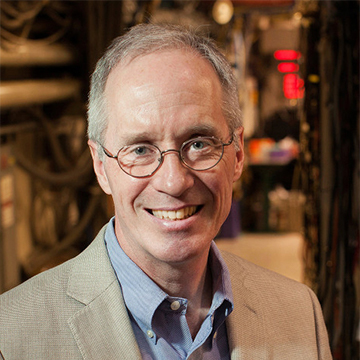 Joel Donald Brock合作论文数School of Applied and Engineering Physics, Cornell University24Serge G. Lemay合作论文数MESA Institute for Nanotechnolog, University of Twente21
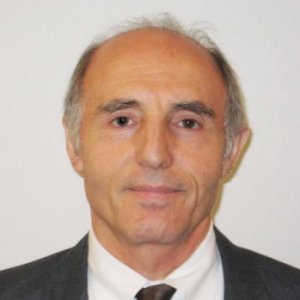 Hadis Morkoç合作论文数Department of Electrical and Computer Engineering, College of Engineering, Virginia Commonwealth University20
 Kevin O'Neill合作论文数Thayer School of Engineering, Dartmouth College20T. L. Adelman合作论文数19
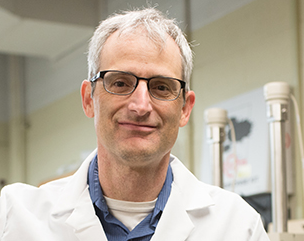 David DiCarlo合作论文数Hildebrand Department of Petroleum and Geosystems Engineering, Cockrell School of Engineering, The University of Texas at Austin19T. J. Drummond合作论文数18W.G. Lyons合作论文数18R. Fischer合作论文数17
 Hopkins Jesse B合作论文数16
 John McCarten合作论文数15
 Michael P. Maher合作论文数Johnson & Johnson Pharmaceutical Research and Development L.L.C.15
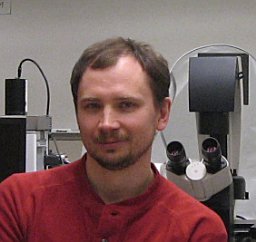 Viatcheslav Berejnov合作论文数Physics Department, Cornell University14Hakan Atakisi合作论文数Phys Dept, Cornell Univ13Kenneth D Finkelstein合作论文数Cornell University12W. Kopp合作论文数12
 Abdel F. Isakovic合作论文数School of Physics;Department of Chemical Engineering and Materials Science;University of Minnesota;School of Physics, University of Minnesota12C. L. Caylor合作论文数12Matthew J Mcleod合作论文数11SL SU合作论文数11JR TUCKER合作论文数11S Kriminski合作论文数10I. Dobrianov合作论文数9
 David Moreau合作论文数School of Psychology, Faculty of Science, The University of Auckland9C Kimmer合作论文数7
 Benjamin Apker合作论文数7Kalinin Yevgeniy V合作论文数7Badeau Ryan合作论文数7E.C. Geil合作论文数7
 Jonathan A Clinger合作论文数6E. Slot合作论文数6J. Kmetko合作论文数6David Closs合作论文数5Todd Holyoak合作论文数5
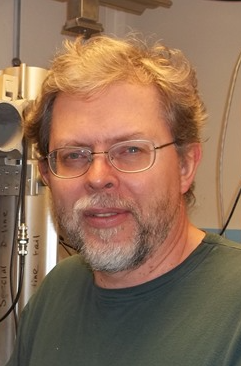 Detlef-M. Smilgies合作论文数Center for Advanced Microelectronics Manufacturing, Binghamton University;School of Pharmacy and Pharmaceutical Sciences, Binghamton University;R. F. Smith School of Chemical and Biomolecular Engineering, Cornell University5
 Pavel Sidorenko合作论文数5
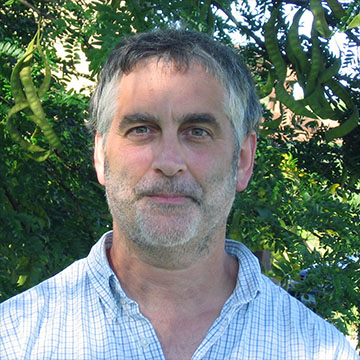 Warren R. Zipfel合作论文数Meinig School of Biomedical Engineering, College of Engineering, Cornell University5
 Frank Wise合作论文数School of Applied and Engineering Physics, Cornell University5
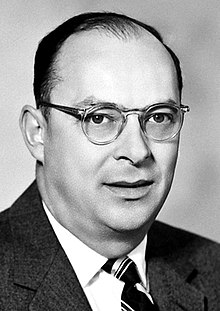 John Bardeen (约翰·巴丁)合作论文数University of Illinois Urbana-Champaign5
 Herre van der Zant合作论文数Kavli Institute of Nanoscience, Delft University of Technology5Jan Kmetko合作论文数5
 Adam C Finnefrock合作论文数Department of Physics, Cornell University5Zhonghou Cai合作论文数5
 Mark Sutton合作论文数Department of Physics, McGill University5
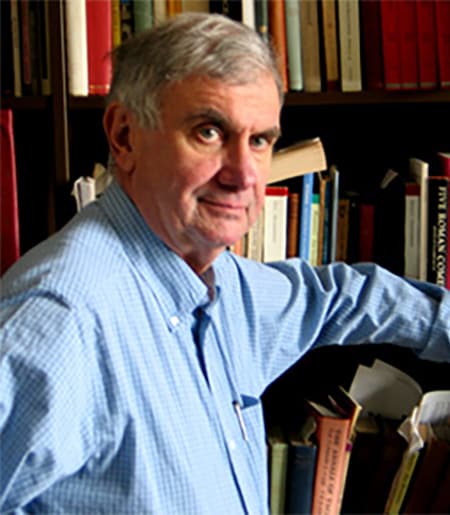 Kevin Clinton合作论文数Classics, College of Arts and Sciences, Cornell University5
 Joseph W Lyding合作论文数Department of Electrical & Computer Engineering, The Grainger College of Engineering, University of Illinois at Urbana-Champaign5Mark S. Dennis合作论文数4




