Aim: To determine the effects of astaxanthin treatment on lipids, cardiovascular disease (CVD) markers, glucose tolerance, insulin action and inflammation in individuals with prediabetes and dyslipidaemia. Materials and Methods: Adult participants with dyslipidaemia and prediabetes (n = 34) underwent baseline blood draw, an oral glucose tolerance test and a one-step hyperinsulinaemic-euglycaemic clamp. They were then randomized (n = 22 treated, 12 placebo) to receive astaxanthin 12 mg daily or placebo for 24 weeks. Baseline studies were repeated after 12 and 24 weeks of therapy. Results: After 24 weeks, astaxanthin treatment significantly decreased low-density lipoprotein (-0.33 +/- 0.11 mM) and total cholesterol (-0.30 +/- 0.14 mM) (both P < .05). Astaxanthin also reduced levels of the CVD risk markers fibrinogen (-473 +/- 210 ng/mL), L-selectin (-0.08 +/- 0.03 ng/mL) and fetuin-A (-10.3 +/- 3.6 ng/mL) (all P < .05). While the effects of astaxanthin treatment did not reach statistical signifi-cance, there were trends toward improvements in the primary outcome measure, insulin-stimulated, whole-body glucose disposal (+0.52 +/- 0.37 mg/m(2)/min, P = .078), as well as fasting [insulin] (-5.6 +/- 8.4 pM, P = .097) and HOMA2-IR (-0.31 +/- 0.16, P = .060), suggesting improved insulin action. No consistent significant differences from baseline were observed for any of these outcomes in the placebo group. Astaxanthin was safe and well tolerated with no clinically significant adverse events. Conclusions: Although the primary endpoint did not meet the prespecified significance level, these data suggest that astaxanthin is a safe over-the-counter supplement that improves lipid profiles and markers of CVD risk in individuals with prediabetes and dyslipidaemia.
Type 2 Diabetes (T2D) is associated with impaired vascularization of adipose tissue (AT) . IL8, GROα and IL15 are pro-angiogenic myokines, secreted at elevated levels by T2D myotubes. We explored the direct impact of these myokines on AT vascularization. AT explants from subjects with T2D and without diabetes (non-diabetic, ND) were treated with rIL8, rGROα and rIL15 in concentrations equal to those in conditioned media (CM) from T2D and ND myotubes, and sprout formation evaluated. Endothelial cells (EC) were isolated from T2D and ND-AT, treated with rGROα and tube formation evaluated. Finally, we investigated the involvement of MMP-2 and −9 in vascularization. ND and T2D concentrations of IL8 or IL15 caused similar stimulation of sprout formation in ND- and T2D-AT. GROα exerted a similar effect in ND-AT. When T2D-AT explants were exposed to GROα, sprout formation in response to T2D concentrations was reduced compared to ND. Exposure of EC from T2D-AT to GROα at T2D concentrations resulted in reduced tube formation. Reduced responses to GROα in T2D-AT and EC were also seen for secretion of MMP-2 and −9. The data indicate that skeletal muscle can potentially regulate AT vascularization, with T2D-AT having impairments in sensitivity to GROα, while responding normally to IL8 and IL15.
While current thinking posits that insulin signaling to glucose transporter 4 (GLUT4) exocytic translocation and glucose uptake in skeletal muscle and adipocytes is controlled by phosphorylation-based signaling, many proteins in this pathway are acetylated on lysine residues. However, the importance of acetylation and lysine acetyltransferases to insulin-stimulated glucose uptake is incompletely defined. Here, we demonstrate that combined loss of the acetyltransferases E1A binding protein p300 (p300) and cAMP response element binding protein binding protein (CBP) in mouse skeletal muscle caused a complete loss of insulin-stimulated glucose uptake. Similarly, brief (i.e., 1 hour) pharmacological inhibition of p300/CBP acetyltransferase activity recapitulated this phenotype in human and rodent myotubes, 3T3-L1 adipocytes, and mouse muscle. Mechanistically, these effects were due to p300/CBP-mediated regulation of GLUT4 exocytic translocation and occurred downstream of Akt signaling. Taken together, we highlight a fundamental role for acetylation and p300/CBP in the direct regulation of insulin-stimulated glucose transport in skeletal muscle and adipocytes.
Skeletal muscle (SkM) secretes protein factors (myokines) that can exert multiple actions. To study the control of myokine regulation of β-cell function, SkM biopsies were taken from non-diabetic (ND) and Type 2 diabetic (T2D) subjects and satellite cells cultured to myotubes (MT). MT were also treated with lipopolysaccharide (infectious inflammation - II) or a combination of glucose (10 mM), insulin (120 pM), and palmitate (0.4 mM) (metabolic inflammation - MI) to model the inflammatory and metabolic conditions seen in vivo with T2D. Conditioned media (CM) was collected from MT after 24 h and used to treat INS-1 cells for 24 h. Cell viability, total insulin content, glucose-stimulated insulin secretion (GSIS) and maximal (IBMX-stimulated) IS (ISmax) were monitored. Under baseline conditions, CM from ND and T2D MT had no effects on INS-1 cell viability, insulin content, GSIS, or ISmax. After exposure to II, CM from ND-MT augmented GSIS in INS-1 cells by 100 ± 25% over control (p < 0.05); T2D-CM had no effect. After exposure to MI, T2D-CM suppressed GSIS by 35 ± 5% (p < 0.05); ND-CM was without effect. Under either of these conditions cell viability, total insulin content and ISmax were unaffected. Effects of CM on GSIS were lost after CM was boiled. Both augmentation of GSIS by ND-CM from II-treated MT, and suppression by T2D-CM from MI-treated MT, were inhibited by wortmannin, Ro 31-8220, and SB203580. In summary: (1) ND-MT are able to augment GSIS when stressed, (2) T2D-MT responding to a diabetic-like environment secrete myokines that suppress GSIS, (3) Unknown protein factors exert effects specifically on GSIS, possibly through PI-3K, PKC, and/or p38 MAPK. In T2D, both insulin resistance and a suppression of adaptive increased insulin secretion are intrinsic properties of SkM that can contribute to the full T2D phenotype.
Abstract Introduction: Akt is a critical mediator of insulin-stimulated glucose uptake in skeletal muscle. The acetyltransferases, E1A binding protein p300 (p300) and cAMP response element-binding protein binding protein (CBP) are phosphorylated and activated by Akt, and p300/CBP can acetylate and inactivate Akt, thus giving rise to a possible Akt-p300/CBP axis. Our objective was to determine the importance of p300 and CBP to skeletal muscle insulin sensitivity. Methods: We used Cre-LoxP methodology to generate mice with a tamoxifen-inducible, conditional knock out of Ep300 and/or Crebbp in skeletal muscle. At 13-15 weeks of age, the knockout was induced via oral gavage of tamoxifen and oral glucose tolerance, ex vivo skeletal muscle insulin sensitivity, and microarray and proteomics analysis were done. Results: Loss of both p300 and CBP in adult mouse skeletal muscle rapidly and severely impairs whole body glucose tolerance and skeletal muscle insulin sensitivity. Furthermore, giving back a single allele of either p300 or CBP rescues both phenotypes. Moreover, the severe insulin resistance in the p300/CBP double knockout mice is accompanied by significant changes in both mRNA and protein expression of transcript/protein networks critical for insulin signaling, GLUT4 trafficking, and metabolism. Lastly, in human skeletal muscle samples, p300 and CBP protein levels correlate significantly and negatively with markers of insulin resistance. Conclusions: p300 and CBP are jointly required for maintaining whole body glucose tolerance and insulin sensitivity in skeletal muscle.
An amendment to this paper has been published and can be accessed via a link at the top of the paper.
IN BRIEF Glucose variability is a potential independent risk factor of poor clinical outcome among people with diabetes, with adequate measurement technically difficult and cumbersome. For this study, a novel 14-day continuous sensor was used to assess glucose variability among people with type 2 diabetes (T2D). The aim was to characterize glucose profiles for up to 2 weeks in T2D and to survey device utilization in a standard clinical setting and its potential to collect clinically meaningful data.
IN BRIEF Cardiovascular disease is the leading cause of morbidity and mortality in people with diabetes, and deaths from heart disease are two to four times higher among adults with type 2 diabetes. Trials such as the U.K. Prospective Diabetes Study, ACCORD (Action to Control Cardiovascular Risk in Diabetes), ADVANCE (Action in Diabetes and Vascular Disease: Preterax and Diamicron MR Controlled Evaluation), and VADT (Veteran’s Affairs Diabetes Trial) produced mixed findings regarding whether intensive glycemic control results in improved cardiovascular (CV) outcomes for patients with diabetes. In response to concerns, including the CV safety of the thiazolidinedione rosiglitazone, the U.S. Food and Drug Administration and subsequently the European Medicines Agency issued guidance that trials should be conducted to prove that antihyperglycemic agents have acceptable CV risk profiles. In this article, the authors review the study designs and results of CV outcomes trials conducted with sodium–glucose cotransporter 2 inhibitors and glucagon-like peptide 1 receptor agonists and discuss how these may affect clinical practice.
Sodium-glucose cotransporter (SGLT) inhibitors are new oral antidiabetes medications shown to effectively reduce glycated hemoglobin (A1C) and glycemic variability, blood pressure, and body weight without intrinsic properties to cause hypoglycemia in people with type 1 diabetes. However, recent studies, particularly in individuals with type 1 diabetes, have demonstrated increases in the absolute risk of diabetic ketoacidosis (DKA). Some cases presented with near-normal blood glucose levels or mild hyperglycemia, complicating the recognition/diagnosis of DKA and potentially delaying treatment. Several SGLT inhibitors are currently under review by the U.S. Food and Drug Administration and European regulatory agencies as adjuncts to insulin therapy in people with type 1 diabetes. Strategies must be developed and disseminated to the medical community to mitigate the associated DKA risk. This Consensus Report reviews current data regarding SGLT inhibitor use and provides recommendations to enhance the safety of SGLT inhibitors in people with type 1 diabetes.
Fixed-ratio combinations (FRCs) of basal insulin plus a GLP-1 receptor agonist (RA) offer simple administration of complementary injectable therapies for T2D. Effects of switching to a titratable FRC of insulin glargine plus lixisenatide (iGlarLixi) in T2D patients (pts) receiving GLP-1 RAs have been unknown. LixiLan-G (NCT02787551), a randomized, open-label, 26-week trial, compared switching to iGlarLixi vs. continuing a GLP-1 RA in T2D pts with HbA1c 7‒9%, receiving a maximum tolerated dose of a QD/BID GLP-1 RA (60% of pts: liraglutide QD, exenatide BID), or a QW GLP-1 RA (40% of pts: dulaglutide, exenatide extended-release, or albiglutide) with metformin ± pioglitazone ± SGLT2i. Adherence to randomized treatment was reinforced and monitored throughout the study. iGlarLixi (n=257) provided greater HbA1c reductions than GLP-1 RA (n=257), from 7.8% at baseline to 6.7% and 7.4%, respectively (LS mean difference [primary endpoint] ‒0.6%; p<0.0001 [Table]). More iGlarLixi pts achieved HbA1c targets and the composite of HbA1c <7% without documented symptomatic hypoglycemia (<54 mg/dL). Documented symptomatic hypoglycemia, nausea, and vomiting rates were low but greater with iGlarLixi vs. GLP-1 RA. In conclusion, switching to iGlarLixi can further improve glucose control for T2D pts receiving the maximum tolerated GLP-1 RA dose with OAD(s). Disclosure L. Blonde: Consultant; Self; Gilead Sciences, Inc., Janssen Pharmaceuticals, Inc., Merck & Co., Inc., Novo Nordisk Inc., Sanofi US. Research Support; Self; Janssen Pharmaceuticals, Inc., Lexicon Pharmaceuticals, Inc., Merck & Co., Inc., Novo Nordisk Inc., Sanofi US. Speaker's Bureau; Self; Janssen Pharmaceuticals, Inc., Novo Nordisk Inc., Sanofi US. J. Rosenstock: Research Support; Self; AstraZeneca, Bristol-Myers Squibb Company, Genentech, Inc., GlaxoSmithKline plc., Lexicon Pharmaceuticals, Inc., Melior Pharmaceuticals, Inc., Bukwang Pharm. Co., Ltd., Merck & Co., Inc., Oramed Pharmaceuticals, PegBio Co., Ltd., Pfizer Inc. Other Relationship; Self; Boehringer Ingelheim International GmbH, Eli Lilly and Company, Intarcia Therapeutics, Inc., Janssen Pharmaceuticals, Inc., Novo Nordisk Inc., Sanofi. S. Del Prato: Advisory Panel; Self; AstraZeneca, Boehringer Ingelheim Pharmaceuticals, Inc., Eli Lilly and Company, GlaxoSmithKline plc., Merck Sharp & Dohme Corp., Novartis Pharmaceuticals Corporation, Novo Nordisk A/S, Sanofi, Servier, Takeda Pharmaceutical Company Limited. Board Member; Self; AstraZeneca. Research Support; Self; AstraZeneca, Boehringer Ingelheim Pharmaceuticals, Inc. Speaker's Bureau; Self; Boehringer Ingelheim Pharmaceuticals, Inc., Takeda Pharmaceutical Company Limited. R.R. Henry: Advisory Panel; Self; Elcelyx Therapeutics, Inc. Consultant; Self; Diasome Pharmaceuticals, Inc., Ionis Pharmaceuticals, Inc. Employee; Self; Eli Lilly and Company. Research Support; Self; AstaReal, Hitachi, Ltd., Viacyte, Inc. Speaker's Bureau; Self; Servier. Other Relationship; Self; Abbott, AstraZeneca, Boehringer Ingelheim Pharmaceuticals, Inc., Intarcia Therapeutics, Inc., Johnson & Johnson, Lexicon Pharmaceuticals, Inc., Merck & Co., Inc., Sanofi-Aventis. N. Shehadeh: Advisory Panel; Self; AstraZeneca, Boehringer Ingelheim Pharmaceuticals, Inc., Novo Nordisk Inc., Sanofi-Aventis. Speaker's Bureau; Self; Eli Lilly and Company, Merck Sharp & Dohme Corp. E. Niemoeller: Employee; Self; Sanofi. Stock/Shareholder; Self; Sanofi. E. Souhami: Employee; Self; Sanofi Research & Development. J. Wu: Employee; Self; Sanofi. X. Wang: Employee; Self; Sanofi Research & Development. C. Ji: Employee; Self; Sanofi Research & Development. V.R. Aroda: Consultant; Self; ADOCIA, AstraZeneca, Becton, Dickinson and Company, Novo Nordisk Inc., Sanofi, Zafgen, Inc. Employee; Spouse/Partner; Merck & Co., Inc. Research Support; Self; AstraZeneca, Calibra Medical, Eisai Inc., Janssen Research & Development, Novo Nordisk Inc., Sanofi, Theracos, Inc. Funding Sanofi
OBJECTIVE Fixed-ratio combinations of basal insulin plus glucagon-like peptide 1 receptor agonist (GLP-1 RA) allow concomitant administration of two proven complementary injectable therapies for type 2 diabetes. This study investigated switching to a titratable fixed-ratio combination of insulin glargine plus lixisenatide (iGlarLixi) in patients with type 2 diabetes receiving daily or weekly GLP-1 RA therapy. RESEARCH DESIGN AND METHODS LixiLan-G, a randomized, open-label, 26-week trial, compared switching to iGlarLixi versus continuing prior GLP-1 RA in patients with type 2 diabetes and HbA1c 7–9% (53–75 mmol/mol) taking maximum tolerated doses of a GLP-1 RA daily (60% on liraglutide once daily or exenatide twice daily) or weekly (40% on dulaglutide, exenatide extended release, or albiglutide) with metformin with or without pioglitazone and with or without sodium–glucose cotransporter 2 inhibitors. Adherence to randomized treatment was closely monitored throughout the study. RESULTS iGlarLixi (n = 257) reduced HbA1c more than continued GLP-1 RA therapy (n = 257) from a baseline 7.8% (62 mmol/mol) in both to 6.7% (50 mmol/mol) and 7.4% (57 mmol/mol), respectively, at 26 weeks (least squares mean difference −0.6%; P < 0.0001). More iGlarLixi patients achieved HbA1c <7% (53 mmol/mol) (62% vs. 26%; P < 0.0001) and the composite of HbA1c <7% without documented symptomatic hypoglycemia (<54 mg/dL). Nausea and vomiting rates as well as numbers of documented symptomatic hypoglycemia events per patient-year were generally low but greater with iGlarLixi versus continued GLP-1 RA therapy. CONCLUSIONS Switching to iGlarLixi improves glucose control for patients with type 2 diabetes insufficiently controlled on a maximum tolerated dose of a GLP-1 RA plus oral antihyperglycemic agents.
LixiLan-G (NCT02787551) was a randomized, open-label, 26-week trial in T2D participants (pts) with HbA1c 7‒9%, receiving maximum tolerated doses of a once- or twice-daily (QD/BID) GLP-1 RA or a once-weekly (QW) GLP-1 RA with metformin ± pioglitazone ± SGLT2i. Pts were randomized to continue their GLP-1 RA regimen with supported adherence or switch to a fixed-ratio combination of insulin glargine and lixisenatide (iGlarLixi). This exploratory analysis assessed efficacy and safety by daily or weekly GLP-1 RA use at screening. Among 514 randomized pts, 60% and 40% were on daily and weekly GLP-1 RA, respectively, at screening (liraglutide QD 54%, dulaglutide QW 20%, exenatide extended-release QW 18%, exenatide BID 5%, albiglutide QW 2% [all % rounded]); GLP-1 RA treatment and T2D duration were slightly longer in the QD/BID vs. QW subgroup (Table). Change in HbA1c was larger with iGlarLixi vs. GLP-1 RA regardless of GLP-1 RA subtype (LS mean difference: −0.7 [95% confidence interval (CI): −0.8, −0.5] with QD/BID formulations, −0.6 [95% CI: −0.8, −0.4] with QW formulations). Similar results were observed for FPG and 2-hour PPG (Table). Safety profiles of iGlarLixi and GLP-1 RA were consistent with previous publications. In conclusion, benefits of switching to iGlarLixi vs. continued GLP-1 RA in inadequately controlled T2D are observed irrespective of daily or weekly GLP-1 RA use. Disclosure J. Rosenstock: Research Support; Self; AstraZeneca, Bristol-Myers Squibb Company, Genentech, Inc., GlaxoSmithKline plc., Lexicon Pharmaceuticals, Inc., Melior Pharmaceuticals, Inc., Bukwang Pharm. Co., Ltd., Merck & Co., Inc., Oramed Pharmaceuticals, PegBio Co., Ltd., Pfizer Inc. Other Relationship; Self; Boehringer Ingelheim International GmbH, Eli Lilly and Company, Intarcia Therapeutics, Inc., Janssen Pharmaceuticals, Inc., Novo Nordisk Inc., Sanofi. L. Blonde: Consultant; Self; Gilead Sciences, Inc., Janssen Pharmaceuticals, Inc., Merck & Co., Inc., Novo Nordisk Inc., Sanofi US. Research Support; Self; Janssen Pharmaceuticals, Inc., Lexicon Pharmaceuticals, Inc., Merck & Co., Inc., Novo Nordisk Inc., Sanofi US. Speaker's Bureau; Self; Janssen Pharmaceuticals, Inc., Novo Nordisk Inc., Sanofi US. S. Del Prato: Advisory Panel; Self; AstraZeneca, Boehringer Ingelheim Pharmaceuticals, Inc., Eli Lilly and Company, GlaxoSmithKline plc., Merck Sharp & Dohme Corp., Novartis Pharmaceuticals Corporation, Novo Nordisk A/S, Sanofi, Servier, Takeda Pharmaceutical Company Limited. Board Member; Self; AstraZeneca. Research Support; Self; AstraZeneca, Boehringer Ingelheim Pharmaceuticals, Inc. Speaker's Bureau; Self; Boehringer Ingelheim Pharmaceuticals, Inc., Takeda Pharmaceutical Company Limited. R.R. Henry: Advisory Panel; Self; Elcelyx Therapeutics, Inc. Consultant; Self; Diasome Pharmaceuticals, Inc., Ionis Pharmaceuticals, Inc. Employee; Self; Eli Lilly and Company. Research Support; Self; AstaReal, Hitachi, Ltd., Viacyte, Inc. Speaker's Bureau; Self; Servier. Other Relationship; Self; Abbott, AstraZeneca, Boehringer Ingelheim Pharmaceuticals, Inc., Intarcia Therapeutics, Inc., Johnson & Johnson, Lexicon Pharmaceuticals, Inc., Merck & Co., Inc., Sanofi-Aventis. N. Shehadeh: Advisory Panel; Self; AstraZeneca, Boehringer Ingelheim Pharmaceuticals, Inc., Novo Nordisk Inc., Sanofi-Aventis. Speaker's Bureau; Self; Eli Lilly and Company, Merck Sharp & Dohme Corp. E. Niemoeller: Employee; Self; Sanofi. Stock/Shareholder; Self; Sanofi. E. Souhami: Employee; Self; Sanofi Research & Development. J. Wu: Employee; Self; Sanofi. X. Wang: Employee; Self; Sanofi Research & Development. C. Ji: Employee; Self; Sanofi Research & Development. V.R. Aroda: Consultant; Self; ADOCIA, AstraZeneca, Becton, Dickinson and Company, Novo Nordisk Inc., Sanofi, Zafgen, Inc. Employee; Spouse/Partner; Merck & Co., Inc. Research Support; Self; AstraZeneca, Calibra Medical, Eisai Inc., Janssen Research & Development, Novo Nordisk Inc., Sanofi, Theracos, Inc. Funding Sanofi
Effects of switching to a titratable fixed-ratio combination of insulin glargine plus lixisenatide (iGlarLixi) in patients (pts) with T2D on GLP-1 RAs have been unknown. LixiLan-G (NCT02787551), a randomized, open-label, 26-week trial, compared switching to iGlarLixi vs. continued GLP-1 RA use in pts with T2D and HbA1c 7-9% despite receiving a maximum tolerated dose of a GLP-1 RA (liraglutide QD, exenatide BID, exenatide extended-release QW, albiglutide QW, or dulaglutide QW) with metformin ± pioglitazone ± SGLT2i. Treatment effects seen across baseline factors, such as BMI, GLP-1 RA type, and pioglitazone or SGLT2i use, were consistent with the primary analysis. This exploratory analysis examined HbA1c change at week 26 and documented symptomatic hypoglycemia in 26-week completers (modified ITT) by screening subgroup HbA1c levels (≤7.5%, >7.5-≤8%, and >8%). At week 26, mean HbA1c levels for iGlarLixi were 6.6%, 6.6%, and 6.9%, respectively, vs. 7.2%, 7.4%, and 7.5%, respectively, for GLP-1 RAs. Reductions were greater for iGlarLixi than for GLP-1 RAs in all subgroups (p<0.0001; Figure). Symptomatic hypoglycemia rates were low overall but higher with iGlarLixi than with GLP-1 RAs (Figure). In conclusion, in pts with T2D inadequately controlled on GLP-1 RA and OAD(s), iGlarLixi demonstrated additional glycemic benefit across a broad range of HbA1c levels. Disclosure S. Del Prato: Advisory Panel; Self; AstraZeneca, Boehringer Ingelheim Pharmaceuticals, Inc., Eli Lilly and Company, GlaxoSmithKline plc., Merck Sharp & Dohme Corp., Novartis Pharmaceuticals Corporation, Novo Nordisk A/S, Sanofi, Servier, Takeda Pharmaceutical Company Limited. Board Member; Self; AstraZeneca. Research Support; Self; AstraZeneca, Boehringer Ingelheim Pharmaceuticals, Inc. Speaker's Bureau; Self; Boehringer Ingelheim Pharmaceuticals, Inc., Takeda Pharmaceutical Company Limited. L. Blonde: Consultant; Self; Gilead Sciences, Inc., Janssen Pharmaceuticals, Inc., Merck & Co., Inc., Novo Nordisk Inc., Sanofi US. Research Support; Self; Janssen Pharmaceuticals, Inc., Lexicon Pharmaceuticals, Inc., Merck & Co., Inc., Novo Nordisk Inc., Sanofi US. Speaker's Bureau; Self; Janssen Pharmaceuticals, Inc., Novo Nordisk Inc., Sanofi US. R.R. Henry: Advisory Panel; Self; Elcelyx Therapeutics, Inc. Consultant; Self; Diasome Pharmaceuticals, Inc., Ionis Pharmaceuticals, Inc. Employee; Self; Eli Lilly and Company. Research Support; Self; AstaReal, Hitachi, Ltd., Viacyte, Inc. Speaker's Bureau; Self; Servier. Other Relationship; Self; Abbott, AstraZeneca, Boehringer Ingelheim Pharmaceuticals, Inc., Intarcia Therapeutics, Inc., Johnson & Johnson, Lexicon Pharmaceuticals, Inc., Merck & Co., Inc., Sanofi-Aventis. V.R. Aroda: Consultant; Self; ADOCIA, AstraZeneca, Becton, Dickinson and Company, Novo Nordisk Inc., Sanofi, Zafgen, Inc. Employee; Spouse/Partner; Merck & Co., Inc. Research Support; Self; AstraZeneca, Calibra Medical, Eisai Inc., Janssen Research & Development, Novo Nordisk Inc., Sanofi, Theracos, Inc. N. Shehadeh: Advisory Panel; Self; AstraZeneca, Boehringer Ingelheim Pharmaceuticals, Inc., Novo Nordisk Inc., Sanofi-Aventis. Speaker's Bureau; Self; Eli Lilly and Company, Merck Sharp & Dohme Corp. E. Niemoeller: Employee; Self; Sanofi. Stock/Shareholder; Self; Sanofi. E. Souhami: Employee; Self; Sanofi Research & Development. J. Wu: Employee; Self; Sanofi. X. Wang: Employee; Self; Sanofi Research & Development. C. Ji: Employee; Self; Sanofi Research & Development. J. Rosenstock: Research Support; Self; AstraZeneca, Bristol-Myers Squibb Company, Genentech, Inc., GlaxoSmithKline plc., Lexicon Pharmaceuticals, Inc., Melior Pharmaceuticals, Inc., Bukwang Pharm. Co., Ltd., Merck & Co., Inc., Oramed Pharmaceuticals, PegBio Co., Ltd., Pfizer Inc. Other Relationship; Self; Boehringer Ingelheim International GmbH, Eli Lilly and Company, Intarcia Therapeutics, Inc., Janssen Pharmaceuticals, Inc., Novo Nordisk Inc., Sanofi. Funding Sanofi
The aim of the current study (Clinical trial reg. no. NCT02715193, clinicaltrials.gov) was to study the efficacy and safety of REMD-477, a glucagon receptor antagonist, in type 1 diabetes. This was a randomized controlled trial in which 21 patients with type 1 diabetes were enrolled. Glycaemic control and insulin use were evaluated in outpatient and inpatient settings, before and after a single 70-mg dose of REMD-477 (half-life 7-10 days) or placebo. Inpatient insulin use was 26% (95% CI, 47%, 4%) lower 1 day after dosing with REMD-477 than with placebo (P = .02). Continuous glucose monitoring during post-treatment days 6 to 12 showed that average daily glucose was 27 mg/dL lower (P < .001), percent time-in-target-range (70-180 mg/dL) was ~25% greater (~3.5 h/d) (P = .001), and percent time-in-hyperglycaemic-range (> 180 mg/dL) was ~40% lower (~4 h/d) (P = .001) in the REMD-477 group than in the placebo group, without a difference in percent time-in-hypoglycaemic-range (<70 mg/dL). No serious adverse events were reported. Glucagon receptor antagonism decreases insulin requirements and improves glycaemic control in patients with type 1 diabetes.
Inappropriately elevated levels of glucagon are thought to contribute to increased hepatic glucose production in people with T2DM and exacerbate hyperglycemia. LGD-6972 is an orally bioavailable, small molecule glucagon receptor antagonist. In a Phase 2, double-blind, placebo-controlled study, the safety and efficacy of LGD-6972 was evaluated in subjects with T2DM (HbA1c ≥7.0%-≤10.5%) on a stable dose of metformin. Patients were randomized to 5 mg (n = 43), 10 mg (n = 40), 15 mg (n = 42) LGD-6972, or placebo (n = 41) daily for 12 weeks. Mean HbA1c at baseline was 8.2% and did not differ among groups. A statistically significant decrease from baseline in HbA1c (p<0.0001) was observed at all LGD-6972 doses during 12 weeks of treatment [-0.90% (5 mg), -0.92% (10 mg), and -1.20% (15 mg) compared with placebo (-0.15%)]. All doses of LGD-6972 significantly decreased fasting plasma glucose (-30.1 to -39.3 mg/dL from baseline) and reduced glucose AUC0-4h during an OGTT. LGD-6972 treatment also increased fasting glucagon (1.9-3.1-fold) and total and active GLP-1 (1.3-1.4-fold and 1.1-1.4-fold, respectively) from baseline. LGD-6972 treatment was safe and well tolerated with a low incidence of hypoglycemia (8 mild, patient-reported events) and no severe hypoglycemia. Mild increases in aminotransferase levels (ALT and AST) were observed with LGD 6972 treatment (group means Disclosure J. Pettus: Advisory Panel; Self; Sanofi, Novo Nordisk Inc.. Consultant; Self; MannKind Corporation. Advisory Panel; Self; Insulet Corporation. Consultant; Self; Senseonics. E.G. Vajda: Employee; Self; Ligand Pharmaceuticals, Inc. J. Pipkin: Employee; Self; Ligand Pharmaceuticals, Inc.. G. Williamson: None. M.A. Zangmeister: None. Y. Li: None. R.R. Henry: Consultant; Self; Abbott, Alere Inc., AstraZeneca. Research Support; Self; AstaReal. Advisory Panel; Self; Boehringer Ingelheim Pharmaceuticals, Inc.. Consultant; Self; Bristol-Myers Squibb Company. Advisory Panel; Self; Elcelyx Therapeutics, Inc.. Research Support; Self; Eli Lilly and Company, Hitachi, Ltd.. Advisory Panel; Self; AstraZeneca. Consultant; Self; Boehringer Ingelheim Pharmaceuticals, Inc.. Advisory Panel; Self; Intarcia Therapeutics, Inc.. Consultant; Self; Intarcia Therapeutics, Inc., Ionis Pharmaceuticals, Inc., Janssen Pharmaceuticals, Inc.. Advisory Panel; Self; Johnson & Johnson Services, Inc.. Research Support; Self; Lexicon Pharmaceuticals, Inc.. Consultant; Self; Ligand Pharmaceuticals, Inc.. Advisory Panel; Self; Merck & Co., Inc.. Consultant; Self; Merck & Co., Inc.. Research Support; Self; Viacyte, Inc.. Consultant; Self; Sanofi-Aventis. Advisory Panel; Self; Sanofi-Aventis. D. D'Alessio: Consultant; Self; Intarcia Therapeutics, Inc., Eli Lilly and Company, Merck & Co., Inc., Novo Nordisk A/S. J.P. Frias: Research Support; Self; AbbVie Inc., Allergan, Amgen Inc., Boehringer Ingelheim Pharmaceuticals, Inc., Bristol-Myers Squibb Company. Consultant; Self; CeQur Corporation. Research Support; Self; Cirius Therapeutics, AstraZeneca, Calibra Medical, Elcelyx Therapeutics, Inc.. Consultant; Self; Elcelyx Therapeutics, Inc.. Research Support; Self; Eli Lilly and Company, Genentech, Inc., Ionis Pharmaceuticals, Inc., ICON plc., Janssen Pharmaceuticals, Inc.. Consultant; Self; Johnson & Johnson Diabetes Institute, LLC.. Research Support; Self; Lexicon Pharmaceuticals, Inc., Ligand Pharmaceuticals, Inc.. Consultant; Self; Ligand Pharmaceuticals, Inc.. Research Support; Self; Merck & Co., Inc., Novartis Pharmaceuticals Corporation, Novo Nordisk Inc., Pfizer Inc., Sanofi. Consultant; Self; Sanofi. Speaker's Bureau; Self; Sanofi. Research Support; Self; Theracos, Inc. L. Zhi: Employee; Self; Ligand Pharmaceuticals, Inc. K. Marschke: Employee; Self; Ligand Pharmaceuticals, Inc..
AimTo evaluate the impact of the sodium glucose co‐transporter 2 inhibitor canagliflozin on intrahepatic triglyceride (IHTG) accumulation and its relationship to changes in body weight and glucose metabolism.Materials and methodsIn this double‐blind, parallel‐group, placebo‐controlled, 24‐week trial subjects with inadequately controlled type 2 diabetes mellitus (T2DM; HbA1c = 7.7% ± 0.7%) from two centres were randomly assigned (1:1) to canagliflozin 300 mg or placebo. We measured IHTG by proton‐magnetic resonance spectroscopy (primary outcome), hepatic/muscle/adipose tissue insulin sensitivity during a 2‐step euglycaemic insulin clamp, and beta‐cell function during a mixed meal tolerance test. Analyses were per protocol.ResultsBetween 8 September 2014‐13 June 2016, 56 patients were enrolled. Canagliflozin reduced HbA1c (placebo‐subtracted change: −0.71% [−1.08; −0.33]) and body weight (−3.4% [−5.4; −1.4]; both P ≤ 0.001). A numerically larger absolute decrease in IHTG occurred with canagliflozin (−4.6% [−6.4; −2.7]) versus placebo (−2.4% [−4.2; −0.6]; P = 0.09). In patients with non‐alcoholic fatty liver disease (n = 37), the decrease in IHTG was −6.9% (−9.5; −4.2) versus −3.8% (−6.3; −1.3; P = 0.05), and strongly correlated with the magnitude of weight loss (r = 0.69, P < 0.001). Body weight loss ≥5% with a ≥30% relative reduction in IHTG occurred more often with canagliflozin (38% vs. 7%, P = 0.009). Hepatic insulin sensitivity improved with canagliflozin (P < 0.01), but not muscle or adipose tissue insulin sensitivity. Beta‐cell glucose sensitivity, insulin clearance, and disposition index improved more with canagliflozin (P < 0.05).ConclusionsCanagliflozin improves hepatic insulin sensitivity and insulin secretion and clearance in patients with T2DM. IHTG decreases in proportion to the magnitude of body weight loss, which tended to be greater and occur more often with canagliflozin.
OBJECTIVE In observational cohorts, adiponectin is inversely associated and free fatty acids (FFAs) are directly associated with incident coronary heart disease (CHD). Adiponectin tends to be reduced and FFAs elevated in type 2 diabetes. We investigated relationships of adiponectin and FFA and major adverse cardiovascular events (MACEs) and death in patients with acute coronary syndrome (ACS) and type 2 diabetes using data from the AleCardio (Effect of Aleglitazar on Cardiovascular Outcomes After Acute Coronary Syndrome in Patients With Type 2 Diabetes Mellitus) trial, which compared the PPAR-α/γ agonist aleglitazar with placebo. RESEARCH DESIGN AND METHODS Using Cox regression adjusted for demographic, laboratory, and treatment variables, we determined associations of baseline adiponectin and FFAs, or the change in adiponectin and FFAs from baseline, with MACEs (cardiovascular death, myocardial infarction, or stroke) and death. RESULTS A twofold higher baseline adiponectin (n = 6,998) was directly associated with risk of MACEs (hazard ratio [HR] 1.17 [95% CI 1.08–1.27]) and death (HR 1.53 [95% CI 1.35–1.73]). A doubling of adiponectin from baseline to month 3 (n = 6,325) was also associated with risk of death (HR 1.20 [95% CI 1.03–1.41]). Baseline FFAs (n = 7,038), but not change in FFAs from baseline (n = 6,365), were directly associated with greater risk of MACEs and death. There were no interactions with study treatment. CONCLUSIONS In contrast to prior observational data for incident CHD, adiponectin is prospectively associated with MACEs and death in patients with type 2 diabetes and ACS, and an increase in adiponectin from baseline is directly related to death. These findings raise the possibility that adiponectin has different effects in patients with type 2 diabetes and ACS than in populations without prevalent cardiovascular disease. Consistent with prior data, FFAs are directly associated with adverse outcomes.
Most patients with T1D do not achieve optimal glycemic control with insulin alone. We report effects of oral sotagliflozin, a dual sodium glucose cotransporter 1 and 2 inhibitor, added to insulin treatment in type 1 diabetes.
 Sunder Mudaliar合作论文数Department of Medicine, School of Medicine, University of California159
 Theodore P. Ciaraldi合作论文数Department of Medicine, School of Medicine, University of California, San Diego;Department of Endocrinology, School of Medicine, University of California, San Diego;VASDHS139
 Ralph DeFronzo合作论文数Division of Diabetes, Long School of Medicine, University of Texas Health Science Center at San Antonio;Department of Medicine, Long School of Medicine, University of Texas Health Science Center at San Antonio31
 Vanita Aroda合作论文数Division of Endocrinology, Diabetes and Hypertension, Brigham and Women’s Hospital;Harvard Medical School30
 George A. Bray合作论文数Pennington Biomedical Research Center, Louisiana State University29
 Peter D. Reaven合作论文数Division of Endocrinology;Department of Medicine;University of California , San Diego29
 Dawn C Schwenke合作论文数Phoenix VA Hlth Care Syst27Devjit Tripathy合作论文数Department of Medicine, University of Texas Health Science Center at San Antonio26
 Abbas E Kitabchi合作论文数24
 Julio Rosenstock合作论文数Velocity Clinical Research;University of Texas Southwestern Medical Center24
 Nicolas Musi合作论文数Department of Medicine, University of Texas Health Science Center at San Antonio;San Antonio Claude D. Pepper Older Americans Independence Center, University of Texas Health Science Center at San Antonio;Barshop Institute for Longevity and Aging Studies, University of Texas Health Science Center at San Antonio;San Antonio Geriatric Research, Education and Clinical Center, University of Texas Health Science Center at San Antonio21L. Carter合作论文数21
 Thomas A Buchanan合作论文数Department of Medicine, Keck School of Medicine, University of Southern California;Southern California Clinical and Translational Science Institute, University of Southern California21Clement Stephen C合作论文数20Robert E. Ratner合作论文数20
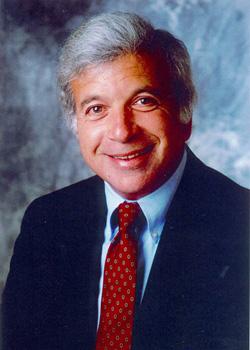 Jerrold M. Olefsky合作论文数Division of Endocrinology and Metabolism, Department of Medicine, School of Medicine, University of California, San Diego18
 Susan A Phillips合作论文数17Frankie B. Stentz合作论文数16Patricia S Juang合作论文数15
 Kyong Soo Park合作论文数Center for Precision Medicine, Seoul National University Hospital;Biomedical Research Institute, Seoul National University Hospital;Department of Internal Medicine, College of Medicine, Seoul National University15Se Nikoulina合作论文数14
 Jeremy Pettus合作论文数Department of Medicine, School of Medicine, University of California, San Diego14
 Lawrence Alan Leiter合作论文数Department of Nutritional Sciences, Temerty Faculty of Medicine, University of Toronto14
 John B. Buse合作论文数Division of Endocrinology and Metabolism, Department of Medicine, University of North Carolina;Diabetes Care Center, University of North Carolina13
 Stefano Del Prato合作论文数Università di Pisa;Centro di Ricerca Interdisciplinare Health Science, Scuola Superiore Sant'Anna13S Nikoulina合作论文数12Anne W. Thorburn合作论文数12Barry Gumbiner合作论文数12Bertrand Cariou合作论文数12Maryann Banerji合作论文数11
 Helen Colhoun合作论文数MRC Human Genetics Unit, Centre for Genomic and Experimental Medicine, Institute of Genetics and Cancer, University of Edinburgh11G R Freidenberg合作论文数9
 Pam Rajendran Taub合作论文数Department of Medicine, School of Medicine, University of California, San Diego9
 Vivian A. Fonseca合作论文数School of Medicine, Tulane University9
 A. Michael Lincoff合作论文数Department of Cardiovascular Medicine, Cleveland Clinic;Coordinating Center for Clinical Research, Cleveland Clinic9
 W. Timothy Garvey合作论文数Department of Nutrition Sciences, the University of Alabama at Birmingham;Birmingham Veterans Affairs Medical Center9
 Francisco Villarreal合作论文数Mexican Petroleum Institute Mexico Mexico9
 Kausik Ray合作论文数Department of Primary Care and Public Health, School of Public Health, Faculty of Medicine, Imperial College London9Maja Bujas-Bobanovic合作论文数9Sr Mudaliar合作论文数8Michelle A Baron合作论文数8Melvin J. Prince合作论文数8Edelman Steve合作论文数8L. Abrams-Carter合作论文数8Dirk Müller-Wieland合作论文数7Neelima V Chu合作论文数7Debra Armstrong合作论文数7Charles Choe合作论文数7N Chu合作论文数7




