The field of interventional cardiology (IC) has evolved dramatically over the past 40 years. Training and certification in IC have kept pace, with the development of accredited IC fellowship training programs, training statements, and subspecialty board certification. The application process, however, remained fragmented with lack of a universal process or time frame. In recent years, growing competition among training programs for the strongest candidates resulted in time-limited offers and high-pressure situations that disadvantaged candidates. A grassroots effort was recently undertaken by a Society for Cardiovascular Angiography & Interventions task force, to create equity in the system by establishing a national Match for IC fellowship. This manuscript explores the rationale, process, and implications of this endeavor.
Introduction: Despite well-established device selection algorithms, there remain wide variations in mechanical circulatory support (MCS) device utilization in patients with cardiogenic shock complicating acute myocardial infarction (AMI-CS). Further, there are limited national-level data on the contemporary practices of MCS device use. Methods: To evaluate national utilization patterns of MCS devices, we identified adult admissions (>18 years) with AMI-CS from the HCUP-NIS data (2005-2017). Use of MCS devices including intraaortic balloon pump (IABP), percutaneous left ventricular assist devices (pLVAD) (Impella/Tandem Heart), and extracorporeal membrane oxygenation (ECMO) during hospitalization was identified. We evaluated trends in the initial MCS device used (IABP alone, pLVAD alone, or ≥2 MCS devices), device escalation, bridging to durable LVAD/heart transplantation, and predictors of in-hospital mortality and device escalation. Results: Among a total of 327,283 AMI-CS admissions in this 13-year period, 132,146 (40.2%) had an MCS device with information on timing of placement. IABP, pLVAD, ≥2 MCS, and ECMO devices were used as initial device in 120,928 (92.0%), 8,202 (6.2%), 2,305 (1.7%), and 711 (0.1%) admissions, respectively. Most admissions were maintained on initiated MCS device with 1-1.5% being escalated (IABP to pLVAD/ECMO, pLVAD to ECMO). The median time to escalation across all devices categories was 2 (IQR 1-4) days. Urban, medium, and large-sized hospitals, and acute multiorgan failure were significant independent predictors of MCS escalation. In admissions receiving MCS, escalation of MCS device was associated with higher in-hospital mortality (adjusted OR 1.56, 95% CI 1.38-1.75; p <0.001). Admissions receiving durable LVAD/heart transplantation increased over time in those initiated on pLVAD and ≥2 MCS devices resulting in lower in-hospital mortality. Conclusions: In this 13-year study, escalation from initial MCS device was associated with higher in-hospital mortality suggestive of higher acuity of illness. However, the observed increase in number of durable LVADs or heart transplantations may be an indication of the utility of these MCS devices as successful bridge therapies.
Transcatheter aortic valve replacement (TAVR) provides an option for extreme-risk patients who underwent reoperation for a failed surgical aortic bioprosthesis. Long-term data on patients who underwent TAVR within a failed surgical aortic valve (TAV-in-SAV) are limited. The CoreValve Expanded Use Study evaluated patients at extreme surgical risk who underwent TAV-in-SAV. Outcomes at 5 years were analyzed by SAV failure mode (stenosis, regurgitation, or combined). Echocardiographic outcomes are site-reported. TAV-in-SAV was attempted in 226 patients with a mean age of 76.7 ± 10.8 years; 63.3% were male, the Society of Thoracic Surgeons predicted risk of mortality score was 9.0 ± 6.7%, and 87.5% had a New York Heart Association classification III or IV symptoms. Most of the failed surgical bioprostheses were stented (81.9%), with an average implant duration of 10.2 ± 4.3 years. The 5-year all-cause mortality or major stroke rate was 47.2% in all patients; 54.4% in the stenosis, 37.6% in the regurgitation, and 38.0% in the combined groups (p = 0.046). At 5 years, all-cause mortality was higher in patients with versus without 30-day severe prosthesis-patient mismatch (51.7% vs 38.3%, p = 0.026). The overall aortic valve reintervention rate was 5.9%; highest in the regurgitation group (12.6%). The mean aortic valve gradient was 14.1 ± 9.8 mm Hg and effective orifice area was 1.57 ± 0.70 at 5 years. Few patients had >mild paravalvular regurgitation at 5 years (5.5% moderate, 0.0% severe). TAV-in-SAV with supra-annular, self-expanding TAVR continues to represent a safe and lasting intermediate option for extreme-risk patients who have appropriate sizing of the preexisting failed surgical valve. Clinical and hemodynamic outcomes were stable through 5 years.
The impact of socioeconomic status on care and outcomes of patients with acute myocardial infarction complicated by cardiogenic shock (AMI-CS) remains understudied. Hence, adult admissions with AMI-CS were identified from the National Inpatient Sample database (2005 to 2017) and were divided into quartiles on the basis of median household income for zip code (0 to 25th, 26th to 50th, 51st to 75th, and 76th to 100th). In-hospital mortality, use of cardiac and noncardiac procedures, and resource utilization were compared between all 4 income quartiles. Among a total of 7,805,681 AMI admissions, cardiogenic shock was identified in 409,294 admissions (5.2%) with comparable prevalence of cardiogenic shock across all 4 income quartiles. AMI-CS admissions belonging to the lowest income quartile presented more often with non-ST-elevation myocardial infarction and had comparable use of coronary angiography and percutaneous coronary intervention but lower use of early coronary angiography, early percutaneous coronary intervention, mechanical circulatory support devices, and pulmonary artery catheterization than higher income quartiles. In the adjusted analysis, admissions belonging to the 0 to 25th income quartile (odds ratio [OR] 1.17 [95% confidence interval [CI] 1.15 to 1.20], p <0.001), 26th to 50th quartile (OR 1.11 [95% CI 1.09 to 1.14], p <0.001), and 51st to 75th income quartile (OR 1.06 [95% CI 1.04 to 1.09], p <0.001) had higher adjusted in-hospital mortality than the highest income quartile (76th to 100th). Lowest income quartile admissions had lower rates of palliative care consultations and higher rates of do-not-resuscitate status than the higher income quartiles. Hospitalization charges and length of stay were higher for admissions belonging to the highest income quartile. In conclusion, lowest income quartile AMI-CS admissions were associated with higher rates of non-ST-elevation myocardial infarction, lower use of mechanical circulatory support devices, and higher in-hospital mortality.
Objectives This study aimed to assess the feasibility, efficacy, and safety of a novel percutaneous postprocedure closure technique for large arterial sheath removal with the use of two Perclose ProGlide (Abbott Vascular Devices, Redwood City, CA) devices. Background Postprocedural closing of large-bore arteriotomies using the Perclose system can be difficult given the subsequent inability of the device to capture sufficient wall tissue. Methods Our study was a single-center retrospective analysis of 22 consecutive patients who underwent large arteriotomy closure via the postclosure technique with a 12-16-Fr sheath. Efficacy endpoints included successful deployment of the system and hemostasis. Safety endpoints included the incidence of major or minor vascular complications as defined by the Vascular Academic Research Consortium-2 (VARC-2) definitions at 30-day follow-up. Results The postclosure technique resulted in 100% technical success rate and no postprocedural bleeding or vascular complications. Conclusion Postclosure technique is a safe, highly effective, and feasible percutaneous method to achieve large-bore arteriotomy hemostasis with low rates of major bleeding or vascular complications and favorable early outcome.
The purpose of this study was to explore the utility of echocardiography and the EuroSCORE II in stratifying patients with low-gradient severe aortic stenosis (LG SAS) and preserved left ventricular ejection fraction (LVEF ≥ 50%) with or without aortic valve intervention (AVI). The study included 323 patients with LG SAS (aortic valve area ≤ 1.0 cm2 and mean pressure gradient < 40 mmHg). Patients were divided into two groups: a high-risk group (EuroSCORE II ≥ 4%, n = 115) and a low-risk group (EuroSCORE II < 4%, n = 208). Echocardiographic and clinical characteristics were analyzed. All-cause mortality was used as a clinical outcome during mean follow-up of 2 ± 1.3 years. Two-year cumulative survival was significantly lower in the high-risk group than the low-risk patients (62.3% vs. 81.7%, p = 0.001). AVI tended to reduce mortality in the high-risk patients (70% vs. 59%; p = 0.065). It did not significantly reduce mortality in the low-risk patients (82.8% with AVI vs. 81.2%, p = 0.68). Multivariable analysis identified heart failure, renal dysfunction and stroke volume index (SVi) as independent predictors for mortality. The study suggested that individualization of AVI based on risk stratification could be considered in a patient with LG SAS and preserved LVEF.
OBJECTIVES:The objective was to compare outcomes of redo-aortic valve replacement (AVR) via surgical or transcatheter approach in prior surgical AVR with large percentage of prior stentless surgical AVR. BACKGROUND:With the introduction of transcatheter aortic valve replacement (TAVR), patients with increased surgical risks now have an alternative to redo surgical AVR (SAVR), known as valve-in-valve (ViV) TAVR. Stentless prosthetic aortic valves present a more challenging implantation for ViV-TAVR given the lack of structural frame. METHODS:We performed a retrospective study of 173 subjects who have undergone SAVR (N = 100) or ViV-TAVR (N = 73) in patients with prior surgical AVR at Wake Forest Baptist Medical Center from 2009 to 2019. Our study received the proper ethical oversight. RESULTS:The average ages in redo-SAVR and ViV-TAVR groups were 58.03 ± 13.86 and 66.57 ± 13.44 years, respectively (p < 0.0001). The redo-SAVR had significantly lower STS (2.78 ± 2.09 and 4.68 ± 5.51, p < 0.01) and Euroscores (4.32 ± 2.98 and 7.51 ± 8.24, p < 0.05). The redo-SAVR group had higher percentage requiring mechanical support (8% vs. 0%, p < 0.05) and vasopressors (53% vs. 0%, p < 0.0001), longer length of stay (13.65 ± 11.23 vs. 5.68 ± 7.64 days, p < 0.0001), and inpatient mortality (16% vs. 2.78%, p < 0.005). At 30-day follow-up, redo-SAVR group had higher rates of acute kidney injury (10% vs. 0%, p < 0.01), however ViV-TAVR group had more new left bundle branch blocks (6.85% vs. 0%, p < 0.05). No significant differences regarding re-hospitalization rates, stroke, or death up to 1-year. CONCLUSION:Although the ViV-TAVR group had higher risk patients, there were significantly fewer procedural complications, shorter length of stay, and similar mortality outcomes up to 1-year follow-up.
BACKGROUND:Accurate calculation of stroke volume (SV) by Doppler echocardiography is important for the assessment of aortic stenosis (AS), which may be impacted by anatomical variations of left ventricular outflow tract (LVOT). METHODS:Patients with AS (n = 64) were studied using computed tomography (CT) and transthoracic echocardiography (TTE). Anatomical variations of LVOT areas were measured at (a) the aortic annulus (Aa ); (b) 5 mm (A5 ); and (c) 10 mm below the annulus (A10 ) by CT. LVOT diameters were also measured by 2D TTE at these three levels for calculation of LVOT areas. Stroke volumes (SV) were calculated using continuity equation. The impacts of anatomical variations of LVOT on SV calculation were evaluated. RESULTS:Anatomical LVOT area increased from Aa to A10 (5.0 ± 0.9 cm2 vs 5.8 ± 1.9 cm2 , P < .01). Differences between TTE-calculated LVOT areas and anatomical areas were most significant at A10 due to elongation of mediolateral diameters with variable changes in anteroposterior diameters (5.8 ± 1.9 cm2 vs 3.4 ± 1.1 cm2 , P < .001). Although mean calculated SV by TTE was not significant at different LVOT levels (Aa 69 ± 22 mL, vs A5 66 ± 21 mL, vs A10 66 ± 28 ± 22 mL, P > .05), the most significant variations in individuals were at A10 levels (ΔSV: 8.2 ± 6.4 mL, 12 ± 9%). CONCLUSION:Variations of LVOT anatomy in individuals with AS significantly impact the SV calculated by Doppler echocardiography. These features should be taken into account for AS diagnosis and a clinical decision-making for intervention.
Objectives: We sought to determine the effect of COVID-19 related reduction in elective cardiac procedures and acute coronary syndrome presentations on interventional cardiology (IC) training. Background: The COVID-19 pandemic has significantly disrupted healthcare in the United States, including cardiovascular services. The impact of COVID-19 on IC fellow training in the United States has not been assessed. Methods: The Society for Cardiovascular Angiography and Interventions (SCAI) surveyed IC fellows training in both accredited and advanced non-accredited programs, as well as their program directors (PD). Results: Responses were received from 135 IC fellows and 152 PD. All respondents noted reductions in procedural volumes beginning in March 2020. At that time, only 43% of IC fellows had performed >250 PCI. If restrictions were lifted by May 15, 2020 78% of IC fellows believed they would perform >250 PCI, but fell to only 70% if restrictions persisted until the end of the academic year. 49% of IC fellows felt that their procedural competency was impaired by COVID-19, while 97% of PD believed that IC fellows would be procedurally competent at the end of their training. Most IC fellows (65%) noted increased stress at work and at home, and many felt that job searches and/or existing offers were adversely affected by the pandemic. Conclusion: The COVID-19 pandemic has substantially affected IC training in the United States, with many fellows at risk of not satisfying current program procedural requirements. These observations support a move to review current IC program requirements and develop mitigation strategies to supplement gaps in education related to reduced procedural volume.
This study was to evaluate the prognostic significance of low gradient severe aortic stenosis (LG SAS) and preserved left ventricular ejection fraction (LVEF) with the integration of echocardiographic and clinical data.The study included 172 patients with LG SAS (AVAi ≤ 0.6 cm2 /m2 , mean aortic pressure gradient < 40 mm Hg) and LVEF (≥ 50%). LV outflow tract diameters were measured at both the aortic valve annulus and 5 mm below the annulus for the measurement consistency. Patients were divided into the low flow LG SAS (LF/LG SAS: SVi < 35mL/m2 and AVAi ≤ 0.6 cm2 /m2 ) and normal-flow LG SAS groups (NF/LG SAS: SVi ≥ 35mL/m2 and AVAi ≤ 0.6 cm2 /m2 ). Echocardiographic findings and clinical data were systematically analyzed with mean follow-up of 3.0 ± 1.6 years.LF/LG SAS had significantly smaller AVAi, lower SVi, a higher prevalence of atrial fibrillation (28% vs 12% P = .01) and diabetes (47% vs 27% P = .007) and lower 3-year cumulative survival than NF/LG SAS. Multivariable analysis showed that dyspnea, renal dysfunction (CI 1.42-3.99, P < .01), left atrial diameter, and SVi were independently associated with an increased risk for all-cause mortality. Aortic valve intervention (AVI) improved survival in LF/LG SAS (68% vs 48%, P < .05) in comparison with medical management (HR: 4.20, CI: 1.12-15.76, P = .03), but only modestly in NF/LG SAS (75% vs 65% P > .05).Outcome of LG SAS was independently associated with clinical characteristics. AVI likely improved outcome of LF/LG SAS who had high-risk clinical characteristics and unfavorable echocardiographic findings.
Last year, SCAI and our profession lost one of our best. Dr Charles Chambers passed away at the age of 64 after a career filled with service to SCAI (Table 1), passion for patient care, inspired teaching, and humorous “Chamber-isms” such as the above. It is appropriate to take a moment to consider what lessons we can learn from his life. Many threads led through Dr Chambers' professional career. Perhaps foremost was his expertise in interventional cardiology. This was acknowledged by his peers with invitations to serve on joint SCAI/ ACC writing committees for appropriate use criteria for revascularization (2009), catheterization laboratory standards (2011), percutaneous coronary intervention (2011), staging of coronary intervention (2011), standards for quality assessment in interventional cardiology (2011), and diagnostic catheterization (2012). He lectured extensively at national and international conferences. SCAI recognized Dr Chambers as a “Master Interventionalist” (MSCAI), one of only 27 in the world in 2015. He was also an expert in the field of radiology, leading to the unusual honor of being named a full professor at Penn State University (PSU) in two different departments. From 1989 until his death, he served as PSU director of nuclear cardiology and on committees and expert panels for the National Council on Radiation Protection and Measurements, the American Association of Physicists in Medicine, the Pennsylvania Radiation Protection Advisory Committee, and the American College of Cardiology. He authored a catheterization laboratory radiation safety program for SCAI in 2011, was SCAI's go-to expert for all aspects of radiation safety for two decades, and routinely lectured on this topic at SCAI symposia throughout the world. When the long-awaited NCRP Report 184 was finally published, the other coauthors dedicated it to his memory and personally delivered the manuscript to his wife, filled with hand-written testimonials. A second thread running through Dr Chambers' career was his lifelong dedication to quality in interventional cardiology. He founded and chaired PSU's Cardiac Catheterization Laboratory Quality Assurance Committee in 1995. His first official role at SCAI was as chair of the Cath Lab Standards Committee in 1998. He helped create the ACC cath lab Quality Improvement Toolkit in 2001. With SCAI's Cath Lab Survey Committee, he routinely consulted on-site with cath labs to improve quality practices. He helped found the SCAI/ACC cath lab accreditation service (Accreditation for Cardiovascular Excellence) in 2010 and served on its board until his death. To teach quality practices to early career interventionalists, he founded the Cath Lab Boot Camp, which has become a favorite track at the yearly SCAI Annual Scientific Sessions. A third thread running through Dr Chambers' career was leadership. During his training, he was appointed both chief resident and chief fellow. For SCAI, he served as chair of seven different committees, starting in his first year of practice with the Cath Lab Performance Standards Committee and culminating with his presidency in 2014–2015. At PSU, he served as director of nuclear cardiology and director of the catheterization laboratories for decades. His leadership style was one of building consensus and collaboration, interlaced with humility. He was known as a servant leader who led from the front when necessary but preferred to lead from behind, always giving others the credit and helping younger associates grow in their careers and leadership skills. One of his junior colleagues described his mentorship: “Charlie is like a big pulling guard on a sweep, he just clears the way so that we can run behind him.” A fourth thread running through Dr Chambers' career, and perhaps the one of which he would be most proud, was his passion for teaching. He was recognized by his fellows in 1999 as teacher of the year and in 2018 with a lifetime achievement award. One of them wrote, “Dr Chambers was ‘Dad’ to many fellows, myself included, who guided us to where we are today. He led by example with self-sacrifice and humility.” Another noted that, whereas some attendings stayed in the control room, Dr Chambers was always at the cath table instructing his fellows. When you heard “Step to the right,” you knew you had been trying long enough and now the master was taking over to show you how to do it. He taught not only fellows but cath lab staff. One recalls: “I loved him. He taught me everything I know. Any trick I ever learned, it was from Dr Chambers.” Received: 18 May 2020 Accepted: 18 May 2020
Objectives: The objectives of this study were to compare short-and intermediate-term clinical outcomes, procedural complications, TAVR prosthesis hemodynamics, and paravalvular leak (PVL) in stentless and stented groups. Background: Valve-in-valve (ViV) transcatheter aortic valve replacement (TAVR) is an alternative to surgical redo for bioprosthetic valve failure. There have been limited data on ViV in stentless surgical valves. Methods: We retrospectively analyzed 40 patients who underwent ViV TAVR in prior surgical bioprosthetic valves at Wake Forest Baptist Medical Center from October 2014 to September 2017. Eighty percent (32/40) ViV TAVRs were in stentless, while 20% (8/40) were in stented bioprosthetic valves. Results: The primary mode of bioprosthetic valve failure for ViV implantation in the stentless group was aortic insufficiency (78%, 25/32), while in the stented group was aortic stenosis (75%, 6/8). The ViV procedure success was 96.9% (31/32) in stentless group and 100% in stented group (8/8). There were no significant differences in all-cause mortality at 30 days between stentless and stented groups (6.9%, 2/31 versus 0%, 0/8, P = 0.33) and at 1 year (0%, 0/25 versus 0%, 0/5). In the stentless group, 34.4% (11/32) required a second valve compared to the stented group of 0% (0/8). There was a significant difference in the mean aortic gradient at 30-day follow-up (12.33 +/- 6.33 mmHg and 22.63 +/- 8.45 mmHg in stentless and stented groups, P < 0.05) and at 6-month follow-up (9.75 +/- 5.07 mmHg and 24.00 +/- 11.28 mmHg, P < 0.05), respectively. Conclusions: ViV in the stentless bioprosthetic aortic valve has excellent procedural success and intermediate-term results. Our study shows promising data that may support the application of TAVR in stentless surgical aortic valve. However, further and larger studies need to further validate our single center's experience.
OBJECTIVES:Temporally quantify and localize paravalvular aortic leak (PVL) after transcatheter aortic valve replacement (TAVR) in the Medtronic CoreValve (MCV) versus the Edwards Sapien Valve (ESV). BACKGROUND:In order to increase the precision of THV selection and PVL intervention, an understanding of PVL characteristics is essential. METHODS:The frequency, severity, and location of post-TAVR PVL were evaluated with transthoracic echocardiography pre-discharge, one month, and one-year post-procedure in 202 patients receiving a MCV (N = 120) or ESV (N = 81). This was done through application of a clock face to the short axis of the aortic valve in order to divide the area into three tertiles. RESULTS:Pre-discharge differences between PVL frequency and severity in the MCV and ESV lost significance over time. Localizing these trends, MCV PVL frequency and severity significantly decreased in the first and third tertiles during most time periods while PVL in the second tertile of the MCV or in any of the tertiles of the ESV failed to improve. Presence of pre-discharge PVL was predictive of 30-day HF readmission and/or death (OR = 3.16, 95% CI: 0.99-10.12). Presence of pre-discharge and 30-day PVL was predictive of 1-year HF readmissions and/or death (OR = 2.12, 95% CI: 1.09-4.13 and OR = 1.99, 95% CI: 0.96-4.12). CONCLUSIONS:When comparing the MCV and ESV, not all locations of PVL improve equally over time, which has implications for heart failure readmissions. This could be used to influence valve selection and to identify cases in which earlier intervention on PVL may be appropriate.
ObjectivesThe objective is to compare the short-term (30 days) and late (12 months) vascular adverse events in patients undergoing transfemoral (TF)-transcatheter aortic valve replacement (TAVR) by surgical cut-down (SC) vs. percutaneous (PC) approaches. BackgroundPrograms continue to utilize both approaches in TF-TAVR. There are limited data comparing outcomes by SC vs. PC approaches and long-term effects of endovascular intervention facilitated hemostasis on late vascular adverse events. MethodsA total of 146 men and women aged 79.710.0 years with severe aortic stenosis deemed extreme or high risk for surgery underwent TAVR via TF access. 61 had SC and 85 had PC approaches. Valve Academic Research Consortium (VARC-2) outcomes were assessed at an average of 12.1 months after TAVR. ResultsHospital length of stay (LOS) post-TAVR was shorter for the PC group compared to the SC group (5.1 +/- 3.9 vs. 8.2 +/- 6.6 days; P<0.001). More patients were discharged directly to home in the PC than the SC group (85.9% vs. 68.9%, P<0.05). At 30 days, there were 13/61 (21.3%) and 16/85 (18.8%; P<0.05) of any vascular events, and 2/61 (3.3%) and 2/85 (2.4%; P=0.73) major vascular events in the SC and PC groups, respectively. There was no difference in all-cause mortality between the SC (14/61; 23%) and PC groups [17/85 (20%); P=0.34]. There was no difference in any [4/33 (12%) vs. 3/43 (7%); P=0.84] or major vascular adverse events [1/33 (3%) vs. 1/43 (2%); P=0.79] in subjects that underwent adjunctive endovascular intervention compared to those who did not, respectively. There were no statistically significant univariate or multivariate predictors of any vascular event at 12 months when comparing SC to PC groups. ConclusionFor TF TAVR, the PC approach, when compared to the SC approach, is associated with a shorter hospital LOS and higher rate of direct discharge to home with similar risk of vascular complications, late vascular adverse events, and all-cause mortality at 12 months.
Results: Median GDF-15 concentration in serum was 1,409 pg/mL on admission, 1,717 pg/mL at 12 hours and 1,525 pg/mL at 24 hours (p<0.001).During a mean follow-up of 2.0±1.06 years (median 3 years [1-3]), 118 patients died (9.4%).zLog GDF-15 at the three time points was a strong predictor of long-term mortality (on admission HR 2.37 [95% confidence interval: 2.09-2.69];at 12 hours HR 2. 59 [2.25-2.98];and at 24 hours HR 2.62 [2.27-3.03];all p<0.001).Using a multivariable Cox proportional hazards model at the three time points (including age, gender, history of diabetes, STEMI location, left main disease, Killip-Kimball class, haemoglobin and creatinine at admission, and hs-Troponin T peak), zlogGDF-15 at the three time points remained independent predictor of long term mortality: HR 1.79 [1.52-2.11] on admission; HR 2.04 [1.66-2.51]at 12 hours; and HR 2.04 [1.65-2.52]at 24 hours, all p<0.001; together with Killip-Kimball class and age.Further, at each time point higher GDF-15 quartiles were independently associated with a gradually higher mortality risk.The highest HRs were found with GDF-15 levels at 24 hours: Q1 reference, Q2 HR 3.02 [0.65-14.1], in the multivariable analysis (figure).Conclusions: GDF-15 levels reach a peak at 12 hours in STEMI and levels remain elevated up to 24 hours.GDF-15 monitoring any time during the first 24 hours after PPCI is valuable to predict long-term mortality, and may be a valuable addition to patient risk stratification.
Background: Prior studies have showed that the prognosis of patients (pts) with low gradient severe aortic stenosis (LG SAS) and preserved left ventricular function (LVEF) is influenced by comorbidities and surgical risks. Whether aortic valve intervention (AVI) could improve long term outcome in LG
 William C. Little合作论文数Wake Forest Sch Med83Michael A. Kutcher合作论文数58Sanjay Gandhi合作论文数Department of Medicine, Case Western Reserve University;Philips;The MetroHealth System;Canary Global Inc.;Healthtech Innovative Solutions LLC55Matthew Thomas Sacrinty合作论文数47Renato M. Santos合作论文数44
 Gregg Stone合作论文数The Zena and Michael A. Wiener Cardiovascular Institute, Icahn School of Medicine at Mount Sinai33
 Krishnankutty (Krishna) Sudhir合作论文数Center for Cardiovascular Technology, Stanford University;Sahajanand Medical Technologies;Abbott Laboratories28MA KUTCHER合作论文数23James Hermiller合作论文数21G. A. Braden合作论文数20
 Alexandra Lansky合作论文数Section of Cardiovascular Medicine, Departmenr of Internal Medicine, Yale School of Medicine, Yale University;Barts Heart Centre, St Bartholomew's Hospital;The William Harvey Research Institute, Faculty of Medicine and Dentistry, Queen Mary University of London20Poornima Sood合作论文数18Manejeh Yaqub合作论文数15Talal T. Baki合作论文数13
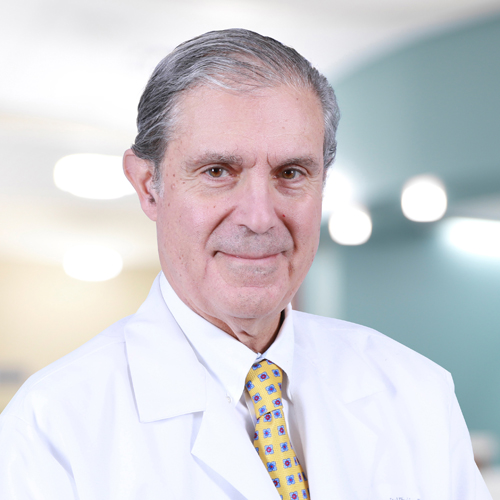 Dean J. Kereiakes合作论文数The Christ Hospital Heart and Vascular Institute, The Christ Hospital Health Network;The Christ Hospital Research Institute, The Christ Hospital Health Network;The Ohio State University;Medpace12Paul C. Gordon合作论文数11Xiaolu Su合作论文数11
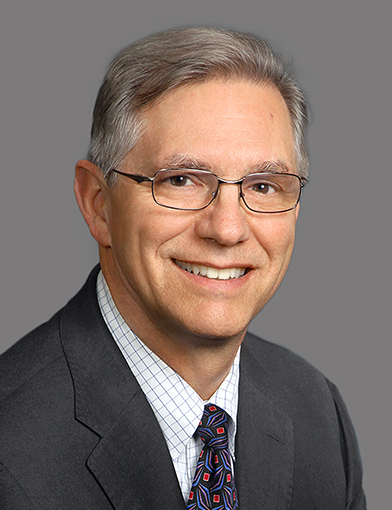 David M. Herrington合作论文数Section of Cardiovascular Medicine, Department of Internal Medicine, School of Medicine, Wake Forest University;Department of Epidemiology and Prevention, School of Medicine, Wake Forest University;Sticht Center for Healthy Aging and Alzheimer’s Prevention, School of Medicine, Wake Forest University10Neal D. Kon合作论文数10David C. Sane合作论文数10Sherry Cao合作论文数10
 Charles A. Simonton合作论文数Abiomed10Dc Sane合作论文数9John Wang合作论文数9
 Pu Min合作论文数9
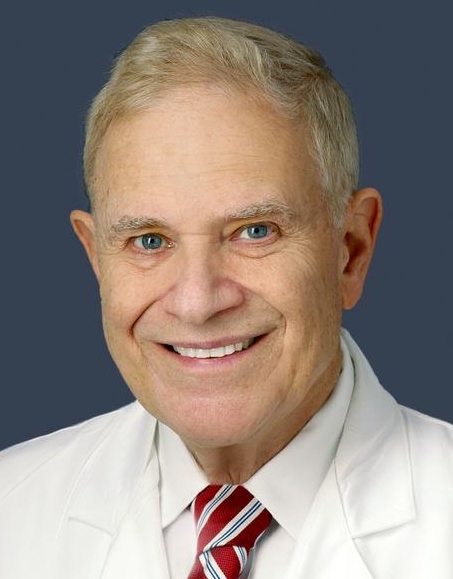 Ron Waksman合作论文数Division of Cardiology, MedStar Heart Institute;Georgetown University9Julie Doostzadeh合作论文数9Bharathi Upadhya合作论文数9KM Rankin合作论文数8TM Young合作论文数8NP XENOPOULOS合作论文数8
 Donald E. Cutlip合作论文数Cardiac Catherization Lab, Beth Israel Deaconess Medical Center;Harvard Medical School8
 David Zhao合作论文数8TT Baki合作论文数7
 David J. Cohen合作论文数University of Missouri-Kansas City7Jerome Williams合作论文数6Jr Bailey合作论文数6Pascha Schafer合作论文数6Dm Fitzgerald合作论文数6Stacey R Brandon合作论文数6SK Gandhi合作论文数5
 Sunil Vadlakonda Rao合作论文数Department of Medicine, Duke University School of Medicine5Harold L. Dauerman合作论文数Division of Cardiology, University of Vermont College of Medicine5Naim Farhat合作论文数5Samuel J. Turner合作论文数5Ra Orourke合作论文数4Ra Walsh合作论文数4Ted Kincaid合作论文数4




