PURPOSE:Systemically administered anticancer vascular endothelial growth factor inhibiting therapies can cause severe kidney injury. Intravitreal aflibercept has a greater impact on renal vascular endothelial growth factor levels than ranibizumab. We compared the risk of kidney injury among patients receiving intravitreal aflibercept versus ranibizumab. METHODS:This population-based new-user active-comparator cohort study in Ontario, Canada, evaluated 44,571 patients aged 66 years and older, newly treated with intravitreal aflibercept or ranibizumab between August 1, 2015, and July 31, 2019. The risk of adverse renal outcomes was compared while controlling for baseline and time-varying covariates. RESULTS:The composite renal outcome occurred in 12.0% (1,778/14,863) of aflibercept recipients versus 10.0% (1,327/13,289) of ranibizumab recipients (relative risk: 1.00, 95% CI: 0.93-1.06 at the 5-year follow-up). No significant differences were observed across retinal disease subgroups. CONCLUSION:Intravitreal aflibercept and ranibizumab carry comparable risks of renal adverse events despite their distinct systemic pharmacodynamics.
Purpose:Systemically administered anticancer vascular endothelial growth factor inhibiting therapies can cause severe kidney injury. Intravitreal aflibercept has a greater impact on renal vascular endothelial growth factor levels than ranibizumab. We compared the risk of kidney injury among patients receiving intravitreal aflibercept versus ranibizumab.Methods:This population-based new-user active-comparator cohort study in Ontario, Canada, evaluated 44,571 patients aged 66 years and older, newly treated with intravitreal aflibercept or ranibizumab between August 1, 2015, and July 31, 2019. The risk of adverse renal outcomes was compared while controlling for baseline and time-varying covariates.Results:The composite renal outcome occurred in 12.0% (1,778/14,863) of aflibercept recipients versus 10.0% (1,327/13,289) of ranibizumab recipients (relative risk: 1.00, 95% CI: 0.93-1.06 at the 5-year follow-up). No significant differences were observed across retinal disease subgroups.Conclusion:Intravitreal aflibercept and ranibizumab carry comparable risks of renal adverse events despite their distinct systemic pharmacodynamics.
OBJECTIVE:To compare the long-term risk of corneal edema after various glaucoma-filtering surgeries and to identify risk factors for its development. DESIGN:A retrospective cohort study. POPULATION:Adults undergoing glaucoma-filtering surgery by a single surgeon at Kingston Health Sciences Centre over a 20-year period. METHODS:Patients who underwent trabeculectomy, glaucoma drainage devices (GDD), Xen, and minimally invasive glaucoma surgery (MIGS) were included. Kaplan-Meier survival curves, and Cox proportional hazard models were generated to assess outcomes. RESULTS:A total of 333 eyes from 245 patients were included. Mean follow-up was 4.7 years (range: 3 months-19.3 years), and mean age was 73.9 years. The mean time from initial surgery to corneal edema onset was 6.2 years. The proportion of eyes free from corneal edema at 5, 10, and 15 years was 94.2%, 79.5%, and 70.8%, respectively. GDDs were associated with a higher risk of corneal edema compared to trabeculectomy (hazard ratio [HR]: 3.07, 95% CI: 1.03-9.17; p = 0.045). Five-year survival without corneal edema was 98.4% for Xen and 93.8% for MIGS. In multivariate analysis, neither Xen nor MIGS differed significantly from trabeculectomy. The number of glaucoma surgeries was the strongest predictor of corneal edema (HR: 2.40, 95% CI: 1.48-3.93; p = 0.0005). CONCLUSIONS:GDDs increase the risk of corneal edema compared to trabeculectomy. Xen and MIGS offer lower-risk alternatives. The risk increases with multiple glaucoma surgeries.
BACKGROUND:Bacterial meningitis is a rare but severe infection that has a high risk of mortality and morbidity. The study objective was to describe the microbiology, long-term mortality risk, and complications from neurologic sequelae for bacterial meningitis. METHODS:This retrospective cohort study included adults with a positive cerebrospinal fluid (CSF) bacterial culture collected from 2014 to 2022 inclusive in Ontario, Canada. Patients were followed for 1 year. The primary outcome was all-cause mortality. Secondary outcomes included aspiration, enteral feeding tube insertion, decubitus ulcers, falls and/or fractures, and long-term care admissions. RESULTS:856(2.1%) patients had positive CSF cultures including 431(50.4%) community-acquired, 255 (29.8%) nosocomial and 170(19.9%) post-neurosurgical meningitis cases. Staphylococcus aureus was the second most common pathogen in community-acquired meningitis (10.9%) and the most common pathogen in nosocomial (11.8%) and post-neurosurgical (22.9%) meningitis. All-cause mortality at 30, 90, 180, and 365 days were 11.4%, 13.2%, 14.8% and 16.5% for community-acquired meningitis; 16.5%, 22.4%, 25.1% and 27.1% for nosocomial meningitis; and 10.6%, 20.0%, 25.9% and 28.8% for postneurosurgical meningitis. Enteral feeding tube was inserted in 2.8%, 15.3%, and 20.0% of community-acquired, nosocomial, and post-neurosurgical meningitis cases respectively. Other secondary outcomes occurred rarely. CONCLUSION:S. aureus was an important pathogen. Meningitis mortality continued to increase over 1 year. For nosocomial and post-neurosurgical meningitis, one in four died by 1 year and many required enteral feeding tube.
OBJECTIVE:To evaluate the long-term evolution of first-line glaucoma therapy (FLGT) initiated by ophthalmologists and optometrists. DESIGN:Retrospective population-based study using validated provincial health care databases. PARTICIPANTS:194,759 Ontario residents, 66 years of age or older, who received FLGT between 2007 and 2018. METHODS:A total of 194,759 individuals from 12 annual cohorts were enrolled, and rates of first-line medical treatment (prostaglandin analogue [PGA], beta-blocker, alpha-2-agonist, and carbonic anhydrase inhibitor) and laser trabeculoplasty (LT) were calculated. Provider (ophthalmologist or optometrist) rates also were assessed. RESULTS:Across the entire study period, of the 194,759 enrolled individuals who received FLGT, 60.2% initially received medical treatment and 39.8% underwent LT. Approximately 94.6% were treated by ophthalmologists. PGA therapy was the most common therapy prior to 2010, whereupon LT became the most common FLGT. By 2015, LT exceeded the total of all medications as FLGT. The annual rate of initial medication prescriptions by optometrists rose to 101.4 per 100,000 population between 2011 and 2018. In 2018, PGA and non-PGA prescription rates by ophthalmologists were 2.6 and 5.0 times higher, respectively, than prescription rates by optometrists. CONCLUSION:LT therapy has become the most common FLGT for Ontario residents 66 years of age or older. PGAs remain the most frequently prescribed glaucoma medication. While ophthalmologists continue to provide the majority of FLGT, optometrists now provide a small but growing fraction of FLGT following the introduction of glaucoma medication prescribing privileges.
BACKGROUND:Public funding of cataract surgery provided in private, for-profit surgical centres increased to help mitigate surgical backlogs during the COVID-19 pandemic in Ontario, Canada. We sought to compare the socioeconomic status of patients who underwent cataract surgery in not-for-profit public hospitals with those who underwent this surgery in private for-profit surgical centres and to evaluate whether differences in access by socioeconomic status decreased after the infusion of public funding for private, for-profit centres. METHODS:We conducted a population-based study of all cataract operations in Ontario, Canada, between January 2017 and March 2022. We analyzed differences in socioeconomic status among patients who accessed surgery at not-for-profit public hospitals versus those who accessed it at private for-profit surgical centres before and during the period of expanded public funding for private for-profit centres. RESULTS:Overall, 935 729 cataract surgeries occurred during the study period. Within private for-profit surgical centres, the rate of cataract surgeries rose 22.0% during the funding change period for patients in the highest socioeconomic status quintile, whereas, for patients in the lowest socioeconomic status quintile, the rate fell 8.5%. In contrast, within public hospitals, the rate of surgery decreased similarly among patients of all quintiles of socioeconomic status. During the funding change period, 92 809 fewer cataract operations were performed than expected. This trend was associated with socioeconomic status, particularly within private for-profit surgical centres, where patients with the highest socioeconomic status were the only group to have an increase in cataract operations. INTERPRETATION:After increased public funding for private, for-profit surgical centres, patient socioeconomic status was associated with access to cataract surgery in these centres, but not in public hospitals. Addressing the factors underlying this incongruity is vital to ensure access to surgery and maintain public confidence in the cataract surgery system.
OBJECTIVE:To determine the feasibility and acceptability of connecting optometrists to ophthalmologists on an eConsult service.DESIGN:Descriptive analysis of utilization data and an anonymous survey.PARTICIPANTS:All eConsult cases sent by optometrists between March 2019 and February 2020 (utilization data); optometrists and ophthalmologists participating in the eConsult Vision Pilot Project (survey).METHODS:Utilization data for the study period were collected automatically and underwent descriptive analysis. Participating optometrists and ophthalmologists received an email invitation to a survey assessing the project.RESULTS:Thirteen optometrists from 5 clinics in the southeast region and 7 ophthalmologists were recruited to participate in the pilot project. Optometrists sent 109 eConsults in a 13-month period, representing 33% of all cases submitted to ophthalmology through the eConsult service provincially (March 2019-March 2020). Sixty-eight percent of respondents to an anonymous online survey valued the recruitment and engagement of eye care professionals from the same health region. The influence of the eConsult service was reported to have a "somewhat positive" (27%) to "very positive" (50%) influence on the relationship between the two professional groups.CONCLUSION:The eConsult Vision Pilot Project fills a gap in service and provides an opportunity for patients to get access to specialty advice. We demonstrated that allowing optometrists to solicit specialist advice from ophthalmologists was acceptable and feasible.
Objective: To explore the utility of the Catquest 9SF visual function (VF) questionnaire along with visual acuity (VA) for determining appro-priateness and priority for cataract surgery. To evaluate the feasibility of administering the Catquest-9SF in a clinical setting using web-based electronic data capture and interpretation. Design: Prospective multicentred interventional observational study. Participants: Subjects undergoing sequential cataract surgery in both eyes at 4 sites in Ontario. Methods: We recorded best-corrected VA (BCVA) and VA with current correction (CCVA) in each eye and both eyes (OU) and Catquest-9SF responses on a tablet before and after cataract surgery. Linear regression models were employed to test for associations between VA and visual function (VF). Results: Preoperative BCVA and CCVA in the worse eye were significant predictors of change in VF (p = 0.006 and p = 0.008, respec-tively); subjects with worse VA had a greater improvement in VF after surgery. There was a significant association between improvement in VF and improvement in CCVA OU (p = 0.001). Fourteen of 151 subjects (9%) had no improvement or worse VF scores after surgery. Within this group, 10 of 14 subjects had a preoperative score <=-3, which is suggestive of minimal visual disability. Within this subset, 4 of 14 subjects (2.6%) had a preoperative BCVA of 20/30 or better in their worse eye. Conclusions: For patient groups with equal VA, the Catquest-9SF score can help determine priority for surgery. Web-based data capture and interpretation allow for efficient virtual assessments of VF. A BCVA in the worse eye of 20/30 or better combined with a Catquest-9SF score <-3 can be used as a guideline for lowest priority.
Background: With an aging population in Ontario, ophthalmologists provide most of their care to older adults, which has prominent human resource implications. In this study, we sought to investigate the supply and demographic characteristics of Ontario’s ophthalmologists. Methods: In this retrospective, population-based analysis, we evaluated cohort demographics, including sex and career stage, of Ontario’s ophthalmologists from 2010 to 2019, which we reported using descriptive statistics. Similarly, we detailed ophthalmologist supply within different areas of care using descriptive statistics. Results: Over the study period, a median of 464 ophthalmologists were practising in Ontario each year. The proportion of female ophthalmologists increased from 18.7% in 2010 to 24.1% in 2019. The proportion of late-career ophthalmologists (aged > 55 yr) significantly increased by 6.4% over the study period and constituted 45.3% of the workforce in 2019. Comprehensive cataract surgery was the most common area of care. Although the number of ophthalmologists per 100 000 people remained stable over the study period (3.27 ophthalmologists/100 000 people in 2019), the number of ophthalmologists per 100 000 people aged 65 years and older fell by 18.4% from 2010 to 2019. The greatest supply reduction was among moderate-volume comprehensive cataract surgeons (−20.2% overall and −35.4% relative to the population aged ≥ 65 yr). Interpretation: Between 2010 and 2019, the overall number of ophthalmologists in Ontario remained stable; however, we observed declines in the number of ophthalmologists per 100 000 people aged 65 years and older for most areas of care. Nearly half of the ophthalmology workforce is now older than 55 years and female representation is increasing.
Objective The aim of this work is to evaluate the extent to which the eye's curvature deformation, due to changes in the intraocular pressure (IOP), can be directly tracked by an overlying contact lens. Method In this experimental study, using 12 cadaveric eyes, the IOP was increased from 10 to 36 mmHg, while video imaging was used to capture the three experimental variations. The deformation of the bare eye was used as a control, while the deformation of an overlying silicone grided contact lens and an overlying microfluidic IOP-sensing contact lens were examined and compared. Results The relation between the slope of the radius of corneal curvature versus the IOP for both the bare eye and the marker contact lens yielded a linear relationship with a R-2 value of 0.83. The microfluidic contact lens resulted in an average performance of 0.40 mm indicator movement/mmHg (SD 0.006). Comparing the slope of the marker contact lens deformation, to the performance of the microfluidic contact lens resulted in a R-2 value of 0.78. The strain map of the overlaying grided contact lens showed most deformation occurring along the outer edge of the lens with increased deformation as increase IOP occurs; as well as with some negative, compressive movement near the central points. Conclusion The deformation from the curvature of the eye is significant enough from 10 to 36 mmHg that a silicone contact lens can capture and mimic those changes. The results show promise for optimization in contact lens-based IOP monitoring.
BACKGROUND:Hearing loss is one of the most common sensory impairments and hearing aids are the most common unmet assistive device need among individuals with a disability. The benefits of hearing interventions are well-documented as they are known to deter the sequalae of hearing loss including social isolation, poor mental health, falls and cognitive decline. Identifying trends in hearing aid users can provide valuable information for improving access to hearing loss interventions. METHODS:Data were retrieved from ICES databases that were used to generate a cohort of 372,448 individuals in Ontario, Canada, who first claimed hearing aids between April 2007 and March 2018 through the Assistive Devices Program. RESULTS:The data indicated that the frequency distribution of hearing aids has steadily inclined since 2007. The mean age of hearing aid users was 70.25 ± 14.70 years and higher neighbourhood income quintile was associated with greater hearing aid use (p < 0.001). Most first claims occurred after visiting primary care physicians (70.60%) compared with otolaryngology (13.39%). An examination of clinical comorbidities revealed hypertension (63.41%), and diabetes (24.93%) to be the most common. Regression analysis demonstrated a positive associated between age and most comorbidities. Furthermore, higher neighbourhood income quintiles were associated with a reduced risk of having the examined comorbidities. CONCLUSIONS:This study examines patient demographics and clinical comorbidities in a cohort of hearing aid users in Ontario. The results identify associations between demographics and comorbidities that provide information relevant for improving access to hearing interventions and clinical decision-making in primary care.Implications for RehabilitationScreening for hearing loss (using an audiogram) in elderly individuals that manage multiple comorbidities, and any patient with significant risk factors for hearing loss (e.g., noise exposure history, prior ototoxic medications, prior head injury, history of ear surgery, family history of hearing loss) will identify deficits and direct appropriate hearing interventions.Improving access to care in low-income communities should include community-based education around expectation management and communication strategies to reinforce proper use and care of hearing devices.Geographic proximity to hearing testing facilities and hearing aid dispensaries is a significant barrier to hearing rehabilitation strategies.
Background: Surgical procedures in Canada were historically funded through global hospital budgets. Activity-based funding models were developed to improve access, equity, timeliness, and value of care for priority areas. COVID-19 upended health priorities and resulted in unprecedented disruptions to surgical care, which created a significant procedure gap. We hypothesized that activity-based funding models influenced the magnitude and trajectory of this procedure gap. Methods: Population-based analysis of procedure rates comparing the pandemic (March 1, 2020–December 31, 2021) to a prepandemic baseline (January 1, 2017–February 29, 2020) in Ontario, Canada. Poisson generalized estimating equation models were used to predict expected rates in the pandemic based on the prepandemic baseline. Analyses were stratified by procedure type (outpatient, inpatient), body region, and funding category (activity-based funding programs vs. global budget). Results: In all, 281,328 fewer scheduled procedures were performed during the COVID-19 period compared with the prepandemic baseline (Rate Ratio 0.78; 95% CI 0.77–0.80). Inpatient procedures saw a larger reduction (24.8%) in volume compared with outpatient procedures (20.5%). An increase in the proportion of procedures funded through activity-based programs was seen during the pandemic (52%) relative to the prepandemic baseline (50%). Body systems funded predominantly through global hospital budgets (eg, gynecology, otologic surgery) saw the least months at or above baseline volumes, whereas those with multiple activity-based funding options (eg, musculoskeletal, abdominal) saw the most months at or above baseline volumes. Conclusions: Those needing procedures funded through global hospital budgets may have been disproportionately disadvantaged by pandemic-related health care disruptions.
Background/objectives Adverse effects of topical glaucoma medications (TGMs) may include development of ocular adnexal disorders. We undertook a study to determine the effect of TGMs on the risk of developing lacrimal drainage obstruction (LDO) and eyelid malposition. Subjects/methods All patients 66 years of age and older in Ontario, Canada initiating TGM and all patients diagnosed with glaucoma/suspected glaucoma but not receiving TGM from 2002 to 2018 were eligible for inclusion in this retrospective cohort study. Using validated healthcare administrative databases, cohorts were identified with TGM and no TGM patients matched 1:2 on sex and birth year. The effect of TGM treatment on risk of surgery for LDO and lid malpositions was estimated using Kaplan–Meier and Cox proportional hazards models. Results Cohorts included 122,582 patients in the TGM cohort and 232,336 patients in the no TGM cohort. Among the TGM cohort there was decreased event-free survival for entropion (log-rank P < 0.001), trichiasis ( P < 0.001), and LDO ( P = 0.006), and increased ectropion-free survival ( P = 0.007). No difference in ptosis-free survival was detected ( P = 0.78). For the TGM cohort there were increased hazards for entropion (hazard ratio [HR] 1.24, 95% confidence interval [CI] 1.12–1.37; P < 0.001), trichiasis (HR 1.74, 95% CI 1.57–1.94; P < 0.001), and LDO (at 15 years: HR 2.39, 95% CI 1.49–3.85; P = 0.004), and a decreased hazard for ectropion (HR 0.89, 95% CI 0.81–0.97; P = 0.008). No association between TGM treatment and ptosis hazard was detected (HR 0.99, 95% CI 0.89–1.09; P = 0.78). Conclusions TGMs are associated with an increased risk of undergoing surgery for LDO, entropion, and trichiasis.
To the Editor: We read with great interest the article entitled "Predictors of Postoperative Complications in Vestibular Schwannoma Surgery—A Population Based Study" by Alkins et al. In this large retrospective cohort study, the authors aimed to identify the patient characteristics and comorbidities that may correlate with complications following surgery for vestibular schwannoma (VS) (1). Demographic data, preoperative comorbidities, surgical approach, and both short- and long-term postoperative outcomes were examined in 1,456 patients treated across multiple institutions. Their findings revealed key factors including older age, diabetes mellitus, dementia, and hypertension to be predictive of readmission and complications such as myocardial infarction. We applaud the authors for their comprehensive analysis of this population data and presentation of important results that may aid in preoperative planning and counseling for VS patients. Given our group's experience in developing predictive models for VS surgical outcomes, we would like to offer additional insights that may help address some of the study limitations identified by the authors. In a recent proof-of-concept study, we compared the accuracy of logistic regression models to artificial neural networks (ANNs) in determining patient-reported factors that were predictive of VS recurrence (2). In a survey of 698 VS patients, we evaluated patients' demographics, post-treatment complications, and surgical approach, in addition to tumor size, presenting symptoms, treatment centers, and years since initial treatment. Using validated classification algorithms, our dataset was divided into training, validation, and test subsets to assess the predictive power of ANN models compared to logistic regression. In summary, our ANN models demonstrated superior performance in correctly classifying cases and predicting recurrence, with a higher sensitivity (61 vs. 44%) and specificity (81 vs. 69%) than the standard regression model. ANN is a form of machine learning and emerging mathematic model used for decision support in many fields of medicine (3–5). One of the main advantages of ANN compared to traditional statistical methods is its handling of large datasets with nonlinear distributions. In the case of VS patients, many of the patient risk factors and postsurgical events are likely multifactorial in nature, making ANN particularly suitable as a predictive tool for treatment outcomes (6). Using a national database, our group recently applied machine learning techniques with the similar objective of predicting unplanned re-operation and complications following VS surgery. Our unpublished data have thus far been very promising, demonstrating a predictive accuracy of >90% as well as characterization of variables most influential in the algorithm's ability to predict complication and reoperation occurrences. We believe that application of similar ANN models to the authors' study population may further improve their analysis of the potential predictive factors and comorbidities and provide measures of variable importance. Furthermore, as the ability to control for specific variables of interest becomes more challenging with publicly accessible national databases, we believe that the authors' institutional data may actually lend itself to even higher performance of such machine learning models compared to our own study. Nonetheless, we commend the authors on their outstanding work and recognize it as a valuable addition to the literature on clinical decision-making for VS patients.
RATIONALE, AIMS AND OBJECTIVES:Physician consultations are a limited resource. Anesthesiologists provide anaesthesia during surgery and procedures, prepare patients for surgery in preoperative clinics, and provide postoperative care. This study sought to evaluate current consultation usage patterns, with an aim to determine possible opportunities for efficiency.METHOD:A retrospective comprehensive population-based cohort study was performed, evaluating all hospitals in the Canadian province of Ontario from 2002 to 2018. The main outcome measures were American Society of Anesthesiologists (ASA) classification of the patients, and whether the patients underwent surgery within 3 months following the anaesthesia consultation.RESULTS:A cohort of 2,023,499 patients, and a total of 2,920,100 preoperative anaesthesia consultations was obtained. The number of consults per year doubled between 2003 (112,983/year) and 2017 (246,427/year), despite a less than 40% increase in practicing Canadian Anesthesiologists over this same timeframe. Each year, an average of 19.3% of the consults (range: 17.7-20.5%) were for patients that did not progress to having surgery. Of those that did have surgery following the anaesthesia consult, 37.2% were ASA Classification I or II. The most common surgical procedures (percent of total) following anaesthesia consult were: Knee arthroplasty (9.5%), hip arthroplasty (5.8%), cataract extraction (4.1%), repair of muscle of chest/abdomen (3.3%), hysterectomy (2.8%), and cholecystectomy (2.7%).CONCLUSIONS:This study reveals data on utilization and trends over time of preoperative anaesthesia consultations. Potential opportunities for optimization were found, including patients who did not proceed to surgery, and healthier patients undergoing low to moderate risk surgery.
 Gill Sudeep S合作论文数Dept Med, Queens Univ25
 Chaim Bell合作论文数Department of Medicine, Temerty Faculty of Medicine, University of Toronto;Mount Sinai Hospital, Sinai Health System22Sherif R El-Defrawy合作论文数19Marlo Whitehead合作论文数19Campbell Erica de L P合作论文数15
 Martin W ten Hove合作论文数Queen’s University11Philip L Hooper合作论文数10Sherif El Defrawy合作论文数6
 J. Michael Paterson合作论文数Institute for Clinical Evaluative Sciences;Department of Family Medicine, McMaster University;Institute of Health Policy, Management and Evaluation, University of Toronto6Jason A Beyea合作论文数5
 Yvonne M Buys合作论文数Department of Ophthalmology and Visual Sciences, University of Toronto5
 Paul L. Nguyen合作论文数Brigham and Women's Hospital;75 Francis Street;Boston, MA 02115/Dana-Farber Cancer Institute;450 Brookline Avenue;Boston, MA 022155Davin Johnson合作论文数5Matthew P Quinn合作论文数4
 Susan Bronskill合作论文数Epidemiology Division, Dalla Lana School of Public Health, University of Toronto4
 David Gomez Jaramillo合作论文数Institute of Medical Science, Temerty Faculty of Medicine, University of Toronto;Department of Surgery, Temerty Faculty of Medicine, University of Toronto;Li Ka Shing Knowledge Institute, St. Michael’s Hospital, Unity Health Toronto4
 Nancy Baxter合作论文数School of Population and Global Health, University of Melbourne4
 Therese A. Stukel合作论文数Institute of Health Policy, Management and Evaluation, University of Toronto;The Dartmouth Institute for Health Policy & Clinical Practice;Institute for Clinical Evaluative Sciences4
 Graham E. Trope合作论文数Department of Ophthalmology and Vision Sciences, University of Toronto;University Health Network - Toronto Western Hospital4
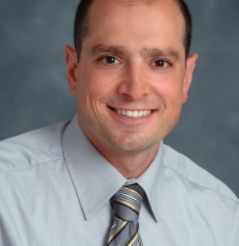 David Urbach合作论文数Department of Surgery, Temerty Faculty of Medicine, University of Toronto;Women's College Hospital4Farmer James P合作论文数4Wilton Andrew S合作论文数4Hussein Hollands合作论文数4Angelica Campigotto合作论文数3Mark D'Souza合作论文数Univ of Chicago3Daniel Newsted合作论文数Div Otolaryngol Head & Neck Surg, Queens Univ3
 Charles De Mestral合作论文数Department of Surgery, Temerty Faculty of Medicine, University of Toronto3Wendy Hatch合作论文数Department of Ophthalmology and Vision Sciences, Temerty Faculty of Medicine, University of Toronto3
 Andrea Simpson合作论文数Department of Obstetrics and Gynaecology, Temerty Faculty of Medicine, University of Toronto3Delan Jinapriya合作论文数3Cheung John合作论文数3
 Robert Nesdole合作论文数3Urton Todd E合作论文数3
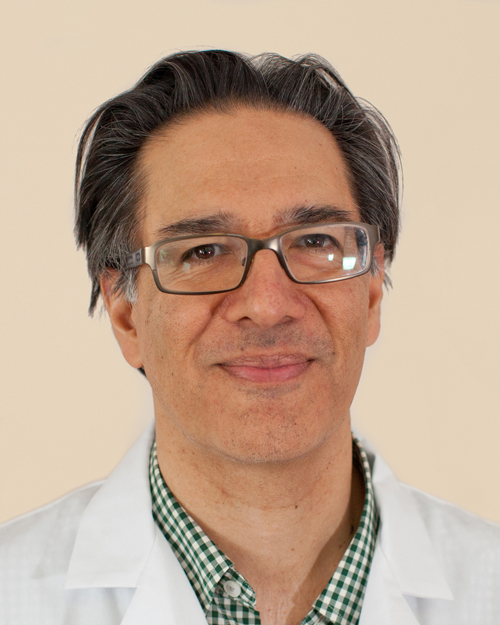 Sanjay Sharma合作论文数Department of Epidemiology, Queen's University3
 Yongjun Lai合作论文数3Isabella Irrcher合作论文数3Tom Gonder合作论文数2Ryan D Alkins合作论文数2Joanna M. Dion合作论文数2Jonas Shellenberger合作论文数2Kunyong Xu合作论文数2
 Daniel Pincus合作论文数Department of Surgery, Temerty Faculty of Medicine, University of Toronto2
 Peter Kertes合作论文数Department of Ophthalmology & Vision Sciences, University of Toronto2
 Ashwin Sankar合作论文数Department of Anesthesiology and Pain Medicine, University of Toronto2
 Vahid Sarhangian合作论文数Department of Mechanical & Industrial Engineering, Faculty of Applied Science and Engineering, University of Toronto2
 Timothy C. Y. Chan合作论文数Department of Mechanical & Industrial Engineering, Faculty of Applied Science and Engineering, University of Toronto2
 Stephen Wesley Hwang合作论文数Dalla Lana School of Public Health, University of Toronto/ Institute of Health Policy, Management and Evaluation, University of Toronto2Strube Yi Ning J合作论文数2
 Matthew B Schlenker合作论文数Department of Ophthalmology and Vision Sciences, University of Toronto2




