Introduction: The anti-CD52 monoclonal antibody alemtuzumab is used as an induction agent in kidney transplantation (KT) but remains understudied in septuagenarian recipients. The study purpose was to analyze the safety and efficacy of single-dose alemtuzumab induction in septuagenarian deceased donor (DD) KT recipients. Methods: Single center retrospective nonrandomized cohort review of septuagenarian DDKT recipients stratified by induction immunosuppression (single dose alemtuzumab versus multi-dose rabbit anti-thymocyte globulin [ATG]). Standardized management algorithms were used, and all patients received maintenance immunosuppression with tacrolimus/mycophenolate/steroids. Results: From November 2003 to December 2024, 359 DDKTs were performed in septuagenarian recipients with either alemtuzumab (n = 270) or ATG induction (n = 89). Donor and recipient characteristics were largely comparable between the two groups. Five-year patient (70.3% alemtuzumab versus 82.9% ATG, p = 0.054), graft (60.2% alemtuzumab versus 74.7% ATG, p = 0.04) and death-censored graft survival (80.0% alemtuzumab versus 89.1% ATG, p = 0.11) rates favored the ATG cohort. Conclusion: ATG induction was associated with improved survival outcomes in our cohort and may be the preferred induction agent in septuagenarians undergoing DDKT versus alemtuzumab. Given the findings of our study, caution is warranted with the use of alemtuzumab in elderly KT patients receiving triple maintenance immunosuppression.
INTRODUCTION:Nonuse of expanded criteria donor (ECD) kidneys from donation after cardiocirculatory death (DCD) donors remains high. The study purpose was to analyze our experience with kidney transplantation (KT) from DCD donors stratified by ECD versus non-ECD (standard criteria donor [SCD]). METHODS:Single center retrospective cohort study of all primary DCD KT recipients. RESULTS:From April 2003 to January 2024, we performed 671 primary DCD KTs (554 from DCD/SCDs and 117 from DCD/ECDs). Mean donor and recipient ages were 38.3 ± 14.6 DCD/SCD versus 59.4 ± 4.5 years DCD/ECD and 54.0 ± 13.1 DCD/SCD versus 63.0 ± 7.7 years DCD/ECD, respectively (both p < 0.05). Mean Kidney Donor Profile Index (KDPI) values were 53 ± 23% DCD/SCD versus 85 ± 9% DCD/ECD (p < 0.05). With a mean follow-up of 71 months DCD/SCD and 58 months DCD/ECD, patient (76.2% DCD/SCD vs. 72.6% DCD/ECD) and graft survival (61.6% DCD/SCD vs. 61.5% DCD/ECD) rates were comparable. Rates of primary nonfunction/thrombosis and delayed graft function were 3.4% for both DCD/SCD and DCD/ECD and 49% DCD/SCD versus 56% DCD/ECD, respectively (both p = NS). The presence of DGF did not influence survival outcomes in DCD/ECD KTs whereas inferior graft survival was noted in DCD/SCD KTs with DGF. However, DGF did have a negative effect on renal function in all groups. DCD/ECD KTs with or without DGF had comparable outcomes to DCD/SCD KTs with DGF. CONCLUSIONS:DCD/ECD KTs are associated with inferior functional but similar mid-term survival outcomes compared to DCD/SCD KTs with DGF. The presence of DGF appears to have a differential effect on survival outcomes in these two groups.
Active rejection (AR) remains a major risk factor for graft dysfunction and loss. Donor-derived cell-free DNA (dd-cfDNA) is a dynamic, noninvasive biomarker for AR. We hypothesized that dd-cfDNA monitoring post-rejection may enable physicians to stratify patients into those with more and less favorable prognoses. This prospective multicenter study of kidney transplant recipients (KTRs) with biopsy-proven AR (BPAR) monitored dd-cfDNA for 8 weeks following diagnosis and recorded clinical outcomes at 12 months. Patients were classified using dd-cfDNA trends; trends were then associated with outcomes. Negative outcomes comprised graft loss, subsequent BPAR, post-biopsy donor-specific antibody, and/or lack of resolution of renal dysfunction. Out of 488 KTRs, 66 with BPAR were analyzed (T cell-mediated rejection, n = 37; antibody-mediated rejection, n = 24; and mixed rejection, n = 5). A total of 76% experienced negative outcomes, and 24% experienced positive outcomes. Four distinct dd-cfDNA trends were identified: 2 with a favorable prognosis (n = 25) and 2 with an unfavorable prognosis (n = 41). Among patients with a favorable prognosis, the odds of experiencing positive outcomes were 60× higher (P = 3.18 × 10⁻⁷) and of experiencing resolving kidney dysfunction at 1 year were 13× higher (P = 2.15 × 10⁻⁵). Among KTRs with BPAR, post-rejection dd-cfDNA trends were statistically associated with outcomes, suggesting that dd-cfDNA may help physicians manage patients post-BPAR.
INTRODUCTION:An increasing number of elderly patients are undergoing either primary kidney transplantation (PrKT) or retransplantation (ReKT). METHODS:Single-center retrospective cohort study of all deceased donor KTs (DDKTs) performed in elderly patients (age ≥65 years). RESULTS:From December 2004 through August 2022, we performed 668 DDKTs in elderly patients including 39 ReKTs and 629 PrKTs. Mean donor age was lower in the ReKT group (44 ± 17 ReKT vs. 54 ± 13 years PrKT), as was KDPI (58 ± 24 vs. 74 ± 21% PrKT, both p < 0.05). A total of 44% of ReKT patients had a cPRA level above 50% compared to 10.3% PrKT (p < 0.0001). Rates were comparable between groups for primary nonfunction (2.6% ReKT vs. 3.7% PrKT) and delayed graft function (23% ReKT vs. 32% PrKT, p = 0.29). Five-year patient (55.2% ReKT vs. 74.3% PrKT, p = 0.03) and graft survival rates (GSRs, 55.2% ReKT vs. 64.7% PrKT, p = 0.32) were higher in the PrKT group. Death with functioning graft (DWFG) occurred in 59% of ReKT versus 37.4% of PrKT patients (p = 0.01) and accounted for 79.3% ReKT and 65.3% PrKT graft losses. Death-censored GSRs were not different (62.5% ReKT vs. 68.3% PrKT, p = 0.6). CONCLUSIONS:Elderly recipients of deceased donor ReKTs have a higher risk of DWFG, but death-censored outcomes are comparable to age-matched PrKT recipients.
PURPOSE OF REVIEW:Allograft rejection remains enigmatic and elusive following pancreas transplantation. In the absence of early technical pancreas graft failure, pancreas allograft rejection is the major cause of death-censored pancreas graft loss both short- and long-term. Despite this circumstance, there are variations in the diagnosis and treatment of pancreas rejection. In this article, we summarize recent literature, review common practices, and discuss various management algorithms. RECENT FINDINGS:Although pancreas allograft biopsy is the gold standard for the diagnosis of rejection, not all transplant centers have the capability to perform pancreas allograft biopsy. Some centers depend on clinical or laboratory parameters exclusively or rely on dysfunction or biopsy of a simultaneous kidney allograft as a marker for pancreas allograft rejection. New biomarkers are evolving to assess the risk for rejection and may help to diagnose early rejection. In the future, the use of machine learning algorithms and artificial intelligence may play a role identifying patients at risk and detecting pancreas rejection without performing a pancreas allograft biopsy. SUMMARY:Despite decades of experience in pancreas transplantation, the diagnosis and management of pancreas rejection remains challenging. Emerging biomarkers and machine learning algorithms are needed to mitigate immunological complications and guide immunosuppression in these patients.
OBJECTIVE:To determine the drivers of proximal tubular cell regeneration and repair over time in the setting of recovery from delayed graft function (DGF) post donation after cardiac death (DCD) kidney transplantation. BACKGROUND:DCD Kidney allografts are at increased risk of graft loss. Despite this, due to organ shortages, DCD transplantation is increasing, which offers a novel and valuable platform for the study of adaptive/maladaptive repair mechanisms after injury. METHODS:We analyzed the dynamic transcriptional changes in serial biopsies of transplanted DCD kidneys to better understand proximal tubular cell repair and regeneration in DGF at the cellular level. We also quantified loss of Y chromosome in these kidneys to determine the impact of this phenomenon on DGF. RESULTS:One cell state associated with recovery from DGF had a high loss of Y chromosome fraction (29%) compared to pre-transplant healthy proximal tubules (17%) and differentially expressed APOE. A proximal tubule cell state associated with progression to DGF was defined by injury markers VCAM1 and HAVCR1 and proinflammatory and proliferative genes CCL2 and MYC and accounted for over 50% of proximal tubules in time 0 DGF kidney biopsies. CONCLUSIONS:Taken together, our dataset of serial biopsies from DCD kidney transplants reveals insights into mechanisms driving injury and repair in the setting of DGF and offers a signature of allograft quality and functional reserve that may optimize allocation at the time of procurement.
The Columbia University group in New York has been a pioneer in highlighting issues pertaining to kidney utilization. In 2019, they reported that patients receiving kidney transplants had a median of 17 offers before receiving a transplant, whereas candidates dying on the waiting list had received a median of 16 offers. 1 Husain S.A. King K.L. Pastan S. et al. Association between declined offers of deceased donor kidney allograft and outcomes in kidney transplant candidates. JAMA Netw Open. 2019; 2e1910312https://doi.org/10.1001/jamanetworkopen.2019.10312 Crossref PubMed Scopus (66) Google Scholar In 2022, this group reported on out-of-sequence (allocation exception) donors from an organ procurement organization (OPO) perspective and concluded that “increasing pressure to improve organ utilization risks increasing out-of-sequence allocations.” 2 King K.L. Husain S.A. Perotte A. Adler J.T. Schold J.D. Mohan S. Deceased donor kidneys allocated out of sequence by organ procurement organizations. Am J Transplant. 2022; 22: 1372-1381https://doi.org/10.1111/ajt.16951 Abstract Full Text Full Text PDF PubMed Scopus (13) Google Scholar Recently, these same investigators focused on transplant center decisions to allocate kidneys to candidates with lower waiting list priority. From 2015 through 2019, 26,759 organ offers to 4668 candidates were analyzed from 3136 donors in which the OPO (n = 11) had only 1 local transplant center. 3 King K.L. Husain S.A. Yu M. Adler J.T. Schold J. Mohan S. Characterization of transplant center decisions to allocate kidneys to candidates with lower waiting list priority. JAMA Netw Open. 2023; 6e2316936https://doi.org/10.1001/jamanetworkopen.2023.16936 Crossref Scopus (1) Google Scholar These transplant centers “skipped” their highest-ranked candidate to place kidneys further down the match run in 68% of cases. Median candidate ranking was fourth (IQR 3-8) and occurred more frequently with kidneys from donors with a higher Kidney Donor Profile Index.
 Farney Alan C合作论文数172Jeffrey Rogers合作论文数121
 Giuseppe Orlando合作论文数116A. Reeves-Daniel合作论文数81C. Jay合作论文数Med Ctr Blvd, Wake Forest Sch Med59Michael Gautreaux合作论文数54Erica L. Hartmann合作论文数50Patricia L. Adams合作论文数49
 Samy Samuel Iskandar合作论文数46William Doares合作论文数42Rajinder Singh合作论文数40Emily McCracken合作论文数26
 Shay Soker合作论文数Wake Forest Institute for Regenerative Medicine, School of Medicine, Wake Forest University22S. Kaczmorski合作论文数21
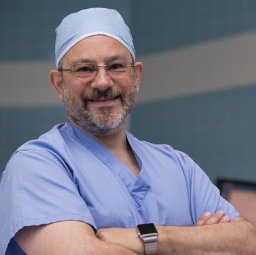 Jonathan A Fridell合作论文数Department of Pathology, and §Department of Medicine, University of Pennsylvania;∥Thomas E. Starzl Transplantation Institute, University of Pittsburgh Medical Center;University of Pennsylvania, University of Pittsburgh Medical Center19Christopher Webb合作论文数18Umar Farooq合作论文数18David Harriman合作论文数18Al-Shraideh Yousef合作论文数18Alejandra Mena-Gutierrez合作论文数17Matthew Garner合作论文数17Natalia Sakhovskaya合作论文数16
 Amudha Palanisamy合作论文数16
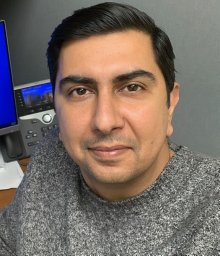 Berjesh Sharda合作论文数15Jeff Rogers合作论文数12Elizabeth Ashcraft合作论文数11Muhammad Khan合作论文数10
 Andrea Peloso合作论文数Wake Forest School of Medicine10al-Geizawi Samer合作论文数10Jon S. Odorico合作论文数9A. Osama Gaber合作论文数9L. Hart合作论文数8Zuckerman Jack合作论文数8Byers W. Shaw合作论文数8
 Alan N. Langnas合作论文数Division of Transplant Surgery, Department of Surgery, College of Medicine, University of Nebraska Medical Center8Angelika C. Gruessner合作论文数8
 David F. Kiger合作论文数8
 Komal Gurung合作论文数7Molly Jacobs合作论文数7Christopher Booth合作论文数7
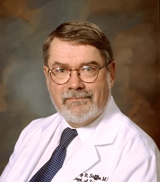 Jeffrey R Saffle合作论文数Health Center, Department of Telemedicine, School of Medicine, University of Utah7
 Ravi Katari合作论文数7
 Anthony Atala合作论文数Wake Forest Institute for Regenerative Medicine;Department of Urology, Wake Forest School of Medicine;Brenner Children's Hospital, Atrium Health Levine Children's7Glenn D. Warden合作论文数7Gloria Hairston合作论文数7Jennifer L. Larsen合作论文数7JL NINNEMANN合作论文数6H. El-Hennawy合作论文数6
 Philip Keith Moore合作论文数Department of Pharmacy, Faculty of Science, National University of Singapore6




