Background: Despite the importance of an organized, planned transition to adult healthcare for adolescents with chronic health conditions, pediatric hospitals have struggled to adequately support this process. Particularly over the past two decades, pediatric hospitals have taken different tactics in their efforts to provide systematic transition support and faced unique challenges developing comprehensive, sustainable programs. Objective: The purpose of this article is to reflect on the experience of building transition services through the 2010s decade at a large quaternary pediatric hospital, Children's Hospital Los Angeles (CHLA), which serves a diverse and largely socioeconomically disadvantaged population. Results: At CHLA, hospital-wide efforts began with informal gatherings of advocates who championed transition support. This led to collaboration and pooling of resources to develop a collective approach to transition. CHLA’s transition efforts matured over the 2010’s decade, coinciding with national advances in transition frameworks and transition-focused research. Ultimately, CHLA received a large philanthropic gift which provided resources to expand transition support throughout the institution by creating a cross-disciplinary, formalized program and infrastructure designed to support all adolescents to successfully transition to adult healthcare. Conclusion: This article archives CHLA’s unique path toward developing hospital-wide transition services and lessons learned during these efforts may be informative to others striving to improve transition services.
Evidence from medicine and other fields has shown that gender diversity results in better decision making and outcomes. The incoming workforce of congenital heart specialists (especially in pediatric cardiology) appears to be more gender balanced, but past studies have shown many inequities. Gender‐associated differences in leadership positions, opportunities presented for academic advancement, and recognition for academic contributions to the field persist. In addition, compensation packages remain disparate if evaluated based on gender with equivalent experience and expertise. This review explores these inequities and has suggested individual and institutional changes that could be made to recruit and retain women, monitor the climate of the institution, and identify and eliminate bias in areas like salary and promotions.
The association between cardiorespiratory fitness (CRF) and mortality risk is based mostly on 1 CRF assessment. The impact of CRF change on mortality risk is not well-defined.This study sought to evaluate changes in CRF and all-cause mortality.We assessed 93,060 participants aged 30-95 years (mean 61.3 ± 9.8 years). All completed 2 symptom-limited exercise treadmill tests, 1 or more years apart (mean 5.8 ± 3.7 years) with no evidence of overt cardiovascular disease. Participants were assigned to age-specific fitness quartiles based on peak METS achieved on the baseline exercise treadmill test. Additionally, each CRF quartile was stratified based on CRF changes (increase, decrease, no change) observed on the final exercise treadmill test. Multivariable Cox models were used to estimate HRs and 95% CIs for all-cause mortality.During a median follow-up of 6.3 years (IQR: 3.7-9.9 years), 18,302 participants died with an average yearly mortality rate of 27.6 events per 1,000 person-years. In general, changes in CRF ≥1.0 MET were associated with inverse and proportionate changes in mortality risk regardless of baseline CRF status. For example, a decline in CRF of >2.0 METS was associated with a 74% increase in risk (HR: 1.74; 95% CI: 1.59-1.91) for low-fit individuals with CVD, and 69% increase (HR: 1.69; 95% CI: 1.45-1.96) for those without CVD.Changes in CRF reflected inverse and proportional changes in mortality risk for those with and without CVD. The impact of relatively small CRF changes on mortality risk has considerable clinical and public health significance.
A wealth of online anxiety information exists but much of it is not evidence-based or well-balanced. This study evaluated anxiety websites (N = 20) on readability, quality, usability, visual design, and content.Overall, websites were of reasonable quality but only half were considered understandable according to the PEMAT usability scale (70% cutoff value). The average reading level across websites was 11.2 (SMOG), which is higher than NIH recommended grade 6–7 level. Websites had variable design features and a trending association suggested websites with better design come up earlier in search results. The number of topics covered varied across websites and most did not adequately cover all topics of interest. Most websites included information about psychological and self-help treatments, how treatment works, and what treatment entails. The Top 5 websites were: (1) Anxiety BC, (2) ADAA, (3) Mind, (4) Beyond Blue, and (5) Web MD.This is the first study to evaluate existing anxiety information websites based on the dimensions described above and their relationship to Google search results.This study highlights the importance of considering several dimensions in developing mental health resources and provides direction for strategies to improve existing websites and/or develop new resources.
Adolescents and young adults (AYA) transitioning from pediatric to adult health care systems face numerous challenges, including lack of logistical support with identifying appropriate adult providers, navigating communication with insurers, and transferring care to the new provider. Pediatric clinicians lack expertise in these systems-coordination skills and dedicated time to provide this level of care coordination. The purpose of this project was to evaluate the initial implementation of direct support for AYA patients and their families with transfer of care-related coordination. Within the context of an institution-wide approach to transition support for AYA, we designed and implemented the Navigation Hub. The hub serves as centralized support for navigating insurance and benefits systems and transfer to adult providers. Patients are referred to the hub by their subspecialty clinical team. Three case managers meet with patients to identify patient priorities, explore provider availability within the insurer's care network, and assist with transfer-related coordination and establishment of service with benefit programs. Support for an individual patient continues until all transfer-related goals are achieved. To ensure continuous refinement of services offered, we conducted a survey of providers whose patients had accessed the hub at three months and one-year post-implementation. We also conducted a survey of patients and families after their transfer-related goals were achieved. The Navigation Hub was launched in September 2020 with support for four subspecialty clinics. An additional four clinics were added in January 2021 and two in June 2021, with the goal of continued expansion until navigation support is available for patients across the institution. To date, 252 patients have received support. Reasons for referral include assistance with identification and transfer to adult primary care provider (61.9%) and to adult specialty care provider (80.6%); assistance with public benefits (13.1%), insurance navigation and troubleshooting (40.1%); guidance with conservatorship (11.9%), health care power of attorney (6.7%), educational accommodations (6.0%); and other (10.7%). Survey responses from clinicians and providers (n=27) indicated high levels of satisfaction with the ease of referring patients, communication with case managers, and overall quality of services. Survey responses from patients (n=9) and parents/guardians (n= 6) indicated high levels of satisfaction with services, communication and time spent with the case managers, and support received. Of the patient respondents, 100% indicated increased confidence in calling their primary and/or specialty care doctors' offices, knowing where to access their medical records, knowing where to look for information about public benefits, asking their primary and/or specialty care providers questions about their health needs, and completing health care-related forms. Majority (83.3%) indicated increased confidence in knowing where to find information about their insurance. The Navigation Hub fills a critical gap in the care delivery system for AYA transitioning from pediatric to adult providers by removing transfer-related care coordination activities from pediatric providers to a centralized group with coordination expertise. Ongoing evaluation will help to identify standard processes for this coordination, activities of greatest value, and mechanisms for long-term financial viability.
AIMS:Congenital heart disease (CHD) is the most common congenital malformation. Despite the worldwide burden to patient wellbeing and health system resource utilization, tracking of long-term outcomes is lacking, limiting the delivery and measurement of high-value care. To begin transitioning to value-based healthcare in CHD, the International Consortium for Health Outcomes Measurement aligned an international collaborative of CHD experts, patient representatives, and other stakeholders to construct a standard set of outcomes and risk-adjustment variables that are meaningful to patients.METHODS AND RESULTS:The primary aim was to identify a minimum standard set of outcomes to be used by health systems worldwide. The methodological process included four key steps: (i) develop a working group representative of all CHD stakeholders; (ii) conduct extensive literature reviews to identify scope, outcomes of interest, tools used to measure outcomes, and case-mix adjustment variables; (iii) create the outcome set using a series of multi-round Delphi processes; and (iv) disseminate set worldwide. The Working Group established a 15-item outcome set, incorporating physical, mental, social, and overall health outcomes accompanied by tools for measurement and case-mix adjustment variables. Patients with any CHD diagnoses of all ages are included. Following an open review process, over 80% of patients and providers surveyed agreed with the set in its final form.CONCLUSION:This is the first international development of a stakeholder-informed standard set of outcomes for CHD. It can serve as a first step for a lifespan outcomes measurement approach to guide benchmarking and improvement among health systems.
This essay discusses the aging process among physicians and the need to assess physician cognitive and sensorineural competence as indicated on an individual basis regardless of age.
We developed a Fontan surveillance catheterization protocol as part of routine assessment of stable patients 10 years after Fontan completion. The surveillance catherization includes hemodynamic assessment with inhaled nitric oxide, angiography, liver biopsy, and transcatheter intervention if indicated. We aimed to describe hemodynamic and liver biopsy findings, response to pulmonary vasoreactivity testing, rates of transcatheter intervention, and changes in medical therapy following surveillance catheterization in stable Fontan patients. A single-center retrospective review of Fontan patients undergoing surveillance catheterization between November 2014 and May 2019 was performed. Liver biopsies were independently scored by two pathologists. Sixty-three patients underwent surveillance catheterization (mean age 14.6 ± 3.0 years). The mean Fontan pressure was 11.8 ± 2.1 mmHg. The mean cardiac index was 2.9 ± 0.6 L/min/m 2 . In the 51 patients who underwent pulmonary vasoreactivity testing, there was a significant decrease in median pulmonary vascular resistance (1.8 [range 0.8–4.1] vs 1.4 [range 0.7–3.0] Wood units × m 2 ; p < 0.001). The mean cardiac index increased (3.0 ± 0.6 vs 3.2 ± 0.7 L/min/m 2 , p = 0.009). The Fontan pressure did not change significantly. Fifty-seven patients underwent liver biopsy, and all but one showed fibrosis. Nineteen patients (33.3%) demonstrated bridging fibrosis or cirrhosis. Twenty-five patients underwent 34 transcatheter interventions. Pulmonary artery or Fontan stent placement was performed in 19 patients. Phosphodiesterase type 5 inhibitors were initiated in nine patients following surveillance catheterization. Routine surveillance catheterization with liver biopsy in adolescent Fontan patients reveals information that can guide interventional and medical management. Further long-term follow-up and assessment are indicated to assess the benefit of these interventions.
The objective of this study was to describe the association of enrollment in the Special Supplemental Nutrition Program for Women, Infants and Children (WIC), the Supplemental Nutrition Assistance Program (SNAP), and infant growth and neurodevelopmental outcomes. Z scores and Bayley Scales of Infant and Toddler Development–Third Edition (Bayley-III) and Vineland Adaptive/Behavior Scale–II (VABS-II) scores represented primary outcomes. We conducted bivariate analyses and linear regression. Children who were enrolled in WIC or WIC/SNAP had weight z scores U (95% confidence interval [CI]) that were 1.32 (0.42-2.21) or 1.19 (0.16-2.23) units higher. Enrollment in WIC or WIC/SNAP was associated with a higher score (95% CI) of 11.7 U (1.2-22.2 U) or 11.5 (0.1-22.9) for Bayley-III cognitive score and 10.1 U (1.9-19.1 U) or 10.3 (0.9-19.7) for the VABS-II composite score. These findings support increased advocacy for participation in WIC or WIC/SNAP for families with high-risk infants.
![Figure][1] \n\n\n\nJaqueline A. Noonan, MD, passed away on July 23, 2020, at age 91 years. Over those years, she led a fulfilling life in the care for children. She was born on October 28, 1928, in Burlington, Vermont, but moved to Hartford, Connecticut, at age 9 months. At age 5 years, she
Congenital heart defects (CHD) represent a growing burden of illness among adults. We estimated the lifetime health, education, labor, and social outcomes of adults with CHD in the USA using the Future Adult Model, a dynamic microsimulation model that has been used to study the lifetime impacts of a variety of chronic diseases. We simulated a cohort of adult heads of households > 25 years old derived from the Panel Survey of Income Dynamics who reported a childhood heart problem as a proxy for CHD and calculated life expectancy, disability-free and quality-adjusted life years, lifetime earnings, education attainment, employment, development of chronic disease, medical spending, and disability insurance claiming status. Total burden of disease was estimated by comparing to a healthy cohort with no childhood heart problem. Eighty-seven individuals reporting a childhood heart problem were identified from the PSID and were used to generate the synthetic cohort simulated in the model. Life expectancy, disability-free, quality-adjusted, and discounted quality-adjusted life years were an average 4.6, 6.7, 5.3, and 1.4 years lower than in healthy adults. Lung disease, cancer, and severe mental distress were more common compared to healthy individuals. The CHD cohort earned $237,800 less in lifetime earnings and incurred higher average total medical spend by $66,600 compared to healthy individuals. Compared to healthy adults, the total burden of CHD is over $500K per adult. Despite being among the healthiest adults with CHD, there are significant decrements in life expectancy, employment, and lifetime earnings, with concomitant increases in medical spend.
The objective of this analysis was to update trends in LOS and costs by survivorship and ECMO use among neonates with hypoplastic left heart syndrome (HLHS) undergoing stage 1 palliation surgery using 2016 data from the Healthcare Cost and Utilization Project Kids’ Inpatient Database. We identified neonates ≤ 28 days old with HLHS undergoing Stage 1 surgery, defined as a Norwood procedure with modified Blalock–Taussig (BT) shunt, Sano modification, or both. Multivariable regression with year random effects was used to compare LOS and costs by hospital region, case volume, survivorship, and ECMO vs. no ECMO. An E-value analysis, an approach for conducting sensitivity analysis for unmeasured confounding, was performed to determine if unmeasured confounding contributed to the observed effects. Significant differences in total costs, LOS, and mortality were noted by hospital region, ECMO use, and sub-analyses of case volume. However, other than ECMO use and mortality, the maximum E-value confidence interval bound was 1.71, suggesting that these differences would disappear with an unmeasured confounder 1.71 times more associated with both the outcome and exposure (e.g., socioeconomic factors, environment, etc.) Our findings confirm previous literature demonstrating significant resource utilization among Norwood patients, particularly those undergoing ECMO use. Based on our E-value analysis, differences by hospital region and case volume can be explained by moderate unobserved confounding, rather than a reflection of the quality of care provided. Future analyses on surgical quality must account for unobserved factors to provide meaningful information for quality improvement.
National management guidelines recommend that patients with moderate and complex congenital heart disease (CHD) receive life-long cardiac care (LLCC), guided in adulthood by an adult congenital heart disease (ACHD) specialist. However, the percentage of adult CHD patients who receive such care is quite low. Inadequate knowledge regarding LLCC may contribute to care interruption. We, therefore, sought to determine the knowledge of adolescents and young adults regarding LLCC. In this multi-center study, we administered a survey to patients 13–20 years of age with surgically repaired congenital heart disease. We assessed the understanding of both their need for LLCC and awareness of the type of recommended care providers. A total of 290/302 (96%) patients approached in the outpatient clinic setting (10 centers) agreed to study participation; mean age was 16.3 ± 2.3 years; patients were 62% male. While the need for LLCC was recognized by 78% of subjects, only 37% understood that an ACHD specialist in adulthood should guide this care. Only 37% of respondents stated that their current cardiology team had spoken to them about LLCC, but 90% wished to learn more. A substantial number of adolescents and young adults with moderate and complex CHD lack adequate knowledge about LLCC, but most have a desire to learn more about the type of care they will require in adulthood. Transition education/assessment ensuring successful transfer to adult-oriented care for this population should emphasize the importance of LLCC.
BackgroundWe have limited information on families' experiences during transition and after discharge from the neonatal intensive care unit.MethodsOpen-ended semi-structured interviews were conducted with English or Spanish- speaking families enrolled in Medicaid in an urban high-risk infant follow up clinic at a safety-net center, which serves preterm and high-risk term infants. We generated salient themes using inductive-deductive thematic analysis.ResultsTwenty-one participants completed the study. The infant's median (IQR) birth weight was 1750 (1305, 2641) grams; 71% were Hispanic and 10% were Black non-Hispanic; 62% reported living in a neighborhood with 3-4th quartile economic hardship. All were classified as having chronic disease per the Pediatric Medical Complexity Algorithm and 67% had medical complexity. A conceptual model was constructed and the analysis revealed major themes describing families' challenges and ideas to support transition centered on the parent-child role and parent self-efficacy. The challenges were: (1) comparison to normal babies, (2) caregiver mental health, (3) need for information. Ideas to support transition included, (1) support systems, (2) interventions using mobile health technology (3) improved communication to the primary care provider and (4) information regarding financial assistance programs. Specific subthemes differed in frequency counts between infants with and without medical complexity.ConclusionsFamilies often compare their preterm or high-risk infant to their peers and mothers feel great anxiety and stress. However, families often found hope and resilience in peer support and cited that in addition to information needs, interventions using mobile health technology and transition and financial systems could better support families after discharge.
OBJECTIVE:Transition from pediatric to adult care is a critical time for patients with congenital heart disease. Lapses in care can lead to poor outcomes, including increased mortality. Formal transition clinics have been implemented to improve success of transferring care from pediatric to adult providers; however, data regarding outcomes remain limited. We sought to evaluate outcomes of transfer within a dedicated transition clinic for young adult patients with congenital heart disease.DESIGN, SETTING, AND PATIENTS:We performed a retrospective analysis of all 73 patients seen in a dedicated young adult congenital heart disease transition clinic from January 2012 to December 2015 within a single academic institution that delivered pediatric and adult care at separate children's and adult hospitals, respectively.INTERVENTION AND OUTCOME MEASURES:Demographic characteristics including congenital heart disease severity, gender, age, presence of comorbidities, presence of cardiac implantable electronic devices, and type of insurance were correlated to success of transfer. Rate of successful transfer was evaluated, and multivariate analysis was performed to determine which demographic variables were favorably associated with transfer.RESULTS:Thirty-nine percent of patients successfully transferred from pediatric to adult services during the study period. Severe congenital heart disease (OR 4.44, 95% CI 1.25-15.79, P = .02) and presence of a cardiac implantable electronic device (OR 4.93, 95% CI 1.18-20.58, P = .03) correlated with transfer. Trends favoring successful transfer with presence of comorbidities and private insurance were also noted.CONCLUSIONS:Despite a dedicated transition clinic, successful transfer rates remained relatively low though comparable to previously published rates. Severity of disease and presence of implantable devices correlated with successful transfer. Other obstacles to transfer remain and require combined efforts from pediatric and adult care systems, insurance carriers, and policy makers to improve transfer outcomes.
The field of implantable rhythm devices has been evolving rapidly. This advancement has, in part, included leadless pacemakers, subcutaneous ICDs and smaller devices with more capabilities. This review will attempt to discuss a broad range of advancements in implantable rhythm devices as it relates to the care of patients with congenital heart disease.
 Hillel Laks合作论文数David Geffen School of Medicine, University of California, Los Angeles;Cedars Sinai Medical Center;Wadsworth VA Hospital;Granada Hills Community Hospital18
 Aldo R. Castaneda合作论文数University of Minnesota14
 Barbara L. George合作论文数12Fz Bierman合作论文数11
 Stephen Sanders合作论文数Department of Cardiology, Boston Children's Hospital;Benderson Family Heart Center, Boston Children's Hospital;Harvard Medical School, Harvard University11Dc Drinkwater合作论文数9
 Alvin J. Chin合作论文数From the Departments of Pediatrics and Surgery, Harvard Medical School9Jeffrey M. Pearl合作论文数9
 Gary D. Webb合作论文数CHiP Network8
 Michael Landzberg合作论文数Department of Cardiology, Boston Children's Hospital;Harvard Medical School8
 William Imon Norwood合作论文数Nemours Children's Hospital7John S. Child合作论文数7
 Peter Lang合作论文数7Fredrick Z Bierman合作论文数5
 Carole A. Warnes合作论文数Division of Pediatric Cardiology, Mayo Clinic5Amy Verstappen合作论文数5Jm Jarmakani合作论文数4
 Masato Takahashi合作论文数4Yasser Al-Khatib合作论文数4
 Juan Alejos合作论文数4
 Joseph K. Perloff合作论文数Adult Congenital Heart Disease Center, University of California, Los Angeles4
 Susan Fernandes合作论文数Stanford University4
 Vivek Allada合作论文数4Amnon Rosenthal合作论文数4K. Fellows合作论文数3Stephen R. Crumb合作论文数3Ashwini Lakshmanan合作论文数3Kirsten Dummer合作论文数3Courtney Porter合作论文数3
 Robert M. Sade合作论文数Institute of Human Values in Health Care, Medical University of South Carolina;Department of Surgery, College of Medicine, Medical University of South Carolina3
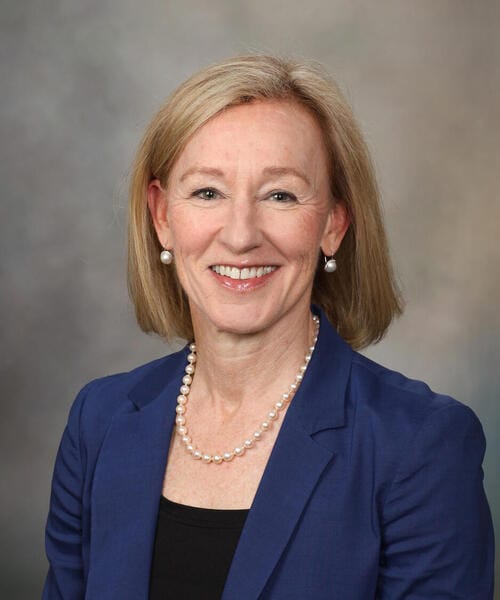 Heidi M. Connolly合作论文数Department of Cardiovascular Medicine, Mayo Clinic3Agrawal Garima合作论文数3
 Thomas M. Bashore合作论文数Duke Medical Center3
 Joseph A. Dearani合作论文数Children's Center, MayoClinic;Transplant Research Center, MayoClinic3
 Pedro J. Del Nido合作论文数Department of Cardiac Surgery, Boston Children's Hospital;Harvard Medical School3Paul Khairy合作论文数3
 Jane Newburger合作论文数Department of Cardiology, Boston Children's Hospital;Harvard Medical School3Thomas P. Graham合作论文数3Davis Drinkwater合作论文数3
 Philippe Friedlich合作论文数Keck School of Medicine, University of Southern California;Children's Hospital Los Angeles3William F. Friedman合作论文数3James W. Fasules合作论文数3Arwa Saidi合作论文数3Ah Lin Wong合作论文数3Thomas S. Klitzner合作论文数3Ellen Iverson合作论文数3Carl W. Chipman合作论文数3
 Stacey Drant合作论文数2




