BACKGROUND:Defining the transmission zones for onchocerciasis is a critical first step needed in an endemic country aiming to eliminate the transmission of onchocerciasis. The process focuses on defining the geographical boundaries of areas where onchocerciasis transmission could persist with minimal influence from neighbouring regions. The use of operational transmission zones (OTZs) allows for assessment of interruption of onchocerciasis transmission with greater certainty within endemic countries. METHODS:We used available environmental, epidemiological and entomological data on onchocerciasis in Burkina Faso from the inception of the Onchocerciasis Control Programme to the present day. This information, together with field assessments, allowed delineation of OTZs across the whole country. RESULTS:Six OTZs were identified: Comoé-Léraba, Dienkoa, Bas-Mouhoun, Volta, Boucle du Mouhoun and Gourma. CONCLUSIONS:Delineation of the onchocerciasis OTZs of Burkina Faso will facilitate the implementation of future interventions and assessment of the progress towards disease elimination within the country and bordering regions.
The sterile insect technique (SIT) is a population suppression strategy that involves releasing sterile male insects, which mate with wild females, thereby inducing sterility in the target population. Although SIT represents a promising complementary approach for malaria vector control, its success depends on identifying an irradiation dose that ensures high sterility while preserving the biological performance of males. This study aimed to determine the optimal irradiation dose for sterilizing Anopheles coluzzii, a major malaria vector in West Africa, under laboratory conditions in Burkina Faso. Experiments were conducted using the 13th generation (G13) of a laboratory strain of Anopheles coluzzii. Pupae were irradiated with doses ranging from 40 to 120 Gy. Key biological parameters, including adult emergence rate, insemination rate, fertility (egg hatching rate), and survival, were evaluated under controlled laboratory conditions. Irradiation did not affect adult emergence at any of the tested doses. Though insemination rates declined at higher doses, they were not significantly impacted by doses between 40 and 70 Gy. All irradiation doses negatively affected mosquito survival, with more pronounced effects observed at higher doses. Egg hatching rates remained unaffected at 40 and 50 Gy, were significantly reduced at 60 Gy, and were completely suppressed at 70 Gy. An irradiation dose of 70 Gy appears optimal for Anopheles coluzzii, because it induces complete sterility (0
Abstract Testing of insecticides and insecticide-based vector control tools relies on the use of bioassays whereby insects are exposed and mortality, or another relevant entomological endpoint, is measured. To be able to compare results between products and across time and space standard laboratory strains are used. Insecticide-susceptible strains are often used as comparators in studies involving insecticide-resistant populations. ‘Kisumu’ is a long-established, widely-used insecticide-susceptible strain of Anopheles gambiae . In this study, 16 facilities across different countries exposed their Kisumu colonies aged 3-5 days to four insecticides (permethrin, alpha-cypermethrin, DDT and pirimiphos-methyl) at a range of concentrations in WHO tube assays to assess susceptibility. Insecticide-treated filter papers were made at the Liverpool School of Tropical Medicine and sent to testing centres, along with a standard protocol and testing conditions requirements, to standardise testing as much as possible. A first observation was that DDT results were affected by the use of Risella oil, the WHO-recommended carrier oil but immiscible in acetone, leading to uneven coating of papers and increased variability in bioassay results (40x variance between colonies). Bioassay data generated by the testing facilities suggest a wide range of susceptibility to different insecticides between colonies of Kisumu: LC 50 values between colonies differed, though not significantly, by up to 4x for permethrin, 6x for pirimiphos-methyl, and 15x for alpha-cypermethrin. Some colonies are classified as insecticide resistant based on the WHO definition of <98% mortality on exposure to a discriminating concentration. The assumption that Kisumu is a standard susceptible strain, consistent between facilities is challenged, which has implications when comparing results between studies. We propose genotypic analysis of the colonies to identify signs of resistance markers indicative of contamination from resistant strains or wild mosquitoes, and generation of guidance to support the maintenance and monitoring of susceptible mosquito strains.
Growing of insecticide resistance in Aedes aegypti underscores the need for alternative vector control tools. Ivermectin, an endectocide with mosquitocidal properties, is currently evaluated against Anopheles for residual malaria control. Its potential use against Ae. aegypti within integrated strategies also warrants investigation. This study assessed the effects of ivermectin-treated cattle blood on the survival and reproductive parameters of two Ae. aegypti strains: Bora Bora (insecticide susceptible) and Bobo (insecticide resistant). Laboratory-reared females were fed on cattle treated with ivermectin at doses of 0.6, 0.8, and 1 mg/kg. Blood meals were offered at 0, 2, 7, 14, 21, and 28 days after injection (DAI). Daily mortality, oviposition probability, egg production, and egg hatching rates were recorded and compared to mosquitoes fed on untreated cattle. For the Bora Bora strain, all ivermectin doses significantly reduced mosquito survival and reproductive outputs. The 1 mg/kg dose reduced survival by 66% at 2 DAI and 30% at 14 DAI. Oviposition probability declined by up to 51.9%, and egg production by 42.9%. For the Bobo strain, survival was significantly affected by the 1 mg/kg dose only (-14% at 7 DPI), though all doses led to reduced hatching rates (up to -50.7%). These findings confirm that injectable ivermectin can impair Aedes aegypti survival and fertility, particularly in susceptible populations. However, it's reduced efficacy against resistant strains and short-time toxicity limits its effectiveness in field settings. Developing a formulation that can maintain mosquitocidal concentrations over extended periods will be essential to enhance impact, cost-effectiveness, and operational feasibility.
In the tropical savannahs with long dry seasons, malaria mosquito populations virtually disappear after the drying up of breeding sites to reappear in large numbers at the onset of next rainy season. While aestivation and long-distance migration are proposed as key strategies enabling these vectors to persist through the dry-season, the physiological, biochemical, and morphological traits underpinning these mechanisms remain insufficiently explored, particularly under natural field conditions. This study explored seasonal changes in Anopheles coluzzii, An. gambiae, and An. arabiensis at the onset of the dry season in the harsh savannahs of Burkina Faso, West Africa. Late-instar immature specimens were collected from two ecologically distinct sites, one with permanent and the other with only temporary breeding habitats, during the rainy season and the transitional period into the dry season. Larvae were reared to adulthood under natural conditions and several traits were analysed including ovarian development, sub-cuticular fat body hypertrophy, body size, and energy reserves. Gonotrophic dissociation was significantly more frequent in An. coluzzii at the onset of the dry season, indicating a shift toward reproductive arrest. All three species exhibited increased body size and cuticular fat deposits during the transitional period, though with species-specific differences. Notably, only An. coluzzii showed significant increases in energy reserves (proteins, lipids, and carbohydrates) during the transition period. These adaptive responses differed between the study sites, suggesting the influence of breeding habitats. The findings highlight that species within the An. gambiae complex engage in distinct phenotypic trajectories at the onset of the dry season, suggesting divergent adaptations and trade-offs in energy acquisition and allocation to survive during the dry season.
Aims: This study aimed to assess the level of contamination of surface waters by herbicides used in cereal-growing areas of western Burkina Faso, and to evaluate the compliance of measured concentrations with international guideline values, as well as the associated environmental and potential health risks. Study Design: Cross-sectional field study combining spatially distributed sampling of surface waters with multi-residue chemical analysis of selected herbicides. Place and Duration of Study: The study was carried out in twelve localities located in four regions of western Burkina Faso (Hauts-Bassins, Boucle du Mouhoun, Sud-Ouest and Cascades). Two sampling campaigns were conducted in August and November 2020, and herbicide analyses were performed at the National Agency for Food, Environmental, Occupational and Health Product Safety (ANSSEAT), Ouagadougou, Burkina Faso. Methodology: In each locality, five cereal fields were selected. Surface water samples were collected inside fields or within approximately 100 m of the fields, in small water bodies directly influenced by agricultural practices. Water samples from each field were combined to obtain a composite sample, and, at the locality scale, field composites were again homogenised to produce a single composite sample per locality and per sampling phase. Thirteen herbicidal active ingredients were selected from a previously documented list of 25 molecules commonly used in cereal production. Residues were extracted using an adapted QuEChERS method, purified, concentrated and quantified by high-performance liquid chromatography with UV detection (HPLC–UV). Measured concentrations were compared with guideline values from the World Health Organization (WHO) and maximum admissible concentrations defined in the European Drinking Water Directive 2020/2184. Results: Herbicide residues were detected in most localities during both sampling periods, revealing widespread contamination of surface waters. In phase 1, corresponding to the peak period of herbicide use, almost all targeted substances were detected, with concentrations ranging from 0.013 µg/L for atrazine (Dano) to 1484.90 µg/L for nicosulfuron (Safané). In phase 2, conducted at the end of the rainy season, concentrations varied from 0.0103 µg/L for metolachlor (Douna) to 1531.68 µg/L for mesotrione (Kankalaba). Between phases, some molecules (such as atrazine, bensulfuron-methyl and haloxyfop-R-methyl) disappeared, while others, including terbuthylazine, showed marked increases, and metolachlor, absent in phase 1, appeared in several localities in phase 2. For more than 90% of the measurements, individual herbicide concentrations exceeded the European limit of 0.1 µg/L for a single pesticide in drinking water, and several concentrations also surpassed WHO guideline values, indicating a high ecotoxicological risk for aquatic organisms and raising concerns for rural populations using untreated surface waters. Conclusion: Surface waters in cereal-growing areas of western Burkina Faso are heavily and persistently contaminated by herbicides, with concentrations frequently exceeding international guideline values. These findings underline the urgent need to strengthen water quality monitoring, to promote integrated and more rational pesticide management, and to raise awareness among farmers and local communities about the risks associated with herbicide misuse in cereal-based agroecosystems.
The interaction between Anopheles mosquitoes and their environment plays a pivotal role in malaria transmission, and detailed knowledge of local vector bioecology is essential for developing effective control strategies. We investigated the resting habitats and dispersal patterns of adult Anopheles arabiensis in Dioulassoba, Burkina Faso, a locality implicated in urban malaria transmission. Outdoor structures with potential resting sites were aspirated to assess mosquito presence and positive habitats were characterized in terms of contrast, luminosity, temperature, and mosquito density. Adult mosquitoes were collected at increasing distances from the Houet river, the primary larval site, in order to assess their spatial distribution. Anopheles arabiensis exploited a wide range of habitats that were generally warm and shaded with heterogeneous illumination. There was a strong positive correlation between mosquito density, habitat type and environmental parameters. Dispersal following emergence was limited, with fewer than 60% of adults moved beyond 50 meters from the larval site, with females dispersing farther than males. Mosquito density declined progressively with increasing distance from the Houet river. These results indicate that interventions targeting resting habitats or sterile males’ releases concentrated near larval sites may improve vector control by reducing local An. arabiensis population.
Mosquito age-grading is important for evaluating mosquito control efforts and estimating pathogen transmission risk. We previously developed a simple, low-cost, and high-throughput method to age-grade mosquitoes by computing the pixel intensity (PI) of wing photos, which reflects wing scale loss over time. Here the technique was refined and used to understand wild Anopheles gambiae population structures from the RIMDAMAL II clinical trial. Wing photos from lab-reared An. gambiae had narrower PI ranges compared to wild An. gambiae s.l., but the PI distributions reflected wild population structures where most have lower PI values and very few high PI values. A model was then fitted to samples from lab mosquitoes of known ages and used to interpolate unknown ages from the wild populations (median age of 4.96 [0.8-14.93] days old). Analyses from the RIMDAMAL II trial indicate that while ivermectin mass drug administrations in the intervention arm may have modestly influenced PI and predicted age relative to controls, distributions of new dual-chemistry bed nets in both arms were associated with a strong effect on PI and predicted age structure. These data suggest this method can be used to rapidly age-grade wild mosquito populations and infer the efficacy of vector control interventions. ### Competing Interest Statement The authors have declared no competing interest.
An entomological surveillance was carried out in two districts of western Burkina Faso to assess the impact of mass-distributed next-generation long-lasting insecticidal nets (LLINs) (Piperonyl Butoxide (PBO) LLINs and Interceptor® G2) on Anopheles gambiae s.l. populations, focusing on insecticide resistance trends and residual malaria transmission patterns, along with their environmental and operational determinants. Hourly indoor and outdoor mosquito collections were conducted across four households per district form August-October 2023 using Human Landing Catch and Pyrethrum Spray Catch. All collected mosquitoes were morphologically identified. Molecular analysis was performed on Anopheles gambiae s.l. to determine species composition, blood meal sources, Plasmodium falciparum infection rates, and insecticide resistance mutations. Seven Anopheles species were recorded, with the An. gambiae s.l. complex being predominant. Species composition varied significantly by month (August-October), with An. coluzzii being the dominant species, followed by An. arabiensis. Early and late biting behaviors were observed among vector populations. Entomological inoculation rates were 0.875, 0.437, and 0.063 infectious bites/person/month in August, September, and October, respectively. Kdr-west and kdr-east mutations were detected across all members of the An. gambiae s.l. complex, though at varying frequencies. This study highlights the diversity and behavioral adaptability of the Anopheles gambiae s.l. complex. Despite widespread use of LLINs and indoor residual spraying (IRS), substantial residual malaria transmission persists. These findings offer critical evidence for optimizing vector control and resistance management strategies in Burkina Faso.
Current guidelines for onchocerciasis elimination rely heavily upon assessment of the presence of Onchocerca volvulus in the vector Simulium damnosum (sensu lato). This entomological study was conducted over four years in several regions of Burkina Faso to determine the progress made towards interrupting onchocerciasis transmission. Larvae and adult blackflies were collected in eight river basins (Comoé, Léraba, Dienkoa, Mouhoun, Bougouriba, Bambassou, Nakambé, Nazinon and Sissili). Larvae were analyzed by cytotaxonomy, and the adult blackflies analyzed for the presence of infective larvae of O. volvulus by PCR. Blackfly infectivity rates were first determined by year for each basin, then compared to the thresholds established by the WHO. The results indicate that the blackflies collected belong to the savannah group species Simulium damnosum (sensu stricto) and Simulium sirbanum. Hybrids of the two species were also identified. Overall, the prevalence of flies carrying infective larvae was below the threshold of 0.05% established by the WHO, indicating important progress towards the interruption of onchocerciasis transmission in Burkina Faso, although hotspots with infectivity rates well above the WHO's thresholds remain. Onchocerca volvulus continues to be transmitted in six of the nine basins evaluated, all of which border neighboring countries. These data indicate that it will be necessary to maintain entomological surveillance in these hotspot areas until transmission is interrupted throughout the region.
Arboviruses (i.e., Arthropod-borne viruses) pose a threat to human health worldwide. This taxonomically-diverse group includes numerous viruses that recurrently spread into new regions. Therefore, periodic surveys of the arboviral diversity in a given region can help optimize the diagnosis of arboviral infections. However, such surveys are infrequent, especially in low-income countries. Consequently, case investigation is often limited to a fraction of the arboviral diversity. This situation is likely to result in undiagnosed cases. Here, we investigated the diversity of mosquito-borne arboviruses in two regions of Burkina Faso. To this end, we used untargeted metagenomics to screen mosquitoes collected over three years in six urban and rural areas. The analysis focused on two mosquito species, Aedes aegypti and Culex quinquefasciatus, considered to be among the most important vectors of arboviruses worldwide. The screening detected Sindbis virus (SINV, Togaviridae) for the first time in Burkina Faso. This zoonotic arbovirus has spread from Africa to Europe. SINV causes periodic outbreaks in Europe but its distribution and epidemiology in Africa remains largely unstudied. SINV was detected in one of the six areas, and at a single year. Detection was validated with isolation in cell culture. SINV was only detected in Cx. quinquefasciatus, adding to the list of potential vectors of SINV in nature. The SINV infection rate in mosquitoes was similar to those observed in European regions experiencing SINV outbreaks. Phylogenetic analysis placed the nearly-full genome within a cluster of Central African strains of lineage I. This cluster is thought to be at the origin of the SINV strains introduced into Europe. Our results call for studies on the prevalence of SINV infections in the region to estimate the disease burden and the interest of SINV diagnostic in case investigation.
In aquatic larval habitats, Anopheles larvae are subject to the predatory activity and competition of macroinvertebrates. These macroinvertebrates may play a key role in the Anopheles population’s bioregulation in aquatic habitats and malaria control. There are few studies characterizing macroinvertebrate predators and other macroinvertebrates coexisting with Anopheles larvae in Burkina Faso. This study aimed at characterizing and evaluating the different interactions between anopheline mosquito larvae, predatory macroinvertebrates, and other co-habitants in aquatic habitats in the three climatic zones of Burkina Faso. A larval survey was performed in the three climatic zones of Burkina Faso (Sahelian, Soudano-Sahelian, and Soudanian zones) from September to November 2022. Mosquito larvae and other macroinvertebrates were sampled using standard dippers or bucket, preserved in Falcon tubes containing 80
Mosquito age-grading is important for evaluating mosquito control efforts and estimating pathogen transmission risk. We previously developed a simple, low-cost, and high-throughput method to age-grade mosquitoes by computing the pixel intensity (PI) of wing photos, which reflects wing scale loss over time. Here the technique was refined and used to understand wild Anopheles gambiae population structures from the RIMDAMAL II clinical trial. PI distributions from wing photos of wild An. gambiae caught during the trial reflected wild population structures assessed by gold standard techniques, where most individuals clustered in the lower PI value ranges and there was a long thin distribution tail of fewer individuals with high PI values. The wild mosquitoes also had a wider PI range than those from colony An. gambiae reared to known ages in a laboratory mesocosm. Analyses from the RIMDAMAL II trial indicate that while ivermectin mass drug administrations in the intervention arm may have modestly influenced PI relative to controls, distributions of new dual-chemistry insecticide treated bed nets in both arms were associated with a strong effect on PI, as well as on predicted age structure generated from the laboratory-based age model. These data suggest this method can be used to rapidly infer the efficacy of vector control interventions and may accurately predict wild type mosquito age with future optimized age models.
BACKGROUND:Since 2015, progress in the control of malaria has stalled owing to multiple factors, including the probable reduced efficacy of long-lasting insecticidal nets (LLINs) caused by insecticide resistance and plateauing LLIN use rates. This study aimed to assess the additional effect of non-pyrethroid indoor residual spraying (IRS) and intensive behaviour change communication (BCC) when combined with LLINs on malaria in rural west Africa. METHODS:This pragmatic, parallel-group, cluster-randomised, controlled trial took place in community settings in Burkina Faso and Côte d'Ivoire. Villages (clusters) with an average population of 300 inhabitants, a minimum distance between villages of 2 km, and year-round accessibility by a four-wheel drive vehicle were eligible for inclusion. A simple randomisation approach with a computer-generated random number sequence was used to assign 39 villages with a total population of 10 750 inhabitants to three groups: LLIN alone (16 villages; the control group), LLIN plus IRS (11 villages), and LLIN plus BCC (12 villages). Field teams that collected epidemiological data and laboratory staff were masked to intervention allocation; it was not possible to mask participants, field teams that implemented the interventions, or study investigators to intervention allocation. The IRS intervention consisted of pirimiphos-methyl treatment of the dwellings and the BCC intervention focused on promoting LLIN use, environmental sanitation, and early health-seeking behaviour through home visits, interpersonal talks, and group talks. The primary outcome was malaria incidence rate in the whole population as measured by passive case detection at health centres. Data were collected for 10 months before (the pre-intervention period) and 10 months after (the post-intervention period) randomisation. All outcome data were analysed by intention to treat and using constrained baseline analyses. The trial is registered with ClinicalTrials.gov, NCT03074435, and is completed. FINDINGS:Between November, 2016, and August, 2018, 215 000 theoretical person-months of follow-up resulted in 3612 malaria cases recorded by passive case detection during both pre-intervention and post-intervention periods. During the post-intervention period, passive case detection showed a 23% reduction in malaria incidence rate (rate ratio 0·77 [95% CI 0·64-0·93], p=0·0073) in the LLIN plus IRS group and a 22% reduction (0·78 [0·63-0·96], p=0·020) in the LLIN plus BCC group compared with the LLIN-alone (control) group. No IRS-related adverse effects were recorded. INTERPRETATION:Results show that the addition of non-pyrethroid IRS or intensive BCC to LLINs can effectively reduce the number of malaria cases. The effect of IRS observed in our trial was intermediate compared with that reported in previous trials conducted in Africa. Notably, this study provides the first trial-based evidence supporting the effectiveness of an intensive BCC intervention, which is a promising result but requires confirmation through additional studies. FUNDING:Initiative 5%, Expertise France. TRANSLATION:For the French translation of the abstract see Supplementary Materials section.
Background: Genetic control tools, such as the sterile insect technique (SIT) and genetically modified mosquitoes (GMMs), require releasing males comparable to their wild counterparts. Ensuring that released males do not exhibit higher insecticide resistance is critical. This study assessed the phenotypic characteristics and insecticide susceptibility of key dengue and malaria vector species. Methods: Phenotypic resistance to deltamethrin (0.05%) was tested in two-to-five-day-old male and female Aedes aegypti (Linnaeus, 1762) (Borabora and Bobo strains) and Anopheles coluzzii (Coetzee & Wilkerson, 2013) (Vallee du Kou strain) using WHO susceptibility guidelines. Wing measurements of live and dead mosquitoes were used to assess body size. Results: Mortality rates were similar between male and female Ae. aegypti (Bobo strain) and An. coluzzii, while Ae. aegypti Borabora was fully susceptible in both sexes. Females were consistently larger than males, with significantly larger live females than dead ones in the Ae. aegypti Bobo strain. Conclusion: This study highlights sex-specific differences in body size and insecticide susceptibility. Integrating these analyses into vector management programs is essential for the success and sustainability of SIT- and GMM-based interventions targeting malaria and dengue vectors. Implications for integrating genetic control strategies are discussed.
Malaria transmission-blocking vaccines (TBV) target sexual stage parasites that are transmitted to mosquitoes and are critical for spread of the pathogen. The clinically most advanced TBV candidate contains part of the Pro-domain (Pro) and Domain 1 (D1) of Plasmodium falciparum surface protein Pfs230. Subunit vaccines that contain other domains of Pfs230 have so far failed to induce functional antibodies. Here, we produced eight single-domain fragments of Pfs230 in Drosophila melanogaster S2 cells and assessed their immunogenicity in mouse immunizations. In addition to D1-specific antibodies, antibodies raised against D12 showed strong functional transmission-reducing activity in membrane feeding assays with cultured parasites, an activity that was complement dependent. Murine D12-specific antibodies further reduced mosquito transmission of parasites acquired from naturally infected parasite carriers. The D12 antigen was recognized by sera from an all-age cohort of individuals who had been naturally exposed to P. falciparum with antibody levels increasing with age. In conclusion, we identified Pfs230D12 as a promising TBV candidate.
A bi-annual community-directed treatment with ivermectin (CDTI) strategy was implemented in endemic communities along the Comoé river in the Cascades region of Burkina Faso, which had experienced recrudescence of onchocerciasis. The study aimed to assess the impact of the treatment in sentinel villages. A cross-sectional study was conducted between September and November 2016. Twenty-eight sentinel villages along the Comoé River from the districts of Banfora (n = 22) and Mangodara (n = 6) previously assessed in 2010/2011 were selected. An exhaustive census of inhabitants of each village was conducted. Individuals who were present on the day of the survey, aged 4 years and older and who agreed to participate were examined by skin snip microscopy. The prevalence of microfilariae and community microfilarial loads were calculated for each village and compared with baseline data collected in 2010/2011. Statistically significant declines in both prevalence and community microfilarial load were observed in almost all surveyed villages (P < 0.05 paired c2 test; and P < 0.05 Student’s t-test, respectively). However, in one village (Houetiera 1), the crude prevalence increased from 0 to 1.43
Near infrared spectroscopy (NIRS) has shown ability in previous studies to predict age and species of laboratory-reared and wild mosquitoes with moderate to high accuracy. To validate the technique as a routine tool, it is necessary to assess NIRS accuracy on these variables under different environmental conditions susceptible to affect the mosquito cuticle and interfere with the machine accuracy. This study investigated the influence of environmental conditions on NIRS accuracy to determine the age and species of Anopheles gambiae sensu lato (s.l.). Environmental conditions of three important seasonal periods in Burkina Faso covering the onset, the peak and the end of the rainy season were mimicked in the laboratory using incubators. Emerged An. gambiae s.s. and An. coluzzii from laboratory colonies were reared in each period using temperature and relative humidity for predicting mosquito species by NIRS. Wild An. gambiae s.l. (n = 3788) were caught during the 3 different periods described above and analysed by NIRS to predict Anopheles species. Furthermore, first generation of wild Anopheles (n = 1014) was used to assess NIRS ability to classify mosquito age in each environmental condition. All data analysis were performed using a binomial logistic regression model. NIRS discriminated between laboratory-reared Anopheles with 83
Objectives/Goals: Transmission-blocking vaccines hold promise for malaria elimination by reducing community transmission. But a major challenge that limits the development of efficacious vaccines is the vast parasite’s genetic diversity. This work aims to assess the genetic diversity of the Pfs25 vaccine candidate in complex infections across African countries. Methods/Study Population: We employed next-generation amplicon deep sequencing to identify nonsynonymous single nucleotide polymorphisms (SNPs) in 194 Plasmodium falciparum samples from four endemic African countries: Senegal, Tanzania, Ghana, and Burkina Faso. The individuals aged between 1 and 74 years, but most of them ranged from 1 to 19 years, and all presented symptomatic P. falciparum infection. The genome amplicon sequencing was analyzed using Geneious software and P. falciparum 3D7 as a reference. The SPNs were called with a minimum coverage of 500bp, and for this work, we used a very sensitive threshold of 1% variant frequency to determine the frequency of SNPs. The identified SNPs were threaded to the crystal structure of the Pfs25 protein, which allowed us to predict the impact of the novel SNP in the protein or antibody binding. Results/Anticipated Results: We identified 26 SNPs including 24 novel variants, and assessed their population prevalence and variant frequency in complex infections. Notably, five variants were detected in multiple samples (L63V, V143I, S39G, L63P, and E59G), while the remaining 21 were rare variants found in individual samples. Analysis of country-specific prevalence showed varying proportions of mutant alleles, with Ghana exhibiting the highest prevalence (44.6%), followed by Tanzania (12%), Senegal (11.8%), and Burkina Faso (2.7%). Moreover, we categorized SNPs based on their frequency, identifying dominant variants (>25%), and rare variants (Discussion/Significance of Impact: We identified additional SNPs in the Pfs25 gene beyond those previously reported. However, the majority of these newly discovered display low variant frequency and population prevalence. Further research exploring the functional implications of these variations will be important to elucidate their role in malaria transmission.
 Diabaté Abdoulaye合作论文数Ctr Muraz, Inst Rech Sci Sante143
 Simon P Sawadogo合作论文数Department of Medical Biology and Public Health, Institut de Recherche en Science de la Santé51
 Thierry Lefevre合作论文数Emory Univ, Dept Biol, Atlanta, GA 30322 USA49Soma Dieudonné D合作论文数Institut de Recherche en Sciences de la Santé (IRSS)/Centre Muraz, Bobo-Dioulasso 01 BP 545, Burkina Faso.43
 Anna Cohuet合作论文数Institute of Research for Development39
 Olivier Gnankine合作论文数36Namountougou Moussa合作论文数35
 Florence Fournet合作论文数33
 Frederic Simard合作论文数32
 Hamidou Maïga合作论文数Institut de Recherche en Sciences de la Santé31Karine Mouline合作论文数Institut de Recherche des Sciences de la Santé (IRSS), Bobo-Dioulasso, Burkina Faso30Cédric Pennetier合作论文数Laboratoire de Lutte contre les Insectes Nuisibles, Institut de Recherche pour le Développement;Laboratoire Récepteurs et Canaux Ioniques Membranaires (RCIM),, Université d'Angers;Institut de Recherche pour le Développement, Université d'Angers30Nicolas Moiroux合作论文数MIVEGEC, Univ Montpellier28
 Yerbanga Rakiswendé Serge合作论文数Institut de Recherche en Sciences de la Santé;Institut des Sciences et Techniques27
 Jean Bosco Ouedraogo合作论文数Institut des Sciences et Techniques;Malaria & Neglected Diseases Unit, Institut de Recherche en Sciences de La Santé27
 Aristide S Hien合作论文数Inst Rech Sci Sante IRSS26
 G.A. Ouedraogo合作论文数26
 Thierry Baldet合作论文数IRD/CIRAD/Centre de Recherche Entomologique de Cotonou (CREC) BP06-2604, Cotonou, Bénin24Koama Bayili合作论文数23Alphonsine A Koffi合作论文数22Frederic Tripet合作论文数21
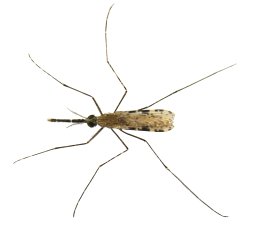 Carlo Costantini合作论文数Institut de Recherche pour le Développement (IRD),, Organisation de Coordination pour la lutte contre les Endémies en Afrique Centrale (OCEAC),20Serge Bèwadéyir Poda合作论文数Inst Rech Sci La Sante IRSS19
 Abdoulaye Niang合作论文数18Fabrice Chandre合作论文数18
 Louis clement Gouagna合作论文数17Brian D. Foy合作论文数Department of Chemistry, Humboldt State University16Ali Ouari合作论文数16
 Dari F Da合作论文数15
 Etienne Bilgo合作论文数15Thomas S. Churcher合作论文数School of Public Health, Imperial College London15
 Luc Djogbenou合作论文数14
 Jeremie R L Gilles合作论文数UMR C53 Peuplements Végétaux et Bioagresseurs en Milieu Tropical, Pôle de Protection des Plantes14
 Olivier Roux合作论文数Institut de Recherche pour le Développement14
 Amelie Vantaux合作论文数14
 Sangaré Ibrahim合作论文数Direction Régionale, Institut de Recherche en Sciences de la Santé;Institut de Recherche pour le Développement, unité MIVEGEC (UM1-UM2-CNRS 5290-IRD 224), 911 avenue Agropolis, Montpellier Cedex 5 34394, France.13Yameogo B合作论文数13
 Vincent Corbel合作论文数13
 Antoine Sanon合作论文数Centre Muraz13Anthony Somé合作论文数12Achille S Nikièma合作论文数12
 Sunil Parikh合作论文数Council on African Studies, Macmillan Center, Yale University12
 Barnabas Zogo合作论文数MIVEGEC (IRD 224-CNRS 5290-UM1-UM2), Centre de Recherche Entomologique de Cotonou (CREC), Cotonou, Bénin.12Didier Fontenille合作论文数12
 Haoues Alout合作论文数Laboratoire Génétique et Environnement Institut des Sciences de l’Evolution (UMR CNRS 5554), Université de Montpellier II12
 Flaminia Catteruccia合作论文数Department of Immunology and Infectious Diseases, Harvard T.H. Chan School of Public Health;Howard Hughes Medical Institute12Léa Paré Toé合作论文数12
 Bernard Some合作论文数11Edwige Guissou合作论文数Université Nazi Boni11




