White-capped Albatrosses Thalassarche steadi breed only on New Zealand's sub-Antarctic islands, principally the Auckland Islands. The species is commonly caught as bycatch in global longline and trawl fisheries, and it has been estimated that 8 000 birds are killed each year. In December or January between 2006 and 2017 we undertook annual population censuses of the White-capped Albatrosses breeding at the Auckland Islands using aerial photography. Estimated annual counts for the three breeding sites were adjusted using estimates of the proportion of birds clearly not associated with an active nest (loafers), to estimate annual breeding pairs for each breeding season. The estimated mean number of annual breeding pairs in the Auckland Islands during this period was 89 846 with high inter-annual variability (range: 74 031-116 025). Over the 12 years of the study adjusted counts for all sites combined showed a negative linear trend but this relationship was not statistically significant. Similar analyses using TRIM classified the population as 'stable'. Given the estimated number of annual breeding pairs and the high frequency of biennial breeding it is likely that fisheries bycatch, if it has been estimated accurately, is impacting this population. Continuation of annual monitoring is recommended to increase the precision of the estimated population trend and help determine if the high levels of bycatch across multiple fisheries are sustainable in the long term.
Species on small, isolated islands are particularly prone to extinction from human-related threats including climate change. As a case study, we investigated body condition of nestlings of the critically endangered, conservation-dependent subspecies of Tasman Moreporks Ninox novaeseelandiae on Norfolk Island. Annual productivity is low, with only 53 fledglings produced on the island 1989-2007, two in 2019 and an unknown number between. As predicted under climate change, the island is experiencing increasingly drier conditions and more extreme precipitation events. It was postulated that this would negatively impact on body condition. A condition index for 48 nestlings was positively correlated with typical annual rainfall (<1500 mm), but depressed in years of extreme precipitation (>1871 mm). Optimal nestling condition coincided with long-term, median annual rainfall and female nestlings were in better condition than males. The timing of breeding became progressively later over the study period. These results are interpreted as food resource-related, via prey availability and hunting conditions. Implications include that in dry years and under very wet conditions, some adult females may be unable to put on sufficient weight to attempt to reproduce and those that do breed may produce fewer nestlings, and, importantly, that the current population may be around capacity. Conservation efforts should take into consideration the impacts of climate change, particularly on small, human-impacted islands, where species face interacting threats, and resources and options for adaptation are severely limited.
PURPOSE:To determine (1) the effect of a 40-minute steady-state run on muscle membrane integrity of elite athletes as reflected by serum creatine kinase (CK), (2) whether antioxidant supplementation (AS) with vitamins E and C has a protective effect, and (3) if a minimal blood concentration of vitamin E or C is required for any such protection. METHODS:Fifteen elite-level endurance athletes (V˙O2max=71.5±1.2 mL·kg-1 min-1) were randomly assigned to 6 weeks AS (1000 IU·d-1 natural vitamin E and 1000 mg·d-1 vitamin C) or placebo. Using a double-blind crossover design and 4-week washout period, each treatment was followed by a 40-minute steady-state run at 3 mM blood lactate. Blood samples before and 0 and 24 hours after the run were assayed for serum and red cell α-tocopherol (α-TOH), serum ascorbate, and CK. RESULTS:The AS produced a 2.5-fold, well-correlated (r = .84) increase in serum and red cell α-TOH (P < .001) that attenuated the increase in postrun CK (P = .01). There was no change in serum ascorbate with AS and no relationship with CK (P > .1). Curvilinear regression revealed some evidence that a critical level of serum α-TOH in the vicinity of 12 mg·L-1 was required to attenuate CK efflux, a level only achieved with AS. CONCLUSION:The muscle membrane integrity of elite-level athletes is compromised even during steady-state running of moderate intensity and duration. The AS provided a protective effect, with evidence that a serum α-TOH concentration of around 12 mg·L-1 is required.
Dear Editor-in-Chief, Cross-sectional relationships reported by Haapala et al. (1) provide welcome confirmation of previous studies of insulin resistance in young children, including the UK Early Bird (2) and the Australian LOOK studies (3), which among others have continued on with interventions (4) and longitudinal investigations (5). Haapala and colleagues supported revisiting cross-sectional relationships by asserting that previous studies measuring cardiorespiratory fitness may have elicited spurious relationships. Their rationale was that scaling fitness by body weight is not justified from a statistical or physiological perspective in children because it does not remove the effect of body size and composition (1). Debate continues as to the best way of converting an absolute measure such as physical performance into a measure of physical fitness suitable for comparing children of different heights, weights, and body composition. The process is complicated in that allometric relationships change during growth, but also by the nature of the test. For example, in contrast to seated cycle ergometry, a running test involves both vertical and horizontal vectors of whole-body momentum, requiring different scaling approaches. Researchers might consider statistical modeling as a means to overcome such problems. For example, general linear mixed modeling provides a powerful and flexible framework for explaining the variation of a response variable (e.g., insulin resistance) by a series of appropriately adjusted explanatory variables (e.g., physical performance, physical activity, body composition, height, weight, and socioeconomic status) within the same model, along with analyses of longitudinal relationships and intervention effects (4). The use of many pairwise comparisons by Haapala and coworkers is a statistical practice best avoided, as are statements such as “children with higher BF% and higher Wmax/LM1.13 and those with higher BF% and lower Wmax/LM1.13 had higher HOMA IR than children with lower BF% and higher Wmax/LM1.13 and those with lower BF% and lower Wmax/LM1.13” (1) (BF% is percent body fat; W, power; LM, lean mass; HOMA-IR, insulin resistance). Had a general modeling approach been used, this might have been written as “HOMA-IR in children is positively related to BF% irrespective of their CRF,” or even more informatively as “in two children of equivalent CRF, a child whose BF% is x% (95% CI) greater than a another child will, on average, possess a y% (95% CI) higher insulin resistance.” In the statistical modeling used within the Australian LOOK study, longitudinal publications to investigate insulin resistance, cardiovascular risk factors, and other variables of interest, body weight has consistently emerged as the strongest explanatory variable, even after adjusting for %BF. In accounting for body weight (or indeed any other variable), general modeling procedures obviate any need to separately investigate which function of body weight might be most appropriate in a particular cohort at each age and sex. We hope that this communication, stimulated by the allometric considerations and statistical analyses adopted by Haapala and colleagues, might influence the approach taken in future observational and experimental work involving large cohorts of children. Richard D. Telford Rohan M. Telford Research Institute for Sport and Exercise University of Canberra, Canberra Australian Capital Territory, AUSTRALIA Ross B. Cunningham Fenner School of Environment and Society Australian National University, Canberra Australian Capital Territory, AUSTRALIA
Background/objectives Body mass index (BMI, body mass/height 2 ) is biased toward height in children. Here we investigate how change in population height affected change in BMI-based estimates of the prevalence of overweight and obesity in Australian children. Subjects/methods Height, weight, and percent body fat (%BF) were measured at ages 8, 10, and 12 years (1855 sets of measures). Age-specific relationships between BMI and height were derived, adjusting for %BF, to estimate the degree of height bias inherent in BMI. Then, from cross-sectional measurements recorded in 1985 ( N = 2388) and 1995 ( N = 2148) in 8, 10, and 12 year olds, changes in overweight/obesity prevalences were calculated before and after accounting for the BMI-height bias. Results Estimates of the effect of height on BMI following adjustment for %BF were similar across age groups and all were significant at p < 0.001. Referring to 12 year olds, at the same %BF for a 1% increase in height there was 0.77% (95% CI 0.55, 0.99) increase in BMI in boys, and 0.74% (0.28, 1.02) increase in girls. Between 1985 and 1995, mean height of 12-year-old boys and girls increased 3.9 and 3.2 cm, respectively. In 1985 unadjusted prevalences of combined overweight/obesity in boys and girls were 13.5% and 13.0%, respectively, and in 1995 were 24% and 24.5%. The latter values were reduced to 21.6% and 22.6% after adjusting for increased height. Conclusions Previously reported increases in childhood overweight/obesity in Australia between 1985 and 1995 were likely to be moderately overestimated as a result of increased population height; suggesting that population height be taken into account in any pediatric investigation of changes in overweight/obesity prevalence over time.
The ecology of one breeding population of Carnaby's Cockatoo Calyptorhynchus latirostris has been studied at Coomallo Creek, Western Australia, since 1969. A wildfire destroyed breeding habitat in part of the study area and adjoining areas in late December 2009. An increase in the number of breeding attempts the following year suggested that hollows were probably limiting. From 2011, the number of hollows available to the cockatoos was increased by repairing derelict natural hollows and providing artificial hollows. By 2017, cockatoos had access to 87 natural and 68 artificial hollows the approximate dimensions of natural hollows. Artificial hollows were readily accepted, however there were significant differences in the probability of hollows being used due to location and land use type. Despite floor temperatures of black and white artificial hollows being warmer than those of natural hollows, there were no significant differences in the probability of hollow use, the probability of breeding failures, and nestling condition in either white or black artificial hollows or natural hollows. The number of breeding attempts rose from 52 in 2011 to 127 in 2016 indicating that management intervention was effective. Between 2011 and 2018, artificial hollows provided 45% of available hollows and 54% of breeding attempts were made in them. By 2018, the number of breeding attempts in the area was 112% higher than in 2011. Artificial hollows provide an excellent short-term solution to the continuing loss of natural hollows. However, without extensive re-establishment of breeding and foraging habitat, the future for Carnaby's Cockatoo is uncertain.
Simplification of stand structure of forests and woodlands through human-induced modification is a serious threat to biodiversity. Restoring lost habitat complexity and heterogeneity, such as woody debris, requires an understanding of the relationships between different elements that contribute to stand structure. In this study, we examine the structure and composition of a critically endangered box-gum grassy woodland in south-eastern Australia and relationships with woody debris loads. We found that: (1) despite modification by humans and differing susceptibility to dieback, the two dominant tree species, Blakeley's red gum, Eucalyptus blakelyi and yellow box, E. melliodora, occurred in similar proportions irrespective of vegetation density; (2) E. blakelyi had the largest number of stems and basal area, but while E. melliodora had fewer stems, it had a similar basal area to E. blakelyi. E. melliodora also showed fewer signs of dieback than E. blakelyi with between 40-50% trees in good condition compared to 2% for the latter species; (3) woody debris loads were low compared to other studies in woodland, but there were levels of heterogeneity indicating 'natural' accumulation was occurring; (4) tree basal area and woody debris loads had a 1:1 relationship across all sites and vegetation densities. Overall, our study indicated that ecosystem recovery was taking place (i.e. with many young trees), but there were fewer large trees that are known to supply most woody debris. Our findings highlight the slow accumulation of this critical resource because the volumes were lower than expected. Based on our results, we recommend: (1) aiming for approximately a 50:50 ratio of yellow box to Blakely's red gum basal area in woodland restoration projects; (2) to accelerate the recovery of woodland structure, addition of woody debris should be added at a minimum ratio of 1:1 to standing basal area (i.e. a basal area of 5.99 m2 requires a minimum volume of 3.11 m3) (3) managing for both volume and heterogeneity of woody debris loads; (4) preserving large diameter trees to harness proportionally higher woody debris and litter inputs.
Physical activity may benefit mental health, yet the potentially protective role of elementary school physical education (PE) on childhood mental health is unknown. The aim of the current study was to determine the effect of a specialist-taught PE program on indicators of childhood mental health. In this cluster-randomized controlled trial, participants were initially 821 healthy children (8 years, 406 girls) from 29 schools. Thirteen schools were allocated to the 4-year intervention program of specialist-taught PE, with the remaining schools forming the control group. Mental health indicators of depression, body image, and stress were measured at ages 7, 8, and 12 years. Assessments of covariates included percent body fat (DEXA), physical activity (pedometers), puberty (Tanner stages), and socioeconomic status. After receiving 1 year of specialist-taught PE, children of the intervention group reported a -0.71-unit decrease in body dissatisfaction compared to a 3.01-unit increase in control group children (p = .042); and a mean decrease in depressive symptoms (ineffectiveness), which was -0.27 units more than the control group (p = .005). Mixed-model analyses investigating longer-term effects revealed that the early positive effect of the intervention on body dissatisfaction and depression was not sustained over time. In fact, there was evidence of an intervention effect of an overall increase in depressive symptoms over the 4 years of the study for girls only. While our specialist-taught PE intervention had a positive influence on girls' body dissatisfaction and boys' depressive symptoms in the first year, this was not sustained over the 4-year duration of the study.
The eastern bettong (Bettongia gaimardi), a medium-sized digging marsupial, was reintroduced to a predator-free reserve after 100 years of absence from the Australian mainland. The bettong may have the potential to restore temperate woodlands degraded by a history of livestock grazing, by creating numerous small disturbances by digging. We investigated the digging capacity of the bettong and compared this to extant fauna, to answer the first key question of whether this species could be considered an ecosystem engineer, and ultimately if it has the capacity to restore lost ecological processes. We found that eastern bettongs were frequent diggers and, at a density of 0.3–0.4 animals ha−1, accounted for over half the total foraging pits observed (55%), with echidnas (Tachyglossus aculeatus), birds and feral rabbits (Oryctolagus cuniculus) accounting for the rest. We estimated that the population of bettongs present dug 985 kg of soil per ha per year in our study area. Bettongs dug more where available phosphorus was higher, where there was greater basal area of Acacia spp. and where kangaroo grazing was less. There was no effect on digging of eucalypt stem density or volume of logs on the ground. While bettong digging activity was more frequent under trees, digging also occurred in open grassland, and bettongs were the only species observed to dig in scalds (areas where topsoil has eroded to the B Horizon). These results highlight the potential for bettongs to enhance soil processes in a way not demonstrated by the existing fauna (native birds and echidna), and introduced rabbit.
Human modification of landscapes is a pervasive global issue with major implications for biodiversity conservation and ecological processes. However, the effects of landscape modification can be challenging to quantify. Here we briefly describe the strengths and weaknesses of four types of studies in landscape ecology: observational studies, true experiments, quasi-experiments and natural experiments. Observational investigations are based on the measurement of a given ecosystem or ecological process; they lack active interventions (e.g. manipulation of sites) to study biotic response. They do not interfere with the ecosystem under study, but the inferential status of the results from observational studies is weak. True experiments represent an organised and planned inquiry conducted under at least partially controlled conditions. They involve artificially altering or manipulating a landscape to yield information about the effects of variables that have been manipulated. True experiments are the most powerful form of study to support strong inference, but they have some limitations, such as the random assignment of treatments being relatively expensive and/or impractical to implement. In quasi-experiments and natural experiments, a management treatment (e.g. a tree planting) is compared with one or more contrasting treatments. However, there can be little or no random assignment of areas to interventions (treatments), as they already exist. The inferential status of quasi-experiments is weaker than that of a true experiment, and the former have fewer practical constraints. We provide a brief summary of important statistical questions and issues to be considered in developing designs for quasi-experiments that are often also relevant to other types of landscape ecology studies.
Scattered trees are considered keystone structures' in many agricultural landscapes worldwide because of the disproportionate effect they have on ecosystem function and biodiversity. Populations of these trees are in decline in many regions. Understanding the processes driving these declines is crucial for better management. Here, we examine the impact of wildfire on populations of this keystone resource. We examined 62 observation plots affected by wildfire and matched with 62 control observation plots where fire was absent. Counts of scattered trees were conducted pre-fire in 2005 and repeated post-fire in 2011. Changes in populations were compared between the control and fire-affected observation plots. Our results show wildfire had a significant local impact, with an average decline of 19.9% in scattered tree populations on burned plots. In contrast, scattered trees increased on average by 5.3% in the control observation plots. The impact of wildfire was amplified (as revealed by greater percentage tree losses) by larger wildfires. Wildfire effects on scattered tree populations are of concern, given a background of other (usually) chronic stressors (often associated with agriculture) and that the frequency and intensity of wildfire are predicted to increase in many landscapes.
All human societies have music with a rhythmic “beat,” typically produced with percussive instruments such as drums. The set of capacities that allows humans to produce and perceive music appears to be deeply rooted in human biology, but an understanding of its evolutionary origins requires cross-taxa comparisons. We show that drumming by palm cockatoos ( Probosciger aterrimus ) shares the key rudiments of human instrumental music, including manufacture of a sound tool, performance in a consistent context, regular beat production, repeated components, and individual styles. Over 131 drumming sequences produced by 18 males, the beats occurred at nonrandom, regular intervals, yet individual males differed significantly in the shape parameters describing the distribution of their beat patterns, indicating individual drumming styles. Autocorrelation analyses of the longest drumming sequences further showed that they were highly regular and predictable like human music. These discoveries provide a rare comparative perspective on the evolution of rhythmicity and instrumental music in our own species, and show that a preference for a regular beat can have other origins before being co-opted into group-based music and dance.
AbstractThe eastern bettong Bettongia gaimardi, a potoroid marsupial, has been extinct on the Australian mainland since the 1920s. Sixty adult bettongs were reintroduced from the island of Tasmania to two predator-free fenced reserves on mainland Australia. We examined baseline health parameters (body weight, haematology and biochemistry, parasites and infectious disease exposure) in a subset of 30 (13 male, 17 female) individuals at translocation and again at 12–24 months post-reintroduction. The mean body weight increased significantly post-reintroduction but there were no significant differences in body weight between the two reintroduction sites or between the sexes in response to reintroduction. Differences were evident in multiple haematological and biochemical variables post-reintroduction but there were few differences between the two reintroduced populations or between the sexes in response to reintroduction. Ectoparasite assemblages differed, with five of 13 species failing to persist, and an additional four species were identified post-reintroduction. None of the bettongs had detectable antibodies to the alphaherpesviruses Macropodid herpesvirus 1 and 2 post-reintroduction, including one individual that was seropositive at translocation. Similarly, the novel gammaherpesvirus potoroid herpesvirus 1 was not detected by polymerase chain reaction (PCR) in any of the bettongs post-reintroduction, including one individual that was PCR-positive at translocation. None of the bettongs had detectable antibodies to Toxoplasma gondii either at translocation or post-reintroduction. Our data demonstrate changing baseline health parameters in eastern bettongs following reintroduction to the Australian mainland are suggestive of improved health in the reintroduced populations, and provide additional metrics for assessing the response of macropodoids to reintroduction.
Response curves highlighting temporal changes in detections of bird species as a function of fire severity.
Parrots (Psittaciformes) are among the most threatened bird orders with 28 % (111 of 398) of extant species classified as threatened under IUCN criteria. We confirmed that parrots have a lower Red List Index (higher aggregate extinction risk) than other comparable bird groups, and modeled the factors associated with extinction risk. Our analyses included intrinsic biological, life history and ecological attributes, external anthropogenic threats, and socio-economic variables associated with the countries where the parrot species occur, while we controlled for phylogenetic dependence among species. We found that the likelihood of parrot species being classified as threatened was less for species with larger historical distribution size, but was greater for species with high forest dependency, large body size, long generation time, and greater proportion of the human population living in urban areas in the countries encompassing the parrots' home ranges. The severity of extinction risk (from vulnerable to critically endangered) was positively related to the per capita gross domestic product (GDP) of the countries of occurrence, endemism to a single country, and lower for species used as pets. A disproportionate number of 16 extinct parrot species were endemic to islands and single countries, and were large bodied, habitat specialists. Agriculture, hunting, trapping, and logging are the most frequent threats to parrots worldwide, with variation in importance among regions. We use multiple methods to rank countries with disproportionately high numbers of threatened parrot species. Our results promote understanding of global and regional factors associated with endangerment in this highly threatened taxonomic group, and will enhance the prioritization of conservation actions.
Migratory birds spend a large proportion of their lives within non-breeding habitats. However, knowledge of how they respond to variable winter resources is limited, especially for small migratory species. Citizen science programs provide an effective way to collect data on small migrants over large spatio-temporal scales. Here we present survey data for the Critically Endangered Swift Parrot (Lathamus discolor) that were collected by hundreds of volunteers over 7 years across the species' winter range. Swift Parrots were detected in 23% of the 4035 surveys. Linear mixed models were used to examine variation in Swift Parrot abundance and correlations with climate variables. During non-drought years Swift Parrots concentrated within Victorian habitats. However, when Victoria was in drought, the response of the birds depended on the extent of drought conditions throughout the winter range. Consecutive years of drought in Victoria resulted in the population migrating over 1000 km further to drought refuge habitat in New South Wales. This study provides a rare demonstration of the large spatio-temporal responses of a migratory bird population to extreme climate conditions across its winter range. It demonstrates both variable and repeated use of winter habitats, and highlights the need for conservation management at large spatio-temporal scales.
Objectives: To investigate the longitudinal effect of sport participation in physical activity, fitness and body fat changes during childhood and adolescence.Design: Longitudinal study (134 boys, 155 girls) of Australian youth aged 8-16 years.Methods: Physical activity was assessed by pedometers and accelerometers, fitness by the 20 m shuttle run, body fat by DEXA and club sport participation by questionnaire. Linear mixed models were used to determine the effects of sport participation and gender differences.Results: Sports club participants were more physically active at all age groups than non-participants; boys took an extra 1800 steps (p < 0.001) and girls 590 steps per day (p < 0.01) and boys engaged in an extra 9 min and girls 6 min more moderate to vigorous PA per day (both p < 0.05). Fitness was higher among sports participants (boys 27% and girls 20% higher, both p < 0.001) and sport participant girls had 2.9% less body fat (p < 0.05). Higher fitness scores were maintained over time by sports participants but their greater PA diminished during adolescence, this being more evident among girls. Only 20% of sports club participants met the recommended daily average of 60 min MVPA.Conclusions: Sport participants were more active, fitter and had less body fat (girls only) than non-sports participants. However, the associated benefits of sport with PA diminished during adolescence and the majority of sports participants did not meet recommended levels of PA. Strategies aiming to maximise the benefits of sports participation may be enhanced by providing special attention to the early adolescent period particularly among girls. (C) 2015 Sports Medicine Australia. Published by Elsevier Ltd. All rights reserved.
A table showing Leadbeater's possum abundance data and a selection of habitat covariates.
Aim To provide, through a large-scale long-term field study, an empirical evaluation of the extent to which revegetated patches act as refuges for woodland bird species in the face of enhanced abundance of a native despotic species in a highly fragmented landscape.Location South-west slopes, New South Wales, Australia.Methods Birds were surveyed using point counts over a 9-year period. Colonization/extinction dynamics of local bird populations were modelled using multiple-season occupancy models.Results We show how the spread of the noisy miner (Manorina melanocephala), an indirect effect of habitat loss and fragmentation, is now the main driver of bird distribution patterns, affecting 65% of the studied species, including 10 species of conservation concern. Noisy miners both increased the risk that birds would become extinct in patches and prevented birds colonizing new patches. We discovered that restoration plantings, despite having low noisy miner abundance, rarely acted as a refuge for bird species: only 6 of 42 species, and only one of conservation concern, showed a positive response to plantings. Instead, bird species colonized or persisted more in regrowth or old growth sites where the abundance of the noisy miner was relatively low.Main conclusions Despite a major restoration effort of replanted vegetation over several decades, the majority of our target bird species preferred native woodland patches over plantings, and particularly native patches with a low abundance of the noisy miner. Our study showed that conservation actions such as habitat restoration aimed at reversing the effects of habitat loss and fragmentation should be preceded by a careful threat-mitigation prioritization considering, in particular, the indirect effects of fragmentation, such as the impact of despotic or invasive species. Our results support calls to manage noisy miners by undertaking actions that will reduce their numbers, such as through culling.
 David Lindenmayer合作论文数Fenner School of Environment and Society, College of Systems and Society, Australian National University40
 Richard D. Telford合作论文数25
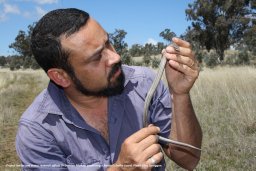 Damian Michael合作论文数Fenner Sch Environm & Soc, Australian Natl Univ24
 Rohan M Telford合作论文数The Commonwealth Institute22
 Mason Crane合作论文数20
 Christopher Ian Macgregor合作论文数14
 Rebecca Montague-Drake合作论文数10
 Walter P Abhayaratna合作论文数7Andrew W. Claridge合作论文数7
 Adrian D. Manning合作论文数Fenner School of Environment and Society;Australian National University;Fenner School of Environment and Society, Australian National University6
 Jeff Wood合作论文数6Christine F. Donnelly合作论文数5
 Lisa Olive合作论文数5
 Rob Heinsohn合作论文数Fenner School of Environment & Society, Australian National University5Darren Brown合作论文数5Peter E. Hickman合作论文数5
 Philip Gibbons合作论文数Australian National University, Australia5Julia M. Potter合作论文数Australian National University Medical School5Paul Waring合作论文数5
 Philo U Saunders合作论文数5A Javaid合作论文数Canberra Hospital4Donna Hazell合作论文数4edward j feltz合作论文数3Rachel Muntz合作论文数3Jiang Xiao-li合作论文数3Marc Budge合作论文数3
 Rachel Davey合作论文数Department of Medicine, Melbourne Medical School, Faculty of Medicine, Dentistry and Health Sciences, The University of Melbourne3
 Robin Daly合作论文数Institute for Physical Activity and Nutrition, School of Exercise and Nutrition Sciences, Faculty of Health, Deakin University;Centre for Physical Activity and Nutrition Research, Deakin University3
 David Pyne合作论文数Research Institute for Sport and Excercise, University of Canberra3
 Ikin Karen合作论文数The Fenner School of Environment and Society, The Australian National University3
 Thomas Cochrane合作论文数Department of Civil & Natural Resources Engineering;University of Canterbury;Department of Civil & Natural Resources Engineering, University of Canterbury3M. L. Pope合作论文数3Laurence Prosser合作论文数3
 Robert N Fitzgerald合作论文数University of Canberra3Graham J. Reynolds合作论文数3A. Malcolm Gill合作论文数Fenner School of Environment & Society, Australian National University3Penny Olsen合作论文数3Karen J. Gravenmaker合作论文数3Emma K. Southcott合作论文数3John A. R. Stein合作论文数2Antony R.A. Lafferty合作论文数2Katrina Jensz合作论文数2
 Dejan Stojanovic合作论文数Fenner School of Environment and Society, College of Science, The Australian National University2Bass Shona L合作论文数2
 Sachiko Okada合作论文数2
 Joern Fischer合作论文数Social-Ecological Systems Institute, Leuphana Universitat Luneburg2
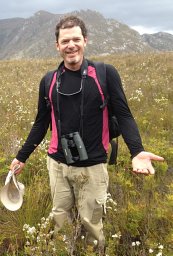 Webb Matthew H合作论文数Fenner School of Environment and Society, Australian National University2J. L. Stein合作论文数2
 John Hawley合作论文数Mary MacKillop Institute for Health Research, Australian Catholic University2




