Introduction: Ciltacabtagene autoleucel (cilta-cel) and idecabtagene vicleucel (ide-cel) are two chimeric antigen receptor (CAR) T-cell products targeting B-cell maturation antigen (BCMA) that have recently been approved for the treatment of relapsed/refractory multiple myeloma (RRMM) with 1-2 prior lines of therapy, based on the results of CARTITUDE-4 and KarMMa-3 trials. While daratumumab (dara) refractoriness is predictive of inferior outcomes with subsequent therapies, not all patients enrolled in these pivotal trials were refractory to this anti-CD38 monoclonal antibody. Therefore, we conducted a single-center retrospective cohort study comparing the clinical outcomes of RRMM patients who received BCMA-directed CAR T-cell therapy based on their dara refractoriness status. Methods: Our analysis included all patients with RRMM who received ide-cel, cilta-cel, or orvacabtagene autoleucel (orva-cel) between April 2018 and November 2023. All patients were dara exposed and divided into two groups according to their dara refractoriness status: dara refractory (DR) and dara non-refractory (DN). Refractory disease was defined according to IMWG criteria as disease that did not respond to therapy (failing to achieve a partial response or better) or as progressive disease within 60 days of the last administered dose. Key outcomes of interest included progression-free survival (PFS), overall survival (OS), overall response rate (ORR), and incidence of cytokine release syndrome (CRS) and immune effector cell-associated neurotoxicity syndrome (ICANS). Survival outcomes were calculated from the date of infusion. Response categories were determined per IMWG consensus definitions. CRS/ICANS were graded based on ASTCT criteria. Results: Of 127 patients included (41% female, age range: 37-86 years) in the analysis, 28 (22%) were considered DN at the time of CAR T-cell infusion. In the DR group (n=99), 41.4% patients received cilta-cel, 31.3% patients received ide-cel, and 27.3% patients received orva-cel. In the DN group (n=28), 50% patients received cilta-cel, 32.1% patients received ide-cel, and 17.9% patients received orva-cel. All patients except one in the DN group were triple class exposed. The analyzed groups (DR vs DN) had comparable rates of patients with ECOG performance status >0 (68.7% vs 60.7%) and high-risk cytogenetic abnormalities (70.7% vs 71.4%), including del(17p)/TP53 mutation, t(4;14), t(14;16), t(14;20), 1q gain/amp and/or del(1p) by FISH analysis. In contrast, the DR group had higher rates of extramedullary disease (EMD) (46.5% vs 28.6%), prior BCMA-directed therapy (24.2% vs 7.1%), prior T-cell-redirecting therapy (13.1% vs 3.6%), high tumor burden (defined as ≥50% bone marrow plasma cells) (28.3% vs 14.3%), and a higher median number of prior lines of therapy (6 vs 4). With a median follow-up of 12 months (range: 1-72 months) for the entire population, best ORR was 77.7% (40% sCR/CR, 22% VGPR, 15% PR) in the DR group vs 85.7% (50% sCR/CR, 14% VGPR, 21% PR) in the DN group. The 12-month PFS was 38% (95% CI: 28-not reached [NR]) in the DR group vs 57% (95% CI: 37-NR) in the DN group (HR: 0.6, p=0.08). The 12-month OS was 74% (95% CI: 64-NR) in the DR group and 86% (95% CI: 68-NR) in the DN group (HR: 0.56, p=0.18). CRS and ICANS rates were similar between the two groups: 74.7% (4% grade ≥3) and 13.1% (2% grade ≥3), respectively, in the DR group, and 78.6% (4% grade ≥3) and 21.4% (0% grade ≥3), respectively, in the DN group. Conclusion: A majority of patients treated with BCMA-directed CAR T for RRMM in this single-center experience were dara refractory. Despite more prior lines of therapy and higher rates of EMD, high tumor burden, prior BCMA-directed therapy, and prior T-cell-redirecting therapy; the DR group showed comparable efficacy outcomes to DN group. Longer follow up with more patients, as well as details of efficacy and safety outcomes with univariate and multivariate analysis will be presented at the meeting.
Current prognostic scores in multiple myeloma (MM) currently rely on disease burden and a limited set of genomic alterations. Some studies have suggested gene expression panels may predict clinical outcomes, but none are presently utilized in clinical practice. The tyrosine kinase WEE1 is a critical cell cycle regulator during the S-phase and G2M checkpoint. Abnormal WEE1 expression has been implicated in multiple cancers including breast, ovarian, and gastric cancers, but its prognostic signal in MM has not been thoroughly reported. We, therefore, analyzed the MMRF CoMMpass dataset (N = 659) and identified a high-risk group (top tertile) and a low-risk group (bottom tertile) based on WEE1 expression sorted in descending order. PFS was significantly different (p < 1e-9) between the groups, which was validated in two independent microarray gene expression profiling (GEP) datasets from the Total Therapy 2 (N = 341) and 3 (N = 214) trials. Our results show that WEE1 expression is prognostic independent of known biomarkers, differentiates outcomes associated with known markers, is upregulated independently of its interacting neighbors, and is associated with dysregulated P53 pathways. This suggests that WEE1 expression levels may have clinical utility in prognosticating outcomes in newly diagnosed MM and may support the application of WEE1 inhibitors to MM preclinical models. Determining the causes of abnormal WEE1 expression may uncover novel therapeutic pathways.
PURPOSE:Lenalidomide (Len) maintenance is the most frequently utilized approach for newly diagnosed patients with multiple myeloma following induction therapy with/without consolidative high-dose melphalan and autologous stem cell transplantation. Baseline and longitudinal measurable residual disease (MRD) negative status is a well-established positive predictive sign in Len maintenance patients. However, the clinical utility of serial MRD assessments remains uncertain, as there is no consensus on the clinical management of MRD resurgence (MRDres) or stable remissions in patients positive for MRD. PATIENTS AND METHODS:In this study, we report the complete and final results of a phase II, single-arm study of 5 years of continuous Len maintenance in patients with multiple myeloma following unrestricted upfront therapy, along with exploratory peripheral blood T cell profiling experiments performed via high-dimensional spectral cytometry. RESULTS:Patients with MRDres had inferior progression-free survival compared with those with sustained MRD negativity at the 1- and 2-year landmarks (P = 0.036, P = 0.0014, respectively); however, myeloma progression only occurred within 2 years of MRDres in 36% of patients, with no progression observed in the remaining 64% of patients at the last follow-up. Exploratory peripheral blood T cell profiling experiments throughout the trial period identified an immune signature of early relapse in patient cohorts both negative and positive for MRD at the start of maintenance therapy. T cell profiles enriched with activated cytotoxic effectors predicted early relapse, whereas quiescent T cell profiles enriched with naïve T cell populations predicted durable remissions. CONCLUSIONS:This "immune MRD" status showed predictive potential and segregated patients with MRDres and early disease progression from patients with sustained remission despite MRDres.
Teclistamab (Tec) is a first-in-class BCMA X CD3 bispecific T-cell engager antibody approved for treating multiple myeloma progressing after at least 4 lines of therapy. The objective of this study was to evaluate the rate of cytokine release syndrome (CRS) in patients who were treated with commercial Tec and had prior exposure to other T-cell redirection therapies. A retrospective chart review was performed to identify patients who completed the Tec step-up dosing phase between November 2022 and November 2023. Patients were divided into 2 cohorts based on prior exposure to T-cell redirection therapy (cohort 1: T-cell redirection therapy experienced; cohort 2: T-cell redirection therapy naïve). The primary objective was to compare the differences in the rates of CRS between the two cohorts. Univariate and multivariate logistic regression analyses were performed to assess the association between CRS rates with Tec and prior treatment with T-cell redirection therapy. A total of 72 patients were included in the analysis (27 in cohort 1 and 45 in cohort 2). The CRS rates were significantly lower in cohort 1 (37%, n=10) compared to cohort 2 (80%, n=36; p=0.0004). Based on multivariate logistic regression analysis, patients without prior exposure to T-cell redirection therapy (cohort 2) had about a 4-fold increase in the incidence of CRS (95% CI: 1.40-14.90, p=0.0002) with Tec. In our study, prior exposure to T-cell redirection therapy reduced the risk of CRS with Tec during the step-up dosing phase. This observation will allow for the optimization of CRS prophylactic strategies for Tec.
Introduction/Background: Talquetamab (Talq) is a first-in-class bispecific T-cell engager antibody directed against G protein-coupled receptor class C group 5 member D (GPRC5D), approved to treat patients with relapsed/refractory multiple myeloma (RRMM) after at least 4 lines of therapy (including an immunomodulatory agent, a proteasome inhibitor and an anti-CD38 monoclonal antibody). In the MonumenTAL-1 study, an overall response rate was noted in 70% of patients with 23% achieving a complete response. Cytokine release syndrome (CRS) occurred during the step-up dosing phase at a rate of 77%; however, there was no breakdown of CRS rates by step-up dose (SUD). This study sought to characterize CRS rates after each Talq SUD in a real-world setting to discern whether patient hospitalization is required for the entire period of the step-up dosing schedule. Methods: In this retrospective single-center study, patients with RRMM who received Talq between September 2023 and July 2024 were identified via the institutional plasma cell disorder research database. Patients were included if they completed the step-up dosing phase for the weekly or biweekly dosing schedule. Chart review was performed to collect various patient and disease characteristics, including demographics, cytogenetic risk, prior lines of therapy (LOT), start dates of Talq SUDs, and CRS onset/grades. The Chi-square/Fisher exact test was used to compare CRS rates after each Talq SUD. Differences in time to onset of CRS between the SUDs were compared using the Kruskal Wallis test. Univariate and multivariate logistic regression analysis were performed to assess the impact of prior exposure to T-cell redirection therapy (TCRT) on CRS incidence. Statistical analyses were performed using IBM SPSS statistics (version 27). Results: 40 patients who completed the Talq step-up dosing phase were included in this analysis, including 17 who received the biweekly step-up dosing schedule. The median age was 66 years (range: 41-85 years), and 42% (n=17) were male. The median number of prior LOT was 7 (range: 4-16), and 69% (n=27) had prior TCRT. High risk cytogenetic features [t(4;14), t(14;16), t(14;20), TP53 mutations, del(17p) and 1q amplification] were present in 50% (n= 20) of patients. With an overall incidence of 75%, CRS occurred at a rate of 30% (n=12), 33% (n=13), 10% (n=4) and 6% (n=1) with SUD1, SUD2, SUD3 and first full dose (FFD, p=0.03), respectively. Pairwise comparisons revealed statistically significant differences in CRS rates between SUD1 and SUD3 (p=0.047), SUD2 and SUD3 (p=0.026), SUD1 and FFD (p=0.001) as well as SUD2 and FFD (p=0.001). Grade 2 CRS occurred in 5% of patients with SUD1, 15% with SUD2, 5% with SUD3 and 0% with FFD (p=0.40). Logistic regression analysis indicated no association between prior exposure to TCRT and CRS incidence (OR: 0.62, 95% CI: 0.13-2.60; p=0.61). The median time to onset of the first CRS event was 20 hours (range: 11-40 hours), 14 hours (8-48 hours), 28 hours (24-31 hours) and 31 hours after SUDs 1, 2, 3 and FFD (p=0.33), respectively. Conclusion: Our real-world data indicated that the Talq FFD was well tolerated, characterized by a significantly low incidence and severity of CRS events. Reducing the length of hospital stay with the Talq step-up dosing schedule, and administration of Talq FFD in outpatient settings could be considered in clinical practice.
Purpose Multiple myeloma (MM) is a hematological malignancy associated with a malignant proliferation of plasma cells. Although the disease is usually responsive to upfront therapies, MM still remains incurable. Current prognostic scores in MM (International Staging System; ISS, revised-ISS; R-ISS) rely on disease burden and a limited set of genomic alterations. Several prognostication methods have been proposed but with marginal predictive power of progression-free survival (PFS), producing a concordance index (c-index) of ~60% and therefore leaving room for improvement. The tyrosine kinase WEE1 is a critical cell cycle regulator during cell division. Abnormal WEE1 expression has been implicated in multiple cancers including breast, ovarian, and gastric cancers, with WEE1 inhibitors currently in clinical trials. In MM, preclinical studies have shown promising results when inhibiting WEE1 both alone and in drug combinations. Here, we examine the relationship between WEE1 expression and survival outcomes in MM as an emerging prognostic marker. Methods Multiple bioinformatic and machine learning-based methods were applied to three MM datasets to examine the role of WEE1. RNA-seq data was downloaded from the Multiple Myeloma Research Foundation's (MMRF) CoMMpass database, version 19 (N=659). Gene expression profiling (GEP) data was obtained from the University of Arkansas's Total Therapy 2 (TT2, N=341) and Total Therapy 3 (TT3, N=214) trials. For each dataset, patients' WEE1 expression values were sorted, with the top tertile labeled as WEE1-high and the bottom tertile as WEE1-low. Multivariate Cox proportional hazards (CPH) models determined the effect of WEE1 relative to genomic risk factors. Random survival forests (RSF) determined the prognostic value of WEE1 from its expression. To quantify the relative change in expression levels of genes known to interact with WEE1 between the cohorts, we used random forest (RF) regression models to predict WEE1 expression, and feature importances were computed via permutation importance. Differential gene expression analysis was conducted using DESeq2, and dysregulated pathways were labeled using the hallmark gene set. Results The mean age of individuals in the MMRF dataset was 62.5 ± 10.7 years; 60% were male, the ISS distribution was 35/35/30%, and 53% received an autologous stem cell transplant. For TT2, the mean age was 56.3 ± 9.8 years and 57% were male; for TT3, the mean age was 58.6 ± 8.8 years and 67% were male. PFS between the WEE1-high and WEE1-low groups was significantly different (p <1e-9) and validated in the TT2 & TT3 datasets with statistical significance. Multivariate CPH modeling showed the prognostic effect of WEE1-expression to be independent of hyperdiploidy, IgH translocations, del17p, TP53 mutation, gain/amp 1q21, APOBEC mutational activity, and the complex structural variant chromothripsis. WEE1 expression was highly discriminatory; when restricting to either WEE1-high or WEE1-low cohorts, membership differentiated PFS outcomes by approximately 1.98 years. As a single measurement, WEE1 expression remains prognostic for PFS irrespective of induction therapy or use of transplant, with a mean difference in PFS of 1.91 years. WEE1 expression alone has a comparable predictive value (c-index: 0.58 ± 0.04) as ISS (c-index: 0.61 ±0.03). In the overall cohort, as WEE1 expression increases, the relationship between WEE1 and interacting genes becomes dysregulated, quantified as 3.2x by RF analysis. Differential gene expression analysis identified the P53 pathway as the most overexpressed hallmark pathway in the WEE1-high cohort. Conclusion Our results show that WEE1 expression is prognostic independent of known biomarkers, differentiates outcomes associated with known markers, is upregulated independently of its interacting neighbor genes, and is associated with dysregulated P53 pathways. This suggests that WEE1 expression levels may have clinical utility in prognosticating outcomes in newly diagnosed MM and may support the application of WEE1 inhibitors to MM preclinical models. Determining the causes of abnormal WEE1 expression may uncover novel therapeutic targets.
Introduction: Multiple myeloma (MM) is a disease of the elderly with a median age of 69 years at diagnosis. In addition to advanced age, many of these patients are frail with pre-existing comorbidities and have been historically excluded from clinical trials evaluating cellular immunotherapy including bispecific antibodies (BsAb) for relapsed refractory (RR) settings. It has been shown that chronologic age alone should not be a barrier towards effective treatment modalities, including autologous stem cell transplant and CAR-T. Rather, frailty scores should be incorporated into screening and eligibility assessments. With limited literature on safety and efficacy of BsAb in frail patients, we conducted a single center retrospective study to evaluate clinical characteristics and outcomes of frail patients with RRMM who received BsAb. Methods: Analysis included patients with RRMM who had received teclistamab, talquetamab, and/or elranatamab between December 2017 and March 2024. Frailty was defined using the simplified frailty index as established and utilized Facon et al. (score based on age + ECOG performance status [PS] + charlson comorbidity index [CCI]; non-frail = score 0-1, frail = score ≥2) (Leukemia. 2020; 34(1): 224-233). Descriptive statistics were used to analyze clinical characteristics such as age, PS, and comorbidities. Response outcomes were evaluated using the International Myeloma Working Group (IMWG) criteria. Adverse events were graded based on the American Society for Transplantation and Cellular Therapy (ASTCT) and Common Terminology Criteria for Adverse Events (CTCAE) v5.0 criteria. Key datapoints included incidence and severity of cytokine release syndrome (CRS), immune effector cell associated neurotoxicity syndrome (ICANS), treatment-related mortality (TRM), response rates, progression-free survival (PFS), and overall survival (OS). Kaplan-Meier analysis was used for PFS and OS assessments. Cox hazard model was used to determine predictors of PFS and OS in the frail and non-frail patient populations. Results: Of 112 patients analyzed (age range 40 - 88), 83 (74%) were considered frail at the time of BsAb treatment. As expected, the frail group had a higher proportion of patients with age>70 years (45% vs 7%, p<0.001), renal insufficiency (38% vs 7%, p= 0.005), PS ≥2 (35% vs 0%, p < 0.001), and worse median CCI (4 vs 1, CCI 3+ 75% vs 17%, p<0.001). However, the frail group had lower rates of extramedullary disease (25% vs 56%, p=0.009). Median number of prior of lines of therapy (6 vs 7, p=0.48), high-risk cytogenetics (35% vs 31%, p=0.88), and triple class refractory disease rates (84% vs 68%, p=0.17) were similar between the frail and non-frail groups, respectively. Patients in the frail group experienced similar rates of all grade CRS (62% vs 62%, p= 1) and ICANS (14% vs 3%, p= 0.21) when compared to the non-frail group. Incidence of grade 3+ CRS (frail 2% vs non-frail 3%, p= 1.0) and grade 3+ ICANS (frail 2% vs non-frail 0%, p= 0.98) were also similar between the two groups. TRM was observed in 12 (14%) patients in the frail group compared to 2 (7%) patients in the non-frail group (p= 0.46). Best overall response rate (ORR) was 72% (13% sCR/CR, 43% VGPR, 16% PR) in the frail group vs 62% (24% sCR/CR, 17% VGPR, 21% PR) in the non-frail group (p= 0.43). With a median follow up of 7.3 months (range 3.7-12.2), median PFS and OS for the entire patient population was 5.6 (2.7-10.4) and 7.4 (3.9-12.6) months, respectively. Median PFS was 6.5 (2.8-11.4) months in the frail group vs 4.6 (2.5-8.0) months in non-frail group (HR 0.82, 95% CI 0.5-1.40; p= 0.45). Similarly, median OS was 7.5 (3.6-12.1) months in the frail group vs 7.3 (4.6-13.6) months in the non-frail group (HR 1.50, 95% CI .9-2.51; p= 0.16). Conclusion: A majority of patients treated with BsAb for RRMM in this study were frail based on the simplified frailty index and would have most likely been excluded from clinical trials. While these patients had worse PS and higher comorbidity burden at time of BsAb treatment, they did not experience any excessive high-grade toxicities including TRM. When compared to the non-frail group, frail patients had similar efficacy outcomes. This study highlights the tolerable safety and reasonable efficacy of BsAb for frail MM patients in a real-world practice, highlighting that frailty should not be a barrier towards the use of BsAb in this patient population.
The introduction of chimeric antigen receptor T cells (CART) and bispecific T-cell engagers (TCE) has revolutionized the treatment landscape in patients with relapsed/ refractory multiple myeloma (RRMM). However, despite impressive responses reported to date, the mechanisms responsible for resistance or treatment failure remain inadequately determined. To investigate the genomic mechanisms involved in primary refractoriness and resistance to anti-BCMA immunotherapies we interrogated 122 whole genomes (WGS; 80X median coverage) and 10 whole exomes (WES) generated from a total of 96 patients treated with either CART (n=74) or T-cell engagers (TCE, n=22). 74 and 13 patients had samples collected before treatment with CART (idecel n=58; ciltacel n=16) and TCE, respectively. Patients treated with CART had a median progression-free survival (PFS) of 394 days, with 19 (25%) patients progressing within the first 100 days (i.e. refractory). The presence of pre-treatment extramedullary disease (EMD, 12%) and prior anti-BCMA exposure (20%) was associated with inferior progression free survival (PFS) (both p<0.0001). The MyCARe score high-risk patients (n=3, 4%) in this cohort had poor outcomes ; however, it failed to discriminate between low (n=21, 37.5%) and intermediate risk (n=32, 57%) (p=0.10). Loss of TNFRSF17 was observed in 5/96 (5%) patients, 4 of whom were treated with CART. Of these, 3 had previously been exposed to anti-BCMA therapies, such as belantamab mafodotin (n=2), and these genomic events were present before CART treatment, causing complete refractoriness to CART. Interestingly, all patients with biallelic loss of BCMA were also noted to have CYLD or TRAF3 biallelic loss, key regulator of NFkB signaling. We hypothesize that as BCMA is a driver of NFkB activation in MM cells and that only in the presence of genomic alterations involving NFkB, can this absence of BCMA be tolerated by the tumor cell, promoting resistance to CART. Next, we investigated what other alternations in pre-CART samples associate with inferior PFS and treatment refractory disease. Among known high-risk features 1q gain was significantly associated with inferior PFS. In investigating a large catalogue of driver genes, we identified multiple genomic drivers involved in resistance and primary refractoriness to anti-BCMA CAR-T. These drivers can be categorized into five major groups: one associated with favorable PFS and four associated with unfavorable PFS. The favorable group included patients with RPL10 mutations (84% patients in remission at 1 year). The second group included loss of genes involved in genomic instability and complexity such as RPL5, TP53, CDKN2C and presence of hyper-APOBEC. The third group included genes involved in the NFkB signaling (CYLD, TRAF3, NFKB2, MAP3K14). The fourth group included loss of function events involving transcription factors and regulators (e.g. SP140, KMT2C, DIS3). The last group had genomic events known to be involved in plasma cell differentiation (e.g. IKFZ3, CD38, XBP1, TNFRSF17). Overall, patients with genomic events from any two of the unfavorable groups (n=32) had significantly worse outcomes compared with the other patients (median PFS 75 vs 763 days, p<0.0001), accounting for 84% of all refractory patients. By employing a Cox proportional-hazards model, we demonstrated that these genomic features independently and more accurately predict refractoriness to anti-BCMA CAR-T therapy [p<0.0001; Hazard ratio (HR): 5.5497] compared to traditional risk scores like EMD (p=0.59, HR: 0.5945) and MyCARe (p=0.03, HR: 0.1694). Comparing WGS data from samples collected at the time of progression after CART (n=12) and post-TCE (n=9) patients, only one BCMA mutation (P33S) was observed after CART, and its impact on CART binding was not confirmed in functional studies. This is different from TCE where these mutations and antigen escape account for >50% of relapse (5/9; Lee et al. Nat Med 2023). Furthermore, it supports the hypothesis that the high prevalence of BCMA mutations seen post-TCE is a consequence of continuous selective pressure by TCE-based therapies. Overall, these data suggest that comprehensive genomic profiling can accurately predict clinical outcomes in MM patients treated with anti-BCMA CART outperforming current clinical predictors of risk and potentially serving as tool to select different treatment strategies.
ABSTRACT:Outcomes for patients with relapsed/refractory multiple myeloma (R/RMM) have dramatically improved after the development and now growing utilization of B-cell maturation antigen-targeted chimeric antigen receptor (CAR) T-cell therapy and bispecific antibody (BsAb) therapy. However, health care utilization as a quality-of-life metric in these growing populations has not been thoroughly evaluated. We performed a retrospective cohort study evaluating the frequency and cause of unscheduled health care interactions (UHIs) among patients with R/RMM responding to B-cell maturation antigen-targeted BsAb and CAR T-cell therapies (N = 46). This included the analysis of remote UHIs including calls to physicians' offices and messages sent through an online patient portal. Our results showed that nearly all patients with R/RMM (89%) receiving these therapies required a UHI during the first 125 days of treatment, with a mean of 3.7 UHIs per patient. Patients with R/RMM responding to BsAbs were significantly more likely to remotely contact their physicians' offices (1.8-fold increase; P = .038) or visit an urgent care center (more than threefold increase; P = .012) than patients with R/RMM responding to CAR T-cell therapies. This was largely due to increased reports of mild upper respiratory tract infections in BsAb patients. Our results underscore the need to develop preemptive management strategies for commonly reported symptoms that patients with R/RMM experience while receiving CAR T-cell or BsAb therapies. This preemptive management may significantly reduce unnecessary health care utilization in this vulnerable patient population.
MCARH109 is a first-in-class G protein-coupled receptor, class C, group 5, member D (GPRC5D)-targeted chimeric antigen receptor (CAR) T-cell therapy for patients with relapsed/refractory multiple myeloma. This phase I clinical trial included 17 patients and determined that MCARH109 is safe at a maximum tolerated dose of 150 × 106 CAR T cells. In this updated analysis, no new serious adverse events were reported at a median follow-up of 37 months. Overall, 12 (71%) of 17 patients responded, including seven (70%) of 10 patients previously treated with B-cell maturation antigen-targeted therapy. The median duration of response was 8.6 months (95% CI, 5.7 to not reached [NR]) with two patients sustaining a stringent complete response at the time of last follow-up, 32 months and 41 months, respectively. The median overall survival (OS) was NR and the 3-year OS estimate was 59% (95% CI, 40 to 88). Possible GPRC5D loss via immunohistochemistry was observed in 6 (60%) of 10 patients at relapse. High-dimensional spectral cytometry-based immune profiling associated an activated T-cell phenotype at apheresis with a response to MCARH109.
Teclistamab, a B-cell maturation antigen (BCMA)- and CD3-targeting bispecific antibody, is an effective novel treatment for relapsed/refractory multiple myeloma (R/RMM), but efficacy in patients exposed to BCMA-directed therapies and mechanisms of resistance have yet to be fully delineated. We conducted a real-world retrospective study of commercial teclistamab, capturing both clinical outcomes and immune correlates of treatment response in a cohort of patients (n = 52) with advanced R/RMM. Teclistamab was highly effective with an overall response rate (ORR) of 64%, including an ORR of 50% for patients with prior anti-BCMA therapy. Pretreatment plasma cell BCMA expression levels had no bearing on response. However, comprehensive pretreatment immune profiling identified that effector CD8+ T-cell populations were associated with response to therapy and a regulatory T-cell population associated with nonresponse, indicating a contribution of immune status in outcomes with potential utility as a biomarker signature to guide patient management.
B-cell maturation antigen (BCMA)-targeting therapeutics have dramatically improved outcomes in relapsed/refractory multiple myeloma (RRMM). However, whether the mechanisms of resistance between these therapies are shared and how the identification of such mechanisms before therapy initiation could refine clinical decision-making remains undefined. We analyzed outcomes for 72 RRMM patients treated with teclistamab, a CD3 x BCMA bispecific antibody (BsAb), 42% (30/72) of whom had prior BCMA-directed therapy exposure. Malignant plasma cell BCMA expression was present in all BCMA therapy-naïve patients. Prior therapy-mediated loss of plasma cell BCMA expression before teclistamab treatment, measured by immunohistochemistry, was observed in 3 patients, none of whom responded to teclistamab, and one of whom also did not respond to ciltacabtagene autoleucel. Whole exome sequencing of tumor DNA from one patient revealed biallelic loss of TNFRSF17 following treatment with belantamab mafodotin. Low-to-undetectable peripheral blood soluble BCMA levels correlated with the absence of BCMA expression by bone marrow plasma cells. Thus, although rare, loss of BCMA expression following TNFRSF17 gene deletions can occur following any BCMA-directed therapy and prevents response to subsequent anti-BCMA-directed treatments, underscoring the importance of verifying the presence of a target antigen.
 Saad Z. Usmani合作论文数David H. Koch Center for Cancer Care, Memorial Sloan Kettering Cancer Center30
 Kylee H. Maclachlan合作论文数Mem Sloan Kettering Canc Ctr, Dept Med, Myeloma Serv, 1275 York Ave, New York, NY 10021 USA27Hultcrantz Malin合作论文数Hematologiskt centrum27Mailankody Sham合作论文数Myeloma Serv, Mem Sloan Kettering Canc Ctr25Korde Neha合作论文数24
 Heather J. Landau合作论文数David H. Koch Center for Cancer Care, Memorial Sloan Kettering Cancer Center24Hani Hassoun合作论文数24Lesokhin Alexander M合作论文数23
 Urvi A Shah合作论文数Department of Medicine, Tufts Medical Center and Tufts University School of Medicine23
 Sergio A. Giralt合作论文数Division of Hematologic Malignancies, Memorial Sloan Kettering Cancer Center;Weill Cornell Medical College, Memorial Sloan Kettering Cancer Center23Scordo Michael合作论文数22
 Gunjan L. Shah合作论文数David H. Koch Center for Cancer Care, Memorial Sloan Kettering Cancer Center22
 David Chung合作论文数Northwell Health Cancer Institute22Carlyn Tan合作论文数16Tala Shekarkhand合作论文数16
 Sridevi Rajeeve合作论文数Tisch Cancer Institute, Icahn School of Medicine at Mount Sinai14Hamadeh Issam S合作论文数Center for Pharmacogenomics, University of Florida College of Pharmacy12
 Oscar Lahoud合作论文数12Dhwani Patel合作论文数11
 Hamza Hashmi合作论文数10
 Andriy Derkach合作论文数Department of Biostatistics and Epidemiology, Memorial Sloan Kettering Cancer Center9Eric Jurgens合作论文数8David Nemirovsky合作论文数7Alice Wang合作论文数6Devin McAvoy合作论文数6Kinga K. Hosszu合作论文数6Colin Rueda合作论文数5
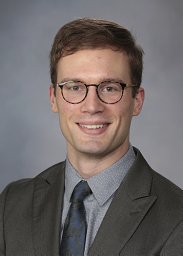 Kevin C. Miller合作论文数Massachusetts Gen Hosp, Boston, MA 02114 USA5Alice X. Wang合作论文数4Bruno Costa合作论文数4
 Larry Norton合作论文数Evelyn H. Lauder Breast Center, Memorial Sloan Kettering Cancer Center4
 Joseph Deasy合作论文数Department of Medical Physics, Memorial Sloan Kettering Cancer Center4Meng-Lei Zhu合作论文数Department of Surgery - Otolaryngology, University of Kentucky Medical Center4
 Jung Hun Oh合作论文数Department of Medical Physics,Memorial Sloan Kettering Cancer Center4Edith Serrano合作论文数3Tasmin Farzana合作论文数3
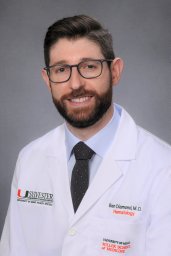 Benjamin Diamond合作论文数Sylvester Comprehensive Cancer Center, University of Miami3
 Anish K Simhal合作论文数Medical Physics, Memorial Sloan Kettering Cancer Center3
 C. Ola Landgren合作论文数Division of Myeloma, Department of Medicine, Miller School of Medicine, University of Miami;Sylvester Comprehensive Cancer Center, University of Miami3
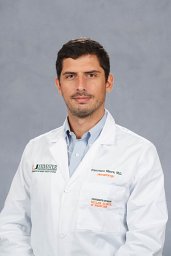 Maura Francesco合作论文数Department of Clinical Sciences and Community Health, University of Milano and Hematology 1 CTMO3Kazunori Murata合作论文数2Weige Qin合作论文数2
 Juan-Jose Garces合作论文数2
 Sean Devlin合作论文数Memorial Sloan Kettering Cancer Center2
 Ahmet Dogan合作论文数Memorial Sloan Kettering Cancer Center2Chaudhari Jagrutiben合作论文数2Yanming Zhang合作论文数2Isabelle Riviere合作论文数2




