Multiple myeloma (MM), the second most common hematologic malignancy in the US, has seen improved survival with therapeutic advancements. This presents an opportunity to enhance outcomes through diet and lifestyle. Poor dietary habits and obesity are linked to adverse outcomes in MM and its precursors—monoclonal gammopathy of undetermined significance (MGUS) and smoldering multiple myeloma (SMM)—potentially mediated by intestinal dysbiosis which affects the immune microenvironment. High Healthy Eating Index (HEI) scores, which reflect better adherence to the Dietary Guidelines for Americans, are associated with reduced mortality. However, data on the dietary habits of individuals with plasma cell disorders (PCDs) remains limited. We surveyed 443 individuals with MGUS, SMM, or MM on HealthTree Cure Hub using the Block Food Frequency Questionnaire (2022- 2023). We calculated HEI scores and analyzed by age, sex, race, BMI, PCD diagnosis, and education level. We also compared participants’ scores to the general US population by age, sex, and race. Average HEI score was higher for participants (69) than for the US population (58) across all subgroups (p<0.001). Lower education was associated with lower HEI scores (p<0.001) and trended toward higher fruit and lower added sugar intake. Higher BMI trended toward lower HEI scores (p=0.052) and significantly increased fatty acid intake. Males consumed more calories with less vegetables, sodium, and fatty acid intake. Non-Hispanic Asians and Blacks consumed fewer calories but more fatty acids. MGUS and SMM participants consumed more vegetables and lower added sugar, but more sodium compared to MM patients. Individuals with PCDs have more healthful diets than the general US population. However, females, non-Hispanic Asians, non-Hispanic Blacks, individuals with higher BMIs, and those with less education may benefit from targeted dietary interventions to improve health outcomes. Kadiatou Traore, Francesca Castro, Alankrita Taneja, Elan Gorshein, Andriy Derkach, Jorge Arturo Hurtado Martínez, Edith Serrano, Alexander Lesokhin, Jennifer M. Ahlstrom, Torin Block, Jay R. Hydren, Ana M. Sahagun Sanchez Aldana, Patricia Alejandra Flores Pérez, Cynthia A. Thomson, Saad Z. Usmani, Urvi A. Shah. Dietary patterns in plasma cell disorders: Opportunities for targeted interventions [abstract]. In: Proceedings of the American Association for Cancer Research Annual Meeting 2025; Part 1 (Regular Abstracts); 2025 Apr 25-30; Chicago, IL. Philadelphia (PA): AACR; Cancer Res 2025;85(8_Suppl_1):Abstract nr 996.
Teclistamab, a B-cell maturation antigen (BCMA)- and CD3-targeting bispecific antibody, is an effective novel treatment for relapsed/refractory multiple myeloma (R/RMM), but efficacy in patients exposed to BCMA-directed therapies and mechanisms of resistance have yet to be fully delineated. We conducted a real-world retrospective study of commercial teclistamab, capturing both clinical outcomes and immune correlates of treatment response in a cohort of patients (n = 52) with advanced R/RMM. Teclistamab was highly effective with an overall response rate (ORR) of 64%, including an ORR of 50% for patients with prior anti-BCMA therapy. Pretreatment plasma cell BCMA expression levels had no bearing on response. However, comprehensive pretreatment immune profiling identified that effector CD8+ T-cell populations were associated with response to therapy and a regulatory T-cell population associated with nonresponse, indicating a contribution of immune status in outcomes with potential utility as a biomarker signature to guide patient management.
S2immune checkpoints (IC) can constrain their anti-tumor efficacy, as occurs in CAR-T.HLA-E is overexpressed in several tumors, including metastatic cells, and correlates with a poor prognosis.Here, we have studied the impact of HLA-E and NKG2A expression in a high cohort of MM patients at different stages and we propose the combination of a-NKG2A blocking antibodies with BCMA and NKG2D-CAR NK cell immunotherapies to enhance their anti-MM efficacy.Methods: HLA-E and NKG2A expression was analysed in bone marrow (BM) samples from healthy donors (HD) (n=18) and MM patients (n=71) and IFNg from these sera was quantified.HLA-E modulation by IFNg and bortezomib (BTZ) as well as the efficacy of a-NKG2A blocking monotherapy against plasma cells (PC), within BM mononuclear cells (BMMCs) cultures, were also studied by multiparametric flow cytometry (MFC).Activated and expanded NK (NKAE) cells were obtained from HD' peripheral blood MCs (PBMCs) after stimulation with irradiated K562-mb21-41BBL cells and IL-2.NKAE cells were then purified and lentivirally transduced with either BCMA or NKG2D CAR.The combination activity of these CAR therapies with mouse and human a-NKG2A antibodies was tested in vitro against primary MM cells, PBMCs and CD34+ cells, by MFC and calcein-release assays, and in vivo using NSG-Tg hIL-15 mice bearing U-266 ffLucGFP MM cells.Results: MM patients at relapse/progression exhibit higher HLA-E expression in malignant PC compared to healthy populations and elevated NKG2A expression in NK cells.IFNg, highly increased in MM patients' BM sera, augments HLA E expression.BTZ can diminish this effect in sensitive MM cells but not in BTZ resistant, suggesting HLA-E/NKG2A as an important IC in this relapse/refractory setting.However, mouse or human a-NKG2A monotherapy treatment does not restore MM patients' NK cells anti tumor efficacy.BCMA-CAR and NKG2D-CAR NKAE cells also have an elevated NKG2A expression and release high levels of IFNg that augment HLA-E levels in MM cells.In this instance, the combination of CAR NKAE therapies with mouse or human a NKG2A antibodies significantly increases their cytotoxicity, degranulation and IFNg release against MM cells along with a lack of toxicity against HD' PBMCs and CD34+ from MM patients.Differential immunophenotype after a NKG2A blockade in CAR NKAE cells is being studied by Cytof.Notably, human a-NKG2A pretreatment in NKG2D-CAR NKAE cells have significantly increased mice survival, controlling the tumor in treated mice.a-NKG2A combination with BCMA-CAR therapy is being tested.Conclusions: HLA-E and NKG2A are overexpressed in malignant PC and NK cells, respectively, from relapse/progression MM patients.Despite the lack of efficacy of a-NKG2A monotherapy, the combination of a NKG2A antibodies with BCMA and NKG2D-CAR therapies is able to overcome MM CAR target independent resistance in vitro and in vivo.
Teclistamab, a B-cell maturation antigen (BCMA)- and CD3-targeting bispecific antibody, is an effective novel treatment for relapsed/refractory multiple myeloma (RRMM), but efficacy in BCMA-exposed patients and mechanisms of resistance have yet to be fully delineated. We conducted a real-world retrospective study of commercial teclistamab, capturing both clinical outcomes and immune correlates of treatment response in a cohort of patients (n = 52) with advanced RRMM. Teclistamab was highly effective with an overall response rate (ORR) of 64%, including an ORR of 50% for patients with prior anti-BCMA therapy. Pre-treatment plasma cell BCMA expression levels had no bearing on response. However, comprehensive pre-treatment immune profiling identified that effector CD8+ T cell populations associated with response to therapy and a regulatory T cell population associated with non-response, indicating a contribution of immune status in outcomes with potential utility as a biomarker signature to guide patient management.
Background: Teclistamab (Tec) is a CD3 x BCMA bispecific antibody granted accelerated FDA approval for treating relapsed/refractory (RR) multiple myeloma (MM) based off the results of the MajesTEC-1 trial (Usmani S, et al. Lancet 2021, Moreau P, et al. N Engl J Med 2022). However, patients with prior exposure to anti-BCMA therapies were excluded from this trial and there is no published data evaluating Tec efficacy in this setting. Additionally, little is known about tumor-intrinsic and patient-specific immunologic predictors of response to Tec. Methods: We performed an IRB-approved analysis of clinical outcomes for 52 commercially treated Tec patients treated as of 07/28/2023 at our center. Results were correlated to pre-treatment BCMA expression measured by immunohistochemistry (IHC). We also profiled peripheral blood T-cells from pre-treatment peripheral blood mononuclear cell (PBMC) samples from a sub cohort of patients via high-dimensional spectral cytometry using a 37-color panel including lineage, exhaustion, and activation markers. Results: Our commercial cohort was older (median age 70 vs 64), more heavily pretreated (median prior lines of therapy 7 vs 5) and had higher incidence of both high-risk cytogenetic abnormalities (33% vs 26%) and extramedullary disease (35% vs 17%) than the MajesTEC-1 population. Additionally, 52% had prior exposure to anti-BCMA therapies, including belantamab mafodotin (31%), anti-BCMA CAR T-cell therapies (37%), and anti-BCMA bispecific antibody therapies (4%), with some having exposure to multiple prior anti-BCMA therapies (17%). Among response evaluable patients (90%), with a median follow-up time of 100 days, the overall response rate (ORR) to Tec was 64% (36% ≥VGPR). Progression free survival (PFS) in patients without prior BCMA therapy was higher than in the anti-BCMA exposed population (median PFS NR vs 102 days, p = 0.032, Figure Panel A). However, the anti-BCMA therapy exposed population was more heavily pretreated (8 vs 5 median prior lines of therapy) and had more patients with high-risk cytogenetic abnormalities (46% vs 19%) and extramedullary disease (42% vs 27%) than the anti-BCMA therapy naïve cohort. No major differences in BCMA expression were noted between responding and non-responding patients or between anti-BCMA exposed and anti-BCMA naïve patients. However, two patients had absent BCMA expression following prior treatment with other BCMA targeting agents and did not respond to Tec. Cytokine release syndrome (CRS) during step-up dosing was strongly associated with Tec efficacy (median PFS NR vs 27 days, p <0.0001), with a 100% ORR for patients with CRS. Immune profiling experiments (Figure Panel B) revealed that Tec responders had peripheral blood enriched for both CD8 + effector memory T-cells (TEM, >6-fold increase, p = 0.0499) and CD8 + effector memory T-cells re-expressing CD45RA (TEMRA, >5-fold increase, p = 0.012) when compared to Tec non-responders. Tec non-responders had peripheral blood enriched for TIGIT + regulatory T-cells (Tregs, 3-fold increase, p = 0.03) when compared to Tec responders. No differences in PD-1, CTLA-4, LAG-3 or TIM-3 expression were observed in Tec responders vs non-responders. Patients with recent relapse from non-BCMA targeting bispecific antibodies (including products targeting FcRH5 or GPRC5D) had peripheral blood enriched for γδ T-cells with high TIGIT expression. Conclusion: Tec is an effective therapy in RRMM with a slightly lower efficacy observed in patients with prior anti-BCMA therapy exposure. PFS reductions among these anti-BCMA exposed patients may be partly due to independent disease associated risk factors. A pre-Tec peripheral blood T-cell population enriched with highly cytotoxic effector T-cells was associated with response to therapy, while suppressive TIGIT +Tregs were associated with nonresponse, suggesting a potential therapeutic role for TIGIT blockade or CD25 + cell depletion to enhance the therapeutic efficacy of bispecific antibodies. Clinical and translational data from additional patients will be presented at the meeting.
Introduction: the complex structural variant (SV) chromothripsis is an independent predictor of progression-free (PFS) and overall survival (OS) in newly diagnosed multiple myeloma (NDMM); predictive in multivariate analysis when considering ISS, IgH translocations and TP53 status (Rustad BCD 2020). Chromothripsis is not included in current prognostic scores, despite a prevalence of 24% in NDMM. While gold-standard definition requires whole genome sequencing (WGS), we've previously shown that copy-number (CN) signatures are also able to accurately define chromothripsis in whole exome sequencing (WES, Maclachlan Nat Com 2021). As neither WGS nor WES are currently used in clinical medicine, we applied CN signatures to targeted sequencing, aiming for direct clinical translation of this key biological feature into clinical practice. Memorial Sloan Kettering (MSK) now offers the MSK-Heme-IMPACT targeted sequencing panel to all MM patients having a bone marrow biopsy (BMBx), as well as offering retrospective analysis for current patients having leftover DNA from prior BMBx. Methods: We analyzed 420 samples having either myTYPE or MSK-Heme-IMPACT targeted sequencing at MSK prior to July 2023. We excluded those with whole genome duplication, applied CN signatures, then for samples from NDMM performed multivariate analysis for PFS prediction by backwards stepwise regression. In samples with CN signatures predictive for chromothripsis and with DNA available from the same BMBx, we performed parallel WGS in order to check for chromothripsis. WGS sequencing was at 60-80x for tumor, 30-40x for normal, with analysis including Battenberg for CN analysis, with SvABA, BRASS and GRIDSS for SV calling. Additional parallel WGS is in progress for 45 samples with NDMM prior to DVRd or DKRd, in order to examine chromothripsis prediction and PFS impact in the context of highly effective induction. Results: From 420 samples, 48 were collected at the precursor stage, 205 with NDMM, and 167 with relapsed disease. 39 patients had 2 assays performed, while the remainder were unique patient samples. Within NDMM, the range of induction regimens received included lenalidomide and dexamethasone with bortezomib (VRd), carfilzomib (KRd) or daratumumab (DRd), along with quadruplet therapy (DVRd or DKRd). Targeted sequencing data detected all 6 key CN features observed in WGS and WES analysis. Similar to WES, there was a lower contribution from very high breakpoint counts per 10mB and longer lengths of oscillating CN segments, due to the lower resolution of targeted sequencing data. De novo extraction of CN signatures defined 1 signature containing multiple features consistent with chromothripsis; high breakpoint count per 10mB, more jumps between adjacent CN segments, longer lengths of oscillating CN segments and a predominance of small CN segments. When examining samples from NDMM, contribution from this signature was predictive of PFS in multivariate analysis when considering age, ISS, t(4;14), TP53 status and gain1q21 (hazard ratio > 4, p=0.003). 33 samples had a predictive probability for chromothripsis > 0.6 (the cut-off in WGS / WES having the highest sensitivity and specificity for prediction), with also having further DNA available. 30/33 (91%) were confirmed to harbor chromothripsis on manual inspection of WGS data. 19/30 (63%) with chromothripsis were BMBx from NDMM, while 11/30 (37%) were from relapsed disease. Discussion: the complex SV chromothripsis is a key genomic risk factor predicting for poor PFS and OS in MM, which is currently not being captured in routine practice or in clinical trials. Here, we demonstrate that chromothripsis can be predicted from targeted sequencing data, confirmed by gold-standard WGS analysis. Ongoing studies are expanding our cohort of NDMM with concurrent targeting sequencing and WGS, to define the sensitivity and specificity of targeted-sequencing-based CN signature prediction of chromothripsis. The additional cohort largely comprises patients treated with daratumumab-quadruplet induction therapy, aiming to confirm that chromothripsis and CN signatures retain prognostic significance in the context of this therapy. With this data is in hand, we will develop a CN signature fitting tool, similar to mmsig for mutational signatures (Rustad Comm Biol 2021), to allow easily accessible incorporation of chromothripsis assessment into clinical practice.
Background Increasingly, there is evidence supporting the benefit of healthy dietary habits during prevention, treatment, and survivorship. The median survival for patients with multiple myeloma (MM) has increased from approximately 3 to 10 years in the last decade necessitating discussions about the integration of lifestyle medicine. MM patients with healthier pre diagnosis dietary patterns have longer survival than those with less healthy diets ( Lee et al. IJC 2020). Similarly, higher adherence to the Healthy Eating Index (HEI)-2015 has been associated with reduced all-cause and cancer-specific mortality ( Shan et al. JAMA 2023). A higher HEI score has been linked to reduced risk of chronic diseases as well. However, there is a paucity of demographic data for dietary patterns in individuals with plasma cell disorders (PCDs). Therefore, we examined the dietary patterns of individuals with PCDs in comparison to the US population. Method This study used the validated Block Food Frequency Questionnaire (FFQ) to survey individuals with a known history of a PCD in HealthTree Cure Hub, a patient data portal hosted by HealthTree Foundation. The questionnaire was used to calculate HEI-2015 scores which include 13 components that reflect the recommendations in the Dietary Guidelines for Americans, 2020-2025, with higher scores indicating greater adherence to the guidelines. Fruit (cup equivalents/day), vegetable (cup equivalents/day), fiber (grams/day), and sugar (grams/day) were also calculated. Mean values were compared using the Kruskal-Wallis test across subgroups: age, sex, race, body mass index (BMI), type of PCD, and level of education. In addition, with Z-test, HEI scores from participants in this study were compared to HEI scores of the general US population from National Health and Nutrition Examination Survey (NHANES) across age, sex, and race. Results We received 152 survey responses. Older age groups, and individuals with lower BMI had higher HEI scores (p=0.003 and p=0.016, respectively). There was no difference in HEI scores based on sex, race, or type of PCD. There was a trend for higher HEI scores with higher levels of education (p=0.093). There was no significant difference when comparing fruits, vegetables, fiber, and sugar intake between different subgroups, with the following exceptions: individuals aged ≥71 years (1.85; 95% CI 1.47-2.23) had higher total fruit consumption compared to those aged 60-70 (1.41; 95% CI 1.19-1.64) and 30-59 (1.31; 95% CI 0.84-1.78) (p=0.026), and individuals with graduate or professional degrees (1.79; 95% CI 1.46-2.12) had higher total fruit consumption compared to those with bachelor's degrees (1.27; 95% CI 0.83-1.7) or below (1.36, 95% CI [1.01-1.71] ) (p=0.008). Compared to the general US population, participants with PCDs had higher HEI scores across age, sex, and race (p<0.0001). Discussion In this study, the differences in HEI scores between subgroups categorized by age and BMI are consistent with trends seen in the US population. We found that younger individuals and individuals with elevated BMIs have worse HEI scores, suggesting these subgroups may derive greater benefit from dietary interventions. Given the association between a higher education level and higher fruit consumption (and the trend towards higher HEI scores), dietary interventions should discuss affordable alternatives. The higher HEI scores in our survey compared to the US population may suggest individuals with PCDs are more aligned with the Dietary Guidelines for Americans, although there is still considerable room for improvement. This difference may be due to improvements in diet post PCD diagnosis ( Malik et al. BCJ 2022), or due to a selection bias with individuals interested in the role of nutrition or greater awareness of nutrition being more likely to participate. Additionally, many participants heard of this survey through talks on nutrition organized through their local support groups and the HealthTree Nutrition and Wellness Chapter. This difference may also be explained by the difference in the assessment method used by NHANES (24-hour dietary recall) compared to the FFQ used in this study. Conclusions Individuals with PCDs (especially younger individuals and those with an elevated BMI) may benefit from interventions to improve dietary patterns. Subsequent studies to correlate healthier diets with long-term outcomes in patients with MM need to be performed.
Introduction: Current prognostic scores for newly diagnosed multiple myeloma (NDMM) rely on measures of tumor bulk and limited genomic information. A recent artificial-intelligence-based model suggested that individualized prognostication and prediction of response to specific therapies may be improved by more comprehensive genomic assessment (IRMMa, Maura et al Blood 2022). The 20 significant genomic contributors included APOBEC mutational activity, gain/amp1q, TP53 aberration, and loss of any of CDKN2C, RPL5, FUBP1, RB1, RASA2, 10q23 or 12p13. The highest impact on progression-free (PFS) and overall survival (OS) came from copy number (CN) signature profiles suggesting the structural variant chromothripsis (Maclachlan et al Nat Comm 2021). We have previously demonstrated that CN features consistent with chromothripsis can be detected in targeted sequencing data, potentially increasing clinical application (Maclachlan el at Blood 2020). One limitation of the recently presented IRMMa model was an absence of patients prescribed daratumumab-based quadruplet induction, (dara-quads; daratumumab, lenalidomide, dexamethasone with carfilzomib [DKRd] or bortezomib [DVRd]). Methods: We applied comprehensive genomic assessment to a cohort of 234 NDMM patients from Memorial Sloan Kettering Cancer Center initiated on dara-quad induction prior to May 2023. Genomic data included FISH (n=215), SNP-array (n=127), targeted sequencing (MSK-IMPACT-Heme, n=78) and whole genome sequencing (WGS, n=45). A further 80 samples are undergoing MSK-IMPACT-Heme (n=25) and WGS (n=55) currently. Results: Among 234 patients analyzed, 86 patients received DKRd and 148 DVRd. Overall median follow-up was 1.4 years (y); 4.2y with DKRd (IQR 1.9-4.7, max 5.7) and 1y with DVRd (IQR 0.5-1.4, max 3.4). 25 patients progressed following DKRd and 20 following DVRd, with 9 progressing during induction chemotherapy. ISS stage did not predict for PFS or OS, either in the whole cohort, or in individual regimens. The inclusion of genomic assessment improved prognostication; while R-ISS, high-risk cytogenetics as per R-ISS, and R2-ISS each improved PFS prediction (p<0.01), consideration of every feature assessable by FISH (including del1p, amp1q, t(14;20), MYC-translocations) further increased discrimination (p=0.009). Assessing as per the Master study (Costa JCO 2022), 2+ co-occurring high-risk features predicted for shorter PFS when compared with 1 or 0 risk factors (p=0.002). Within the 9 who progressed during induction, 4 were ISS III, 6 had a risk factor evident via FISH, and 4 had multiple high-risk features, while 4 had no risk factors by standard methods. Using comprehensive genomic assessment (SNP-array, MSK-IMPACT-Heme and WGS) allowed for the assessment of additional genomic features in those with adequate follow up (predominantly DKRd). Del1p22.1 ( RPL5) was strongly predictive of shorter PFS (p<0.0001), as were del22q12.1 ( XBP1, p=0.02) and high APOBEC-mutational activity (p=0.01). Additional features demonstrated a trend to significance, including del1p12 ( TENT5C, p=0.06) and the complex structural variant chromothripsis. Parallel performance of MSK-IMPACT-Heme and WGS on the same samples allowed demonstration that CN signatures detected by targeted sequencing were accurate indications of complex chromothripsis events. The expanded WGS cohort will further define sensitivity and specificity of this detection. Discussion: In the context of highly effective dara-quad induction, ISS stage did not predict for either PFS or OS. Limited cytogenetic assessment improved prognostication, while advanced genomic assessment was highly discriminatory. The current study provides the rationale for more comprehensive genomic assessment in patients receiving dara-quads in order to refine prognostication and consider novel treatment approaches for high-risk patients. We are significantly expanding our cohort of WGS in dara-quad-treated patients, formalizing the accuracy for CN signature detection of chromothripsis from targeted sequencing data, allowing application in routine clinical practice.
AbstractCoronavirus disease-19 (COVID-19) vaccine response data for patients with hematologic malignancy, who carry high risk for severe COVID-19 illness, are incomplete. In a study of 551 hematologic malignancy patients with leukemia, lymphoma, and multiple myeloma, anti–SARS-CoV-2 spike IgG titers and neutralizing activity were measured at 1 and 3 months from initial vaccination. Compared with healthy controls, patients with hematologic malignancy had attenuated antibody titers at 1 and 3 months. Furthermore, patients with hematologic malignancy had markedly diminished neutralizing capacity of 26.3% at 1 month and 43.6% at 3 months, despite positive seroconversion rates of 51.5% and 68.9% at the respective time points. Healthy controls had 93.2% and 100% neutralizing capacity at 1 and 3 months, respectively. Patients with leukemia, lymphoma, and multiple myeloma on observation had uniformly blunted responses. Treatment with Bruton tyrosine kinase inhibitors, venetoclax, phosphoinositide 3-kinase inhibitors, anti-CD19/CD20–directed therapies, and anti-CD38/B-cell maturation antigen–directed therapies substantially hindered responses, but single-agent immunomodulatory agents did not.Significance:Patients with hematologic malignancy have compromised COVID-19 vaccine responses at baseline that are further suppressed by active therapy, with many patients having insufficient neutralizing capacity despite positive antibody titers. Refining vaccine response parameters is critical to guiding clinical care, including the indication for booster vaccines, for this vulnerable population.See related article by Tamari et al., p. 577.This article is highlighted in the In This Issue feature, p. 549
Coronavirus disease-19 (COVID-19) vaccine response data for patients with hematologic malignancy, who carry high risk for severe COVID-19 illness, are incomplete. In a study of 551 hematologic malignancy patients with leukemia, lymphoma, and multiple myeloma, anti–SARS-CoV-2 spike IgG titers and neutralizing activity were measured at 1 and 3 months from initial vaccination. Compared with healthy controls, patients with hematologic malignancy had attenuated antibody titers at 1 and 3 months. Furthermore, patients with hematologic malignancy had markedly diminished neutralizing capacity of 26.3% at 1 month and 43.6% at 3 months, despite positive seroconversion rates of 51.5% and 68.9% at the respective time points. Healthy controls had 93.2% and 100% neutralizing capacity at 1 and 3 months, respectively. Patients with leukemia, lymphoma, and multiple myeloma on observation had uniformly blunted responses. Treatment with Bruton tyrosine kinase inhibitors, venetoclax, phosphoinositide 3-kinase inhibitors, anti-CD19/CD20–directed therapies, and anti-CD38/B-cell maturation antigen–directed therapies substantially hindered responses, but singleagent immunomodulatory agents did not. Significance: Patients with hematologic malignancy have compromised COVID-19 vaccine responses at baseline that are further suppressed by active therapy, with many patients having insufficient neutralizing capacity despite positive antibody titers. Refining vaccine response parameters is critical to guiding clinical care, including the indication for booster vaccines, for this vulnerable population. See related article by Tamari et al., p. 577. 1Adult Bone Marrow Transplant Service, Department of Medicine, Memorial Sloan Kettering Cancer Center (MSKCC), New York, New York. 2Department of Medicine, Weill Cornell Medical College, New York, New York. 3Department of Epidemiology and Biostatistics, MSKCC, New York, New York. 4Department of Laboratory Medicine, MSKCC, New York, New York. 5Lymphoma Service, Department of Medicine, MSKCC, New York, New York. 6Myeloma Service, Department of Medicine, MSKCC, New York, New York. 7Leukemia Service, Department of Medicine, MSKCC, New York, New York. 8Center for Hematologic Malignancies, MSKCC, New York, New York. 9Infectious Disease Service, Department of Medicine, MSKCC, New York, New York. 10Human Oncology and Pathogenesis Program, MSKCC, New York, New York. 11The Rockefeller University, New York, New York. note: Supplementary data for this article are available at Blood Cancer Discovery Online (https://bloodcancerdiscov.aacrjournals.org/). S.A. Vardhana and D.A. Knorr contributed equally to this article. corresponding author: David J. Chung, Memorial Sloan Kettering Cancer Center, 1275 York Avenue, New York, NY 10065. Phone: 646-608-3770; Fax: 929-321-8163; E-mail: chungd1@mskcc.org Blood Cancer Discov 2021;2:568–76 doi: 10.1158/2643-3230.BCD-21-0139 ©2021 American Association for Cancer Research Diseaseand Therapy-Specific impact on Humoral immune Responses to cOViD-19 Vaccination in Hematologic Malignancies David J. Chung1,2, Gunjan L. Shah1,2, Sean M. Devlin3, Lakshmi V. Ramanathan4, Sital Doddi4, Melissa S. Pessin4, Elizabeth Hoover1, LeeAnn T. Marcello1, Jennifer C. Young1, Sawsan R. Boutemine5, Edith Serrano6, Saumya Sharan7, Saddia Momotaj7, Lauren Margetich7, Christina D. Bravo8, Genovefa A. Papanicolaou9, Mini Kamboj9, Anthony R. Mato2,7, Lindsey E. Roeker2,7, Malin Hultcrantz2,6, Sham Mailankody2,6, Alexander M. Lesokhin2,6, Santosha A. Vardhana2,5,10, and David A. Knorr2,7,11 Association for Cancer Research. by guest on January 5, 2022. Copyright 2021 American https://bloodcancerdiscov.aacrjournals.org Downloaded from Impaired COVID-19 Vaccine Responses in Hematologic Cancers ReSeaRcH BRief NOVEMBER 2021 blood CANCER dISCoVERY | 569 iNtRODUctiON Severe acute respiratory syndrome coronavirus 2 (SARSCoV-2), the virus responsible for coronavirus disease-19 (COVID-19), causes respiratory illness ranging from selflimited, mild respiratory tract symptoms to severe pneumonia with acute respiratory distress syndrome, multiorgan failure, and death. Due to their disease and/or associated treatments, patients with cancer are often immunocompromised and at increased risk of severe COVID-19 illness (1–3), with fatality rates far exceeding that of the general population (4). Within the cancer population, patients with hematologic malignancy are at greatest risk for COVID-19–related mortality (2, 3, 5–10). The adverse outcomes of patients with hematologic malignancy to COVID-19 infection stem at least in part from intrinsic immune dysfunction. Patients with indolent B-cell malignancies, including chronic lymphocytic leukemia/small lymphocytic lymphoma (CLL/SLL) and follicular lymphoma, have a high incidence of hypogammaglobulinemia, as well as T-cell dysfunction, which impairs long-term antiviral humoral immunity and response to vaccination (11). Patients with multiple myeloma have compromised humoral and cellular immunity from their plasma cell disorder, its associated hypogammaglobulinemia, and immunosuppression exacerbated by anti–multiple myeloma therapies (12). Patients with myeloid malignancies, including acute myeloid leukemia and high-risk myelodysplastic syndromes, have impaired innate immunity, antigen presentation, and quantitative defects in all immune cells, often at baseline before starting treatment and further exacerbated by therapies, including hematopoietic stem cell transplantation (13, 14). Given their greater susceptibility to severe COVID-19 illness, patients with hematologic malignancy are a highpriority group for vaccination to mitigate COVID-19–related morbidity and mortality. Effective vaccination would enable receipt of disease-specific therapy and avoid delays in cancer care. There are limited comprehensive data on the efficacy of COVID-19 vaccines in patients with cancer, with many COVID-19 vaccine studies excluding patients with cancer and real-world outcomes for patients with cancer only recently starting to emerge. In this study, we aimed to define how vaccine humoral responses differ by hematologic malignancy subtype and disease-specific therapies across patient cohorts to provide an important metric for optimizing the clinical care of this vulnerable population.
 Lesokhin Alexander M合作论文数10
 Saad Z. Usmani合作论文数David H. Koch Center for Cancer Care, Memorial Sloan Kettering Cancer Center9
 Urvi A Shah合作论文数Department of Medicine, Tufts Medical Center and Tufts University School of Medicine8Mailankody Sham合作论文数Myeloma Serv, Mem Sloan Kettering Canc Ctr7Hultcrantz Malin合作论文数Hematologiskt centrum6
 Gunjan L. Shah合作论文数David H. Koch Center for Cancer Care, Memorial Sloan Kettering Cancer Center6
 David Chung合作论文数Northwell Health Cancer Institute6Tala Shekarkhand合作论文数5Kylee H. Maclachlan合作论文数Mem Sloan Kettering Canc Ctr, Dept Med, Myeloma Serv, 1275 York Ave, New York, NY 10021 USA5Scordo Michael合作论文数5Korde Neha合作论文数5
 Heather J. Landau合作论文数David H. Koch Center for Cancer Care, Memorial Sloan Kettering Cancer Center5
 Sergio A. Giralt合作论文数Division of Hematologic Malignancies, Memorial Sloan Kettering Cancer Center;Weill Cornell Medical College, Memorial Sloan Kettering Cancer Center5Hani Hassoun合作论文数5
 Oscar Lahoud合作论文数5Carlyn Tan合作论文数4Dhwani Patel合作论文数4
 Andriy Derkach合作论文数Department of Biostatistics and Epidemiology, Memorial Sloan Kettering Cancer Center4Meng-Lei Zhu合作论文数Department of Surgery - Otolaryngology, University of Kentucky Medical Center4Alice Wang合作论文数3Ross S. Firestone合作论文数3Devin McAvoy合作论文数3
 Alankrita Taneja合作论文数Dept Med, Roswell Pk Comprehens Canc Ctr3
 Elan Gorshein合作论文数Internal Medicine, Yale School of Medicine, Yale University3Hamadeh Issam S合作论文数Center for Pharmacogenomics, University of Florida College of Pharmacy3Torin Block合作论文数NutritionQuest3Kinga K. Hosszu合作论文数3Colin Rueda合作论文数2Saumya Sharan合作论文数2Sital Doddi合作论文数2Sawsan R Boutemine合作论文数2Robert Cimera合作论文数2
 LeeAnn T Marcello合作论文数2Bachisio Ziccheddu合作论文数Fdn IRCCS Ist Nazl Tumori, Dept Clin Oncol & Hematol, I-20133 Milan, Italy2
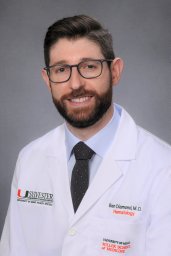 Benjamin Diamond合作论文数Sylvester Comprehensive Cancer Center, University of Miami2Jennifer Young合作论文数2
 Maria E. Arcila合作论文数Memorial Sloan Kettering Cancer Center2
 C. Ola Landgren合作论文数Division of Myeloma, Department of Medicine, Miller School of Medicine, University of Miami;Sylvester Comprehensive Cancer Center, University of Miami2
 Maura Francesco合作论文数Department of Clinical Sciences and Community Health, University of Milano and Hematology 1 CTMO2
 Lindsey E Roeker合作论文数2Yanming Zhang合作论文数2A. Mato合作论文数1
 Eileen Mary Boyle合作论文数1Francesca Castro合作论文数1
 Jorge Hurtado合作论文数1Kadiatou Traore合作论文数1Christina D Bravo合作论文数1David Nemirovsky合作论文数1




