Background Evomela, a propylene-glycol–free melphalan formulation, allows prolonged stability and flexible infusion duration as a preparative regimen in autologous hematopoietic-cell transplantation (ASCT). A prospective phase I/II randomized trial compared short (30–60 min; S-IV) versus long (8–9 h; L-IV) infusion schedules of evomela as conditioning for ASCT in newly diagnosed multiple myeloma (MM). Methods Patients were randomized fairly to S-IV or L-IV evomela (225 mg/m²). Evomela plasma concentrations at various time points were determined using liquid chromatography-mass spectrometry for pharmacokinetic (PK) analysis using non-compartmental method. Best response (BR) after ASCT was defined as minimal residual disease (MRD)-negative complete response (CR). A 1:1 propensity-matched Melphalan 200 mg/m² (MEL200) cohort served as a historical control comparator. Results Sixty patients (30 per arm, median age 59.5 yrs) were enrolled. Five (17%) patients in S-IV and 11 (37%) patients in L-IV had high-risk cytogenetics. All patients, except 1 (early progression) received maintenance therapy after ASCT. BR at day-90 (before starting maintenance therapy) was 47% (L-IV) vs 43% (S-IV). BR at 1-year was 60% vs 63%, respectively. Median PFS was 58 mo (L-IV) vs not reached (S-IV), p=0.49. In a fitted Bayesian regression model, a higher area under curve (AUC) correlated with improved BR (probability of beneficial effect [PBE] = 0.966). There were no grade ≥4 toxicities. The most frequent grade 3 events were febrile neutropenia (8 L-IV, 7 S-IV) and diarrhea (5 L-IV, 7 S-IV). One year treatment-related mortality (TRM) was 0; three late non-relapse deaths (second malignancy, n=2, and diffuse alveolar hemorrhage, n=1) occurred beyond 3 yrs. ROC analysis identified an AUC ≈17,800 µg·h/L with Youden’s index 0.6 (good performance) as a potential PK target for L-IV in high-risk patients.Because there was no significant difference between the long and short evomela infusion schedules, they were combined for a matched pairs comparison to the historical MEL200 data. In this comparison (Evomela, vs MEL200, n = 60, matched pairs), BR rates at day-90 were 45% vs 30%, respectively. Median PFS was 58 months vs 50 months (p = 0.48) (Figure). Regression modeling showed an approximately 87% probability that evomela improved BR at day-90 compared to MEL200, and an approximately 86% probability of longer PFS vs Melphalan-200, suggesting a likely but not definitive benefit. Conclusion Evomela 225 mg/m2 given over either 30 min or 8–9 h was safe and effective. Compared with MEL200, evomela showed a higher probability of achieving MRD-negative CR after ASCT. PK modeling identified AUC ≈ 17,800 µg·h/L as a potential target goal for L-IV in high-risk patients, supporting further evaluation of PK-guided evomela dosing as a conditioning regimen for ASCT in MM.
Melphalan 200 mg/m² is the standard conditioning regimen for autologous hematopoietic stem cell transplantation (ASCT) in multiple myeloma, but further dose escalation is limited by toxicity. Evomela, a propylene‑glycol-free melphalan with enhanced stability, enables safer dose intensification and pharmacokinetic (PK) optimization. We conducted a prospective phase I/II trial to optimize Evomela dosing and infusion schedule in newly diagnosed myeloma patients undergoing ASCT. Primary objectives included dose/schedule optimization using a Bayesian design and PK characterization; secondary objectives included minimal residual disease (MRD)‑negative complete response (CR) at day 90, toxicity, and progression‑free survival (PFS). Sixty patients were randomized to short (30-60 mins) or long (8-9 hrs) Evomela infusions at 200 or 225 mg/m². No grade ≥4 non‑hematologic toxicities or day‑100 non‑relapse mortality occurred. MRD-negative stringent (s)CR/CR at day 90 was 45% (43% in the short infusion arm and 47% in the long infusion arm), with similar toxicity and PFS between the schedules. A higher melphalan area under the concentration-time curve (AUC) was strongly associated with MRD‑negative sCR/CR (posterior probability of benefit [PBE] = 0.99) without increased toxicity, but not with PFS. In propensity‑matched comparisons, Evomela was associated with longer PFS than melphalan 200 mg/m² (MEL200) (PBE = 0.90). These results support Evomela as a platform for safe dose intensification and AUC‑guided conditioning in newly diagnosed myeloma patients undergoing ASCT. (NCT03417284).
Key PointsAlmyloid light chain amyloid patients post autologous stem cell transplantation with higher eGFR was not associated with better progression-free survival but was associated with increased overall survival (OS).Patients with kidney amyloidosis stage 3 at baseline had inferior OS compared with those who had stage 1.OS was better in those who had complete kidney response irrespective of the baseline kidney amyloidosis stage, compared with those without response.BackgroundWe investigated how kidney function affected progression-free survival (PFS) and overall survival (OS) after autologous stem cell transplantation (ASCT) in patients with amyloid light chain (AL) amyloidosis.MethodsWe performed a retrospective cohort study of 314 patients with AL amyloidosis who underwent ASCT between 2010 and 2020. In addition to the baseline demographics, comorbidities, and kidney amyloidosis stage, eGFR and other laboratory values were collected at day 0, day 100, 6 months, 1 year, 2 years, and 3 years after ASCT. The Cox proportional hazards models were used to estimate hazard ratio (HR) based on landmark analysis for the effects of eGFR and other longitudinal measures on PFS or OS.ResultsHigher eGFR values at all time points after ASCT were not significantly associated with longer PFS but was associated with increased OS. Patients with kidney amyloidosis stage 3 at baseline had inferior OS compared with those who had stage 1 (HR [95% confidence interval] = 9.428 [1.134 to 78.381], P value = 0.0379). OS was better in those who had complete kidney response irrespective of the baseline kidney amyloidosis stage, compared with those without response (HR [95% confidence interval] = 7.581 [2.042 to 28.149], P = 0.0025).ConclusionsThis retrospective study shows that kidney function has an effect on survival in patients with AL amyloidosis who undergo ASCT. Both higher eGFR at baseline and complete kidney response after ASCT favor improved survival outcomes.
Background Melphalan (Alkeran) is unstable after reconstitution, preventing prolonged infusions or pharmacokinetic (PK) analysis. Propylene glycol-free melphalan (PG-free Mel; Evomela) is stable at room temperature for ∼24 hours. We studied the PK analysis of Evomela and its relationship with the disease response in patients with multiple myeloma (MM) undergoing autologous hematopoietic cell transplantation. Methods The study enrolled newly diagnosed MM adults, age ≤ 70, randomized (1:1) to 2 infusion schedules [30-60 min (short) or 8-9 hr. (long)] using Evomela (2 mg/mL, either 200 mg/m2 or 225 mg/m2). Evomela plasma concentration at various time points was determined using liquid chromatography-mass spectrometry, and PK parameters were estimated using noncompartmental analysis. Disease response was measured using IMWG criteria. MRD was measured by flow cytometry at 10−5. We estimated the associations of Evomela exposure and clearance (CL) with the probabilities of achieving stringent complete response (sCR) or CR and achieving MRD negativity at the end of 1-year post-transplant, using a nonparametric loess regression smoother. Inferences were based on visual inspection of the smoothed plots. Results Sixty patients were enrolled of which 30/30 (100%) in short infusion (S-IV) and 27/30 in long infusion (L-IV) received maintenance therapy post-transplant. One subject each in the S-IV and L-IV schedule groups lacked enough samples for PK analysis. For the 2 infusion schedules (Table 1), Cmax and dose-normalized Cmax were higher in S-IV, while CL in the L-IV was higher and trended to have lower dose-normalized AUC0-∞, and lower exposure (AUC0-∞). The proportion of patients (14/30, 47%) with lower AUC (<16,000 hr.ng/ml) was higher in L-IV. There were no deaths, and no patient experienced grade > 3 adverse events (AE). Grade 2-3 AEs were seen in 53 (98%) patients (26 [96%] in the S-IV; 27 [100%] in the L-IV). The median follow-up was 14.5 (range: 6-40) months (13.8 months in the S-IV and 14.8 months in the L-IV). The median progression-free survival (PFS) was not reached in the overall trial population, 4 progressed in S-IV and 5 progressed in L-IV. sCR/CR was observed in 16 (53%) in S-IV and 17 (57%) in L-IV, while 18/23 (78%) in S-IV and 12/23 (52%) in L-IV were MRD-ve at the end of 1 year. The estimates (Figure 1) suggest that the probability of sCR/CR or being MRD-ve at the end of 1-year decreases with higher CL. Similarly, the probability of sCR/CR or being MRD-ve at the end of 1-year increases with higher AUC. Conclusions Our analyses of Evomela PK suggested higher Cmax, lower CL, and higher exposure in S-IV compared to L-IV schedules. Patients with lower CL and therefore higher exposure had greater probabilities of achieving sCR/CR and achieving MRD negativity. Further analyses in a larger sample population is needed to determine the target exposure range to achieve optimal treatment response.
Background Autologous stem cell transplantation (ASCT) remains the preferred standard consolidation therapy for patients with AL amyloidosis. Whilst several factors are known to impact outcomes, conventional risk scores for transplant-related mortality such as the HCT-CI have not been fully explored in this setting. Objectives To compare progression-free survival (PFS) and overall survival (OS) by HCT-CI status for AL patients who underwent ASCT. Methods All consecutive patients with AL amyloidosis who underwent ASCT using single agent melphalan conditioning regimen were included. Primary endpoints were PFS and OS. Secondary endpoints included cumulative incidence of relapse (CIR) and non-relapse mortality (NRM) rates. Hematologic response was defined per the 2012 consensus criteria. Survival estimates were calculated using Kaplan-Meier method. Results One-hundred-and-seventy-nine patients, with a median age of 61 (range, 27-77) years, were identified between 09/2005 and 11/2021, of which 108 (60%) had low HCT-CI ≤3 and 71 (40%) had HCT-CI >3. Table 1 summarizes patient and disease characteristics for all study patients and by HCT-CI. With a median follow up of 62 months (range 3.2-167.4), the 5-year PFS and OS for all study patients were 49% and 72%, respectively. The 5-year PFS/OS rates for HCT-CI ≥3 were 46%/65% compared to 51%/76% for HCT-CI<3 (p=0.05056 for PFS; p=0.0393 for OS). Multivariable analyses included HCT-CI and factors with p value ≤0.1 in the UVA for PFS (age, Revised Mayo Staging, and dFLC) and OS (Age, eGFR, and Revised Mayo Staging). In MVA, none of the factors had statistically significant impact on PFS. Age ≥60 (HR 2.32, 95% CI: 1.13-4.78; p=0.0221) and Revised Mayo Stage III/IV (HR 2.76, 95% CI: 1.37-5.4; p=0.0042) were significantly associated with inferior OS, with a trend for inferior outcome with HCT-CI ≥3 (HR 1.84, 95% CI: 0.93-3.67; p=0.0815). There was no significant difference in 5-year CIR (39% for HCT-CI ≤3 vs 35% for HCT-CI >3; p=0.4305). HCT-CI >3 was associated with a higher 5-year NRM of 19% compared to 11% for patients with HCT-CI≤3 (p=0.0530). In a subgroup analysis stratifying patients by their age and HCT-CI, patients ≥60 years with a higher HCT-CI had significantly inferior 5-year OS/NRM of 52%/25% (p=0.0013 for OS; P=0.0376 for NRM). (Figure). Conclusion For AL amyloidosis patients who underwent ASCT, age ≥60 and Revised Mayo stage III/IV are strong predictors for inferior survival. The HCT-CI score is a valuable adjunct in predicting NRM and OS in patients undergoing ASCT for AL amyloidosis, particularly those older than 60 years. HCT-CI may be used to predict an ultra-high-risk group, for whom alternative treatment approaches may be warranted. Larger studies are needed to validate these findings.
Background: Eligible patients with multiple myeloma (MM) are offered autologous hematopoietic cell transplantation (auto-HCT) in their first remission. The usual conditioning regimen consists of melphalan (Alkeran) 200 mg/m 2 infused over ~ 30 minutes due to its limited stability. Evomela is a newer formulation of melphalan, which is stable at room temperature for ~ 24 hours. The current trial studied the dose escalation and compared the short versus extended infusion time of evomela used as a conditioning regimen before auto-HCT. Methods: Patients with newly diagnosed MM, age ≤ 70, were eligible. Two dose levels, 200 and 225 mg/m 2 were studied. Patients were randomized between two infusion schedules: 30-60 minutes (short) and an extended infusion of 8-9 hours. Disease response was measured using IMWG criteria. Minimal residual disease (MRD) was measured by flow cytometry at 10 -5. Results: Sixty patients were enrolled. The first 3 patients in each arm were treated at evomela 200 mg/m 2. Since no dose-limiting toxicity (DLT) was observed, all subsequent patients (n=54; 27 in each arm) were treated at evomela 225 mg/m 2. The results are presented for patients treated at evomela 225 mg/m 2. Patient characteristics were evenly distributed (Table 1). The median age was 58.6 years (range: 42.6 -70.3). Twelve (22%) patients had high-risk cytogenetics (4 [15%] in the short infusion; 8 [30%] in the extended infusion arm), p-value 0.19. There were no deaths, and no patient experienced grade > 3 adverse events (AE). Grade 2-3 AEs were seen in 53 (98%) patients (26 [96%] in the short infusion; 27 [100%] in the extended infusion). Twenty-four (44%) patients experience grade 2-3 diarrhea (16 [60%] in the short infusion; 8 [30%] in the extended infusion). Grade 2-3 esophagitis was seen in 3 (6%) patients overall (0 in the short infusion; 3 [11%] in the extended infusion). Atrial fibrillation was seen in one patient (grade 2, extended infusion). Before transplant, six (22%) patients were in stringent complete remission (sCR) or CR in the short infusion arm vs. 4 (15%) patients in the extended infusion arm. At day-90 post-transplant, 13 (48%) patients in each arm were in sCR/CR, and 17 (63%) patients in each arm achieved MRD-negative status. Overall, 23 (43%) patients achieved MRD-negative plus sCR/CR status at day-90 (11 [41%] in short and 12 [50%] in the extended infusion arm). The median follow-up was 14.5 (range: 6-40) months (13.8 months in the short infusion and 14.8 months in the extended infusion arm). The median progression-free survival (PFS) was not reached in the overall trial population (Figure). The median PFS in the short infusion arm was not reached vs. 28.2 months in the extended infusion arm. The 2-year progression-free survival (PFS) was 91% in the short infusion arm vs. 77% in the extended infusion arm (hazard ratio (HR)=9.5 with 95% CI: 1- 91.2), p-value=0.022. On multivariate analysis, controlling for age and cytogenetic risk category, the extended infusion arm was associated with a shorter PFS (HR 10.96; 95% CI 1.18 - 102.02), p-value 0.0355, although the range for HR was notably wide, which could be attributed to a small number of events in each arm. Conclusions: Dose escalation of evomela to 225 mg/m 2 is safe and associated with an acceptable toxicity profile and a high response rate. Short and extended infusions of evomela are well-tolerated and associated with high response rates. The PFS is longer with the short infusion schedule, however, to affirm these preliminary observations, additional follow-up is needed.
Background: Hematopoietic cell transplantation (HCT) is an integral part of the treatment of multiple myeloma (MM). While autologous stem cell transplantation (auto-HCT) is most commonly used, the duration of response is typically finite. Allogeneic HCT (allo-HCT) can provide prolonged survival in some patients, given the added benefit of the graft-versus-myeloma effect. However, long-term data is needed to show this improvement. Method: We retrospectively reviewed a cohort of 37 consecutive patients with newly diagnosed MM who received allo-HCT as part of consolidation therapy between 1994 to 2016. Results: The median age was 54 years (range, 32 to 68), and 54% were male. The Revised International Staging System (R-ISS) stages were I, II, III, and unknown in 27%, 38%, 11%, and 24% of patients, respectively. High-risk cytogenetics (IMWG definition) was identified in 22% of patients. The median time from diagnosis to allo-HCT was 8.8 months (range; 3.3 to 34.3). For induction treatment, fourteen patients (38%) received a combination of immunomodulatory drug (IMiD) plus proteasome inhibitor (PI), sixteen patients (43%) received either IMiD or PI in combination with other agents, and seven patients (19%) did not receive either an IMiD or PI. Twenty-seven (73%) patients received auto-HCT before allo-HCT. Thirty-four (92%) patients received allo-HCT as part of various clinical trials. Median time from auto-HCT to allo-HCT was 4 months (2.5 to 27.3). Prior to allo-HCT, 1 (3%) patient was in complete remission (CR), 18 (48.5%) were in very good partial remission (VGPR), and 18 (48.5%) were in partial remission (PR). Twenty-three (62%) patients received non-myeloablative (NMA) conditioning, 10 (27%) reduced-intensity (RIC), and 4 (11%) myeloablative conditioning (MAC). The graft source was matched unrelated (MUD) in 16% and matched sibling donor (MRD) in 84% of patients. Ten (27%) patients received maintenance therapy after allo-HCT, including bortezomib (n=2), thalidomide (n=2), ixazomib (n=2), and lenalidomide (n=4). The median days to neutrophil and platelet engraftment was 12 (ANC ≥500/µL_ range; 10 to 59) and 13 (platelet count ≥20K/µL _range; 9 to 70), respectively. The cumulative incidence (CI) of non-relapse mortality (NRM) was 16% at 1-year and 19% at 3-years after allo-HCT. There was no difference in NRM between MAC or NMA/RIC conditioning. The overall response rate (PR or better) was 97%, with a 54% stringent CR+CR rate. The incidence of grade I-IV acute graft-versus-host disease (GVHD) was 35%, while chronic GVHD was seen in 62%. Causes of death were deemed to be disease-related in 8 patients, treatment-related in 11 patients, and 1 unknown. The median follow-up in surviving patients was 12.6 years (range; 2.8 to 15.8 years). The 3, 5, and 10-year actuarial overall survival (OS) rates were 70%, 56%, and 47%, respectively (Figure 1A). The 3, 5, and 10-year actuarial progression-free survival (PFS) rates were 66%, 50%, and 36%, respectively (Figure 1B). At the last follow up, 46% (n=17) of patients were alive in the entire cohort, 65% (n=11) of which survived for longer than 10-years from transplant. Sixteen percent (n=6) remained alive and in continued remission for more than 10 years from transplant, one-third of whom received maintenance treatment post allo-HCT. The longest ongoing remission was 15.8 years in this cohort. Conclusion: Allo-HCT may result in durable (>10 years) remission in a number of MM patients when performed early in the disease course. Larger studies would help identify the patients who would benefit the most, given the risk of graft-versus-host disease after allo-HCT. Disclosures Popat: Bayer: Research Funding; Novartis: Research Funding. Kebriaei:Pfizer: Other: Served on advisory board; Kite: Other: Served on advisory board; Amgen: Other: Research Support; Jazz: Consultancy; Novartis: Other: Served on advisory board; Ziopharm: Other: Research Support. Oran:Celgene: Consultancy; ASTEX: Research Funding; Arog Pharmaceuticals: Research Funding. Hosing:NKARTA Inc.: Consultancy. Manasanch:Adaptive Biotechnologies: Honoraria; GSK: Honoraria; Sanofi: Honoraria; BMS: Honoraria; Takeda: Honoraria; Quest Diagnostics: Research Funding; Merck: Research Funding; JW Pharma: Research Funding; Novartis: Research Funding; Sanofi: Research Funding. Lee:Amgen: Consultancy, Research Funding; Genentech: Consultancy; Regeneron: Research Funding; Daiichi Sankyo: Research Funding; Sanofi: Consultancy; GlaxoSmithKline: Consultancy, Research Funding; Genentech: Consultancy; Takeda: Consultancy, Research Funding; Janssen: Consultancy, Research Funding; Celgene: Consultancy, Research Funding. Kaufman:Karyopharm: Honoraria; Bristol Myers Squibb: Research Funding; Janssen: Research Funding. Patel:Precision Biosciences: Research Funding; Takeda: Consultancy, Research Funding; Cellectis: Research Funding; Janssen: Consultancy, Research Funding; Poseida: Research Funding; Oncopeptides: Consultancy; Nektar: Consultancy, Research Funding; Celgene: Consultancy, Research Funding; Bristol Myers Squibb: Consultancy, Research Funding. Orlowski:Founder of Asylia Therapeutics, Inc., with associated patents and an equity interest, though this technology does not bear on the current submission.: Current equity holder in private company, Patents & Royalties; STATinMED Research: Consultancy; Sanofi-Aventis, Servier, Takeda Pharmaceuticals North America, Inc.: Honoraria, Membership on an entity's Board of Directors or advisory committees; Laboratory research funding from BioTheryX, and clinical research funding from CARsgen Therapeutics, Celgene, Exelixis, Janssen Biotech, Sanofi-Aventis, Takeda Pharmaceuticals North America, Inc.: Research Funding; Amgen, Inc., AstraZeneca, BMS, Celgene, EcoR1 Capital LLC, Forma Therapeutics, Genzyme, GSK Biologicals, Ionis Pharmaceuticals, Inc., Janssen Biotech, Juno Therapeutics, Kite Pharma, Legend Biotech USA, Molecular Partners, Regeneron Pharmaceuticals, Inc.,: Honoraria, Membership on an entity's Board of Directors or advisory committees. Thomas:Ascentage: Membership on an entity's Board of Directors or advisory committees, Research Funding; BMS: Research Funding; X4 Pharma: Research Funding; Pharmacyclics: Other: Advisory Boards; Xencor: Research Funding; Genentech: Research Funding. Shpall:Takeda: Other: Licensing Agreement; Magenta: Membership on an entity's Board of Directors or advisory committees; Novartis: Membership on an entity's Board of Directors or advisory committees; Celgene: Membership on an entity's Board of Directors or advisory committees; Adaptimmune: Membership on an entity's Board of Directors or advisory committees; Zelluna: Membership on an entity's Board of Directors or advisory committees. Champlin:Takeda: Patents & Royalties; Actinium: Consultancy; Johnson and Johnson: Consultancy; Omeros: Consultancy; Cytonus: Consultancy; DKMS America: Membership on an entity's Board of Directors or advisory committees; Genzyme: Speakers Bureau. Qazilbash:Bioclinica: Consultancy; Amgen: Research Funding; Angiocrine: Research Funding; Bioline: Research Funding; Janssen: Research Funding. Bashir:Celgene: Research Funding; Amgen: Other: Advisory Board; Purdue: Other: Advisory Board; Takeda: Other: Advisory Board, Research Funding; Acrotech: Research Funding; StemLine: Research Funding; KITE: Other: Advisory Board.
Background: Since the introduction of novel anti-myeloma agents, multiple studies have shown disparate survival outcomes among African American (AA) patients compared to whites with multiple myeloma (MM). Limited access to novel therapies and autologous hematopoietic stem cell transplant (auto-HCT) has been considered partly responsible for the lower survival outcomes in AA, but other disease-related features may also contribute to this disparity. We hypothesize that patients receiving ASCT would have equal healthcare access, which may nullify the impact of disparate access to novel drugs and healthcare facilities. To test this hypothesis, we compared survival outcomes of AA and whites with MM who underwent upfront ASCT at our center through propensity score matching analysis. Methods and patients: A total of 705 MM patients, including AA and whites, who underwent auto-HCT at our institution from 2007 to 2015. By using 1:1 propensity-matching, we identified 251 patients, 125 AA and 126 whites. Clinical response, relapse, and progression were defined by the International Myeloma Working Group criteria. Results: Table 1 includes the baseline characteristics of the matched doublets. Patients in the two groups were well matched for age at auto-HCT, ISS stage, serum creatinine, induction, response to induction, consolidation, preparative regimen, and maintenance therapy. The median follow-up for the matched cohort was 71.5 (interquartile range: 51.6-90.3) months. The overall response rate (CR+VGPR+PR) after auto-HCT was 95.2% (119/125 patients)) and 98.4% (123/125 patients) in the AA and the white group, respectively (p = 0.289). Thirty-four (27.2%) patients achieved a CR in each group. Sixty (48.0%) and 62 (49.6%) patients achieved a VGPR in the AA and the white group, respectively. The median PFS for the AA and the white group was 44.6 (95%CI: 35.5 - 54.7) and 51.0 (95%CI: 38.3 - 63.9) months, respectively (p = 0.763, stratified log-rank test). The 4-year PFS in the AA and the white group was 48% (95%CI: 39.3 - 57.8) and 51.2% (95%CI: 43.0 - 61.0), respectively (Fig. 1). The 4-year OS in the AA and the white group was 78.5% (95%CI: 71.5 - 86.2) and 80.9% (95%CI: 74.1 - 88.2), respectively (Fig. 2). Conclusions: In this propensity score matching analysis of MM patients who underwent an auto-HCT at our institution, we showed that AA patients had similar response rates, PFS, and OS as white patients Disclosures Bashir: KITE: Other: Advisory Board; Amgen: Other: Advisory Board; Purdue: Other: Advisory Board; Celgene: Research Funding; StemLine: Research Funding; Takeda: Other: Advisory Board, Research Funding; Acrotech: Research Funding. Popat:Bayer: Research Funding; Novartis: Research Funding. Hosing:NKARTA Inc.: Consultancy. Nieto:Secura Bio: Other: Grant Support; Affimed: Consultancy, Other: Grant Support; Astra Zeneca: Other: Grant Support; Novartis: Other: Grant Support. Kebriaei:Amgen: Other: Research Support; Ziopharm: Other: Research Support; Novartis: Other: Served on advisory board; Jazz: Consultancy; Kite: Other: Served on advisory board; Pfizer: Other: Served on advisory board. Alousi:Incyte: Honoraria, Research Funding; Therakos: Research Funding; Alexion: Honoraria. Mehta:Kadmon: Research Funding; Incyte: Research Funding; CSL Behring: Research Funding. Khouri:Bristol Myers Squibb: Research Funding; Pfizer: Research Funding. Thomas:Genentech: Research Funding; BMS: Research Funding; Ascentage: Membership on an entity's Board of Directors or advisory committees, Research Funding; Pharmacyclics: Other: Advisory Boards; X4 Pharma: Research Funding; Xencor: Research Funding. Lee:Janssen: Consultancy, Research Funding; Takeda: Consultancy, Research Funding; Celgene: Consultancy, Research Funding; Genentech: Consultancy; GlaxoSmithKline: Consultancy, Research Funding; Sanofi: Consultancy; Regeneron: Research Funding; Daiichi Sankyo: Research Funding; Genentech: Consultancy; Amgen: Consultancy, Research Funding. Patel:Janssen: Consultancy, Research Funding; Oncopeptides: Consultancy; Nektar: Consultancy, Research Funding; Precision Biosciences: Research Funding; Takeda: Consultancy, Research Funding; Cellectis: Research Funding; Celgene: Consultancy, Research Funding; Bristol Myers Squibb: Consultancy, Research Funding; Poseida: Research Funding. Orlowski:Sanofi-Aventis, Servier, Takeda Pharmaceuticals North America, Inc.: Honoraria, Membership on an entity's Board of Directors or advisory committees; Founder of Asylia Therapeutics, Inc., with associated patents and an equity interest, though this technology does not bear on the current submission.: Current equity holder in private company, Patents & Royalties; Amgen, Inc., AstraZeneca, BMS, Celgene, EcoR1 Capital LLC, Forma Therapeutics, Genzyme, GSK Biologicals, Ionis Pharmaceuticals, Inc., Janssen Biotech, Juno Therapeutics, Kite Pharma, Legend Biotech USA, Molecular Partners, Regeneron Pharmaceuticals, Inc.,: Honoraria, Membership on an entity's Board of Directors or advisory committees; Laboratory research funding from BioTheryX, and clinical research funding from CARsgen Therapeutics, Celgene, Exelixis, Janssen Biotech, Sanofi-Aventis, Takeda Pharmaceuticals North America, Inc.: Research Funding; STATinMED Research: Consultancy. Champlin:Actinium: Consultancy; Johnson and Johnson: Consultancy; Cytonus: Consultancy; Omeros: Consultancy; Genzyme: Speakers Bureau; DKMS America: Membership on an entity's Board of Directors or advisory committees; Takeda: Patents & Royalties. Qazilbash:Bioclinica: Consultancy; Angiocrine: Research Funding; Amgen: Research Funding; Bioline: Research Funding; Janssen: Research Funding.
Abstract Background: There has been an increased use of novel agents in the induction therapy for transplant-eligible AL amyloidosis over past decade. Hematologic response after an autologous hematopoietic stem cell transplantation (ASCT) is predictive of better outcomes, including organ response and overall survival. However, limited data exist about the outcomes of patients who are refractory to induction chemotherapy but proceed with upfront ASCT). We present here the outcomes of AL amyloidosis refractory to induction therapy. Methods: This retrospective study included all consecutive AL patients who had their ASCT at our institution between 01/2008 and 12/2018 and received induction therapy. We excluded patients who were untreated at the time of transplant. Primary objective: assess the hematologic response, progression-free survival (PFS) and overall survival (OS). Secondary objective: compare PFS and OS of AL amyloidosis by response to induction therapy (refractory vs sensitive). Refractory disease was defined as patient who had stable disease (SD) or progressive disease (PD) after at least 1 line of induction therapy. Hematologic response was defined per the 2012 consensus criteria. Survival estimates were calculated using Kaplan-Meier method. Results: One-hundred-and-eleven patients with a median age of 61 (range, 27-77) years met eligibility criteria. Thirty-three (30%) were refractory and 78 (70%) were sensitive to induction therapy. Table 1 summarizes patient and disease characteristics of all study patients and for the refractory vs sensitive groups. Overall, the two groups were comparable except for significantly more kidney involvement in the refractory group (97% of patients). Induction therapies were similar in the two groups, with bortezomib/cyclophosphamide/dexamethasone (VCD) being the most commonly used regimen (46%). With a median follow-up of 3.11 (range, 0.18-11.15) years, the 3-year PFS and OS for all study patients were 67% and 78%, respectively. At 3 months after transplant, 74% of the patients in the refractory group achieved an objective hematologic response (OHR; defined as PR or better). Of these, 29% achieved VGPR/CR and 45% achieved PR. As expected, more patients in the sensitive group achieved OHR (97%) and VGPR/CR (76%). The respective 3-year PFS and OS were 49% and 73% in the refractory group compared to 75% and 83% in the sensitive group (p=0.0068 for PFS; p=0.0790 for OS). Univariate analysis (UVA) was performed for the variables listed in Table 1 and multivariable analyses included only factors with p value<0.1 in in the UVA. In MVA, in addition to increased risk for refractory patients (HR 2.885, 95% CI:1.237-6.729; p=0.0142), only elevated beta-2 microglobulin (HR 3.899, 95% CI:1.039-14.629; p=0.0437) was associated with inferior PFS. Regarding OS, age ≥60 (HR 3.812, 95% CI:1.038-14.002; p=0.0438) and revised Mayo stage III/IV (HR 3.886, 95% CI: 1.029-14.679; p=0.0453) were associated with inferior survival. In a subgroup analysis comparing PFS and OS stratifying patients by their response to induction (refractory vs sensitive) and their 3-month hematologic response after transplant, we found no significant differences in the 3-year PFS (86% for refractory vs 80% for sensitive group; p=0.7284) for those with VGPR or better but significantly inferior PFS for refractory patients who achieved Conclusion: AL amyloid patients refractory to induction therapy seem to benefit from high-dose chemotherapy and ASCT in terms of both response rates and survival. Durable responses for refractory disease are notable in patients who achieved >VGPR after ASCT. Prospective studies comparing transplant versus non-transplant approaches are warranted for these high-risk patients. Figure 1 Figure 1. Disclosures Hosing: Nkarta Therapeutics: Membership on an entity's Board of Directors or advisory committees. Popat: Bayer: Research Funding; Abbvie: Research Funding; Novartis: Research Funding; Incyte: Research Funding. Lee: Bristol Myers Squibb: Consultancy; Celgene: Consultancy; Genentech: Consultancy; Janssen: Consultancy, Research Funding; Karyopharm: Consultancy; Legend Biotech: Consultancy; GlaxoSmithKline: Consultancy, Research Funding; Sanofi: Consultancy; Oncopetides: Consultancy; Takeda Pharmaceuticals: Consultancy, Research Funding; Amgen: Consultancy, Research Funding; Regeneron: Research Funding. Orlowski: Asylia Therapeutics, Inc., BioTheryX, Inc., and Heidelberg Pharma, AG.: Other: Laboratory research funding; Asylia Therapeutics, Inc.: Current holder of individual stocks in a privately-held company, Patents & Royalties; Amgen, Inc., BioTheryX, Inc., Bristol-Myers Squibb, Celgene, Forma Therapeutics, Genzyme, GSK Biologicals, Janssen Biotech, Juno Therapeutics, Karyopharm Therapeutics, Inc., Kite Pharma, Neoleukin Corporation, Oncopeptides AB, Regeneron Pharmaceuticals, I: Membership on an entity's Board of Directors or advisory committees; CARsgen Therapeutics, Celgene, Exelixis, Janssen Biotech, Sanofi-Aventis, Takeda Pharmaceuticals North America, Inc.: Other: Clinical research funding; Amgen, Inc., BioTheryX, Inc., Bristol-Myers Squibb, Celgene, EcoR1 Capital LLC, Genzyme, GSK Biologicals, Janssen Biotech, Karyopharm Therapeutics, Inc., Neoleukin Corporation, Oncopeptides AB, Regeneron Pharmaceuticals, Inc., Sanofi-Aventis, and Takeda P: Consultancy, Honoraria. Qazilbash: Janssen: Research Funding; Biolline: Research Funding; Angiocrine: Research Funding; Amgen: Research Funding; NexImmune: Research Funding; Bristol-Myers Squibb: Other: Advisory Board; Oncopeptides: Other: Advisory Board.
Numerous genetic abnormalities affect treatment outcomes in multiple myeloma. The role of coexistent trisomy or hyperdiploidy and high-risk cytogenetic abnormalities (CGAs) is not well defined. We assessed the influence of overlapping genetic abnormalities in patients who received frontline autologous stem cell transplantation. A total of 491 consecutive patients between January 2009 and January 2016 were identified. High-risk CGAs included del(17p), t(4;14), t(14;16), and gain 1q21 by fluorescence in situ hybridization and del(13) by conventional cytogenetics. Thirty-two percent had a trisomy, 27% had a high-risk CGA, and 11% had both. Among patients with any trisomy, 3-year progression-free survival (PFS) and overall survival (OS) were 60% and 90%, respectively, compared to 25% and 65%, respectively, for patients with any high-risk CGA. Patients with co-existent trisomy and high-risk CGAs had 3-year PFS and OS of 43% and 89%, respectively, whereas those with isolated high-risk CGAs without trisomy had 3-year PFS and OS of 13% and 49%, respectively. The PFS (hazard ratio [HR], 1.9; 95% confidence interval [CI], 1.1 to 3.3; P = .02) and OS (HR, 4.5; 95% CI, 1.5 to 13; P = .006) were worse for high-risk CGAs without versus those with concurrent trisomies. Our findings suggest a protective impact of trisomies in patients with high-risk CGAs and a potential need for revised risk stratification assessments to account for overlapping genetic abnormalities.
BackgroundStrategies for mobilization and collection of peripheral blood stem cells (PBSC) for autologous hematopoietic stem cell transplant (auto-HCT) include growth factors (GF) such as filgrastim, either alone or with chemokine receptor antagonist plerixafor, or filgrastim/plerixafor in combination with chemotherapy (GF + chemo).MethodsIn this single center retrospective analysis, we compared PBSC mobilization with GF only (filgrastim +/- plerixafor) to GF + chemo. Chemotherapy used was cyclophosphamide alone, or modified CVAD. Primary endpoints were engraftment, transfusion requirement, duration of hospitalization, NRM, PFS and OS.ResultsWe identified 1361 patients who had auto-HCT between 1988 and 2015; 1137 with GF only and 224 with GF + chemo. As shown in Table 1, more patients in the GF + chemo group had high-risk cytogenetics (25.6 vs 20.3%), lower ≥VGPR rate to induction (20 vs 50%), and required more intense conditioning (25 vs 13%). Additionally, patients with GF + chemo collected target PBSC in fewer days (2 vs. 3), received a higher CD34+ cell dose (5.6 vs. 4.1) with no difference in neutrophil or platelet engraftment, had longer hospitalization post auto-HCT (19 vs 17 days), and required more PRBC transfusions (2 vs 1), Table 2. The 100-day NRM was <1% in both groups (p=0.712). With a median follow up of 75.3 months, both PFS (HR=1.44 CI:1.22-1.69, p<0.001) and OS (HR=1.30 CI: 1.06-1.60, p=0.013) were significantly shorter in GF + chemo group. On multivariable Cox analysis, GF + chemo, older age, ISS stage III, high-risk cytogenetics and progressive disease after induction were associated with shorter PFS.ConclusionThere was no statistically significant difference between GF only or GF + chemo in engraftment or NRM. The shorter survival in the GF + chemo group may be attributed to a higher proportion of poor-risk patients in that group. Strategies for mobilization and collection of peripheral blood stem cells (PBSC) for autologous hematopoietic stem cell transplant (auto-HCT) include growth factors (GF) such as filgrastim, either alone or with chemokine receptor antagonist plerixafor, or filgrastim/plerixafor in combination with chemotherapy (GF + chemo). In this single center retrospective analysis, we compared PBSC mobilization with GF only (filgrastim +/- plerixafor) to GF + chemo. Chemotherapy used was cyclophosphamide alone, or modified CVAD. Primary endpoints were engraftment, transfusion requirement, duration of hospitalization, NRM, PFS and OS. We identified 1361 patients who had auto-HCT between 1988 and 2015; 1137 with GF only and 224 with GF + chemo. As shown in Table 1, more patients in the GF + chemo group had high-risk cytogenetics (25.6 vs 20.3%), lower ≥VGPR rate to induction (20 vs 50%), and required more intense conditioning (25 vs 13%). Additionally, patients with GF + chemo collected target PBSC in fewer days (2 vs. 3), received a higher CD34+ cell dose (5.6 vs. 4.1) with no difference in neutrophil or platelet engraftment, had longer hospitalization post auto-HCT (19 vs 17 days), and required more PRBC transfusions (2 vs 1), Table 2. The 100-day NRM was <1% in both groups (p=0.712). With a median follow up of 75.3 months, both PFS (HR=1.44 CI:1.22-1.69, p<0.001) and OS (HR=1.30 CI: 1.06-1.60, p=0.013) were significantly shorter in GF + chemo group. On multivariable Cox analysis, GF + chemo, older age, ISS stage III, high-risk cytogenetics and progressive disease after induction were associated with shorter PFS. There was no statistically significant difference between GF only or GF + chemo in engraftment or NRM. The shorter survival in the GF + chemo group may be attributed to a higher proportion of poor-risk patients in that group.
Background: Peripheral blood hematopoietic stem cell mobilization for autologous hematopoietic stem cell transplantation (auto-HSCT) in multiple myeloma (MM) can be achieved with either growth factors (GF) alone (filgrastim +/- plerixafor), or with chemotherapy (GF + chemo). When utilized, the chemotherapy regimens include single-agent cyclophosphamide (Cy), or combination regimens, including cyclophosphamide, vincristine or bortezomib, doxorubicin, dexamethasone (CVAD/CBAD) at our center. The optimal mobilization strategy, however, has yet to be established. Methods: In this single center retrospective analysis, we identified 1,006 patients who received auto-HCT for MM between 2009 and 2015. This time-period was chosen to include patients who received auto-HCT after the availability of plerixafor. Patients were divided into 4 groups: G (filgrastim alone), G+P (filgrastim + plerixafor), Cy, and CVAD/CBAD. Plerixafor was mainly used "just-in-time", and not as planned therapy in accordance with our Departmental guidelines. Primary endpoints were CD34+ cell dose/kg collected, days to collect the target CD34+ cell dose, time to neutrophil engraftment (first of three consecutive days of peripheral blood neutrophil count of >500 x 106/L), packed red blood cell (PBRC) and platelet transfusion requirement, duration of hospitalization, progression-free survival (PFS), and overall survival (OS). Results: Patient characteristics are summarized in Table 1. There were 654 patients mobilized with G, 203 with G + P, 80 with Cy, and 69 with CVAD/CBAD. Patients mobilized with CVAD/CBAD were younger compared to the other three groups, were less likely to have achieved VGPR to induction, and more likely to have received a more intense preparative regimen (Table 1). Patients who received G alone, G+P, Cy, and CVAD/CBAD collected a median of 4.1 (0.7-12.2), 4.0 (1.8-11.1), 5.2 (2.2-19.2), and 5.6 (2.5-26.6) x106 CD34+ cells/kg [p<0.001]. Median number of days to collect the target CD34+ cell dose of approximately 6x10⁶ were, 3 (1-10), 5 (1-10), 2 (1-8), and 1 (1-8) for G, G+P, Cy and CVAD/CBAD groups, respectively [p<0.001]. Median time to neutrophil engraftment was 11 days in all four groups, with the range being 8-15, 8-14, 8-13 and 9-13 for G, G+P, Cy and CVAD/CBAD respectively [p=0.021]. Median PRBC units transfused after auto-HCT were 1 (0-13), 1 (0-8), 2 (0-7), and 2 (0-9) for patients in G, G+P, Cy, and CVAD/CBAD groups, respectively [p<0.001]. Median platelets units transfused after auto-HCT were 2 in all four groups. Median duration of hospitalization for auto-HCT was 17 (3-73), 18 (5-84), 18 (4-39), and 19 (5-34) days in G, G+P, Cy and CVAD/CBAD groups, respectively [p=0.003]. The 5-year [95% CI] PFS rates were 36.6% [32.9-40.7%], 38.5% [31.5-47%], 28.9% [20.0-41.5%], and 30.9% [21.5-44.3%] for G, G+P, Cy, and CVAD/CBAD groups, respectively. The 5-year [95% CI] OS rates were 71.3% [67.7-75.1%], 73.9% [67.3-81.2%], 67.6% [57.3-79.7%], and 61.7% [51.1-74.5%] for G, G+P, Cy, and CVAD/CBAD groups, respectively. On multivariable analysis, after adjusting for covariates including age, ISS stage, cytogenetic risk, and response to induction, there was no significant impact of mobilization approach on PFS or OS. Conclusion: Approximately 85% of MM patients underwent PBSC mobilization with GF only (G or G+P). GF + chemo (Cy, CVAD/CBAD) was primarily used in patients with suboptimal response to induction, and allowed successful PBSC collection in this high-risk group. GF + chemo-based mobilization was associated with a higher CD34+ cell dose collection, without improving the time to neutrophil or platelet engraftment, PRBC or platelet transfusion requirement, or the duration of hospitalization. Disclosures Bashir: Purdue: Other: Advisory Board; StemLine: Research Funding; Acrotech: Research Funding; Takeda: Other: Advisory Board, Research Funding; Celgene: Research Funding; Amgen: Other: Advisory Board; KITE: Other: Advisory Board. Nieto:Secura Bio: Other: Grant Support; Astra Zeneca: Other: Grant Support; Novartis: Other: Grant Support; Affimed: Consultancy, Other: Grant Support. Hosing:NKARTA Inc.: Consultancy. Popat:Bayer: Research Funding; Novartis: Research Funding. Lee:Sanofi: Consultancy; GlaxoSmithKline: Consultancy, Research Funding; Genentech: Consultancy; Amgen: Consultancy, Research Funding; Celgene: Consultancy, Research Funding; Genentech: Consultancy; Regeneron: Research Funding; Daiichi Sankyo: Research Funding; Takeda: Consultancy, Research Funding; Janssen: Consultancy, Research Funding. Patel:Bristol Myers Squibb: Consultancy, Research Funding; Oncopeptides: Consultancy; Poseida: Research Funding; Janssen: Consultancy, Research Funding; Celgene: Consultancy, Research Funding; Cellectis: Research Funding; Precision Biosciences: Research Funding; Takeda: Consultancy, Research Funding; Nektar: Consultancy, Research Funding. Manasanch:Merck: Research Funding; Novartis: Research Funding; Quest Diagnostics: Research Funding; Adaptive Biotechnologies: Honoraria; GSK: Honoraria; Sanofi: Honoraria; BMS: Honoraria; Takeda: Honoraria; JW Pharma: Research Funding; Sanofi: Research Funding. Thomas:BMS: Research Funding; Ascentage: Membership on an entity's Board of Directors or advisory committees, Research Funding; X4 Pharma: Research Funding; Xencor: Research Funding; Pharmacyclics: Other: Advisory Boards; Genentech: Research Funding. Kaufman:Karyopharm: Honoraria; Bristol Myers Squibb: Research Funding; Janssen: Research Funding. Orlowski:Amgen, Inc., AstraZeneca, BMS, Celgene, EcoR1 Capital LLC, Forma Therapeutics, Genzyme, GSK Biologicals, Ionis Pharmaceuticals, Inc., Janssen Biotech, Juno Therapeutics, Kite Pharma, Legend Biotech USA, Molecular Partners, Regeneron Pharmaceuticals, Inc.,: Honoraria, Membership on an entity's Board of Directors or advisory committees; Laboratory research funding from BioTheryX, and clinical research funding from CARsgen Therapeutics, Celgene, Exelixis, Janssen Biotech, Sanofi-Aventis, Takeda Pharmaceuticals North America, Inc.: Research Funding; Founder of Asylia Therapeutics, Inc., with associated patents and an equity interest, though this technology does not bear on the current submission.: Current equity holder in private company, Patents & Royalties; Sanofi-Aventis, Servier, Takeda Pharmaceuticals North America, Inc.: Honoraria, Membership on an entity's Board of Directors or advisory committees; STATinMED Research: Consultancy. Champlin:Actinium: Consultancy; Johnson and Johnson: Consultancy; Omeros: Consultancy; Cytonus: Consultancy; DKMS America: Membership on an entity's Board of Directors or advisory committees; Genzyme: Speakers Bureau; Takeda: Patents & Royalties. Qazilbash:Bioclinica: Consultancy; Amgen: Research Funding; Janssen: Research Funding; Angiocrine: Research Funding; Bioline: Research Funding.
Since its introduction 3 decades ago, upfront autologous hematopoietic stem cell transplantation (auto-HCT) with melphalan (Mel) 200 mg/m 2 remains the standard of care in the treatment of patients with transplant-eligible, newly diagnosed multiple myeloma (MM). 1-4 Several drug combinations for an optimal conditioning regimen have been tried without a convincing benefit. The combination of busulfan (Bu) and Mel is synergistic against MM cell lines. 5 Previous studies with the combination of oral busulfan and Mel showed longer progression-free survival (PFS), albeit with a higher rate of veno-occlusive disease. 6,7 Since then, the introduction of intravenous busulfan with linear pharmacokinetics and more reproducible systemic exposure has largely ameliorated veno-occlusive disease. 8 We studied this combination regimen in a phase 3 trial in newly diagnosed MM patients receiving upfront auto-HCT. Our results showed that IV Bu plus Mel (Bu-Mel) was associated with a significantly better PFS than single-agent Mel (hazard ratio, 0.53; 3-year PFS,
Background: Risk stratification for Immunoglobulin light chain amyloidosis (AL) has been refined with advances in the understanding of disease biology. Although nonspecific, beta 2 microglobulin (β2M) levels correlate with disease burden and are considered a prognostic marker in several hematologic malignancies. Recently, we and others have shown the association of β2M levels with survival in AL. In this study, we evaluated the role of β2M as a predictor of outcome for high-dose chemotherapy and autologous hematopoietic stem cell transplantation (auto-HCT) in patients with AL. Methods: We identified 175 consecutive patients with AL who received auto-HCT between 2009 and 2019 at our institution. A β2M≥3.5 mg/L, regardless of renal function status was used as a cutoff value. Hematologic and organ responses were evaluated according to the Consensus Guidelines for AL. Revised Mayo staging system was utilized for Cardiac staging. Results: The median age at auto-HCT was 60 years (range, 27 to 77). Of 175 patients, 153 (87%) had a β2M value available, of whom 57 (37%) had a β2M ≥ 3.5 mg/L. There were no significant differences in baseline characteristics between the 2 groups, except for the higher level of LDH, worse renal function, and more patients with renal involvement in the β2M ≥ 3.5 group, and more patients with lambda light chain type in the β2M <3.5 group (Table 1). The median follow-up from auto-HCT was 38 months (range; 1 to 124). One-year non-relapse mortality (NRM) was 2%. The 1-year NRM was 5% (n=3) and 1% (n=1) in patients with β2M≥3.5, and β2M<3.5, respectively (p=0.115). Hematologic CR after auto-HCT was seen in 21 (37%), and 38 (40%) patients with β2M≥3.5 and β2M<3.5, respectively (p=0.864). Organ response (OR) after auto-HCT was seen in 36 (73%), and 65 (71%) patients with β2M≥3.5 and β2M<3.5, respectively (p=1.00). The 3-year progression-free survival (PFS) was 66%, and 74% in patients with β2M≥3.5, and β2M<3.5 (p=0.17) (Figure 1A).The 3-year overall survival (OS) was 73%, ad 89% in patients with β2M≥3.5, and β2M<3.5 (p=0.009) (Figure 1B). On Cox-regression multivariate analysis, cardiac involvement with AL (p=0.043), and β2M≥3.5 (p=0.029) were associated with a shorter OS. Conclusion: In this single-center retrospective analysis, we showed that high serum β2M is associated with shorter OS. β2M may be incorporated as a prognostic marker for AL if these findings are confirmed in larger studies. Disclosures Bashir: Acrotech: Research Funding; StemLine: Research Funding; Celgene: Research Funding; Takeda: Other: Advisory Board, Research Funding; KITE: Other: Advisory Board; Amgen: Other: Advisory Board; Purdue: Other: Advisory Board. Hosing:NKARTA Inc.: Consultancy. Popat:Bayer: Research Funding; Novartis: Research Funding. Kebriaei:Novartis: Other: Served on advisory board; Jazz: Consultancy; Ziopharm: Other: Research Support; Kite: Other: Served on advisory board; Pfizer: Other: Served on advisory board; Amgen: Other: Research Support. Shpall:Takeda: Other: Licensing Agreement; Magenta: Membership on an entity's Board of Directors or advisory committees; Novartis: Membership on an entity's Board of Directors or advisory committees; Celgene: Membership on an entity's Board of Directors or advisory committees; Adaptimmune: Membership on an entity's Board of Directors or advisory committees; Zelluna: Membership on an entity's Board of Directors or advisory committees. Manasanch:Sanofi: Research Funding; Adaptive Biotechnologies: Honoraria; GSK: Honoraria; Sanofi: Honoraria; BMS: Honoraria; Takeda: Honoraria; Quest Diagnostics: Research Funding; Merck: Research Funding; JW Pharma: Research Funding; Novartis: Research Funding. Lee:Amgen: Consultancy, Research Funding; Celgene: Consultancy, Research Funding; Daiichi Sankyo: Research Funding; Regeneron: Research Funding; Genentech: Consultancy; Janssen: Consultancy, Research Funding; Takeda: Consultancy, Research Funding; Sanofi: Consultancy; GlaxoSmithKline: Consultancy, Research Funding; Genentech: Consultancy. Kaufman:Janssen: Research Funding; Karyopharm: Honoraria; Bristol Myers Squibb: Research Funding. Patel:Cellectis: Research Funding; Nektar: Consultancy, Research Funding; Janssen: Consultancy, Research Funding; Bristol Myers Squibb: Consultancy, Research Funding; Celgene: Consultancy, Research Funding; Takeda: Consultancy, Research Funding; Precision Biosciences: Research Funding; Oncopeptides: Consultancy; Poseida: Research Funding. Thomas:BMS: Research Funding; Ascentage: Membership on an entity's Board of Directors or advisory committees, Research Funding; X4 Pharma: Research Funding; Genentech: Research Funding; Xencor: Research Funding; Pharmacyclics: Other: Advisory Boards. Orlowski:STATinMED Research: Consultancy; Founder of Asylia Therapeutics, Inc., with associated patents and an equity interest, though this technology does not bear on the current submission.: Current equity holder in private company, Patents & Royalties; Sanofi-Aventis, Servier, Takeda Pharmaceuticals North America, Inc.: Honoraria, Membership on an entity's Board of Directors or advisory committees; Amgen, Inc., AstraZeneca, BMS, Celgene, EcoR1 Capital LLC, Forma Therapeutics, Genzyme, GSK Biologicals, Ionis Pharmaceuticals, Inc., Janssen Biotech, Juno Therapeutics, Kite Pharma, Legend Biotech USA, Molecular Partners, Regeneron Pharmaceuticals, Inc.,: Honoraria, Membership on an entity's Board of Directors or advisory committees; Laboratory research funding from BioTheryX, and clinical research funding from CARsgen Therapeutics, Celgene, Exelixis, Janssen Biotech, Sanofi-Aventis, Takeda Pharmaceuticals North America, Inc.: Research Funding. Champlin:Genzyme: Speakers Bureau; Johnson and Johnson: Consultancy; Actinium: Consultancy; Cytonus: Consultancy; Omeros: Consultancy; DKMS America: Membership on an entity's Board of Directors or advisory committees; Takeda: Patents & Royalties. Qazilbash:Angiocrine: Research Funding; Bioline: Research Funding; Amgen: Research Funding; Bioclinica: Consultancy; Janssen: Research Funding.
The long-term impact of Autologous hematopietic stem cell transplantation (ASCT) on renal function, and the impact of renal function on progression-free survival (PFS) and overall survival (OS) in patients with multiple myeloma are not known. We retrospectively reviewed the records of 885 patients at our institution. We used linear mixed effect models to study the change in estimated glomerular filtration rate (eGFR) and a joint model approach to assess associations between the eGFR, PFS and OS. Sensitivity analyses were conducted at days 0, 100, 180, and 365 post-SCT. eGFR post-ASCT was significantly lower than at day 0 but stabilized at approximately 80 mL/min/1.73 m2. There was no association between eGFR and PFS or OS.; However, relapsed disease and ISS stage were associated with shorter PFS and OS. This data suggests that although there is a modest decline in eGFR post-ASCT, it is not associated with an adverse impact on PFS or OS. KEY POINTS Advanced MM stage at diagnosis was associated with reduced eGFR at all stages of chronic kidney disease. eGFR was not associated with PFS or OS in any of the analyses, but disease-related factors prior to ASCT were all associated with reduced eGFR, PFS and OS. ASCT did not adversely impact kidney function and mitigated the risk of CKD on outcomes in MM.
Background We previously reported that conditioning with Bu-Mel results in significantly longer PFS compared to Mel alone in patients with newly diagnosed multiple myeloma ([NDMM] Lancet Haematol 2019). Here we report the outcomes of the high-risk patients (based on chromosomal abnormalities as defined by IMWG) enrolled in this trial. Methods The primary objective was to compare PFS in NDMM patients who undergo auto-HCT with Bu-Mel versus Mel conditioning. Transplant eligible patients were randomly assigned (1:1) to treatment. Patients in Bu-Mel arm received test dose Bu 32 mg/m2 followed by PK adjusted Bu to achieve a target AUC of 5000 microMol-minute (days -7 to -4) and Mel 70 mg/m2 on days -2 and -1. Patients in Mel arm received Mel 200 mg/m2 on day -2. Results Sixty-two patients (Bu-Mel, n=32; Mel, n=30) were identified. Median age at transplant was 61 yrs in the Bu-Mel and 60 yrs in the Mel arm. Sixteen (50%) and 18 (60%) patients were male in the Bu-Mel and the Mel arm, respectively. The R-ISS stage was I in 6 (22%), II in 17 (63%), and III in 4 (15%) of 27 patients in the Bu-Mel arm versus I in 8 (38%), II in 9 (43%), and III in 4 (19%) of 21 patients in the Mel arm, p=0.39. There was no significant difference in the HCT-CI score, induction therapy, response to induction, number of patients receiving maintenance therapy, and other patients, disease, or treatment characteristics between the two treatment groups.The median time to neutrophil engraftment (ANC ≥500) was 11 days and 12 days in the Bu-Mel and Mel arms, respectively, p=0.002. The median time to platelet engraftment (platelet count ≥20K without transfusion support) was 10 days and 12.5 days in the Bu-Mel and Mel arms, respectively, p<0.001. There was no 100-day treatment-related mortality in either arm. Grade II-IV mucositis was seen in 24 (76%) patients in the Bu-Mel and 5 (17%) in the Mel arm, p<0.001. Grade III neutropenic fever was seen in 22 (69%) patients in the Bu-Mel and 9 (30%) in the Mel arm, p=0.005. There was no grade IV toxicity in either arm. The overall response rate (PR or better) at day 90 after auto-HCT was 100% (sCR/CR=34%) in the Bu-Mel arm and 93% (sCR/CR=37%) in the Mel arm, p=0.23. The median follow-up was 41.3 months in the Bu-Mel arm and 36.5 months in the Mel arm. The median PFS was 44.7 months versus 25.7 months in the Bu-Mel and Mel arms, respectively, p=0.044 (Figure 1). The median overall survival (OS) was not reached in either arm, p=0.51 (Figure 2). The three-year PFS & OS rates in the Bu-Mel and Mel arm were 69% & 90%, and 41% & 87%, respectively. In a fitted Bayesian piecewise exponential regression model, treatment with Bu-Mel was associated with superior PFS. Conclusion Conditioning therapy with Bu-Mel before auto-HCT yields significantly longer PFS in high-risk myeloma patients compared with Mel alone. Longer follow-up is needed to characterize any OS benefit.
Introduction The role of upfront autologous stem cell transplantation (ASCT) for multiple myeloma (MM) has evolved over the last three decades, with significant improvements in preparative regimen, supportive care, induction, and maintenance therapy. In this study, we evaluated the survival trends for MM after ASCT in the last 25-years. Methods We included all consecutive MM patients who underwent their first ASCT at our center between January 1990 and December 2015. The primary aim was to compare survival trends at different time points. Secondary aims were to evaluate the impact of age (<65 vs ≥ 65 years), cytogenetics (standard vs high), and ISS stage (I vs II vs III) on survival. Primary endpoints were 5-year overall survival (OS) and progression-free survival (PFS). Secondary endpoints were cumulative incidence of relapse (CIR) and non-relapse mortality (NRM). The Kaplan-Meier method was used to estimate OS and PFS. CIR and NRM were determined using the competing risks method. Results Overall, 2171 patients received their first ASCT during the study period. Median age was 58.5 (range: 23 - 82) years, 59% were males. Patients were subgrouped into 5 study periods, based on the years new therapies were approved and/or introduced in each period [specifically, the introduction of immunomodulatory drugs (IMiDs) and proteasome inhibitors (PIs)]: 1990-2001 (n=329; predominantly conventional induction chemotherapy), 2002-2005 (n=349; IMiD or conventional chemotherapy), 2006-2008 (n=341; IMiD or PI), 2009-2011 (n=429; predominantly PI over IMiD), and 2012-2015 (n=723; predominantly triplet therapy IMiD+PI, and majority received maintenance therapy). Compared to the 1990-2001 cohort (median age 52, range 22-71; 10% had ≥VGPR at ASCT), patients in the 2012-2015 cohort were older (median age 61, range 25-82) and had a deeper response at ASCT (≥VGPR: 49%). With a median follow up of 60.4 (0.2 - 302) months, the median PFS and OS and for all study patients were 32.4 and 89.5 months, respectively. There were significant improvements in PFS (HR [95%CI] 0.85 [0.83-0.88]; p<0.001) and OS (0.86 [0.83, 0.90]; p<0.001) trends over the study period. Median [95% CI] PFS and 5-year PFS improved from 1.8 [1.5-2.1] years and 21% in the 1990-2001 cohort, to 3.7 [3.3-4.1] years and 40%, respectively, in 2012-2015 (Figure 1A). Similarly, median [95% CI] OS and 5-year OS increased from 4.7 [3.9-5.6] years and 47%, respectively, in the 1990-2001 cohort, to not reached (NR) [7.0 years - NR] and 73%, respectively in the 2012-2015 cohort (Figure 1B). CIR improved with each subsequent study period, with 5-year rates of 68% in 1990-2001 and 56% in 2012-2015 (HR 0.88 [0.85-0.91]; p<0.001). Furthermore, a significant improvement in NRM was also noted, with decrease in 3-year NRM from 10% in 1990-2001 to 2% in 2012-2015 (HR 0.77 [0.69-0.87]; p<0.001). In univariate analysis, significant improvements in PFS and CIR were noted across all patient subgroups with each subsequent study period. However, regarding the OS benefit, there was no significant improvements for age ≥ 65 years (HR 0.93 [0.82-1.05]; p=0.23) and ISS stage III (HR 0.94 [0.86-1.03]; p=0.18) subgroups. Patients with poor-risk cytogenetics had significant improvement, albeit remained with inferior outcomes relative to other subgroups; 5-year PFS and OS of 32% and 58% in 2012-2015, respectively, compared to 13% and 31%, respectively, in 1990-2001. Conclusions Survival outcomes for MM patients who underwent high-dose chemotherapy and ASCT have significantly improved over the last 25 years. The best outcomes were noted in the 2012-2015 cohort, which coincides with improvements in supportive care, IMiD + PI-based induction, and widespread use of maintenance therapy. Older patients (age ≥65 years), advanced ISS Stage III disease, and patients with high-risk cytogenetics, had less favorable survival and novel strategies to improve outcomes are needed. Disclosures Bashir: Celgene: Research Funding; Purdue: Other: Advisory Board; KITE: Other: Advisory Board; Amgen: Other: Advisory Board; Takeda: Other: Advisory Board, Research Funding; Acrotech: Research Funding; StemLine: Research Funding. Nieto:Secura Bio: Other: Grant Support; Novartis: Other: Grant Support; Astra Zeneca: Other: Grant Support; Affimed: Consultancy, Other: Grant Support. Mehta:Kadmon: Research Funding; CSL Behring: Research Funding; Incyte: Research Funding. Hosing:NKARTA Inc.: Consultancy. Ciurea:Kiadis Pharma: Current equity holder in publicly-traded company, Research Funding. Popat:Bayer: Research Funding; Novartis: Research Funding. Khouri:Bristol Myers Squibb: Research Funding; Pfizer: Research Funding. Kebriaei:Ziopharm: Other: Research Support; Novartis: Other: Served on advisory board; Amgen: Other: Research Support; Pfizer: Other: Served on advisory board; Jazz: Consultancy; Kite: Other: Served on advisory board. Manasanch:Takeda: Honoraria; GSK: Honoraria; BMS: Honoraria; Sanofi: Honoraria; Quest Diagnostics: Research Funding; JW Pharma: Research Funding; Adaptive Biotechnologies: Honoraria; Novartis: Research Funding; Merck: Research Funding; Sanofi: Research Funding. Kaufman:Janssen: Research Funding; Karyopharm: Honoraria; Bristol Myers Squibb: Research Funding. Patel:Celgene: Consultancy, Research Funding; Takeda: Consultancy, Research Funding; Precision Biosciences: Research Funding; Poseida: Research Funding; Oncopeptides: Consultancy; Cellectis: Research Funding; Janssen: Consultancy, Research Funding; Bristol Myers Squibb: Consultancy, Research Funding; Nektar: Consultancy, Research Funding. Shpall:Magenta: Membership on an entity's Board of Directors or advisory committees; Zelluna: Membership on an entity's Board of Directors or advisory committees; Celgene: Membership on an entity's Board of Directors or advisory committees; Novartis: Membership on an entity's Board of Directors or advisory committees; Adaptimmune: Membership on an entity's Board of Directors or advisory committees; Takeda: Other: Licensing Agreement. Lee:Celgene: Consultancy, Research Funding; Sanofi: Consultancy; GlaxoSmithKline: Consultancy, Research Funding; Amgen: Consultancy, Research Funding; Janssen: Consultancy, Research Funding; Daiichi Sankyo: Research Funding; Regeneron: Research Funding; Genentech: Consultancy; Genentech: Consultancy; Takeda: Consultancy, Research Funding. Orlowski:Laboratory research funding from BioTheryX, and clinical research funding from CARsgen Therapeutics, Celgene, Exelixis, Janssen Biotech, Sanofi-Aventis, Takeda Pharmaceuticals North America, Inc.: Research Funding; Amgen, Inc., AstraZeneca, BMS, Celgene, EcoR1 Capital LLC, Forma Therapeutics, Genzyme, GSK Biologicals, Ionis Pharmaceuticals, Inc., Janssen Biotech, Juno Therapeutics, Kite Pharma, Legend Biotech USA, Molecular Partners, Regeneron Pharmaceuticals, Inc.,: Honoraria, Membership on an entity's Board of Directors or advisory committees; Sanofi-Aventis, Servier, Takeda Pharmaceuticals North America, Inc.: Honoraria, Membership on an entity's Board of Directors or advisory committees; Founder of Asylia Therapeutics, Inc., with associated patents and an equity interest, though this technology does not bear on the current submission.: Current equity holder in private company, Patents & Royalties; STATinMED Research: Consultancy. Champlin:Johnson and Johnson: Consultancy; Cytonus: Consultancy; Actinium: Consultancy; Omeros: Consultancy; Genzyme: Speakers Bureau; DKMS America: Membership on an entity's Board of Directors or advisory committees; Takeda: Patents & Royalties. Qazilbash:Bioclinica: Consultancy; Amgen: Research Funding; Angiocrine: Research Funding; Bioline: Research Funding; Janssen: Research Funding.
 Qaiser Bashir合作论文数43
 Muzaffar H. Qazilbash合作论文数Department of Stem Cell Transplantation, Division of Cancer Medicine, The University of Texas MD Anderson Cancer Center;James A. Baker III Institute for Public Policy, Rice University43
 Uday R Popat合作论文数Department of Stem Cell Transplantation, Division of Cancer Medicine, The University of Texas MD Anderson Cancer Center;Department of Stem Cell Transplant Fellowship, The University of Texas MD Anderson Cancer Center40
 Richard E. Champlin合作论文数Department of Stem Cell Transplantation and Cellular Therapy, Division of Cancer Medicine, The University of Texas MD Anderson Cancer Center;Division of Internal Medicine, The University of Texas Health Science Center39
 Robert Z. Orlowski合作论文数Department of Lymphoma - Myeloma, Division of Cancer Medicine, The University of Texas MD Anderson Cancer Center;Department of Experimental Therapeutics, Division of Cancer Medicine, The University of Texas MD Anderson Cancer Center37
 Krina K. Patel合作论文数36
 Chitra Hosing合作论文数Department of Stem Cell Transplantation and Cellular Therapy, Division of Cancer Medicine, The University of Texas MD Anderson Cancer Center36Lee Hans C合作论文数29
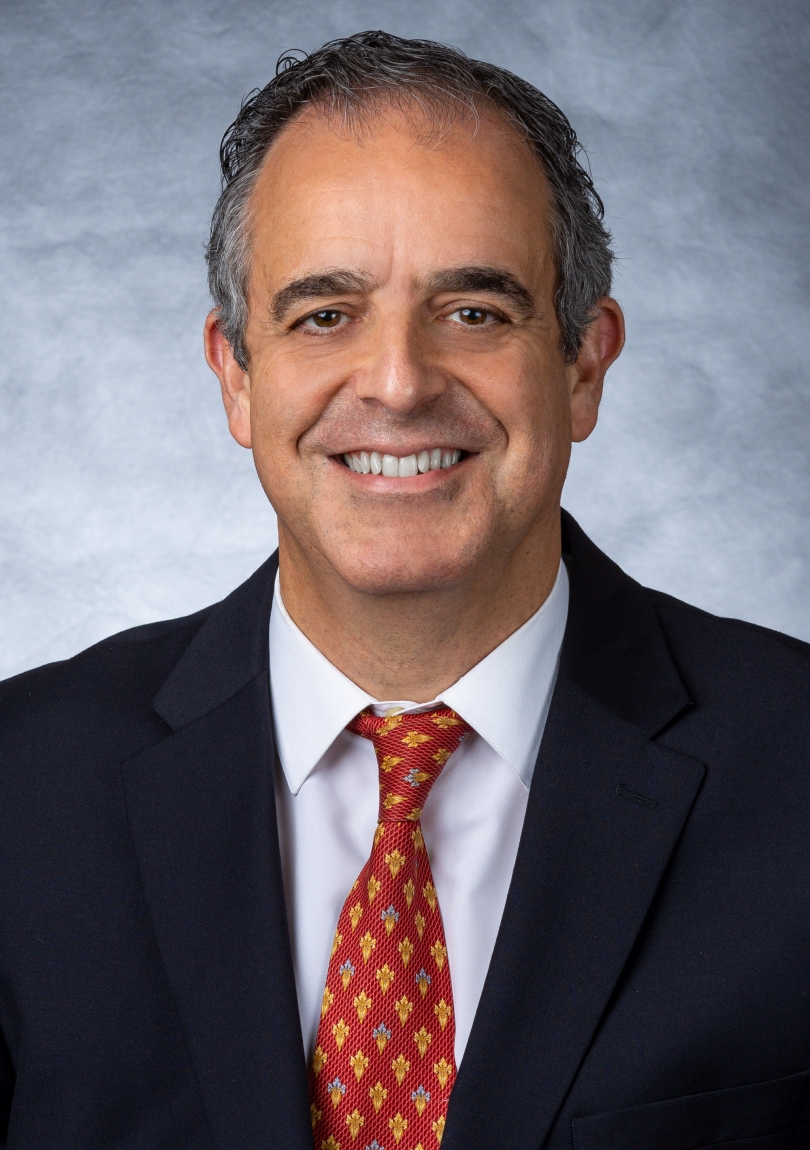 Yago L. Nieto合作论文数Department of Stem Cell Transplantation and Cellular Therapy, Division of Cancer Medicine, The University of Texas MD Anderson Cancer Center29Gabriela Rondon合作论文数28Kebriaei Partow合作论文数27
 Elisabet Manasanch合作论文数Center for Cancer Research, National Cancer Institute, National Institutes of Health27Thomas Sheeba K合作论文数25Saini Neeraj合作论文数Internal Medicine, NSMC23Samer Srour合作论文数21Donna M. Weber合作论文数21Denái Milton合作论文数The University of Texas MD Anderson Cancer Center16
 Elizabeth J. Shpall合作论文数Department of Stem Cell Transplantation and Cellular Therapy, Division of Cancer Medicine, The University of Texas MD Anderson Cancer Center15
 Nina Shah合作论文数School of Medicine, University of California, San Francisco14Parmar Simrit合作论文数11
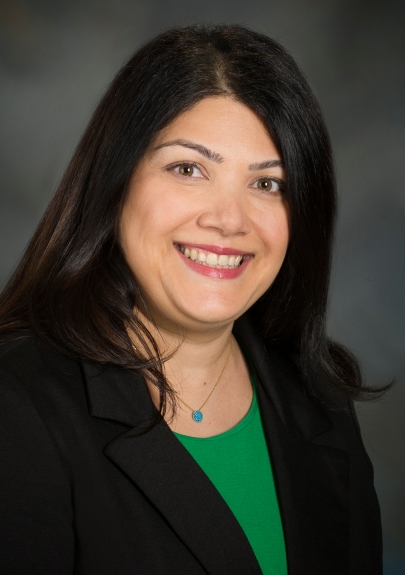 Sairah Ahmed合作论文数Department of Lymphoma/Myeloma, Division of Cancer Medicine, The University of Texas MD Anderson Cancer Center11Jeremy L Ramdial合作论文数8
 Gregory P. Kaufman合作论文数Department of Lymphoma/Myeloma, University of Texas MD Anderson Cancer Center8
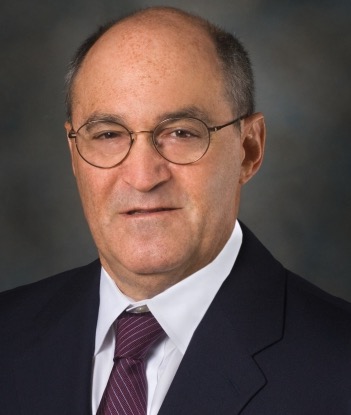 Peter F. Thall合作论文数Department of Biostatistics, The University of Texas MD Anderson Cancer Center8Rohtesh S. Mehta合作论文数8Romil Patel合作论文数Dept Stem Cell Transplantat & Cellular Therapy, Univ Texas MD Anderson Canc Ctr7Kawedia Jitesh D合作论文数Dept Pharmaceut Sci, St Jude Childrens Res Hosp7
 Varma Ankur合作论文数University of Texas MD Anderson Cancer Center7
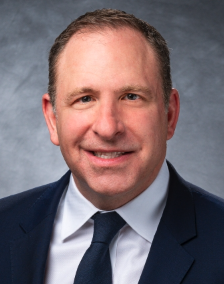 Amin M. Alousi合作论文数Department of Stem Cell Transplantation and Cellular Therapy, Division of Cancer Medicine, The University of Texas MD Anderson Cancer Center7
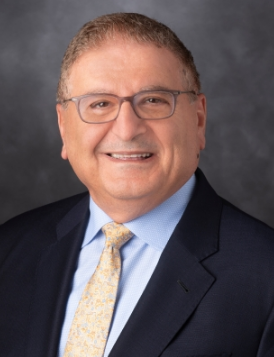 Issa F. Khouri合作论文数Department of Stem Cell Transplantation and Cellular Therapy, Division of Cancer Medicine, The University of Texas MD Anderson Cancer Center7
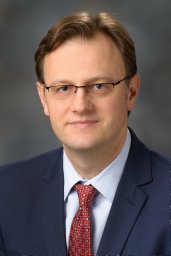 Stefan Octavian Ciurea合作论文数School of Medicine, University of California, Irvine7
 Jatin P. Shah合作论文数David H. Koch Center for Cancer Care, Memorial Sloan Kettering Cancer Center6Saliba Rima M合作论文数6
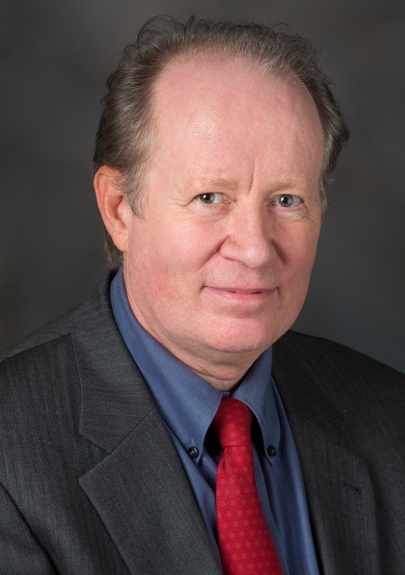 Borje S. Andersson合作论文数Department of Stem Cell Transplantation and Cellular Therapy, Division of Cancer Medicine, The University of Texas MD Anderson Cancer Center;College of Pharmacy, University of Houston6
 Pei Lin合作论文数6Betul Oran合作论文数6Ben Valdez合作论文数5
 Junsheng ma合作论文数Univ Texas MD Anderson Canc Ctr, Dept Biostat, Houston, TX 77030 USA5
 Klaus J. Busam合作论文数Memorial Sloan Kettering Cancer Center;Weill Medical College, Cornell University5Akash Mukherjee合作论文数4
 Fabian Bock合作论文数Department of Clinical Chemistry and Pathobiochemistry, Otto-von-Guericke-University;Department of Internal Medicine I and Clinical Chemistry and;Department of Internal Medicine I and Clinical Chemistry and, Otto-von-Guericke-University4
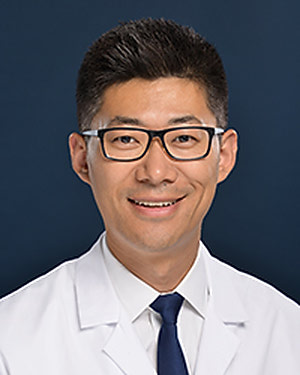 Gary G. Lu合作论文数4
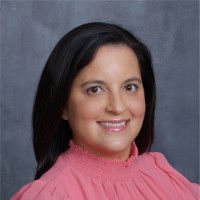 Alison Gulbis合作论文数MD Anderson Cancer Center4Benigno C. Valdez合作论文数3Regan Murphy合作论文数3
 Koji Sasaki合作论文数3Heather Lin合作论文数3Blessie Nelson合作论文数3Busam Klaus J合作论文数3




