ABSTRACT:Although facioscapulohumeral muscular dystrophy (FSHD) is known and functionally named for the typical findings of progressive weakness of the facial, scapular, and upper arm muscles, there is a growing body of evidence describing atypical presentations, particularly involving the midline musculature. We report 2 notable such cases of atypical FSHD presentation: (1) a 36-year-old postpartum woman with sparing of the usually involved muscles, but who was found to have significant atrophy of the lower abdominal muscles, pectus excavatum, and a positive Beevor sign and (2) a 65-year-old man with a history of spine surgery, with marked lumbar paraspinal atrophy, left scapular winging, and lordosis. The patients in both cases were genetically tested and found to have 4q35 deletion consistent with FSHD1. These cases highlight the importance of recognizing atypical presentations of FSHD.
Introduction: POEMS (Polyneuropathy, Organomegaly, Endocrinopathy, Monoclonal gammopathy, and Skin changes) syndrome is a rare paraneoplastic disorder driven by proinflammatory cytokines, particularly vascular endothelial growth factor (VEGF), which promotes multisystemic angiogenesis and inflammation. It is frequently misdiagnosed as Chronic Inflammatory Demyelinating Polyneuropathy (CIDP) due to overlapping features. Case Report: A 63-year-old woman was referred for presumed CIDP unresponsive to IVIG and steroids. Her clinical course was notable for 100-pound weight loss, papilledema, skin changes, thrombocytosis, thromboembolisms, hemi-diaphragmatic paralysis, organomegaly/lymphadenopathy, and negative bone marrow and lymph node biopsies. POEMS was diagnosed based on repeat electrodiagnostic testing, elevated VEGF and prolactin, and nerve/muscle biopsies showing endomysial edema and angiogenesis. Notably, no monoclonal protein (M-protein) was identified. Treatment with lenalidomide and dexamethasone resulted in significant clinical improvement. Conclusion: Paraprotein-negative POEMS syndrome should be considered in refractory CIDP, especially in the presence of skin changes, endocrinopathy, papilledema, and thrombocytosis. VEGF levels and nerve/muscle biopsy findings are critical diagnostic tools in patients with high clinical suspicion who lack monoclonal gammopathy. Muscle biopsy may increase the diagnostic yield by revealing characteristic vascular proliferation, a feature previously described in nerve biopsies of patients with POEMS syndrome.
Amyotrophic lateral sclerosis (ALS) progresses relentlessly and is characterized by a median survival of 2-5 years from symptom onset with death from respiratory failure. ALS is a complex, multi-system neurodegenerative disorder with significant phenotypic heterogeneity and markedly variable disease progression. This variability presents challenges in determining the optimal timing for therapeutic interventions, complicates clinical trial design due to lack of effective stratification methods, and makes it difficult to reliably measure the longitudinal impact of specific interventions. Accurately capturing disease progression in ALS can be challenging. We propose that early respiratory phenotyping offers a promising approach to facilitate patient stratification, improve assessments of disease progression, and predict survival.
Treatment options for amyotrophic lateral sclerosis (ALS) remain suboptimal. Results from a phase 2 study of reldesemtiv in ALS suggested that it may slow disease progression. To assess the effect of reldesemtiv vs placebo on functional outcomes in ALS. A Study to Evaluate the Efficacy and Safety of Reldesemtiv in Patients With Amyotrophic Lateral Sclerosis (COURAGE-ALS) was a double-blind, placebo-controlled phase 3 randomized clinical trial conducted at 83 ALS centers in 16 countries from August 2021 to July 2023. The first 24-week period was placebo controlled vs reldesemtiv. All participants received reldesemtiv during the second 24-week period with a 4-week follow-up. Two interim analyses were planned, the first for futility and the second for futility and possible resizing. This was a hybrid decentralized trial with approximately half the trial visits performed remotely and the remaining visits in the clinic. Eligible participants met criteria for definite, probable, or possible ALS with lower motor neuron signs by modified El Escorial Criteria, ALS symptoms for 24 months or less, ALS Functional Rating Scale–Revised (ALSFRS-R) total score of 44 or less, and forced vital capacity of greater than or equal to 65% of predicted. Oral reldesemtiv, 300 mg, or placebo twice daily. The primary end point was change in ALSFRS-R total score from baseline to week 24. Of the 696 participants screened, 207 were screen failures. A total of 486 participants (mean [SD] age, 59.4 [10.9] years; 309 male [63.6%]) were randomized to reldesemtiv (n = 325) or placebo (n = 161); 3 randomized patients were not dosed. The second interim analysis at 24 weeks after randomization included 256 participants. The data monitoring committee recommended that the trial should end due to futility, and the sponsor agreed. The mean (SE) group difference in the ALSFRS-R score from baseline to week 24 was −1.1 (0.53; 95% CI, −2.17 to −0.08; P = .04, favoring placebo). Given excess missing data from early termination, the combined assessment assumed greater importance; it, too, failed to show a benefit from treatment with reldesemtiv (win probability was 0.44 for reldesemtiv and 0.49 for placebo, with a win ratio of 0.91; 95% CI of win ratio, 0.77-1.10; P = .11). This randomized clinical trial failed to demonstrate efficacy for reldesemtiv in slowing functional decline in ALS. ClinicalTrials.gov Identifier: NCT04944784
Background: The complement C5 inhibitor (C5IT), ravulizumab, is approved in Canada for the treatment of anti-acetylcholine receptor antibody-positive (AChR-Ab+) generalized myasthenia gravis (gMG). Updated effectiveness and safety results from the ongoing MG SPOTLIGHT Registry (NCT04202341) are reported. Methods: MGFA classification and MG-ADL total scores were assessed in patients who received ravulizumab only (ravu-only) or transitioned from eculizumab to ravulizumab (ecu-to-ravu), with data available prior to C5IT initiation (“pre-C5IT”) and ≥1 assessment post-initiation (“post-ravu”). Results: Of 52 patients with 2 post-ravu assessments, average treatment duration was 10.4 months at last assessment (LA). Mean±SD MG-ADL scores improved (pre-C5IT: 7.6±3.6; LA: 3.4±3.3), as did the proportions of patients with minimal symptom expression (MSE, MG-ADL≤1) (pre-C5IT: 1/52 [2%]; LA: 17/52 [33%]) and MGFA classification 0-II (pre-C5IT: 18/45 [40%]; LA: 40/45 [89%]). In the ravu-only subgroup, outcomes improved (pre-C5IT vs LA): MG-ADL, 6.3±3.0 vs 4.0±3.4; MGFA 0-II, 9/14 [64%] vs 12/14 [86%]. The ecu-to-ravu subgroup sustained continued gradual improvement from last eculizumab assessment to LA: MG-ADL, 4.4±4.2 vs 3.0±2.8; MGFA 0-II, 19/21 [90%] vs 20/21 [95%]. Ravulizumab was well tolerated; no meningococcal infections were reported. Conclusions: These results demonstrate the long-term effectiveness and safety of ravulizumab in routine clinical practice in patients with gMG.
Background and Objective:Myasthenia gravis (MG) is a well-elucidated autoimmune disorder affecting the neuromuscular junction. Given the relationship between MG and thymic pathologies, with T cell and antibody-mediated pathogenesis, surgical (i.e., thymectomy) and non-surgical approaches remain a mainstay of management of the disease. This review seeks to outline the involvement of the thymus in the development of lymphocytes leading to MG.Methods:Different databases were searched exploring the role of thymectomy in treatment and outcomes in various MG patient subpopulations, including in ocular versus generalized disease, different age groups, and antibody status.Key Content and Findings:Overall, the findings of multiple studies and reviews provide evidence to support the efficacy and long-term success of thymectomy in the management of MG; outcomes have included remission status, symptom severity, and need for adjunctive therapy. However, the heterogeneity in the MG population suggests that there are multiple factors that may confound the results of thymectomy and still need further examination. Separately, other autoimmune diseases develop following thymectomy, and further research is required to elucidate this susceptibility. Finally, our review will discuss the different surgical approaches for thymectomy, including their advantages, limitations, and perioperative complications.Conclusions:Overall, in light of the known pathogenesis and association of the thymus with MG, thymectomy remains an extremely effective approach for long-term management and improved clinical outcomes.
To assess the rates of myasthenic crisis, exacerbations and hospitalizations/emergency room (ER) visits among US patients with generalized myasthenia gravis (gMG) treated with eculizumab, a complement component C5 inhibitor, in clinical practice.
To assess changes in activities of daily living per muscle subdomain in patients with generalized myasthenia gravis (gMG) treated with the complement C5 inhibitor eculizumab in clinical practice.
Objective: We endeavor to draw attention to what appears to be a gap in the management of ALS patients and the potential uncertainty of clinical drug trial research results in the absence of a structured approach to ensure nutritional adequacy.Methods: A selective literature review was curated to focus on the barriers to measure the adequacy of daily nutritional intake in the context of physical challenges and functional impairments facing ALS patients. The consequences of a negative energy (calorie) balance are highlighted and discussed from the perspective of clinical drug trials and daily ALS care.Conclusion: We propose that by redirecting the emphasis away from the exclusive focus on symptoms to the fundamental principles of maintaining adequate nutritional intake, we will mitigate the consequences of nutrition as an uncontrolled variable to improve global efforts in battling ALS.
OBJECTIVE:It is unknown whether the relative contribution to energy imbalance in amyotrophic lateral sclerosis (ALS) is due to decreased energy intake, or increased energy expenditure from hyper-metabolism and/or physical activity, or both. METHODS:We studied 10 free-living sporadic ALS subjects with mild to moderate disease and 10 matched healthy controls to address this question. We estimated energy intake by 24-h recall in ALS subjects and three-day food diary in all. We estimated body composition by dual energy X-ray absorptiometry and resting metabolic rate by indirect calorimetry; and measured total daily energy expenditure (TEE) and physical activity-energy expenditure using doubly labeled water. RESULTS:Daily energy intake was no different between ALS subjects and controls. Despite lower fat-free mass, unadjusted TEE was higher in ALS subjects than controls (2844 ± 319 vs. 2505 ± 261 kcal/d, p = 0.005 by paired t-test). Compared to controls, hyper-metabolism occurred in 80% of ALS subjects. Physical activity-energy expenditure was higher in ALS subjects than controls (718 ± 262 kcal/d vs. 487 ± 196 kcal/d, p = 0.04). In controls, energy intake matched TEE; in ALS subjects TEE was higher than energy intake. CONCLUSIONS:We found higher TEE in ALS subjects than controls, with larger contribution to difference from physical activity-energy expenditure than hyper-metabolism. Although daily energy intake in ALS subjects was similar to that in controls, they were unable to compensate for increased energy needs. To accurately determine energy balance and optimize nutrition in ALS, future studies should consider measuring energy intake, energy expenditure, and physical activity.
Background Motor neuron degeneration and malnutrition alter body composition in amyotrophic lateral sclerosis (ALS). Resulting losses of weight, fat mass (FM), and fat-free mass (FFM) shorten survival. Nutritional management relies on body weight or BMI; neither reliably indicates malnutrition nor differentiates body compartments. Objectives We aimed to 1) develop an equation to compute FM and FFM using clinical data, validated against DXA; and 2) examine the effect of computed FM and FFM on disease course and survival. Methods We studied 364 ALS patients from 3 cohorts. In Cohort #1 we used logistic regression on clinical and demographic data to create an equation (test cohort). In Cohort #2 we validated FM and FFM computed using this equation against DXA (validation cohort). In Cohort #3, we examined the effect of computed body composition on disease course and survival. Results In Cohort #1 (n = 29) the model incorporated sex, age, BMI, and bulbar-onset to create an equation to estimate body fat: % body fat = 1.73 - [19.80*gender (1 if male or 0 if female)] + [0.25*weight (kg)] + [0.95*BMI (kg/m(2))] - (5.20*1 if bulbar-onset or *0 if limb-onset). In Cohort #2 (n = 104), body composition using this equation, compared to other published equations, showed the least variance from DXA values. In Cohort #3 (n = 314), loss of body composition over 6 mo was greater in males. Adjusted survival was predicted by low baseline FM (HR: 1.39; 95% CI: 1.07, 1.80), and loss of FM (HR: 1.87; 95% CI: 1.30, 2.69) and FFM (HR: 1.73; 95% CI: 1.20, 2.49) over 6 mo. Conclusions Our equation broadens the traditional nutritional evaluation in clinics and reliably estimates body composition. Measuring body composition could target FM as a focus for nutritional management to ensure adequate energy intake and complement measures, such as the ALS functional rating scale-revised score and forced vital capacity, currently used.
 Waqar Waheed合作论文数37
 Hiroshi Mitsumoto合作论文数Vagelos College of Physicians & Surgeons, Columbia University25
 Tahseen Mozaffar合作论文数College of Medicine, University of California24
 Michael Rivner合作论文数Department of Neurology, Medical College of Georgia23
 Terry Heiman-Patterson合作论文数Lewis Katz School of Medicine, Temple University22
 Richard Stanley Bedlack合作论文数Department of Neurology, School of Medicine, Duke University21
 Michael Benatar合作论文数20Levine Todd D合作论文数20Robert G. Miller合作论文数20John T. Kissel合作论文数20
 Carlayne E Jackson合作论文数20
 Cathy Lomen-Hoerth合作论文数School of Medicine, University of California, San Francisco;Weill Institute for Neurosciences, University of California, San Francisco20
 Pamela P. Kittrell Msn合作论文数19Ashok Verma合作论文数19Mark B. Bromberg合作论文数19Gary L. Pattee合作论文数19
 Stephen J. Kolb合作论文数Howard Hughes Medical Institute, University of Pennsylvania19Carmel Armon合作论文数19
 Robert Bowser合作论文数Department of Pathology, University of Pittsburgh Medical School19Kevin B. Boylan合作论文数19
 David Saperstein合作论文数Ctr Complex Neurol, Phoenix, AZ USA18Polak Meraida合作论文数18
 Jeffrey Rothstein合作论文数The Solomon H. Snyder Department of Neurology, School of Medicine, Johns Hopkins University;Institute for Clinical and Translational Research, Johns Hopkins University18
 Jeremy M. Shefner合作论文数Department of Neurology, Barrow Neurological Institute;Gregory W. Fulton ALS & Neuromuscular Disease Center, Barrow Neurological Institute18Robin A. Conwit合作论文数18Stacy A. Rudnicki合作论文数18Noah Lechtzin合作论文数17Jonathan Goldstein合作论文数17Melanie L Leitner合作论文数17
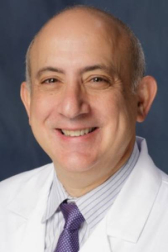 Jonathan D Licht合作论文数University of Florida Health Cancer Center;Department of Medicine, College of Medicine, University of Florida;University of Florida Health/Shands Hospital17
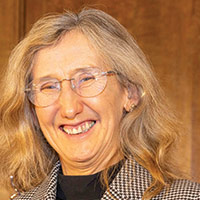 Orla Hardiman合作论文数Trinity College Institute of Neuroscience, Trinity College Dublin, The University of Dublin;RCSI Clinical Research Centre, Royal College of Surgeons in Ireland17Dan Pastula合作论文数17George Sachs合作论文数17Muddasir Quereshi合作论文数17Daniel MacGowan合作论文数17Leo McClusky合作论文数17
 Michael D Weiss合作论文数17
 Khema Sharma合作论文数17
 Paul Wicks合作论文数Sano Genetics17
 Eric Sorenson合作论文数16
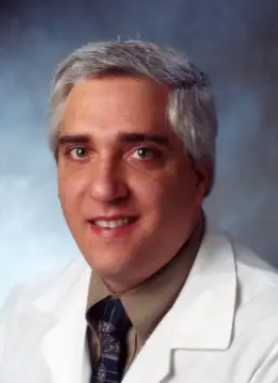 Steven Novella合作论文数Department of Neurology, Yale School of Medicine, Yale University16Bertorini Tulio合作论文数16Caress James B合作论文数16
 Oskarsson Björn合作论文数Department of Neurology, University of California Davis Medical Center16Larry Phillips合作论文数16Kathy Mitchell合作论文数16Mamede De Carvalho合作论文数16
 Erik P. Pioro合作论文数Department of Medicine, Division of Neurology, Faculty of Medicine, University of British Columbia16
 John Ravits合作论文数Department of Neurosciences, School of Medicine, University of California, San Diego15




