The characterization of CRISPR-Cas immune systems in bacteria was quickly followed by the discovery of anti-CRISPR proteins (Acrs) in bacteriophages. These proteins block different steps of CRISPR-based immunity and, as some inhibit Cas nucleases, can offer tight control over CRISPR technologies. While Acrs have been identified against a few CRISPR-Cas systems, likely many more await discovery and application. Here, we report a rapid and scalable method for characterizing putative Acrs against Cas nucleases using an E. coli-derived cell-free transcription-translation system. Using known Acrs against type II Cas9 nucleases as models, we demonstrate how the method can be used to measure the inhibitory activity of individual Acrs in under two days. We also show how the method can overcome non-specific inhibition of gene expression observed for some Acrs. In total, the method should accelerate the interrogation and application of Acrs as CRISPR-Cas inhibitors.
We present a protocol to rapidly test DNA binding and cleavage activity by CRISPR nucleases using cell-free transcription-translation (TXTL). Nuclease activity is assessed by adding DNA encoding a nuclease, a guide RNA, and a targeted reporter to a TXTL reaction and by measuring the fluorescence for several h. The reactions, performed in a few microliters, allow for parallel testing of many nucleases and guide RNAs. The protocol includes representative results for (d)Cas9 from Streptococcus pyogenes targeting a GFP reporter gene. For complete information on the generation and use of this protocol, please refer to the paper by Marshall et al. (2018).
To build complex genetic networks with predictable behaviors, synthetic biologists use libraries of modular parts that can be characterized in isolation and assembled together to create programmable higher-order functions. Characterization experiments and computational models for gene regulatory parts operating in isolation are routinely used to predict the dynamics of interconnected parts and guide the construction of new synthetic devices. Here, we individually characterize two modes of RNA-based transcriptional regulation, using small transcription activating RNAs (STARs) and clustered regularly interspaced short palindromic repeats interference (CRISPRi), and show how their distinct regulatory timescales can be used to engineer a composed feedforward loop that creates a pulse of gene expression. We use a cell-free transcription-translation system (TXTL) to rapidly characterize the system, and we apply Bayesian inference to extract kinetic parameters for an ordinary differential equation-based mechanistic model. We then demonstrate in simulation and verify with TXTL experiments that the simultaneous regulation of a single gene target with STARs and CRISPRi leads to a pulse of gene expression. Our results suggest the modularity of the two regulators in an integrated genetic circuit, and we anticipate that construction and modeling frameworks that can leverage this modularity will become increasingly important as synthetic circuits increase in complexity.
Integral feedback can help achieve robust tracking independently of external disturbances. Motivated by this knowledge, biological engineers have proposed various designs of biomolecular integral feedback controllers to regulate biological processes. In this paper, we theoretically analyze the operation of a particular synthetic biomolecular integral controller, which we have recently proposed and implemented experimentally. Using a combination of methods, ranging from linearized analysis to sum-of-squares (SOS) Lyapunov functions, we demonstrate that, when the controller is operated in closed-loop, it is capable of providing integral corrections to the concentration of an output species in such a manner that the output tracks a reference signal linearly over a large dynamic range. We investigate the output dependency on the reaction parameters through sensitivity analysis, and quantify performance using control theory metrics to characterize response properties, thus providing clear selection guidelines for practical applications. We then demonstrate the stable operation of the closed-loop control system by constructing quartic Lyapunov functions using SOS optimization techniques, and establish global stability for a unique equilibrium. Our analysis suggests that by incorporating effective molecular sequestration, a biomolecular closed-loop integral controller that is capable of robustly regulating gene expression is feasible.
Within the last 6 years, CRISPR-Cas systems have transitioned from adaptive defense systems in bacteria and archaea to revolutionary genome-editing tools. The resulting CRISPR technologies have driven innovations for treating genetic diseases and eradicating human pests while raising societal questions about gene editing in human germline cells as well as crop plants. Bringing CRISPR into the classroom therefore offers a means to expose students to cutting edge technologies and to promote discussions about ethical questions at the intersection of science and society. However, working with these technologies in a classroom setting has been difficult because typical experiments rely on cellular systems such as bacteria or mammalian cells. We recently reported the use of an E. coli cell-free transcription-translation (TXTL) system that simplifies the demonstration and testing of CRISPR technologies with shorter experiments and limited equipment. Here, we describe three educational modules intended to expose undergraduate students to CRISPR technologies using TXTL. The three sequential modules comprise (i) designing the RNAs that guide DNA targeting, (ii) measuring DNA cleavage activity in TXTL and (iii) testing how mutations to the targeting sequence or RNA backbone impact DNA binding and cleavage. The modules include detailed protocols, questions for group discussions or individual evaluation, and lecture slides to introduce CRISPR and TXTL. We expect these modules to allow students to experience the power and promise of CRISPR technologies in the classroom and to engage with their instructor and peers about the opportunities and potential risks for society.
Feedback mechanisms play a critical role in the maintenance of cell homeostasis in the presence of disturbances and uncertainties. Motivated by the need to tune the dynamics and improve the robustness of gene circuits, biological engineers have proposed various designs that mimic natural molecular feedback control mechanisms. However, practical and predictable implementations have proved challenging because of the complexity of synthesis and analysis of complex biomolecular networks. Here, we analyze and experimentally validate a synthetic biomolecular controller executed in vitro. The controller ensures that gene expression rate tracks an externally imposed reference level, and achieves this goal even in the presence of certain kinds of disturbances. Our design relies upon an analog of the well-known principle of integral feedback in control theory. We implement the controller in an Escherichia coli cell-free transcription-translation system, which allows rapid prototyping and implementation. Modeling and theory guide experimental implementation with well-defined operational predictability.
Cell-free transcription-translation (TXTL) is expanding as a polyvalent experimental platform to engineer biological systems outside living organisms. As the number of TXTL applications and users is rapidly growing, some aspects of this technology could be better characterized to provide a broader description of its basic working mechanisms. In particular, developing simple quantitative biophysical models that grasp the different regimes of in vitro gene expression, using relevant kinetic constants and concentrations of molecular components, remains insufficiently examined. In this work, we present an ODE (Ordinary Differential Equation)-based model of the expression of a reporter gene in an all E. coli TXTL that we apply to a set of regulatory elements spanning several orders of magnitude in strengths, far beyond the T7 standard system used in most of the TXTL platforms. Several key biochemical constants are experimentally determined through fluorescence assays. The robustness of the model is tested against the experimental parameters, and limitations of TXTL resources are described. We establish quantitative references between the performance of E. coli and synthetic promoters and ribosome binding sites. The model and the data should be useful for the TXTL community interested either in gene network engineering or in biomanufacturing beyond the conventional platforms relying on phage transcription.
Biotechnology and BioengineeringVolume 116, Issue 5 p. 945-949 ISSUE INFORMATIONFree Access Biotechnology and Bioengineering: Volume 116, Number 5, May 2019 First published: 01 April 2019 https://doi.org/10.1002/bit.26757AboutPDF ToolsRequest permissionExport citationAdd to favoritesTrack citation ShareShare Give accessShare full text accessShare full-text accessPlease review our Terms and Conditions of Use and check box below to share full-text version of article.I have read and accept the Wiley Online Library Terms and Conditions of UseShareable LinkUse the link below to share a full-text version of this article with your friends and colleagues. Learn more.Copy URL Share a linkShare onFacebookTwitterLinkedInRedditWechat Volume116, Issue5May 2019Pages 945-949 RelatedInformation
CRISPR-Cas systems offer versatile technologies for genome engineering, yet their implementation has been outpaced by ongoing discoveries of new Cas nucleases and anti-CRISPR proteins. Here, we present the use of E. coli cell-free transcription-translation (TXTL) systems to vastly improve the speed and scalability of CRISPR characterization and validation. TXTL can express active CRISPR machinery from added plasmids and linear DNA, and TXTL can output quantitative dynamics of DNA cleavage and gene repression-all without protein purification or live cells. We used TXTL to measure the dynamics of DNA cleavage and gene repression for single- and multi-effector CRISPR nucleases, predict gene repression strength in E. coli, determine the specificities of 24 diverse anti-CRISPR proteins, and develop a fast and scalable screen for protospacer-adjacent motifs that was successfully applied to five uncharacterized Cpf1 nucleases. These examples underscore how TXTL can facilitate the characterization and application of CRISPR technologies across their many uses.
Feedback allows biological systems to control gene expression precisely and reliably, even in the presence of uncertainty, by sensing and processing environmental changes. Taking inspiration from natural architectures, synthetic biologists have engineered feedback loops to tune the dynamics and improve the robustness and predictability of gene expression. However, experimental implementations of biomolecular control systems are still far from satisfying performance specifications typically achieved by electrical or mechanical control systems. To address this gap, we present mathematical models of biomolecular controllers that enable reference tracking, disturbance rejection, and tuning of the temporal response of gene expression. These controllers employ RNA transcriptional regulators to achieve closed loop control where feedback is introduced via molecular sequestration. Sensitivity analysis of the models allows us to identify which parameters influence the transient and steady state response of a target gene expression process, as well as which biologically plausible parameter values enable perfect reference tracking. We quantify performance using typical control theory metrics to characterize response properties and provide clear selection guidelines for practical applications. Our results indicate that RNA regulators are well-suited for building robust and precise feedback controllers for gene expression. Additionally, our approach illustrates several quantitative methods useful for assessing the performance of biomolecular feedback control systems.
Over the past decade, a new generation of cell-free transcription-translation (TXTL) systems has been devised for emerging multidisciplinary applications. The DNA-dependent in vitro protein synthesis technology has been developed to tackle applications in synthetic biology, biological and chemical engineering, as well as quantitative disciplines such as biophysics. In addition to being convenient at the biosafety level, the new TXTL platforms are user-friendly; more affordable; more versatile at the level of transcription, with a TX repertoire covering hundreds of parts; and more powerful, with protein production reaching a few mg/mL in batch and continuous modes. As a consequence, TXTL is rising up as a popular research tool and is used by a growing research community. While TXTL is proving reliable for an increasing number of applications, it is important to gain appropriate TXTL skills, especially for quantitative applications. TXTL has become particularly useful to rapidly prototype genetic devices , from single regulatory elements to elementary circuit motifs . In this chapter, we describe the basic procedures to develop appropriate TXTL practices for the characterization of such genetic parts. We use an all E. coli TXTL system developed in our lab, now commercialized by Arbor Biosciences under the name myTXTL.
Cell-free transcription-translation systems (TXTL) are becoming reliable tools to rapidly prototype biochemical systems programmed with synthetic gene circuits. Here we scale down TXTL reactions to 0.5 μL using the Echo® 550 Liquid Handler, and compare the results to 5 μL reactions prepared using manual methods. Using reaction condition optimization and gene circuit prototyping, we demonstrate that data obtained via miniaturization with the Echo 550 system is equivalent or superior to corresponding manual methods at larger volumes. Miniaturization reduces the cost per reaction up to a factor of 10. By implementing the Echo system we also reduce reaction setup time and work load on the individual researcher.
The RNA-guided nucleases derived from the CRISPR-Cas systems in bacteria and archaea have found numerous applications in biotechnology, including genome editing, imaging, and gene regulation. However, the discovery of novel Cas nucleases has outpaced their characterization and subsequent exploitation. A key step in characterizing Cas nucleases is determining which protospacer-adjacent motif (PAM) sequences they recognize. Here, we report advances to an in vitro method based on an E. coli cell-free transcription-translation system (TXTL) to rapidly elucidate PAMs recognized by Cas nucleases. The method obviates the need for cloning Cas nucleases or gRNAs, does not require the purification of protein or RNA, and can be performed in less than a day. To advance our previously published method, we incorporated an internal GFP cleavage control to assess the extent of library cleavage as well as Sanger sequencing of the cleaved library to assess PAM depletion prior to next-generation sequencing. We also detail the methods needed to construct all relevant DNA constructs, and how to troubleshoot the assay. We finally demonstrate the technique by determining PAM sequences recognized by the Neisseria meningitidis Cas9, revealing subtle sequence requirements of this highly specific PAM. The overall method offers a rapid means to identify PAMs recognized by diverse CRISPR nucleases, with the potential to greatly accelerate our ability to characterize and harness novel CRISPR nucleases across their many uses.
A new generation of cell-free transcription-translation (TXTL) systems, engineered to have a greater versatility and modularity, provide novel capabilities to perform basic and applied sciences in test tube reactions. Over the past decade, cell-free TXTL has become a powerful technique for a broad range of novel multidisciplinary research areas related to quantitative and synthetic biology. The new TXTL platforms are particularly useful to construct and interrogate biochemical systems through the execution of synthetic or natural gene circuits. In vitro TXTL has proven convenient to rapidly prototype regulatory elements and biological networks as well as to recapitulate molecular self-assembly mechanisms found in living systems. In this article, we describe how infectious bacteriophages, such as MS2 (RNA), ΦΧ174 (ssDNA), and T7 (dsDNA), are entirely synthesized from their genome in one-pot reactions using an all Escherichia coli, cell-free TXTL system. Synthesis of the three coliphages is quantified using the plaque assay. We show how the yield of synthesized phage depends on the biochemical settings of the reactions. Molecular crowding, emulated through a controlled concentration of PEG 8000, affects the amount of synthesized phages by orders of magnitudes. We also describe how to amplify the phages and how to purify their genomes. The set of protocols and results presented in this work should be of interest to multidisciplinary researchers involved in cell-free synthetic biology and bioengineering.
Protein synthesis in cells has been thoroughly investigated and characterized over the past 60 years. However, some fundamental issues remain unresolved, including the reasons for genetic code redundancy and codon bias. In this study, we changed the kinetics of the Eschrichia coli transcription and translation processes by mutating the promoter and ribosome binding domains and by using genetic code expansion. The results expose a counterintuitive phenomenon, whereby an increase in the initiation rates of transcription and translation lead to a decrease in protein expression. This effect can be rescued by introducing slow translating codons into the beginning of the gene, by shortening gene length or by reducing initiation rates. On the basis of the results, we developed a biophysical model, which suggests that the density of co-transcriptional-translation plays a role in bacterial protein synthesis. These findings indicate how cells use codon bias to tune translation speed and protein synthesis.
Escherichia coli cell-free transcription-translation (TXTL) systems offer versatile platforms for advanced biomanufacturing and for prototyping synthetic biological parts and devices. Production and testing could be accelerated with the use of linear DNA, which can be rapidly and cheaply synthesized. However, linear DNA is efficiently degraded in TXTL preparations from E. coli. Here, we show that double-stranded DNA encoding χ sites-eight base-pair sequences preferentially bound by the RecBCD recombination machinery-stabilizes linear DNA and greatly enhances the TXTL-based expression and activity of a fluorescent reporter gene, simple regulatory cascades, and T7 bacteriophage particles. The χ-site DNA and the DNA-binding λ protein Gam yielded similar enhancements, and DNA with as few as four χ sites was sufficient to ensure robust gene expression in TXTL. Given the affordability and scalability of producing the short χ-site DNA, this generalized strategy is expected to advance the broad use of TXTL systems across its many applications. Biotechnol. Bioeng. 2017;114: 2137-2141. © 2017 Wiley Periodicals, Inc.
Current Position. Ph.D. candidate, Electrical Engineering Department, University of Washington. Education. B.S., University of Washington (Microbiology and Biochemistry). Nonscientific Interests. Travel, open source software development, open data and mapping, and pedestrian sidewalk access, particularly for people with limited mobility (accessmapseattle.com). One of synthetic biology’s most ambitious ideas is to program complex multicellular behaviors, like cells that differentiate synthetically, or split up a problem among themselves. However, the tools available for multicellular signaling are problematic: most of the signals cannot be synthesized by cells, they interfere with native cell machinery, and you are stuck with turning on one specific promoter. Our paper takes a modular approach to multicellular signaling in yeast to address these problems. First, we mined signaling components from other organisms (plants and bacteria) that biosynthesize and sense a plant molecule that does not interfere with native yeast machinery. Second, we tied the sensor to a CRISPR transcription factor, which is intrinsically reprogrammable to target new genes. We believe this method should be scalable to many more signaling molecules, opening the door for designing complex multicellular behaviors. (Read Bolten’s article; DOI: 10.1021/acssynbio.5b00064).
We report on and provide a detailed characterization of the performance and properties of a recently developed, all Escherichia coli, cell-free transcription and translation system. Gene expression is entirely based on the endogenous translation components and transcription machinery provided by an E. coli cytoplasmic extract, thus expanding the repertoire of regulatory parts to hundreds of elements. We use a powerful metabolism for ATP regeneration to achieve more than 2 mg/mL of protein synthesis in batch mode reactions, and more than 6 mg/mL in semicontinuous mode. While the strength of cell-free expression is increased by a factor of 3 on average, the output signal of simple gene circuits and the synthesis of entire bacteriophages are increased by orders of magnitude compared to previous results. Messenger RNAs and protein degradation, respectively tuned using E. coli MazF interferase and ClpXP AAA+ proteases, are characterized over a much wider range of rates than the first version of the cell-free toolbox. This system is a highly versatile cell-free platform to construct complex biological systems through the execution of DNA programs composed of synthetic and natural bacterial regulatory parts.
Cell-free transcription-translation (TX-TL) systems are becoming powerful platforms to construct complex biological systems in vitro through the expression of DNA programs. Considerable efforts have been made to improve those systems in the past decade. Our laboratory has developed the most efficient and versatile in vitro E. coli TX-TL system to express synthetic or natural DNA programs encoding for self-assembly processes. Either in test tube reactions, in emulsion droplets or in liposomes, cell-free TX-TL reactions are now used for research studies ranging from elementary gene circuits to minimal cells. I will present our custom-made cell-free TX-TL system, its current capabilities and limitations. Recently we have shown that entire phages can be synthesized in cell-free TX-TL reactions from their genomes. The bacteriophage T7, composed of about 60 genes, is entirely synthesized in a single test tube reaction from its 40 kbp genomic DNA. Replication of the T7 DNA instructions occurs concurrently with phage expression and self-assembly. The phage phiX174 composed of a dozen of genes can also be synthesized from its genome. Encapsulated inside cell-sized phospholipid liposomes, the TX-TL system is used to construct a prototype of minimal cell. I will present this cell-free synthetic biology platform, our last experiments and how this system can be used to study the relationship between information and self-organization.
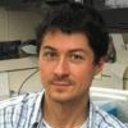 Vincent Noireaux合作论文数University of Minnesota19
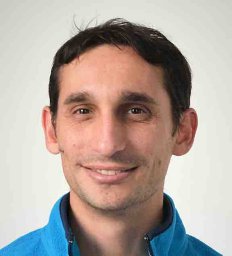 Beisel Chase L合作论文数Dept Chem & Biomol Engn, North Carolina State Univ9
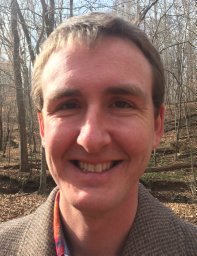 Colin Maxwell合作论文数Duke Center for Systems Biology, Duke University6
 Jonathan Garamella合作论文数5Scott P. Collins合作论文数4
 Mark Rustad合作论文数Department of Physics and Astronomy, University of Denver4
 Deepal Agrawal合作论文数Dept Neurosurg, All India Inst Med Sci4Alexandra Westbrook合作论文数Robert F Smith Sch Chem & Biomol Engn, Cornell Univ3
 Elisa Franco合作论文数Department of Bioengineering, School of Engineering, University of California, Los Angeles3
 Mary Dunlop合作论文数Department of Biomedical Engineering, College of Engineering, Boston University3Thomas Jacobsen合作论文数Dept Chem & Biomol Engn, North Carolina State Univ2
 James Chappell合作论文数Department of Biosciences, Wiess School of Natural Sciences, Rice University2
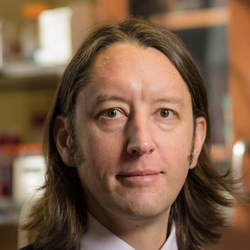 Julius B. Lucks合作论文数Department of Chemical and Biological Engineering, McCormick School of Engineering and Applied Science, Northwestern University;Center for Synthetic Biology, Northwestern University2
 Xun Tang合作论文数2
 Eduardo D. Sontag合作论文数Department of Electrical & Computer Engineering, College of Engineering, Northeastern University;Department of Bioengineering, College of Engineering, Northeastern University;Laboratory of Systems Pharmacology, Harvard Medical School;Institute for Quantitative Biomedicine, Rutgers University2Kuan-Han Wu合作论文数1Shelby E. Head合作论文数1Benjamin N. Gray合作论文数1Jan Bechmann合作论文数1
 Neda Ghousifam合作论文数1Dominique Jegou合作论文数1Jihoon Kim合作论文数1Jan Volmer合作论文数1
 Elodie Bacou合作论文数1
 Elena Sergeevna Bychkova合作论文数1
 Mu-Nung Hsu合作论文数1Kentaro Kamata合作论文数1
 Apolline Salama合作论文数1Anna Singer合作论文数1
 Jonathan Souquet合作论文数1Chih-Che Shen合作论文数1
 Vishwanath Hebbi合作论文数1
 Dong-Feng Liu (刘东风)合作论文数School of Environment, University of Science and Technology of China1meiwei lin合作论文数1Yonghua He合作论文数1Martin Lindmeyer合作论文数1Alexander Pierson合作论文数1Thomas Vuillemin合作论文数1Julia Seipp合作论文数1Mark P Suprenant合作论文数1Marc C Goudge合作论文数1Ellen B Wang合作论文数Med Sch, Univ Michigan1Daphne Collias合作论文数1
 Katharina Wandera合作论文数Helmholtz Institute for RNA-based Infection Research (HIRI), Helmholtz-Centre for Infection Research (HZI), Würzburg, Germany.1Franziska Wimmer合作论文数1
 Brunella Corrado合作论文数Interdisciplinary Res Ctr Biomat, Univ Naples Federico II1Seep Arora合作论文数Department of Biomedical Engineering, National University of Singapore1
 M. Nichole Rylander合作论文数Walker Department of Mechanical Engineering, Cockrell School of Engineering, University of Texas at Austin1
 Alexandra Levin合作论文数1




