We study spin-lattice relaxation times of electron spins in Er^3+:CaWO_4 at millikelvin temperature, detected via their coupling to a low-mode volume superconducting resonator. At large magnetic field supporting strong phonon-emission rates, we observe a noticeable increase in relaxation times with increasing spin-excitations, which exhibit a unique [tanh (ħ ω_0/k_B T)]^2 temperature dependence. These observations are typical of a phonon-bottlenecked spin relaxation, and have implications for quantum technologies that exploit rare-earth spin ensembles as coherent resources.
A critical limitation of solid-state quantum devices arises from the materials from which they are fabricated: uncontrolled surfaces, interfaces, and structural imperfections introduce numerous sources of loss and decoherence. Despite extensive efforts, linking these decoherence mechanisms to their microscopic material origins – essential for developing effective mitigation strategies – remains an outstanding challenge that has slowed coherence improvements. Here, using scanning gate microscopy on live superconducting circuits we identify a previously unrecognised decoherence mechanism originating from Coulomb blockade and microwave-driven charge tunnelling in metallic grains. Such grains are ubiquitous in thin-film devices fabricated by standard lithography processes. By characterising multiple defects across different devices, we find such defects to be as common and as debilitating to device performance as two-level system (TLS) defects, while originating from a fundamentally different physical mechanism. Importantly, conventional characterisation techniques would misattribute this loss to other, microwave power-independent processes. Our observations thus reveal a widespread source of decoherence in superconducting circuits, challenging the prevailing paradigm that coherence lifetimes are primarily limited by TLS defects. Eliminating metallic grains during fabrication provides a clear and practical route to suppress this mechanism, offering a pathway towards improved coherence and reduced noise in microwave-based solid-state quantum devices.
The low-temperature physics of structurally amorphous materials is governed by low-energy two-level system (TLS) defects. Being impervious to most traditional condensed matter probes, the exact origin and nature of TLS remain elusive. Recent advances toward realizing stable high-coherence quantum computing platforms have increased the importance of studying TLS in solid-state quantum circuits, as they are a persistent source of decoherence and instability. Here, performing scanning gate microscopy on a live superconducting NbN resonator at millikelvin temperatures, we locate individual TLS, directly revealing their microscopic nature. Mapping and visualizing the most detrimental TLS in the bath pinpoints the dominant sources of ubiquitous 1/f dielectric noise and energy relaxation. We also deduce the three-dimensional orientation of individual TLS electric dipole moments. Combining these insights with structural information of the underlying materials can help unravel the detailed microscopic nature and chemical origin of TLS, directing targeted strategies for their eventual mitigation.
Superconducting traveling wave parametric amplifiers (TWPAs) are broadband near-quantum limited microwave amplifiers commonly used for qubit readout and a wide range of other applications in quantum technologies. The performance of these amplifiers depends on achieving impedance matching to minimize reflected signals. Here, we apply a microwave calibration technique to extract the S-parameters of a Josephson junction based TWPA in-operando. This enables reflections occurring at the TWPA and its extended network of components to be quantified, and we find that the in-operation performance can be well described by the off-state measured S-parameters.
Development of RF and microwave metrology capabilities at cryogenic temperatures is critical for the development of high-performance microwave devices to facilitate commercialization of cryogenic quantum technologies. This article presents a broadband microwave S-parameter calibration scheme suitable for cryogenic environments operating at temperatures down to tens of milli-kelvin (mK). The technique is based on a weighted multi-line thru-reflect-line (TRL) calibration approach and is demonstrated using coaxial air line calibration standards. One-and two-port microwave devices commonly used in cryogenic quantum computing applications, a cryogenic 50 $~\Omega$ matched load and a cryogenic 6 dB attenuator, were measured. The measured results at mK temperatures indicate that when combined with calibration standards of appropriate electrical length, the weighted multi-line TRL calibration scheme allows broadband frequency coverage compared to conventional TRL calibration schemes utilizing a single line standard. The mechanical and electrical properties of the line standards at mK temperatures were investigated and discussed. These findings establish the feasibility of utilizing multiple off-the-shelf coaxial air lines to enhance the frequency range of calibrations at mK temperatures.
Multiport microwave devices operating at cryogenic temperatures are used in quantum computing to enable complex quantum operations. These components need to be precisely characterized at their operating temperature to ensure adequate overall system performance. In this work, an $S$ -parameter measurement system to characterize the performance of coaxial connectorized microwave devices having up to four ports at the temperatures of 3 K and above is presented. A four-port calibration setup is implemented at the 3 K temperature stage inside a dilution refrigerator. Measurement results for devices under test at 3 K are presented, and the performance of the measurement system is evaluated.
Self-stimulated echoes have recently been reported in the high cooperativity and inhomogeneous coupling regime of spin ensembles with superconducting resonators. In this work, we study their relative amplitudes using echo-silencing made possible by a fast frequency tunable resonator. The highly anisotropic spin linewidth of Er$^{3+}$ electron spins in the CaWO$_4$ crystal also allows to study the dependence on spin-resonator ensemble cooperativity. It is demonstrated that self-stimulated echoes primarily result from a combination of two large control pulses and the echo preceding it.
Development of large-scale quantum computing systems will require radio frequency (RF) and microwave technologies operating reliably at cryogenic temperatures down to tens of milli-Kelvin (mK). The quantum bits in the most promising quantum computing technologies such as the superconducting quantum computing are designed using principles of microwave engineering and operated using microwave signals. The control, readout, and coupling of qubits are implemented using a network of microwave components operating at various temperature stages. To ensure reliable operation of quantum computing systems, it is critical to ensure optimal performance of these microwave components and qubits at their respective operating temperatures, which can be as low as mK temperatures. It is, therefore, critical to understand the microwave characteristics of waveforms, components, circuits, networks, and systems at cryogenic temperatures. The UK's National Physical Laboratory (NPL) is focussed on developing new microwave measurement capabilities through the UK's National Quantum Technologies Programme to address various microwave test and measurement challenges in quantum computing. This includes the development of various measurement capabilities to characterize the microwave performance of quantum and microwave devices and substrate materials at cryogenic temperatures. This paper summarizes the roadmap of activities at NPL to address these microwave metrology challenges in quantum computing.
Many quantum technologies rely heavily on propagation of RF and microwave signals through devices at cryogenic temperatures, and detailed understanding of materials and signal propagation is therefore key to improving the performance of quantum circuits. The properties of dielectric substrate materials used for transmission lines (TLs) such as their permittivity need to be precisely determined to design high performance quantum integrated circuits. In this paper, we discuss a measurement technique for determining the effective permittivity of a TL at mK temperatures. The technique utilizes S-parameter measurements of multiple TLs to reliably extract the effective permittivity of the TL implemented in a substrate material. The technique is demonstrated using measured S-parameters of grounded co-planar waveguide (GCPW) at 296 K and 15 mK. The effective permittivity of the TL at 296 K and 15 mK are determined from measurements and compared. We observed the effective permittivity determinations at 15 mK to be approximately frequency independent and calculated the relative permittivity of Rogers RO4350B material at 15 mK to be 3.64. There is no significant deviation from this relative permittivity value with respect to manufacturer data and from measured data at 296 K.
Exploring the interplay between topological phases and photons opens new avenues for investigating novel quantum states. Here we show that superconducting resonators can serve as sensitive probes for properties of topological insulator nanowires (TINWs) embedded within them. By combining a static, controllable magnetic flux threading the TINW with an additional oscillating electromagnetic field applied perpendicularly, we show that orbital resonances can be generated and are reflected in periodic changes of the Q-factor of the resonator as a function of the flux. This response probes the confinement of the two-dimensional Dirac orbitals on the surface of the TINW, revealing their density of states and specific transition rules, as well as their dependence on the applied flux. Our approach represents a promising cross-disciplinary strategy for probing topological solid state materials using state-of-the-art photonic cavities, which would avoid the need for attaching contacts, thereby enabling access to electronic properties closer to the pristine topological states.
Abstract Quantum circuits interact with the environment via several temperature-dependent degrees of freedom. Multiple experiments to-date have shown that most properties of superconducting devices appear to plateau out at T ≈ 50 mK – far above the refrigerator base temperature. This is for example reflected in the thermal state population of qubits, in excess numbers of quasiparticles, and polarisation of surface spins – factors contributing to reduced coherence. We demonstrate how to remove this thermal constraint by operating a circuit immersed in liquid 3He. This allows to efficiently cool the decohering environment of a superconducting resonator, and we see a continuous change in measured physical quantities down to previously unexplored sub-mK temperatures. The 3He acts as a heat sink which increases the energy relaxation rate of the quantum bath coupled to the circuit a thousand times, yet the suppressed bath does not introduce additional circuit losses or noise. Such quantum bath suppression can reduce decoherence in quantum circuits and opens a route for both thermal and coherence management in quantum processors.
Accurate S-parameter characterization of coaxial microwave devices and interfaces at milli-kelvin (mK) temperatures is essential for building high performance quantum computing systems. Coaxial air-dielectric transmission lines (air lines) are used routinely as primary reference standards for S-parameter measurements at room temperature. For the first time, the feasibility of utilizing such air lines as primary reference standards at mK temperatures is investigated. However, for air lines to be used at such temperatures, they must first be characterized accurately in terms of their characteristic impedance and propagation constant. This paper describes techniques for characterizing air lines at both room temperature (taken here to be 296 K) and mK temperature (around 25 mK). The measurement results demonstrate the feasibility of using air lines as primary reference standards at mK temperatures.
The ability to control microwave emission from a spin ensemble is a requirement of several quantum memory protocols. Here, we demonstrate such ability by using a resonator whose frequency can be rapidly tuned with a bias current. We store excitations in an ensemble of rare-earth ions and suppress on demand the echo emission ("echo silencing") by two methods: (1) detuning the resonator during the spin rephasing, and (2) subjecting spins to magnetic field gradients generated by the bias current itself. We also show that spin coherence is preserved during silencing.
The integration of semiconductor Josephson junctions (JJs) in superconducting quantum circuits provides a versatile platform for hybrid qubits and offers a powerful way to probe exotic quasiparticle excitations. Recent proposals for using circuit quantum electrodynamics (cQED) to detect topological superconductivity motivate the integration of novel topological materials in such circuits. Here, we report on the realization of superconducting transmon qubits implemented with (Bi0.06Sb0.94)2Te3 topological insulator (TI) JJs using ultrahigh vacuum fabrication techniques. Microwave losses on our substrates, which host monolithically integrated hardmasks used for the selective area growth of TI nanostructures, imply microsecond limits to relaxation times and, thus, their compatibility with strong-coupling cQED. We use the cavity-qubit interaction to show that the Josephson energy of TI-based transmons scales with their JJ dimensions and demonstrate qubit control as well as temporal quantum coherence. Our results pave the way for advanced investigations of topological materials in both novel Josephson and topological qubits.
Quantum circuits show unprecedented sensitivity to external fluctuations compared to their classical counterparts, and it can take as little as a single atomic defect somewhere in a mm-sized area to completely spoil device performance. For improved device coherence it is thus essential to find ways to reduce the number of defects, thereby lowering the hardware threshold for achieving fault-tolerant large-scale error-corrected quantum computing. Given the evasive nature of these defects, the materials science required to understand them is at present in uncharted territories, and new techniques must be developed to bridge existing capabilities from materials science with the needs identified by the superconducting quantum circuit community. In this paper, we give an overview of methods for characterising the chemical and structural properties of defects in materials relevant for superconducting quantum circuits. We cover recent developments from in-operation techniques, where quantum circuits are used as probes of the defects themselves, to in situ analysis techniques and well-established ex situ materials analysis techniques. The latter is now increasingly explored by the quantum circuits community to correlate specific material properties with qubit performance. We highlight specific techniques which, given further development, look especially promising and will contribute towards a future toolbox of material analysis techniques for quantum.
We analyze the confinement of electronic surface states in a model of a topological insulator nanowire. Spin-momentum locking in the surface states reduces unwanted backscattering in the presence of non-magnetic disorder and is known to counteract localization for certain values of magnetic flux threading the wire. We show that intentional backscattering can be induced for a range of conditions in the presence of a nanowire constriction. We propose a geometry for a nanowire that involves two constrictions and show that these regions form effective barriers that allow for the formation of a quantum dot. We analyze the zero-temperature non-interacting electronic transport through the device using the Landauer-Büttiker approach and show how externally applied magnetic flux parallel to the nanowire and electrostatic gates can be used to control the spectrum of the quantum dot and the electronic transport through the surface states of the model device.
Quantum information technology puts stringent demands on the quality of materials and interfaces in the pursuit of increased device coherence. Yet, little is known about the chemical structure and origins of paramagnetic impurities that produce flux/charge noise that causes decoherence of fragile quantum states and impedes the progress toward large-scale quantum computing. Here, we perform high magnetic field electron paramagnetic resonance (HFEPR) and hyperfine multispin spectroscopy on α-Al2O3, a common substrate for quantum devices. In its amorphous form, α-Al2O3 is also unavoidably present in aluminum-based superconducting circuits and qubits. The detected paramagnetic centers are immanent to the surface and have a well-defined but highly complex structure that extends over multiple hydrogen, aluminum, and oxygen atoms. Modeling reveals that the radicals likely originate from well-known reactive oxygen chemistry common to many metal oxides. We discuss how EPR spectroscopy might benefit the search for surface passivation and decoherence mitigation strategies.
Designing large-scale superconducting quantum circuits involves complex microwave engineering to minimize loss, spurious reflections, and signal crosstalk. Essential for engineering more complex circuits is precise knowledge of devices’ microwave performance, which can be characterized by measuring its calibrated scattering parameters (S-parameters) at mK temperatures. In this work, we introduce a full 2-port calibrated S-parameter measurement setup which can characterize superconducting quantum integrated circuits and other RF integrated circuits operating at mK temperatures. The design and architecture of the measurement system consisting of in-house developed microwave calibration unit (MCU) housing the newly designed cryogenic calibration standards and the device under test (DUT) is discussed in detail. The measurement setup is then used to demonstrate the first calibrated S-parameter measurements of an in-house developed superconducting qubit integrated circuit at mK temperature.
Techniques to precisely characterise RF components at milli-Kelvin temperatures support the development of quantum computing systems utilising these components. In this work, an S-parameter measurement setup to characterise RF integrated circuits at milli-Kelvin temperatures has been proposed and for the first time, the S-parameter measurements at milli-Kelvin temperatures have been validated using two independent calibration techniques, thereby providing more confidence in measurements. The techniques are demonstrated experimentally by comparing and validating calibrated S-parameter measurements of a cryogenic attenuator integrated circuits at milli-Kelvin temperatures.
In the field of quantum information science, superconducting quantum integrated circuits are operated at millikelvin temperatures inside dilution refrigerators. The microwave performance of such non-connectorised devices can be characterised by measuring their calibrated S-parameters. The design of high-quality microwave standards is essential to achieve accurate calibration. In this work we describe the architecture of a full 2-port S-parameter measurement set-up for use at millikelvin temperatures along with the microwave calibration unit. The design of the standards for use in the calibration unit at millikelvin temperatures is described and verified using electromagnetic simulation and measurements. The suitability of the standards is verified by characterising a commercial attenuator as a test device.
 Sergey Kubatkin合作论文数Chalmers University of Technology29
 Tobias Lindstrom合作论文数Department of Quantum Technology, National Physical Laboratory27
 Viacheslav A Danilov合作论文数16
 Astghik Adamyan合作论文数14
 Alexander Tzalenchuk合作论文数National Physical Laboratory14
 Andrey Danilov合作论文数Chalmers University of Technology11
 Manoj Stanley合作论文数Natl Phys Lab, Teddington TW11 0LW, Middx, England9
 Nick Ridler合作论文数Electromagnetic & Electrochemical Technologies Department, National Physical Laboratory;Department of Physics, Faculty of Science, University of Strathclyde;College of Science and Engineering, University of Glasgow;School of Engineering, University of Kent;Department of Electrical Engineering and Electronics, University of Liverpool;School of Electronic and Electrical Engineering, Faculty of Engineering, University of Leeds;LA Techniques Ltd9
 T. Hönigl-Decrinis合作论文数Royal Holloway Univ London, Phys Dept, Egham TW20 0EX, Surrey, England7Oleg Astafiev合作论文数The Institute of Physical and Chemical Research (RIKEN), 34 Miyukigaoka, Tsukuba, Ibaraki, 305-8501, Japan;NEC Green Innovation Research Laboratories;The Institute of Physical and Chemical Research (RIKEN),, NEC Green Innovation Research Laboratories6
 James Skinner合作论文数Department of Kinesiology, School of Public Health, Indiana University Bloomington6R. Shaikhaidarov合作论文数6
 Vladimir Antonov合作论文数Japan Science and Technology Corporation (JST),5p j meeson合作论文数4
 I. Wisby合作论文数4
 Jonathan Burnett合作论文数Nat. Phys. Lab., Teddington, UK;c;Nat. Phys. Lab., Teddington, UK|c|4Lara Faoro合作论文数Department of Physics and Astronomy;Rutgers University;Department of Physics and Astronomy, Rutgers University4S. Mahashabde合作论文数3Tobias W Schmitt合作论文数3
 Elmar Neumann合作论文数3Benjamin Bennemann合作论文数3
 Michael Schleenvoigt合作论文数3Niels Tas合作论文数3
 Oscar Kennedy合作论文数Dept Phys & Astron, UCL3
 Abdur Rehman Jalil合作论文数Jülich-Aachen Research Alliance, Aachen University3Chenlu Liu合作论文数3
 Sang-Hee Shin合作论文数Department of Electromagnetic and Electrochemical Technologies, National Physical Laboratory3
 Peter Schüffelgen合作论文数Forschungszentrum Julich, Peter Grunberg Inst, D-52425 Julich, Germany3
 Martin Salter合作论文数3
 Florian Lentz合作论文数3
 Detlev Grützmacher合作论文数Peter Grünberg Institute, Forschungszentrum Jülich3Russell M. Gwilliam合作论文数3
 Stefan Trellenkamp合作论文数3
 Gregor Mussler合作论文数Forschungszentrum Jülich3
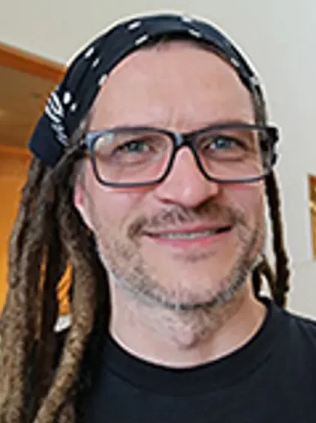 Thilo Bauch合作论文数Department of Microtechnology and Nanoscience, Chalmers University of Technology3
 Karl Petersson合作论文数Microsoft Quantum3Goran Johansson合作论文数3Erwin Berenschot合作论文数2T. Lindstroem合作论文数2
 Juha Leppakangas合作论文数2
 Aditya Jayaraman合作论文数Dept Phys, Indian Inst Sci2
 Jonas Urbonas合作论文数Maury Microwave Corporation2
 Malcolm R. Connolly合作论文数Department of Physics, Faculty of Natural Sciences, Imperial College London2
 Ranjan V合作论文数Kavli Institute of Nanoscience, Delft University of Technology2
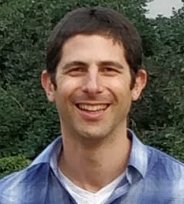 Eytan Grosfeld合作论文数Department of Physics, Ben-Gurion University of the Negev2
 John Cunningham合作论文数School of Electronic and Electrical Engineering, Faculty of Engineering and Physical Sciences, University of Leeds2
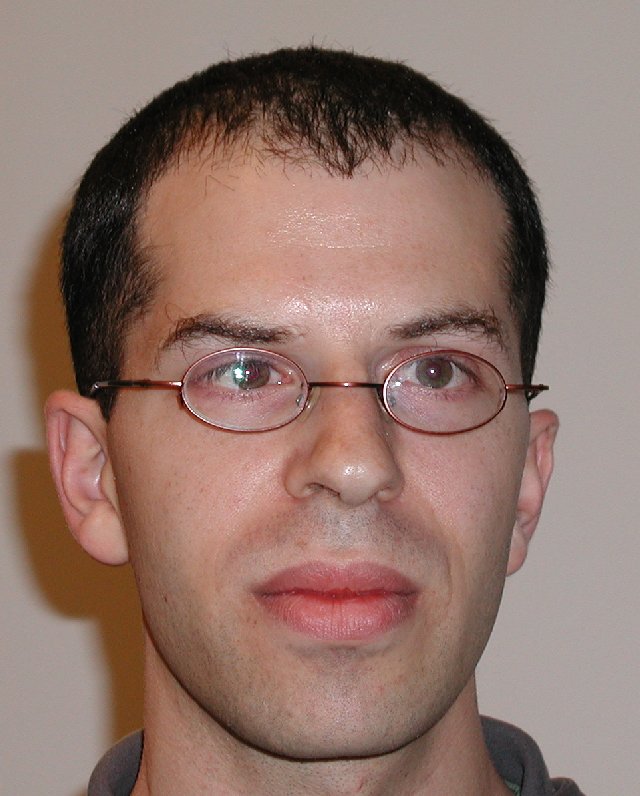 Patrice Bertet合作论文数Institut IRAMIS2
 Mikael Fogelstrom合作论文数Deptartment of Microtechnology;Chalmers University of Technology;Deptartment of Microtechnology, Chalmers University of Technology2
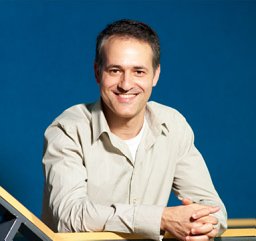 Eran Ginossar合作论文数Department of Condensed;Weizmann Institute of Science;Department of Condensed, Weizmann Institute of Science2




