The Weddell Sea, Southern Ocean, is a highly productive location of deep-water formation and a globally important site of carbon sequestration. Here, the biological carbon pump is dominated by carbon-rich particulates which are both actively and passively transported to deep water (e.g. zooplankton faecal pellets and phytoplankton detritus). However, climate driven changes in sea ice have the potential to disrupt these processes, highlighting a need for contemporary observations. This study quantified the flux of particulate organic carbon (POC) and nitrogen (PON) across three depths (50, 100, 150 m) at five locations (including shelf, off shelf, ice covered and ice-free environments) in the western Weddell Sea using a drifting sediment trap. POC and PON fluxes were greater on shelf than off-shelf, likely reflecting increased nutrient supply and productivity on shelf. No strong patterns between sea ice and ice-free stations were present, likely because the ice pack was constantly shifting, with most sites influenced by sea ice. The POC flux remained stable or increased with depth at most stations, ranging from 42.5–364.1 mg C m−2 d−1 (mean of 123.2 mg C m−2 d−1). Krill faecal pellets represented 98 % of all pellets, which contributed an estimated 17 %–99 % (median of 48 %) of the POC flux. The faecal pellet flux peaked at 100 m across the shelf, suggesting krill defecating at depth effectively counteracted attenuation in the upper ocean. Our findings emphasise the importance of zooplankton-mediated processes in determining the particle flux and the benefits of resolving the vertical flux at a resolution which incorporates their ecology. It is unclear how changing sea ice dynamics will impact zooplankton, so a process-driven understanding of biogeochemical fluxes is integral for predicting the future of carbon cycling in the Southern Ocean.
Mesopelagic fishes transport a vast biomass of organic material between surface and deep waters through diel vertical migration (DVM), which plays a crucial role in both food web functioning and deep-ocean carbon sequestration. However, there is considerable uncertainty about which species perform DVM and the extent of their migrations. This uncertainty is particularly pronounced in polar regions, where inferences of migratory behaviour have typically been made using spatially and temporally constrained data. Here, we use a recently compiled multi-decadal net trawl database to conduct a circumpolar-scale analysis of DVM behaviour in lanternfishes (Myctophidae), the dominant mesopelagic fishes of the Southern Ocean. Generalized additive models show that all eight of the most abundant myctophid species perform vertical migrations, but the species differ in the distance of migration. Only a proportion of each population undergoes DVM at a given time, demonstrating variable DVM behaviour among individuals. We estimate from our models that of a total biomass of 48.3 million tonnes of lanternfishes across the Southern Ocean, 14.2 million tonnes undergo daily vertical migrations. This study reveals the DVM pattern of key myctophid species in previously unattainable detail and provides a framework to better understand their critical role in the Southern Ocean ecosystem.
Antarctic krill Euphausia superba swarm structure, biomass and distribution to the northwest of the South Orkney Islands were investigated using a combination of acoustic and scientific net trawl data. Krill is fished commercially in this region and is a major prey item for many predators, but little is known of the temporal-spatial variation in its distribution, biomass and behaviour. In January-February 2016, we measured krill swarms and biomass density across different scaled acoustic surveys (~500, 3000, 8500 and 28000 km 2 ). Krill swarm metrics, including abundance, area, length, thickness, 2D roughness and depth, were quantified and related to environmental factors. Krill was distributed widely along the northern shelf-break, but biomass densities varied between the different spatial scaled surveys typically within a ~10 d period (~1 to 280 g m -2 ). Local canyon regions, which are often encompassed by the fishery, were hotspots of krill biomass density and had the greatest number of swarms. Chlorophyll a fluorescence was often elevated in these regions, and was also the most consistent predictor of swarm depth and area, although variation in swarm metrics was high. Swarms in the canyon regions were significantly smaller, deeper, rougher-shaped, and closer together than swarms in more off-shelf regions. Our study suggests that local bathymetry and oceanographic processes act to concentrate krill in canyons. Furthermore, local differences in swarm structure suggest a behavioural response to the small-scale environmental conditions, particularly food availability, in the canyon regions. This regional heterogeneity will influence local predator-prey interactions and the spatial distribution of the krill fishery. This study contributes important information to underpin robust ecosystem-based management in this region.
Semiautonomous imaging technologies are increasingly being used to characterize zooplankton communities, albeit with limited comparison to traditional techniques. Here we compared copepod community compositions obtained using a FlowCam Macro with those obtained using a stereomicroscope for the same set of samples. Broad-level community compositions obtained via the FlowCam Macro were similar to those using the microscope, although the microscope was able to achieve greater taxonomic resolution (e.g. genus/species level). Our data support the use of the FlowCam Macro as an alternative to time- and labour-intensive microscopy for broad-level taxonomic classification of mesozooplankton samples.
Hypoxic (O 2 < 60 μmol kg −1 ) waters are found below 27% of the ocean surface and are predicted to expand in the near future; however, the organic carbon cycle in these regions is far from understood. Here we study the origin, composition, and temporal variability of mesopelagic particle layers in the hypoxic northern Benguela. We combine ship measurements, 4 months of glider data, and a high‐resolution 3D coupled model. Glider data show deep particle layers between 250 and 500 m, in the hypoxic oxygen minimum zone (OMZ), often giving rise to “deep export” events. Our data point toward biological processes generating the particle layers within the OMZ itself. Between 250 and 500 m, large particulate organic matter is fresh, small particles are more refractory, and image data show a local increase in aggregates and fecal pellets. Ship data suggest that large particles and deep export events are generated both by vertically migrating organisms importing organic carbon from the near‐surface to the OMZ and by mesozooplankton constantly inhabiting the OMZ and transforming the particles there. Small suspended particles accumulate above and within the OMZ. This is likely contributed to by fragmentation via zooplankton partial feeding and reduced remineralization rates. Near‐shore currents drive the temporal variability in hypoxia and the associated deep particle layers, hence modulating biological activity and export events in the mesopelagic. Our results highlight how the interplay of biological and physical processes drive the carbon dynamics of widespread hypoxic OMZs and provide insight into how to improve models in these regions.
Antarctic krill (Euphausia superba) are among the most abundant species on our planet and serve as a vital food source for many marine predators in the Southern Ocean. In this paper, we utilise statistical spatio-temporal methods to combine data from various sources and resolutions, aiming to model krill abundance. Our focus lies in fitting the model to a dataset comprising acoustic measurements of krill biomass. To achieve this, we integrate climate covariates obtained from satellite imagery and from drifting surface buoys (also known as drifters). Additionally, we use sparsely collected krill biomass data obtained from net fishing efforts (KRILLBASE) for validation. However, integrating these multiple heterogeneous data sources presents significant modelling challenges, including spatio-temporal misalignment and inflated zeros in the observed data. To address these challenges, we fit a Hurdle-Gamma model to jointly describe the occurrence of zeros and the krill biomass for the non-zero observations, while also accounting for misaligned and heterogeneous data sources, including drifters. Therefore, our work presents a comprehensive framework for analysing and predicting krill abundance in the Southern Ocean, leveraging information from various sources and formats. This is crucial due to the impact of krill fishing, as understanding their distribution is essential for informed management decisions and fishing regulations aimed at protecting the species.
The management strategy for the Antarctic krill (Euphausia superba) fishery is being revised. A key aim is to spatially and temporally allocate catches in a manner that minimizes impacts to both the krill stock and dependent predators. This process requires spatial information on the distribution and abundance of krill, yet gaps exist for an important fishing area surrounding the South Orkney Islands in the south Scotia Sea. To fill this need, we create a dynamic distribution model for krill in this region. We used data from a spatially and temporally consistent acoustic survey (2011-2020) and year-specific environmental covariates within a two-part hurdle model. The model successfully captured observed spatial and temporal patterns in krill density. The covariates found to be most important included distance from shelf break, distance from summer sea ice extent, and salinity. The northern and eastern shelf edges of the South Orkney Islands were areas of consistently high krill density and displayed strong spatial overlap between intense fishing activity and foraging chinstrap penguins. High mean krill density was also linked to oceanographic features located within the Weddell Sea. Our data suggest that years in which these features were closer to the South Orkney shelf were also years of positive Southern Annular Mode and higher observed krill densities. Our findings highlight existing fishery-predator-prey overlap in the region and support the hypothesis that Weddell Sea oceanography may play a role in transporting krill into this region. These results will feed into the next phase of krill fisheries management assessment.
The export of elements (particularly carbon, nitrogen and phosphorus) from the Poles critically supports global marine biodiversity and major fisheries as well as the sequestration of atmospheric carbon to the deep ocean. Ecosystem processes regulate this export, but major uncertainties remain in terms of how and by how much. Progress on understanding key ecosystem interactions is hindered by lack of data and their representation in Earth system models is poor. The two polar regions share similarities in environmental extremes which make them sensitive to the impacts of climate change. They both receive nutrients from multiple and diverse sources and the delivery of these nutrients to other oceans is regulated by similar ecosystem processes. However, the extent to which these ecosystem processes will be modified by climate change is unclear and urgently needs to be determined. BIOPOLE will determine how polar ecosystems regulate the balance of carbon and nutrients in the world’s oceans and, through it, their effect on global fish stocks and carbon storage. It will address this challenge by integrating ambitious fieldwork campaigns and innovative modelling in a multidisciplinary and highly coordinated approach. BIOPOLE will capitalise on world-leading capabilities and infrastructure in ocean and high-latitude research, including cutting-edge land-based facilities, state-of-the-art polar research vessels and innovative autonomous instrumentation. Collaboration with national and international partners will further strengthen BIOPOLE’s multidisciplinary approach and efficient use of infrastructure. BIOPOLE’s legacy will be the first assessment of the global impact of polar ecosystems on biogeochemical cycling and fish stocks; technologically-novel approaches and strong partnerships between leading international science groups.
The Controls Over Mesopelagic Interior Carbon Storage (COMICS) cruise DY086 took place aboard the RRS Discovery in the South Atlantic during November and December, 2017. Physical, chemical, biogeochemical and biological data were collected during three visits to ocean observatory station P3, off the coast of South Georgia, during an austral spring bloom. A diverse range of equipment including CTD-rosette, Acoustic Doppler Current Profiler (ADCP), net deployments, marine snow catchers (MSCs), Stand Alone Pump System (SAPS) and PELAGRA Sediment Traps were used to produce a comprehensive, high-quality dataset. The data can provide excellent insight into regional biological carbon pump (BCP) processes; it is recommended for use by observational scientists and modellers to enhance understanding of ecosystem interactions relating to mesopelagic carbon storage.
The mesopelagic zooplankton community plays an important role in the cycling and sequestration of carbon via the biological pump. However, little is known about the physiology and ecology of key taxa found within this region, hindering our understanding of their influence on the pathways of energy and organic matter cycling. We sampled the eight most abundant zooplankton (Calanoides acutus, Rhincalanus gigas, Paraeuchaeta spp., Chaetognatha, Euphausia triacantha, Thysanoessa spp., Themisto gaudichaudii and Salpa thompsoni) from within the mesopelagic zone in the Scotia Sea during a sinking diatom bloom and investigated their physiological ecology using lipid biomarkers and stable isotopic signatures of nitrogen. Data suggest that the large calanoid copepods, C. acutus and R. gigas, were in, or emerging from, a period of metabolic inactivity during the study period (November 15th – December 15th 2017). Abundant, but decreasing lipid reserves in the predominantly herbivorous calanoid copepods, suggest these animals may have been metabolising previously stored lipids at the time of sampling, rather than deriving energy solely from the diatom bloom. This highlights the importance of understanding the timing of diapause of overwintering species as their feeding is likely to have an impact on the turnover of particulate organic matter (POM) in the upper mesopelagic. The δ15N signatures of POM became enriched with increasing depth, whereas all species of zooplankton except T. gaudichaudii did not. This suggests that animals were feeding on fresher, surface-derived POM, rather than reworked particles at depth, likely influencing the quantity and quality of organic matter leaving the upper mesopelagic. Our study highlights the complexity of mesopelagic food webs and suggests that the application of broad trophic functional types may lead to an incorrect understanding of ecosystem dynamics.
Understanding and managing the response of marine ecosystems to human pressures including climate change requires reliable large-scale and multi-decadal information on the state of key populations. These populations include the pelagic animals that support ecosystem services including carbon export and fisheries. The use of research vessels to collect information using scientific nets and acoustics is being replaced with technologies such as autonomous moorings, gliders, and meta-genetics. Paradoxically, these newer methods sample pelagic populations at ever-smaller spatial scales, and ecological change might go undetected in the time needed to build up large-scale, long time series. These global-scale issues are epitomised by Antarctic krill ( Euphausia superba ), which is concentrated in rapidly warming areas, exports substantial quantities of carbon and supports an expanding fishery, but opinion is divided on how resilient their stocks are to climatic change. Based on a workshop of 137 krill experts we identify the challenges of observing climate change impacts with shifting sampling methods and suggest three tractable solutions. These are to: improve overlap and calibration of new with traditional methods; improve communication to harmonise, link and scale up the capacity of new but localised sampling programs; and expand opportunities from other research platforms and data sources, including the fishing industry. Contrasting evidence for both change and stability in krill stocks illustrates how the risks of false negative and false positive diagnoses of change are related to the temporal and spatial scale of sampling. Given the uncertainty about how krill are responding to rapid warming we recommend a shift towards a fishery management approach that prioritises monitoring of stock status and can adapt to variability and change.
Understanding and managing the response of marine ecosystems to human pressures including climate change requires reliable large-scale and multi-decadal information on the state of key populations. These populations include the pelagic animals that support ecosystem services including carbon export and fisheries. The use of research vessels to collect information using scientific nets and acoustics is being replaced with technologies such as autonomous moorings, gliders, and meta-genetics. Paradoxically, these newer methods sample pelagic populations at ever-smaller spatial scales, and ecological change might go undetected in the time needed to build up large-scale, long time series. These global-scale issues are epitomised by Antarctic krill (Euphausia superba), which is concentrated in rapidly warming areas, exports substantial quantities of carbon and supports an expanding fishery, but opinion is divided on how resilient their stocks are to climatic change. Based on a workshop of 137 krill experts we identify the challenges of observing climate change impacts with shifting sampling methods and suggest three tractable solutions. These are to: improve overlap and calibration of new with traditional methods; improve communication to harmonise, link and scale up the capacity of new but localised sampling programs; and expand opportunities from other research platforms and data sources, including the fishing industry. Contrasting evidence for both change and stability in krill stocks illustrates how the risks of false negative and false positive diagnoses of change are related to the temporal and spatial scale of sampling. Given the uncertainty about how krill are responding to rapid warming we recommend a shift towards a fishery management approach that prioritises monitoring of stock status and can adapt to variability and change.
The South Georgia region of the Southern Ocean represents the northernmost range edge for Antarctic krill. Of concern is the extent to which rapid warming of surface water temperatures and reduced oxygen contents around this region might challenge the physiological tolerance of krill, particularly the later maturity stages. Hypoxia is generally considered to be less than 30 to 20
British Antarctic Survey (BAS) researchers launch annual expeditions to the Antarctic in order to estimate Antarctic Krill biomass and assess the change from previous years. These comparisons provide insight into the effects of the current environment on this key component of the marine food chain. In this work we have developed tools for automating the data collection and analysis process, using web-based image annotation tools and deep learning image classification and regression models. We achieve highly accurate krill instance segmentation results with an average 77.28% AP score, as well as separate maturity stage and length estimation of krill specimens with 62.99% accuracy and a 1.98mm length error respectively.
Zooplankton form an integral component of epi-and mesopelagic ecosystems, and there is a need to better understand their role in ocean biogeochemistry. The export and remineralisation of particulate organic matter at depth plays an important role in controlling atmospheric CO2 concentrations. Pelagic mesozooplankton and micronekton communities may influence the fate of organic matter in a number of ways, including: the con-sumption of primary producers and export of this material as fast-sinking faecal pellets, and the active flux of carbon by animals undertaking diel vertical migration (DVM) into the mesopelagic. We present day and night vertical biomass profiles of mesozooplankton and micronekton communities in the upper 500 m during three visits to an ocean observatory station (P3) to the NW of South Georgia (Scotia Sea, South Atlantic) in austral spring, alongside estimates of their daily rates of ingestion and respiration throughout the water column. Day and night community biomass estimates were dominated by copepods >330 mu m, including the lipid-rich species, Calanoides acutus and Rhincalanus gigas. We found little evidence of synchronised DVM, with only Metridia spp. and Salpa thompsoni showing patterns consistent with migratory behaviour. At depths below 250 m, estimated community carbon ingestion rates exceeded those of metabolic costs, supporting the understanding that food quality in the mesopelagic is relatively poor, and organisms have to consume a large amount of food in order to fulfil their nutritional requirements. By contrast, estimated community rates of ingestion and metabolic costs at shallower depths were approximately balanced, but only when we assumed that the animals were predominantly catabolising lipids (i.e. respiratory quotient = 0.7) and had relatively high absorption efficiencies. Our work demonstrates that it is possible to balance the metabolic budgets of mesopelagic animals to within observational uncertainties, but highlights the need for a better understanding of the physiology of lipid-storing animals and how it influences carbon budgeting in the pelagic.
However, here we document observations of southern right whales feeding at South Georgia during
Classification of zooplankton to species with broadband echosounder data could increase the taxonomic resolution of acoustic surveys and reduce the dependence on net and trawl samples for 'ground truthing'. Supervised classification with broadband echosounder data is limited by the acquisition of validated data required to train machine learning algorithms ('classifiers'). We tested the hypothesis that acoustic scattering models could be used to train classifiers for remote classification of zooplankton. Three classifiers were trained with data from scattering models of four Arctic zooplankton groups (copepods, euphausiids, chaetognaths, and hydrozoans). We evaluated classifier predictions against observations of a mixed zooplankton community in a submerged purpose-built mesocosm (12 m3) insonified with broadband transmissions (185-255 kHz). The mesocosm was deployed from a wharf in Ny-angstrom lesund, Svalbard, during the Arctic polar night in January 2022. We detected 7722 tracked single targets, which were used to evaluate the classifier predictions of measured zooplankton targets. The classifiers could differentiate copepods from the other groups reasonably well, but they could not differentiate euphausiids, chaetognaths, and hydrozoans reliably due to the similarities in their modelled target spectra. We recommend that model-informed classification of zooplankton from broadband acoustic signals be used with caution until a better understanding of in situ target spectra variability is gained.
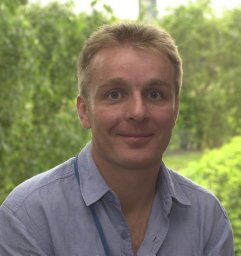 Geraint Tarling合作论文数British Antarctic Survey, Natural Environment Research Council44
 Eugene Murphy合作论文数University of Newcastle;Unversity of East Anglia;Ecosystems Programme, British Antarctic Survey26
 Angus Atkinson合作论文数Plymouth Marine Laboratory23
 Gabriele Stowasser合作论文数21
 Karen J. Heywood合作论文数School of Environmental Sciences, University of East Anglia18Damien Guihen合作论文数17
 Katrin Schmidt合作论文数16Ryan A. Saunders合作论文数British Antarctic Survey13
 Philip N. Trathan合作论文数British Antarctic Survey13
 Gwyn Griffiths合作论文数Ocean Technology Division;Southampton Oceanography Centre;Ocean Technology Division, Southampton Oceanography Centre10Creed Elizabeth合作论文数9Christian S. Reiss合作论文数9
 Anna Belcher合作论文数British Antarctic Survey9So Kawaguchi合作论文数8Sally E. Thorpe合作论文数British Antarctic Survey, Natural Environment Research Council8Hugh J. Venables合作论文数8
 Dorothee C. E. Bakker合作论文数Centre for Ocean and Atmospheric Sciences, School of Environmental Sciences, Faculty of Science, University of East Anglia8
 Simeon Hill合作论文数British Antarctic Survey, NERC8
 Jose C. Xavier合作论文数7
 B. A. Krafft合作论文数7
 Keith Reid合作论文数The Scientific Committee on Antarctic Research;University of Tasmania;College of Marine Sciences, Shanghai Ocean University7
 Kathryn Cook合作论文数7
 Richard David Sanders合作论文数National Oceanography Centre, Southampton, UK7
 Andrew S. Brierley合作论文数University of St Andrews7
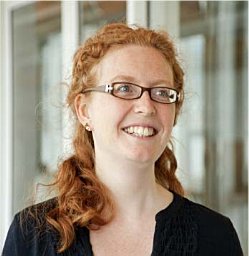 Stephanie Henson合作论文数National Oceanography Centre;University of Southampton7
 Cecilia M. Liszka合作论文数NERC, British Antarctic Survey6
 V. Siegel合作论文数Thunen Institute of Sea Fisheries6
 Martin A. Collins合作论文数British Antarctic Survey, Natural Environment Research Council6
 Evgeny Pakhomov合作论文数Institute for the Oceans and Fisheries, The University of British Columbia;Department of Earth, Ocean and Atmospheric Sciences, Faculty of Science, The University of British Columbia6
 Nina Bednarsek合作论文数Southern Calif Coastal Water Res Project6
 Andrew Thompson合作论文数Division of Geological and Planetary Sciences, California Institute of Technology6Peter Enderlein合作论文数6
 Georg Skaret合作论文数6
 Jonathan L. Watkins合作论文数Biological Sciences Division, British Antarctic Survey6
 Hyoung Sul La合作论文数6
 Daniel J. Mayor合作论文数Institute of Biological and Environmental Sciences, University of Aberdeen6C. Manno合作论文数5Peter Ward合作论文数5
 Bastien Y. Queste合作论文数Sch. of Environ. Sci., Univ. of East Anglia;c;Sch. of Environ. Sci., Univ. of East Anglia5
 Mark Moore合作论文数School of Ocean and Earth Science, National Oceanography Centre Southampton, Faculty of Environmental and Life Sciences, University of Southampton5
 John T. Allen合作论文数Department of Earth and Atmospheric Sciences, Central Michigan University, Mt. Pleasant, Michigan5
 George A Wolff合作论文数Department of Earth and Ocean Sciences, University of Liverpool5H.S.J. Roe合作论文数5
 Nelly Tremblay合作论文数Centro Interdisciplinario de Ciencias Marinas, Departamento de Plancton y Ecología Marina, Av. IPN, Col. Palo de Santa Rita s/n, La Paz, Baja California Sur 23096, Mexico5
 Anton Pieter Van de Putte合作论文数5
 Jan Kaiser合作论文数Department of Geosciences, Princeton University5
 Emilce Rombola合作论文数5
 Hauke Flores合作论文数Institute for Marine Resources and Ecosystem Studies (IMARES), P.O. Box 167, 1790 AD Den Burg, The Netherlands5George M. Watters合作论文数5




