The Antarctic Peninsula is warming rapidly, with more frequent extreme temperature and precipitation events, reduced sea ice, glacier retreat, ice shelf collapse, and ecological shifts. Here, we review its behaviour under present-day climate, and low (SSP 1–2.6), medium-high (SSP 3–7.0) and very high (SSP 5–8.5) future emissions scenarios, corresponding to global temperature increases of 1.8 °C, 3.6 °C and 4.4 °C by 2100. Higher emissions will bring more days above 0 °C, increased liquid precipitation, ocean warming, and more intense extreme weather events such as ocean heat waves and atmospheric rivers. Surface melt on ice shelves will increase, depleting firn air content and promoting meltwater ponding. Under the highest emission scenario, collapse of the Larsen C and Wilkins ice shelves is likely by 2100 CE, and loss of sea ice and ice shelves around the Peninsula will exacerbate the current trends of land-ice mass loss. Collapse of George VI Ice Shelf by 2300 under SSP 5–8.5 would substantially increase sea level contributions. Under this very high emissions scenario, sea level contributions from the Peninsula could reach 7.5 ± 14.1 mm by 2100 CE and 116.3 ± 66.9 mm by 2300 CE. Conversely, under the lower emissions scenarios, the Antarctic Peninsula’s sea ice remains similar to present, and land ice is predicted to undergo only minor grounding line recession and thinning. Changes in sea surface temperatures and the change from snow to rain will impact marine and terrestrial biota, altering species richness and enhancing colonisation by non-native species. Ranges of key species such as krill and salps are likely to contract to the south, impacting their marine vertebrate predators. These changing conditions will also influence Antarctic Peninsula research, fisheries, tourism, infrastructure and logistics. The future of the Peninsula depends on the choices made today. Limiting temperatures to below 2 °C, and as close as possible to 1.5 °C (by following the SSP 1–1.9 or 1–2.6 scenarios), combined with effective governance, will result in increased resilience and relatively modest changes. Any higher emissions scenarios will damage pristine systems, cause sustained, irreversible ice loss on human timescales, and spread to Antarctic regions beyond the Peninsula.
Pelagic habitats in the Northeast Atlantic (NEA) have undergone substantial ecological change over the past six decades due to pressures such as climate change, overfishing, and nutrient pollution. To assess Good Environmental Status (GES; under the EU Marine Strategy Framework Directive) we present an integrated assessment of NEA pelagic habitat status using two plankton biodiversity indicators, representing community composition and plankton biomass/abundance, alongside an informative assessment of plankton diversity. We applied a stepwise approach, first combining component-level results across assessment units and fixed-point stations for four pelagic habitat types, then integrating status across indicators and habitat types to derive regional environmental status. Because operational thresholds are lacking, ‘Uncertain’ was the default status, while ‘Not Good’ required consistent, spatially representative biological change plausibly linked to anthropogenic pressures.Across the assessed indicators, we found regional and habitat-specific changes in plankton lifeform abundance, and general declines in phytoplankton biomass and zooplankton abundance. Six habitat-region combinations were assessed as ‘Not Good’, three as ‘Uncertain’, and one was ‘Unassessed’ due to lack of data. No pelagic habitats or regions were found to be in GES. It was only possible to designate ‘Not Good’ or ‘Uncertain’ status due to lack of suitable baseline data and uncertainty around what constitutes ‘Good’ status in the context of NEA pelagic habitats. Sea surface temperature and nutrients were the most important pressures associated with change. These results highlight the need to reduce nutrient pollution and meet international climate targets to conserve pelagic habitats and their ecosystem services.
Abstract. The size of phytoplankton is a key metric that influences organic carbon production in the ocean and its transfer efficiency through marine food webs. There is evidence that the size structure of phytoplankton in Antarctic waters differs markedly from that in tropical oceans. However, logistical challenges have left many Antarctic regions poorly sampled. Here, we explore a dataset collected during an austral summer research cruise to the rarely sampled northwestern Weddell Sea continental shelf and open waters near the eastern Antarctic Peninsula. The dataset includes discrete measurements of size-fractionated chlorophyll-a concentration (pico- <2 μm, nano- 2–20 μm, and microphytoplankton >20 μm) obtained using in vitro fluorescence and sequential size-fractionated filtration (SFF), phytoplankton pigments measured by high-performance liquid chromatography (HPLC), and in situ radiometric (ocean-colour) observations. We find broad agreement between HPLC-based (using diagnostic pigment analysis) and SFF-based estimates of total and size-fractionated chlorophyll-a, but with systematic differences for some size classes depending on the technique used. Ocean-colour chlorophyll-a algorithms developed in other regions of the Southern Ocean perform well in the northwestern Weddell Sea and outperform standard global algorithms, which systematically underestimate chlorophyll-a. SFF measurements indicate that medium-sized phytoplankton (nanophytoplankton) dominate both shelf and open waters of the northwestern Weddell Sea. We fitted a simple three-component model to the SFF data describing the partitioning of chlorophyll-a among the three size classes as a function of total chlorophyll-a. Model parameters were similar to those derived from an independent dataset from the western Antarctic Peninsula, supporting the broader dominance of nanophytoplankton around the entire Antarctic Peninsula, but differed markedly from parameters derived from lower-latitude tropical and subtropical (50° N to 50° S) Atlantic waters, where picophytoplankton dominate. Finally, we combined satellite-derived estimates of total chlorophyll-a during the cruise period with the tuned model parameters to map the spatial distribution of phytoplankton size classes across the broader northwestern Weddell Sea region, which confirmed the widespread dominance of nanophytoplankton. These datasets provide a valuable baseline for quantifying the rate and fate of organic carbon production in this rapidly changing region.
Abstract Human-induced global climate change and other anthropogenic stressors are fundamentally altering our oceans. Understanding the ecological and societal implications of these changes is critical for developing mitigation strategies and conservation measures. However, major components of the marine pelagic ecosystem remain poorly understood. This is true for euphausiids (“krill”), which are a crucial part of marine food webs and play an important role in elemental cycling, including in the biological carbon pump, but for which we know surprisingly little. In this review, we first provide an overview of the ecological and socio-economic value of krill, highlighting their function in marine food webs and biogeochemical cycling. Next, we describe what is currently known regarding the response of krill to climate change and other anthropogenic stressors, focusing on changes in their biogeography, physiology, life history, as well as the impacts of krill fishing and their association with pathogens and parasites. We identify five key gaps in our current knowledge of krill: (1) the effects of krill on food web dynamics and stability, (2) the effects of changing predator and/or prey communities on krill populations, (3) the identification of important krill habitats, (4) the understanding of vertical and horizontal range shifts, and (5) the combined effects of multiple climate change and other anthropogenic stressors on krill. We also highlight the krill species, regions, and habitats that are understudied. Finally, we propose strategies to improve our understanding of this ecologically important taxonomic group, including the sustained funding for time series; implementation of novel research technologies; expanding research on understudied species and regions; and creating a global community of krill researchers.
The Weddell Sea, Southern Ocean, is a highly productive location of deep-water formation and a globally important site of carbon sequestration. Here, the biological carbon pump is dominated by carbon-rich particulates which are both actively and passively transported to deep water (e.g. zooplankton faecal pellets and phytoplankton detritus). However, climate driven changes in sea ice have the potential to disrupt these processes, highlighting a need for contemporary observations. This study quantified the flux of particulate organic carbon (POC) and nitrogen (PON) across three depths (50, 100, 150 m) at five locations (including shelf, off shelf, ice covered and ice-free environments) in the western Weddell Sea using a drifting sediment trap. POC and PON fluxes were greater on shelf than off-shelf, likely reflecting increased nutrient supply and productivity on shelf. No strong patterns between sea ice and ice-free stations were present, likely because the ice pack was constantly shifting, with most sites influenced by sea ice. The POC flux remained stable or increased with depth at most stations, ranging from 42.5–364.1 mg C m−2 d−1 (mean of 123.2 mg C m−2 d−1). Krill faecal pellets represented 98 % of all pellets, which contributed an estimated 17 %–99 % (median of 48 %) of the POC flux. The faecal pellet flux peaked at 100 m across the shelf, suggesting krill defecating at depth effectively counteracted attenuation in the upper ocean. Our findings emphasise the importance of zooplankton-mediated processes in determining the particle flux and the benefits of resolving the vertical flux at a resolution which incorporates their ecology. It is unclear how changing sea ice dynamics will impact zooplankton, so a process-driven understanding of biogeochemical fluxes is integral for predicting the future of carbon cycling in the Southern Ocean.
To investigate the integrated response of plankton to climate warming, we measured simultaneous shifts in abundance, geographic range and phenology of eight copepod taxa across the North Sea and NE Atlantic over 6 decades. Here we show that the North Sea warmed about twice as rapidly as the NE Atlantic, yet its species showed greater resilience, maintaining more stable abundance and ranges. In contrast, the NE Atlantic experienced declining copepod populations and greater range shifts (up to 139 km northwards per decade). Regionally specific conditions (high food abundance and/or advection) in the North Sea, may have contributed to this resilience. Most taxa exhibited consistent seasonal shifts with warming (up to ~39 days earlier °C-1) in both areas. In the North Sea, species with greater range shifts also had more pronounced phenological shifts, suggesting a link between the two responses. Climate - smart marine management needs to incorporate this variable ecosystem resilience under warming, moving beyond temperature-centric models of the stability of ecosystems.
Abstract The Biodiversity Beyond National Jurisdiction (BBNJ) Agreement provides a new opportunity to consolidate and achieve global marine environmental goals. Here we focus on how science and technology will support its implementation. We provide an overview of existing scientific knowledge and methods that are scalable to Areas Beyond National Jurisdiction (ABNJ). Reviewing data gaps, challenges and opportunities, we outline solutions and a roadmap focused on enhancing resources and capacity.
Abstract. Antarctic krill (Euphausia superba, hereafter "krill") are an important component of Southern Ocean food webs, are efficient in sequestering carbon and support a major fishery. Knowledge of their early life cycle is key to understanding krill population dynamics and essential for fisheries management in a warming climate. Many data have been collected over the years on the distribution of krill larvae, but the data remain fragmented and hard to re-use. Here we have put these disparate data sources together into a large database of 10,762 net-sampling records with numerical abundance data on the various larval stages. This new KRILLBASE-larvae database complements two existing and circumpolar KRILLBASE open-access databases, namely KRILLBASE-abundance (numerical abundance of postlarval krill and salps) and KRILLBASE-length frequency (length, sex and maturity stage of postlarval krill). By completing the set to include larvae, we provide datasets that can underpin a more holistic appreciation of krill dynamics; for example to model the krill life cycle, population dynamics, response to climate change and to help manage the krill fishery. KRILLBASE-larvae is circumpolar, albeit with most data concentrated in the SW Atlantic sector which appears to be the major spawning ground and where the fishery operates. The data span 1926–2024 with >50 seasons of coverage spanning two epochs: 1926–1937 and 1976–2024. The database is based on net haul data on densities (numbers per m-2) of eggs, nauplii, metanauplii, calypotope- and furcilia stages, alongside key sampling information such as sampling depths, net type, net mesh size, water depth, temperature etc. This data paper provides a description of KRILLBASE-larvae, mapping data coverage in terms of space, time and sampling depth, providing pointers and caveats to its use. The KRILLBASE-larvae database is available here for reviewers: http://ramadda.data.bas.ac.uk/repository/entry/show?entryid=946546c8-b24f-422f-96e1-3bd872506c5f with user id reviewer_02221 and password VchJWSANpH1T5Wpj with instructions https://www.bas.ac.uk/data/polar-data-centre/reviewer-access/ [Pending publication and any subsequent amendment on review, the final dataset will be freely available with a doi and single click to download]. We request that this data doi and the data paper are cited when the data are used.
Ocean warming is projected to threaten fisheries, but the extent varies greatly between models due to a poor understanding of how complex food webs respond to change. Likewise, inequalities in socioeconomic dependence on fisheries and uneven distributions of global fishing effort make it unclear how the distribution of fisheries declines could translate into socioeconomic impacts. Here we developed a quantitative IPCC tripartite risk mapping approach, combining hazard (projected pelagic fish decline), exposure (present day pelagic fishing intensity), and vulnerability (national dependence on fisheries) to generate global maps of pelagic fishery climate risk. Using a direct, empirical method of projecting fish trends based on plankton size-spectra, our risk mapping approach identifies fishing grounds across Southeast Asia, western seaboards of Africa and South America and adjacent islands at highest risk. We project substantial declines ( ∼ 20%) in supportable fish biomass by the end of the century under a high emission scenario, which could be reduced (to ∼ 10%) by strong global climate mitigation measures. With climate mitigation being the only clear route to curbing declines in fisheries carrying capacity, our approach guides the spatial prioritisation of broader mitigation measures which reduce other human pressures on fish stocks, including effort control and the development of protected areas which support essential fish habitats. High-risk regions extend into Areas Beyond National Jurisdiction, highlighting the potential for the upcoming High Seas Treaty to introduce fisheries management measures which serve to offset a substantial socioeconomic risk under climate change. ### Competing Interest Statement The authors have declared no competing interest.
Changes in plankton have important implications for ecosystem services, including supporting fish stocks, carbon sequestration, nutrient cycling, and oxygen production. Standard long-term plankton monitoring relies on light microscopy to identify and count plankton taxa, with methods fully supported by international standards, providing high quality trusted data. Novel methods, including imaging and molecular, offer means of collecting select types of plankton data efficiently, filling targeted knowledge gaps left by standard monitoring and generating a more complete picture of plankton dynamics. Standard and novel monitoring methods present different advantages and costs, positioning their suitability to address different management needs. Standard plankton monitoring time-series are unique in providing the long-term temporal coverage, and thus statistical power, needed to detect and understand climate change impacts. When explored in parallel with standard monitoring, novel methods open doors to observing our seas from complementary perspectives, but further work is necessary before data from standard and novel methods can be integrated to address policy needs. Marine management priorities are shifting, and novel methods are increasingly proposed as possible alternatives to standard monitoring. However, for a long-term taxonomic perspective it is still essential to retain the specialist skills and maintain standard monitoring time-series to inform policy assessments of important changes in pelagic biodiversity. This review aims to inform readers of the value of long-term data, the importance of retaining taxonomic skills and embracing novel methods for marine plankton monitoring to assess pelagic biodiversity. We recommend strategies to maintain long-term monitoring whilst incorporating novel methods.
Plankton, the primary energy resource in marine food webs, respond rapidly to environmental change, making them useful indicators of shifts in ecosystem structure or function. Categorising plankton into groups, or “lifeforms”, can be useful for understanding ecological patterns associated with environmental change. While the marine environment is changing rapidly due to anthropogenic pressures, the relative influence of these pressures across the plankton community remains uncertain, impacting our ability to account for changes in plankton in sustainable marine management. Using methodology developed for the 2023 OSPAR assessment of Pelagic Habitats, we analysed 29 years of Continuous Plankton Recorder data from the North-East Atlantic to examine how temperature, nutrients and background environmental variability impacted abundance. Variability was primarily explained by trends in other lifeforms, indicating shared responses to environmental pressures. Longitude, bathymetry, mixed layer depth, the nitrogen-to‑phosphorus ratio, and temperature were also significant predictors. However, contrasting influences of environmental drivers were detected. For example, small copepod abundance increased in warmer conditions whereas meroplankton, large copepods and fish larvae either decreased or were unchanged. Our findings highlight recent changes in stratification, reflected by variation in mixed layer depth, and imbalanced nutrient ratios are affecting multiple lifeforms, impacting the North-East Atlantic plankton community. To achieve environmental improvements in North-East Atlantic pelagic habitats, it is crucial that we continue to address climate change and reduce nutrient pollution.
Plankton monitoring datasets help inform indicators for marine biodiversity assessments under the European Union Marine Strategy Framework Directive and United Kingdom Marine Strategy. These indicators are used to assess long-term changes in the state of the pelagic habitats of the Northeast Atlantic which then guide policy formation and implementation to achieve Good Environmental Status. Across all ecosystems, environmental change has the potential to impact upon human wellbeing by changing the quantity and quality of ecosystem services. Here, we develop a socio-ecological assessment model that can describe how variations in pelagic habitat state, evidenced by plankton indicators, can impact human wellbeing. We show that pelagic habitat state can influence human wellbeing through changing the availability of 'goods and benefits' (as made available via ecosystem services), such as the contribution of phytoplankton to climate regulation, but also through mediating the risks of 'ecosystem hazards'. Importantly, changes to pelagic ecosystem state will also drive changes to ecosystem services and ecosystem hazards in the wider marine food web, supported by ecosystem processes associated with plankton, such as the rate of primary production. Applying the proposed assessment model to plankton monitoring data highlights the potential for a greater depth of understanding of the human wellbeing impacts driven by state changes in pelagic habitats. Alongside making best use of the available plankton monitoring data, quantifying the human wellbeing impacts arising from changes to pelagic habitat state increases the evidence base for decision makers.
High‐latitude zooplankton can sequester millions of tons of carbon due to their seasonal migration from the surface ocean to depth, and their respiration and mortality during overwintering. This seasonal vertical migration pump (SVMP) efficiently removes carbon but not limiting nutrients such as iron from the surface layers. However, this process is not included in Earth System Models and whole Southern Ocean estimates are still lacking. Here, we compile large datasets of Southern Ocean zooplankton biomass and physiology to estimate that the SVMP transports 65 Mt carbon annually to sequestration‐achieving depths of > 500 m. Mesozooplankton are the main agents (80%), followed by krill (14%), and salps (6%), with respiration and mortality at depth contributing a similar share. This SVMP adds greatly to existing modeled or measured estimates of Southern Ocean carbon sequestration, equating to 38–56% of particulate organic carbon flux at 500 m and 78–103% of the flux at 1000 m. Given their large biomass but projected change under polar warming, understanding how zooplankton transport carbon and nutrients will underpin improved model projections of ocean carbon storage in a warmer world.
Antarctic krill (Euphausia superba) is the central prey species in the Southern Ocean food web, supporting the largest and fastest-growing fishery in the region, managed by the Commission for the Conservation of Antarctic Marine Living Resources (CCAMLR). Climate change is threatening krill populations and their predators, while current catch limits do not take into account climate variability or krill population dynamics. In 2024, CCAMLR was unable to renew its spatial catch limits, highlighting the urgent need for improved management of the krill fishery to prevent any harm to the Southern Ocean ecosystem. To address this, we propose a management framework that integrates variability in krill recruitment and key pathways between spawning and nursery areas-a krill stock hypothesis-to inform decisions on catch limits and conservation measures. Implementing this approach will require targeted data collection, which we propose can be achieved through a multisector collaborative network that combines traditional and new technologies, including the use of fishing vessels as data collection platforms. We use case studies to demonstrate how fisheries can contribute to data collection while promoting sustainable management. A major challenge in this effort is securing long-term funding for data collection, which is critical for managing climate-sensitive populations of high commercial interest. We therefore recommend using the industry as a source of funding, research platform and data provider, alongside national research funding opportunities. Given the fundamental role of krill in the Southern Ocean ecosystem, its decline would have cascading effects on predators and essential ecosystem services.
Antarctic sea ice showed a profound, step-wise reduction around 2016-2017, but the scarcity of modern time series means that we know very little about how Southern Ocean biota have responded. Given the paucity of direct field data, we combined satellite data with KRILLBASE, a large historical salp and krill database, to examine how the new, low-ice era has changed the feeding habitat of these key plankton species. Most (69%) of the Southern Ocean area has experienced an increase in mean summer chlorophyll a (chl a) values since the step-change in sea ice. We went beyond bulk chl a indices to classify the Southern Ocean into 14 optical water types based on their spectral reflectance. At this finer resolution, the 2 species showed more habitat differentiation than discernible from chl a alone, with salps being strongly correlated with those optical water types that increased in area after the 2017 reduction in sea ice. These water types have moderate phytoplankton concentrations (similar to 0.4 mg chl a m(-3)), and large expanses of the Indian-Pacific sector improved from being too oligotrophic into better feeding habitats for salps. We also show fundamental differences in habitat requirements of both species between the Atlantic and the Indian-Pacific sectors, but overall, our feeding habitat indices suggested that the modern low-ice era has become more favourable for salps. Antarctic sea ice is a crucial part of the climate system, and the recent era of extreme variability and record lows has major ramifications for food webs and biogeochemical cycles.
Plankton models form the core of marine ecosystem simulators, with uses from regional resource and ecosystem management to climate change projections. In this Perspective, we suggest that stronger alignment of models with empirical knowledge about plankton physiology, diversity and trophic roles will improve model utility and the reliability of their outputs regarding biodiversity, ecophysiology, trophic dynamics and biogeochemistry. We recommend key steps to resolve the disconnect between empirical research and simulation models accounting for well-established plankton processes with an aim to increase the utility of such models for applied uses. A central challenge is characterizing the complexity of plankton diversity and activity in ways that are amenable to model incorporation. We argue that experts in empirical science are best placed to advise the development of next-generation models to address these challenges, and we propose a series of actions to achieve that engagement, including involvement of these experts in the design and exploitation of plankton digital twins.
Seasonal vertical migration of large lipid-rich copepods is often described as a mass descent of animals when primary production ceases, with important implications for mesopelagic food webs and global carbon sequestration. This view ignores the existence of surface-resident individuals, but here we show that non-migrants can form a substantial part of the populations of polar migrant species. In the Central Arctic Ocean, the biomass-dominant Calanus hyperboreus was evenly distributed throughout the water column from November 2019 to March 2020, with ~20% of subadults and adult females remaining in the upper 200 m and ~41% migrating to 1000-2000 m. These vertical positions aligned with differences in the copepods' cholesterol content, which can enhance the tissue density at higher temperatures. Gonad development and the vertical distribution of their offspring indicate that both non-migrant and migrant females contribute to the population recruitment. We reinterpret copepod seasonal migration as a bet-hedging strategy that balances nutritional benefits near the surface with survival benefits at depth, and thereby contributes to the species' resilience under climatic change.
 Katrin Schmidt合作论文数45
 Geraint Tarling合作论文数British Antarctic Survey, Natural Environment Research Council33
 Simeon Hill合作论文数British Antarctic Survey, NERC32
 Evgeny Pakhomov合作论文数Institute for the Oceans and Fisheries, The University of British Columbia;Department of Earth, Ocean and Atmospheric Sciences, Faculty of Science, The University of British Columbia24
 Bettina Meyer合作论文数Scientific Division Biological Oceanography, Alfred Wegener Institute for Polar and Marine Research24
 Sophie Fielding合作论文数British Antartic Survey23
 P. Ward合作论文数21
 Eugene Murphy合作论文数University of Newcastle;Unversity of East Anglia;Ecosystems Programme, British Antarctic Survey18So Kawaguchi合作论文数18
 Claire E. Widdicombe合作论文数Plymouth Marine Laboratory17
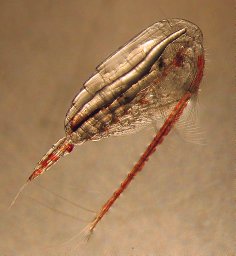 David W. Pond合作论文数Biological Sciences Division, British Antarctic Survey16
 Abigail McQuatters-Gollop合作论文数The Laboratory, Sir Alister Hardy Foundation for Ocean Science14
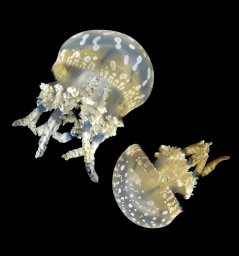 Andrew Hirst合作论文数Sch Anim Rural & Environm Sci, Nottingham Trent Univ13
 V. Siegel合作论文数Thunen Institute of Sea Fisheries12
 Ostle Clare合作论文数12Sally E. Thorpe合作论文数British Antarctic Survey, Natural Environment Research Council12Eileen Bresnan合作论文数FRS Marine Laboratory12
 Michelle Devlin合作论文数Catchment to Reef Research Group, James Cook University12Peter Ward合作论文数11Martin J Whitehouse合作论文数11
 Timothy Smyth合作论文数Department of Chemical and Environmental Sciences, University of Limerick11
 Elaine S. Fileman合作论文数Centre for Coastal and Marine Science;Plymouth Marine Laboratory;Centre for Coastal and Marine Science, Plymouth Marine Laboratory11Mike Best合作论文数Environment Agency11Christian S. Reiss合作论文数11RS Shreeve合作论文数10Margarita Machairopoulou合作论文数9
 D. G. Johns合作论文数Sir Alister Hardy Foundation for Ocean Science9
 Guang Yang合作论文数9
 A. J. McEvoy合作论文数Plymouth Marine Laboratory9
 Jonathan L. Watkins合作论文数Biological Sciences Division, British Antarctic Survey9
 Glen A Tarran合作论文数8
 Hauke Flores合作论文数Institute for Marine Resources and Ecosystem Studies (IMARES), P.O. Box 167, 1790 AD Den Burg, The Netherlands8Paul Tett合作论文数School of Life Sciences;Napier University;School of Life Sciences, Napier University8
 Paul J. Somerfield合作论文数University of Plymouth;Plymouth Marine Laboratory8Kim S. Bernard合作论文数7
 Philip N. Trathan合作论文数British Antarctic Survey7
 Rachel Harmer合作论文数7
 Kathryn Cook合作论文数7
 Pennie Lindeque合作论文数Plymouth Marine Laboratory7
 Emilce Rombola合作论文数7
 Daniel J. Mayor合作论文数Institute of Biological and Environmental Sciences, University of Aberdeen7
 Anna Belcher合作论文数British Antarctic Survey7RE Korb合作论文数6Louise Cornwell合作论文数6
 Emma L Cavan合作论文数Ecosystems and the Environment, Department of Life Sciences, Faculty of Natural Sciences, Imperial College London6Simon T Belt合作论文数School of Geography, Earth and Environmental Sciences, University of Plymouth6
 Martin A. Collins合作论文数British Antarctic Survey, Natural Environment Research Council6Julian Priddle合作论文数6G. C. Cripps合作论文数6




