OBJECTIVES We hypothesized that <0% residual stenosis (RS) after rescue/adjunctive percutaneous coronary intervention (PCI) following fibrinolytic administration in ST-segment elevation myocardial infarction (STEMI) would be associated with improved outcomes.BACKGROUND Prior studies have associated larger lumen diameters after PCI with reduced rates of restenosis and target vessel revascularization.METHODS Data were drawn from 748 patients with open epicardial arteries and with optimal luminal results (RS <20%) following rescue/adjunctive PCI after fibrinolytic administration in six STEMI trials. Patients were divided into two groups: 1) <0% RS and 2) 0% to 20% RS.RESULTS A RS <0% was associated with greater gains in lumen diameter and smaller reference diameters after PCI (p < 0.001 for each), with a trend toward less frequent Thrombolysis In Myocardial Infarction flow grade (TFG) 3. A RS <0% was associated with a greater incidence of abnormal post-PCI Thrombolysis In Myocardial Infarction myocardial perfusion grades (TMPGs) (odds ratio 2.6 [1.2 to 5.9] for TMPG 0/1/2, p = 0.02), even when the analysis was restricted to patients with post-PCI TFG 3.CONCLUSIONS A RS <0% following rescue/adjunctive PCI after fibrinolytic therapy for STEMI was independently associated with a reduction in the frequency of normal myocardial perfusion. Potential mechanisms of this finding include greater downstream embolization, increased stimulation of arterial stretch receptors with resultant coronary vasoconstriction, and increased vessel-wall injury after PCI. These findings suggest that additional prospective studies are needed to assess optimal RS that minimizes long-term restenosis without adverse effects. (C) 2005 by the American College of Cardiology Foundation.
Percutaneous coronary intervention with stenting improves epicardial large vessel lumen diameters but can be detrimental to the microcirculation as a result of either downstream embolization or vasospasm. Coronary flow reserve (CFR) is a measure ment of the capacity of blood flow that is augmented in response to adenosine (hyperemic flow) and is a valuable tool in assessing the integrity of the microvasculature after stent placement. We hypothesized that patients treated with eptifibatide in the Enhanced Suppression of the Platelet IIb/IIIa Receptor with Integrilin Therapy (ESPRIT) trial(1) would have improved CFR after elective stent placement compared with patients receiving placebo. Furthermore, we hypothesized that tissue level perfusion would be improved with eptifibatide therapy, and we assessed the kinetics of myocardial perfusion using digital subtraction angiography.
BACKGROUND The corrected TIMI frame count (CTFC) is the number of cine frames required for dye to first reach standardized distal coronary landmarks, and it is an objective and quantitative index of coronary blood flow. METHODS AND RESULTS The CTFC was measured in 1248 patients in the TIMI 4, 10A, and 10B trials, and its relationship to clinical outcomes was examined. Patients who died in the hospital had a higher CTFC (ie, slower flow) than survivors (69. 6+/-35.4 [n=53] versus 49.5+/-32.3 [n=1195]; P=0.0003). Likewise, patients who died by 30 to 42 days had higher CTFCs than survivors (66.2+/-36.4 [n=57] versus 49.9+/-32.1 [n=1059]; P=0.006). In a multivariate model that excluded TIMI flow grades, the 90-minute CTFC was an independent predictor of in-hospital mortality (OR=1.21 per 10-frame rise [95% CI, 1.1 to 1.3], an approximately 0.7% increase in absolute mortality for every 10-frame rise; P<0.001) even when other significant correlates of mortality (age, heart rate, anterior myocardial infarction, and female sex) were adjusted for in the model. The CTFC identified a subgroup of patients with TIMI grade 3 flow who were at a particularly low risk of adverse outcomes. The risk of in-hospital mortality increased in a stepwise fashion from 0.0% (n=41) in patients with a 90-minute CTFC that was faster than the 95% CI for normal flow (0 to 13 frames, hyperemia, TIMI grade 4 flow), to 2.7% (n=18 of 658 patients) in patients with a CTFC of 14 to 40 (a CTFC of 40 has previously been identified as the cutpoint for distinguishing TIMI grade 3 flow), to 6.4% (35/549) in patients with a CTFC >40 (P=0.003). Although the risk of death, recurrent myocardial infarction, shock, congestive heart failure, or left ventricular ejection fraction =40% was 13.0% among patients with TIMI grade 3 flow (CTFC =40), the CTFC tended to segregate patients into lower-risk (CTFC =20, risk of adverse outcome of 7. 9%) and higher-risk subgroups (CTFC >20 to =40, risk of adverse outcome of 15.5%; P=0.17). CONCLUSIONS Faster (lower) 90-minute CTFCs are related to improved in-hospital and 1-month clinical outcomes after thrombolytic administration in both univariate and multivariate models. Even among those patients classified as having normal flow (TIMI grade 3 flow, CTFC =40), there may be lower- and higher-risk subgroups.
 Gabor Sutsch合作论文数3
 Davidson Cox合作论文数2
 Lavelle Tara A合作论文数Ph.D. Program in Health Policy, Harvard University2
 Richard E. Kuntz合作论文数Medtronic2Mj Rinaldi合作论文数1GW Stone合作论文数1IF Palacios合作论文数1J Lim合作论文数1
 David J. Cohen合作论文数University of Missouri-Kansas City1Harold L. Dauerman合作论文数Division of Cardiology, University of Vermont College of Medicine1
 Issam Moussa合作论文数First Coast Cardiovascular Institute1
 James Enlou Tcheng合作论文数Department of Medicine, School of Medicine, Duke University1
 Thomas Lüscher合作论文数Center for Molecular Cardiology, University of Zurich;Heart Division, Royal Brompton Hospital;Heart Division, Harefield Hospital1
 Donald Baim合作论文数Baim Institute for Clinical Research1
 Donald E. Cutlip合作论文数Cardiac Catherization Lab, Beth Israel Deaconess Medical Center;Harvard Medical School1
 Mark Effron合作论文数Ochsner Clinical School, Faculty of Medicine, The University of Queensland;Ochsner Health1John J. Warner合作论文数Department of Medicine, Duke University Medical Center1
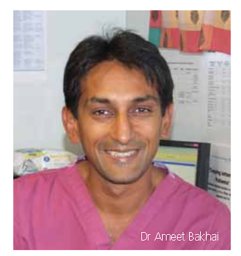 Ameet Bakhai合作论文数Royal Brompton Hospital1C.L. Grines合作论文数1Wolfgang Kiowski合作论文数1Saame Raza Shaikh合作论文数Medical Biophysics Program, Indiana University Medical School1W Amann合作论文数1




