Current research indicates the importance of a personalized approach to health care, including quality preclinical laboratory diagnostics, preventive and prophylactic nutrition and the construction of individualized nutritional protocols, and well-being of the microenvironment as a whole. This article analyzes existing methods and technologies in the fields of personalized nutritional, medicine, precision fudomics and bioinformatics and their contribution to healthcare, reviewing key aspects of these fields and suggesting directions for further research and implementation.
Abstract Background/Introduction Patients with peripheral artery disease (PAD) are at risk of developing progressive symptoms leading to revascularization as well as major adverse limb events such as critical limb ischemia and amputation. Recently, two trials of PCSK9 inhibitors, which lower both LDL-C and Lp(a) have demonstrated reductions in MALE and peripheral revascularization. Whether this benefit is present for other LDL-C lowering therapies has not been well described. Purpose To evaluate whether LDL-C lowering with ezetimibe reduces the risk of adverse limb events. Methods IMPROVE-IT randomized 18,144 patients with acute coronary syndrome (ACS), including 1,005 with PAD, to ezetimibe or placebo on top of statin and followed for a median of 6 years. Two vascular specialists blinded to treatment allocation independently reviewed all adverse events to categorize limb outcomes including critical limb ischemia (CLI), and related amputation as well as progressive symptoms leading to lower extremity revascularization (worsening PAD). Total limb outcomes over follow up were compared by treatment groups using negative binomial regression and relative risks (RR) are presented. Results A total of 397 patients had worsening symptoms (in 346 PAD patients) and 43 developed CLI (in 36 patients) during follow up. The risk of total PAD events (CLI or worsening symptoms) was lower with ezetimibe versus placebo (RR 0.77, 95% CI 0.62 – 0.96, p=0.018) with a consistent trend for both components (Figure Panel A). When evaluating the relationship of achieved LDL-C at 1-month post-randomization and the risk of first PAD event, there appeared to a linear relationship extending to an LDL-C less than 25 mg/dL (Figure Panel B). Conclusion Further lowering of LDL-C with ezetimibe on top of statin therapy in patients with ACS was associated with a lower risk of adverse limb events over long-term follow up including CLI and progressive disease leading to revascularization. These data support the importance of intensive lipid lowering therapies in improving limb outcomes in patients with atherosclerotic vascular disease. In addition, these data support LDL-C as a treatment target for optimizing outcomes in patients with peripheral artery disease.Figure Panel AFigure Panel B
Abstract Background Epistaxis is common with antithrombotic therapy yet under-investigated in cardiovascular clinical trials and observational studies. These bleeding events are often troublesome to patients and may lead to anticoagulant discontinuation. Purpose To describe the frequency, severity, and outcomes of epistaxis in patients with atrial fibrillation (AF) randomized to edoxaban vs warfarin. Methods ENGAGE AF-TIMI 48 randomized 21,105 patients with AF and CHADS2 ≥2 to a higher-dose edoxaban regimen (HDER; 60mg daily), a lower-dose edoxaban regimen (LDER; 30mg daily), or warfarin, with edoxaban doses reduced by 50% in patients meeting dose-reduction criteria. Location and severity of bleeding were adjudicated by a blinded Clinical Events Committee using ISTH criteria. Patients with intracranial hemorrhage were excluded from this analysis. Patients with more than one bleeding event were categorized according to the most severe event. The safety cohort with interval censoring during study drug interruption was analyzed. Proportions were compared using a Pearson's chi-squared test and treatment arms were compared using a Cox proportional hazards model. Results 5,247 patients with a bleeding event were included in this analysis, including 1,008 (19.2%) with epistaxis and 4,239 (80.8%) with exclusively non-epistaxis bleeding. Baseline characteristics were similar for patients with epistaxis as compared to non-epistaxis bleeding. Epistaxis events were overall less severe than non-epistaxis bleeds (ISTH major: 3.2% vs 20.7%; CRNM: 64.7% vs 60.1%; minor: 32.1% vs 19.2%; p<0.001; Fig. 1, Panel A). Two life-threatening and no fatal epistaxis bleeds occurred. Permanent study drug discontinuation was similar following epistaxis vs non-epistaxis bleeding in patients with major (59.4% vs 53.6%; p=0.52) or CRNM bleeding (32.5% vs 33.3%; p=0.70), but was significantly higher after minor epistaxis versus minor bleeding at other sites (33.3% vs 23.9%; p=0.001; Fig. 1, Panel B). Compared to warfarin, hazard ratios (HR) for epistaxis bleeding were: 1) major: HDER 0.47 (0.19–1.15), LDER 0.65 (0.29–1.45); 2) major/CRNM: HDER 1.00 (0.84–1.19), LDER 0.70 (0.58–0.85); 3) major/CRNM/minor: HDER 1.09 (0.95–1.26), LDER 0.73 (0.62–0.86) (Fig. 1, Panel C). Conclusion Epistaxis was frequent in patients with atrial fibrillation on anticoagulation. When compared to warfarin, LDER reduced the risk of epistaxis by 27–30% while HDER neither increased nor decreased these events. There were significantly higher rates of permanent drug discontinuation following minor epistaxis as compared to minor bleeding at other sites. These findings suggest that epistaxis is symptomatically important, may cause disproportionate interruption in antithrombotic therapy, and deserves increased attention in cardiovascular studies. Funding Acknowledgement Type of funding sources: Private company. Main funding source(s): Daiichi Sankyo Pharma Development Figure 1
OBJECTIVE Data regarding the effects of sodium–glucose cotransporter 2 inhibitors in the elderly (age ≥65 years) and very elderly (age ≥75 years) are limited. RESEARCH DESIGN AND METHODS The Dapagliflozin Effect on Cardiovascular Events (DECLARE)–TIMI 58 assessed cardiac and renal outcomes of dapagliflozin versus placebo in patients with type 2 diabetes. Efficacy and safety outcomes were studied within age subgroups for treatment effect and age-based treatment interaction. RESULTS Of the 17,160 patients, 9,253 were <65 years of age, 6,811 ≥65 to <75 years, and 1,096 ≥75 years. Dapagliflozin reduced the composite of cardiovascular death or hospitalization for heart failure consistently, with a hazard ratio (HR) of 0.88 (95% CI 0.72, 1.07), 0.77 (0.63, 0.94), and 0.94 (0.65, 1.36) in age-groups <65, ≥65 to <75, and ≥75 years, respectively (interaction P value 0.5277). Overall, dapagliflozin did not significantly decrease the rates of major adverse cardiovascular events, with HR 0.93 (95% CI 0.81, 1.08), 0.97 (0.83, 1.13), and 0.84 (0.61, 1.15) in age-groups <65, ≥65 to <75, and ≥75 years, respectively (interaction P value 0.7352). The relative risk reduction for the secondary prespecified cardiorenal composite outcome ranged from 18% to 28% in the different age-groups with no heterogeneity. Major hypoglycemia was less frequent with dapagliflozin versus placebo, with HR 0.97 (95% CI 0.58, 1.64), 0.50 (0.29, 0.84), and 0.68 (0.29, 1.57) in age-groups <65, ≥65 to <75, and ≥75 years, respectively (interaction P value 0.2107). Safety outcomes, including fractures, volume depletion, cancer, urinary tract infections, and amputations were balanced with dapagliflozin versus placebo, and acute kidney injury was reduced, all regardless of age. Genital infections that were serious or led to discontinuation of the study drug and diabetic ketoacidosis were uncommon, yet more frequent with dapagliflozin versus placebo, without heterogeneity (interaction P values 0.1058 and 0.8433, respectively). CONCLUSIONS The overall efficacy and safety of dapagliflozin are consistent regardless of age.
BACKGROUND:In the ENGAGE AF-TIMI 48 trial, the higher-dose edoxaban (HDE) regimen had a similar incidence of ischaemic stroke compared with warfarin, whereas a higher incidence was observed with the lower-dose regimen (LDE). Amiodarone increases edoxaban plasma levels via P-glycoprotein inhibition. The current pre-specified exploratory analysis was performed to determine the effect of amiodarone on the relative efficacy and safety profile of edoxaban. METHODS AND RESULTS:At randomization, 2492 patients (11.8%) were receiving amiodarone. The primary efficacy endpoint of stroke or systemic embolic event was significantly lower with LDE compared with warfarin in amiodarone treated patients vs. patients not on amiodarone (hazard ratio [HR] 0.60, 95% confidence intervals [CIs] 0.36-0.99 and HR 1.20, 95% CI 1.03-1.40, respectively; P interaction <0.01). In patients randomized to HDE, no such interaction for efficacy was observed (HR 0.73, 95% CI 0.46-1.17 vs. HR 0.89, 95% CI 0.75-1.05, P interaction = 0.446). Major bleeding was similar in patients on LDE (HR 0.35, 95% CI 0.21-0.59 vs. HR 0.53, 95% CI 0.46-0.61, P interaction = 0.131) and HDE (HR 0.94, 95% CI 0.65-1.38 vs. HR 0.79, 95% CI 0.69-0.90, P interaction = 0.392) when compared with warfarin, independent of amiodarone use. CONCLUSIONS:Patients randomized to the LDE treated with amiodarone at the time of randomization demonstrated a significant reduction in ischaemic events vs. warfarin when compared with those not on amiodarone, while preserving a favourable bleeding profile. In contrast, amiodarone had no effect on the relative efficacy and safety of HDE.
© 2014 The Authors. International Journal of Stroke © 2014 World Stroke Organization Vol 9 (Suppl. 3); October 2014; 16–40 29 WSC-0844 Free Communications 6: Preventive strategies, public awareness quality improvement Public awareness of risk of stroke: Know your numbers program provides ‘free’ risk assessments including blood pressure and diabetes E Lalor, M Kilkenny, D A Cadilhac, A Hicks, K Casburn, V Gopinath, R Johnson CEO, National Stroke Foundation, Melbourne, Australia Translational Public Health Unit Stroke & Ageing Research Centre, Monash University, Melbourne, Australia National Programs, National Stroke Foundation, Melbourne, Australia Introduction: Since 2007, the Australian Know your Numbers (KYN) program has been used to raise awareness about stroke risk factors. The program includes a diabetes risk assessment (since 2011), a BP measurement and educational information. Aims: To describe the proportion of participants in this largely pharmacy-based health check program who may be at increased risk of diabetes and stroke. Methods: One thousand seven hundred forty pharmacies and community sites in New South Wales, Queensland and Victoria offered BP measurement and AUSDRISK (self-administered questionnaire providing a score estimating 5-year risk of developing type 2 diabetes). AUSDRISK considers age, gender, ethnicity, family history of diabetes and BP status, smoking status, physical activity, diet and waist circumference. A score ≥12 indicates a high potential diabetes risk. Results: A total of 146,676 KYN registrants were obtained (59% female, 82% aged >45 years, 13% history of diabetes). About half (46%) without a history of diabetes had a high AUSDRISK score (12+). Further, 49% had a high BP (≥140/90 mmHg) reading or a high AUSDRISK score. Threequarters of registrants with high AUSDRISK scores and high BP were referred to a doctor by KYN pharmacies. Forty-nine percent of high risk individuals were unaware of their risk status for BP. Conclusions: In a large, community-based sample of Australians aged mostly over 45 years, the 5-year risk of developing diabetes and high BP was noted in about half of the registrants. Pharmacy and community settings provide an important opportunity for increasing awareness of stroke and diabetes risk, and improving behavior and risk management. WSC-1607 Free Communications 6: Preventive strategies, public awareness quality improvement Automated data-mining to create stroke database and concurrent ‘managed alerts’ to improve stroke care R Madhavan, F N U Abhishek, N Seraji-Bozorgzad, Z Serkin, O Basha, S Duenas, M Dietrich, G Schramek, C Parliament, P Bhattacharya Neurology, Wayne State University, Detroit, USA Neuroscience, St. Joseph Mercy Oakland, Detroit, USA Introduction: The Joint Commission in the United States has proposed reporting of 26 metrics as one of the requirements for comprehensive stroke centers. Collection and reporting of these data are a tedious manual process. For example, one team with concurrent reviewers, quality staff and ancillary staff takes up to 7 man-hours/case for analysis and reporting. In this presentation, we apply a new methodology that creates an automated concurrent database to compile and report the metrics, which enables interventional methods to revolutionize ‘delivery science’ in stroke care. Aims: 1. Demonstrate that automated data mining can create a database of patients with acute ischemic and hemorrhagic strokes and risk factors. 2. Audit the 26 comprehensive stroke center metrics for accuracy, to improve productivity for those doing abstraction. 3. Create a concurrent model with ‘managed alerts’ to improve the quality of stroke care using the database. Methods: EMR data, consisting of documents like history and physicals, consults, emergency department notes, radiology evaluations, coding data (e.g. principal/other diagnoses), Admission/Discharge/Transfer data, lab results, pharmacy orders, and computerized physician order entry of enrolled patients, were transmitted to a secure, HIPAA-compliant server. Then the Military Acuity Model, a patented methodology having tools for unstructured data mining and for managing ‘cognitive bandwidth’ to maximize the success of countermeasures and alerts, harnessed the data to identify different stroke metrics to later store in a database. We manually reviewed to confirm correctness of the metrics, and created a process with concurrent alerting for better interventions by the stroke team. Results: Descriptive values of the 26 metrics, process steps, accuracy levels, and timings for 600 patients will be presented. Conclusions: The study shows the automated method better than the manual method when electronic data can be harnessed, as it creates a more accurate, efficient, and effective process with continuous improvement. WSC-0823 Free Communications 6: Preventive strategies, public awareness quality improvement The Quality in Acute Stroke Care (QASC) implementation project: Successful and innovative state-wide evidence translation in 36 Australian stroke services S Middleton, A Lydtin, S Dale, D Comerford, K Hill, M Longworth, P McElduff, C D’Este, D Cadilhac, on behalf of the QASC Implementation Working Group and Steering Committee Nursing Research Institute, St Vincent’s & Mater Health Sydney and Australian Catholic University (ACU), Sydney, Australia Acute Care, NSW Agency for Clinical Innovation, Sydney, Australia Clinical Programs, National Stroke Foundation, Melbourne, Australia Statewide Stroke Services, NSW Agency for Clinical Innovation, Sydney, Australia School of Medicine and Public Health, University of Newcastle, Callaghan, Australia National Centre for Epidemiology and Population Health (NCEPH), The Australian National University, Canberra, Australia Southern Clinical School, Monash University, Melbourne, Australia Introduction: The Quality in Acute Stroke Care (QASC) Trial (Lancet 2011) demonstrated that supported implementation of clinical protocols to manage fever, hyperglycemia and swallowing following acute stroke decreased death and dependency by 16% (P = 0.002); reduced temperatures (P = 0.001); glucose (P = 0.02); and improved swallowing management (P ≤ 0.001). We conducted a large-scale, 12-month translational project promoting upscale and spread of this proven intervention in Australia’s most populous state, New South Wales (NSW). Aim: To implement the QASC Fever Sugar Swallow (FeSS) clinical protocols into NSW stroke services. Method: Collaborations with government agencies, academics, clinicians and the National Stroke Foundation were formed. We mirrored the QASC trial implementation process involving: multidisciplinary barriers and enablers workshops to reinforce teamwork and provide education; Abstracts © 2014 The Authors. International Journal of Stroke © 2014 World Stroke Organization Vol 9 (Suppl. 3); October 2014; 16–40 30 reminders and clinical champion support. Medical record audits measured protocol adherence using a pre/ post study design. Results: All 36 NSW (100%) stroke services participated with 2345 patients (pre-implementation: n = 1259; post implementation: n = 1086). Significantly increased proportions of patients received care according to the fever (pre: 62%; post: 78%; P < 0.0001), hyperglycemia (pre: 16%; post: 27%; P < 0.0034), and swallowing (pre: 39%; post: 52%; P < 0.0002) protocols post intervention. Hyperglycemic (glucose >10 mmol/L) patients who had their glucose monitored were significantly more likely to received insulin (41% vs 14%; P < 0.001). Febrile (>37.5°C) patients who had their temperature monitored were significantly more likely to receive paracetamol (50% vs 17%; P = 0.0038). Conclusion: Upscale and spread of proven interventions is complex. Our translational project demonstrates this can be achieved on a large-scale and within a short-time following publication of evidence. Abstracts © 2014 The Authors. International Journal of Stroke © 2014 World Stroke Organization Vol 9 (Suppl. 3); October 2014; 16–40 31 Free Communications 7: Acute stroke imaging and management strategies WSC-0224 Free Communications 7: Acute stroke imaging and management strategies Toast classification and vascular territory of ischemic stroke lesions diagnosed by diffusion-weighted MRI J Chung, S Park, N Kim, W Kim, J Park, Y Ko, M Yang, M Jang, M Han, C Jung, J Kim, C Oh, H Bae Department of Neurology, Seoul National University Bundang Hospital, Seongnam-si, Korea Department of Neurology, Pohang St. Mary’s Hospital, Pohang, Korea Department of Neurology, Youngdong Hospital, Chungcheongbuk-do, Korea Department of Neurology, Ulsan University Hospital, Ulsan, Korea Department of Neurology, Dongguk University, Kyungjoo, Korea Department of Neurology, Eulji University Hospital, Daejeon, Korea Department of Radiology, Seoul National University Bundang Hospital, Seongnam-si, Korea Department of Neurosurgery, Seoul National University Bundang Hospital, Seongnam-si, Korea Introduction: Information on vascular territories of ischemic lesions supplied by initial brain images may help fasten the diagnosis of stroke mechanism. Aims: The association between the location and mechanism of a stroke remains unclear. A diffusion-weighted imaging (DWI) study may help resolve this unclarity. Methods: We studied a consecutive series of 2,702 acute ischemic stroke patients whose stroke lesions were confirmed by DWI and underwent thorough etiological investigations. The vascular territory in which an ischemic lesion was situated was identified using standard anatomic maps of the dominant arterial territories. Stroke subtype was classified as in ‘trial of ORG 10172 in acute stroke treatment’. Results: Large artery atherosclerosis(37.3%) was the most common stroke subtype, and middle cerebral artery(49.6%) was the most frequently involved territory. Large artery atherosclerosis was the most common subtype for anterior cerebral, middle cerebral, vertebral, and anterio
While the bleeding risk of oral anticoagulation (OA) and aspirin (ASA) has been well characterized, the bleeding risk of triple therapy (OA + ASA + thienopyridine) following STEMI treated with fibrinolytic administration has not been well characterized.
 Eugene Braunwald合作论文数Department of Medicine, Brigham and Women's Hospital, Harvard Medical School16
 Elliott Marshall Antman合作论文数Brigham and Women's Hospital;Harvard Medical School;Boston Biomedical Innovation Center11
 Robert P Giugliano合作论文数Cardiovascular Division, Brigham and Women’s Hospital;Harvard Medical School10
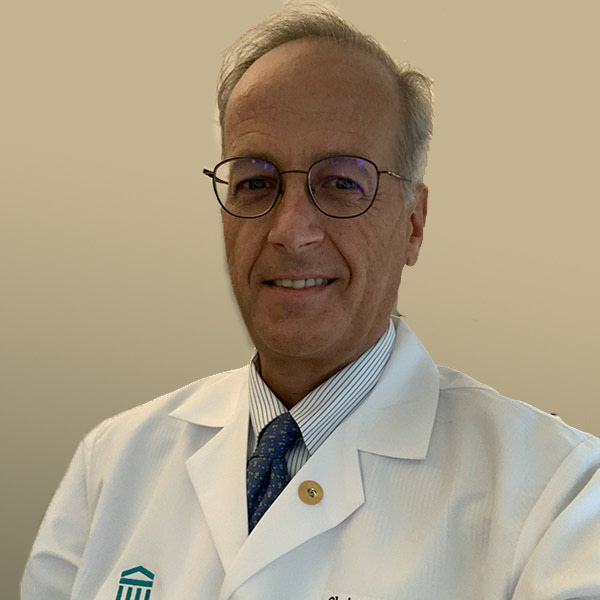 Christopher P Cannon合作论文数Harvard Medical School;Cardiovascular Division, Brigham and Women’s Hospital7
 Stephen D. Wiviott合作论文数Levine Cardiovascular Intensive Care Unit, Brigham and Women's Hospital;Harvard Medical School7
 Christian Thomas Ruff合作论文数Cardiovascular Division, Brigham and Women's Hospital;Harvard Medical School6
 Marc Steven Sabatine合作论文数Harvard Medical School;Thrombolysis in Myocardial Infarction Study Group, Brigham and Women’s Hospital4
 C. Michael Gibson合作论文数Beth Israel Deaconess Medical Center, Harvard Medical School;Baim Institute for Clinical Research;CMichael Gibson Social Media;Clinical Trial Results4
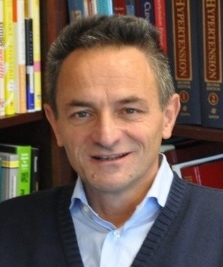 Michele Mercuri合作论文数Alexion Pharmaceuticals, Inc.;Hermesian Quests, Ventures & Companies, LLC4
 Ch Mccabe合作论文数3T A Musliner合作论文数2J. A. White合作论文数2I. A. M. Gause-Nilsson合作论文数2A. Langkilde合作论文数2J. Zhou合作论文数2
 Lawrence Alan Leiter合作论文数Department of Nutritional Sciences, Temerty Faculty of Medicine, University of Toronto2
 Michael August Blazing合作论文数Department of Medicine, Duke University School of Medicine2
 John Wilding合作论文数Department of Cardiovascular and Metabolic Medicine, Institute of Life Course & Medical Sciences, Faculty of Health and Life Sciences, University of Liverpool2
 Ofri Mosenzon合作论文数Diabet Unit, Hadassah Hebrew Univ Hosp2Cahn Avivit合作论文数Hadassah Hebrew Univ Hosp2Carolyn H. Mccabe合作论文数2
 Marc Bonaca合作论文数Department of Medicine-Cardiology, School of Medicine, University of Colorado2
 Jan Steffel合作论文数Klinik für Kardiologie Herz-Kreislauf-Zentrum, Universitätsspital Zürich2I Dotani合作论文数1J T Dodge合作论文数1L I Deckelbaum合作论文数1M. S. Sabatine合作论文数1G. De Ferrari合作论文数1V S Demidova合作论文数1R. G. O'Malley合作论文数1Sj Marble合作论文数1Da Morrow合作论文数1J-G Park合作论文数1E. A. Bohula May合作论文数1Mukesh Goel合作论文数1S V Suchkov合作论文数1V. M. Zemskov合作论文数1Robert Semco合作论文数Center for Surgery and Public Health, Brigham and Women's Hospital, Boston, Massachusetts, USA.1P. A. Johansson合作论文数1Youngsook Choi合作论文数1I. Raz合作论文数1AJ Dalby合作论文数1I. Yanuv合作论文数1G. Weiss合作论文数1M. Shi合作论文数1B. M. Scirica合作论文数1
 Steven Lewis合作论文数Institute for Learning Sciences and Teacher Education, Australian Catholic University1
 Mark A Creager合作论文数Department of Medicine, Geisel School of Medicine, Dartmouth College;Department of Surgery, Geisel School of Medicine, Dartmouth College;Dartmouth Hitchcock Medical Center1
 Jacob Allan Udell合作论文数Institute of Health Policy, Management and Evaluation, University of Toronto1




