The harvesting period of 12 months after planting (MAP) is the major constraint in cassava (Manihot esculenta) cultivation, prompting the need for early-harvest (5-9 MAP) cultivars.Hence, yield potential evaluation of cassava genotypes during the early-harvest period is necessary.This study assesses the yield potential of 18 advanced cassava mutants (M1V8 generation) and five cassava commercial varieties harvested at 7 MAP.The results showed nine mutants yielded above 30.0t ha -1 (ADR-24, GJ-7, GJ-10, GJ-14, GJ-16, ML-18, ML-19, ML-20, and RTM-26), and two mutants (ML-21 and RTM-25) surpassed 40.0 t ha -1 , notably higher than previous early-harvest studies.Despite high yields, the proportion of commercial-size roots is moderately low (4-6 roots/plant).However, selected mutants produced 10-16 total roots/plant, suggesting cultivation adjustments could improve commercial root yield.A positive correlation between production traits indicates that higher commercial-size roots correspond to increased yield potential.Of the 11 promising mutants, five (GJ-10, GJ-14, GJ-16, ML-21, and RTM-26) with low bitterness attained favor for taste.The five mutants are endorsable as early-harvesting, high-yielding, and low HCN-content cassava cultivars.
ISHS IX International Scientific and Practical Conference on Biotechnology as an Instrument for Plant Biodiversity Conservation (physiological, biochemical, embryological, genetic and legal aspects) Axillary shoot growth of Phalaenopsis species in different types and concentrations of cytokinin in vitro
Cassava roots can only be utilized quickly because the roots suffer physiological damage in only 1–3 days after harvest because of postharvest physiological deterioration (PPD). Once the cassava roots are physiologically damaged, they cannot either be consumed or marketed. Indonesia is the second-largest cassava producer in Southeast Asia that is most used for food and feeds. Unless there is a solution, the PPD problem may become the main obstacle in cassava production. Therefore, finding solutions to the PPD problem in cassava is necessary, may be approached either by treatment to inhibit PPD occurrences, identification of tolerance accessions among cassava germplasm, and development of PPD tolerance cassava through breeding programs. In our research, the identification method was done by applying various staining methods to detect color changes associated with PPD symptoms during the cassava storage period and then compared to the conventional observation of PPD symptoms. Subsequently, the effective staining approaches are used to evaluate various genotypes’ responses in the cassava germplasm collections. Finally, the breeding approaches to develop PPD tolerance cassava varieties are outlined. Hopefully, with these research results, the solution for PPD problems associated with cassava production in Indonesia will be available.
Soft-rot disease because of Dickeya dadantii infection has hampered orchid production in the tropics. Induced resistance using nano-silica may be used to control the soft-rot disease. Nano-Si increases resistance by forming a silica layer on the plant epidermis. Nano-Si has a larger surface area. This study aims to determine the appropriate concentrations of silica to induce resistance to D. dadantii in Phal. pulcherrima . The experiment was set up in a single factor trial and various nano-Si concentrations (0, 7.5, 15, 22.5 and 30 ppm) with an application interval of 3 days for 120 days. The application volume was 4 mL per plant. Each treatment was repeated three times. Statistical analysis was done using ANOVA and mean comparison using LSD. After inoculation with D. dadantii, leaf of Phal. pulcherrima was observed for 48 HPI. The results showed that plant treatment with nano-Si at 30 ppm caused the slowest expansion of the soft-root symptom diameter compared to other concentrations. Si is a promising compound to increase Phal. pulcherrima growth and resistance against D. dadantii infection.
Phalaenopsis amabilis is one of the popular orchid species having white flowers. However, P. amabilis is susceptible to soft-rot disease caused by Dickeya dadantii infection (a necrotrophic pathogen). This research aimed to induce P. amabilis resistance to D. dadantii using salicylic acid (SA). The SA treatment at 0 or 30 ppm was applied in the tissue culture medium of P. amabilis plantlets, and at 0, 15, 30, 45, 60, 75, or 90 ppm was used to four months old seedlings in the greenhouse. Leaves of either in vitro plantlets or seedlings were inoculated with D. dadanti by using the detached leaves inoculation method. Bacterial inoculation was carried out at 1, 2, or 3 days after SA treatment on in vitro plantlets and one day after on seedlings in the greenhouse. The results showed that SA treatment did not induce the resistance of in vitro plantlets., on the other hand, SA 45 ppm treatment slightly increased P. amabilis resistance to D. dadantii infection . Further studies are needed to confirm this finding and explore the SA role in P. amabilis resistance mechanism to necrotrophic pathogens.
The Ganoderma boninense is the pathogen causing basal stem rot (BSR) disease in oil palm, degrades oil palm root cell walls and modify plant metabolisms. Research groups have studied molecular mechanisms responses to G. boninense infections. A few have indicated the importance of studying specific gene expressions in relation to resistance mechanisms. This study aims to identify differentially expressed genes in oil palm roots showing susceptible or resistance responses and visualize their accumulated transcript in the heatmap form. The susceptible and resistant seedlings showing symptoms of BSR infection and healthy ones were sampled. Sixteen genes associated with G. boninense infection were identified and their expression were analyzed. Total RNAs were extracted from root samples and cDNA synthesized. Quantitative real time PCR were performed using cDNA, and differential gene expressions were evaluated. Two genes showed the highest transcript accumulation in susceptible and resistant seedlings treated with or without G. boninense . Ten out of the 16 genes belonged to Group I and the other six to Group. Seven out of the 16 genes were differentially expressed in the samples either with or without G. boninense inoculation. The seven genes may be associated with early infection responses to G. boninense.
The first International Conference for Sustainable Plantation (First ICSP) was conducted at IPB International Convention Center (IICC), Bogor, Indonesia. It was conducted to facilitate exchanges among estate crops researchers about the advance progress in estate crop research. The first ICSP was an immense success and attracting as many as 192 attendants. The participants were from Australia, Croatia, India, Indonesia, Japan, Malaysia, and the Netherland. One hundreed one presentations were presented in the first ICSP, by scientists from Indonesia, Japan, Australia, India and the Netherland. The major estate crops and plantations presented in the first ICSP include: cocoa, coconut, coffee, nutmeg, oil palm, rubber, pepper, sago palm, sugar cane, sugar palm, tea, and other miscellaneous plantation crops and research areas related to the crops.
Protocorm multiplication through the regeneration of protocorm-like bodies (PLBs) is used to obtain clonal progenies of hybrid orchids. The aim of the present study was to identify effective media for commercial orchid propagation through PLB proliferation. We evaluated the effects of basal media and either coconut water or chitosan supplementation on the growth of PLBs and the proliferation of Phalaenopsis hybrid PLBs, using two experiments, with random complete block designs (RBCD). The first experiment evaluated the progeny of white (V3) x pink standard hybrid (KHM0421, population 1) and their reciprocal hybridization (population 2) and different medium compositions. The hybrid seeds germinated and developed into protocorms on a half-strength Murashige and Skoog (1/2 MS) medium supplemented with 15% coconut water (CW). The protocorms were then transferred to four different media: 1) 1/2 MS; 2) 1/2 MS + 15% CW; 3) 2 g L-1 complete fertilizer (CF); and 4) CF + 15% CW. Experiment two evaluated the effects of chitosan on the growth and proliferation of protocorms from population 1, using four different media: 1) 1/2 MS; 2) 2 g L-1 CF; 3) 1/2 MS + 5 ppm chitosan; and 4) CF + 5 ppm chitosan, supplemented with 15% CW. The first experiment showed that the protocorm from population 1 generated more PLBs (5.4 PLBs in 16 weeks) than that of population 2 (2.2 PLBs in 16 weeks). The best media for protocorm proliferation and plantlet regeneration was CF and CF + 15% CW. The results of the second experiment revealed CF + 15% CW was the best medium for protocorm multiplication and plantlet regenerations. Chitosan tended to have a negative effect on protocorm growth and did not increase protocorm multiplication or plantlet regeneration. The use of CF medium could benefit orchid propagation, as it was cheaper than the MS medium.
Kopyor coconut is one of the many unique coconut types existed in Indonesia. To overcome the problem of low kopyor fruit yield, it is necessary to study xenia effect on the fruit yield of this coconut. The combination of kopyor coconut and normal coconut population selected at infarmers’ coconut plantations consisted of 33 normal coconut trees, and 9 kopyor coconut trees. All adult trees surrounding the 9 kopyor heterozygous (Kk) palms were evaluated as potential male candidate parents (pollen donors). All samples genotypes were determined using four SNAP markers and six microsatellite marker loci, parentage analysis using CERVUS software version 2.0. Results of the analysis indicate that xenia effect reduced kopyor fruit yields. Kopyor heterozygous (Kk) female parents produced low number of kopyor fruits when they were surrounded by many normal homozygous (KK) pollen donors. Out of 99 harvested progeny arrays from the kopyor heterozygous (Kk) female parents, none exhibited kopyor phenotype. The results also indicate that the pollen dispersal from normal homozygous (KK) donor palms range from 0 m (self pollination) to 54 m (outcrossing). The occurence of outcrossing frequency was at least 95% and the selfing frequency is 5%.
One of the constrains limitting the succes of Phalaenopsis breeding is incompatibility between the parents. The objective of this study was to evaluate pollination compatibilities among Indonesian Phalaenopsis species and the standard hybrid group. The species used were Phal. Violaceae âSumateraâ, Phal. cornu-cervi âKalimantanâ, Phal. amboinensis, Phal. Tetraspis and Phal. modesta and Phal. Amabilis. The Phalaenopsis standard hybrids used were eight commercially available hybrid accessions in the Indonesian flower market. The pollination schemes evaluated include: self- and cross-pollination among standard hybrids (intra-hybrids) and reciprocal crosses among standard hybrids and the Indonesian species of Phalaenopsis (inter-hybrids). Prior to pollination, the following parental characters were noted: inflorescence length, flower number at anthesis, flower sizes, leaf stomatal size and stomatal density, respectively. After pollination, the following characters were recorded: pod set number, pod size, and seed set, respectively. Samples of mature pods of intra-hybrid crosses were harvested, the seeds were germinated aseptically, and the protocorm growth from the seeds were evaluated. Results of the evaluation indicated Indonesian Phalaenopsis species in general showed smaller inflorescence length, flower number at anthesis, and flower sizes than the standard hybrid accessions. The species also exhibited smaller stomatal cell size and higher stomatal cell densities than the hybrid ones. Standard Phalaenopsis hybrids commercially available in Indonesia might have different ploidy level than the Indonesian Phalaenopsis species. Such hypothesis was supported by the the contrasting morphological characters, stomatal cell sizes and stomatal density. Furthermore, it was supported by the failure to obtain either pod set or seed set in the majority of reciprocal cross pollination among Phalaenopsis standard hybrids and the species. Growth and multiplication of protocom derived from two intra-hybrid populations into protocorm like bodies (PLBs) was not affected by the medium composition but by the genetic background of the parents. Protocorm originated from cross pollination of White A Pink standard hybrid accessions gave higher multiplication rate than that of Pink A White standard hybrids.
Understanding how and when crops cope with and respond to stress during reproductive development may be able to forecast total crop production under abrupt climate change. We studied the effect of complete defoliation under time-specific climate-related conditions on inflorescence sex differentiation in oil palm. A total of 162 pisifera oil palm trees were completely defoliated at the rate of three trees per month between July 2007 and December 2011. Complete defoliation significantly increased male inflorescence induction by 104% when compared with control without defoliation. Acute soil water deficit (SWD) of 16.8 mm between the 30th and 60th day after complete defoliation (DAD) had an additional positive effect on male inflorescence production. A regression analysis on 18 time-specific, climate-related research and two inflorescence-related variables resulted in high regression coefficients for the time period 30th to 60th DAD. This is an indication that oil palm responds to complete defoliation stress after a 30-day delaying period. Total soluble sugars measured at 45 DAD showed a depletion of 55% in the leaves and 21% in inflorescence of defoliated trees compared to control trees without defoliation. Preferential sex differentiation in oil palm towards maleness is an acclimation response to the depletion of total soluble sugar inflected by mechanical and soil water deficit stresses. These results shall permit the simulation of male inflorescence induction and yield forecasting in other geographical locations.
Negative impact of drought stress has been recognized to pose a growing threat to sustainable agriculture particularly under the global climate change. The main goal of this research was to develop an effective protocol for regenerating drought tolerant peanut plants. Specific objectives were to select drought tolerant embryogenic calli (EC), on a medium containing polyethylene glycol (PEG), and evaluate the regenerated lines against drought stress environment. Somaclones were selected through continuous culture of EC for 6 months on MS-P16 medium. The EC were sub-cultured onto the fresh MS-P16 medium every month. In vitro drought tolerant somatic embryos (SE) were selected on MS-P16 medium containing 15% PEG 6000. PEG tolerant SEs were regenerated (R0 plantlets) and grown to maturity in the greenhouse to produce R1 seeds. Subsequently, these seeds were planted to maturity to produce R2 seeds. The R2 plants were subjected to drought stress by reduced watering under greenhouse conditions and their growth parameters and yield were recorded. Results showed plants regenerated from 6-month-old EC cultures exhibited variations in plant height, fresh and dry weight of above ground biomass and of the roots, total pod and filled (matured) pod yield at harvest. The majority (56-100%) of the EC did not survive the in-vitro selection on MS-P16 containing 15% PEG. However, some newly regenerated SEs developed from mostly browning tissues on the same medium. Peanut plants were regenerated from these SEs and the R1 and R2 plants derived from these somatic embryos were obtained. Among evaluated R2 plants regenerated from PEG stress tolerant SEs, 44% plants exhibited drought tolerance under greenhouse conditions.
Kopyor coconut is a natural mutant that has abnormal endosperm development. For the first time several genes that were suspected to be related to kopyor trait were identified based on the chemical compounds of the endosperm that different from that of normal coconut. Sucrose synthase (SUS), Stearoyl acyl carrier protein desaturase (SACPD), and Absicid acid insensitive (ABI) genes were isolated and analyzed. Four DNA fragments with length of 746, 738, 780, and 687 bp (CnSus1A, CnSus1B, CnSus2A, and CnSus2B) were obtained from SUS gene. Sequence analysis at DNA and amino acid level showed that CnSus1A, CnSus1B, CnSus2A, and CnSus2B were classified into monocot SUS group with nongrass SUS type. Isolation of SACPD gene resulted in one DNA fragment with DNA length of 716 bp. CnSacpd shared a high homology with SACPD gene of oil palm and soybean. Isolation of ABI gene resulted in two DNA fragments, CnAbi3A and CnAbi3B, with DNA length of 760 and 728 bp, respectively. CnAbi3A and CnAbi3B showed a high homology with ABI3 gene of several plants. All DNA fragment obtained from SUS, SACPD, ABI genes were used as templates to design spesific markers for each corresponding gene. There were 7 specific primer sets designed, i.e., CnSUS1A, CnSUS1B, CnSUS2A, CnSUS2B, CnSACPD, CnABI3A, and CnABI3B.<
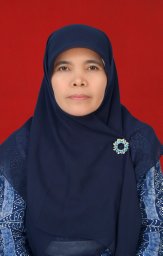 Dewi Sukma合作论文数Bogor Agricultural University, IPB University11
 Hugo Alfried Volkaert合作论文数4
 Sintho Wahyuning Ardie合作论文数Department of Agronomy and Horticulture, Institut Pertanian Bogor4
 Ming-Tsair Chan合作论文数Academia Sinica, Biotechnology Center in Southern Taiwan3
 Rika Sri Rahmawati合作论文数Fakultas Pertanian, IPB2
 I Putu WAHYU Sanjaya合作论文数2
 Ahmad Junaedi合作论文数Bogor Agricultural University2
 Walter Ajambang合作论文数Inst Agr Res Dev, Yaounde, Cameroon2
 Sandra Arifin Aziz合作论文数2Madi Galdima合作论文数2A. Romeida合作论文数1B. Marwoto合作论文数1M. Thamrin合作论文数1S H Larekeng合作论文数1
 Muhamad Syukur合作论文数1Fatimah Fatimah合作论文数1
 Rokhana Faizah合作论文数Indonesian Oil Palm Research Institute1
 M. Wegadara合作论文数Indonesian Ornamental Crops Research Institute1
 Enni Suwarsi Rahayu合作论文数State University of Semarang1Halida Adistya Putri合作论文数1
 Nurul Khumaida合作论文数Institut Pertanian Bogor1L. Perera合作论文数1samantha davies合作论文数1
 Suskandari Kartikaningrum合作论文数Indonesia Agcy Agr Res & Dev IAARD1
 Riza Arief Putranto合作论文数CIRAD, UMR DAP, F-34398 Montpellier, France.1
 Ramaswamy Manimekalai合作论文数1
 Dominique Van Der Straeten合作论文数Laboratory of Functional Plant Biology, Faculty of Sciences, Ghent University;Department of Biology, Faculty of Sciences, Ghent University1
 Stephen Cavers合作论文数Centre for Ecology and Hydrology-Edinburgh, Bush Estate, Penicuik, Midlothian EH26 0QB, UK,1
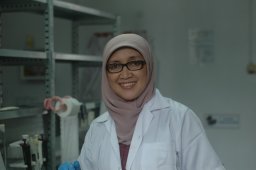 Asmini Budiani合作论文数1
 Syarifah Iis Aisyah合作论文数Departemen Agrohort1
 Dewa Ngurah Suprapta合作论文数The United Graduate School of Agricultural Sciences 21-24, Kagoshima University1
 Apichart Vanavichit合作论文数1
 Andrew Lowe合作论文数Environment Institute, University of Adelaide;Division of Research and Innovation, University of Adelaide1
 Agus Purwito合作论文数Faculty of Agriculture, Bogor Agriculture University1




