Exposure to ambient air pollution, including ozone and fine particulate matter (PM2.5), is the world's leading environmental health risk factor. Estimating how this burden may change in the future depends on projecting population growth and age structure as well as understanding how future meteorological changes may impact the production and removal of pollutants from the atmosphere. The net impact of these factors on a global scale has not been well-characterized. Here, we leverage recent meteorology, exposure, and mortality output from general circulation, atmospheric chemistry, and health impact models to isolate how changes in meteorology and populations will impact future global air-pollution-related mortality and the associated monetized impacts by the degree of global temperature change. In contrast to previous studies, we estimate that changes in meteorologically driven air pollution, in the absence of pollutant precursor emission changes, will result in 180 000 fewer deaths annually by 2100 relative to current levels, an annual monetized benefit of $7.3 trillion. Reductions are driven by decreases in PM2.5-attributable mortality in populated regions but are substantially offset by global increases in ozone-related mortality. We also highlight striking regional differences in the sign of net pollutant impacts by 2100, with net pollution decreases in the Northern Hemisphere driven by reductions in nitrate aerosol, while increases in both ozone and organic aerosol at higher temperatures lead to net increases in pollutant impacts in the Southern Hemisphere. Lastly, we assess sensitivities of these results to meteorological projections, health impact functions, and 10 000 future warming scenarios.
Abstract Simulating atmospheric chemistry in Earth system models is critical for climate projections but remains computationally intensive. Comprehensive mechanisms, such as the MOZART‐T1 scheme in the Community Earth System Model (CESM), often limit the feasibility of long‐term or large‐ensemble simulations. We introduce and evaluate T4, a new simplified tropospheric chemistry mechanism (63 species, 135 reactions) designed as a high‐performance alternative to the standard T1 mechanism (151 species, 287 reactions). Using nudged (MERRA‐2) CESM simulations for the period 2003–2008, we performed a cross‐evaluation of both schemes against observational data sets, focusing on key climate‐relevant species: ozone (O 3 ), the hydroxyl radical (OH), and aerosols. The global mean tropospheric ozone column shows good agreement between the simulations, differing by less than 2%, while comparisons with ozonesonde data confirm that T4 robustly captures O 3 seasonal cycles and spatial distributions. Global tropospheric O 3 budgets and large‐scale distributions of aerosols and OH remain highly consistent between the two schemes. Furthermore, independent process‐level evaluations via box modeling confirm that T4 preserves the nonlinear sensitivities of the parent mechanism across diverse chemical regimes. While shared model biases exist, such as an underestimation of aerosol optical depth and a high‐OH bias, these are present in both simulations and are not artifacts of the T4 simplification. Ultimately, the T4 scheme achieves a ∼30% reduction in total computational cost while maintaining the scientific integrity of the complex T1 mechanism, providing a robust and efficient tool for multi‐century climate simulations and ensemble studies with CESM.
Significant differences exist between Earth System Models in simulating the efficiency of stratospheric aerosol injection (SAI) experiments, particularly in terms of aerosol burden, radiative forcing, and impacts, such as tropical lower stratospheric heating and changes in ozone. However, the primary reasons for these differences have not been identified. Previous studies have proposed that these differences can be attributed to the use of different aerosol microphysical schemes, model resolution, or other physical parameterizations. Here, we compare two sets of SAI experiments using the same modeling framework of the Community Earth System Model, differing only in their aerosol microphysical schemes: the modal aerosol model (MAM4) and the sectional aerosol model (CARMA). We analyze scenarios varying in injection location (point vs. regional), amount (5 vs. 25 Tg S yr-1), and material (sulfur dioxide (SO2) gas vs. accumulation-mode sulfuric acid (AM-H2SO4) aerosol). Our results suggest that the SAI radiative efficiency may be substantially overestimated when using the modal aerosol model, particularly at higher injection rates, with implications for other impacts, including stratospheric ozone. While both sets of models confirm that AM-H2SO4 injections are more effective than SO2 injections in reducing net top-of-the-atmosphere radiative forcing, MAM4 yields significantly larger aerosol burdens and weaker size-dependent sedimentation, particularly at 25 Tg S yr-1. In contrast, CARMA produces a smaller aerosol burden, with more mass shifted into larger particles and a declining radiative efficiency at increased injection rates. These findings suggest that more sophisticated sectional models may be necessary to accurately assess the efficacy, side effects, and climate impacts of SAI.
Abstract. The Geoengineering Model Intercomparison Project (GeoMIP) is a coordinated international model intercomparison effort with the aim of providing robust experimental protocols for simulations of various Solar Radiation Modification (SRM) methods. Through many iterations and discussions within the GeoMIP community, it has become clear that balancing simplicity with scientific realism and policy relevance and associated complexities is fundamental when designing modeling experiments. Such experiments must both diagnose areas of model agreement and disagreement through the lens of climate science and provide results useful for understanding the potential downstream impacts of SRM across different sectors. Here we present a suite of new climate model experiments designed for the Coupled Model Intercomparison Project Phase 7 (CMIP7), building on lessons learned from previous GeoMIP experiments, recent SRM research, and new simulations developed for CMIP7. We provide detailed experimental designs and their underlying rationale, including preliminary results from sensitivity analyses performed with CMIP6 models. Compared to previous GeoMIP iterations, we organize experiments into three categories: i) Preparatory Experiments, designed to diagnose model responses and inform more complex experimental designs; ii) Tier 1 experiments, the core simulations that all participating models are encouraged to run; and iii) Tier 2 experiments, which provide a flexible framework for exploring structural and scenario uncertainties under SRM, including the potential interaction with temporary overshoot scenarios and tipping elements dynamics. This framework encourages modeling groups to propose their own experiments building upon the Tier 1 backbone, enabling more targeted exploration while ensuring cross-model compatibility.
Exposure to ambient air pollution, including ozone and fine particulate matter (PM2.5), is the world's leading environmental health risk factor. Estimating how this burden may change in the future depends on projecting population growth and age structure as well as understanding how future meteorological changes may impact the production and removal of pollutants from the atmosphere. The net impact of these factors on a global scale has not been well-characterized. Here, we leverage recent meteorology, exposure, and mortality output from general circulation, atmospheric chemistry, and health impact models to isolate how changes in meteorology and populations will impact future global air-pollution-related mortality and the associated monetized impacts by the degree of global temperature change. In contrast to previous studies, we estimate that changes in meteorologically driven air pollution, in the absence of pollutant precursor emission changes, will result in 180 000 fewer deaths annually by 2100 relative to current levels, an annual monetized benefit of $7.3 trillion. Reductions are driven by decreases in PM2.5-attributable mortality in populated regions but are substantially offset by global increases in ozone-related mortality. We also highlight striking regional differences in the sign of net pollutant impacts by 2100, with net pollution decreases in the Northern Hemisphere driven by reductions in nitrate aerosol, while increases in both ozone and organic aerosol at higher temperatures lead to net increases in pollutant impacts in the Southern Hemisphere. Lastly, we assess sensitivities of these results to meteorological projections, health impact functions, and 10 000 future warming scenarios.
Solar radiation modification (SRM) aims to artificially cool the Earth, counteracting warming from anthropogenic greenhouse gases by increasing the reflection of incoming sunlight. One SRM strategy is stratospheric aerosol injection (SAI), which mimics explosive volcanoes by injecting aerosols into the stratosphere. There are concerns that SAI could suppress vegetation productivity by reducing the amount of sunlight reaching the Earth's surface and by shifting rainfall patterns. Here we examine results from five Earth System Models that use SAI to reduce the global mean temperature from that of a high emissions world (SSP585), to that of a more moderate global warming scenario (SSP245). Compared to SSP245, the SAI simulations project higher global net primary productivity (NPP) values (+15.6 %) and higher land carbon storage (+5.9 %), primarily because of increased CO2 fertilisation. The effects of SAI are especially clear in Amazonia where land carbon storage increases compared to both SSP245 (+8.6 %) and SSP585 (+10.8 %), even though the latter scenario has the same atmospheric CO2 scenario as the SAI scenario. Our results therefore suggest that SAI could provide some protection against the risk of climate change induced carbon losses from the Amazon rainforest, though this is not universally observed in all tropical forests. Additionally, we observe decreases in NPP and land carbon storage in some regions, such as eastern Africa, the northern high latitudes, and Indonesia.
Abstract Snowpack accumulation and melt critically regulate freshwater availability across many regions. Under global warming, the dominant control on snowpack variability shifts from cold‐season precipitation (Pc) to cold‐season temperature (Tc), altering snow–rain partitioning, snowmelt timing, and runoff generation. Here, we use the Community Earth System Model in two versions (CESM1 and CESM2) to evaluate whether stratospheric aerosol intervention (SAI) scenarios—GLENS and Geo SSP5‐8.5 1.5 (hereafter Geo‐SAI)—can offset this transition under their corresponding high‐emission pathways (RCP8.5 and SSP5‐8.5). These SAI deployments maintain global mean surface temperature at 2020 levels (GLENS) or 1.5°C above preindustrial levels (Geo‐SAI). A moving‐window partial‐correlation framework shows that both SAIs effectively mitigate the shift from Pc‐ to Tc‐dominance for maximum snow depth (SDmax) and warm‐season runoff (Qw) across the Northern Hemisphere induced by greenhouse gas forcing. Under high‐emission warming, the emergence of Tc‐dominance in regions with minimum Tc ≥ −16°C occurs progressively later in colder climates, with rates of −4.26 ± 1.29 (RCP8.5) and −4.08 ± 0.35 yr °C−1 (SSP5‐8.5) for SDmax, and −2.65 ± 0.91 and −4.06 ± 1.03 yr °C−1 for Qw, respectively. In contrast, SAI largely stabilizes these transitions near zero, particularly within transitional thermal regions (−4°C < Tc < 0°C) across 45–70°N in North America and central‐to‐north Eurasia, where modest cooling preserves snowfall. Runoff responses are weaker and more spatially heterogeneous than snowpack responses. These findings demonstrate that moderate cooling can preserve snowpack predictability and runoff seasonality while highlighting the importance of regional hydroclimatic thresholds for water‐resource resilience under future climate interventions.
Some major volcanic eruptions, such as the one of Mt. Pinatubo in 1991, can inject large amounts of sulfur dioxide (SO2) into the stratosphere, leading to a volcanic aerosol cloud. This dense aerosol cloud induces a radiative heating of the stratosphere, causing ozone and water vapour changes, thereby altering middle atmospheric dynamics and chemistry. The scale of these impacts for varying injection amounts and heights on stratospheric temperature anomalies is still highly uncertain. Here we analyse specially designed chemistry-climate model experiments following the Historical Eruptions SO2 Emission Assessment Protocol (HErSEA) under the Interactive Stratospheric Aerosol Model Intercomparison Project (ISA-MIP). The results confirm our general understanding of the stratospheric aerosol forcing due to extra SO2 injection, while simultaneously highlighting structural differences between models. Overall, for the Pinatubo-like experiments the multi-model mean temperature anomalies agree well with meteorological reanalysis data sets, and we find that in most cases, differences between models are larger than differences for individual models across experiments with varying injection amounts and altitudes. Differences in transport, radiative transfer, and microphysics as well as the characterisation of aerosol size distributions, play a crucial role in the emergence of the spread in the modelled temperature response. Our results show further that the sensitivity of the stratospheric temperature response to model selection is also apparent in other MIPs. Hence, we argue for caution in attribution studies and the interpretation of stratospheric aerosol injection experiments relying on individual or few models.
Stratospheric Aerosol Injection (SAI) has been proposed as a potential strategy to cool the planet. The ARISE-SAI-1.5 approach, which employes a moderate emission scenario, is simulated to limit future global warming to 1.5 degrees C by injecting aerosols into the stratosphere in the year 2035. However, the climate response to this SAI scenario, particularly along the African coast, remains unclear. In this study, we investigate the potential impacts of climate change under the SSP2-4.5 scenario and ARISE-SAI-1.5 on regional African marine ecosystems through key biological (chlorophyll), physical (salinity, temperature), and chemical (nitrate, acidification, and dissolved oxygen) parameters. Our results indicate that climate change may reduce productivity in African coastal ecosystems, with chlorophyll concentrations decreasing between 10% and 62%. Sea surface temperatures are projected to rise by 1.5 degrees C along the entire coast by 2069, while surface salinity increases up to 0.3 g/kg, except for a slight decrease of up to 0.1 g/kg along the Congolese-Angolan coast. This salinity dipole in the Gulf of Guinea results from enhanced precipitation and river discharge, reinforced by stratification that traps freshwater at the surface. Additionally, climate change drives ocean acidification and may expand the oxygen minimum zone in the Gulf of Guinea, with oxygen levels decreasing by 10%-30% at depths of 100-200 m. Although ARISE-SAI-1.5 may help reduce surface oxygen depletion, it may not significantly mitigate subsurface oxygen loss or continued acidification. Nevertheless, it may reduce some negative climate change impacts on marine ecosystems by stabilizing chlorophyll levels, sea surface temperatures, and salinity.
Anthropogenic emissions over China have recently declined due to environmental actions. This work estimates the sensitivity of sulfate aerosol (SO4) concentration to the amount of SO2 emissions reduction over China from 2010 to 2020 using an Earth system model with two different aerosol representations. We find that a larger rate of SO2 emissions decline over 2010-2020 from an updated Chinese emission inventory leads to improvement in modeled SO2 and SO4 concentrations when evaluated with targeted airborne observations from the Asian summer monsoon region from the 2022 Asian summer monsoon Chemical and Climate Impact Project. Updated Chinese SO2 emissions reduce SO4 concentration by >20% at 200 hPa over the North Pacific, and by >7% at 100 hPa throughout the tropics. These SO4 reductions result in an increase to global net instantaneous radiative forcing of similar to 0.10-0.15 W m(- 2) by 2020, with regional effects up to similar to 6 times greater.
The 2022 Hunga eruption injected unprecedented quantities of water vapor into the stratosphere, alongside modest amounts of aerosol precursors. There remain uncertainties regarding the extent to which it influenced the stratospheric ozone layer. We address this using a multi-model ensemble of chemistry-climate model simulations, assessing the impacts of Hunga-induced perturbations in both water vapor and aerosol by combining free-running and specified-dynamics experiments. The results confirm that the Hunga eruption contributed to the anomalously low ozone abundances observed in the southern mid-latitudes in 2022. The simulations also indicate enhanced ozone depletion inside the Antarctic polar vortex, albeit with significant differences in magnitude and persistence across the models. Our results indicate that the chemical contribution was as important as the dynamical contribution in determining the overall ozone response to the Hunga eruption in the southern extra-tropics, with anomalous chemical (chlorine, bromine and nitrogen) processing on aerosol surfaces under conditions of water-induced stratospheric cooling together with dynamical contributions from altered circulation and ozone transport. Finally, while Hunga may continue to exert a smaller influence on ozone as the anomalous water vapor and aerosol is removed from the atmosphere, natural dynamical variability will likely hinder detection of any such influences, with the most robust Hunga signal expected in the upper stratosphere. Our study confirms the eruption's role in modulating stratospheric ozone levels in the short term, but also highlights the associated uncertainties and the presence of large natural variability, all of which makes confident attribution of the Hunga impacts an ongoing challenge.
Abstract. Stratospheric aerosol injection (SAI) simulations are often short relative to climatic timescales and conducted against a background that evolves due to changes in anthropogenic greenhouse gas emissions and other forcings. This can cause challenges in assessing certain impacts of the intervention, especially for aspects of the climate that respond slowly to such changes. The early Geoengineering Model Intercomparison Project (GeoMIP) G2 experiment prescribes solar dimming to offset 1 % CO2 forcing in a preindustrial control background. Here we propose a new G2-SAI experiment, in which SAI is applied in the same scenario, to isolate SAI climate responses from transient changes other than CO2. Using the Community Earth System Model (CESM2), we present three 150-year “G2-SAI” simulations which use contemporary SAI strategies: two use the commonly-used “three degree-of-freedom” (“3DOF”) strategy, in which independent injections at 30° N, 15° N, 15° S, and 30° S are used to manage global mean temperature (T0) and large-scale meridional temperature gradients (T1, T2). Our third G2-SAI simulation uses a “1DOF” strategy that injects at 30° N and 30° S to manage global mean temperature only. Our two 3DOF simulations both maintain the same temperature targets; however, one simulation, which injects mostly at 15° S, slows but does not prevent the decline of the Atlantic Meridional Overturning Circulation (AMOC) compared to the baseline simulation, while the other, which injects mostly at 30° N and 30° S, stops the decline of AMOC entirely, similarly to the 1DOF simulation. These results demonstrate that multiple distinct Earth system states can satisfy the same temperature targets, challenging the assumption of linearity commonly used in strategy design. In addition, the results highlight that long simulations are required to identify some of the long-term impacts of SAI, such as AMOC changes. Using this knowledge, we revisit the ARISE-SAI-1.5 experiment and modify the injection strategy without changing the temperature targets, producing an “ARISE-hybrid” ensemble. We demonstrate that this results in some significant differences in the climate response to SAI, with implications for the perceived effects of the intervention.
Abstract. Many halocarbons are powerful greenhouse gases and also influence climate indirectly through depletion of stratospheric ozone which opposes their direct greenhouse effect. Changes in effective radiative forcing (ERF) from historical ozone depletion have been diagnosed from model experiments with perturbed halocarbons run under the sixth Coupled Model Intercomparison Project. This is more negative than the offline stratospheric-temperature-adjusted radiative forcing (SARF). Including effects of ozone depletion on the methane lifetime makes the historical net ERF of ozone depleting substances consistent with zero. The Integrated Ozone Depletion (IOD) metric has been used to apportion this ERF between the halocarbon species and thereby derive indirect 100-year Global Warming Potentials (GWP100s) for a suite of halocarbons. The indirect GWP100 for CFC-11 is enough to make the net GWP100 likely negative, whereas the indirect contribution for CFC-12 is smaller due to a combination of longer stratospheric lifetime and fewer chlorine atoms. use of the online ERF, rather than the offline SARF, allows the model physics to account for changes in stratospheric temperature (as well as tropospheric temperature, water vapour and clouds) rather than estimating stratosphere temperature changes using fixed dynamical heating. This online calculation of radiative forcing rather than offline leads to approximately double the indirect GWPs compared to World Meteorological Organization assessments. This formalism can be used with other estimates of ozone ERF, as the indirect GWPs scale linearly with this quantity.
Abstract. Stratospheric aerosol injection (SAI) has been proposed as a potential method to counteract anthropogenic greenhouse gas–driven global warming but it may perturb the stratospheric ozone layer. Here, we use existing SAI scenario simulations as pseudo-reality (PR) input to assess how a future mid-infrared limb-emission sounding observing system would characterise its modelled ozone response. Our PR scenarios were generated using CESM2(WACCM6) simulations following the SSP5-34-OS overshoot pathway, with and without SAI. Pseudo-observations (PO) of a future instrument, modelled around the satellite mission concept CAIRT (the Changing-Atmosphere Infra-Red Tomography explorer), were generated using mission performance simulators, providing full error propagation and spatial smoothing characteristics. Our results demonstrate that a CAIRT-like mission can monitor and quantitatively characterise global, regional and seasonal ozone impacts associated with this SAI scenario. The parent PR fields used here contain a modelled SAI-induced ozone response, including: a) a pronounced additional depletion of total column ozone in the southern hemispheric high latitudes, with austral springtime reductions exceeding 20 DU between 2033–2062, consistent with enhanced heterogeneous halogen activation on sulphate aerosols, b) a delay in Antarctic ozone recovery, and c) a moderate ozone increase in winter and spring at northern hemispheric mid and high latitudes, associated with altered transport and weakened subtropical jets. All these different decadal impacts of SAI interventions are observable with CAIRT PO and are fully distinguishable from a baseline non-SAI scenario. These findings highlight the importance of advanced satellite observations, which are not available nowadays, to monitor and evaluate these impacts.
Abstract. Climate change poses severe risks to African agriculture, water resources, and ecosystems. Temperature overshoot scenarios, in which global warming temporarily exceeds target thresholds such as 1.5 or 2.0 °C before declining through mitigation and carbon removal later in the century, are plausible future trajectories. Yet, their regional impacts and the reversibility of changes during the overshoot remain poorly characterized. Stratospheric aerosol injection (SAI) has been proposed as a means to limit peak warming during overshoot; however, its effects on African climate extremes and water availability require careful assessment. This study analyses different CESM2-WACCM6 simulations to evaluate changes in temperature extremes, precipitation patterns, and surface moisture budget across Africa, using two baseline scenarios, the high GHG forcing scenario (SSP5-8.5) and the SSP5-3.4-OS overshoot scenario, which includes strong decarbonization and carbon removal efforts after 2040. In addition, three SAI intervention scenarios are assessed, targeting 1.5 and 2.0 °C (for the overshoot scenario, only) above pre-industrial levels. We compute selected ETCCDI-based climate indices, including Growing Degree Days, Warm Spell Duration Index, Consecutive Dry Days, and precipitation intensity metrics for baseline and overshoot (2060–2079) periods. Our results reveal near-universal, statistically significant changes (> 90 %) in temperature indices during overshoot, with 5–30 % increases depending on the metric. Precipitation indices exhibit more heterogeneous responses, with 40–80 % of the area showing significant changes. SAI interventions consistently reduce temperature-related indices across Africa, with the strongest cooling effects in tropical regions. However, precipitation responses to SAI display substantial spatial heterogeneity and scenario dependency: West Africa’s Sahel shows increased moisture availability under high SAI compared to SSP5-8.5, Central Africa exhibits mixed responses with regional drying in parts of the Congo Basin, and East Africa demonstrates a dipole pattern of coastal wetting and interior drying that intensifies at higher warming thresholds. All these changes are magnified under high-cooling scenarios (using the high forcing baseline) compared with cooling under overshoot, in which case many precipitation differences are reduced.
Accurate modeling of carbon, nitrogen, and sulfur wet deposition (i.e., through rain, snow, or graupel) flux is important for characterizing and quantifying the role of deposition in global biogeochemical cycles. The simulation of wet deposition of solutes, alongside precipitation rates, in the Community Atmosphere Model version 6 with Chemistry (CAM-chem) has had limited previous evaluation leaving an opportunity to determine its accuracy in simulating precipitation chemistry. Here, we assessed the accuracy of 1 degrees resolution CAM-chem outputs of wet deposition over the contiguous U.S. (CONUS) from 2002 to 2022, comparing model outputs for observed equivalents of sulfate (SO4 2-), ammonium (NH4 +), nitrate (NO3 -), and dissolved organic carbon (DOC) wet deposition with long-term records collected at hundreds of stations across CONUS. After evaluating the temporal, spatial, and quantile differences between modeled and observed wet deposition fluxes, we find the model captures long-term and seasonal patterns but consistently overestimates NO3 -, while underestimating SO4 2-, NH4 +, and DOC wet deposition fluxes. Model-measurement agreement improved at higher deposition flux quantiles and site-specific alignment was strongest for NO3 -, and moderate for SO4 2- and NH4 +. Low model-measurement agreement for DOC comparisons is likely due to focusing on aerosol contributions. Higher resolution model simulations (similar to 14 km) resulted in equivalent comparisons as the 1 degrees model, suggesting that wet deposition processes are represented consistently across different model simulations and spatial resolution is not the main driver of inaccuracies of model deposition. Benchmarking modeled deposition outputs is crucial for evaluating CAM-chem's performance and its utility in understanding landscape drivers of deposition chemistry within Earth system models.
 Jean-Francois Lamarque合作论文数National Center for Atmospheric Research;Climate and Global Dynamics Laboratory141
 Louisa Emmons合作论文数Atmospheric Chemistry Observations and Modeling Laboratory, National Center for Atmospheric Research123
 Douglas E. Kinnison合作论文数Atmospheric Chemistry Division, National Center for Atmospheric Research115
 Ben Kravitz合作论文数Pac. Northwest National Laboratory, Pacific Northwest Laboratory72
 Daniele Visioni合作论文数Cornell Univ, Sibley Sch Mech & Aerosp Engn, Ithaca, NY 14853 USA54
 Michael James Mills合作论文数Sandia National Laboratories, Livermore, CA 94551-0969, USA53
 Jadwiga H. (Yaga) Richter合作论文数Climate and Global Dynamics Laboratory, National Center for Atmospheric Research49
 Douglas MacMartin合作论文数Sibley School of Mechanical and Aerospace Engineering, College of Engineering, Cornell University49
 Alan Robock合作论文数Center for Population-Level Bioethics, Rutgers University;Department of Environmental Sciences, School of Environmental and Biological Sciences, Rutgers University44
 Alfonso Saiz-Lopez合作论文数Department of Atmospheric Chemistry and Climate, Institute of Physical Chemistry Rocasolano, Consejo Superior de Investigaciones Científicas;Instituto de Química Física Blas Cabrera, Consejo Superior de Investigaciones Científicas;National Center for Atmospheric Research42
 Benjamin Gaubert合作论文数Natl Ctr Atmospher Res, Atmospher Chem Observat & Modeling Lab, POB 3000, Boulder, CO 80307 USA40Makoto Deushi合作论文数Atmospheric Environment and Applied Meteorology Research Department, Meteorological Research Institute39
 Rebecca S. Hornbrook合作论文数Atmospheric Chemistry Division, National Center for Atmospheric Research, Boulder, CO, USA33Ulrike Niemeier合作论文数32
 Helen M. Worden合作论文数Golorado State University;Atmospheric Chemistry Observations & Modeling Laboratory, National Center for Atmospheric Research, NASA31
 Ross J. Salawitch合作论文数Jet Propulsion Laboratory, California Institute of Technology31
 Rolando Garcia合作论文数Atmospheric Chemistry Division, National Center for Atmospheric Research;Atmospheric Chemistry Observations & Modeling Lab, National Center for Atmospheric Research29
 Laura L. Pan合作论文数National Center for Atmospheric Research29
 Guang Zeng合作论文数National Centre for Atmospheric Science;Department of Chemistry;University of Cambridge;National Centre for Atmospheric Science, University of Cambridge28Rafael P. Fernández合作论文数28
 Olaf Morgenstern合作论文数National Institute of Water and Atmospheric Research27
 Elliot Atlas合作论文数Department of Atmospheric Sciences, Rosenstiel School, University of Miami26
 Patrick Jöckel合作论文数Department of Earth System Modelling, German Aerospace Center, Deutsches Zentrum für Luft- und Raumfahrt25David A. Plummer合作论文数Canadian Centre for Climate Modelling and Analysis, Environment and Climate Change Canada;Canadian Meteorological Centre, Environment and Climate Change Canada;Climate Research Division, Environment and Climate Change Canada25Yunqian Zhu合作论文数Lab Atmospher & Space Sci, Univ Colorado24F. Vitt合作论文数23
 Shingo Watanabe合作论文数23Claire Granier合作论文数23
 Fiona O'Connor合作论文数Met Office Hadley Centre23
 Rebecca R. Buchholz合作论文数School of Chemistry and Molecular Biosciences, The University of Queensland23
 Lili Xia合作论文数Rutgers State Univ22
 Eugene Rozanov合作论文数Physical-Meteorological Observatory Davos;Institute of Atmosphere and Climate Science, ETH Zurich22Rolf MüLler合作论文数22
 Olivier Boucher合作论文数Centre National de la Recherche Scientifique, Sorbonne Université;Institut Pierre-Simon Laplace22Francis Vitt合作论文数22laura e revell合作论文数ETH, Inst Atmospher & Climate Sci, Zurich, Switzerland21
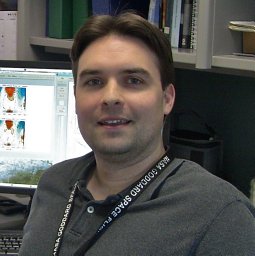 Luke D. Oman合作论文数Atmospheric Chemistry and Dynamics Laboratory, Earth Sciences Division, Goddard Space Flight Center, National Aeronautics and Space Administration21Cuevas Carlos A合作论文数Institute of Physical Chemistry Rocasolano, CSIC21
 Andrew Gettelman合作论文数Pacific Northwest National Laboratory21Andrea Stenke合作论文数21
 Phil Rasch合作论文数Atmospheric Sciences and Global Change Division, Pacific Northwest National Laboratory20
 Avelino F. Arellano Jr合作论文数National Center for Atmospheric Research20Martine Michou合作论文数20
 Vaishali Naik合作论文数Earth System Processes and Interactions Division, Geophysical Fluid Dynamics Laboratory, National Oceanic and Atmospheric Administration20Eric C Apel合作论文数20
 Martyn Chipperfield合作论文数School of Earth and Environment,University of Leeds20
 Larry W. Horowitz合作论文数Earth System Processes and Interactions Division, Geophysical Fluid Dynamics Laboratory, National Oceanic and Atmospheric Administration;Department of Geosciences, Princeton University20
 B. Josse合作论文数20




