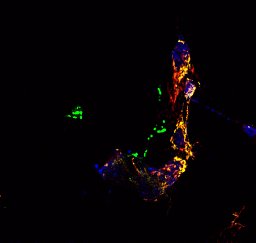
Supplementary Figure S4. Immunohistochemistry for Ki-67 protein expression in representative prostate tumors of the placebo (PBO) group and the BroccoMax (BMAX) group.
Fatty acid synthesis pathway is a valid target for prevention of prostate cancer. However, a clinical grade inhibitor of fatty acid synthesis is still lacking. This bench-to-bedside study was undertaken to determine the feasibility of fatty acid synthesis inhibition using broccoli constituent sulforaphane (SFN) and its clinical grade formulation BroccoMax® (BMAX). Oral administration of SFN to Hi-Myc mice resulted in inhibition of prostate adenocarcinoma burden by about 61% that was accompanied by a significant decrease in prostate tumor levels of c-Myc and PCNA proteins and increased apoptosis. Expression of acetyl-CoA carboxylase 1 (ACC1) and fatty acid synthase (FASN) were lower by about 46% and 31%, respectively, in the prostate tumor of SFN-treated mice when compared to that of control mice (P < 0.001). Plasma levels of total free fatty acids (TFFA), cholesterol, and total phospholipids were decreased significantly following SFN treatment. In a double-blind clinical trial, patients with histologically confirmed prostate cancer were randomized to the BMAX group (n= 19) or placebo group (n= 22). Patients were treated with 4 capsules BMAX or 4 capsules of matching placebo orally two times daily after breakfast and dinner for 4 weeks. Prostate tumor expression of c-Myc, ACC1, FASN, and Ki-67 proteins were significantly lower in the BMAX arm when compared to PBO group. However, serum or prostate tumor level of acetyl-CoA or TFFA was not decreased by BMAX treatment. A longer duration treatment with BMAX in early-stage prostate cancer patients may be necessary to lower circulating or prostate tumor level of TFFA.
Prevention is desirable to reduce suffering and death from prostate cancer. However, a clinical-grade intervention for the prevention of this malignancy is still lacking. This study was undertaken to determine the feasibility of prostate cancer prevention by broccoli constituent sulforaphane (SFN) because epidemiological studies have suggested an inverse association between intake of broccoli and the risk of prostate cancer. Oral administration of 1 mg SFN/mouse (three times/week) to 5-week-old male Hi-Myc transgenic mice for 5 weeks decreased the incidence of prostatic adenocarcinoma in situ by about 54% without causing weight loss or any other side effects. Existing literature strongly implicates fatty acid synthesis in prostate cancer progression. Therefore, we determined the effect of SFN treatment on fatty acid synthesis. Prostate cancer prevention by SFN in Hi-Myc mice was accompanied by a decrease in: (a) the uptake of 11C-acetate in the prostate of live mice; (b) plasma levels of fatty acid synthesis intermediates acetyl-CoA and malonyl-CoA; (c) circulating levels of total free fatty acids (TFFA); (d) downregulation of fatty acid synthesis enzyme proteins acetyl-CoA carboxylase 1 and fatty acid synthase; and (e) plasma levels of interkeukin-10 and interleukin-12. Because prostate cancer in Hi-Myc mice is driven by Myc, we determined the effect of overexpression of c-Myc in 22Rv1 cells on TFFA level. Overexpression of c-Myc conferred partial protection against TFFA suppression by SFN treatment. In summary, this study reveals that SFN administration prevents prostate cancer development in Hi-Myc mice by suppressing fatty acid synthesis.
Supplementary Figure S1. Immunohistochemistry for c-Myc protein expression in representative prostate tumors of the placebo (PBO) group and the BroccoMax (BMAX) group.
Withaferin A (WA) is a small molecule present in Ashwagandha plant that prevents breast cancer progression in mice and rats. The mechanisms underlying breast cancer prevention by WA are not fully understood. Herein, we report effects of WA treatment on an immune landscape in C3(1)-TAg transgenic mice, which develop basal-like breast cancer. Oral administration of 12 mg/kg body weight of WA decreased the wet tumor weight by about 43%. Weight loss or any other adverse effects (e.g., impaired movement, hunched back, ruffled fur, etc.) were not observed. Tumors and splenocytes from WA-treated mice exhibited the increased proportion of CD4+ helper T cells when compared to control mice. The proportion of CD8α+ T cells and natural killer cells was not affected by WA treatment in either mammary tumor or splenocytes. Similarly, the proportions of lymphoid dendritic cells, myeloid dendritic cells, M2 macrophages, regulatory T cells, and myeloid-derived suppressor cells were comparable in mammary tumors and splenocytes of both control and WA-treated mice. Unlike the C3(1)-TAg mouse model, WA administration failed to increase the proportion of CD4+ T cells in mammary tumors of rats. The present study indicates that even though WA treatment increases the proportion of helper T cells in mammary tumors and spleen, attenuation of immune evasion may have a minimal role in its breast cancer prevention at least in rodent models of basal-like [C3(1)-TAg model] and luminal-type (rat model) breast cancer.
Supplementary Figure S5. Levels of individual fatty acids in human serum of placebo (PBO) arm and BroccoMax (BMAX) arm.
Oral administration of broccoli constituent sulforaphane (SFN) prevents prostate cancer development in preclinical mouse models. However, the mechanism(s) underlying prostate cancer prevention by SFN are not fully understood. In this study, we used a human relevant mouse model (Hi-Myc mice) to demonstrate restoration of immune surveillance by oral SFN administration. Treatment of Hi-Myc mice with SFN for 16 weeks resulted in about 1.33-fold increase in the number of prostate tumor-infiltrating CD8α + T cells (p = 0.02 by Student's t-test). The number of CD4+ helper T cells was not affected by SFN treatment. The number of CD11c/MHCII+ dendritic cells was increased by about 57% upon SFN administration. On the other hand, the number of NKp46+ natural killer cells was not significantly affected by SFN treatment. Oral administration of SFN resulted in about 30% decrease in the number of Gr1/CD11b+ myeloid-derived suppressor cells in the prostate tumor when compared to control mice. Plasma levels of interleukin (IL)-1α, IL-1β, IL-4, IL-5, IL-10, and C-X-C motif chemokine ligand 2 (CXCL2 or MIP-2) were statistically significantly lower in SFN-treated mice when compared to control mice. Treatment of recurrent prostate cancer patients with 200 μmol/day of SFN-rich broccoli sprout extract for 20 weeks also caused a statistically significant decrease in plasma levels of IL-1β, IL-4, and IL-13. Cell proliferation inhibition by SFN in vitro was partially but significantly attenuated by IL-4 and IL-13 supplementation in 22Rv1 cells. These results indicate restoration of immune surveillance by oral SFN treatment in Hi-Myc mouse model.
Supplementary Figure S3. Immunohistochemistry for fatty acid synthase (FASN) protein expression in representative prostate tumors of the placebo (PBO) group and the BroccoMax (BMAX) group.
Supplementary Figure S2. Immunohistochemistry for acetyl-CoA carboxylase (ACC1) protein expression in representative prostate tumors of the placebo (PBO) group and the BroccoMax (BMAX) group.
3D cellular-specific epigenetic and transcriptomic reprogramming is critical to organogenesis and tumorigenesis. Here, we dissect the distinct cell fitness in 2D (normoxia vs. chronic hypoxia) vs 3D (normoxia) culture conditions for an MYC-driven murine liver cancer model. We identify over 600 shared essential genes and additional context-specific fitness genes and pathways. Knockout of the VHL-HIF1 pathway results in incompatible fitness defects under normoxia vs. 1% oxygen or 3D culture conditions. Moreover, deletion of each of the mitochondrial respiratory electron transport chain complex has distinct fitness outcomes. Notably, multicellular organogenesis signaling pathways including TGFβ-SMAD, which is upregulated in 3D culture, specifically constrict the uncontrolled cell proliferation in 3D while inactivation of epigenetic modifiers ( Bcor , Kmt2d , Mettl3, and Mettl14 ) has opposite outcomes in 2D vs. 3D. We further identify a 3D-dependent synthetic lethality with partial loss of Prmt5 due to a reduction of Mtap expression resulting from 3D-specific epigenetic reprogramming. Our study highlights unique epigenetic, metabolic, and organogenesis signaling dependencies under different cellular settings.
The cellular plasticity of neuroblastoma is defined by a mixture of two major cell states, adrenergic and mesenchymal, which may contribute to therapy resistance. However, how neuroblastoma cells switch cellular states during therapy remains largely unknown, and how to eradicate neuroblastoma regardless of its cell state is a clinical challenge. To better understand the cellular plasticity of neuroblastoma in chemoresistance, we define the transcriptomic and epigenetic map of adrenergic and mesenchymal types of neuroblastomas using human and murine models treated with indisulam, a selective RBM39 degrader. We show that cancer cells not only undergo a bidirectional switch between adrenergic and mesenchymal states, but also acquire additional cellular states, reminiscent of the developmental pliancy of neural crest cells. These cell state alterations are coupled with epigenetic reprogramming and dependency switching of cell state-specific transcription factors, epigenetic modifiers, and targetable kinases. Through targeting RNA splicing, indisulam induces an inflammatory tumor microenvironment and enhances the anticancer activity of natural killer cells. The combination of indisulam with anti-GD2 immunotherapy results in a durable, complete response in high-risk transgenic neuroblastoma models, providing an innovative, rational therapeutic approach to eradicate tumor cells regardless of their potential to switch cell states.
A total of 162 Deccani sheep were selected from COVAS and the MAFSU Sub Centre, Udgir alongside 60 sheep from local fields studied during summer season, focusing on the growth and adaptability of Deccani sheep. The sheep were categorized into four distinct age groups: 0-2 months, 3-6 months, 7-11 months, and 12 months and above. The study spanned five years for the farm animals and one year for those in the field. Various biometrical parameters were measured, including body length, chest girth, height at withers, body weight, and surface area, which was calculated using Brody's formula. In terms of physiological responses, the study recorded parameters such as respiration rate, pulse rate, heart rate, and rectal temperature. To assess adaptability, the Adaptability Coefficients, namely the Beneziara Coefficients of Adaptability (BCA) and the Iberia Heat Tolerance Coefficients (IHTC), were calculated. Results indicated significant differences in growth and adaptability between farm and field Deccani sheep, with farm animals exhibiting superior growth metrics. However, the research also highlighted that both growing and adult sheep experience some level of stress, underscoring the necessity for tailored management strategies in both environments to optimize animal health and productivity.
Peritoneal metastasis in gastric cancer is associated with a very poor prognosis with a median overall survival of seven to 15 months if treated with systemic chemotherapy only. Studies have shown improved survival with cytoreductive surgery (CRS) and hyperthermic intraperitoneal chemotherapy (HIPEC) in selected group of patients, when compared to systemic chemotherapy alone. In spite of promising results, this is not the standard of care till date. The aim of our study was to evaluate the long-term outcome for the patients of gastric cancer with peritoneal metastases undergoing cytoreductive surgery and HIPEC at our institute. Retrospective analysis of prospectively maintained data of all patients, who underwent cytoreductive surgery and HIPEC during the period of 2015-2023, was performed. All relevant pre-operative, peri-operative, post-operative and histopathological data was analyzed and overall survival and disease-free survival calculated. Twenty-three patients of gastric cancer with peritoneal metastasis (PCI < / = 7) underwent cytoreductive surgery and HIPEC during the study period. At a median follow-up of 12 months, median disease-free survival (DFS) and overall survival (OS) were 12 months and 35 months, respectively. One-year and three-year DFS were 48.5
Experimental studies have shown that dietary isothiocyanates reduced cellular proliferative marker Ki-67 and increased apoptotic markers caspase-3 and terminal deoxynucleotidyl transferase-mediated dUTP nick end labeling (TUNEL) in animals, but human data are lacking. The present study was to assess whether sulforaphane would stop/reverse the progression of bronchial histopathology, reduce the Ki-67 index, and/or increase caspase-3 and TUNEL indices in humans. A randomized clinical trial (NCT03232138) was conducted in former smokers. Forty-three subjects were randomly assigned to the placebo or the treatment with a potential daily dose of 95 μmol sulforaphane for 12 months. The endpoints were the changes in histopathology scores and Ki-67, caspase-3, and TUNEL indices in post- versus pretreatment bronchial biopsies. Thirty-seven participants (17 in the sulforaphane and 20 in the placebo group) completed the study. Supplementation of sulforaphane did not show significant impact on bronchial histopathology but significantly reduced the Ki-67 index with a 20% decrease in the sulforaphane group and a 65% increase in the placebo (P = 0.014). The difference was even greater in high-density (3+) positive Ki-67, with a 44% decrease in the sulforaphane group compared with a 71% increase in the placebo (P = 0.004). Higher bioavailability of sulforaphane was correlated with greater reduction of the Ki-67 index (P for trend = 0.019). Sulforaphane treatment had no impact on the caspase-3 or TUNEL index in bronchial biopsies. No severe adverse event was observed in the study participants. The findings of oral sulforaphane that significantly reduced the Ki-67 index in bronchial tissue support further development as a potential chemopreventive agent against lung cancer development. Prevention Relevance: High intake of cruciferous vegetables and their sulforaphane is associated with lower incidence of lung cancer in humans and animal models. This clinical trial has demonstrated that oral supplementation of sulforaphane for 12 months significantly reduced the Ki-67 index, a potential surrogate endpoint of biomarkers for lung cancer risk.
ABSTRACT Background: Heart failure leads to ventricular stretch causing secretion of BNP and NT-pro-BNP from the ventricles into the circulation.Subsequently the clearance of BNP occurs via enzymatic degradation (Di-peptidyl peptidase-4 and neutral endopeptidase), and receptor binding, or via renal excretion, whereas NT-pro-BNP is mostly excreted by the kidneys.A standardized NT-pro-BNP cut-off threshold to diagnose HF has not been clearly recognized in CKD, as a chronic rise in NT-pro-BNP concentration could be due to injury to the myocardium or due to the decreased glomerular filtration rate. To assess and study the plasma concentrations of NT-pro-BNP among various stages of CKD, as well as among CKD patients with severe renal dysfunction and those with concurrent heart failure or without it. Materials and Methods: This cross-sectional study was conducted at the Institute of Medical Science, BHU, a tertiary care hospital at Varanasi, Uttar Pradesh. The study enrolled 99 chronic kidney disease patients who presented to us with symptoms of congestive heart failure at nephrology department.Laboratory investigations such as complete blood count complete metabolic Profile, NT-pro-BNP levels; urinalysis, 24-hour urine protein analysis, and 2D echocardiography were performed on all patients. Results: There is a notable co-occurrence of CKD and heart failure. Plasma NT-proBNP levels increases as the CKD stages advances, mainly in those with an eGFR below 60 mL/min/1.73 m² (stage 3 and above).In the present study, NT-proBNP concentration of 1860 pg/mL across all CKD patients with an eGFR below 90 mL/min/1.73 m² has a sensitivity of 70% and specificity of 71%. Meanwhile, a plasma NT-proBNP threshold value of 4400 pg/mL in our study is associated with a sensitivity of 90% and specificity of 70% in patients with an eGFR below 30 mL/min/1.73 m² for diagnosing heart failure. Conclusion: Plasma concentration of NT pro BNP varies with level of renal dysfunction and markedly elevation of concentration of NT-proBNP seen from CKD stage 3 onwards. The prevalence of heart failure increases as renal function deteriorates in individuals with CKD. The use of plasma NT-proBNP concentration is valuable for the evaluation of individuals who present with symptoms of congestive heart failure. However a stage based or eGFR based cut off should be used for analysis.
Despite advances in therapeutic approaches, the five-year survival rate for head and neck squamous cell carcinoma (HNSCC) patients is still less than fifty percent. Research has indicated that the consumption of Allium vegetables or processed garlic containing diallyl trisulfide (DATS) can lower the risk of multiple types of cancer. Nevertheless, the effectiveness and underlying mechanisms of DATS against HNSCC have not been thoroughly explored until the current study. In this research, it was found that DATS notably curtailed the growth and viability of HNSCC cells. Additionally, DATS triggered a significant G2/M cell cycle arrest in these cells, accumulating cyclin B1, Cip1/p21, and Ser-10 phospho-histone H3-this was indicative of mitotic arrest attenuated by NAC pretreatment, suggesting the role of reactive oxygen species (ROS) induction. The production of ROS induced by DATS led to DNA damage and apoptosis, a process associated with elevated levels of cleaved caspase-3 and cleaved PARP, along with reduced XIAP. When HNSCC cells were exposed to pharmacological concentrations of DATS, it resulted in the suppression of cancer stem cell (CSC) populations, as indicated by a decrease in the CD133high/CD44high cell fraction, reduced aldehyde dehydrogenase 1 (ALDH1) activity, inhibited spheroid formation and downregulated SOX2 and Oct4 expression. Furthermore, the administration of DATS to tumor xenografts demonstrated its in vivo capacity to hinder CSCs. Further, DATS treatment inhibited the growth of UMSCC-22B head and neck cancer tumor xenograft in immunocompromised mice. Overall, DATS inhibited cell proliferation; induced cell cycle mitotic arrest and apoptosis involving DNA damage through ROS generation; reduced the CSC fraction and spheroid formation; and downregulated SOX2 and Oct4 expression. More importantly, DATS inhibited HNSCC tumor growth and CSC fraction in vivo. Thus, DATS could be a potential anticancer agent that can be used against head and neck cancer.
Combination chemotherapy is crucial for successfully treating cancer. However, the enormous number of possible drug combinations means discovering safe and effective combinations remains a significant challenge. To improve this process, we conduct large-scale targeted CRISPR knockout screens in drug-treated cells, creating a genetic map of druggable genes that sensitize cells to commonly used chemotherapeutics. We prioritize neuroblastoma, the most common extracranial pediatric solid tumor, where ~50% of high-risk patients do not survive. Our screen examines all druggable gene knockouts in 18 cell lines (10 neuroblastoma, 8 others) treated with 8 widely used drugs, resulting in 94,320 unique combination-cell line perturbations, which is comparable to the largest existing drug combination screens. Using dense drug-drug rescreening, we find that the top CRISPR-nominated drug combinations are more synergistic than standard-of-care combinations, suggesting existing combinations could be improved. As proof of principle, we discover that inhibition of PRKDC, a component of the non-homologous end-joining pathway, sensitizes high-risk neuroblastoma cells to the standard-of-care drug doxorubicin in vitro and in vivo using patient-derived xenograft (PDX) models. Our findings provide a valuable resource and demonstrate the feasibility of using targeted CRISPR knockout to discover combinations with common chemotherapeutics, a methodology with application across all cancers.
The cellular plasticity of neuroblastoma is defined by a mixture of two major cell states, adrenergic (ADRN) and mesenchymal (MES), which may contribute to therapy resistance. However, how neuroblastoma cells switch cellular states during therapy remains largely unknown and how to eradicate neuroblastoma regardless of their cell states is a clinical challenge. To better understand the lineage switch of neuroblastoma in chemoresistance, we comprehensively defined the transcriptomic and epigenetic map of ADRN and MES types of neuroblastomas using human and murine models treated with indisulam, a selective RBM39 degrader. We showed that cancer cells not only undergo a bidirectional switch between ADRN and MES states, but also acquire additional cellular states, reminiscent of the developmental pliancy of neural crest cells. The lineage alterations are coupled with epigenetic reprogramming and dependency switch of lineage-specific transcription factors, epigenetic modifiers and targetable kinases. Through targeting RNA splicing, indisulam induces an inflammatory tumor microenvironment and enhances anticancer activity of natural killer cells. The combination of indisulam with anti-GD2 immunotherapy results in a durable, complete response in high-risk transgenic neuroblastoma models, providing an innovative, rational therapeutic approach to eradicate tumor cells regardless of their potential to switch cell states.
Dysregulated pre-mRNA splicing and metabolism are two hallmarks of MYC-driven cancers. Pharmacological inhibition of both processes has been extensively investigated as potential therapeutic avenues in preclinical and clinical studies. However, how pre-mRNA splicing and metabolism are orchestrated in response to oncogenic stress and therapies is poorly understood. Here, we demonstrate that jumonji domain containing 6, arginine demethylase, and lysine hydroxylase, JMJD6, acts as a hub connecting splicing and metabolism in MYC-driven human neuroblastoma. JMJD6 cooperates with MYC in cellular transformation of murine neural crest cells by physically interacting with RNA binding proteins involved in pre-mRNA splicing and protein homeostasis. Notably, JMJD6 controls the alternative splicing of two isoforms of glutaminase (GLS), namely kidney-type glutaminase (KGA) and glutaminase C (GAC), which are rate-limiting enzymes of glutaminolysis in the central carbon metabolism in neuroblastoma. Further, we show that JMJD6 is correlated with the anti-cancer activity of indisulam, a 'molecular glue' that degrades splicing factor RBM39, which complexes with JMJD6. The indisulam-mediated cancer cell killing is at least partly dependent on the glutamine-related metabolic pathway mediated by JMJD6. Our findings reveal a cancer-promoting metabolic program is associated with alternative pre-mRNA splicing through JMJD6, providing a rationale to target JMJD6 as a therapeutic avenue for treating MYC-driven cancers.
 Eun-Ryeong Hahm合作论文数School of Medicine, University of Pittsburgh119Yc Awasthi合作论文数53Dong Xiao合作论文数50
 Krishna Kumar Singh合作论文数Institute of Medical Science, Temerty Faculty of Medicine, University of Toronto;Li Ka Shing Knowledge Institute;St. Michael's Hospital47
 Satish Kumar Srivastava合作论文数University of Texas Medical Branch36
 Anuradha Sehrawat合作论文数Faculty of Science, Hamdard University36Anna A. Powolny合作论文数30
 Jagdip Singh Sohal合作论文数Corresponding author.29Piotr Zimniak合作论文数26Ajita V Singh合作论文数25
 R. C. Upadhyay合作论文数25Julie A. Arlotti合作论文数25
 Xinhua Ji合作论文数Center for Structural Biology, Center for Cancer Research, National Cancer Institute24
 Xun Hu (胡讯)合作论文数School of Medicine, Zhejiang University;Zhejiang University Cancer Center23
 Pore Subrata Kumar合作论文数21
 Yan Zeng合作论文数20Lee Joomin合作论文数20Su-Hyeong Kim合作论文数20
 Ajay Bommareddy合作论文数Department of Pharmaceutical Sciences;South Dakota State University;Department of Pharmaceutical Sciences, South Dakota State University20H Xia合作论文数18
 Rajiv Dhir合作论文数Health Sciences Tissue Bank, Health Systems, University of Pittsburgh;O'Brien Urology Research Center, School of Medicine, University of Pittsburgh;Department of Pathology, University of Pittsburgh Medical Center17
 Hasib Ahmad合作论文数Department of Human Biological Chemistry and Genetics, The University of Texas Medical Branch17K. L. Lew合作论文数17
 Anna Herman-Antosiewicz合作论文数Department of Molecular Biology, University of Gdańsk15Jie Fang合作论文数St Jude Childrens Res Hosp, Dept Dev Neurobiol, Memphis, TN 38105 USA14Hui Xiao合作论文数14Davidoff Andrew M合作论文数13Beumer Jan H合作论文数Canc Therapeut Program, Univ Pittsburgh12Sakao Kozue合作论文数12
 Vijay Gupta合作论文数Department of Electrical Engineering, College of Engineering, University of Notre Dame12
 Shantu Amin合作论文数Department of Pharmacology, Penn State Cancer Institute;Pennsylvania State University12HA Zaren合作论文数11Marynowski Stanley W合作论文数11Silvia D Stan合作论文数11
 Hong-Jian Jin合作论文数College of Life Sciences, Zhejiang University11A Pal合作论文数11
 Kundan Chaubey合作论文数10
 Rana P Singh合作论文数10Vs Vihan合作论文数10Jacobs Bruce L合作论文数10Rahul A. Parikh合作论文数9Ss Singhal合作论文数9Daniel Normolle合作论文数9
 Carolyn J. Anderson合作论文数Department of Chemistry, College of Arts and Science, University of Missouri;MIZZOU Molecular Imaging and Theranostics Center, University of Missouri9Vyas Avani R合作论文数9Sunga Choi合作论文数Research Institute of Medical Sciences, Chungnam National University School of Medicine9
 Ahmed Abu-Zaid合作论文数9
 Sruti Shiva合作论文数Vascular Medicine Institute, University of Pittsburgh;Center for Metabolism and Mitochondrial Medicine, University of Pittsburgh;Department of Pharmacology and Chemical Biology, University of Pittsburgh9




