Delandistrogene moxeparvovec-rokl (DMR) is the only U.S. Food and Drug Administration-approved gene therapy for patients with Duchenne muscular dystrophy (DMD). After reports of two deaths due to acute liver injury (ALI)/acute liver failure, our center began prophylaxis with sirolimus to help prevent ALI. The objective of this study is to report the initial safety, tolerability, and efficacy of sirolimus prophylaxis. The clinical course of patients receiving sirolimus prophylaxis with a target trough of 4-6 ng/mL was retrospectively evaluated and compared with those who did not receive sirolimus. Laboratory testing, particularly gamma glutamyl transferase, aspartate aminotransferase, alanine aminotransferase, and total bilirubin, was collected. A Fisher's exact test was used to assess the difference between groups. Twelve patients were started on sirolimus prophylaxis, 10 prior to DMR infusion and 2 within 2 weeks of DMR. The median age at DMR dosing was 11 years old (interquartile range = 8.5-14); 11 patients were ambulatory. No patients experienced a serious adverse event related to sirolimus administration. Seven patients developed elevated triglyceride or cholesterol levels and began omega-3 supplementation. None of the patients receiving sirolimus prophylaxis experienced ALI compared with 3 of the 14 patients (21%) infused prior to implementation of the sirolimus protocol. Sirolimus prophylaxis appears to be safe and well-tolerated in DMD patients receiving DMR. While not statistically significant, these results suggest that further study of sirolimus prophylaxis is warranted.
BACKGROUND:Liver transplantation (LT) is the standard therapy for end-stage liver disease. Liver allografts are at risk for fibrosis, for which biopsy is the gold standard for evaluation but carries risks. There is a need for noninvasive modalities to track the trajectory of fibrosis. METHODS:We evaluated the diagnostic accuracy of shear wave elastography (SWE) liver stiffness (LS) measurements to quantify fibrosis in pediatric liver transplant recipients. RESULTS:Between 2007 and 2024, 93 patients had 106 liver biopsies performed within 13 months of elastography. LS values were significantly higher in patients with moderate (F2-3) fibrosis compared to those with no significant fibrosis (F0-1) (7.5 ± 0.48 kPa vs. 6.09 ± 0.18 kPa, p = 0.0015). LS values were significantly higher in patients with moderate fibrosis compared to those with no significant fibrosis in both whole (8.4 ± 0.95 kPa vs. 6.6 ± 0.54 kPa, p = 0.02) and segmental allografts (7.1 ± 0.52 kPa vs. 5.9 ± 0.17 kPa, p = 0.02). There was no significant difference in LS values according to allograft type or donor status. The AUROC for LS measurements was 0.71, indicating a good discriminative ability between no significant and moderate fibrosis. A cut-point of 6.09 kPa for SWE was identified, distinguishing between no significant and moderate fibrosis (sensitivity of 81%). A SWE cut-point of 10.40 kPa had a high specificity of 99% in determining moderate fibrosis. CONCLUSION:We demonstrated a significant association between biopsy fibrosis and SWE LS values and conclude that SWE provides a noninvasive option for monitoring liver a fibrosis.
Purpose:To describe the clinical outcomes, complications, and logistical challenges of pediatric living donor liver transplantation (LT) in Jordanian children referred abroad, in the absence of a national transplant program. Patients and Methods:This retrospective study reviewed all pediatric cases referred to the Jordanian Center for Organ Transplantation (JCOT) for LT between 2019 and 2023. Data were collected from JCOT records and follow-up interviews with caregivers. Variables included patient demographics, indications for transplantation, donor-recipient relationships, post-operative complications, survival outcomes, and financial aspects. Results:A total of 31 children were referred for LT, of whom 20 (64.5%) successfully underwent living donor liver transplantation abroad-primarily in Turkey-while 11 (35.5%) remained on the waiting list. Biliary atresia (25%) was the most common indication, followed by Alagille syndrome and progressive familial intrahepatic cholestasis (each 20%). Primary hyperoxaluria, Crigler-Najjar syndrome, and maple syrup urine disease were also observed. Parents were the most frequent donors (70%). The most common complications were bile duct leakage (35%), portal vein thrombosis (20%), and infections (15%). The 5-year post-transplant survival rate was 90%. Among the waiting list group, four children (36.4%) died before receiving a transplant. No children underwent transplantation for pediatric acute liver failure during the study period. The average cost per transplant covered by the Ministry of Health was $61,071, excluding out-of-pocket expenses borne by families. Conclusion:This study highlights the feasibility and challenges of transborder pediatric liver transplantation in Jordan. While clinical outcomes for transplanted children were favorable, significant barriers remain, including delayed referrals, financial strain, and mortality among waitlisted patients. These findings underscore the urgent need to establish a national pediatric liver transplant program to improve timely access and long-term care for children with end-stage liver disease in Jordan.
Pediatric cholestatic liver diseases are rare conditions that can result from multiple specific underlying etiologies. Among the most common etiologies of pediatric cholestatic liver diseases are biliary atresia, Alagille syndrome (ALGS), and inherited disorders of bile acid transport. These diseases are characterized by episodic or chronic unremitting cholestasis. Due to the chronicity of these conditions, it is imperative to optimize medical management to improve patient quality of life, provide nutritional support, and reduce bile acid toxicity in efforts to slow disease progression. Cholestatic liver diseases remain the leading cause of pediatric liver transplantation, as many underlying disease etiologies have no curative medical therapies. In the present review, we provide an update on the nutritional, medical, and surgical management of pediatric cholestatic liver diseases. As recent advances have occurred in the field with the addition of ileal bile acid transporter (IBAT) inhibitors, we also review the results from prospective clinical trials, including their strengths and limitations. While recent clinical trials have demonstrated improved pruritus using IBAT inhibitors in ALGS and progressive familial intrahepatic cholestasis, establishing medical therapies proven to slow disease progression remains an area of unmet need.
BACKGROUND:Whether higher socioeconomic deprivation indices are associated with more severe paediatric metabolic dysfunction-associated steatotic liver disease (MASLD), formerly non-alcoholic fatty liver disease (NAFLD), remains unknown. OBJECTIVE:We aimed to evaluate differences in MASLD characteristics and social deprivation in a cohort of urban children. METHODS:Retrospective study of 277 paediatric patients ≤ 18 years old evaluated between January 2009 and December 2019 with a suspected diagnosis of MASLD who underwent liver biopsy. Patients were classified as having metabolic dysfunction-associated steatohepatitis (MASH) based on their NAFLD Activity Score (NAS). Fibrosis was determined based on biopsy presence. Social deprivation index (SDI) scores were calculated using patient address. RESULTS:Patients were predominantly Hispanic males with obesity and a median age of 12 years. Median SDI score was 85 (65-93). Median ALT was significantly higher in patients with MASH compared with MASLD (136 vs. 92 IU/L, p < 0.001) or with fibrosis compared with no fibrosis (120 vs. 68 IU/L, p < 0.001). High SDI group patients had a significantly higher median AST (60 vs. 47 IU/L, p = 0.022), NAS score (4 vs. 3, p = 0.026) and rates of bridging fibrosis (24% vs. 10%, p = 0.023) compared with the lower SDI group. CONCLUSION:Within a cohort of predominantly Hispanic children with MASLD and high socioeconomic disadvantage, there are significant laboratory and histologic differences in patients with higher SDI scores, suggesting increased MASLD severity.
Clusters of severe acute hepatitis in children were reported worldwide beginning in October 2021. Although most children recovered, some progressed to liver failure leading to death or liver transplantation. Herein, we characterize the clinical characteristics, and outcomes of this group of children through an international collaborative effort. Participation was solicited via a global listserv to pediatric gastroenterologists worldwide. Patients <18 years, alanine aminotransferase >500 U/L, without chronic liver disease or acetaminophen ingestion were eligible. Data were submitted by individual sites into a Research Electronic Data Capture registry created in July 2022. Two hundred and seven cases were collected, with a peak incidence of 28 in April 2022. The median age was 40 months, 52.7% were male, 63.3% were white, and 44% were Hispanic. At presentation, 80% reported gastrointestinal symptoms followed by fever (27.7%). The median duration of hospitalization was 5.5 days with 51 patients requiring intensive care. Adenovirus serum/whole blood DNA was detected in 28/133 (21%) and seven patients were treated with cidofovir. Liver biopsies, performed in 76 patients revealed portal and lobular inflammation with none identifying a viral etiology. Eleven patients underwent liver transplantation, four were adenovirus positive, all of whom survived. There were four reported deaths. In this large data set of pediatric patients with severe acute hepatitis, the majority did not have a singular definitive etiology but did recover spontaneously. Continued community surveillance and close cooperation are critical toward understanding the etiology of such clusters in pediatrics.
BACKGROUND:Adolescent solid organ transplant recipients (aSOTRs) who received three doses of the COVID-19 mRNA vaccine experience high seroconversion rates and antibody persistence for up to 3 months. Long-term antibody durability beyond this timeframe following three doses of the SARS-CoV-2 mRNA vaccine remains unknown. We describe antibody responses 6 months following the third vaccine dose (D3) of the BNT162b2 mRNA vaccination among aSOTRs. METHODS:Participants in a multi-center, observational cohort who received the third dose of the vaccine were analyzed for antibodies to the SARS-CoV-2 spike protein receptor-binding domain (Roche Elecsys anti-SARS-CoV-2-S positive: ≥0.8, maximum: >2500 U/mL). Samples were collected at 1-, 3-, and 6-months post-D3. Participants were surveyed at each timepoint and at 12-months post-D3. RESULTS:All 34 participants had positive anti-RBD antibody titers 6 months post-D3. Variations in titers occurred between 3 and 6 months post-D3, with 8/28 (29%) having decreased antibody levels at 6 months compared to 3 months and 2/28 (7%) reporting increased titers at 6 months. The remaining 18/28 (64%) had unchanged antibody titers compared to 3-month post-D3 levels. A total of 4/34 (12%) reported breakthrough infection within 6 months and 3/32 (9%) reported infection after 6-12 months following the third dose of the SARS-CoV-2 mRNA vaccine. CONCLUSIONS:The results suggest that antibody durability persists up to 6 months following three doses of the SARS-CoV-2 mRNA in aSOTRs. Demography and transplant characteristics did not differ for those who experienced antibody weaning. Breakthrough infections did occur, reflecting immune-evasive nature of novel variants such as Omicron.
Metabolic dysfunction-associated steatotic liver disease (MASLD) is increasing globally in pediatric populations. Currently, MASLD management primarily relies on lifestyle interventions, which pose challenges in sustaining long-term weight loss. This study investigated the use of weight loss medications in MASLD care through an international survey of 166 pediatric gastroenterologists and hepatologists. The results indicated a notable interest in weight loss medications, with 38% of practitioners considering or using them, particularly glucagon-like peptide-1 receptor agonists. However, the survey also revealed a tendency among clinicians to refer patients to specialists, emphasizing the potential gap between acknowledgment and prescription practices. Challenges include the lack of guidelines and uncertainty regarding side effects. The study highlights a pressing need for education, with over 90% of the respondents expressing an interest. Our study highlights the current management of MASLD, the potential role of pharmacotherapy, and highlights avenues for improved care and education in this dynamic field.
SARS-CoV-2 infection during the Omicron period was frequent amongst a cohort of vaccinated pediatric solid organ transplant recipients (pSOTRs) despite robust anti-receptor-binding domain (anti-RBD) antibody response, suggesting poor neutralizing capacity against Omicron subvariants. Breakthrough infections among pSOTRs were overall limited in severity.
Progressive familial intrahepatic cholestasis type 3 (PFIC-3) is a rare disorder characterized by chronic cholestasis usually progressing to end-stage liver disease (ESLD) within the first two decades of life. PFIC-3 is caused by pathogenic genetic variants of the ATP-binding cassette 4 (ABCB4) gene with variable inheritance; the most common is autosomal recessive. We present two cases of PFIC-3 with genetic testing confirming a novel genetic variant in ABCB4 with homozygous genotype c.779 T > C, p.L260P. Both individuals are from mainland Southeast Asia and have a clinical picture consistent with cholestasis progressing to ESLD.
IntroductionLiving donor liver transplantation (LDLT) reduces liver transplant waitlist mortality and provides excellent long-term outcomes for persons with end stage liver disease. Yet, utilization of LDLT has been limited in the United States (US). MethodsIn October 2021, the American Society of Transplantation held a consensus conference to identify important barriers to broader expansion of LDLT in the US, including data gaps, and make recommendations for impactful and feasible mitigation strategies to overcome these barriers. Domains addressed encompassed the entirety of the LDLT process. Representation from international centers and living donor kidney transplantation were included for their perspective/experience in addition to members across disciplines within the US liver transplantation community. A modified Delphi approach was employed as the consensus methodology. ResultsThe predominant theme permeating discussion and polling results centered on culture; the beliefs and behaviors of a group of people perpetuated over time. ConclusionsCreating a culture of support for LDLT in the US is key for expansion and includes engagement and education of stakeholders across the spectrum of the process of LDLT. A shift from awareness of LDLT to acknowledgement of benefit of LDLT is the primary goal. Propagation of the maxim "LDLT is the best option" is pivotal.
 Estella M Alonso合作论文数Department of Medical Social Sciences, Feinberg School of Medicine, Northwestern University;Ann & Robert H. Lurie Children's Hospital of Chicago22
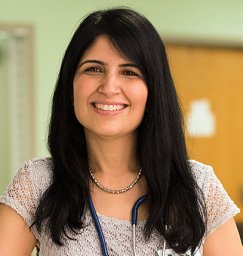 Nitika Arora Gupta合作论文数Department of Pediatrics, Emory University School of Medicine;Transplant Services, Children's Healthcare of Atlanta;narorag@emory.edu.;Department of Pediatrics, Emory University School of Medicine21
 Perito Emily R合作论文数20
 Mogul Douglas合作论文数Johns Hopkins University, Johns Hopkins University19
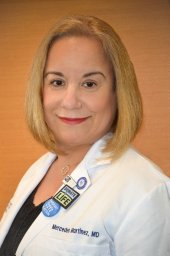 Martinez Mercedes合作论文数College of Physicians and Surgeons, Columbia University18Miloh Tamir合作论文数17
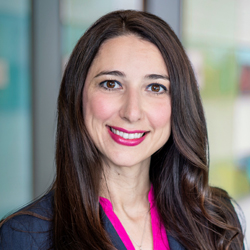 Pamela Valentino合作论文数Seattle Children's Hospital, School of Medicine, University of Washington;Department of Pediatrics, School of Medicine, University of Washington16
 Nadia Ovchinsky合作论文数14Feldman Amy G合作论文数14
 Evelyn Hsu合作论文数Seattle Children’s Hospital, University of Washington14
 Kathleen M. Loomes合作论文数Division of Gastroenterology, Hepatology and Nutrition, Children's Hospital of Philadelphia;Buerger Center for Advanced Pediatric Care, Children's Hospital of Philadelphia;Department of Pediatrics, Perelman School of Medicine, University of Pennsylvania13Bernadette Vitola合作论文数12
 E. James Squires合作论文数Department of Animal Biosciences, University of Guelph12Nanda Kerkar合作论文数12
 Vicky Ng合作论文数Department of Paediatrics, Temerty Faculty of Medicine, University of Toronto;Department of Paediatrics, The Hospital for Sick Children;Transplant and Regenerative Medicine Center, The Hospital for Sick Children11
 Riccardo A Superina合作论文数Department of Surgery, Feinberg School of Medicine, Northwestern University11
 Steven J. Lobritto合作论文数Columbia University Irving Medical Center11Girish Rao合作论文数10Amanda Ricciuto合作论文数Department of Paediatrics, Faculty of Arts and Science, University of Toronto10
 Deneau Mark合作论文数Department of Pediatrics, University of Manitoba10
 Kathleen Schwarz合作论文数Rady Children's Hospital-San Diego;School of Medicine, University of California, San Diego10
 Cara L Mack合作论文数The Siragusa Transplantation Center, Children's Memorial Hospital;Northwestern Memorial Hospital, Northwestern University Medical School;Northwestern Memorial Hospital, Northwestern University Medical School10
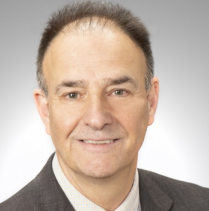 Simon Horslen合作论文数Department of Pediatrics, School of Medicine, University of Pittsburgh;UPMC Children's Hospital of Pittsburgh10
 Bart Koot合作论文数Department of Paediatrics, Academisch Medisch Centrum Universiteit Van Amsterdam10Katryn N. Furuya合作论文数10Miethke Alexander合作论文数9John Bucuvalas合作论文数9
 Caroline X Qin合作论文数Johns Hopkins Hosp, Johns Hopkins Univ8
 Catherine A Chapin合作论文数Gastroenterology, Hepatology and Nutrition, Department of Pediatrics, Feinberg School of Medicine, Northwestern University8
 Noelle Hanako Ebel合作论文数Pediatrics Department, Stanford University8
 Lara A. Danziger-Isakov合作论文数Department of Pediatrics, University of Cincinnati;Cincinnati Children's Hospital Medical Center8Trevor J Laborda合作论文数7Pushpa Sathya合作论文数7Kyung Mo Kim合作论文数7
 Andreanne N. Zizzo合作论文数7
 Laura Draijer合作论文数7Madeleine Aumar合作论文数7
 Uzma Shah合作论文数Director Pediatric Hematology;Department of Pediatrics;Aga Khan University Hospital7
 Regino gonzalez-peralta合作论文数7Matthew DiGuglielmo合作论文数6
 Caroline Lemoine合作论文数Department of Surgery, Feinberg School of Medicine, Northwestern University6
 Achiya Zvi Amir合作论文数Rabin Medical Center, Helen Schneider Hospital for Women6Sundaram Shikha S合作论文数6Shteyer Eyal合作论文数6
 Sandy Feng合作论文数Division of Transplant Surgery, Department of Surgery, School of Medicine, University of California6
 Mohit Kehar合作论文数Division of Pediatric Gastroenterology and Hepatology, Sir Ganga Ram Hospital6Hector Melin-Aldana合作论文数6Katie Neighbors合作论文数6
 Wael El-Matary合作论文数Department of Pediatrics, Stollery Children's Hospital6




