INTRODUCTION:Data collection on food insecurity and barriers to a healthy diet is not routinely done in hepatology clinics, although the prevalence of food insecurity is likely high. This is a pilot study to estimate the prevalence of food insecurity and characterize food-insecure patients with cirrhosis who receive routine outpatient care. METHODS:Prospective survey of outpatients with cirrhosis to screen for food insecurity in the waiting room on the day of their appointment. Responses were linked to electronic medical record data for demographic, comorbidity, and health care utilization data. Descriptive statistics were calculated for patients who were food insecure versus food secure. Univariate and multivariable models were constructed to evaluate the relationships between patient factors and food insecurity. RESULTS:Of 150 respondents, 25% (n=38) screened positive for food insecurity. In total, 69% (n=104) reported difficulty making the best food choices for their cirrhosis, 89% (n=34) among the food insecure, and 54% (n=60) among the food secure. Compared with food-secure individuals, those with food insecurity were younger (mean age 58.1 vs. 63.5 y, P=0.02), had lower BMI (mean 27.9 vs. 30.9, P=0.03), and were more likely to be Hispanic (15.8% vs. 4.5%, P=0.05) and Medicaid-insured (28.9% vs. 10.7%, P=0.01). Both groups had similar cirrhosis etiologies, co-morbidities, decompensation events, ED visits, and hospital admissions within the past year. CONCLUSION:One in 4 patients screened during a routine outpatient hepatology visit reported food insecurity. Over 69% of patients reported difficulties with making cirrhosis-specific food choices, most of whom did not screen positive for food insecurity. Our findings underscore an urgent need for tailored screening and for interventions that address the unique barriers faced by cirrhosis patients.
Background. The impact of revised Organ Procurement and Transplantation Network policy defining eligibility for simultaneous liver-kidney (SLK) and the safety net criteria for kidney after liver (KAL) transplantation remains insufficiently characterized. Methods. We conducted a retrospective study of adults (>18 y) evaluated for liver transplant alone (LTA), SLK, or KAL at the University of Pennsylvania from August 10, 2017, to February 28, 2023. The primary outcome was mortality among SLK and KAL recipients and those patients waitlisted for KAL. Secondary outcomes included native kidney recovery in LTA recipients, estimated glomerular filtration rate (eGFR) at 1 y post-kidney transplant, and time between liver and kidney transplants. Results. Of 1655 patients evaluated, 57 (3.4%) met SLK criteria; 49 (86%) underwent SLK and 8 (14%) received LTA. Among 1598 LTA candidates, 1010 (63%) were waitlisted and 717 (71%) received LTA. After excluding 9 early deaths (1.3%) that were unrelated to KAL delay, 67 survivors (9.5%) met KAL safety net criteria. Thirty-four (50.8%) were waitlisted (15 transplanted over a median of 220 d), 30 (44.8%) declined, and 3 (4.8%) remained under evaluation. Mortality was 4.1% after SLK and no deaths occurred after KAL >3.7 and 3.1 y of follow-up, with 3 deaths (8.8%) among KAL waitlisted patients. Of the 16 KAL waitlisted patients alive without kidney transplant at last follow-up, 2 (12.5%) were delisted after documented renal recovery and an additional 9 (56.3%) had eGFR >20 ml/min/1.73 m2 and were being considered for delisting; together, 11 (68.8%) met predefined criteria for substantial native kidney recovery. One-year median eGFR was similar (SLK 51 versus KAL 54 mL/min/1.73 m2; P = 0.6). Conclusions. Early post-LTA mortality was unrelated to delayed KAL transplantation. Recovery of native kidney function while waiting for KAL was frequent. KAL transplants occurred within a year of LTA with favorable survival and graft outcomes.
Liver transplantation (LT) has for decades been a well-established treatment for end-stage liver disease and malignancy, becoming the standard of care for select patients with these life-limiting conditions. Due to a limited pool of high-quality deceased donor organs, there is an existing and growing disparity between those in need of and those able to access LT. Living donor liver transplantation (LDLT) has emerged as one way to mitigate this disparity. Despite Australia's place in history as the first reported LDLT from mother-to-child in 1987, living donation for adults is rare, in part due to the perceived lack of need due to the historically low waitlist mortality data. This Perspective reviews the history of LDLT and utilizes Australia as a case study for exploring the necessity for LDLT in existing deceased donor liver transplant programs, the ethical considerations, risks, and benefits of the procedure, and the means to implement LDLT.
BACKGROUND:Acute on chronic liver failure (ACLF) leads to increased mortality from multiorgan failure. METHODS:Our objective was to evaluate differences in characteristics and outcomes of children with ACLF listed as Status 1B for liver transplantation (LT) by (1) explicit criteria or (2) exception. We identified 367 children with ACLF who were listed Status 1B for LT in the United Network for Organ Sharing (UNOS) database between January 2007 and March 2019. Children with metabolic diseases and malignancies were excluded. RESULTS:Of 367 children with ACLF listed as Status 1B, 110 (30%) were listed by exception. There were no differences between groups in age, sex, race/ethnicity, or diagnosis. Incidence of cumulative organ failures and MELD/PELD scores were lower in the exception group at waitlisting and at waitlist removal (all p < 0.05). There were regional differences in exception utilization with regions 2 and 10 having a higher proportion of exception listing (43% and 47% vs. overall 30%, p = 0.03). There was no difference in transplantation rate, recovery without transplant, or pre-/post-LT mortality between groups. Narrative summaries in the exception group cited the critical or refractory nature of the patient's illness, with increased risk of waitlist mortality as reasons for urgent LT. CONCLUSION:Our study showed that one third of children with ACLF listed as Status 1B receive this designation using exception criteria. Children listed by exception had similar pre-/post-LT mortality compared to the explicit group. Further study is needed to understand why these children are at higher risk than expected.
Liver transplantation (LT) in critically ill patients with chronic liver disease is a high-risk procedure. Recent studies show that the frequency of intensive care unit (ICU) LTs has risen, and outcomes of such transplants have improved significantly. Variation in practices and the impact of center experience with ICU LTs on outcomes is unknown outside of acute liver failure (ALF). This study evaluated the impact of center experience with ICU LT on outcome metrics. Using the United Network for Organ Sharing database, we conducted a retrospective analysis of adult liver transplants performed 2014-2023 in which the patient was in an ICU before transplant, excluding those listed for multiorgan, retransplant, or ALF. Critical care requirements, in-hospital, 1-year, and 3-year mortality, and retransplant were compared by center ICU LT volume quartiles. In total, 9542 ICU LTs were performed across 130 centers (12.8% of total LTs). Over half of U.S. centers performed fewer than 5 ICU LTs per year on average, while the centers in the highest quartile performed nearly two-thirds of all ICU LTs in this period. Utilization of dialysis and of concurrent critical care therapies in ICU LT recipients was higher at high-volume centers ( p <0.05). In-hospital, 1-year, and 3-year mortality for ICU LTs overall were 6.2%, 10.4%, and 23.1%, respectively, with no differences across center volume quartiles (all p >0.05). Adjusting for severity of illness, center volume of ICU LTs in the prior year was associated with a small but significant reduction in 1-year post-ICU LT mortality: aOR 0.96 per 5 ICU LTs ( p <0.001). Expansion of LT for ICU candidates does not appear to threaten center-based metrics and may even offer important benefits to future candidates.
Cardiac sarcoidosis is poorly understood, challenging to diagnose, and portends a poor prognosis. A lack of animal models necessitates the use of residual human samples to study sarcoidosis, which in turn necessitates the use of analytical tools compatible with archival, fixed tissue. We employed high-plex spatial protein analysis within a large cohort of archival human cardiac sarcoidosis and control tissue samples, studying the immunologic, fibrotic, and metabolic landscape of sarcoidosis at different stages of disease, in different cardiac tissue compartments, and in tissue regions with and without overt inflammation. Utilizing a small set of differentially expressed protein biomarkers, we also report the development of a predictive model capable of accurately discriminating between control cardiac tissue and sarcoidosis tissue, even when no histologic evidence of sarcoidosis is present. This finding has major translational implications, with the potential to markedly improve the diagnostic yield of clinical biopsies obtained from suspected sarcoidosis patients.
Recompensation is emerging as a concrete outcome for patients with effective disease-modifying treatments for cirrhosis. Delisting due to clinical improvement (DCI) from the liver transplant (LT) waitlist may serve as a proxy for recompensation. This study investigated factors associated with time on the waitlist and risk of relisting. This was a retrospective cohort study of patients listed for LT between January 1, 2005, and December 12, 2024, using the Organ Procurement and Transplantation Network (OPTN) database. Timing of DCI was categorized as: <1 year, 1-3 years, and ≥3 years. Of 127,168 patients, 6.9% achieved DCI. The proportion of patients experiencing DCI was highest for hepatitis B virus (9.9%), alcohol-associated liver disease (8.3%), and autoimmune hepatitis (8.2%). Median time to DCI was 2.5 years: 19% were delisted in <1 year, 39% in 1-3 years, and 42% in ≥3 years. Among patients waitlisted as Child-Turcotte-Pugh (CTP) class B or C, only 40.6% improved to CTP A at DCI. Relisting after DCI occurred in 9.6%, with 33% of these driven by hepatocellular carcinoma. In multivariable analysis, only patients with both MELD score improvement ≥3 points and CTP class improvement had significantly lower relisting risk after DCI (adjusted HR 0.52; p <0.001), but not those meeting either criterion individually. Additional relisting predictors included albumin <3.5 g/dL at DCI, male sex, and cirrhosis etiology (all p <0.001). The occurrence of DCI is variable across disease etiologies. Achieving combined improvement in MELD and CTP class may better identify durable clinical improvement and guide safe waitlist removal decisions.
BACKGROUND & AIMS:In 2015, we reported the outcome of patients with cirrhotic chronic liver disease with unplanned admission to a specialist single-center Liver Intensive Therapy Unit (LITU) demonstrating progressive improvement in short-term survival. We investigated if this and long-term survival had continued to improve, and its relation to use and outcome of liver transplantation (LT). METHODS:A retrospective cohort study of consecutive adult patients with cirrhosis and unplanned emergent first LITU admission January 2000 to March 2020. Demographic and clinical variables were obtained at admission; acute-on-chronic liver failure (ACLF) grade was categorized as 0 (no ACLF), 1 or 2, or 3. Transplant-free survival (TFS) and LT practices were characterized and survival compared using time-to-event analysis. RESULTS:The cohort comprised 1688 patients (62% male; median age 52 years [interquartile range, 43-60 years]) with Model for End-Stage Liver Disease score 28 (interquartile range, 18-37); 23% had no ACLF, 39% had ACLF 1 or 2, and 37% had ACLF 3; TFS closely related to ACLF grade (P < .001). LITU TFS was 51.9% in 2000 to 2009, increasing to 70.6% in 2010 to 2020 (P < .001); improvement for ACLF 3 was smaller: 31.0% to 45.8%, (P < .001). There was no difference in TFS survival in 2010 to 2014 vs 2015 to 2020. Long-term TFS was poor with <20% of patients alive without LT 1 year after LITU admission. During follow-up, 280 underwent LT: the proportion transplanted increased from 12.6% in 2000 to 2009 to 20.2% in 2010 to 2020, with 1- and 5-year post-transplant survival of 91% and 81.9%. CONCLUSIONS:TFS has now plateaued with need for novel interventions to improve survival in ACLF. LT is infrequently utilized but has excellent outcomes. ACLF survivors should be closely followed up with strong consideration given for transplant assessment.
Background. Hilar cholangiocarcinoma has limited treatments, with transplantation emerging as a curative option. During the era of regional patient review, it was suggested that transplant centers performing a higher volume of transplants for cholangiocarcinoma had improved outcomes. However, it is unknown whether this association persists since the national standardization of guidelines in May 2019. Methods. Transplant candidates listed in the United Network of Organ Sharing database using cholangiocarcinoma exception points from May 2019 to December 2022 were included. Experienced centers were defined as performing at least 10 transplants during the time period. Recipient and donor characteristics, graft and patient survival, and hospital length of stay were compared between more and less experienced centers. The Wilcoxon rank-sum test, Fisher exact test, Kaplan-Meier curves, log-rank tests, and Cox hazards analyses were used where appropriate. Results. Between May 2019 and December 2022, 166 transplants for cholangiocarcinoma were performed at 37 centers, with “more experienced” centers accounting for 59% (n = 98). Unadjusted graft survival (P = 0.03) and patient survival (P = 0.047) were lower at less experienced centers. In addition to center experience, univariable Cox analyses recipient age (0.02), diabetes (0.18), and donor age (0.08) had a P value of ≤0.2. In a covariate-adjusted model, more experienced centers were associated with a 70% lower hazard of graft failure (hazard ratio, 0.29; 95% confidence interval, 0.12-0.70; P = 0.006) and 72% lower hazard of mortality (hazard ratio, 0.27; confidence interval, 0.11-0.69; P = 0.007). Conclusions. These data suggest that experienced centers have improved posttransplant survival. Variations in selection and postoperative care not captured by this study may underlie this association. More granular studies are warranted to elucidate the impact of center experience on outcomes in transplantation for cholangiocarcinoma.
Social determinants of health (SDOH) are known to lead to adverse health outcomes, including high acute care utilization. The mechanisms underlying healthcare disparities among children who have undergone liver transplantation (LT) are poorly understood. To elucidate the relationship between SDOH and healthcare utilization among children (<18 y old at time of LT) who have undergone LT, we performed a retrospective study merging data from the Organ Procurement and Transplantation Network (OPTN) and the Pediatric Hospital Information System (PHIS) database. Children with lower Child Opportunity Index (COI) scores, a composite measure of SDOH, were admitted for 28% more days in the first year and 29% more days over the first two years post-LT, as compared to children with higher COI. We also observed that in the second year post-LT, children with a lower COI were more often admitted with a complication of LT (23%) than those with a higher COI (18%). COI may be a useful composite screening instrument for clinical teams to target resources and limit acute care use post-LT.
Living donor liver transplantation (LDLT) is a life-saving procedure for patients with end-stage liver disease. As its use expands worldwide, ensuring the safety and well-being of live liver donors (LLD) is of paramount importance. Published evidence on early postoperative complications after living donor hepatectomy-those occurring within 90 days of surgery-is limited, and standardized postoperative care protocols are lacking. The International Liver Transplantation Society (ILTS) and the International Living Donor Liver Transplantation Group (iLDLT Group) convened a consensus conference in Toronto in March 2025 to develop guidelines for the safe care of the LLDs. This manuscript details the recommendations on early postoperative considerations for the safety of LLDs developed by Working Group III (WGIII) of the Consensus Scientific Committee, using the Grading of Recommendations, Assessment, Development, and Evaluation (GRADE) system for assessment of recommendations, and the Danish model of consensus. WGIII addressed four key areas: (1) standardized postoperative care, (2) early biliary complications, (3) early postoperative liver dysfunction, and (4) early postdischarge follow-up. This report emphasizes the need for vigilant postoperative monitoring in specialized units, with access to experienced providers and defined clinical pathways. Structured clinical and psychosocial follow-up protocols, perioperative prophylaxis for surgical site infections and venous thromboembolism, and management of early biliary and vascular complications are discussed. These may help standardize care, reduce complications and improve short-term outcomes in LLDs.
INTRODUCTION: Corticosteroids are recommended by multiple society guidelines for the treatment of severe alcohol-associated hepatitis (AH). However, their use remains controversial due to inconsistent studies regarding their survival benefit. METHODS: This was a retrospective cohort study of first-time hospitalizations for severe AH (Maddrey discriminant function ≥ 32) admitted to the Veterans Health Administration between January 3, 2005, and December 5, 2020, (i) evaluating the effect of corticosteroid therapy on all-cause survival, (ii) characterizing the clinical and psychosocial factors associated with corticosteroid use, and (iii) determining the effect of duration of corticosteroid therapy on all-cause survival among treatment-responsive patients (Lille score < 0.45). RESULTS: During the study period, 2,618 patients were admitted with severe AH, of whom 1,083 (41.37%) received corticosteroids. Although corticosteroids were significantly associated with improved all-cause survival in the unadjusted model (P = 0.022), no survival benefit was observed in the adjusted model after accounting for baseline and admission characteristics (adjusted hazard ratio [aHR] = 1.01, P = 0.818). Psychiatry consultation was the only factor evaluated that was protective against mortality (aHR = 0.67, P < 0.001). Among the 428 patients (49.7%) responsive to corticosteroids, duration of therapy was not associated with overall survival on unadjusted (P = 0.696) or adjusted models (aHR = 1.12, P = 0.710 for a ≥28-day course compared with a ≤7-day reference). DISCUSSION: Despite being recommended by clinical guidelines for severe AH, corticosteroids have low utilization with no survival benefit after accounting for differences in patient characteristics and practice patterns. Among patients with treatment response per the Lille score, no difference was observed in overall survival between shorter and longer durations of corticosteroid therapy.
INTRODUCTION:Hepatitis C virus (HCV) infection is a leading cause of immune-complex mediated glomerulonephritis, specifically cryoglobulinemic and membranoproliferative glomerulonephritis, and has also been associated with non-glomerular kidney diseases. However, the prevalence of kidney disease among individuals with chronic HCV infection is unknown. Concerns about the quality of kidneys from deceased donors with HCV infection may lead centers to avoid transplanting these organs. METHODS:We assembled a multicenter histological database of deceased donor biopsies to compare the prevalence of glomerulonephritis and chronic disease pathology among 147 transplanted kidneys from HCV-RNA+ donors matched to 431 HCV-negative donors. RESULTS:The mean age was 40.3 versus 40.7 years for HCV-RNA+ versus HCV-negative donors, respectively. Expert pathology reviews showed that glomerular disease and isolated immune complex deposition were rare in both groups. The primary outcome of glomerulosclerosis, interstitial fibrosis with tubular atrophy, and/or vascular disease was non-inferior (15% margin) for HCV-RNA+ versus HCV-negative donor kidneys. Specifically, 61.2% versus 49% had under 5% glomerulosclerosis, 68% versus 58% had under 5% interstitial fibrosis with tubular atrophy, and 46% versus 25% had no vascular disease, for HCV-RNA+ versus HCV-negative donor kidneys, respectively. The recipients of kidney transplants from HCV-RNA+ donors and HCV-negative comparators both demonstrated good graft function and 12-month eGFR was not significantly different between groups (1.65 ml/min/1.73 m2 higher eGFR for HCV-RNA+ allograft recipients.) CONCLUSIONS: Our findings indicate that for HCV-RNA+ donor kidneys, glomerular disease was rare and chronic disease pathology was not more common than among HCV-negative kidneys, which may reassure clinicians to consider these organs for their patients.
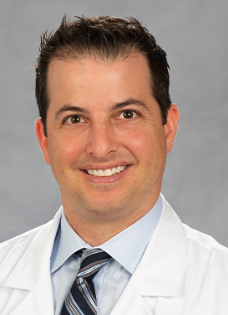 David S. Goldberg合作论文数Division of Digestive Health & Liver Diseases, Department of Medicine, Miller School of Medicine, University of Miami54
 Peter L. Abt合作论文数Surgery Faculty, Perelman School of Medicine, University of Pennsylvania38
 Douglas E. Schaubel合作论文数Department of Biostatistics, Epidemiology and Informatics, Perelman School of Medicine, University of Pennsylvania;School of Public Health, University of Michigan19
 Marina Serper合作论文数17
 K. Rajender (Raj) Reddy合作论文数Department of Medicine, Perelman School of Medicine, University of Pennsylvania;Division of Gastroenterology, University of Pennsylvania17
 Kim M. Olthoff合作论文数Division of Transplant Surgery, Perelman School of Medicine, University of Pennsylvania;Children's Hospital of Philadelphia15
 Nadim Mahmud合作论文数Department of Biostatistics, Epidemiology and Informatics, Perelman School of Medicine, University of Pennsylvania15
 James D. Lewis合作论文数Department of Medicine, Perelman School of Medicine, University of Pennsylvania14Weinberg Ethan M合作论文数13
 David E. Kaplan合作论文数Division of Gastroenterology, Department of Medicine, Perelman School of Medicine, University of Pennsylvania8
 Ranganath G Kathawate合作论文数Perelman School of Medicine, University of Pennsylvania7Samir Abu-Gazala合作论文数6Benjamin Rosenthal合作论文数6
 AnnMarie Liapakis合作论文数Digestive Diseases, Internal Medicine, Yale School of Medicine, Yale University6
 Maarouf A. Hoteit合作论文数Division of Gastroenterology, Department of Medicine, Perelman School of Medicine, University of Pennsylvania6
 Rebecca A. Hubbard合作论文数Department of Biostatistics, Epidemiology and Informatics, Perelman School of Medicine, University of Pennsylvania6Griffis Heather M合作论文数6Byhoff Elena合作论文数6Claire Durkin合作论文数5Tobenna Ibeabuchi合作论文数5
 Sasha Deutsch-Link合作论文数Sch Med, Univ Maryland5
 Alcamo Alicia M合作论文数Cincinnati Children's Hospital Medical Center5
 Vijay Srinivasan合作论文数Department of Anesthesia and Critical Care Medicine, The Children’s Hospital of Philadelphia5
 Cynthia Levy合作论文数5Claire Cywes合作论文数4Jason J. Lee合作论文数4George Makar合作论文数4Leslie Mataya合作论文数4Eliot G Peyster合作论文数4Mounika Kanneganti合作论文数4
 Sukru Emre合作论文数Yale New Haven Transplantation Center, Yale New Haven Hospital;School of Medicine, Yale University4Huang Yuan-Shung V合作论文数4
 Eimear Kitt合作论文数4Mezochow Alyssa合作论文数4
 Krista Lentine合作论文数Division of Nephrology, Department of Internal Medicine, School of Medicine, Saint Louis University;SSM Health Transplant Center, Saint Louis University Hospital4Elizabeth B. Rand合作论文数4Nicolas Munoz合作论文数3Heather F Hunt合作论文数3Eric Li合作论文数3Senayish Addis合作论文数3Meagan Alvarado合作论文数3
 Amay Banker合作论文数Department of Liver Transplant and HPB Surgery, Sir HN Reliance Foundation Hospital3
 Mihir Brahmbhatt合作论文数Div Gen Internal Med, Univ Penn3
 Juliet Emamaullee合作论文数Department of Surgery, University of Southern California3
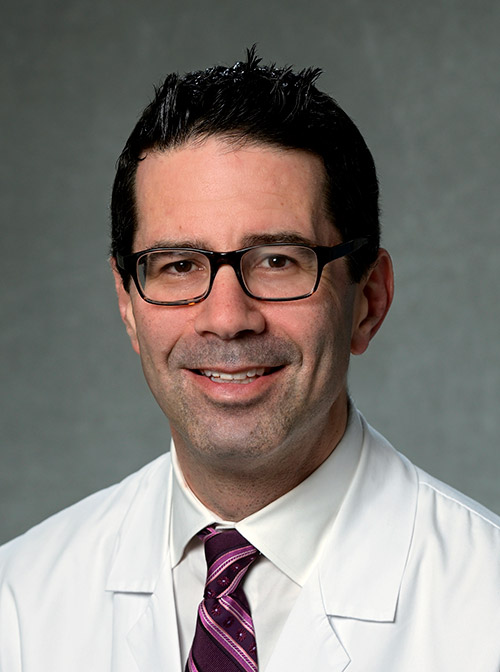 Matthew H. Levine合作论文数Surgery Faculty, Perelman School of Medicine, University of Pennsylvania3
 Robert M. Weinrieb合作论文数Department of Psychiatry, Perelman School of Medicine, University of Pennsylvania3
 Elizabeth Bhoj合作论文数Department of Genetics, Perelman School of Medicine, University of Pennsylvania3
 Brian T. Fisher合作论文数Department of Biostatistics, Epidemiology and Informatics, Perelman School of Medicine, University of Pennsylvania3




