Introduction CD19-directed CAR T cell therapies have transformed LBCL treatment. OP administration may improve access, reduce health care resource utilization (HCRU), and lower costs; however, real-world safety, HCRU, and effectiveness data are limited. Objectives We evaluated real-world HCRU, clinical outcomes, and safety of liso-cel and axi-cel in the OP setting for LBCL. Methods Data from US Flatiron Health database in patients (pts) ≥18 years of age with R/R LBCL who received a first CAR T cell therapy infusion with commercial liso-cel or axi-cel in an OP setting were retrospectively analyzed (April 1, 2022–October 31, 2024). Exclusion criteria included evidence of primary CNS lymphoma and CAR T cell therapy from a clinical trial. Primary objectives were to describe CAR T cell therapy–related AEs (cytokine release syndrome [CRS], cytopenia, infections, and immune effector cell–associated neurotoxicity syndrome [ICANS]), AE management, and HCRU. Secondary objectives were to describe OS and PFS. AEs and HCRU were analyzed by descriptive statistics. KM landmark survival analysis estimated OS and PFS. Results A total of 1278 infused pts were identified (liso-cel, n = 315; axi-cel, n = 963); 127 were treated as an OP, of whom, 75 of 315 (23.8%) received liso-cel and 52 of 963 (5.4%) received axi-cel.Baseline characteristics for pts treated with liso-cel and axi-cel were similar. Median (range) age was 67 y (26–85) and 66 y (24–82), the proportion with ECOG PS ≤ 2 was 70.7% and 69.2%, and the proportion with elevated LDH was 22.7% and 23.1%, respectively. Most pts had DLBCL, not otherwise specified (88.0% and 80.8%, respectively); 32.0% of pts treated with liso-cel and 19.2% treated with axi-cel received treatment in non-National Cancer Institute–designated community centers.Numerically fewer liso-cel recipients had any-grade or grade ≥ 3 CRS or ICANS versus axi-cel, and fewer liso-cel recipients needed pharmacologic management with tocilizumab or dexamethasone/other steroids (Table 1). At Day 30 after infusion, numerically lower rates of grade ≥ 3 leukopenia, anemia, and thrombocytopenia were reported for liso-cel versus axi-cel, with similar rates of neutropenia and infections.Liso-cel recipients experienced numerically lower proportion of hospitalizations with shorter stays and numerically lower proportion of ICU admissions at 3 days, 1 month, and 3 months after infusion (Table 2).Median follow-up was 10.7 and 12.0 months for liso-cel and axi-cel, respectively, with 12-month estimates for OS of 81.1% and 70.9%, and PFS of 52.3% and 49.9%. Conclusion In this real-world OP cohort, liso-cel appeared to have favorable HCRU and safety and comparable survival outcomes versus axi-cel. The findings support feasibility of OP CAR T cell therapy administration as a treatment option for the management of R/R/ LBCL, alleviating the hospital-based burden of pts who receive CAR T cell therapy.
CD19-directed chimeric antigen receptor-T cell (CAR-T) therapies have transformed treatment for relapsed/refractory large B-cell lymphoma (LBCL), yet heterogeneity in toxicity and efficacy persists. To address this, we developed a novel composite endpoint: severe toxicity-free and progression-free survival at 6 months (TPFS6), defined as absence of severe CRS, ICANS, progressive/stable disease (PD/SD), and non-relapse mortality (NRM) within 6 months of CAR-T therapy. In our cohort, 37% achieved TPFS6. Events contributing to TPFS6 failure included severe CRS (6.8%), ICANS (30.3%), NRM (1.7%), and PD/SD (61.2%). Multivariable analysis demonstrated female sex (p = 0.01), ECOG < 2 (p = 0.05), and lower LDH and CRP (both p = 0.004) predicted TPFS6. With a median follow-up of 36.2 months, the estimated 2-year OS and PFS were 54.5% and 39.6%, respectively. Landmark analysis showed TPFS6 was associated with improved OS (HR = 0.19; 95% CI: 0.11-0.35; p < 0.001) and PFS (HR = 0.33; 95% CI: 0.16-0.67; p = 0.002). CAR-T product type was not significantly associated with OS but was with PFS (HR = 3.09; 95% CI: 1.27-7.50; p = 0.013). TPFS6 remained prognostic for OS and PFS even after accounting for PD/SD, underscoring the impact of severe toxicity on subsequent survival. TPFS6 is a clinically meaningful endpoint integrating efficacy and safety and may predict long-term outcomes following CAR-T therapy.
Bruton tyrosine kinase inhibitors (BTKis) and BCL2 inhibitor (BCL2i)-containing regimens significantly improve survival outcomes in patients with chronic lymphocytic leukemia/small lymphocytic lymphoma (CLL/SLL). Results from randomized clinical trials have demonstrated that time-limited treatment with BCL2i-containing regimens resulted in higher rates of undetectable measurable residual disease (uMRD) than BTKi monotherapy or chemoimmunotherapy (CIT). Pirtobrutinib (a noncovalent BTKi) and lisocabtagene maraleucel (CD19-directed CAR T-cell therapy) are newer options for relapsed or refractory disease after prior therapy with BTKi and BCL2i-contining regimens. Histologic transformation of CLL/SLL to diffuse large B-cell lymphoma (Richter transformation) is associated with a poor prognosis. Molecular analysis to determine whether there is clonal relationship between CLL/SLL and transformed diffuse large B-cell lymphoma is useful to select an appropriate treatment option. These NCCN Guideline Insights highlight significant updates to the NCCN Guidelines for the treatment of CLL/SLL and Richter transformation.
Glofitamab, a CD20xCD3 bispecific T-cell engager, requires step-up dosing (SUD) to reduce cytokine release syndrome (CRS) and immune effector-cell associated neurotoxicity (ICANS). Accelerated SUD shortens the time to target dose and may benefit patients with relapsed/refractory (R/R) diffuse large B-cell lymphoma (DLBCL) requiring urgent disease control or for bridging to chimeric antigen receptor T-cell therapy (CAR-T) or allogenic hematopoietic stem cell transplantation (alloHCT), populations typically excluded from clinical trials. We conducted a single-center retrospective study of 31 R/R DLBCL patients who received at least one dose of accelerated SUD glofitamab between 01/2024 and 10/2025. SUD to reach the target dose was completed in 90% of patients, 81% in less than 21 days and 29% by day 11. CRS occurred in 61% (grade >3, 13%) and ICANS in 13% (grade >3, 7%). Median overall survival (OS) was 6.2 months (95% CI, 3.16–not estimable), median progression free survival (PFS) 6.2 months (95% CI, 1.15–not estimable), and best objective response rate (ORR)48% (complete reponse [CR] 16%). As bridging strategy, 58% proceeded to CAR-T and 75% to alloHCT. In this high-risk real-world cohort, accelerated SUD of single-agent glofitamab was feasible but was accompanied by high toxicity and modest efficacy.
Mature T-cell lymphomas (TCL) are aggressive malignancies with limited effective therapies. Duvelisib (DUV), a dual inhibitor of PI3K-δ and PI3K-γ, has shown promising activity in TCL. Azacitidine (AZA), a hypomethylating agent, has demonstrated efficacy in TCL and may enhance the activity of PI3K inhibitors through epigenetic modulation and immune regulation. We conducted a phase I, open-label, 3 + 3 dose-escalation study of oral duvelisib in combination with oral azacitidine (BMS-986345) in patients with relapsed or refractory TCL. The primary objective was to identify the maximum tolerated dose (MTD) of the combination. Fourteen patients (N = 14) were enrolled with a median age of 63.5 years. The median number of prior therapies was two. Grade ≥ 3 toxicities, expressed for the full treated population (N = 14), included neutropenia (29%), anemia (21%), AST elevation (21%), ALT elevation (14%), thrombocytopenia (14%), and leukocytosis (14%). Most adverse events were grade 1-2 and manageable. The ORR was 46% (N = 6), with 31% (N = 4) complete responses (CR) and 15% (N = 2) partial responses (PR). All four evaluable patients with a T-follicular-helper (TFH) phenotype achieved CR, a hypothesis-generating observation given the small denominator. Median PFS was 2.2 months (95% CI 1.8-NE) and median OS 10.2 months (95% CI 6.3-NE); however, median duration of response was not reached, and three responders were censored at the time of allogeneic transplant. On-treatment suppression of AKT phosphorylation was enhanced during combined therapy. Duvelisib plus oral azacitidine had a manageable safety profile and encouraging activity, particularly in the TFH subtype, where responses were deep and enabled a bridge to allogeneic transplant. Randomized evaluation focused on the TFH subtype is warranted. TRIAL REGISTRATION: NCT05065866.
OBJECTIVES:Recent therapeutic advances have improved survival for patients with relapsed or refractory follicular lymphoma (R/R FL). Given variations in treatment attributes, understanding patient preference is critical. A discrete choice experiment survey was conducted to assess treatment preferences among patients with R/R FL. METHODS:The survey was conducted from 04/2024-05/2024 among United States adults with R/R FL, recruited through online patient panels, physician referrals, and support groups. FL treatment attributes related to efficacy, safety, and convenience were selected based on targeted literature review and clinical inputs. Patient preferences were assessed using conditional logistic regression models calculating the relative importance of and willingness to trade off treatment attributes. RESULTS:The survey included 100 patients (median age: 61; 58.0% male), 82.0% of whom received ≥ 3 lines of therapy. All experienced ≥ 1 adverse event (AE). Patients preferred treatments with longer progression-free survival (PFS), less AE impact on quality of life (QoL), and oral administration (all p < .001). Treatment duration did not have a statistically significant impact. PFS was most important, followed by cytokine release syndrome (CRS) impact on QoL, mode of administration, rash and neurological event impact on QoL, travel time to access medication, and treatment duration. Treatment attributes in order of high to low relative importance to patients were PFS (26.8%), CRS impact on QoL (19.7%), mode of administration (15.8%), rash (14.6%) and neurological events' (14.2%) impact on QoL, and travel time to access medication (4.9%). Treatment duration (4.0%) was the least important attribute. CONCLUSION:PFS had the greatest impact on treatment selection among patients with R/R FL, followed by the impact of CRS on QoL and the mode of administration. Patients were willing to trade some efficacy for improved safety and convenience, while treatment duration had minimal influence. Incorporating patient preferences may improve adherence and outcomes and warrants further evaluation.
Bruton tyrosine kinase inhibitors (BTKis) and BCL2 inhibitor (BCL2i)-containing regimens significantly improve survival outcomes in patients with chronic lymphocytic leukemia/small lymphocytic lymphoma (CLL/SLL). Results from randomized clinical trials have demonstrated that time-limited treatment with BCL2i-containing regimens resulted in higher rates of undetectable measurable residual disease (uMRD) than BTKi monotherapy or chemoimmunotherapy (CIT). Pirtobrutinib (a noncovalent BTKi) and lisocabtagene maraleucel (CD19-directed CAR T-cell therapy) are newer options for relapsed or refractory disease after prior therapy with BTKi and BCL2i-contining regimens. Histologic transformation of CLL/SLL to diffuse large B-cell lymphoma (Richter transformation) is associated with a poor prognosis. Molecular analysis to determine whether there is clonal relationship between CLL/SLL and transformed diffuse large B-cell lymphoma is useful to select an appropriate treatment option. These NCCN Guideline Insights highlight significant updates to the NCCN Guidelines for the treatment of CLL/SLL and Richter transformation.
STAT5 is a critical mediator of cytokine signaling downstream of tyrosine kinases. STAT5B activating mutations – especially N642H - have emerged as oncogenic drivers in T-cell lymphoid neoplasms and recent evidence also implicates them in myeloid neoplasms with eosinophilia. However, clinical significance of other STAT5B variants across hematologic malignancies remains underexplored, and they are often labeled as variants of unknown significance (VUS) in next-generation sequencing (NGS) results. Methods:This retrospective study included adult (≥18 years) patients (pts) with myeloid (M) or lymphoid (L) malignancies harboring STAT5B mutations detected by NGS (Jan 2014- Dec 2024) regardless of specimen type or platform. Mutations were stratified into four tiers based on pathogenicity and functional data by two independent precision medicine oncologists: (A) Tier 1: Established Somatic and Activating (B) Tier 2: Likely Somatic and Likely Activating (C) Tier 3: Likely Somatic and Unclear Activity (4) Tier 4: Likely Germline Polymorphisms. Kaplan–Meier method was used to estimate overall survival (OS) and progression-free survival (PFS) censoring at the time of allogenic stem cell transplant (alloHCT). Of 76 ptsidentified, 50 had Tier 1-3 mutations along with a definitive M or L neoplasm. Four pts had a M or L malignancy and a concomitant T-cell large granular lymphocyte leukemia (T-LGL) clone and were analyzed separately. Among the remaining 46 pts (L =28, M=18), Tier 1, 2 , and 3 mutations were present in 28, 6, and 12 pts, respectively. Median follow up time was 33.3 months (L= 30.2 M=36.2), and median age was 64.5 yrs (range 16-83); 65% were male. In the L group, T-cell neoplasms predominated (64%); with T-cell prolymphocytic leukemia (T-PLL) (20%) and T-LGL (13.3%) being most common. Most T-cell neoplasms harbored Tier 1-2 variants. The most common B-cell neoplasm was B-acute lymphoblastic leukemia (ALL) (18%). In contrast to T-cell neoplasms, B-cell neoplasms were mainly associated with Tier 3 variants. Among M malignancies, myelodysplastic syndrome (55%) and acute myeloid leukemia (27%) were the most common diagnoses with variants across all 3 tiers. Median Variable allele frequency (VAF) was 16% (range 0.82-84.6). A total of 17 distinct STAT5B variants were identified: Tier 1 (T628S, N642H, Y665F); Tier 2 (E433K, I704L, V712E); Tier 3 (L142P, R200W, D273E, T411I, S434L, P491L, E579K, Y683C, V700L, V227G, V712fs*20). The most common variant was N642H (18 pts; L= 56% M= 44%), followed by T628S (9 pts; L= 78 % M= 22%), V712E (4 pts; L= 25 % M= 75%, VAF consistently >40%) and Y665F (3 pts; all T and NK cell lymphomas). Only two patients had 2 concurrent STAT5B mutations: -T-PLL (N642H, T628S) and T-ALL (T628S, Y665F). L and M cases harboring STAT5B mutations exhibited varying clinical phenotypes. M cases were more likely to have anemia, thrombocytopenia, eosinophilia, and basophilia while L cases were more likely to have lymphocytosis and monocytosis. Eosinophilia and basophilia were only present with N642H or V712E variants and when present in M cohort had a STAT5B VAF > 20 %. Co-mutation analysis revealed frequent alterations of TET2 (11 pts; evenly distributed in L and M); lymphoid-associated mutations included: ATM (11 pts; L= 72% M= 27, NOTCH1 (8 pts, L= 63%, M= 37%), CDKN2A/B (8 pts, L= 87% M=13%), SETD2 and PCLO (6pts, all L). Myeloid-enriched mutations included ASXL1 (9 pts, L = 33% , M= 56%), KMT2D (8 pts, L= 25% M=75%), U2AF1 (7pts, L= 14% M= 86%, only co-occurred with N642H/T628S), SF3B1 (6pts, exclusively M). Survival analysis showed no significant differences in OS or PFS between Tier 1 and Tiers 2+3 in either L or M groups. VAF < 20% was associated with a numerically longer OS in both L (72.5 mo v 35.7 mo) and M (79.7 mo vs 54.1 mo) cases compared to VAF >20% though this was not statistically significant. STAT5B mutations define a distinct molecular subset of hematologic malignancies, with N642H as the most frequent variant across lineages, T628S and Y665F more common in L cases and V712E in M. Lineage-specific patterns in mutation distribution and co-mutations support further investigation in a larger cohort for the integration of STAT5B profiling into diagnostic workflows.
Background: Cytokine-release syndrome (CRS) and immune-effector-cell–associated neurotoxicity syndrome (ICANS) remain the principal safety concerns with the CD20×CD3 bispecific antibodies (BsAbs) epcoritamab (Epco) and glofitamab (Glofi). Pivotal trials enrolled highly selected patients; whether baseline clinical or laboratory variables translate into differential CRS/ICANS risk in real-world practice—especially in older, trial-ineligible, or inpatient populations—has not been well described. Methods: A single-center cohort of 81 consecutive adults with histologically confirmed B-cell non-Hodgkin lymphoma received ≥1 dose of Epco (n = 37) or Glofi (n = 44) between 06/2023–05/2025. CRS and ICANS were graded per ASTCT criteria; grades 3 and 4 were pooled owing to low counts. Baseline variables included inflammatory markers (CRP, ferritin), hematologic and renal parameters, ECOG status, prior CAR-T, CNS involvement, age ≥ 80 y, and trial-eligibility surrogates. Associations with maximum CRS and ICANS were explored with univariate ordinal logistic regression (OLR) and Spearman correlation. Results: In total, 81 patients were evaluated. The median age was 70 years (range: 22–92), with 16% aged ≥80. The cohort was predominantly male (60%) and White (85%). At treatment initiation, 97% had Ann Arbor stage III–IV disease, 38% had ECOG ≥2, and CNS involvement was observed in 17%. Frequent comorbidities included coronary artery disease and arrhythmia (30%), diabetes (22%), and heart failure (13%). Only 16% of patients met pivotal trial inclusion criteria; primary reasons for trial exclusion were cytopenia (61%), ECOG ≥2 (38%), CNS involvement (17%), inpatient status (11%), heart failure (13%), and abnormal renal function (9%). CRS occurred in 35.8% of patients: grade 1 (24.7%), grade 2 (4.9%), and grades 3–4 (6.2%). ICANS occurred in 16.0%: grade 1 (6.2%), grade 2 (6.2%), and grades 3–4 (3.7%). CNS involvement at baseline was associated with significantly higher odds of ICANS (OR 5.16, 95% CI 1.31–19.50, p=0.015) but not CRS (OR 2.12, p=0.19), although small subgroup sizes limit precision. Neither age ≥80, cardiac comorbidities, renal impairment, nor trial eligibility status was significantly associated with CRS or ICANS risk. CRP levels correlated positively with CRS severity (OR 1.07, 95% CI 1.01–1.13, p=0.023). Higher ferritin levels trended towards increased CRS severity (Spearman ρ=0.20; p=0.07) but were not statistically significant in logistic regression (p=0.20). ANC, platelet count, and creatinine did not significantly predict CRS severity. Lower hemoglobin significantly predicted higher ICANS severity (OR: 0.698 per unit increase, 95% CI: 0.464–0.964, p=0.049), potentially reflecting baseline vulnerability such as poor performance status or limited marrow reserve. CRP, ferritin, ANC, platelet count, and creatinine levels were not significantly associated with ICANS severity. Thirty-one patients (38%) developed hypogammaglobulinemia (IgG <500 mg/dL) following BsAb therapy; two had pre-existing hypogammaglobulinemia. Median time to hypogammaglobulinemia was 52 days (range: 0–262 days), and 26 patients required IVIG prophylaxis. Severe neutropenia (ANC <500 cells/µL) occurred in 27 patients (33%), with two cases pre-existing, at a median onset of 32 days (range: 0–291 days). All received antibacterial and antiviral prophylaxis during neutropenia. Thirty-six patients (44%) required unexpected hospitalization during BsAb therapy, most commonly due to CRS and infections. Conclusion: In this real-world cohort, rates of CRS were comparable, whereas ICANS incidence was slightly higher compared to pivotal trials, possibly due to broader patient eligibility, including older individuals and those with comorbidities or CNS involvement. Elevated baseline CRP predicted higher CRS severity, underscoring systemic inflammation as a driver of CRS. ICANS appeared slightly more common and were significantly associated with preexisting CNS involvement and baseline anemia, indicating vulnerability related to neurologic reserve or marrow function. However, the sample size is limited, warranting further validation. The high rates of hypogammaglobulinemia and neutropenia, accompanied by substantial hospitalization rates due to infections and CRS, underscore the necessity for vigilant supportive care, including prophylactic IVIG and antimicrobials, in broader patient populations receiving BsAb therapy.
Introduction: Surovatamig (formerly AZD0486) is a novel, IgG4 fully human CD19xCD3 bispecific T-cell engager (TCE) being evaluated in an ongoing phase 1 study in patients (pts) with R/R B-cell non-Hodgkin lymphoma (B-NHL) (NCT04594642). Here, we present long-term follow-up data of surovatamig in pts with R/R FL. Methods: Eligible pts had R/R CD19+ B-NHL and ≥2 prior lines of therapy (pLOT), which could include prior CD19 CAR T-cell therapy (CAR T) or CD20 TCEs. Escalating target doses of surovatamig were administered intravenously, with no step-up dosing (SUD), single SUD, or double SUD schedules in cycle 1, followed by target doses every 2 weeks in 28-day cycles for up to 24 months. Pts with 2 consecutive complete responses (CRs) could receive dosing every 4 weeks after cycle 6. The primary objective was to assess safety, tolerability, and pharmacokinetics and determine the recommended phase 2 dose (RP2D). Response was assessed by central imaging review per RECIL 2017 criteria. Minimal residual disease (MRD) was assessed by PhasED-Seq using Foresight CLARITY for Lymphoma test in plasma circulating tumor DNA. Cytokine release syndrome (CRS) and immune effector cell–associated neurotoxicity syndrome (ICANS) were graded per 2019 ASTCT criteria and adverse events (AEs) by CTCAE v5.0. Results: As of May 19, 2025, 61 pts with R/R FL received surovatamig at target doses up to 15 mg, including 23 at the RP2D of 7.2 mg. The median number of pLOT was 3 (range, 2–11), with 18 (30%), 9 (15%), and 9 (15%) pts having received 3, 4, and ≥5 pLOT, respectively. Fifty-five (90%) pts had prior alkylator therapy, 37 (61%) had prior R-CHOP, 26 (43%) had prior lenalidomide-based therapy, 7 (11%) had prior CAR T, and 5 (8%) had prior CD20 TCE therapy. Overall response rate and CR rate for evaluable pts receiving doses ≥2.4 mg (n=52) were96% and 92%, respectively. Of 41 pts with CR evaluable for MRD, 93% (38/41) achieved undetectable MRD. For pts who received ≥2.4 mg, median duration of follow-up was 16 months (range, 1–47), with estimated 12-month rates of progression-free survival and duration of response of 88% and 91%, respectively. There have been no observed relapses among the 8 pts who had previously progressed after CD20 TCE therapy and/or CD19 CAR T and achieved CR with surovatamig. All 11 pts who completed 24 months of surovatamig treatment remain in CR off therapy. Among the 43 pts who received a double SUD schedule, CRS was observed in 51% (49% grade 1; 2% grade 2) and there were 2 cases of ICANS (grades 1 and 2). The most common (≥5%) grade ≥3 AEs in all 61 pts with FL were neutropenia (20%), hypertension (8%), lymphopenia (7%), and pneumonia (7%). Infections not related to COVID-19 were reported in 38% of pts; late infections occurring beyond 12 months on therapy were predominantly low grade (8% of pts had grade ≥3). Hypogammaglobulinemia was observed in 23% of pts. No pts discontinued due to treatment-related AEs. Conclusion: Surovatamig treatment is well tolerated and results in a high CR rate that is durable in pts with heavily pretreated R/R FL, including those with prior exposure to CD19 CAR T or CD20 TCEs. A phase 2 study of surovatamig monotherapy in pts with FL and ≥2 pLOT (NCT06526793) and a phase 3 study investigating surovatamig in combination with rituximab in pts with treatment-naive FL are underway (NCT06549595).
Background: Glofitamab, a bispecific CD20xCD3 T-cell engager, is FDA-approved for R/R DLBCL after ≥2 prior lines of therapies (LOT) using a standard step-up dosing (SUD) regimen. The BiCAR trial demonstrated high efficacy (ORR 76%) and acceptable safety profile (CRS ≥Gr2: 8%, ICANS ≥Gr2: 2.2%, no Gr >3) with a 1-week accelerated (a) SUD in post-CAR-T DLBCL (NCT04703686). The aSUD, however, is needed for patients (pts) with rapidly progressive disease or impending risk of disability, a population often excluded from clinical trials. We present preliminary safety and efficacy of an aSUD glofitamab in high-risk pts in the real-world settings for whom the standard SUD may not be appropriate due to disease kinetics. Methods: In this single-center study, we evaluated outcomes of all adult pts (>18 yrs) with R/R DLBCL treated with aSUD glofitamab (Feb 2024–Apr 2025). Dosing was as follows: Cycle (C) 1—obinutuzumab 1000 mg (Day [D] 1), glofitamab 2.5 mg (D4), 10 mg (D6), 30 mg (D11). Subsequent dosing was at 30 mg starting on D18 (C2) and continued every 3 weeks up to total 12 cycles. Before Oct 2024, patients received 20 mg IV dexamethasone (dex) as premedication (premed group); thereafter prophylactic dex 10 mg PO (D5, 7–9, 12–14) was added (prophy group). A minimum of 24-hr inpatient observation was mandated for D4 and D6. SUD completion was defined as receiving the 30 mg dose (C1D11). OS and PFS were measured from the first dose of glofitamab, and censoring at the time of CAR T or allogeneic stem cell transplant (alloHCT). Results: Out of 29 pts planned for aSUD glofitamab, 26 received at least one glofitamab dose; 2 died before treatment, and 1 was found to have a different diagnosis. Of 26 pts included in this study,13 received SUD with an intent to bridge either to CAR-T (n=10) or alloHCT (n=3). Median age was 58 yrs (range 22–82) and 54% were female. B-symptoms were present in 13 (50%), high-grade B-cell lymphoma with MYC and BCL2/BCL6 rearrangements in 10 (38%), GCB subtype in 12 (46%), Stage IV in 21 (81%), bulky disease (≥10 cm) in 7 (27%), >2 extranodal sites in 11 (42%) pts, CAR-HEMATOTOX score >2 in 16 (62%) pts. Median prior LOT was 2 (range 0–5); 46% had a history of primary refractory disease and 9 patients (35%) had prior CAR-T. Notably, 69% (n=18) would have been ineligible from BiCAR trial due to ECOG ≥2 (n=13), platelets <50 × 10⁹/L (n=3), neutrophil count < 1000/µL (n=3), hemoglobin <8 g/dL (n=5), CNS involvement (n=6), recent CAR T within 30 days (n=2). The aSUD glofitamab was completed in 23/26 pts (88%) with. median number of glofitamab cycles 2 (range: 1–8).; 20 (77%) completed without delays while 3 were delayed due to CRS. Three pts did not complete aSUD- 1 died from gastrointestinal bleeding due to disease, 1 discontinued due to recurrent Gr2-3 CRS and 1 discontinued due to G3 CRS with no intention to be re-challenged. Of the pts who completed aSUD, 6 bridged to CAR T, 2 bridged to alloHCT, 9 discontinued due to progression, 3 died from other causes (renal cell carcinoma, bowel perforation, COVID-19), 2 remain on therapy and 1 was lost to follow-up. Overall, CRS occurred in 61% (≥Gr3 in 15%), most often after the first dose (50%), declining thereafter: dose 2 (17%), dose 3 (13%). ICANS occurred in 12% (≥Gr3: 7%), all within D4 and D6. CRS rates and severity were similar in the prophy dex (n=14) vs. the premed dex (n=12) group (any CRS 71.4 vs. 41.7% p=0.2; >Gr2 40% vs. 60%; p=0.6). Median duration of hospitalization after receiving dose 1 is 5 days (range 1-21). Overall, infections occurred in 6 pts (23%): 2 bloodstream, 2 urinary tract, and 2 respiratory (3 were Gr >3). Among 26 evaluable pts, the best ORR was 42% with 15% CR. At a median follow-up of 4.27 months, median OS was 3.65 months (95% CI: 1.97–NA) and median PFS was 1.9 months (95% CI: 1.18–NA). Conclusions: In a real-world study of glofitamab aSUD in high-risk R/R DLBCL, most pts completed Cycle 1, and some pts could be successfully bridged to CAR T or alloHCT. However, CRS/ICANS incidence was higher, and efficacy outcomes were lower than reported in clinical trials, consistent with their high-risk profile. Dex prophylaxis did not significantly reduce CRS incidence or severity over a small sample size of treated pts. Pts most in need of aSUD often exhibit high risk features associated with increased toxicity and reduced therapeutic efficacy, and further work is needed to identify patients who would benefit from accelerated dosing.
Introduction: Surovatamig (formerly AZD0486) is a novel, IgG4 fully human CD19xCD3 bispecific TCE that is being evaluated in an ongoing first-in-human phase 1 study (NCT04594642). Here, we present efficacy, safety, and pharmacokinetics/pharmacodynamics (PK/PD) data from dose escalation of surovatamig in patients (pts) with R/R DLBCL. Methods: Eligible pts had R/R CD19+ B-cell non-Hodgkin lymphoma and ≥2 prior lines of therapy (pLOT), which could include prior CD19 CAR T-cell therapy (CAR T) and/or CD20 TCEs. Escalating target doses of surovatamig were administered intravenously using no, single, or double step-up dosing (SUD) schedules in cycle 1, followed by target dose every 2 weeks in 28-day cycles for up to 24 months of treatment. Pts with 2 consecutive complete responses (CRs) could receive dosing every 4 weeks after cycle 6. The primary objective was to assess safety, tolerability, and PK and to determine the recommended phase 2 dose. Response was assessed by central imaging review per RECIL 2017 criteria. MRD was assessed by PhasED-Seq using Foresight CLARITY for Lymphoma test in plasma circulating tumor DNA. Cytokine release syndrome (CRS) and immune effector cell–associated neurotoxicity syndrome (ICANS) were graded per 2019 ASTCT criteria. Adverse events (AEs) were graded by CTCAE v5.0. Results: As of May 19, 2025, 106 pts with R/R DLBCL received surovatamig at target doses of ≤0.8 mg (n=2), 2.4 mg (n=18), 7.2 mg (n=39), 15 mg (n=28), and 25 mg (n=19). The median number of pLOT was 3 (range, 2–13), with 28 (26%), 17 (16%), and 29 (27%) pts having received 3, 4, and ≥5 pLOT, respectively. Forty-four (42%) pts had previously received CD19 CAR T, 25 (24%) polatuzumab vedotin, 16 (15%) CD20 TCE, and 9 (8%) other non–CAR T CD19-directed therapies. A dose-dependent improvement in both overall response rate (ORR) and CR rate was observed: 47%/38% at a target dose of 7.2 mg, 59%/44% at a target dose of 15 mg, and 77%/54% at a target dose of 25 mg, respectively. Exposure–response analysis also indicated improved ORR and CR rate with higher exposure to surovatamig. In pts who had progressed after a CD20 TCE or a CD19 CAR T, CR was achieved in 45% (5/11) and 35% (11/31) of pts, respectively, including 2 pts who had received both a CD20 TCE and a CD19 CAR T. Of the 29 pts with CR who were evaluable for MRD at dose levels ≥7.2 mg, 90% (26/29) achieved MRD negativity with 6/7 at 25 mg. With a median follow-up of 7 months (range, 1–39) for pts who received a target dose ≥7.2 mg, estimated 12-month rates were as follows: duration of response was 76%, duration of CR was 91%, and progression-free survival was 44%. The most common (≥5%) grade ≥3 treatment-emergent AEs were neutropenia (29%), anemia (15%), thrombocytopenia (8%), pneumonia (9%), and ICANS (8%). Of 90 pts receiving a double SUD schedule, CRS was observed in 49% (all low grade) and ICANS was observed in 27% of pts. Grade 3 ICANS occurred in 7 pts with a median age of 79 years. These events were fully reversible with corticosteroids and were transient (median duration, 35 hours). Higher target doses were not associated with increased rates of treatment-related grade ≥3 AEs, serious AEs, frequency/severity of CRS or ICANS, or infections. Conclusion: Surovatamig is active in pts with heavily pretreated DLBCL, including those who received prior CD20 TCEs and CD19 CAR T. Responses appear to be target dose–dependent up to 25 mg, which is supported by exposure–response analysis. Higher target doses were not associated with greater clinically relevant toxicity.
Introduction: Peripheral T-cell lymphomas (PTCL) are a heterogeneous group of aggressive lymphoid malignancies characterized by high relapse and mortality rates. Allogeneic hematopoietic cell transplantation (allo-HCT) is recommended upfront for high-risk subtypes—including NK/T-cell lymphoma, hepatosplenic T-cell lymphoma (HSTCL), and adult T-cell leukemia/lymphoma (ATLL)—and recommended for relapsed or refractory nodal PTCL, including PTCL-not otherwise specified (PTCL-NOS) and angioimmunoblastic T-cell lymphoma (AITL). This study aims to evaluate real-world survival outcomes and prognostic factors in a Florida multi-institutional PTCL cohort treated with allo-HCT. Methods: Patients with a diagnosis of PTCL undergoing allo-HCT at Moffitt Cancer Center (MCC) and University of Miami (UM) between February 14, 2002, and April 30, 2025, were included, excluding those with cutaneous T-cell lymphoma or cord blood grafts. Data were collected through chart review and analyzed using SAS 15.3. Overall survival (OS) and progression free survival (PFS) were estimated by the Kaplan-Meier method; cumulative incidences of relapse and non-relapse mortality (NRM) by competing risks analysis. Cox proportional hazards models and Fine-Gray regression models were used to assess factors influencing survival, relapse, and NRM. Results: We identified 99 patients who received allo-HCT for PTCL at the two centers between February 2002 and April 2025. Median age at transplant was 54 (range 23–72) years; 61% were male. 71% of patients received allo-HCT at MCC and 28 patients at UM. The histology included PTCL-NOS (43%), followed by AITL (21%), anaplastic large cell lymphoma (ALCL) (13%), NK/T-cell lymphoma (9%), ATLL (6%), and other subtypes (7%). Ninety-two (93%) patients had Ann Arbor stage III–IV and 56 (57%) had primary chemo-refractory disease. 24% of patients had received an autologous stem cell transplant prior to allo-HCT. Median number of lines of therapy prior to allo-HCT was 2 (range: 1 – 8). 48 patients (48.5%) had received ≥3 prior lines of therapy. Prior to allo-HCT, 57% were in CR, 35% PR, and 8% had SD/PD. Majority (58%) received reduced-intensity conditioning (RIC). The day +30 cumulative incidence of neutrophil and platelet engraftment was 94% and 78%, respectively. Day +100 cumulative incidence of Grade II–IV acute GVHD was 44.3% (95% CI: 34.2 – 53.9). The 1-year cumulative incidence of chronic GVHD (mild–severe) was 39% [95% CI: 29%–48%] (moderate–severe 24%) Median follow-up for survivors was 59.2 months (range: 0.4–217.5). The 3-year cumulative incidence of relapse and NRM was 28% (95% CI: 20%–38%) and 25% (95% CI: 17%–34%). Median OS was 7.9 years (95% CI: 2.7 – 10.9). Median PFS was 2.5 years (95% CI: 0.7–7.9). Estimated 3- and 5-year OS was 59% (95% CI: 48%–68%) and 56% (95% CI: 45%–65%); PFS at 3 and 5 years was 47% (95% CI: 36%–56%) and 45% (95% CI: 35%–55%). On the multivariate analysis, disease status prior to transplant showed a strong association with the risk of relapse (less than CR; HR 3.8; 95% CI 1.6–9.1, p=0.003). Compared to PTCL-NOS, relapse risk was significantly higher for ATLL (p=0.0003); no significant differences were observed for extranodal NK/T-cell leukemia/lymphoma (p=0.30). On the univariate analysis for OS and PFS, no significant association was observed for age, sex, race, ECOG status at transplant, or donor type. PFS and OS with RIC were not inferior to MAC (PFS HR 0.65 [95% CI, 0.38–1.11]; OS HR 0.58 [95% CI, 0.33–1.05]). Less than CR prior to transplant was associated with worse PFS (HR 1.84, 95% CI 1.09–3.1, p=.02). Factors associated with higher risk for NRM in multivariate analysis included ECOG status ≥1 at transplant (HR 2.61, 95% CI 1.19–5.70, p=0.016). Primary chemo-refractory disease was associated with a lower risk of NRM (HR 0.42, 95% CI 0.19–0.92, p=0.029). Conclusions: Our study shows that disease status prior to allo-HCT and the lymphoma subtype are key prognostic factors for relapse after transplant. Limited performance status at transplant is predictive of worse NRM. Allo-HCT remains the primary potentially curative therapy offering long-term survival and remission for high-risk and relapsed/refractory PTCL, although significant unmet needs remain for patients with ATLL who exhibit substantially higher relapse risks.
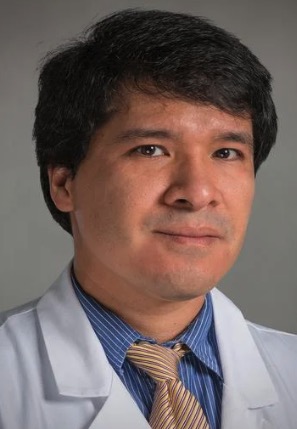 Julio Chavez合作论文数Lymphoma Section, Department of Malignant Hematology, Moffitt Cancer Center38
 Matthew Carabasi合作论文数25
 Neal Flomenberg合作论文数25
 Onder Alpdogan合作论文数24
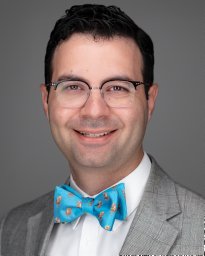 Saeed Hayder合作论文数University of Kentucky24
 Shah Bijal D合作论文数24Joanne Filicko-O'Hara合作论文数22Leidy Isenalumhe合作论文数22Margaret Kasner合作论文数22Dolores Grosso合作论文数22
 John Wagner合作论文数Division of Blood and Marrow Transplant & Cellular Therapy, Department of Pediatrics, University of Minnesota;Medical School, University of Minnesota22Neil Palmisiano合作论文数19
 Lubomir Sokol合作论文数Moffitt Cancer Center18
 Frederick Locke合作论文数Department of Blood and Marrow Transplant and Cellular Immunotherapy, Moffitt Cancer Center18Celeste Bello合作论文数16
 Aleksandr Lazaryan合作论文数15
 Sumana Devata合作论文数15Pierluigi Porcu合作论文数15
 Ranjit Nair合作论文数Univ Texas MD Anderson Canc Ctr, Dept Lymphoma Myeloma, Houston, TX 77030 USA14Thomas R. Klumpp合作论文数14
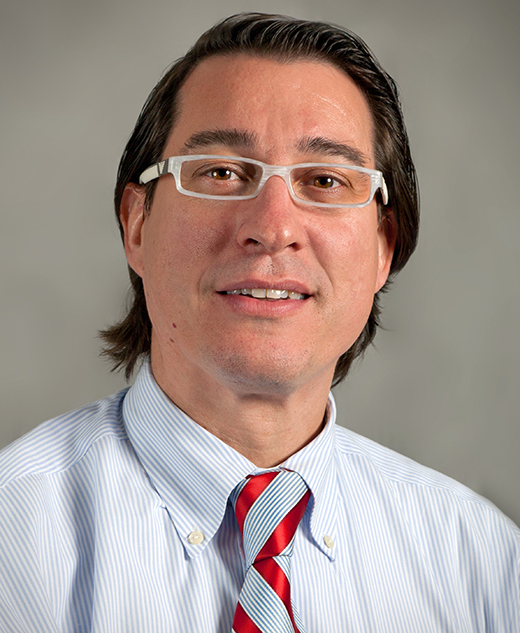 Javier Pinilla合作论文数Lymphoma Section, Department of Malignant Hematology, Moffitt Cancer Center14Bijal D. Shah合作论文数13
 Richard E. Champlin合作论文数Department of Stem Cell Transplantation and Cellular Therapy, Division of Cancer Medicine, The University of Texas MD Anderson Cancer Center;Division of Internal Medicine, The University of Texas Health Science Center13
 Ubaldo E. Martinez-Outschoorn合作论文数Sidney Kimmel Medical College, Thomas Jefferson University Hospital;Jefferson Methodist Hospital13Jing-Zhou Hou合作论文数13
 Ryan Jacobs合作论文数12
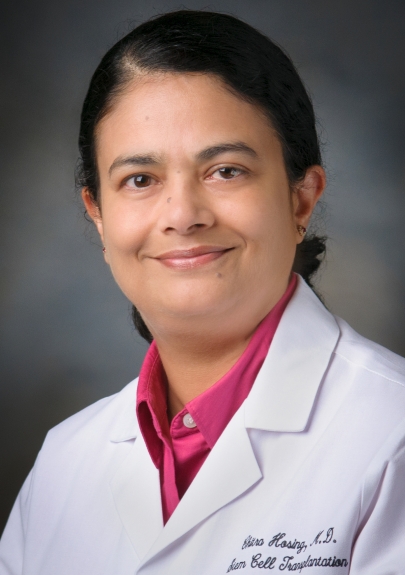 Chitra Hosing合作论文数Department of Stem Cell Transplantation and Cellular Therapy, Division of Cancer Medicine, The University of Texas MD Anderson Cancer Center12
 Uday R Popat合作论文数Department of Stem Cell Transplantation, Division of Cancer Medicine, The University of Texas MD Anderson Cancer Center;Department of Stem Cell Transplant Fellowship, The University of Texas MD Anderson Cancer Center12
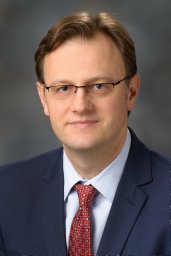 Stefan Octavian Ciurea合作论文数School of Medicine, University of California, Irvine12Weiss M A合作论文数11Jain Michael D合作论文数11Gabriela Rondon合作论文数11
 Yazeed Sawalha合作论文数10Kebriaei Partow合作论文数10Taiga Nishihori合作论文数Department of Radiation Medicine and Neurosurgery;Faculty of Medicine;Hokkaido University;Faculty of Medicine, Hokkaido University10
 Farhad Khimani合作论文数Department of Blood and Marrow Transplant and Cellular Immunotherapy, H. Lee Moffitt Cancer Center & Research Institute9
 Jonathan Brammer合作论文数9Ning Dong合作论文数9
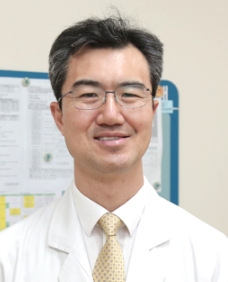 Dok-Hyun Yoon合作论文数Department of Oncology, ASAN Medical Center;Department of Oncology, College of Medicine, University of Ulsan9Don Stevens合作论文数9
 Matthew Matasar合作论文数Rutgers Cancer Institute of New Jersey;Memorial Sloan Kettering Cancer Center9Martinez Ubaldo合作论文数9
 Aravind Ramakrishnan合作论文数9Qaiser Bashir合作论文数9Betul Oran合作论文数9
 Koji Izutsu合作论文数Graduate School of Medicine, University of Tokyo9David Sermer合作论文数8Manali Kamdar合作论文数Division of Hematology, Hematologic Malignancies and Stem Cell Transplantation, University of Colorado Cancer Center8




