Post-transplant cyclophosphamide (PTCy)-based GVHD prophylaxis is associated with reduced chronic GVHD (cGVHD) incidence. However, differences in cGVHD presentation, treatment burden, and survival outcomes between PTCy and non-PTCy prophylaxis remain less well characterized, especially outside of haploidentical donor setting.We conducted a single-center retrospective study of 1,534 consecutive matched related or matched/mismatched unrelated donor transplants: 477 received PTCy-based prophylaxis and 1,057 received non-PTCy prophylaxis. PTCy regimens included PTCy/tacrolimus (TAC)/mycophenolate mofetil (MMF) (61%), PTCy/sirolimus (SIR)/MMF (26%), PTCy/SIR (12%), and other (1%). Non-PTCy regimens included TAC/SIR (72%), TAC/methotrexate (MTX) (26%), TAC/MMF (1%), and other (<1%).The 4-year cumulative incidence of cGVHD was significantly lower in the PTCy group (35% vs. 58%, p<0.001), as was moderate/severe cGVHD (17% vs. 46%, p<0.001). Among patients who developed cGVHD (PTCy: n=163; non-PTCy: n=656), those in the PTCy group had less organ involvement (lower % with ocular, joint, liver, oral, pulmonary, skin, and cutaneous sclerosis: all p<0.01), lower organ severity scores (in eye, liver, skin: all p<0.05), and reduced overall NIH moderate/severe disease burden (p<0.01).Despite these favorable features, survival from cGVHD onset was borderline inferior in the PTCy group (p=0.059), with higher non-relapse mortality (NRM) at 24 months (22% vs. 13%, p=0.014). Cause of death distributions were overall comparable between major categories such as GVHD (6% vs. 7%), organ failure (20% vs. 17%), infection (14% vs. 18%), relapse (35% vs. 32%), and other (24% vs. 26%). PTCy-associated cGVHD had higher infectious complications (increased infection density within 100 days of cGVHD onset), despite less immunosuppressive therapy exposure and higher rates of complete immune suppression discontinuation (42% vs. 15%, p<0.001).Although PTCy-based prophylaxis results in lower cGVHD incidence and severity, outcome following cGVHD onset remains suboptimal, driven by increased NRM and infectious complications. These findings warrant multi-center validation and highlight the need for strategies to improve outcomes in cGVHD following PTCy.
CD19-directed chimeric antigen receptor-T cell (CAR-T) therapies have transformed treatment for relapsed/refractory large B-cell lymphoma (LBCL), yet heterogeneity in toxicity and efficacy persists. To address this, we developed a novel composite endpoint: severe toxicity-free and progression-free survival at 6 months (TPFS6), defined as absence of severe CRS, ICANS, progressive/stable disease (PD/SD), and non-relapse mortality (NRM) within 6 months of CAR-T therapy. In our cohort, 37% achieved TPFS6. Events contributing to TPFS6 failure included severe CRS (6.8%), ICANS (30.3%), NRM (1.7%), and PD/SD (61.2%). Multivariable analysis demonstrated female sex (p = 0.01), ECOG < 2 (p = 0.05), and lower LDH and CRP (both p = 0.004) predicted TPFS6. With a median follow-up of 36.2 months, the estimated 2-year OS and PFS were 54.5% and 39.6%, respectively. Landmark analysis showed TPFS6 was associated with improved OS (HR = 0.19; 95% CI: 0.11-0.35; p < 0.001) and PFS (HR = 0.33; 95% CI: 0.16-0.67; p = 0.002). CAR-T product type was not significantly associated with OS but was with PFS (HR = 3.09; 95% CI: 1.27-7.50; p = 0.013). TPFS6 remained prognostic for OS and PFS even after accounting for PD/SD, underscoring the impact of severe toxicity on subsequent survival. TPFS6 is a clinically meaningful endpoint integrating efficacy and safety and may predict long-term outcomes following CAR-T therapy.
Chronic GVHD is less frequent after post-transplant cyclophosphamide (PTCy)–based prophylaxis, but its clinical characteristics and outcomes compared with chronic GVHD following non-PTCy approaches remain understudied. We addressed this through a single-center retrospective study of 1,534 consecutive adult transplants (PTCy: n = 477; non-PTCy: n = 1,057) using matched related or matched/mismatched unrelated donors. The cumulative incidence of NIH moderate/severe chronic GVHD was significantly lower after PTCy (17% v 46%; P < .001). Among chronic GVHD-affected patients (PTCy: n = 163; non-PTCy: n = 656), chronic GVHD after PTCy involved fewer organ sites, had lower severity scores, and less NIH moderate/severe disease overall. However, this profile did not translate into improved survival. Univariate analysis demonstrated higher non-relapse mortality (24-month NRM: 22% v 13%; P = .014) for the PTCy group, while on multivariate analysis NRM was associated with increased age, NIH overall moderate/severe chronic GVHD severity, prior grade III/IV acute GVHD, reduced platelet count and increased bilirubin. Chronic GVHD after PTCy was associated with increased infectious complications despite reduced immunosuppressive (IS) therapy and higher rates of complete IS discontinuation. Overall, PTCy-based prophylaxis was associated with a lower incidence and severity of chronic GVHD, and after adjustment for established prognostic factors, mortality following chronic GVHD diagnosis was comparable to that observed after non-PTCy prophylaxis approaches. Multicenter validation of these findings and novel strategies to mitigate non-relapse mortality in chronic GVHD are warranted.
Introduction HMA/VEN has transformed therapy for elderly pts with AML by improving survival and enabling more pts to proceed with curative allogeneic HCT. At the same time, implementation of safer conditioning and effective GVHD prevention regimens made HCT increasingly feasible for older pts by reducing NRM. Objective In this study, we evaluate whether elderly AML pts achieve superior outcomes with continuous HMA/VEN vs. undergoing HCT in CR. Methods This single center, retrospective study included elderly (≥70 yrs) AML pts treated with either HMA/VEN or HCT (2008–2023). HMA/VEN group was restricted to pts who received at least 3 cycles of HMA/VEN and never had HCT. HCT group included all pts who had HCT in CR regardless of prior treatment type. Results A total of 284 pts (139 in HMA/VEN and 145 in HCT) were identified. Median age at diagnosis was 77 (70-89) yrs in HMA/VEN and 72 (70-78) yrs in HCT. Median follow up was 54 months. Most pts had ECOG 0-1 (>95% in each group). HMA/VEN and HCT were also balanced by comorbidity score (CS): 37 vs. 40% for CS 0-2, 37 vs. 30% for CS 3-4, and 25 vs. 30% for CS ≥5, p=0.483. ELN 2022 risk was 8 vs. 6% fav, 17 vs. 30% int, and 70 vs. 57% adv in HMA/VEN and HCT, respectively (p=0.05). Mutations defining AML-MR were in 51% of HMA/VEN and 43% of HCT (p=0.194). Key mutations occurring >10% included RUNX1, ASXL1, TP53, and SRSF2.In HMA/VEN group, 70% achieved CR/CRi following HMA/VEN therapy, which was the initial treatment for 81% of pts. HCT group received various frontline regimens prior to HCT including intensive induction (58%) and lower intensity regimen (42%) of which 23% was HMA/VEN.OS at 3 yrs was 20% in HMA/VEN and 62% in HCT (p<0.001). In multivariable analysis, HCT resulted in better OS vs. HMA/VEN (HR=0.37, p<0.001). OS was worse in pts with CS ≥5 (HR=1.49, p=0.043). Among key mutations with sufficient sample size for evaluation, HCT was associated with significantly better 3-yr OS compared to HMA/VEN in pts with ASXL1 (77 vs 24%), RUNX1 (65 vs. 18%), TP53 (47 vs. 11%), SRSF2 (62 vs. 28%), NPM1 (72 vs. 38%), or FLT3-ITD (48 vs. 0%).Analysis restricted to pts achieving CR/CRi in the HMA/VEN group, HCT continued to show benefit not only in 3-yr OS (62 vs. 29%, p<0.001) but also in RFS (56 vs. 22%, p<0.001). This was because of lower 3-yr relapse rate in the HCT group compared to the HMA/VEN in CR/CRi (26 vs. 56%, p<0.001). NRM was not significantly different between the groups at 3 yrs. Furthermore, we examined pts age ≥75 yrs and confirmed improved 3-yr OS with HCT vs. HMA/VEN (58 vs. 19%, p<0.001). Conclusions HCT provides OS benefit compared to HMA/VEN in pts ≥70 yrs, in subset ≥75 yrs and in pts achieving CR/CRi. These outcomes were primarily driven by an increased risk of relapse in pts treated with HMA/VEN. Although HMA/VEN is highly effective therapy for AML pts ≥70, our study findings support treatment with HCT instead of continued HMA/VEN when clinically appropriate.
Background Older age is a known risk factor for non-relapse mortality (NRM) after allogenic stem cell transplantation (HCT). Reduced-intensity conditioning (RIC) has made HCT- the only curative option- more accessible to elderly AML and MDS patients (pts). Age adjusted HCT comorbidity index (HCT-CI), though widely use, was developed from a heterogeneous cohort and its predictive accuracy may be limited by changes in clinical practice and patient characteristics over time. We present additional predictors of NRM and overall survival (OS) to introduce RECI for patients ≥60 years (yrs) receiving HCT for AML/MDS. Methods In this single-center retrospective study, we evaluated predictive markers and survival outcomes in 941 pts aged ≥60 yrs who underwent HCT (2005-2023) for AML or MDS (Fig 1). The primary endpoints were 2-year NRM and OS. Adjusted hazard ratios (HR) of significant variables from multivariate Cox model of NRM were converted to an integer score to develop the RECI. HR of 1.3-2, 2.1-3, and 3-4, were assigned weights of 1, 2, and 3, respectively. RECI, the sum of integer weights, was used to stratify patients according to 2-year NRM and OS. Results Baseline characteristics are summarized (Fig 1, 2). At 2-year post-HCT, NRM was 22% (95% CI: 20-25) and OS was 59% (95% CI: 56-62) for the entire cohort. In multivariate analysis, NRM and OS were similar in patients aged 60-69 and ≥70 years. NRM was higher with HCT-CI ≥3 (HR 1.61, 95% CI 1.19- 2.18, p=0.002), eGFR <60 (HR 1.83, 95% CI 1.26- 2.67, p=0.002), albumin <3.5 (HR 1.83, 95% CI 1.25- 2.65, p=0.002), and CMV R+ (HR 1.36, 95% CI 1.01- 1.83, p=0.04). OS was worse with HCT-CI ≥3 (HR 1.46, 95% CI 1.15- 1.86, p=0.0018), albumin <3.5 (HR 1.54, 95% CI 1.1- 2.16, p=0.01), ferritin ≥700 (HR 1.43, 95% CI 1.10- 1.87, p=0.007), and high risk AML/MDS (HR 1.58, 95% CI 1.25- 1.99, p= <0.0001).Components of RECI are summarized (Fig 3). RECI ranged from 0 to 4 and stratified patients into 3 risk groups with score of 0 (33%), 1 (53%), and ≥2 (14%). RECI was strongly prognostic for 2-year NRM ranging from 15% (95% CI: 11-19) in RECI 0, 22% (95% CI: 19-26) in RECI 1 (HR=1.6, 95% CI 1.13-2.25, p=0.009) and 38% (95% CI: 29-46) in RECI ≥2 (HR=3.0, 95% CI 1.99-4.46, p<0.001) (Fig 4). The prognostic significance of RECI was also determined for OS ranging from 66% (95% CI: 61-72) in RICI 0, 58% (95% CI: 54-63) in RECI 1 (HR=1.3, 95% CI 1.04-1.68, p=0.02) and 44% (95% CI: 36-53) in RECI ≥2 (HR=2.2, 95% CI 1.60-2.91, p<0.0001) (Fig 4). Conclusions RECI applied at time of HCT strongly predicts NRM and OS in patients aged ≥60 with AML/MDS. No difference in survival outcomes was observed in patients aged 60-69 and ≥70 yrs. While elderly patients should be considered candidates for HCT, predictive factors that affect NRM and OS should be carefully assessed prior to HCT. If validated in large independent HCT cohort, RECI as a novel prognostic tool can aid in the appropriate selection of elderly patients for HCT.
Background Renal impairment (RI) is a common comorbidity identified during pre-transplant evaluation and is a well-established risk factor for non-relapse mortality (NRM) after allogenic hematopoietic cell transplantation (HCT). We hereby present HCT renal and survival outcomes in patients (pts) with pre-existing RI comparing commonly used graft-versus-host disease (GVHD) prevention regimens. Methods We analyzed clinical outcomes in 355 pts with pre-existing RI who underwent HCT at our center between 2018 – 2022 (Fig 1). RI was defined as eGFR< 90 ml/min/m2 estimated by the MDRD (Modification of Diet and Renal Disease) equation using creatinine prior to start of the conditioning. RI was graded based on eGFR as grade (G) 1 (60-89), G2 (45-59), G3 (30-44) and G4 (<30). The primary outcome was the development of acute kidney injury (AKI) defined as increase in serum creatinine from day of admission by ≥ 0.3 mg/dl within 48 hours or > 1.5 times within 7 days at any time within 3 months post-HCT. AKI was staged using KDIGO criteria (Kidney Disease Improving Global Outcomes). Secondary outcomes included 1-year NRM, progression-free survival (PFS), and overall survival (OS). Results Baseline characteristics are summarized (Fig 1,2). Most pts had G1 pre-HCT RI (83.7%) while none had G4. At 3 months post-HCT, the cumulative incidence of AKI was 47% (95% CI: 42-52) in all pts (Fig 3,4). Most AKIs were pre-renal (78%), stage I (54%), primarily due to dehydration (38%) followed by medications (20%), 26 pts required temporary while 1 required permanent dialysis. The average peak creatinine was 2.2 mg/dl (range: 1.1 – 11.2) and average lowest eGFR was 33.7 ml/min/m2 (range: 4-63.6). In multivariate analysis, AKI was significantly lower with PTCy/SIR as compared to PTCy/TAC (HR 1.9, 95% CI 1.19- 2.98, p=0.006) and TAC/MTX (HR 2.4, 95% CI 1.46- 4.08, p=<0.001) but not TAC/SIR (HR 1.5, 95% CI 0.97- 2.41, p=0.06). Additionally, pre-HCT RI ≥ G2 (HR 1.5, 95% CI 0.99-2.26, p=0.054) and HCT-CI ≥3 (HR 1.4, 95% CI 1.02-1.88, p=0.04) influenced higher risk of AKI post-HCT.At 1-year post-HCT, NRM was 19% (95% CI: 16- 24), PFS was 63% (95% CI: 58-68) and OS was 74% (95% CI: 70-79) for all pts (Fig 3, 4). In multivariate analysis, GVHD prophylaxis type had no independent impact on these outcomes. NRM was higher with age ≥60 yrs (HR 1.9, 95% CI 1.13- 3.1, p=0.02) and HCT-CI ≥3 (HR 1.7, 95% CI 1.11- 2.54, p=0.02). PFS was negatively affected by recipient CMV seropositivity (HR 1.6, 95% CI 1.05- 2.27, p=0.03) and HCT-CI ≥3 (HR 1.3, 95% CI 1.00- 1.80, p=0.05). OS was significantly worse with age ≥60 yrs (HR 1.6, 95% CI 1.10- 2.32, p=0.01) and HCT-CI ≥3 (HR 1.6, 95% CI 1.14- 2.18, p=0.006). Conclusions Half of the pts with pre-existing RI, particularly those with eGFR <60, are at high risk of developing AKI post-HCT. While immunosuppression can significantly influence the risk of AKI, PTCy/SIR demonstrates a more favorable impact on renal function after HCT.
Patients tapering and discontinuing immune suppression (IS) often develop graft vs. host disease (GVHD) after allogeneic hematopoietic cell transplantation (HCT). We prospectively enrolled HCT patients at relevant time points of initiation of taper of last systemic IS agent (cohort 1) or at time of complete IS stop (cohort 2) to identify rates and determinants of failure. Actual IS taper practice was recorded, and patients were followed for scheduled and event-driven clinical data and research blood samples. Success was defined as complete discontinuation of IS and durable freedom from GVHD; failure as GVHD during/after taper (cohort 1), or after IS stop (cohort 2). Median follow-up post-HCT was 53 months (range 10–141). Cohort 1 enrolled at median 15.6 months post-HCT. Failure during IS taper occurred in 43% (60% total considering failure during IS taper and after IS stop). Median time to failure was 8.3 months (range 1.1–39.5), manifesting as acute (26%) or chronic (74%) GVHD. Cohort 2 enrolled at median of 25 months post-HCT. Subsequent failure occurred in 44% at median of 4.5 months (range 0.1-27.1) manifesting as acute GVHD (20%) or chronic GVHD (80%). This prospective cohort study provides new insight into GVHD risk during IS taper/discontinuation and establishes a biologic sample repository for investigation into immune tolerance.
ABSTRACT:In this response-adapted clinic trial with daratumumab monotherapy for older patients with newly diagnosed multiple myeloma (MM), we identified target antigen expression, a plasma cell phenotype, and an activated immune tumor microenvironment (iTME) as critical features associated with response to CD38 monoclonal antibody therapy. Here, patients achieving a partial response after 2 cycles continued daratumumab, otherwise lenalidomide or bortezomib was added. This strategy resulted in an overall response rate of 97% and low rates of adverse events, with 37% of patients able to continue daratumumab monotherapy. Importantly, we found that higher CD38 expression, plasma cell gene expression programming, and an activated iTME were associated with patients who were able to continue daratumumab therapy alone. In contrast, patients requiring the addition of lenalidomide or bortezomib had increased expression of adhesion, tumor necrosis factor signaling, KRAS signaling, and B-cell programs, as well as an immunosuppressed iTME. Tracking of clonal dynamics illustrated the selection of subclones enriched for de novo resistance gene expression programs after only 2 cycles of daratumumab monotherapy. Upon relapse, daratumumab refractory MM cells were characterized by the expansion of preexisting minor subclones with mixed transcriptomic programs containing the plasma cell phenotype with decreased CD38 expression and maintenance of resistance programs, suggesting development of acquired resistance involves an uncoupling of transcriptional programs present in therapy-naïve tumors. To our knowledge, this is the first study to demonstrate the effectiveness of response-adapted daratumumab treatment and describe critical biomarkers of single-agent daratumumab sensitivity in vulnerable patients with therapy-naïve MM. This trial was registered at www.ClinicalTrials.gov as #NCT04151667.
PURPOSE This phase I-Ib trial evaluated a novel CD40L blocking antibody, BMS-986004, for the prevention of graft-versus-host disease (GVHD) after unrelated donor allogeneic hematopoietic cell transplantation (HCT). PATIENTS AND METHODS A total of 34 patients were treated at three centers. The safety and biologic activity of single-dose BMS-986004 (675 mg [n = 6] and 1,500 mg [n = 6]; one-time dose) were evaluated. Safety of prolonged dosing was then examined in separate cohorts (drug administration every 2 weeks × 3 [n = 3], 5 [n = 3] or 7 doses [n = 16]). Included patients received 8/8 HLA-matched unrelated donor peripheral blood stem-cell HCT and sirolimus/tacrolimus GVHD prophylaxis. Comprehensive HCT outcome data were collected through 2 years, inclusive of GVHD outcomes, immune reconstitution and infections, and biologic correlative studies. RESULTS BMS-986004, a single, one-time dose of 1,500 mg was identified as the safe and biologically active single-dose regimen, and prolonged dosing cohorts demonstrated safety through the seven-dose duration regimen. In phase Ib (n = 16), grade II-IV acute GVHD was 25% with no grade III or IV acute GVHD. Moderate-severe chronic GVHD at 2 years was 18.4%. Considering all patients (n = 34), a total of five deep venous thrombosis (DVT) events occurred and no significant association was detected between DVT and serial D-dimer and TAT levels. There was no evidence for excess infectious complications or cytomegalovirus reactivation. Two-year estimates were the following: Non-relapse mortality 15.3% (95% CI, 5.4% to 29.8%), relapse 22% (95% CI, 9.5% to 37.8%), and overall survival 77.8% (95% CI, 58.7% to 88.8%). CONCLUSION This trial demonstrates that next-generation CD40L blocking antibodies can be used safely in HCT recipients and supports initial clinical efficacy in the prevention of GVHD. Further study is needed in larger populations to verify these outcomes.
Introduction: Peripheral T-cell lymphomas (PTCL) are a heterogeneous group of aggressive lymphoid malignancies characterized by high relapse and mortality rates. Allogeneic hematopoietic cell transplantation (allo-HCT) is recommended upfront for high-risk subtypes—including NK/T-cell lymphoma, hepatosplenic T-cell lymphoma (HSTCL), and adult T-cell leukemia/lymphoma (ATLL)—and recommended for relapsed or refractory nodal PTCL, including PTCL-not otherwise specified (PTCL-NOS) and angioimmunoblastic T-cell lymphoma (AITL). This study aims to evaluate real-world survival outcomes and prognostic factors in a Florida multi-institutional PTCL cohort treated with allo-HCT. Methods: Patients with a diagnosis of PTCL undergoing allo-HCT at Moffitt Cancer Center (MCC) and University of Miami (UM) between February 14, 2002, and April 30, 2025, were included, excluding those with cutaneous T-cell lymphoma or cord blood grafts. Data were collected through chart review and analyzed using SAS 15.3. Overall survival (OS) and progression free survival (PFS) were estimated by the Kaplan-Meier method; cumulative incidences of relapse and non-relapse mortality (NRM) by competing risks analysis. Cox proportional hazards models and Fine-Gray regression models were used to assess factors influencing survival, relapse, and NRM. Results: We identified 99 patients who received allo-HCT for PTCL at the two centers between February 2002 and April 2025. Median age at transplant was 54 (range 23–72) years; 61% were male. 71% of patients received allo-HCT at MCC and 28 patients at UM. The histology included PTCL-NOS (43%), followed by AITL (21%), anaplastic large cell lymphoma (ALCL) (13%), NK/T-cell lymphoma (9%), ATLL (6%), and other subtypes (7%). Ninety-two (93%) patients had Ann Arbor stage III–IV and 56 (57%) had primary chemo-refractory disease. 24% of patients had received an autologous stem cell transplant prior to allo-HCT. Median number of lines of therapy prior to allo-HCT was 2 (range: 1 – 8). 48 patients (48.5%) had received ≥3 prior lines of therapy. Prior to allo-HCT, 57% were in CR, 35% PR, and 8% had SD/PD. Majority (58%) received reduced-intensity conditioning (RIC). The day +30 cumulative incidence of neutrophil and platelet engraftment was 94% and 78%, respectively. Day +100 cumulative incidence of Grade II–IV acute GVHD was 44.3% (95% CI: 34.2 – 53.9). The 1-year cumulative incidence of chronic GVHD (mild–severe) was 39% [95% CI: 29%–48%] (moderate–severe 24%) Median follow-up for survivors was 59.2 months (range: 0.4–217.5). The 3-year cumulative incidence of relapse and NRM was 28% (95% CI: 20%–38%) and 25% (95% CI: 17%–34%). Median OS was 7.9 years (95% CI: 2.7 – 10.9). Median PFS was 2.5 years (95% CI: 0.7–7.9). Estimated 3- and 5-year OS was 59% (95% CI: 48%–68%) and 56% (95% CI: 45%–65%); PFS at 3 and 5 years was 47% (95% CI: 36%–56%) and 45% (95% CI: 35%–55%). On the multivariate analysis, disease status prior to transplant showed a strong association with the risk of relapse (less than CR; HR 3.8; 95% CI 1.6–9.1, p=0.003). Compared to PTCL-NOS, relapse risk was significantly higher for ATLL (p=0.0003); no significant differences were observed for extranodal NK/T-cell leukemia/lymphoma (p=0.30). On the univariate analysis for OS and PFS, no significant association was observed for age, sex, race, ECOG status at transplant, or donor type. PFS and OS with RIC were not inferior to MAC (PFS HR 0.65 [95% CI, 0.38–1.11]; OS HR 0.58 [95% CI, 0.33–1.05]). Less than CR prior to transplant was associated with worse PFS (HR 1.84, 95% CI 1.09–3.1, p=.02). Factors associated with higher risk for NRM in multivariate analysis included ECOG status ≥1 at transplant (HR 2.61, 95% CI 1.19–5.70, p=0.016). Primary chemo-refractory disease was associated with a lower risk of NRM (HR 0.42, 95% CI 0.19–0.92, p=0.029). Conclusions: Our study shows that disease status prior to allo-HCT and the lymphoma subtype are key prognostic factors for relapse after transplant. Limited performance status at transplant is predictive of worse NRM. Allo-HCT remains the primary potentially curative therapy offering long-term survival and remission for high-risk and relapsed/refractory PTCL, although significant unmet needs remain for patients with ATLL who exhibit substantially higher relapse risks.
3 Background: The risk level of lymph node metastasis in penile cancer is determined using the Graafland criteria which determines how patients are treated. These imaging-based criteria have critical implications on patient care yet have not been extensively validated. The purpose of this study was to validate the Graafland criteria and to assess the use of radiomics analysis of CT scans to standardize risk stratification. Methods: Thirty-eight patients with squamous cell penile cancer with CT scans prior to regional lymphadenectomy were included in this retrospective cohort. Patients with prior chemotherapy for PSCC or any inguinal and pelvic radiotherapy were excluded. All CT scans were performed using IV contrast with axial slice thickness of 3mm. CT scans were analyzed by two experienced oncologic radiologists using Graafland criteria. The largest inguinal lymph node in each patient was segmented and radiomics features were extracted and compared to pathologic evidence of high-risk disease. 308 radiomic features were identified. Features with poor predictive value (i.e. AUC <0.5) were excluded. Pearson’s correlation coefficient was used to find the clusters of features (absolute value of correlation of ≥0.95), and the most predictive feature of each cluster was selected.199 features with best predictive value were selected for analysis. Two logistic regressions were performed using stepwise selection and LASSO approach. Results: In 38 subjects, 16 of 38 patients were identified as harboring lymph node metastasis on surgical pathology. Applying Graafland criteria had an inter-reader concordance of 89.5% (34/38), an accuracy of 86.8% (95%CI: 71.9% - 95.6%); AUC: 0.869 (95% CI: 0.758– 0.981); Sensitivity 87.5%; and Specificity 86.4% in predicting high-risk disease. CT radiomics analysis yielded a model including two features F54 (compactness) and F279 (3D wavelet_P1_L2_C1) which is a multi-order texture-based feature. The logistic regression with stepwise selection included two features (F54 and F279) and had an (AUC = 0.921 ± 0.096) after five-fold cross validation. Conclusions: Graafland criteria accurately predicted the presence of high-risk nodal disease on pre-operative CT scans when assessed by expert radiologists. Radiomic analysis shows promise in further refining and standardizing the detection of high-risk nodal disease with the advantage in ease of training and/or clinical application.
e19508 Background: Cilta-cel was FDA-approved for RRMM patients who have received 4 lines of therapy (LOT) including a PI, an IMID and a CD38 monoclonal antibody or 1 prior LOT, and are refractory to lenalidomide, based on the Cartitude 1 and 4 studies. (Martin et al., 2023, San Miguel et al., 2023) Neurotoxicity post cilta-cel is reported in up to 20% of patients, including CNPs. Factors associated with CNPs post cilta-cel have not been described. We aim to evaluate the incidence and clinical predictors of CNP after cilta-cel. Methods: We retrospectively reviewed all patients who received cilta-cel and developed CNPs (n=14) as well as a control cohort without CNP. In addition to reviewing demographics, known indicators of tumor burden and biology, we examined sequential absolute lymphocyte count measurements (ALC) from day of cilta-cel infusion to day +30 and compared to a control cohort (n=38), matched by age, gender, presence of extra-medullary or high-risk disease, high marrow burden (≥50%), and ferritin >400 at time of lymphodepletion. Max ALC, days to max ALC, max ALC slope (change in ALC/time) and ALC D7 to max ALC slope (Max ALC - Day +7 ALC/ Day max ALC -7) were calculated for all patients with CNP and matched controls. Results: Between May 2022 to October 2024, 140 patients received cilta-cel at our institution and 14 (10%) developed CNPs, at a median time of 17.5 days (range, 14-32) from infusion day. Patients with CNP had a median age of 67.5, 71.4% were males, 21.4% had high risk disease, 28.6 % had extra-medullary disease, and had received a median of 3 prior LOT. None had high marrow burden. Six patients had >1 CN involved, and CN 7 (n=11) was the most common. Patients were treated with steroids +/- IVIG. CNPs resolved in 71.4% of cases, within a median 61 days of its onset(range, 23-201). Patients who developed CNPs were older, had fewer prior LOT, higher max C-reactive protein value and more infections, when compared to control cohort ( p < 0.05 for all). There were no differences in incidence of CRS or ICANs or day 30 response. The median time to max ALC was 12 days (range, 10-30) in both cohorts, but max ALC was higher in the CNP cohort when compared to matched control cohort (4.98 vs 2.36, p = 0.011). Similarly, the max ALC slope and ALCD7 to max ALC slope were higher in the CNP cohort vs the matched control cohort. (2.92 vs 1.36, p =0.009 and 1.09 vs 0.43, p =0.011, respectively). Conclusions: This study noted an incidence of CNP of 10%. Patients who developed CNP were less heavily pretreated and had higher max ALC count and rate of increase in ALC than controls. Validation of these findings in a prospective cohort and primary prevention with a short course of dexamethasone in patients with elevated or rapidly rising ALC could be a consideration to mitigate this complication.
To examine activity of ibrutinib in steroid-refractory chronic GVHD (SR-cGVHD) after FDA approval, we conducted a multicenter retrospective study. Data were standardly collected (N=270 from 19 centers). Involved organs included skin (75%), eye (61%), mouth (54%), joint/fascia (47%), GI (26%), lung (27%), liver (19%), genital (7%), other (4.4%). NIH severity was mild in 5.7%, moderate 42%, severe 53%. 39% had overlap subtype. KPS was ≥ 80% in 72%. Median prednisone (mg/kg) was 0.21 (0-2.27). Ibrutinib was started at median of 18.2 months after cGVHD onset and in earlier lines of therapy (2nd line: 26%, 3rd: 30%, 4th: 21%, 5th: 9.6%, 6th: 10%, 7th or higher: 1.2%)). Among evaluable subjects, the 6 month NIH overall response rate (CR/PR) was 45% (PR 42%, CR 3%). Median duration of response was 15 months (range 1-46). Liver involvement had association with 6 month ORR (multivariate (MVA) OR 5.49 (95% CI 2.3-14.2, p <0.001). Best overall response was 56%, with most (86%) achieving by 1-3 months. With median follow up for survivors of 30.5 months, FFS was 59% (53-65%) at 6 months and 41% (36-48%) at 12 months. On MVA, increased age (HR 1.01, 95% CI 1.0-1.02, p=0.033), higher baseline prednisone (HR 1.92, 1.09-3.38, p=0.032), and lung involvement (HR 1.58, 1.1-2.28, p=0.016) had worse FFS. Ibrutinib discontinuation was most commonly due to progressive cGVHD (44%) or toxicity (42%). These data support that ibrutinib has activity in SR-cGVHD, provide new insight into factors associated with response and FFS, and demonstrate the toxicity profile associated with discontinuation.
 Taiga Nishihori合作论文数Department of Radiation Medicine and Neurosurgery;Faculty of Medicine;Hokkaido University;Faculty of Medicine, Hokkaido University109
 Joseph Pidala合作论文数H. Lee Moffitt Cancer Ctr & Research Institution, Moffitt Cancer Center;Department of Oncologic Sciences, University of South Florida98
 Claudio Anasetti合作论文数Moffitt Cancer Center93
 Asmita Mishra合作论文数Moffitt Cancer Center69Lia Perez合作论文数69
 Farhad Khimani合作论文数Department of Blood and Marrow Transplant and Cellular Immunotherapy, H. Lee Moffitt Cancer Center & Research Institute64Nelli Bejanyan合作论文数60Rawan Faramand合作论文数Blood and Marrow Transplantation and Cellular Immunotherapy, H. Lee Moffitt Cancer Center and Research Institute58
 Melissa Alsina合作论文数Moffitt Cancer Center54Hany Elmariah合作论文数53
 Frederick Locke合作论文数Department of Blood and Marrow Transplant and Cellular Immunotherapy, Moffitt Cancer Center53Michael L. Nieder合作论文数49
 Betts Brian合作论文数Dept Blood & Marrow Transplantat, H Lee Moffitt Canc Ctr & Res Inst46
 Mohamed A. Kharfan Dabaja合作论文数Department of Hematology, Mayo Clinic;Mayo Clinic hospital in Jacksonville44
 Aleksandr Lazaryan合作论文数35
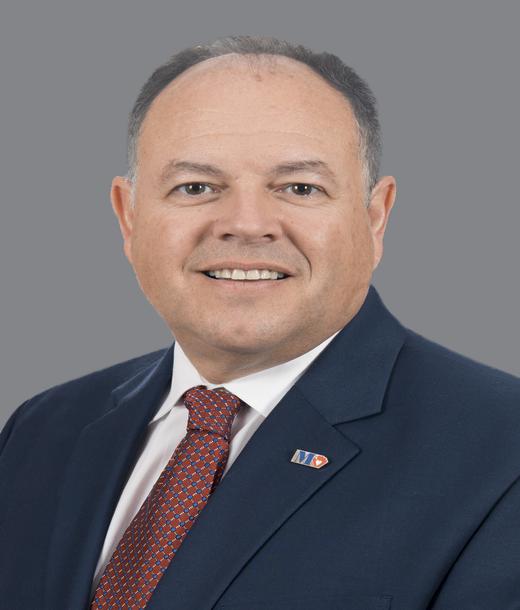 Hugo Fernandez合作论文数Moffitt Cancer Center;Morsani College of Medicine, University of South Florida34Hien Liu合作论文数31Jose L. Ochoa-Bayona合作论文数31
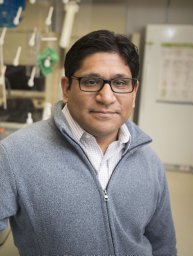 Marco L Davila合作论文数Department of Immunology, Duke University Medical Center Durham29Jain Michael D合作论文数25Teresa Field合作论文数25Kelly Walton合作论文数24Martine Extermann合作论文数Moffitt Cancer Center24
 Yue Binglin合作论文数Department of Biostatistics, Moffitt Cancer Center24Ernesto Ayala合作论文数24Janelle Perkins合作论文数24
 Jeffrey Lancet合作论文数Department of Malignant Hematology, Moffitt Cancer Center24Elizabeth Sagatys合作论文数23
 Said M. Sebti合作论文数Department of Pharmacology & Toxicology, School of Medicine, Virginia Commonwealth University;Massey Cancer Center, Virginia Commonwealth University;Prescient Therapeutics21
 Bruce Blazar合作论文数Division of Pediatric Blood and Marrow Transplantation & Cellular Therapy, Department of Pediatrics, Medical School, University of Minnesota;Center for Translational Medicine, University of Minnesota21
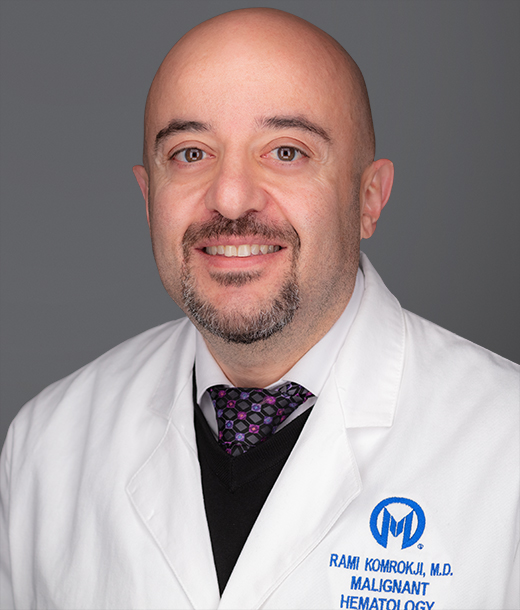 Rami Komrokji合作论文数Malignant Hematology Department, Moffitt Cancer Center;College of Medicine, University of South Florida21
 Susan Vadaparampil合作论文数21Tuya Pal合作论文数20
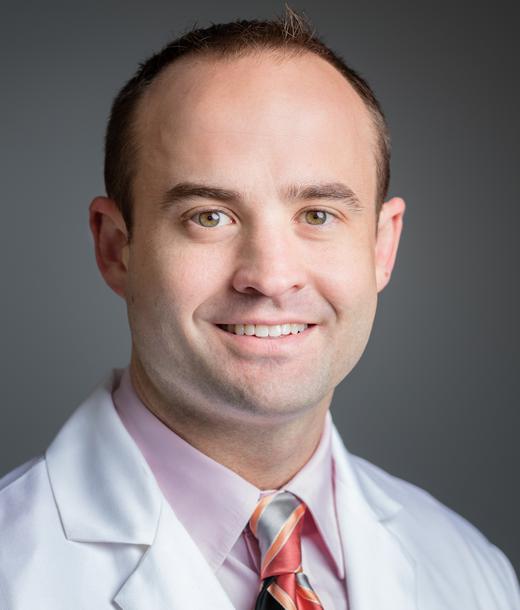 David Sallman合作论文数Department of Malignant Hematology, Moffitt Cancer Center19Biwei Cao合作论文数H Lee Moffitt Canc Ctr & Res Inst, Tampa, FL USA18Marina Sehovic合作论文数18Kenneth H. Shain合作论文数18
 Robert Gillies合作论文数Department of Cancer Physiology, H Lee Moffitt Cancer Center and Research Institute17
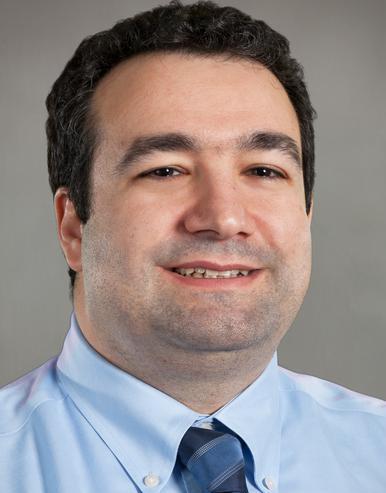 Rachid Baz合作论文数Department of Malignant Hematology, Moffitt Cancer Center;Pentecost Family Myeloma Research Center17Doris K. Hansen合作论文数16
 Eric Haura合作论文数Department of Thoracic Oncology & Drug Discovery, Moffitt Cancer Center16
 Padron Eric合作论文数14Omar Castaneda Puglianini合作论文数13Lawrence Harshani R合作论文数13Benjamin Djulbegovic合作论文数Moffitt Cancer Center, USF13Kuykendall Andrew合作论文数13
 Fabiana Perna合作论文数Hematology Unit, Federico II University13Marcie Tomblyn合作论文数13Najla H. Al Ali合作论文数13




