BACKGROUND:Prehabilitation, a process of building physiological reserve before surgery to improve postoperative outcomes, is a complex, multimodal intervention that requires rigorous evaluation in clinical trials. Incomplete reporting by such trials obscures essential intervention components and delivery contexts, hindering comparability and interpretability. This, in turn, limits clinical implementation and the replication or refinement of interventions by researchers. The aim of this study was to develop a reporting checklist for RCTs of prehabilitation. METHODS:A modified two-round Delphi process using the EQUATOR framework with 53 international experts across exercise, nutrition, psychological, and perioperative care disciplines was conducted. An initial checklist of candidate items was adapted from existing reporting standards, contextualized for prehabilitation, and iteratively refined through expert voting. Items rated eight to nine on a nine-point scale by ≥70% of participants in round two were classified as 'essential' and those rated seven were considered 'important'. RESULTS:The final checklist comprised 40 items. Sixteen items were classified as 'essential' and 24 items were classified as 'important' for guiding comprehensive reporting of prehabilitation interventions. These items span key domains including intervention components, delivery methods, adherence, participant characteristics, and outcome measures. High agreement among experts underscores the checklist's relevance and usability. CONCLUSION:Adoption of Standards for reporting research methods, interventions, and Outcomes in Surgical Prehabilitation studies (SOS-Prehab), alongside methodological and outcome-reporting items of CONSORT could improve transparency, completeness, and interpretability of prehabilitation trials. This could enable better reproducibility, robust evidence synthesis, and accelerate translation into clinical practice and policy.
Abstract Introduction Physical activity (PA) and replete nutritional status are key to maintaining independence and improving frailty status among frail older adults. We aimed to evaluate the feasibility and acceptability of training volunteers to deliver a remote intervention, comprising exercise, behaviour change, and nutrition support, to older people with frailty after a hospital stay. Methods Volunteers were trained to deliver a 3-month, multimodal intervention to frail (Clinical Frailty Status ≥5) adults ≥65 years after hospital discharge, using telephone, or online support. Feasibility was assessed by determining the number of volunteers recruited, trained, and retained; participant recruitment; and intervention adherence. Interviews were conducted with 16 older adults, 1 carer, and 5 volunteers to explore intervention acceptability. Secondary outcomes included physical function, appetite, well-being, quality of life, anxiety and depression, self-efficacy, and PA. Outcomes were measured and compared at baseline, post-intervention, and follow-up (3-months). Interviews were transcribed verbatim and analysed using thematic analysis. Results Five volunteers (mean age 16, 3 female) completed training, and 3 (60%) were retained at the end of the study. Twenty-seven older adults (mean age 80 years, 15 female) signed up to the intervention (10 online; 13 telephone). Seventeen completed the intervention. Participants attended 75% (IQR 38–92) online sessions, and 80% (IQR 68.5–94.5) telephone support. Self-reported total PA (p = 0.006), quality of life (p = 0.04), and appetite (p = 0.03) improved significantly post-intervention, with a non-significant decrease at follow-up. The intervention was safe and acceptable to volunteers, and older adults with frailty. Key barriers were lack of social support, and exercise discomfort. The online group was a positive vicarious experience, and telephone calls provided reassurance and monitoring to socially isolated older adults. Conclusion Volunteers can safely deliver a remote multimodal intervention for frail older adults discharged from hospital with training and support from a health practitioner.
BACKGROUND:Prehabilitation is increasingly being used in patients undergoing multimodality treatment for oesophagogastric cancer (OGC). Most studies to date have been small, single-centre trials. This collaborative study sought to assess the overall impact of prehabilitation on patient outcomes following OGC surgery. METHODS:Data came from four prospective prehabilitation trials conducted in the UK or Ireland in patients undergoing multimodality treatment for OGC. The studies included three randomised and one non-randomised clinical trial, each comparing a prehabilitation intervention group to controls. The prehabilitation interventions included aerobic training delivered by exercise physiologists alongside dietetic input throughout the treatment pathway. The primary outcome was survival (all-cause and disease-specific mortality). Secondary outcomes were differences in complications, cardio-respiratory fitness (changes in VO2 peak and anaerobic threshold (AT)), chemotherapy completion rates, hospital length of stay, changes in body mass index, tumour regression and complication rates of anastomotic leak and pneumonia. Cox and logistic regression analysis provided hazard ratios (HR) and odds ratios (OR), respectively, with 95% confidence intervals (CI), adjusted for confounders. RESULTS:Among 165 patients included, 88 patients were in the prehabilitation group and 77 patients were in the control group. All-cause and disease-specific mortality were not improved by prehabilitation (HR 0.67 95% CI 0.21-2.12 and HR 0.82 95% CI 0.42-1.57, respectively). The prehabilitation group experienced fewer major complications (20% vs. 36%, p = 0.034; adjusted OR of 0.54; 95%CI 0.26-1.13). There was a mitigated decline in VO2 peak following neo-adjuvant therapy (delta prehabilitation -1.07 mL/kg/min vs. control -2.74 mL/kg/min; p = 0.035) and chemotherapy completion rates were significantly higher following prehabilitation (90% vs. 73%; p = 0.016). Hospital length of stay (10 vs. 12 days, p = 0.402) and neoadjuvant chemotherapy response (Mandard 1-3 41% vs. 35%; p = 0.494) favoured prehabilitation, albeit not statistically significantly. CONCLUSION:Despite some limitations in terms of heterogeneity of study methodology, this study suggests a number of meaningful clinical benefits from prehabilitation before surgery for OGC patients. Current initiatives to agree on national standards for delivering prehabilitation and the results of ongoing trials will help to further refine this important intervention and expand the evidence base to support the widespread adoption and implementation of prehabilitation programs.
AIM:Locally advanced pelvic malignancies, such as colorectal and anal cancers, can only be cured through multimodal cancer treatment including multi-visceral exenterative resections, which carry a high mortality and morbidity risk. Despite strong predictive abilities in other cancer cohorts, the combined prognostic value of body composition and cardiopulmonary exercise testing (CPET) for major in-hospital morbidity in patients undergoing exenterative surgery for advanced pelvic cancers has not been evaluated. METHOD:A locally advanced colorectal and anal cancer cohort was derived from a prospectively maintained quaternary database. CPET was undertaken preoperatively, according to national guidelines. Skeletal muscle index (SMI) and radiation attenuation (SM-RA) were obtained from analysing L3 slices from preoperative computed tomography scans using SliceOmatic 5.0 and classified using predefined thresholds. Major morbidity was defined as Clavien-Dindo classification 3a or greater. RESULTS:From 247 patients (58% male, median age 60 years), 62.4% and 35.5% had locally advanced or recurrent disease respectively. Physical fitness variables were significantly reduced in low SMI or low SM-RA patients. In multivariate linear regression, SMI was strongly predictive of oxygen uptake at the anaerobic threshold (B = 0.013, p = 0.001) and at peak (B = 0.015, p = 0.002). 17.3% of all patients experienced a major postoperative complication. In multivariate analysis, reduced peak power output (<1.5 W kg-1) was significantly associated with an increased risk of postoperative major morbidity (OR = 2.6, p = 0.012). CONCLUSION:CPET may be predictive of in-hospital major morbidity in this cohort. The association of CPET with body composition necessitates further evaluation and external validation in a larger patient cohort, specifically interrogating their combined role in morbidity prediction and as a target for prehabilitation interventions.
PURPOSE:Preclinical studies have indicated that physical exercise may enhance chemotherapy efficacy. However, clinical trials are needed to investigate these findings. We hypothesized that an exercise program during neoadjuvant chemotherapy would improve tumor response in patients with breast cancer. PATIENTS AND METHODS:Neo-train was a randomized controlled trial allocating patients with breast cancer to the usual care control (CON) group or the exercise (EX) group that received supervised high-intensity interval training and progressive resistance training 3 times weekly during 18 to 24 weeks of neoadjuvant chemotherapy. The two groups were compared on tumor size, assessed using magnetic resonance imaging as primary outcome, and secondary clinical/pathologic, biological, physical, and patient-reported outcomes. RESULTS:From 2021 to 2023, 102 participants were randomly assigned to the EX (n = 50) or CON (n = 52) group. We found no between-group differences in median tumor size change from baseline to presurgery (EX vs. CON -3.0 mm [95% confidence interval (CI), -8.0 to 14.0]), the proportion with radiologic complete response [EX 65% vs. CON 56%; odds ratio 1.16 (95% CI, 0.39-3.91)], or pathologic complete response [EX 59% vs. CON 56%; odds ratio 1.03 (95% CI, 0.43-2.46)]. The exercise program was associated with higher relative dose intensity, fewer dose delays, shorter hospital stays, and increased cardiorespiratory fitness, muscle strength, and level of physical activity. We found no differences in tumor-infiltrating lymphocytes, body composition, health-related quality of life, anxiety, depression, psychological distress, or participation in rehabilitation between groups. CONCLUSIONS:Although the exercise program did not affect tumor size, the positive effects on chemotherapy completion and shorter hospitalizations suggest improved treatment tolerance.
INTRODUCTION:Studies have demonstrated that prehabilitation in oesophagogastric cancer (OGC) improves body composition, physical fitness and quality of life, and can reduce surgical complications. However, it is not offered in all OGC centres. Furthermore, definitions, funding and access to services vary. We conducted a survey of prehabilitation in OGC centres in England and Wales. METHODS:OGC centres were identified through the National Oesophago-Gastric Cancer Audit (NOGCA). Survey questions were developed, piloted in two institutions and distributed via email in October 2022. Reminder emails were sent over two months until the survey closed in December 2022. RESULTS:Responses were received from 28 of 36 centres. There was near-universal agreement that prehabilitation should be considered standard of care for patients on curative pathways (27/28; 96%). Most centres (21/28; 75%) offered prehabilitation. The majority of respondents believed that prehabilitation should commence at diagnosis (27/28; 96%) and consist of at least aerobic training and dietitian input. Most (26/28; 93%) believed access to clinical psychologists should be included; however, only 12 (43%) had access to clinical psychologists. Respondents believed prehabilitation improves quality of life (26/28; 93%), fitness (26/28; 93%), smoking cessation (28/28; 100%), surgical complication rates (25/28; 89.3%), likelihood of proceeding to surgery (25/28; 89.3%) and overall survival (20/28; 71.4%). CONCLUSIONS:Despite barriers to funding and a lack of best practice guidelines, most units deliver prehabilitation. Units require higher quality evidence, consensus on the most important aspects of the intervention and core outcome sets to support the delivery of services and facilitate audit to assess the impact of their introduction.
BACKGROUND:Prehabilitation is safe, feasible and may improve a range of outcomes in patients with oesophago-gastric cancer (OGC). Recent studies have suggested the potential of prehabilitation to improve body composition, sarcopenia and physical fitness, reduce surgical complications and improve quality of life. Despite this, prehabilitation services are not offered throughout all OGC centres in the UK. Where prehabilitation is offered, delivery and definitions vary significantly, as do funding sources and access. METHODS:A professional association endorsed series of consensus meetings were conducted using a modified Delphi process developed by the Peri-Operative Quality Initiative (POQI) to identify and refine consensus statements relating to the development and delivery of prehabilitation services for OGC patients. Participants from a variety of disciplines were identified based on a track record of published studies in the field of prehabilitation and/or practice experience encompassing prehabilitation of OGC patients. Approval from the POQI board was obtained and independent supervision provided by POQI. RESULTS:A total of 20 statements were developed and agreed by 26 participants over a preliminary meeting and 2 semi-structured formal POQI meetings. Ten research themes were identified. In the case of one statement, consensus was not reached and the statement was recorded and developed into a research theme. A strong recommendation was made for the majority of the consensus statements (17 of 20). DISCUSSION:Consensus statements encompassing the interventions and outcomes of prehabilitation services in oesophago-gastric cancer surgery have been developed to inform the implementation of programmes.
Postoperative morbidity in patients undergoing curative colorectal cancer surgery is high. Prehabilitation has been suggested to reduce postoperative morbidity, however its effectiveness is still lacking. The aim of this study was to investigate the effectiveness of prehabilitation in reducing postoperative morbidity and length of hospital stay in patients undergoing colorectal cancer surgery. A comprehensive electronic search was conducted in the CINAHL, Cochrane Library, Medline, PsychINFO, AMED, and Embase databases from inception to April 2023. Randomised controlled trials testing the effectiveness of prehabilitation, including exercise, nutrition, and/or psychological interventions, compared with usual care in patients undergoing colorectal cancer surgery were included. Two independent review authors extracted relevant information and assessed the risk of bias. Random-effect meta-analyses were used to pool outcomes, and the quality of evidence was assessed using Grading of Recommendations, Assessment, Development, and Evaluations (GRADE) guidelines. A total of 23 trials were identified (N = 2475 patients), including multimodal (3 trials), exercise (3 trials), nutrition (16 trials), and psychological (1 trial) prehabilitation. There was moderate-quality evidence that preoperative nutrition significantly reduced postoperative infectious complications (relative risk 0.65, 95 https://doi.org/10.17605/OSF.IO/VW72N ).
 Malcolm West合作论文数Institute of Developmental Sciences, University of Southampton70
 Micheal Grocott合作论文数66
 Lisa Loughney合作论文数28Cj Warburton合作论文数21
 Denny Z. H. Levett合作论文数UCL Institute of Human Health and Performance Centre for Altitude, Space and Extreme Environment Medicine (CASE Medicine) First Floor, Charterhouse Building, Archway Campus, Highgate Hill London N19 5LW UK21
 Graham Kemp合作论文数Institute of Life Course and Medical Sciences, Faculty of Health & Life Sciences, University of Liverpool18Susanne Oksbjerg Dalton合作论文数Department of Clinical Medicine, Faculty of Health and Medical Sciences, University of Copenhagen14
 Andrew Bates合作论文数Nursing, Midwifery, and Health, University of Southampton13Barben Christopher P合作论文数13
 Anne-Vibeke Lænkholm合作论文数Department of Clinical Medicine, University of Copenhagen;Department of surgical Pathology, Zealand University Hospita12
 Gunn Ammitzbøll合作论文数COMPAS, Zealand Univ Hosp12Julie Gehl合作论文数12Eva Kjeldsted合作论文数11Rosthøj Susanne合作论文数Department of Biostatistics, University of Copenhagen11Peter M. A. Calverley合作论文数Department of Medicine;University of Liverpool11Mike Grocott合作论文数8Stephen W. Fenwick合作论文数8
 Anders Tolver合作论文数Department of Mathematical Sciences, Faculty of Science, University of Copenhagen7
 Stephen A Wootton合作论文数Institute of Human Nutrition;University of Southampton;Institute of Human Nutrition, University of Southampton7
 David J Lythgoe合作论文数7MG PEARSON合作论文数6Judit Varkonyi-Sepp合作论文数NHS Foundation Trust, University Hospital Southampton6D. Dunne合作论文数6
 Matthew Parry合作论文数6Graeme John Poston合作论文数6
 Tim Underwood合作论文数University of Southampton6
 Tom Wilkinson合作论文数University of Southampton;My Mhealth;Royal College of Physicians6Anna Freeman合作论文数University Hospitals Southampton NHS Foundation Trust5
 Harry B Rossiter合作论文数Department of Medicine, David Geffen School of Medicine, University of California;School of Biomedical Sciences, Faculty of Biological Sciences, University of Leeds;The Lundquist Institute5
 Jennifer Brunet合作论文数5
 Shaunna Burke合作论文数5
 Robert P Jones合作论文数Centre for Drug Safety Science, University of Liverpool5
 Kerry Gove合作论文数5
 Francesco Torella合作论文数Education and Research Centre, Wythenshawe Hospital5
 Chloe Grimmett合作论文数5Doriana Cellura合作论文数Dipartimento di Chimica e Fisica della Terra, Università di Palermo5
 Karl J. Staples合作论文数National Heart and Lung Institute, Imperial College School of Medicine5Daniel H. Palmer合作论文数Cancer Research UK Institute for Cancer Studies, University of Birmingham5R. Astin合作论文数4Helen Moyses合作论文数4Samantha Leggett合作论文数4
 Sophie Allen合作论文数School of Sport Exercise and Rehabilitation Sciences, University of Birmingham4Timothy Wallis合作论文数4Lesley Hawkins合作论文数4
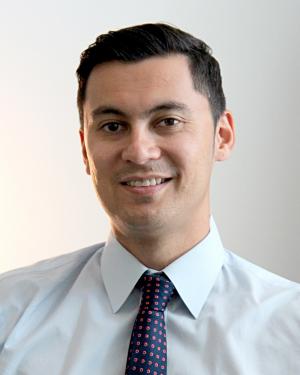 Daniel Santa Mina合作论文数Faculty of Kinesiology and Physical Education, University of Toronto4
 James Gossage合作论文数4
 Chelsia Gillis合作论文数4John Moore合作论文数4
 Judith Cave合作论文数4




