The way humans produce and consume material goods continues to be a primary driving force in biodiversity decline. Despite significant advances in quantifying biodiversity footprints, important differences exist across approaches and indicators. These include what aspects of biodiversity are measured and how they are reported. In this systematic review, we provide an overview of biodiversity impact metrics developed to assess biodiversity impacts by human production and consumption activities.We use systematic literature mapping to scan over 1,200,000 records sourced from OpenAlex. Using natural language processing models and a cosine similarity index, we reduce our corpus to more than 7,000 records and finally include more than 150 works as part of the review. We find that biodiversity footprinting metrics have evolved substantially since their initial development in the late 1990s. Initially focused on land use as the principal driver of biodiversity loss, metrics now also address climate change, pollution, invasive species, and, in some cases, overexploitation. We propose a classification into four families of biodiversity‐related metrics: impact assessment metrics dominate (64%), followed by pressure‐impact metrics (12%), pressure‐impact combined with impact assessment (10%), and state‐based metrics (5%), alongside a minor contribution from theoretical ecology in combination with others.Impact assessment metrics, rooted in industrial ecology, specialise around three ecological models to characterise the effects of diverse pressures on species: (i) species–area relationships and equivalent connected areas for land use, (ii) species–discharge relationships for water flow alterations, and (iii) species sensitivity distributions for pollution impacts.Existing metrics cover terrestrial, freshwater, and marine realms, with a predominant focus on taxonomic and functional diversity. Phylogenetic diversity remains substantially underrepresented, and while many metrics operate at the species level, relatively few extend to ecosystem assessments, and none adequately capture genetic diversity. Except for amphibians, birds, mammals, reptiles, and vascular plants, species groups such as fishes, insects, bryophytes, algae, fungi, and non‐insect invertebrates across realms remain largely underrepresented in current biodiversity metrics.
Plastics are deeply embedded in contemporary life, and their production and pollution contribute to irreversible harm across ecological and social systems. Recognized as a “novel entity” in the Planetary Boundaries framework, plastics challenge traditional governance models due to their chemical complexity and diversity, cross-sectoral impacts, and pushback from powerful political and economic actors. This study addresses urgent science-policy gaps through a structured expert elicitation, conducted during the ongoing negotiations on the global plastics treaty. We present the Experts Multi-Issue Knowledge Elicitation (EMIKE) method - a flexible, co-productive approach that addresses social-ecological dimensions of plastics pollution. Through a three-phase process involving 21 interdisciplinary experts, we identified 21 critical issue areas spanning toxic chemical use, social inequality, overconsumption, climate impacts, and financing and policy incoherence, among others. The EMIKE process generated a matrix of interrelated indicators across plastics’ life cycle to inform adaptive, more comprehensive, just, and evidence-based policymaking. EMIKE offers a methodology for surfacing often neglected issues in natural science driven studies, fostering interdisciplinary dialogue, and advancing policy-relevant knowledge. It enables structured elicitation - attuned to power, uncertainty, and evolving political contexts - to better integrate diverse science inputs into global governance. This approach is essential not only for plastics governance, but also for any multifaceted sustainability issue requiring intersectional, systems-based solutions. Key findings highlight the inseparability of ecological and social concerns, the limits of technocratic quantification, and the need to democratize science-policy interfaces. Experts emphasized the importance of precautionary action, transparency, and justice-based governance to counteract corporate influence and systemic inertia. Our study also illustrates how scientific frameworks can support policy development by adequately considering the complexity of global sustainability challenges.
As the science of transformation of matter, chemistry provides knowledge, innovation and practice that are fundamental to the current efforts to achieve sustainability in the face of challenges that include multiple environmental crises (including pollution, climate change and biodiversity loss) and looming shortages of ‘critical’ materials. This article presents the case for chemistry and the chemical sciences adopting material stewardship as a central mission, whose aim is to transform and use the Earth's available stock of material resources in ways consistent with ensuring sustainability for people and for the physical and biological systems of the planet on which all life depends. The implications of this mission are examined, including for chemistry's contributions to extending knowledge, processes and products required for stewarding the Earth's physical and biological materials and systems. The mission includes supporting energy transitions necessary to stabilise Earth systems that are increasingly perturbed by anthropogenic effects. An overview is presented of how chemistry's mission of material stewardship interconnects with sustainability frameworks providing broad principles and goals, including the UN's Sustainable Development Goals and the Planetary Boundaries and Human Security frameworks, as well as with specific chemistry movements and orientations (including green, sustainable, circular and one-world chemistry) and enabling tools (e.g. systems thinking, material circularity and life cycle assessment) that provide guiding concepts, pathways and capacities for chemistry's contributions towards sustainability. The utility of the material stewardship mission is exemplified through three case studies, related to a product type, a sustainability tool, and a sustainability movement. The need is emphasised for the chemistry profession to work across disciplines to help shape policy and practice towards a sustainable future. This includes engaging with others in the processes of negotiation that shape global agreements on goals, policies and programmes that impact on sustainability. Critical ones currently in progress include the efforts to find mechanisms to reduce greenhouse gas emissions to limit global warming to the UN's target of not more than 1.5 °C above pre-industrial levels by 2050, and to establish a UN Science-Policy Panel on chemicals.
The planetary boundaries framework defines a safe operating space for humanity. To date, these boundaries have mostly been investigated separately, and it is unclear whether breaching one boundary can lead to the transgression of another. By employing a dynamic global vegetation model, we systematically simulate the strength and direction of the effects of different transgression levels of the climate change boundary (using climate output from ten phase 6 of the Coupled Model Intercomparison Project models for CO 2 levels ranging from 350 ppm to 1000 ppm). We focus on climate change-induced shifts of Earth’s major forest biomes, the control variable for the land-system change boundary, both by the end of this century and, to account for the long-term legacy effect, by the end of the millennium. Our simulations show that while staying within the 350 ppm climate change boundary co-stabilizes the land-system change boundary, breaching it (>450 ppm) leads to critical transgression of the latter, with greater severity the higher the ppm level rises and the more time passes. Specifically, this involves a poleward treeline shift, boreal forest dieback (nearly completely within its current area under extreme climate scenarios), competitive expansion of temperate forest into today’s boreal zone, and a slight tropical forest extension. These interacting changes also affect other planetary boundaries (freshwater change and biosphere integrity) and provide feedback to the climate change boundary itself. Our quantitative process-based study highlights the need for interactions to be studied for a systemic operationalization of the planetary boundaries framework.
Socio-political factors in Integrated Assessment Models (IAMs), and their scenario narratives often lack transparency for policymakers and interdisciplinary scholars. As these tools increasingly support sustainable development goals, their assumptions and methodologies require scrutiny, particularly from social scientists. We address critiques of climate isolationism, overemphasis on technological transitions, and insufficient inter- and transdisciplinarity, advocating for robust interdisciplinary integration and clearer methodological transparency. Our recommendations stem from expert interviews and over 200 stakeholders across 30 countries from 2019 to 2024, emphasizing the need for cohesive theory and comprehensive social science engagement to refine these critical tools. Our main case study uses a new scenario set, the Sustainable Development Pathways (SDPs), that made substantial efforts to address social sciences critiques. The SDPs consist of both narratives and IAM-quantified target-seeking scenarios that are supported by social science concepts and theories to ensure not only theoretical coherence, but also their credibility among policymakers. As such tools are increasingly used to facilitate policies and actions for sustainability transformation, questions are raised about how they can effectively represent the complexities behind the current polycrisis that is marked by the climate crisis, biodiversity loss, economic inequality and social injustice. The paper concludes by reflecting on the remaining challenges and open questions related to the role of exogenous sociopolitical factors, the potential for scenarios to transcend political ideologies, and the need for ongoing adaptation of SDPs to reflect the dynamic global context. It calls for continued engagement and exploration of these issues to ensure the scientific representation of sustainable and equitable futures.
Interactions of global change science, business and policymakers play a crucial role in shaping today’s regulatory frameworks for corporate sustainability. Our research question is why sustainability might actually be undermined by the ways that some prominent interfaces are informing corporate sustainability. Concentrating on ‘science-based’ initiatives that prescribe quantitative target-setting, business-driven task forces that define frameworks for businesses to assess and disclose information on strategies and targets, and the European Union (EU) as a supranational policymaking power, we scrutinise concepts, debates and developments involving these three globally influential non-state actors.
The UN sustainable development goals (SDGs) and the Paris climate target require a holistic transformation towards human well-being within planetary boundaries. However, there are growing debates on how to best pursue these targets. Proposed transformation strategies include market- and technology-driven green-growth, shifting towards a sufficiency-oriented post-growth economy, and a transformation driven primarily by strong government action. Here we quantify three alternative sustainable development pathways (SDPs), Economy-driven Innovation, Resilient Communities, and Managing the Global Commons, that reflect these different societal strategies. We compare the quantifications from two integrated assessment models and two sectoral models of the buildings and materials sectors across a broad set of indicators for sustainable development and climate action. Our global multi-scenario and multi-model analysis shows that all three SDPs enable substantial progress towards the human development goals of the SDGs. They simultaneously limit global warming and prevent further environmental degradation, with the sufficiency-oriented Resilient Communities scenario showing the lowest peak warming and lowest reliance on carbon dioxide removal as well as the largest improvements in biodiversity intactness. The SDPs also alleviate the concerns about the biogeophysical and technological feasibility of narrowly-focused climate change mitigation scenarios. However, the shifts in energy and food consumption patterns assumed in the SDPs, ranging from moderate in Economy-driven Innovation to very ambitious in Resilient Communities, also lead to increased challenges regarding socio-cultural feasibility.
Operating within safe and just Earth system boundaries requires mobilizing key actors across scale to set targets and take actions accordingly. Robust, transparent and fair cross-scale translation methods are essential to help navigate through the multiple steps of scientific and normative judgements in translation, with clear awareness of associated assumptions, bias and uncertainties. Here, through literature review and expert elicitation, we identify commonly used sharing approaches, illustrate ten principles of translation and present a protocol involving key building blocks and control steps in translation. We pay particular attention to businesses and cities, two understudied but critical actors to bring on board. Translating Earth system boundaries across scale involves scientific and normative judgements, with associated assumptions, bias and uncertainties. A protocol involving key building blocks and control steps in translation is presented with focus on businesses and cities, two understudied critical actors.
Plastics are an international governance priority because of extensive and resource-intensive production, uncontrolled environmental releases, and failure to control the chemicals within the materials. We examine the evidence that plastics have exceeded the planetary safe operating space, discussing how plastics pollution affects multiple Earth system processes along the impact pathway from resource extraction and production to release to environmental fate and impacts. Multiple lines of evidence capture the complex reality of these novel entities; a single planetary boundary quantification would be detrimental. We demonstrate causal links between plastics and other environmental problems, exacerbating the consequences of breaching other planetary boundaries. We propose biophysically defined control variables for the planetary boundaries framework as a way to measure, monitor, and mitigate global plastics pollution. We call for urgent action, recognizing plastics pollution not only as a waste management problem but as an integrative part of climate change, biodiversity, and natural-resource-use policy.
Science-Based Targets (SBTs) are being developed for companies to contribute to global sustainability goals, including for ‘nature’. The literature has not yet explored multiple understandings of SBTs. We adopt an interpretive approach, using Q methodology to explore framings of SBTs amongst 22 scientists and practitioners engaged in SBT development. Results show two distinct framings: ‘we need science-based targets to help economic systems move towards global sustainability’ and ‘the system itself is unsustainable and needs to change – science-based targets can help’, with areas of agreement and disagreement. They lean towards reformist or radical discourse, at times weaving them together. What kinds of ‘transformation’, if any, are SBTs capable of driving? Conceptualising SBTs as a boundary object, we suggest that sustainability transformations involve paradoxical tensions, including where actors appeal to the powerful to drive change, but this inhibits the most radical discourses. We conclude with potential implications for sustainability science and governance.
While chemicals are vital to modern society through materials, agriculture, textiles, new technology, medicines, and consumer goods, their use is not without risks. Unfortunately, our resources seem inadequate to address the breadth of chemical challenges to the environment and human health. Therefore, it is important we use our intelligence and knowledge wisely to prepare for what lies ahead. The present study used a Delphi-style approach to horizon-scan future chemical threats that need to be considered in the setting of chemicals and environmental policy, which involved a multidisciplinary, multisectoral, and multinational panel of 25 scientists and practitioners (mainly from the United Kingdom, Europe, and other industrialized nations) in a three-stage process. Fifteen issues were shortlisted (from a nominated list of 48), considered by the panel to hold global relevance. The issues span from the need for new chemical manufacturing (including transitioning to non-fossil-fuel feedstocks); challenges from novel materials, food imports, landfills, and tire wear; and opportunities from artificial intelligence, greater data transparency, and the weight-of-evidence approach. The 15 issues can be divided into three classes: new perspectives on historic but insufficiently appreciated chemicals/issues, new or relatively new products and their associated industries, and thinking through approaches we can use to meet these challenges. Chemicals are one threat among many that influence the environment and human health, and interlinkages with wider issues such as climate change and how we mitigate these were clear in this exercise. The horizon scan highlights the value of thinking broadly and consulting widely, considering systems approaches to ensure that interventions appreciate synergies and avoid harmful trade-offs in other areas. We recommend further collaboration between researchers, industry, regulators, and policymakers to perform horizon scanning to inform policymaking, to develop our ability to meet these challenges, and especially to extend the approach to consider also concerns from countries with developing economies. Environ Toxicol Chem 2023;42:1212-1228. © 2023 Crown copyright and The Authors. Environmental Toxicology and Chemistry published by Wiley Periodicals LLC on behalf of SETAC. This article is published with the permission of the Controller of HMSO and the King's Printer for Scotland.
Income inequality poses a significant challenge for many countries, including Mexico. By 2018, according to CONEVAL, 52.4 million Mexicans were living in poverty, equalling 41.9% of the population. Mexico’s status as the 15th largest economy worldwide makes it a compelling case for analysing income distribution and its impacts on social class structure, particularly since Mexico was the 11th largest GHG emitter. This study focuses on exploring the dynamics of income and carbon inequality, assessing the differences between deciles, geographic domains such as urban and rural ones and 32 States. We do this by using Mexico’s 2018 National Household Income and Expenditure Survey coupled with an environmentally extended multi-regional input-output model to estimate decile’s consumption-based carbon footprints. We find that per capita GHG emissions by the 1% ultra-rich were 12 and 8.5 times bigger than the 10% low- and middle-income deciles, respectively. As such only a quarter of the Mexican population is within the Paris Agreement carbon budget (less than 2.2 tCO2e per capita). Reducing poverty and inequalities seems imperative for a country that is and will continue to be largely affected by climate change. Still, it should not come at the expense of increasing the carbon footprint per capita.
Abstract How can wellbeing for all be reached while reducing risks of destabilizing the planet? This ambition underlies the 2030 Agenda but analyzing whether it is possible requires linking global socioeconomic developments with life-supporting Earth systems, incorporating feedback between them. Our new integrated systems model, Earth4All, enables exploration of plausible developments of human wellbeing and environmental pressures, 1980-2100. The relatively simple model focuses on quantifying and capturing high-level feedback between socioeconomic and environmental domains. It can analyze economic transformations towards increased wellbeing with reduced pressures on planetary boundaries. The model includes two key novelties: a social tension index and a wellbeing index, to track societal progress this century. Modeling results indicate that decision-making as usual likely leads to rising social tensions, worsening environmental pressures and declining wellbeing. We propose five turnarounds that in the model can shift the human world off the current trajectory, improve global wellbeing and ease environmental pressures.
In this Matters Arising, we respond to a recent article by Bachmann et al.1 We argue that dealing with plastics pollution as a novel entity within the planetary boundaries framework needs to consider the entirety of the plastics life cycle, from resource extraction to impacts on earth system processes. Singling out LCA quantifications to set a boundary for recycling plastics is not only an unviable myth but may be a dangerous approach. Bachmann et al.1 argue that it is possible to maintain business as usual and move the economy ‘towards circular plastics’ while staying within planetary boundaries. The authors’ solutions rest on poorly operationalized terms and unrealistic estimates, which over-state what technological solutions can achieve and risk locking the world into an even more plastic-intensive future. We see major flaws in their baseline assumptions and aim to better define and contextualize plastics pollution within Earth systems.
This planetary boundaries framework update finds that six of the nine boundaries are transgressed, suggesting that Earth is now well outside of the safe operating space for humanity. Ocean acidification is close to being breached, while aerosol loading regionally exceeds the boundary. Stratospheric ozone levels have slightly recovered. The transgression level has increased for all boundaries earlier identified as overstepped. As primary production drives Earth system biosphere functions, human appropriation of net primary production is proposed as a control variable for functional biosphere integrity. This boundary is also transgressed. Earth system modeling of different levels of the transgression of the climate and land system change boundaries illustrates that these anthropogenic impacts on Earth system must be considered in a systemic context.
Chemistry has a vital role in enabling the reductions in greenhouse gases, stewardship of material resources and new production processes needed to bring net CO 2 emissions to zero by 2050, keeping within 1.5 °C of global warming.
With the establishment of the sustainable development goals (SDGs), countries worldwide agreed to a prosperous, socially inclusive, and environmentally sustainable future for all. This ambition, however, exposes a critical gap in science-based insights, namely on how to achieve the 17 SDGs simultaneously. Quantitative goal-seeking scenario studies could help explore the needed systems' transformations. This requires a clear definition of the "target space." The 169 targets and 232 indicators used for monitoring SDG implementation cannot be used for this; they are too many, too broad, unstructured, and sometimes not formulated quantitatively. Here, we propose a streamlined set of science-based indicators and associated target values that are quantifiable and actionable to make scenario analysis meaningful, relevant, and simple enough to be transparent and communicable. The 36 targets are based on the SDGs, existing multilateral agreements, literature, and expert assessment. They include 2050 as a longer-term reference point. This target space can guide researchers in developing new sustainable development pathways.
Climate tipping points occur when change in a part of the climate system becomes self-perpetuating beyond a forcing threshold, leading to abrupt and/or irreversible impacts. Synthesizing paleoclimate, observational, and model-based studies, we provide a revised shortlist of global ‘core’ tipping elements and regional ‘impact’ tipping elements and their temperature thresholds. Current global warming of ~1.1°C above pre-industrial already lies within the lower end of some tipping point uncertainty ranges. Several more tipping points may be triggered in the Paris Agreement range of 1.5-2°C global warming, with many more likely at the 2-3°C of warming expected on current policy trajectories. In further work we use these estimates to test the potential for and impact of tipping cascades in response to global warming scenarios using a stylised model. This strengthens the evidence base for urgent action to mitigate climate change and to develop improved tipping point risk assessment, early warning capability, and adaptation strategies. Preprint: https://doi.org/10.1002/essoar.10509769.1
 Johan Rockstrom合作论文数Stockholm Resilience Centre, Stockholm University;Potsdam Institute for Climate Impact Research;Potsdam University32
 Ingo Fetzer合作论文数Stockholm Resilience Centre, Stockholm University25
 Dieter Gerten合作论文数Department of Earth System Analysis, Potsdam Institute for Climate Impact Research;Geographisches Institut, Mathematisch-Naturwissenschaftliche Fakultät, Humboldt-Universitat zu Berlin13
 Katherine Richardson合作论文数Section for Biodiversity, Center for Macroecology, Evolution and Climate, Globe Institute, University of Copenhagen11
 Steven J. Lade合作论文数Thin Film Physics Laboratory, Shivaji University11
 Jonathan Donges合作论文数Earth Resilience Science Unit, Potsdam Institute for Climate Impact Research;High Meadows Environmental Institute, Princeton University;Stockholm Resilience Centre, Stockholm University11
 Andy Purvis合作论文数Department of Life Sciences, Faculty of Natural Sciences, Imperial College London10
 Detlef Van Vuuren合作论文数Department of Global Sustainability, PBL Netherlands Environmental Assessment Agency10
 Tim Jickells合作论文数School of Environmental Sciences, University of East Anglia10
 Lan Wang-Erlandsson合作论文数Stockholm Resilience Centre, Delft University of Technology9
 Georgina Mace合作论文数Centre for Biodiversity and Environment Research, Division of Biosciences, University College London9
 Alexander Popp合作论文数Potsdam Institute for Climate Impact Research;Kassel Institute for Sustainability, University of Kassel9
 Willem-Jan van Zeist合作论文数Amsterdam Ctr Multiscale Modeling ACMM, Vrije Univ Amsterdam8
 David Collste合作论文数Stockholm Resilience Ctr, Stockholm Univ8
 Robin Freeman合作论文数8
 De Palma Adriana合作论文数Department of Life Sciences, Natural History Museum Cromwell Road;Imperial College London Silwood Park Campus;Department of Life Sciences, Imperial College London Silwood Park Campus8
 David Leclère合作论文数Institute for Applied Systems Analysis, Laxenburg, Austria8
 Fernando Jaramillo合作论文数Department of Physical Geography, Stockholm University;Bolin Centre for Climate Research, Stockholm University;Stockholm University, Stockholm University8
 Florian Humpenöder合作论文数Land Use Transition Lab, Potsdam Institute for Climate Impact Research;Department of Climate Resilience, Potsdam Institute for Climate Impact Research8
 Tom Gleeson合作论文数Department of Civil Engineering, Faculty of Engineering and Computer Science, University of Victoria8
 Miina Porkka合作论文数Department of Civil and Environmental Engineering;Helsinki University;of Technology;Department of Civil and Environmental Engineering, Helsinki University8
 Rob Alkemade合作论文数Faculty of Forestry;Kasetsart University;Faculty of Forestry, Kasetsart University8
 Stuart Butchart合作论文数Department of Zoology, University of Cambridge;Global Science Division, BirdLife International8
 Jonathan C. Doelman合作论文数PBL Planbureau voor de Leefomgeving8
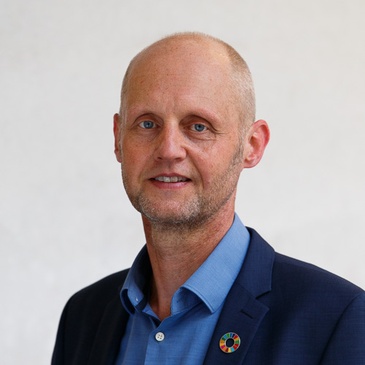 Hermann Lotze-Campen合作论文数Potsdam Institute for Climate Impact Research;Department of Agricultural Economics, Humboldt University8catherine downy合作论文数7
 Bernardo Baeta Neves Strassburg合作论文数International Institute for Sustainability;Pontifical Catholic University of Rio de Janeiro7R. Almond合作论文数7
 Arie Staal合作论文数Aquatic Ecology and Water Quality Management Group, Wageningen University, Wageningen, The Netherlands7
 Jelle Hilbers合作论文数Dept Environm Sci, Radboud Univ Nijmegen7
 Patrick W. Keys合作论文数School of Global Environmental Sustainability, Colorado State University7
 Tamas Krisztin合作论文数Int Inst Appl Syst Anal IIASA7
 Stefanie Hellweg合作论文数Department of Civil, Environmental and Geomatic Engineering, Eidgenössische Technische Hochschule Zürich7
 A.M. Schipper (Aafke)合作论文数Department of Environmental Science, Institute for Water and Wetland Research, Faculty of Science, Radboud University Nijmegen7
 Thomas D. Harwood合作论文数Ecosystem Sciences, Commonwealth Scientific and Industrial Research Organization7
 Chaudhary Abhishek合作论文数Institute of Environmental Engineering, ETH Zurich7
 Samantha Hill合作论文数Department of Life Sciences, Natural History Museum Cromwell Road;United Nations Environment Programme World Conservation Monitoring Centre;Department of Life Sciences, United Nations Environment Programme World Conservation Monitoring Centre7
 Will Steffen合作论文数Climate Change Institute, Australian National University7
 Tim Newbold合作论文数University College London7
 Michael Obersteiner合作论文数International Institute for Applied Systems Analysis;Environmental Change Institute, University of Oxford7Hugo Valin合作论文数Organisation For Economic Co-Operation and Development7
 Bethanie Carney Almroth合作论文数Department of Zoology/Zoophysiology, Göteborg University7
 Deon Nel合作论文数Lulea University of Technology7
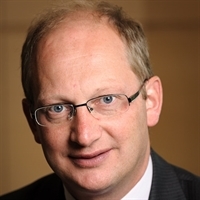 JCM (Hans) Van Meijl合作论文数Wageningen University & Research7
 Carl Folke合作论文数Beijer Institute of Ecological Economics, Royal Swedish Academy of Sciences;Stockholm Resilience Centre, Stockholm University7
 Piero Visconti合作论文数Biodiversity, Ecology, and Conservation Research Group, International Institute for Applied Systems Analysis7
 Elke Stehfest合作论文数Department of Global Sustainability, PBL Netherlands Environmental Assessment Agency7
 Petr Havlík合作论文数International Institute for Applied Systems Analysis7




