Marine dissolved organic carbon (DOC) is one of the largest reservoirs of fixed carbon on Earth, and its cycling contributes to ocean productivity and carbon storage. Despite its central role, efforts to characterize DOC reactivity and cycling in aquatic systems have been hampered by low recovery during isolation. The most widely applied recovery methods, solid‐phase extraction and ultrafiltration, independently capture less than half of seawater DOC. Here we investigate ceramic nanofiltration as a novel method to isolate DOC from surface waters across the land‐to‐ocean continuum. A bench‐scale prototype system employing a 200 Da pore size ceramic nanomembrane consistently retained > 82% of organic probe molecules (181–376 Da) and > 88% of bulk DOC from diverse surface waters. Salt permeation of the nanomembrane was variable (34–70%) across all surface waters, but highest in seawater (63–70%). Coastal surface seawater was size fractionated using a set of ceramic nanomembranes with pore sizes ranging from 200 to 2000 Da. Radiocarbon analysis of the size fractions revealed that an intermediate size class (i.e., 200–450 Da) is notably older than both smaller and larger size classes and bulk DOC, thereby challenging the size‐reactivity continuum paradigm within low molecular weight coastal DOC (i.e., < 2000 Da). Together, these results suggest that ceramic nanofiltration may have the potential to effectively isolate DOC and remove salts, thus enabling new experimental insights into the cycling of DOC. If scaled, this technology could be applied to greatly expand our understanding of the role of DOC as a key intermediate in the ocean carbon cycle.
The Guaymas Basin, Gulf of California is a hydrothermally active sediment-covered oceanic spreading center in the early stages of rifting. Hot-spring fluids were collected from its southern trough in 1998, 2003, and 2008 and analyzed for the concentration and isotopic composition of organic and inorganic aqueous species to assess subseafloor geochemical processes. Fluids discharged from the seafloor through hydrothermal edifices with measured temperatures of 91 to 317 C. In general, fluids exiting larger structures were characterized by higher temperatures than fluids venting from smaller structures. Measured pH (25 C) ranged from 5.7 to 7.1. Endmember fluids were characterized by near-zero concentrations of Mg and SO4, depletions in Na, and enrichments in K, Ca, and Cl relative to seawater, reflecting extensive interaction with sediment during circulation. Thermal maturation of sedimentary organic matter resulted in the addition of abundant sigma NH4+, CO2,sigma CH4, short-chain nalkanes, and carboxylic acids to solution. Organic compounds added to fluids during recharge pass through high temperature deep-seated reaction zones and reach high levels of thermal maturity while others may be added by entrainment of lower temperature sedimentary pore fluids in hydrothermal upflow zones. The relative abundance of many organic compounds mobilized during hydrothermal alteration is consistent with metastable states of thermodynamic equilibrium that likely record subseafloor temperature conditions. The isotope composition of low molecular weight hydrocarbons and elevated concentrations of dissolved Cl suggest that temperatures may have exceeded the two-phase boundary for seawater and subsequently cooled before discharging at the seafloor. Periods of high temperature fluid-sediment or fluid-rock interaction followed by cooling may provide a mechanism for the aqueous mobilization and concentration of sulfide-forming metals in subseafloor mineral deposits. Fluid compositions have remained constant at the southern trough of Guaymas Basin for at least 26 years, indicating decadal stability in the physical and chemical conditions in subseafloor environments as well as the km-scale regional recharge zones containing unaltered sediment.
On Earth and beyond, organic chemistry often occurs in the presence of water within environments that deviate drastically from ambient conditions (25 degrees C and 1 bar). Accurately predicting aqueous organic reaction pathways is crucial toward understanding planetary scale processes such as the cycling of elements crucial for life (e.g., carbon and nitrogen). Advanced thermodynamic modeling can be utilized to determine the favorability of various organic reactions based on geologically relevant ranges of temperature and pressure, as well as compositional variables (e.g., pH). However, data that would otherwise allow for a diversity of organic compounds and environmental conditions to be modeled are sparse and rarely tested with experiments, particularly with regard to organic-nitrogen compounds. In this work, we develop a framework to estimate thermodynamic properties at ambient conditions that can then be extrapolated across ranges of temperature and pressure for aqueous primary, secondary, and tertiary amines and aminiums (protonated amines), specifically those structures containing linear alkyl chains and benzyl functional groups. We also performed hydrothermal experiments (250 degrees C, similar to 40 bar) involving reactions of methylamines to test our resulting thermodynamic models, and we compare our models for other alkylamines and benzylamines to previous empirical measurements from the literature. Specifically, we use existing thermodynamic data along with our estimates at ambient conditions in combination with a variety of existing extrapolation methods related to the revised Helgeson-Kirkham-Flowers (HKF) equations of state to generate temperature- and pressure-dependent predictions of acid dissociation constants (i.e., pK(a) values) that strongly agree with previous empirical measurements. We use similar methods to predict product distributions for reactions involving primary, secondary, and tertiary amines/aminiums, as well as ammonia/ammonium and corresponding alcohols whose collective distributions depend on reversible substitution reactions. Our predictions are in good agreement with our experimental results involving the methylamine reaction system as well as previous experiments involving the benzylamine reaction system, for which we also produced thermodynamic estimates involving benzyl alcohol. The agreement between independent theoretical predictions and experimental measurements suggests that our estimated properties can be applied to modeling amine chemistry in other experimental and natural aqueous systems that range in temperature and pressure, providing new tools for planetary exploration.
Deep-sea hydrothermal vent geochemistry shapes the foundation of the microbial food web by fueling chemolithoautotrophic microbial activity. Microbial eukaryotes (or protists) play a critical role in hydrothermal vent food webs as consumers and hosts of symbiotic bacteria, and as a nutritional source to higher trophic levels. We measured microbial eukaryotic cell abundance and predation pressure in low-temperature diffuse hydrothermal fluids at the Von Damm and Piccard vent fields along the Mid-Cayman Rise in the Western Caribbean Sea. We present findings from experiments performed under in situ pressure that show cell abundances and grazing rates higher than those done at 1 atmosphere (shipboard ambient pressure); this trend was attributed to the impact of depressurization on cell integrity. A relationship between the protistan grazing rate, prey cell abundance, and temperature of end-member hydrothermal vent fluid was observed at both vent fields, regardless of experimental approach. Our results show substantial protistan biomass at hydrothermally fueled microbial food webs, and when coupled with improved grazing estimates, suggest an important contribution of grazers to the local carbon export and supply of nutrient resources to the deep ocean.
Deep-sea hydrothermal vent geochemistry shapes the foundation of the microbial food web by fueling chemolithoautotrophic microbial activity. Microbial eukaryotes (or protists) play a critical role in hydrothermal vent food webs as consumers, hosts of symbiotic bacteria, and as a nutritional source to higher trophic levels. We measured cell abundances and predation pressures of vent-associated microbial eukaryotes in low temperature diffuse hydrothermal fluids at the Von Damm and Piccard vent fields along the Mid-Cayman Rise in the Western Caribbean Sea. We present findings from experiments performed under in situ pressure that show higher cell abundances and grazing rates compared to those done at 1 atmosphere (shipboard ambient pressure); this trend was attributed to the impact of depressurization on cell integrity. A relationship between protistan grazing rate, prey cell abundance, and temperature of end member hydrothermal vent fluid was observed at both vent fields, regardless of experimental approach. The quantification of protistan biomass and grazing pressure shows that hydrothermally-fueled microbial food webs play a significant role in the broader deep-sea carbon budget by contributing to local carbon export and supply of nutrient resources to the deep ocean.
The contribution of venting fluids at mid-ocean ridges to global ocean biogeochemical cycles is well rec-ognized. Less is known about the role of magmatically-active intra-plate volcanoes. In this study, new compositional fluid data were acquired from 20 to 50 degrees C vent fluids at Kama`ehuakanaloa (previously known as Lo over bar `ihi) seamount (Hawai'ian archipelago) and used to model the wide diversity of reaction con-ditions capable of producing the Fe-, Si-and CO2-rich vent fluids observed. Our conceptual model includes a first step where seawater reacts with increasing proportions of basalt and gas as the temper-ature increases, and a second step where the resulting hydrothermal fluid mixes with unaltered seawater while continuing to react with basalt until the fluid mixture reaches 20 degrees C. A series of reaction paths were chosen to vary: the maximum temperature during Step 1 (50 to 400 degrees C) and the proportions of basalt and gas reacting; the degree, F, of low-temperature basalt alteration during Step 2, which corresponds to the extent to which the hot fluid generated during Step 1 continues to react with more basalt as it ascends to the seafloor. Our model shows that the 20-50 degrees C vent fluids are greatly dependent on the degree of low-temperature basalt alteration during fluid upwelling. Indeed, the compositions of Kama`ehuakanaloa vent fluids cannot be reconciled with a general model of subsurface mechanical mixing of high -temperature end-member vent fluid and seawater alone. Instead, they require both subsurface equilib-rium mixing between a >= 350 degrees C hydrothermal fluid end-member and seawater and further basalt alter-ation that must occur as the fluid mixture rises to the seafloor. Although it involves only -4% of the amount of basalt having reacted during Step 1, this low-temperature basalt alteration during Step 2 leads to the characteristic enrichments in Fe observed in the Kama`ehuakanaloa vent fluids and a concomitant depletion in H2S. We hypothesize that low-temperature basalt alteration during an extended path of fluid upwelling through the subseafloor might arise as a direct consequence of the height and steep-sloped topography of Kama`ehuakanaloa seamount. If correct, this suggests a more general case -that input from magmatically-active intraplate volcanoes, which have been relatively overlooked throughout the history of submarine vent investigations to date, could differ significantly from global mid-ocean ridge fluxes and contribute more substantially than previously recognized to the global ocean Fe cycle. (c) 2023 Elsevier Ltd. All rights reserved.
Single-celled microbial eukaryotes inhabit deep-sea hydrothermal vent environments and play critical ecological roles in the vent-associated microbial food web. 18S rRNA amplicon sequencing of diffuse venting fluids from four geographically- and geochemically-distinct hydrothermal vent fields was applied to investigate community diversity patterns among protistan assemblages. The four vent fields include Axial Seamount at the Juan de Fuca Ridge, Sea Cliff and Apollo at the Gorda Ridge, all in the NE Pacific Ocean, and Piccard and Von Damm at the Mid-Cayman Rise in the Caribbean Sea. We describe species diversity patterns with respect to hydrothermal vent field and sample type, identify putative vent endemic microbial eukaryotes, and test how vent fluid geochemistry may influence microbial community diversity. At a semi-global scale, microbial eukaryotic communities at deep-sea vents were composed of similar proportions of dinoflagellates, ciliates, Rhizaria, and stramenopiles. Individual vent fields supported distinct and highly diverse assemblages of protists that included potentially endemic or novel vent-associated strains. These findings represent a census of deep-sea hydrothermal vent protistan communities. Protistan diversity, which is shaped by the hydrothermal vent environment at a local scale, ultimately influences the vent-associated microbial food web and the broader deep-sea carbon cycle.
To investigate the origin of C-H bonds in thermogenic methane (CH4), a solvent-extracted sample of organic-rich Eagle Ford shale was reacted with heavy water (D2O) under hydrothermal conditions (350 bar) in a flexible Au-TiO2 cell hydrothermal apparatus at a water-to-rock ratio of approximately 5:1. Temperature was increased from 200 to 350 ? over the course of one month and the concentrations of aqueous species and methane isotopologues were quantified as a function of time. In general, production of hydrogen, CO2, alkanes, and alkenes increased with time and temperature. Methane formed during the early stages of the experiment at 200 ? was primarily (CH4)-H-1 with some CH3D. With progressively higher temperatures, increasing proportions of deuterated isotopologues were produced. Near the end of the experiment, the concentration of CD4 exceeded that of all other isotopologues combined. These results suggest that competition between rates of kerogen-water isotopic exchange and natural gas generation may govern the D/H ratio of thermogenic gases. Furthermore, hydrogenation of kerogen by water may be responsible for hydrocarbon yields in excess of those predicted by conventional models of source rock maturation in which hydrocarbon generation is limited by the amount of organically bonded hydrogen.
Single-celled microbial eukaryotes inhabit deep-sea hydrothermal vent environments and play critical ecological roles in the vent-associated microbial food web. 18S rRNA amplicon sequencing of diffuse venting fluids from four geographically- and geochemically-distinct hydrothermal vent fields was applied to investigate community diversity patterns among protistan assemblages. The four vent fields include Axial Seamount at the Juan de Fuca Ridge, Sea Cliff and Apollo at the Gorda Ridge, all in the NE Pacific Ocean, and Piccard and Von Damm at the Mid-Cayman Rise in the Caribbean Sea. We describe species diversity patterns with respect to hydrothermal vent field and sample type, identify putative vent endemic microbial eukaryotes, and test how vent fluid geochemistry may influence microbial community diversity. At a semi-global scale, microbial eukaryotic communities at deep-sea vents were composed of similar proportions of dinoflagellates, ciliates, Rhizaria, and stramenopiles. Individual vent fields supported distinct and highly diverse assemblages of protists that included potentially endemic or novel vent-associated strains. These findings represent a census of deep-sea hydrothermal vent protistan communities. Protistan diversity, which is shaped by the hydrothermal vent environment at a local scale, ultimately influences the vent-associated microbial food web and the broader deep-sea carbon cycle.
The bloom-forming cyanobacteria Trichodesmium contribute up to 30% to the total fixed nitrogen in the global oceans and thereby drive substantial productivity. On an expedition in the Gulf of Mexico, we observed and sampled surface slicks, some of which included dense blooms of Trichodesmium erythraeum. These bloom samples contained abundant and atypical free fatty acids, identified here as 2-methyldecanoic acid and 2-methyldodecanoic acid. The high abundance and unusual branching pattern of these compounds suggest that they may play a specific role in this globally important organism.
Natural seeps occur at the seafloor as loci of fluid flow where the flux of chemical compounds into the ocean supports unique biologic communities and provides access to proxy samples of deep subsurface processes. Cold seeps accomplish this with minimal heat flux. While individual expertize is applied to locate seeps, such knowledge is nowhere consolidated in the literature, nor are there explicit approaches for identifying specific seep types to address discrete scientific questions. Moreover, autonomous exploration for seeps lacks any clear framework for efficient seep identification and classification. To address these shortcomings, we developed a Ladder of Seeps applied within new decision-assistance algorithms (Spock) to assist in seep exploration on the Costa Rica margin during the R/V Falkor 181210 cruise in December, 2018. This Ladder of Seeps [derived from analogous astrobiology criteria proposed by Neveu et al. (2018)] was used to help guide human and computer decision processes for ROV mission planning. The Ladder of Seeps provides a methodical query structure to identify what information is required to confirm a seep either: 1) supports seafloor life under extreme conditions, 2) supports that community with active seepage (possible fluid sample), or 3) taps fluids that reflect deep, subsurface geologic processes, but the top rung may be modified to address other scientific questions. Moreover, this framework allows us to identify higher likelihood seep targets based on existing incomplete or easily acquired data, including MBES (Multi-beam echo sounder) water column data. The Ladder of Seeps framework is based on information about the instruments used to collect seep information (e.g., are seeps detectable by the instrument with little chance of false positives?) and contextual criteria about the environment in which the data are collected (e.g., temporal variability of seep flux). Finally, the assembled data are considered in light of a Last-Resort interpretation, which is only satisfied once all other plausible data interpretations are excluded by observation. When coupled with decision-making algorithms that incorporate expert opinion with data acquired during the Costa Rica experiment, the Ladder of Seeps proved useful for identifying seeps with deep-sourced fluids, as evidenced by results of geochemistry analyses performed following the expedition.
Maximizing scientific return is critical to the success of space exploration. During the SUBSEA project, which explored the Sea Cliff vent site aboard the E/V Nautilus as an analog for hydrothermal systems on Ocean Worlds, we used forward geochemical modeling to guide decision-making during the process of exploration. Before the expedition, we performed 1670 reaction-path calculations to simulate water-rock interactions during hydrothermal circulation covering wide ranges of reaction conditions to predict the diversity of possible chemical compositions and energy available for chemosynthetic microorganisms at the Sea Cliff vents. Calculation of the information entropy of predicted concentrations of major solutes and pH allowed us to identify dissolved silica as the chemical species capable of yielding the most information about reaction conditions; as such, the measurement of this parameter was implemented aboard ship for our field program. Using telepresence, results of onboard chemical analyses of fluid samples collected during seafloor Dive n were sent to our shore-based scientific team, who processed the data and used the outcomes to inform the design of Dive n + 2. Combining data processing with forward modeling revealed, within just two dives, that all the observed fluids venting from 10 degrees C to 300 degrees C most likely resulted from simple conservative mixing between seawater and a common hydrothermal fluid endmember: the result of reaction of seawater with basalt at >= 350 degrees C. Identification of these reaction conditions early within the cruise allowed additional calculations to be performed to quantify the energy available from redox disequilibria as a function of vent-fluid temperatures as they exited the seafloor. These calculations can help inform and optimize real-time microbiological sampling and culture experiments onboard the ship during field expeditions. The success of our approach coupling forward modeling and onboard ship analyses allowed improved efficiency in completing process studies at the Sea Cliff vent site, providing time for further exploration and sampling of a newly discovered vent site: Apollo. This study demonstrates a novel application of forward and real-time modeling for scientific exploration that allows the time required for result-informed decision making to be reduced from years to hours - an essential breakthrough for future space exploration missions.
Microbial eukaryotes (or protists) in marine ecosystems are a link between primary producers and all higher trophic levels, and the rate at which heterotrophic protistan grazers consume microbial prey is a key mechanism for carbon transport and recycling in microbial food webs. At deep-sea hydrothermal vents, chemosynthetic bacteria and archaea form the base of a food web that functions in the absence of sunlight, but the role of protistan grazers in these highly productive ecosystems is largely unexplored. Here, we pair grazing experiments with a molecular survey to quantify protistan grazing and to characterize the composition of vent-associated protists in low-temperature diffuse venting fluids from Gorda Ridge in the northeast Pacific Ocean. Results reveal protists exert higher predation pressure at vents compared to the surrounding deep seawater environment and may account for consuming 28 to 62% of the daily stock of prokaryotic biomass within discharging hydrothermal vent fluids. The vent-associated protistan community was more species rich relative to the background deep sea, and patterns in the distribution and co-occurrence of vent microbes provide additional insights into potential predator-prey interactions. Ciliates, followed by dinoflagellates, Syndiniales, rhizaria, and stramenopiles, dominated the vent protistan community and included bacterivorous species, species known to host symbionts, and parasites. Our findings provide an estimate of protistan grazing pressure within hydrothermal vent food webs, highlighting the important role that diverse protistan communities play in deep-sea carbon cycling.
Molecular surveys of low temperature deep-sea hydrothermal vent fluids have shown that Campylobacteria (previously Epsilonproteobacteria) often dominate the microbial community and that three genera, Arcobacter, Sulfurimonas, and Sulfurovum, frequently coexist. In this study, we used replicated radiocarbon incubations of deep-sea hydrothermal fluids to investigate activity of each genus under three experimental conditions. To quantify genus-specific radiocarbon incorporation, we used newly designed oligonucleotide probes for Arcobacter, Sulfurimonas, and Sulfurovum to quantify their activity using catalyzed-reporter deposition fluorescence in situ hybridization (CARD-FISH) combined with fluorescence-activated cell sorting. All three genera actively fixed CO2 in short-term (∼ 20 h) incubations, but responded differently to the additions of nitrate and oxygen. Oxygen additions had the largest effect on community composition, and caused a pronounced shift in community composition at the amplicon sequence variant (ASV) level after only 20 h of incubation. The effect of oxygen on carbon fixation rates appeared to depend on the initial starting community. The presented results support the hypothesis that these chemoautotrophic genera possess functionally redundant core metabolic capabilities, but also reveal finer-scale differences in growth likely reflecting adaptation of physiologically-distinct phylotypes to varying oxygen concentrations in situ. Overall, our study provides new insights into how oxygen controls community composition and total chemoautotrophic activity, and underscores how quickly deep-sea vent microbial communities respond to disturbances. IMPORTANCE Sulfidic environments worldwide are often dominated by sulfur-oxidizing, carbon-fixing Campylobacteria. Environmental factors associated with this group's dominance are now understood, but far less is known about the ecology and physiology of members of subgroups of chemoautotrophic Campylobacteria. In this study, we used a novel method to differentiate the genus-specific chemoautotrophic activity of three subtypes of Campylobacteria. In combination with evidence from microscopic counts, chemical consumption/production during incubations, and DNA-based measurements, our data show that oxygen concentration affects both community composition and chemoautotrophic function in situ. These results help us better understand factors controlling microbial diversity at deep-sea hydrothermal vents, and provide first-order insights into the ecophysiological differences between these distinct microbial taxa.
Symbioses between invertebrate animals and chemosynthetic bacteria form the basis of hydrothermal vent ecosystems worldwide. In the Lau Basin, deep-sea vent snails of the genus Alviniconcha associate with either Gammaproteobacteria ( A. kojimai , A. strummeri ) or Campylobacteria ( A. boucheti ) that use sulfide and/or hydrogen as energy sources. While the A. boucheti host–symbiont combination (holobiont) dominates at vents with higher concentrations of sulfide and hydrogen, the A. kojimai and A. strummeri holobionts are more abundant at sites with lower concentrations of these reductants. We posit that adaptive differences in symbiont physiology and gene regulation might influence the observed niche partitioning between host taxa. To test this hypothesis, we used high-pressure respirometers to measure symbiont metabolic rates and examine changes in gene expression among holobionts exposed to in situ concentrations of hydrogen (H 2 : ~25 µM) or hydrogen sulfide (H 2 S: ~120 µM). The campylobacterial symbiont exhibited the lowest rate of H 2 S oxidation but the highest rate of H 2 oxidation, with fewer transcriptional changes and less carbon fixation relative to the gammaproteobacterial symbionts under each experimental condition. These data reveal potential physiological adaptations among symbiont types, which may account for the observed net differences in metabolic activity and contribute to the observed niche segregation among holobionts.
We examined the mineralogical, chemical and isotopic compositions of secondary fluid inclusions in olivine-rich rocks from two active serpentinization systems: the Von Damm hydrothermal field (Mid-Cayman Rise) and the Zambales ophiolite (Philippines). Peridotite, troctolite and gabbroic rocks in these systems contain abundant CH 4 -rich secondary inclusions in olivine, with less abundant inclusions in plagioclase and clinopyroxene. Olivine-hosted secondary inclusions are chiefly composed of CH 4 and minor H 2 , in addition to secondary minerals including serpentine, brucite, magnetite and carbonates. Secondary inclusions in plagioclase are dominated by CH 4 with variable amounts of H 2 and H 2 O, while those in clinopyroxene contain only CH 4 . We determined hydrocarbon abundances and stable carbon isotope compositions by crushing whole rocks and analysing the released volatiles using isotope ratio monitoring—gas chromatography mass spectrometry. Bulk rock gas analyses yielded appreciable quantities of CH 4 and C 2 H 6 in samples from Cayman (4–313 nmol g −1 CH 4 and 0.02–0.99 nmol g −1 C 2 H 6 ), with lesser amounts in samples from Zambales (2–37 nmol g −1 CH 4 and 0.004–0.082 nmol g −1 C 2 H 6 ). Mafic and ultramafic rocks at Cayman exhibit δ 13 C CH 4 values of −16.7‰ to −4.4‰ and δ 13 C C 2 H 6 values of −20.3‰ to +0.7‰. Ultramafic rocks from Zambales exhibit δ 13 C CH 4 values of −12.4‰ to −2.8‰ and δ 13 C C 2 H 6 values of −1.2‰ to −0.9‰. Similarities in the carbon isotopic compositions of CH 4 and C 2 H 6 in plutonic rocks, Von Damm hydrothermal fluids, and Zambales gas seeps suggest that leaching of fluid inclusions may provide a significant contribution of abiotic hydrocarbons to deep-sea vent fluids and ophiolite-hosted gas seeps. Isotopic compositions of CH 4 and C 2 H 6 from a variety of hydrothermal fields hosted in olivine-rich rocks that are similar to those in Von Damm vent fluids further support the idea that a significant portion of abiotic hydrocarbons in ultramafic-influenced vent fluids is derived from fluid inclusions. This article is part of a discussion meeting issue ‘Serpentinite in the Earth system’.
Significance Hydrothermal fluid geochemistry exerts a key control on subseafloor microbial community structure and function. However, the effects of microbial metabolic activity, thermal decomposition of biomass, and abiotic reactions on geochemistry remain unconstrained. Depletions in molecular hydrogen and enrichments in methane in submarine hydrothermal mixing zones have been interpreted to reflect the influence of an active subseafloor biosphere. In contrast, our work reveals that these chemical shifts are driven by abiotic and thermogenic processes at temperatures beyond the limit for life. These findings have critical implications for constraining the extent to which global geochemical cycles can sustain a deep biosphere, and for the global molecular hydrogen budget.
 Jeffrey S. Seewald合作论文数Department of Marine Chemistry and Geochemistry, Woods Hole Oceanographic Institution53
 Christopher R. German (Chris German)合作论文数Woods Hole Oceanographic Institution24
 Julie Huber合作论文数Marine Chemistry and Geochemistry Department, Woods Hole Oceanographic Institution17
 John M. Hayes合作论文数Woods Hole Oceanographic Institution16
 Christopher M. Reddy合作论文数Department of Marine Chemistry & Geochemistry, Woods Hole Oceanographic Institution15
 Eoghan P. Reeves合作论文数MARUM Center for Marine Environmental Sciences, University of Bremen14
 Jill Mcdermott合作论文数Department of Marine Chemistry and Geochemistry, Woods Hole Oceanographic Institution13
 Kai Uwe Hinrichs合作论文数Department of Geosciences, University of Bremen13
 Dana Yoerger合作论文数Deep Submergence Laboratory, Department of Applied Ocean Physics & Engineering, Woods Hole Oceanographic Institution12
 Roger Summons合作论文数The Summons Lab, Department of Earth, Atmospheric and Planetary Sciences, Massachusetts Institute of Technology10
 Louis Whitcomb合作论文数Laboratory for Computational Sensing and Robotics, Department of Mechanical Engineering, Whiting School of Engineering, Johns Hopkins University;Department of Computer Science, Whiting School of Engineering, Johns Hopkins University9
 Michael Jakuba合作论文数Woods Hole Oceanographic Institution8
 Robert K Nelson合作论文数Department of Marine Chemistry and Geochemistry, Woods Hole Oceanographic Institution8
 James C. Kinsey合作论文数Department of Applied Ocean Physics and Engineering;Department of Geology and Geophysics;Department of Applied Ocean Physics and Engineering|Department of Geology and Geophysics8
 Stefan M. Sievert合作论文数Woods Hole Oceanographic Institution, Woods Hole Oceanographic Institution8
 d l honig合作论文数7
 Cindy Van Dover合作论文数Nicholas School of the Environment, Duke University;Division of Marine Science and Conservation, Duke University7
 Sarah K Hu合作论文数6
 Giora Proskurowski合作论文数Thermo Fisher Scientific;Raman Division, MarqMetrix;Schmidt Ocean Institute6
 Darlene S. S. Lim合作论文数6
 Timothy Shank合作论文数Institute of Marine and Coastal Sciences, Rutgers University6
 Richard Camilli合作论文数Woods Hole Oceanographic Institution6
 David Valentine合作论文数Department of Earth Science, College of Letters and Science, University of California Santa Barbara;Biology and Marine Science Institute, University of California Santa Barbara6
 Frieder Klein合作论文数SCIENCE DEPARTMENT, GEO;UNIVERSITY OF BREMEN;GEOSCIENCE DEPARTMENT, UNIVERSITY OF BREMEN6keikichi g nakamura合作论文数5
 Kelsey M Gosselin合作论文数Interdept Grad Program Marine Sci, Univ Calif Santa Barbara5Mark David Kurz合作论文数Woods Hole Oceanographic Institution5
 Everett Shock合作论文数School of Molecular Sciences, Arizona State University;Biodesign Center for Fundamental & Applied Microbiomics, Arizona State University;School of Earth and Space Exploration, Arizona State University;Center for Fundamental and Applied Microbiomics, Biodesign Institute, Arizona State University5
 Andrew D. Bowen合作论文数5
 Susan Q. Lang合作论文数College of Ocean and Fisheries Sciences, University of Washington5
 Benjamin A. S. Van Mooy合作论文数Department of Marine Chemistry and Geochemistry, Woods Hole Oceanographic Institution5Carla M. Sands合作论文数5
 Alex Sessions合作论文数Division of Geological and Planetary Sciences, California Institute of Technology5
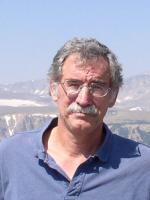 John E. Lupton合作论文数Pacific Marine Environmental Laboratory, National Oceanic and Atmospheric Administration5
 Marvin D. Lilley合作论文数5Gretchen L. Frueh-Green合作论文数4jennifer l smith合作论文数4Scott Ishman合作论文数4
 Eric Chan合作论文数Univ Texas Rio Grande Valley4
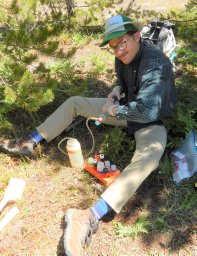 Vincent Milesi合作论文数Sch Earth & Space Explorat, Arizona State Univ4
 Virginia Edgcomb合作论文数Woods Hole Oceanographic Institution4
 Smith Amy R合作论文数4
 Rika Anderson合作论文数Department of Biology, Carleton College4
 Jesse McNichol合作论文数Institute for Marine Biosciences, National Research Council of Canada4
 Wolfgang Bach合作论文数Fachbereich Geowissenschaften, Universitat Bremen4
 John A. Breier合作论文数Woods Hole Oceanog Inst4
 Timothy I. Eglinton合作论文数Geological Instituteh, Department of Earth Sciences, ETH Zuric4Cameron Mcintyre合作论文数4Bruce A. Huber合作论文数Lamont-Doherty Earth Observatory, Columbia University4




