Indonesia hosts approximately 10% of the world's sponge species, highlighting its significance as a central hub of marine and sponge biodiversity on a global scale. Sponges associated with mangrove ecosystems are particularly important because of their essential roles in nutrient cycling and supporting these beach ecosystems. However, there is a notable lack of data on the diversity of mangrove associated sponges in Indonesia, with limited studies addressing their taxonomy and distribution patterns. This study was conducted at Tampora Beach in Situbondo Regency, which is situated on the northern coast of East Java in Indonesia. The site is in proximity to the renowned Pasir Putih Beach tourist destination but remains relatively undisturbed by human activities because of its proximity to protected areas. Sponge samples from mangrove habitats were collected and identified based on their macroscopic and microscopic morphological features. Species identification involved a comprehensive analysis of morphological features, including growth form, surface texture, consistency, color, oscula, and pore distribution, along with microscopic examination of the spicule morphology. In total, nine sponge specimens were identified, encompassing six orders, seven families, and eight genera. The collection included one order, two families, and two genera of keratose sponges ( Dysidea and Euspongia ), while the remaining specimens belonged to five orders, five families, and six genera of non-keratose sponges, including Chalinula, Biemna, Spheciospongia, Haliclona, Tedania , and Cinachyrella . These findings provide foundational insights into the diversity of mangrove associated sponges in northern East Java and contribute to the limited understanding of sponge biodiversity along the Indonesian beaches.
Program KKN Tematik Literasi yang dilaksanakan di Perpustakaan Pelangi, Desa Sidorukun, bertujuan untuk mengatasi rendahnya minat baca anak-anak serta mengoptimalkan kembali fungsi perpustakaan desa sebagai pusat pembelajaran masyarakat. Kegiatan dirancang melalui pendekatan fun learning yang mencakup literasi interaktif, peningkatan kualitas ruang baca, dan pelibatan komunitas. Evaluasi menunjukkan adanya peningkatan signifikan pada kemampuan literasi dasar anak, termasuk keterampilan membaca nyaring, mengeja, serta menyusun ulasan buku. Program berhasil menginventarisasi sekitar 800 koleksi buku, melakukan penataan ulang ruang baca, serta meningkatkan partisipasi masyarakat dalam kegiatan literasi. Selain itu, kepercayaan diri anak dalam tampil di ruang publik turut mengalami peningkatan. Kunjungan ke perpustakaan juga meningkat setelah dilakukan penataan ulang fasilitas dan perpanjangan jam operasional. Meski aktivitas edukatif efektif mengurangi ketergantungan gawai pada anak, keberlanjutan program masih terkendala oleh rendahnya keterlibatan mandiri orang tua dan komunitas. Oleh karena itu, diperlukan sinergi antara pemerintah desa, masyarakat, dan perguruan tinggi untuk merevitalisasi literasi desa sekaligus mendukung target SDGs.
Aim The Indo-Pacific is the world's largest marine biogeographic region. It is characterised by different degrees of connectivity among its subregions and harbours the majority of demosponge species currently known to science. Comparisons between regional sponge faunas have been undertaken in the past, mostly based on morphological species identification. The Sponge Barcoding Project, in tandem with regional DNA taxonomy campaigns, provides one of the largest DNA-based taxonomic data collections from sponges of the Indo-Pacific. Here, we utilise the barcoding data in the most extensive molecular biodiversity study of sponges to date, which reveals patterns of shallow-water demosponge faunal connectivity, endemism and distribution in the Indo-Pacific with a level of resolution unavailable in prior morphology-based studies.Location Demosponge specimens in this study cover 13 marine provinces (MPs) of the Indo-Pacific.Methods We classified demosponge barcodes from 1910 sponge samples into 701 molecular operational taxonomic units (MOTUs) using 28S rRNA. MOTU composition of the MPs was compared based on Jaccard and S & oslash;renson dissimilarities and other biodiversity indices.Results Our data corroborated high endemism in MPs (up to 84.1% endemic MOTUs). Faunal overlaps are between the Red Sea and the Gulf, which displayed small connectivity with other MPs in the Western Indian Ocean. The Western Indian Ocean is a strong faunistic boundary to the Central Indo-Pacific, to which the Polynesian sponge faunas were comparatively isolated as well.Main Conclusions Our data corroborate case studies on sponges that generally reject the presence of cosmopolitan or otherwise widespread sponge species, instead revealing high levels of regional endemism. This is consistent with similar observations and hypotheses in other marine invertebrates, and highlights the need for close regional monitoring to identify biodiversity changes. Connectivity among Indo-Pacific MPs differs for demosponges in many aspects from that of other marine taxa, hypothetically due to their shorter pelagic larval phase.
Proteases have diverse industrial applications including keratinase, which degrade keratin-rich substrates, such as hair, nails, feathers, and skin. This study aimed to express a protease of Bacillus velezensis LPL061 (WP_003155195.1) in Escherichia coli BL21(DE3) and to evaluate its keratinolytic as a new source of keratinase. Two gene constructs were designed, one containing the propeptide domain (kerfull) and one without it (kerhalf). Expression was induced with 0.05 mM IPTG at 20°C for 20 h. KerFull was partially purified using sequential ultrafiltration. SDS-PAGE analysis showed that KerHalf as a 32.2 kDa protein, while KerFull appeared as a 38 kDa fusion and a 28.5 kDa mature form. QTOF-MS confirmed the amino acid sequence. Only KerFull exhibited proteolytic and keratinolytic, highlighting the importance of the I9 domain for proper folding and enzyme activation. The partially purified mature KerFull protein (P50 fraction) retained activity despite low yield. KerFull showed a broad pH stability (6-11) with optimum at pH 9 and active over a wide temperature range (37-70℃), with an optimum at 60℃. Protein remained stable at 20-40℃ and pH 8. Specific activity reached 16.67 U/mg in the crude and 34.14 U/mg of P50 fraction. When combined with DTT, KerFull effectively degraded chicken feather barbules within 4 h at 37 °C. These findings suggest that one of the proteases from B. velezensis LPL061 (WP_003155195.1) is a robust keratinase candidate, offering broad operational pH and temperature, and efficient keratin degradation even at low concentrations, making it a promising candidate for industrial keratinase applications.
Context: Marine sponges from the genus Aaptos produce compounds, often alkaloids, with a wide range of bioactivities. Aaptos suberitoides exhibits anticancer, antioxidant, antibacterial proteasome inhibitory, and receptor activator of NF-kappaB ligand (RANKL) inhibitory activities. Alkaloids from marine sponges have shown potency as cholinesterase inhibitors, one of the targets in Alzheimer’s disease treatment. Aims: To isolate, identify, and investigate the potency of alkaloids from the water fraction of marine sponge A. suberitoides as cholinesterase inhibitors. Methods: Bioassay-guided isolation was employed to obtain active alkaloids. The cholinesterase inhibitory assay was conducted based on Ellman’s method with slight modification. Identification of isolated compounds was carried out based on NMR and MS data. The identified compounds were also subjected to molecular docking analysis as well as an ADMET study. Results: Bioassay-guided isolation of water fraction yielded aaptamine (1) and a mixture containing five benzo[de][1,6]-naphthyridine derivatives, identified based on NMR and LC-MS/MS spectroscopy. Aaptamine (1) inhibited both acetylcholinesterase (AChE) and butyrylcholinesterase (BChE) with IC50 values of 0.23 and 1.38 µg/mL, respectively. Likewise, the benzo[de][1,6]-naphthyridine mixture of N-demethylaaptanone (2), aaptanone (3), demethylaaptamine (4), aaptosine (5) and 8,9,9-trimethoxy-9H-benzo[de][1,6]-naphthyridine (6) recorded IC50 values of 0.39 and 1.61 µg/mL, respectively. Computational molecular docking analysis calculated the S-score and RMSD values of aaptamine (1) to be the best compared to galantamine for both AChE (PBD: 4EY6) and BChE (PDB: 4BDS) with values of -6.65 kcal/mol, 0.57 Å and -5.98 kcal/mol, 1.05 Å, respectively. Conclusions: These findings suggest that benzo[de][1,6]-naphthyridine alkaloids from A. suberitoides can be good candidates as cholinesterase inhibitors.
Cancer can arise from the malignant transformation of normal cells due to carcinogenic induction that damages DNA and disrupts the cell cycle. DNA damage is corrected in the G1 phase of the cell cycle by expression and activation of the p53 tumor suppressor. The prominent outcomes of p53 activation are cycle arrest and apoptosis. Therefore, p53 is used as a target for anticancer drug development. Hyperactivation or deregulation of the MAPK (mitogen activated protein kinase) pathway can affect liver cancer. MAPK activation plays an important role in regulating inflammation associated with cancer development. Therefore, MAPK is considered as a therapeutic target. Trisindoline 1 is a natural compound that has previously been shown to have high cytotoxic effect on HepG2 cells. This study aims to decide the potential of trisindoline 1 as an anticancer drug for HepG2 liver cancer cell line and to decide the activity of trisindoline 1 with the MAPK pathway targeting HepG2 cancer through in silico analysis. Molecular docking was performed on trisindoline 1 against ERK1, JNK2 and p38 proteins in the MAPK pathway. Pharmacokinetic and physicochemical analysis were carried out using SwissADME for evaluation of drug-likeness. Cell proliferation was analysed using the MTT assay method. Trisindoline 1 showed high cytotoxic activity against HepG2 with an IC50 value of 2.837 μg/ml and showed low toxicity against Vero cells. Based on the analysis of physicochemical properties, trisindoline 1 met the properties of drug-likeness and has lower toxicity compared to Doxorubicin. The docking results show that trisindoline 1 has the potential to be an inhibitor of the ERK2, JNK1 and p38 MAPK pathways. These results suggest that trisindoline 1 has the potential as an anticancer drug.
This study describes two new species collected from deep-sea environments in the Indo-West Pacific. Hyalonema (Cyliconema) dexiangi sp. nov., collected from the Indian Ocean, is characterized by distinctive finger-like protuberances on the body surface, the presence of choanosomal pentactins, the co-occurrence of micropentactins and microhexactins, and the absence of mesamphidiscs. Hyalonema (Cyliconema) subconica sp. nov., sampled from a seamount in the western Pacific Ocean, is distinguished by the presence of pinular diactins, a unique combination of choanosomal spicules (diactins, pentactins, and hexactins), and the presence of basalia bearing two-toothed anchors. In addition to their morphological distinctions, molecular phylogenetic analyses based on 16S rDNA sequences indicate a close genetic relationship between the two species.
Despite being less studied than their marine counterparts, freshwater sponges are increasingly recognized as sources of bioactive compounds with promising pharmacological potential. Despite their diversity of compounds due to less research attention and ecological differences than marine species, we report the potency of cholinesterase inhibitory of freshwater sponges from the East Java region, namely Eunapius carteri and Oncosclera asiatica. Cholinesterase inhibitors (ChEIs) target acetylcholinesterase (AChE) and butyrylcholinesterase (BChE), which break down acetylcholine. Inhibition of these enzymes increases acetylcholine levels, which is beneficial in treating neurodegenerative diseases such as Alzheimer’s disease (AD) and Parkinson’s disease (PD). The ethanolic extracts were preliminarily screened and evaluated in vitro for their inhibition potency toward AChE and BChE using the modified Ellman’s method, and galantamine (100 g/mL) was used as a positive control at 100 µg/mL. Two samples showed low cholinesterase inhibitory activity, valued 2.68 ± 1.24 of AChE and 1.56 ± 1.17 of BChE for E. carteri. Simultaneously, low AChE values of 7.81 ± 0.32 AChE and 3.45 ± 0.47 for O. asiatica indicated low AChE and BChE potencies
Sponges are known to harbor diverse and abundant microbial colonies. Nevertheless, studies on the diversity and abundance of microbial colonies in freshwater sponges have not been as extensive as those of marine sponges. This study investigates the microbial colonies of two freshwater sponge species, Eunapius carteri and Oncosclera asiatica, from the Kaliporong River in Indonesia. High microbial diversity was observed, with E. carteri harboring over 1,400 unique microbial species (Operational Taxonomic Units or OTUs) and O. asiatica hosting over 400. Proteobacteria were the dominant bacterial group in both sponges, comprising over 90 % of O. asiatica and over 50 % in E. carteri colonies. Functional profiling revealed a high potential for xenobiotic degradation in both sponge species, particularly through pathways involving Cytochrome P450 and the degradation of benzoate, caprolactam, and aminobenzoate. O. asiatica shows more of these degradation pathways than E. carteri. For example, benzoate degradation, involving over 60 genes or enzymes, was more pervasive in O. asiatica (5.81 %) than in E. carteri (5.03 %). These findings highlight the significant role of freshwater sponges in supporting diverse microbial populations with potential for bioremediation, particularly in polluted environments like the Kaliporong River. Further research is needed to understand the specific functions of these microbial colonies in freshwater sponges and their impact on the ecosystem.
Kegiatan pencabutan duri ikan di Kampung Cabut Duri, Desa Sedati, seringkali meninggalkan limbah tulang dan sisik ikan yang tidak lagi dimanfaatkan oleh masyarakat setempat. Laboratorium Biosains dan Teknologi Hewan Departemen Biologi FSAD ITS bekerja sama dengan PT Pertamina Patra Niaga AFT Juanda memberikan pelatihan pengolahan limbah di Kampung Cabut Duri menjadi pakan ikan. Pakan ikan atau pelet yang diolah dari bahan dasar olahan limbah tulang dan sisik ikan bandeng (C. chanos) menjadi suatu solusi dari pencemaran limbah yang dihasilkan dari kegiatan pencabutan duri di Desa Sedati. Komposisi pakan yang tepat sesuai Standar Nasional Indonesia (SNI). Kandungan nutrisi dibuat sesuai standar pakan ikan sesuai SNI (Standarisasi Nasional Indonesia). Formula pakan terdiri dari tepung ikan 35%, dedak 60%, CMC 2%, tepung tapioka 1%, Vitamin premix 1% dan ragi tempe 2%. Formula pelet ini memiliki integritas yang bagus dan mampu disuplementasi oleh ikan. Kegiatan pelatihan ini diharapkan masyarakat dapat memahami dan mempraktekkan proses pembuatan pelet ikan dari limbah cabut duri. Secara keseluruhan dari 15 responden warga masyarakat di Kampung Cabut Duri, Kalanganyar, Sidoarjo dapat memahami dan mengetahui proses dan manfaat pembuatan pelet ikan dari limbah kegiatan cabut duri berupa sisik dan tulang ikan serta materi yang disampaikan ketika pengabdian masyarakat tersampaikan dengan baik. Selain itu warga juga menilai bahwa kegiatan tersebut sangat bermanfaat besar. Berdasarkan latar belakang sosial peserta kegiatan diharapkan sosialisasi dan demonstrasi dapat memberikan inspirasi terkait pengembangan mata pencaharian warga.
Liver cancer is currently a leading cause of death worldwide and its incidence is increasing. As a result, there has been an increase in the development of computational drug design strategies utilizing molecules for anti-cancer candidates over the last decade. DNA topoisomerase II (topo II) enzymes play a crucial role in regulating essential cellular processes by altering the topology of chromosomal DNA. The PDGF receptor is a promising anti-cancer target and is used as a prognostic marker for liver cancer due to its ability to interact with topo II enzymes. Trisindoline 5'-nitro-[3,3 ': 3', 3"-terindoline]-2'-one is a cytotoxic indole trimer alkaloid compound that induces apoptosis in the HepG2 cell line. This study investigated the potential of Trisindoline 1 as an alternative drug for liver cancer by conducting molecular docking against topo II and PDGF. The binding energy value of Trisindoline 1 against human topo II was -10.1 Kcal/mol, which was higher than the binding energy value of doxorubicin (-9.2 Kcal/mol). Furthermore, pharmacophore analysis of Trisindoline 1 indicated that it possesses drug-like properties and lower toxicity than doxorubicin. Trisindoline 1 has the potential to inhibit PDGF and human topo II enzymes in liver cancer through the apoptotic pathway.
The high incidence of Alzheimer’s disease (AD) required a continued exploration of promising molecules that demonstrated good affinities with the pharmacological targets of AD. This study presented cholinesterase (ChE) inhibitor screening of sponge extracts from under-explored waters, in Bali, Indonesia. The study identified ten sponges whose extracts exhibited low to high AChE inhibition percentages. One of the sponge extracts, Petrosia nigricans, displayed the highest inhibition 95.17%. Subsequent chromatographic purification of the extract returned a known pentacyclic hydroquinone, halenaquinolsulfate (HQS). This report was the first study on identifying HQS from the sponge of the genus Petrosia. Next, the compound displayed moderate acetylcholinesterase (AChE) and butyrylcholinesterase (BuChE) inhibitions with IC50values of 40.73±0.19 µg/mL and 53.12±0.32µg/mL respectively. This study expands the cholinesterase activities of the pentacyclic hydroquinone class of compounds isolated from marine sponges.
Marine sponges have been investigated as potential bioresources because of their symbiotic relationship with microbes such as Actinobacteria that produce antibacterial substances. In contrast, a group of sponges, that inhabits freshwater environments called freshwater sponges (Order Spongillida Manconi & Pronzato, 2002) and consists of only one percent among all of the sponges’ species (Phylum Porifera Grant, 1836), has not yet intensively examined. For this reason, we screened, determined, evaluated, and reviewed by examining several databases in Scopus, Pub Med, and Google Scholar related to potential aspects of symbiotic bacteria and their antibacterial substances that can be further utilised and developed into synthesised antibacterial compounds, based on published metagenomic data of symbiotic bacteria in freshwater sponges. At the same time, we compared a composition of those freshwater symbionts to marine sponges’ symbionts whether those possess a similar composition or not. Moreover, a current report and a revisit study of freshwater sponges in East Java, initiate further direction on mapping of those symbiotic bacteria from Indonesia that can be nominated as potential groups possessing antibacterial properties.
Microplastics are plastic fragments in the size range of >1 μm to <5 mm. Microplastics are a global concern because of their presence in various ecosystems to organisms and their tendency to hurt organisms. Due to their small size, microplastics can be easily ingested by organisms, including sponges. Freshwater sponges are rare in the world. As a filter feeder organism, sponges can accumulate microplastics into their bodies. This study aims to analyze the physical characteristics of microplastic abundance in freshwater sponges in Porong River, Mojokerto City, East Java. Oncosclera asiatica and Eunapius carteri sponge samples were taken from Porong River at a depth of about 1 meter. Analysis of physical characteristics (size, color, and shape) was conducted using a stereo microscope and Optilab. The abundance of microplastics in O. asiatica was found to be 1150 particles/20 grams wet weight. The physical characteristics that dominate O. asiatica sponges are red and black fibers, black fragments, and pellets. The abundance of microplastics in E. carteri was found to be 2.850 particles/20 grams wet weight. The physical characteristics that dominate E. carteri sponges are white foam, crystal pellets, blue fibers, and black fragments.
Unoptimum curing and controlling proliferation of cancer cells in breast is due to the presence of BCSCs (Breast cancer stem cells), which are associated with stemness, self-renewal, tumour initiation and metastasis. Similarly, overexpression of c-Myc (oncogenic transcription factor) in breast cancer has become potential as target of cancer therapy. Inhibition of c-Myc in cancer cells can increase the transcription factors FoxO family members including FoxO1, 3, 4 and their target genes involved in apoptosis, cell cycle arrest and autophagy. Trisindoline is an indole timer alkaloid natural compound, which is toxic to cancer cells. For this reason, we aim to decide the activity of one of derivate compound of trisindoline, namely as trisindoline 5 on BCSCs MDA-MB-231 through cytotoxicity, apoptosis, and gene expression of c-Myc and FoxO1, 3, 4. As a result, MTT assay showed trisindoline 5 can decrease the viability of BCSCs MDA-MB-231 with IC50 13.127µg/ml. Furthermore, flow cytometry analysis shown that trisindoline 5 can induce apoptosis 5.23% at concentration of 25µg/ml. Similarly, qPCR analysis showed the highest decrease in c-Myc was found in trisindoline 5 concentration of 25µg/ml with 0.0746-fold. Meanwhile, the highest increase FoxO1, 3, 4 expression was found in trisindoline 5 concentration of 25µg/ml, 20.6452-fold, 26.4709-fold, and 12.8341-fold respectively. Therefore, we conclude that trisindoline 5 concentration of 25µg/ml was able to decrease the expression of c-Myc and increase the expression of FoxO1, 3, 4 despites, it was not effective enough in reducing the population of BCSCs MDA-MB-231.
Introduction - Members of lactic acid bacteria (LAB) have been well known for their antimicrobial activities against various bacterial pathogens in aquaculture species. Thus, the present study aimed at isolating LAB members from the intestinal tract of wild-caught catfish, Clarias gariepinus, and screening them for antimicrobial production against one of the most common bacterial pathogens, Edwardsiella ictaluri.Material and methods - LAB were isolated from the intestinal tract of wild catfish caught at the Brantas River, East-Java Indonesia. Then, LAB were screened for antimicrobial activity against E. ictaluri by in vitro assays and further assessed for probiotic candidates.Results - A total of 29 LAB were successfully isolated and further screened for anti-edwarsiella activities. Of the 29, six isolates had strong anti-edwardsiella activity (diameter of inhibition zone, >10 mm). Based on their 16 s rRNA gene sequences, these LABs were identified as Lactococcus lactis, Enterococcus hirae, Weissella confusa, Weissella cibaria, and Enterococcus faecalis (two isolates). Further in vitro assays indicated that E. faecalis, L. lactis, W. confusa, and W. cibaria had good viability in the intestinal tract condition, having good adhesion capacity to intestinal mucus, and being harmless to catfish. However, two species (E. faecalis and W. cibaria) were resistant to novobiocin and enrofloxacin, respectively.Conclusion - Three LAB species (E. faecalis, L. lactis, and W. confusa) are potential probiotic candidates in aquaculture to prevent enteric septicemia of catfish disease. However, further studies are needed to evaluate the use of probiotics in vivo.
Bisnis ikan Nila segar memiliki potensi ekonomi tinggi di Kota Batu. Sebagai kota ekowisata, permintaan dan konsumsi ikan air tawar segar dalam usaha kuliner memiliki pasar yang besar. Salah satu lokasi untuk budidaya ikan Nila di Kota Batu adalah Dsn.Kajar, Desa Pandanrejo, Kec.Bumiaji. Pembudidaya ikan Nila di desa ini memanfaatkan pekarangan yang tidak terpakai dan saluran irigasi. Untuk menjaga kualitas lingkungan, air menjadi faktor penting karena jika kualitas air menurun maka terjadi penurunan produktivitas ikan. Oleh karena itu, kami memperkenalkan Biofitofiltrasi menggunakan tanaman untuk menjaga kualitas air dalam budidaya ikan Nila. Dua jenis tanaman air dari Famili Alismataceae yakni Daun Tombak dan Melati Air yang berpotensi sebagai penyerap logam berat beracun digunakan. Kegiatan Abmas ini terdiri dari pengenalan Biofitofiltrasi yang melibatkan mahasiswa Kuliah Kerja Nyata dan kerja Praktek kepada warga desa dan pembudidaya ikan, serta praktek pembuatan pot apung bambu dan aplikasinya dalam tambak dan keramba saluran irigasi ikan Nila. Meskipun dari 30 responden hanya 7 responden yang memberikan jawaban lengkap terhadap 4 pertanyaan survei, 100% responden memberikan respon yang sangat positif terkait tingkat pemahaman terhadap sosialisasi yang dilakukan. Hal ini menunjukkan bahwa penjelasan dapat dipahami oleh peserta, dan informasi berhasil disampaikan dengan baik. Sehingga, dapat disimpulkan bahwa mahasiswa KKN Abmas telah berhasil memberikan kontribusi bagi masyarakat setempat melalui program ini.
Freshwater sponges are animals from the Porifera phylum that live in freshwater. The sponge used is Oncosclera asiatica was taken from Kali Porong, East Java. Seventeen isolates of bacteria have been obtained from isolation. Antibacterial potential testing was performed by paper disc inhibition assay using Escherichia coli and Staphylococcus aureus as pathogenic bacteria and amoxicillin as a positive control. The antibacterial activity test showed that four isolates have the potential activity. The isolates with the highest inhibition zones were identified using a 16S rRNA.The results of BLAST showed isolate number 2 was Pseudomonas moraviensis with 99.51% similarity. The phylogenetic tree analysis was build using the MEGA X program. The results of the phylogenetic tree analysis showed that P.moraviensis had a bootstrap value of 100% with a genetic distance value of 0.001. P. moraviensis isolates screened for the presence of Non-Ribosomal Peptide Synthetase (NRPS) gene by A2gamF and A3gamR primers. The amplification result from NRPS gene showed positive meaning that P.moraviensis genome contained NRPS gene.
Sponges from freshwater environments are poorly known producers of phytochemicals with pharmacological potency.Oncosclera asiatica and Eunapius carteri are freshwater sponges from the Porong River, East Java province.They can be considered promising new sources of bioactive compounds.This study aims to investigate the pharmacological potency of O. asiatica and E. carteri extracts.Qualitative phytochemical and GC-MS analyses were performed on the O. asiatica and E. carteri extracts.Antioxidant capacity was determined using DPPH and ABTS free radical scavenging activities, whereas in vitro anti-diabetic activity was evaluated using α-glucosidase inhibition.The phytochemicals were identified by GC-MS in O. asiatica and E. carteri extracts, such as fatty acid esters including hexadecanoic acid, methyl ester; 9-hexadecenoic acid, methyl ester, (Z); 9,12-Octadecadienoyl chloride (Z, Z); 9-Octadecenamide (Z); and decanedioic acid, dibutyl ester, and others.In addition, the n-hexane and ethyl acetate fractions from E. carteri exhibited good α-glucosidase inhibitory activity.This study revealed that O. asiatica and E. carteri extracts are potential sources of pharmaceutically useful bioactive compounds of natural origin.
Indonesian waters are often faced with pollution problems caused by excess of organic content such as nitrate (NO3-) and phosphate (PO₄³⁻). For this reason, in managing these pollutants biofiltration can be applied. Biofiltration is a method for treating waste biologically and plants can be applied in reducing the content of pollutants Biofiltration can be done using. Therefore, we introduced “Lakum Air” plant (Ludwigia octovalvis) as biofiltrator for reducing organic content of nitrate (NO3-) and phosphate (PO₄³⁻). L. octovalvis were cultivated in media with addition of NO3- and PO₄³⁻ 10 mg/L respectively. The results displayed L. octovalvis in NO3- possessed an average reduction ith efficiency of 0% for 2 weeks contact time and 0.5% for 4 weeks. At the same time in PO₄³⁻, L. octovalvis possessed an average reduction with efficiency of 35% for 2 weeks contact time and 58% with 4 weeks. Moreover, L. octovalvis can absorb NO3- with an average of 2.99 mg/L in 2 weeks contact time and 5.92 mg/L in 4 weeks. Likewise, L. octovalvis absorb PO₄³⁻ with an average of 4.72 mg/L for 2 weeks contact time and 6.66 mg/L for 4 weeks.
 Awik Puji Dyah Nurhayati合作论文数Sepuluh Nopember Institute of Technology17
 Farid Muzaki合作论文数Sepuluh Nopember Institute of Technology10
 Nova Maulidina Ashuri合作论文数9
 Noor Nailis Sa'adah合作论文数Dept Biol, Inst Teknol Sepuluh Nopember8
 Dewi Hidayati合作论文数Department of Biology Faculty of Science, Institut Teknologi Sepuluh Nopember8
 Nicole De Voogd合作论文数Department of Marine Zoology, Naturalis Biodiversity Center8
 Gert Wörheide合作论文数Department of Earth and Environmental Science, Faculty of Geosciences, Ludwig-Maximilians-University7
 Dirk Erpenbeck合作论文数Department of Earth and Environmental Sciences, Ludwig-Maximilians-University7
 Jadid Nurul合作论文数Institut de Biologie Moléculaire des Plantes du Centre National de la Recherche Scientifique, Université de Strasbourg6
 Mardi Santoso合作论文数5
 Anto Budiharjo合作论文数5Dian Saptarini合作论文数Sepuluh Nopember Institute of Technology5
 nurlita abdulgani合作论文数sepuluh nopember institute of technology5
 Catur Riani合作论文数Medical Faculty, University of Rostock5
 Iska Desmawati合作论文数Dinas Lingkungan Hidup Kabupaten Jombang4Joachim Heinrich合作论文数4Awik Pudji Diah Nurhayati合作论文数3Adik Mayang Indiani合作论文数3
 Dini Ermavitalini合作论文数Dept Biol, Inst Teknol Sepuluh Nopember3
 Sri Nurhatika合作论文数Dept Biol, Inst Teknol Sepuluh Nopember3
 Iwenda Bella Subagio合作论文数Faculty of Mathematics and Natural Science, IKIP PGRI Jember3Lanny Kartikasari合作论文数3Enny Zulaika合作论文数3
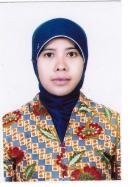 Tutik Nurhidayati合作论文数Department of Biology Faculty of Mathematics and Natural Sciences, Institut Teknologi Sepuluh Nopember3
 Wayan Mudianta合作论文数3
 Danang Samudra合作论文数2Lissa Rosdiana合作论文数2Shabrina Syifa Ghaissani合作论文数2
 Muhamad Amin合作论文数2
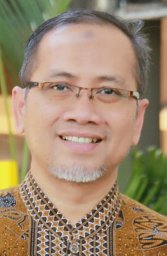 Aunurohim --合作论文数Institut Teknologi Sepuluh Nopember2
 Dini Adni Navastara合作论文数Sepuluh Nopember Institute of Technology2
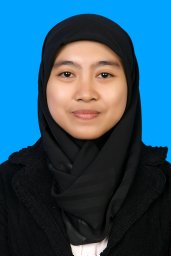 Nurul Kusuma Dewi合作论文数Sebelas Maret University2
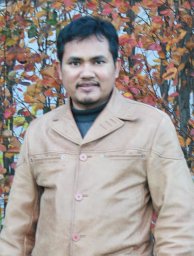 Nur Syahroni合作论文数Faculty of Marine Technology, Institut Teknologi Sepuluh Nopember2
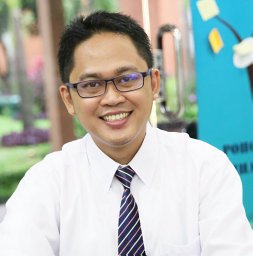 Didit Prasetyo合作论文数Sepuluh Nopember Institute of Technology2
 Ratna Rintaningrum合作论文数Sepuluh Nopember Institute of Technology2
 Rony Irawanto合作论文数Indonesian Institute of Sciences2
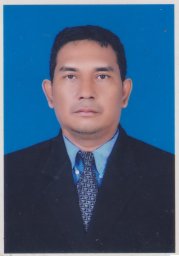 Agus Wahyudi合作论文数Universitas Nahdlatul Ulama Surabaya2
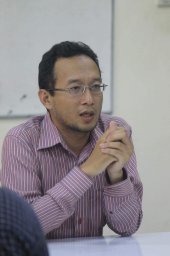 Anton Muhibuddin合作论文数University of Brawijaya2
 Kristanti Indah Purwani合作论文数Dept Biol, Inst Teknol sepuluh Nopember2
 Yeyes Mulyadi合作论文数Sepuluh Nopember Institute of Technology2
 Triono Bagus Saputro合作论文数Dept Bot, Chulalongkorn Univ2
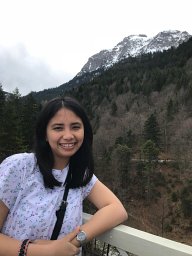 Rhesi Kristiana合作论文数MERO Fdn Marine Educ & Educ Org2
 Thomas Swierts合作论文数Naturalis Biodivers Ctr, Marine Biodivers, POB 9517, NL-2300 RA Leiden, Netherlands2
 Dyah Wulandari合作论文数Diponegoro University2
 Nungruthai Suphrom合作论文数Faculty of Science, Naresuan University2
 Aty Widyawaruyanti合作论文数Faculty of Pharmacy, Airlangga University2
 Merrick Ekins合作论文数2Nitra Nuengchamnong合作论文数2
 Endry Nugroho Prasetyo合作论文数Institute of Environmental Biotechnology, Graz University of Technology2




