The polar bear (Ursus maritimus) is the only Arctic land mammal that dives into water to hunt. Despite thermal insulation provided by blubber and fur layers and low Arctic temperatures, their fur is typically observed to be free of ice. This study investigates the anti-icing properties of polar bear fur. Here, we show that polar bear fur exhibits low ice adhesion strengths comparable to fluorocarbon-coated fibers, with the low ice adhesion a consequence of the fur sebum (hair grease). Lipid analyses reveal the presence of cholesterol, diacylglycerols, anteisomethyl-branched fatty acids, and the unexpected absence of squalene. Quantum chemical calculations predict low ice adsorption energies for identified lipids and high adsorption for squalene, suggesting that sebum composition is responsible for the observed anti-icing properties. Our work enhances understanding of polar bears and their interactions with their environment and builds on Inuit knowledge of natural anti-icing materials.
Lipid membranes, which self-assemble in nature and under laboratory conditions, can form vesicles called liposomes. The main uses for liposomes are in drug delivery systems and as animal cell models. From the initial research into lipid membrane science, to the systematic literature review using Web of Science, to refining the project scope, to the description of the method, this project follows the process of developing a method for lipid membrane self-assembly and synthesis in the lab. The result was a rapid prototyping method for fabricating microfluidic devices to test different designs for channels, for use with a liposome synthesis protocol. During development, a simple liposome synthesis protocol was followed, using 1,2 Disteraroyl-sn-glycero-3-phosphocholine (DSPC) to 10 mg/mL in methanol as the lipid solution and 0.9% saline buffer as the aqueous solution. Shrink-plastic (polystyrene) was used as the build material for the microfluidic chip—to construct the design on a larger scale before shrinking to its final size. This method has the advantage of using low cost and easily accessible materials and equipment. Although the development process for this project was at first limited by resource accessibility, this limitation was ultimately embraced. The materials used to fabricate the microfluidic device can be found in craft stores (shrink-plastic sheets), hardware stores (silicone sealant), and aquarium supply stores (thin tubing). During initial prototyping, it is beneficial to quickly fabricate microfluidic devices of different designs. The method developed in this paper lowers the barrier for entry into these preliminary research activities and encourages experimentation.
Abstract Steranes preserved in sedimentary rocks serve as molecular fossils, which are thought to record the expansion of eukaryote life through the Neoproterozoic Era ( ~ 1000-541 Ma). Scientists hypothesize that ancient C27 steranes originated from cholesterol, the major sterol produced by living red algae and animals. Similarly, C28 and C29 steranes are thought to be derived from the sterols of prehistoric fungi, green algae, and other microbial eukaryotes. However, recent work on annelid worms–an advanced group of eumetazoan animals–shows that they are also capable of producing C28 and C29 sterols. In this paper, we explore the evolutionary history of the 24-C sterol methyltransferase (smt) gene in animals, which is required to make C28+ sterols. We find evidence that the smt gene was vertically inherited through animals, suggesting early eumetazoans were capable of C28+ sterol synthesis. Our molecular clock of the animal smt gene demonstrates that its diversification coincides with the rise of C28 and C29 steranes in the Neoproterozoic. This study supports the hypothesis that early eumetazoans were capable of making C28+ sterols and that many animal lineages independently abandoned its biosynthesis around the end-Neoproterozoic, coinciding with the rise of abundant eukaryotic prey.
Exceptionally preserved fossils retain soft tissues and often the biomolecules that were present in an animal during its life. The majority of terrestrial vertebrate fossils are not traditionally considered exceptionally preserved, with fossils falling on a spectrum ranging from very well-preserved to poorly preserved when considering completeness, morphology and the presence of microstructures. Within this variability of anatomical preservation, high-quality macro-scale preservation (e.g., articulated skeletons) may not be reflected in molecular-scale preservation (i.e., biomolecules). Excavation of the Hayden Quarry (HQ; Chinle Formation, Ghost Ranch, NM, USA) has resulted in the recovery of thousands of fossilized vertebrate specimens. This has contributed greatly to our knowledge of early dinosaur evolution and paleoenvironmental conditions during the Late Triassic Period (~212 Ma). The number of specimens, completeness of skeletons and fidelity of osteohistological microstructures preserved in the bone all demonstrate the remarkable quality of the fossils preserved at this locality. Because the Hayden Quarry is an excellent example of good preservation in a fluvial environment, we have tested different fossil types (i.e., bone, tooth, coprolite) to examine the molecular preservation and overall taphonomy of the HQ to determine how different scales of preservation vary within a single locality. We used multiple high-resolution mass spectrometry techniques (TOF-SIMS, GC-MS, FT-ICR MS) to compare the fossils to unaltered bone from extant vertebrates, experimentally matured bone, and younger dinosaurian skeletal material from other fluvial environments. FT-ICR MS provides detailed molecular information about complex mixtures, and TOF-SIMS has high elemental spatial sensitivity. Using these techniques, we did not find convincing evidence of a molecular signal that can be confidently interpreted as endogenous, indicating that very good macro- and microscale preservation are not necessarily good predictors of molecular preservation.
Abstract Molecular fossils have been used to augment the physical fossil record, charting the expansion of complex life through the Neoproterozoic Era (~1000-541 Ma). This work relies on the hypothesis that C27 steranes preserved in sedimentary rocks originated from cholesterol, the predominant sterol produced by red algae and animals. Following the same logic, C28 and C29 carbon steranes are widely considered to be derived from the sterols of fungi, green algae and some protists. In this study, we demonstrate that the gene 24-C sterol methyltransferase (smt), which is necessary to produce C28 and C29 sterols, is present in segmented worms, an advanced group of animals. Phylogenetic analysis of the relevant gene suggests it was present in the first animals and lost independently in at least seven major lineages. A molecular clock demonstrates that the SMT specific to animals and their closest ancestors was present through the Neoproterozoic. Based on these results, C27 steranes cannot be considered indicative of Neoproterozoic animals, and C28+ steranes are not solely indicative of fungi or green algae. While our results do not necessarily contradict the emerging picture of Neoproterozoic life informed by molecular fossils, they refute the underlying hypothesis that drives the interpretive paradigm.
Biomolecules preserved in fossils are expanding our understanding of the biology and evolution of ancient animals. Molecular taphonomy seeks to understand how these biomolecules are preserved and how they can be interpreted. So far, few studies on molecular preservation have considered burial context to understand its impact on preservation or the potentially complementary information from multiple biomolecular classes. Here, we use mass spectrometry and other analytical techniques to detect the remains of proteins and lipids within intact fossil mammoth bones of different ages and varied depositional setting. By combining these approaches, we demonstrate that endogenous amino acids, amides and lipids can preserve well in fossil bone. Additionally, these techniques enable us to examine variation in preservation based on location within the bone, finding dense cortical bone better preserves biomolecules, both by slowing the rate of degradation and limiting the extent of exogenous contamination. Our dataset demonstrates that biomolecule loss begins early, is impacted by burial environment and temperature, and that both exogenous and endogenous molecular signals can be both present and informative in a single fossil.
Marine pockmarks are globally widespread seabed depressions, conventionally thought to be formed by the accumulation and expulsion of microbial and thermogenic gas. However, other putative fluids and processes have been implicated in pockmark formation and gas escape to the atmosphere may be underestimated. Given the complex spectrum of aquatic settings, morphologies and sizes, there may also exist a spectrum of physical, chemical and biological processes that form pockmarks. Pockmarks in shallow coastal waters are now understood to be widespread, but the influence of physical dynamics (e.g. tides, storms, etc.), terrestrial processes and anthropogenic activities add considerable spatiotemporal complexity and uncertainty to our understanding of these features. Here, we revisit a field of small (ca. 2 m diameter), shallow (<1 m depth) pockmarks in Dunmanus Bay, Ireland. The presence of muddy surface sediments overlying sand in the pockmarked area indicates that gas accumulation within fine-grained surface sediments contributes to formation of the features. Previous work indicates that CH4 is an important seepage fluid in Dunmanus and neighbouring bays. However, based on evidence from multiple surveys, we observe considerable spatiotemporal complexity, and the transient nature of the gas within sediments points to the potential for fluids other than traditional microbial or thermogenic CH4, migrating from sources tens to hundreds of metres below the seafloor. We observed atypical porewater profiles where millimolar concentrations of H2S concentrations are observed in surface sediments in the absence of SO42- depletion, together with NH4+ build-up from ammonification of sedimentary organic matter. Archaeal methanogens, anaerobic methanotrophic archaea and SO42--reducing Deltaproteobacteria co-occur in surface sediments in the pockmark field and NMR revealed the presence of non-competitive substrates for methanogens. We hypothesize that in-situ methanogenesis and production of other volatile metabolites besides CH4 (e.g. CO2, dimethyl disulfide) from microbial degradation of organic matter are potential gaseous fluids and could contribute to the formation of small pockmarks.
Serpentinization is a weathering process in which ultramafic rocks react with water, generating a range of products, including serpentine and other minerals, in addition to H(2)and low-molecular-weight hydrocarbons that are capable of sustaining microbial life. Lipid biomarker analyses of serpentinite-hosted ecosystems hold promise as tools for investigating microbial activity in ancient Earth environments and other terrestrial planets such as Mars because lipids have the potential for longer term preservation relative to DNA, proteins, and other more labile organic molecules. Here, we report the first lipid biomarker record of microbial activity in the mantle section of the Samail Ophiolite, in the Sultanate of Oman, a site undergoing active serpentinization. We detected isoprenoidal (archaeal) and branched (bacterial) glycerol dialkyl glycerol tetraether (GDGT) lipids, including those with 0-3 cyclopentane moieties, and crenarchaeol, an isoprenoidal GDGT containing four cyclopentane and one cyclohexane moieties, as well as monoether lipids and fatty acids indicative of sulfate-reducing bacteria. Comparison of our geochemical data and 16S rRNA data from the Samail Ophiolite with those from other serpentinite-hosted sites identifies the existence of a common core serpentinization microbiome. In light of these findings, we also discuss the preservation potential of serpentinite lipid biomarker assemblages on Earth and Mars. Continuing investigations of the Samail Ophiolite and other terrestrial analogues will enhance our understanding of microbial habitability and diversity in serpentinite-hosted environments on Earth and elsewhere in the Solar System.
Microbial mats are taxonomically and metabolically diverse microbial ecosystems, with a characteristic layering that reflects vertical gradients in light and oxygen availability. Silicified microbial mats in Proterozoic carbonate successions are generally interpreted in terms of the surficial, mat building community. However, information about biodiversity in the once-surface-layer can be lost through decay as the mats accrete. To better understand how information about surface microbial communities is impacted by processes of decay within the mat, we studied microbial mats from Little Ambergris Cay, Turks and Caicos Islands. We used molecular techniques, microscopy and geochemistry to investigate microbial mat taphonomy - how processes of degradation affect biological signatures in sedimentary rocks, including fossils, molecular fossils and isotopic records. The top < 1 cm of these mats host cyanobacteria-rich communities overlying and admixed with diverse bacterial and eukaryotic taxa. Lower layers contain abundant, often empty, sheaths of large filamentous cyanobacteria, preserving their record as key mat-builders. Morphological remains and free lipid biomarkers of several bacterial groups, as well as diatoms, arthropods, and other eukaryotes also persist in lower mat layers, although at lower abundances than in surface layers. Carbon isotope signatures of organic matter were consistent with the majority of the biomass being sourced from CO2-limited cyanobacteria. Porewater sulfide sulfur isotope values were lower than seawater sulfate sulfur isotope values by similar to 45-50 parts per thousand, consistent with microbial sulfate reduction under sulfate-replete conditions. Our findings provide insight into how processes of degradation and decay bias biosignatures in the geological record of microbial mats, especially mats that formed widely during the Proterozoic (2,500-541 million years ago) Eon. Cyanobacteria were the key mat-builders, their robust and cohesive fabric retained at depth. Additionally, eukaryotic remains and eukaryotic biosignatures were preserved at depth, which suggests that microbial mats are not inherently biased against eukaryote preservation, either today or in the past.
An integrated geophysical, geological, and geochemical investigation of seabed fluid venting was carried out in upper Bantry Bay, a large marine inlet on the southwest coast of Ireland. The results provide evidence of the seafloor venting of gas rich fluids, resulting in the formation of a pockmark field identified here for the first time. The pockmarks occur in an area where sub-bottom profiles provide evidence of chimney-like features interpreted to record upward gas migration through Quaternary sediments to the seafloor. Three vibrocores up to 6 m long were acquired in water depths of 24-34 m, two from the pockmark field and one from outside. Methane of predominantly biogenic origin was quantified in all three cores by headspace analysis of sediment sub-samples. Well-defined sulfate methane transition zones (SMTZs) were observed in two of the cores, the shallowest (1.25 m below sea floor (mbsf)) inside the pockmark field and the other (3.75 mbsf) outside. It is likely that an SMTZ occurs at the location of the third core, also within the pockmark field, although deeper than the samples obtained during this study. Gas migration towards the seafloor is suggested to involve both diffuse pore fluid migration across wide areas and focused flow through the pockmarks, together driven by methanogenesis of preglacial lacustrine sediments preserved in a bedrock basin, and possible gas release from the Owenberg River Fault. Analysis of phospholipid fatty acids (PLFAs) and archaeal isoprenoid hydrocarbons was used to investigate the microbial ecology of these sediments. Anaerobic oxidation of methane (AOM) may play a role in controlling release of CH4 to the water column and atmosphere in this shallow gas setting, potentially mediated by syntrophic sulfate reducing bacteria (SRB) and anaerobic methanotrophic archaea (ANME).
The Mars Curiosity rover carries a diverse instrument payload to characterize habitable environments in the sedimentary layers of Aeolis Mons. One of these instruments is Sample Analysis at Mars (SAM), which contains a mass spectrometer that is capable of detecting organic compounds via pyrolysis gas chromatography mass spectrometry (py-GC-MS). To identify polar organic molecules, the SAM instrument carries the thermochemolysis reagent tetramethylammonium hydroxide (TMAH) in methanol (hereafter referred to as TMAH). TMAH can liberate fatty acids bound in macromolecules or chemically bound monomers associated with mineral phases and make these organics detectable via gas chromatography mass spectrometry (GC-MS) by methylation. Fatty acids, a type of carboxylic acid that contains a carboxyl functional group, are of particular interest given their presence in both biotic and abiotic materials. This work represents the first analyses of a suite of Mars-analog samples using the TMAH experiment under select SAM-like conditions. Samples analyzed include iron oxyhydroxides and iron oxyhydroxysulfates, a mixture of iron oxides/oxyhydroxides and clays, iron sulfide, siliceous sinter, carbonates, and shale. The TMAH experiments produced detectable signals under SAM-like pyrolysis conditions when organics were present either at high concentrations or in geologically modern systems. Although only a few analog samples exhibited a high abundance and variety of fatty acid methyl esters (FAMEs), FAMEs were detected in the majority of analog samples tested. When utilized, the TMAH thermochemolysis experiment on SAM could be an opportunity to detect organic molecules bound in macromolecules on Mars. The detection of a FAME profile is of great astrobiological interest, as it could provide information regarding the source of martian organic material detected by SAM.
Microbial mats are multi-layered structures built by morphol. and metabolically diverse consortiums of microorganisms. In many mats, the predominant fabric and biovolume of the structures are primarily generated by Cyanobacteria, which carry out photosynthesis at or near the mat surface. Both the mat-building and mat-dwelling communities shape the morphol. and geochem. gradients with depth in the mat. After dioxygen, redox transformations of sulfur fuel mat biogeochem. and provide a useful window into understanding community structure and biogeochem. cycling in the mat. In particular, it has been shown that the top of the zone of sulfide accumulation migrates through the day in response diel light cycles: it lies at a greater depth in the day when dioxygen is produced by photosynthetic Cyanobacteria, and moves towards the surface at night when photosynthesis is no longer active and oxygen accumulation is limited by rates of diffusion through the mat surface. We analyzed sulfur isotope patterns in pore water sulfide in order to understand how different types of microbial communities and environmental conditions influence microbial-driven geochem. reactions in two Cyanobacteria-rich systems:. (1) saline microbial mats lining a shallow lagoon at Little Ambergris Cay, Turks and Caicos Islands, and. (2) benthic microbial mats underlying brackish, low-O_2 waters in Middle Island Sinkhole in Lake Huron, near Alpena, Michigan. We find that diel variations in pore water sulfide sulfur isotope gradients penetrate to depths of up to 8cm below the zone of active photosynthetic activity. This implies that, although photosynthetic activity may play a role in influencing vertical migrations of the top of the zone of sulfide accumulation, other phys., chem. and biol. processes influence sulfur cycling at greater depths. By comparing these two sites, we provide insight into how both environmental conditions and microbial communities shape biogeochem. patterns in microbial mats.
Ooids are a common component of carbonate successions of all ages and present significant potential as paleoenvironmental proxies, if the mechanisms that control their formation and growth can be understood quantitatively. There are a number of hypotheses about the controls on ooid growth, each offering different ideas on where and how ooids accrete and what role, if any, sediment transport and abrasion might play. These hypotheses have not been well tested in the field, largely due to the inherent challenges of tracking individual grains over long timescales. This study presents a detailed field test of ooid-growth hypotheses on Little Ambergris Cay in the Turks and Caicos Islands, British Overseas Territories. This field site is characterized by westward net sediment transport from waves driven by persistent easterly trade winds. This configuration makes it possible to track changes in ooid properties along their transport path as a proxy for changes in time. Ooid size, shape, and radiocarbon age were compared along this path to determine in which environments ooids are growing or abrading. Ooid surface textures, petrographic fabrics, stable-isotope compositions (delta C-13, delta O-18, and delta S-34), lipid geochemistry, and genetic data were compared to characterize mechanisms of precipitation and degradation and to determine the relative contributions of abiotic (e.g., abiotic precipitation, physical abrasion) and biologically influenced processes (e.g., biologically mediated precipitation, fabric destruction through microbial microboring and micritization) to grain size and character. A convergence of evidence shows that active ooid growth occurs along the transport path in a high-energy shoal environment characterized by frequent suspended-load transport: median ooid size increases by more than 100 mu m and bulk radiocarbon ages decrease by 360 yr westward along the similar to 20 km length of the shoal crest. Lipid and 16S rRNA data highlight a spatial disconnect between the environments with the most extensive biofilm colonization and environments with active ooid growth. Stable-isotope compositions are indistinguishable among samples, and are consistent with abiotic precipitation of aragonite from seawater. Westward increases in ooid sphericity and the abundance of well-polished ooids illustrate that ooids experience subequal amounts of growth and abrasion-in favor of net growth-as they are transported along the shoal crest. Overall, these results demonstrate that, in the Ambergris system, the mechanism of ooid growth is dominantly abiotic and the loci of ooid growth is determined by both carbonate saturation and sediment transport mode. Microbes play a largely destructive, rather than constructive, role in ooid size and fabric.
The microbial contribution to soil organic matter has been shown to be much larger than previously thought and thus it plays a major role in carbon cycling. Among soil microorganisms, chemoautotrophs can fix CO2 without sunlight and can glean energy through the oxidation of reduced elements such as sulfur. Here we show that the addition of sulfur to soil results in an initial surge in production of CO2 through microbial respiration, followed by an order of magnitude increase in the capture of carbon from the atmosphere as elemental sulfur is oxidised to sulfate. Thiobacillus spp., take advantage of specific conditions to become the dominant chemoautotrophic group that consumes CO2. We discern the direct incorporation of atmospheric carbon into soil carbohydrate, protein and aliphatic compounds and differentiate these from existing biomass. These results suggest that chemoautotrophs can play a large role in carbon cycling and that this carbon is heavily influenced by land management practises.
Following a period of unusually strong winds and high seas in the spring of 2014, a blanket peat bog formerly covered by a beach comprised of fine sand and large rocks was uncovered at a coastal site in Spiddal, Co. Galway, Ireland. The surface of the bog was littered with standing tree stumps, the remnants of a Holocene forest that had succumbed to a relatively sudden drowning. A combination of inorganic and organic geochemical techniques was applied to determine the cause of this rapid submersion and to glean palaeoclimatic information from the preserved record within the peat. The study represents the first use of a multiproxy lipid biomarker approach to investigate palaeoclimate conditions from a peat bog in Ireland. The results provide evidence of climatic variation throughout a ca. 3400 yr timeframe during the mid-Holocene. Biomarker proxies displaying the relative contribution of Sphagnum spp. vs. higher plants were used to show changes in precipitation and temperature during peat formation. The data correlate with described events, including the 4.2 ka event and the Subboreal-Subatlantic transition and show the benefit of a lipid biomarker method for investigating Ireland's peatland resources. In particular, the indication of colder/wetter conditions coinciding with the 4.2 ka event implies the possibility that its effects were felt in Ireland, contrary to some reports. The results suggest that a combination of warm and dry conditions followed by a rapid rise in sea level led to the growth and subsequent drowning of the ancient forest landscape. (C) 2017 Elsevier Ltd. All rights reserved.
Controversy over the alpine route that Hannibal of Carthage followed from the Rhône Basin into Italia has raged amongst classicists and ancient historians for over two millennia. The motivation for identifying the route taken by the Punic Army through the Alps lies in its potential for identifying sites of historical archaeological significance and for the resolution of one of history's most enduring quandaries. Here, we present stratigraphic, geochemical and microbiological evidence recovered from an alluvial floodplain mire located below the Col de la Traversette (~3000 m asl—above sea level) on the French/Italian border that potentially identifies the invasion route as the one originally proposed by Sir Gavin de Beer (de Beer 1974). The dated layer is termed the MAD bed (mass animal deposition) based on disrupted bedding, greatly increased organic carbon and key/specialized biological components/compounds, the latter reported in Part II of this paper. We propose that the highly abnormal churned up (bioturbated) bed was contaminated by the passage of Hannibal's animals, possibly thousands, feeding and watering at the site, during the early stage of Hannibal's invasion of Italia (218 bc).
Our understanding of long-term organic matter preservation comes mostly from studies in aquatic systems. In contrast, taphonomic processes in extremely dry environments are relatively understudied and are poorly understood. We investigated the accumulation and preservation of lipid biomarkers in hyperarid soils in the Yungay region of the Atacama Desert. Lipids from seven soil horizons in a 2.5 m vertical profile were extracted and analyzed using GC-MS and LC-MS. Diagnostic functionalized lipids and geolipids were detected and increased in abundance and diversity with depth. Deeper clay units contain fossil organic matter (radiocarbon dead) that has been protected from rainwater since the onset of hyperaridity. We show that these clay units contain lipids in an excellent state of structural preservation with functional groups and unsaturated bonds in carbon chains. This indicates that minimal degradation of lipids has occurred in these soils since the time of their deposition between >40,000 and 2 million years ago. The exceptional structural preservation of biomarkers is likely due to the long-term hyperaridity that has minimized microbial and enzymatic activity, a taphonomic process we term xeropreservation (i.e. preservation by drying). The degree of biomarker preservation allowed us to reconstruct major changes in ecology in the Yungay region that reflect a shift in hydrological regime from wet to dry since the early Quaternary. Our results suggest that hyperarid environments, which comprise 7.5% of the continental landmass, could represent a rich and relatively unexplored source of paleobiological information on Earth.
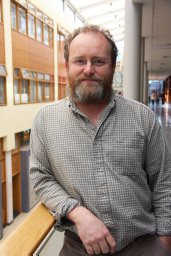 Brian P. Kelleher合作论文数School of Chemical Sciences, Dublin City University24
 Christopher C. R. Allen合作论文数Sch Biol Sci, Queens Univ Belfast15
 Xavier Monteys合作论文数Geological Survey of Ireland14
 Michal Szpak合作论文数13
 Roger Summons合作论文数The Summons Lab, Department of Earth, Atmospheric and Planetary Sciences, Massachusetts Institute of Technology11
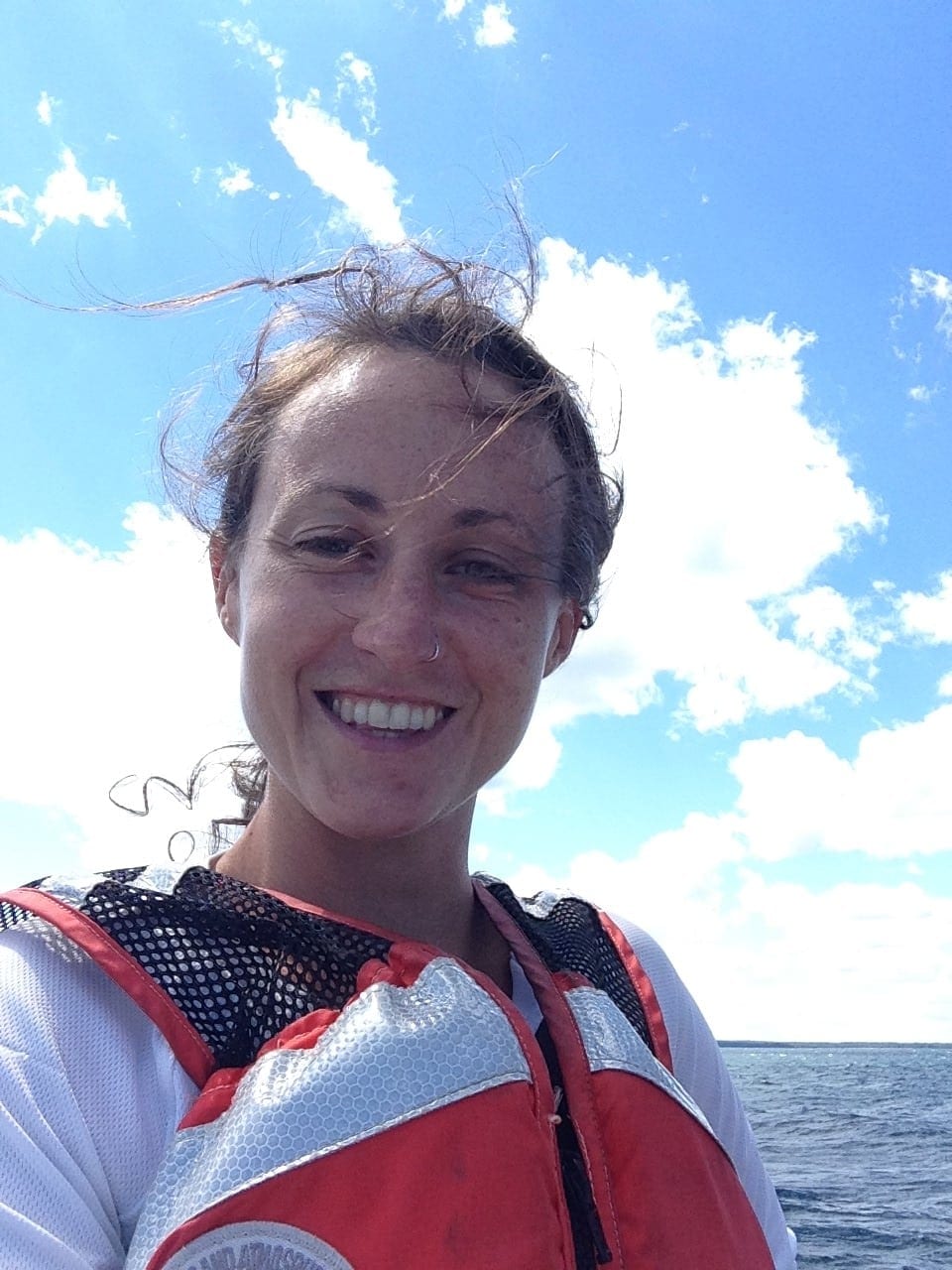 Maya Gomes合作论文数Department of Earth and Planetary Sciencesm, Krieger School of Arts & Sciences, Johns Hopkins University10
 John Grotzinger合作论文数Division of Geological and Planetary Sciences, California Institute of Technology10
 Lingappa Usha F合作论文数Prosetta Antiviral Inc.10
 Andrew Knoll合作论文数Department of Earth and Planetary Sciences, Faculty of Arts and Sciences, Harvard University10
 Woodward Fischer合作论文数Division of Geological and Planetary Sciences, California Institute of Technology10
 K. Metcalfe合作论文数University of California9
 Leigh Anne Riedman合作论文数Dept Earth Sci, Univ Calif Santa Barbara9
 E. A. Orzechowski合作论文数7
 Sean F. Jordan合作论文数7
 N. Stein合作论文数Div Geol & Planetary Sci, CALTECH7Kris M. Hart合作论文数7
 Brian T Murphy合作论文数6Paul V Flanagan合作论文数6
 Justin V. Strauss合作论文数The John Sloan Dickey Center for International Understanding, Dartmouth College;Department of Earth Sciences, Dartmouth College6
 Elizabeth Jane Trower合作论文数6B.T. Murphy合作论文数5
 m wilhelm合作论文数NASA Ames Research Center5
 D. P. Quinn合作论文数Dept Geosci, Univ Wisconsin5
 Grotzinger Hannah合作论文数5
 Ronald G.V. Hancock合作论文数5
 Jennifer L Eigenbrode合作论文数Planetary Environments Laboratory, Solar System Exploration Division, Goddard Space Flight Center, NASA5
 Marjorie D. Cantine合作论文数Dept Earth Atmospher & Planetary Sci, MIT4
 Joshua Williams合作论文数Dept Geol Sci, Univ Florida4
 Jordan Sean F合作论文数4
 Andre Simpson合作论文数Department of Physical and Environmental Science, University of Toronto Scarborough;Environmental NMR Centre, University of Toronto Scarborough4
 Pedro Costa合作论文数Departmento de Geologia, University of Lisbon4Prasanna Pentlavalli合作论文数3Anna N. Kulakova合作论文数3
 Theodore Present合作论文数CALTECH, Div Geol & Planetary Sci, Pasadena, CA 91125 USA3
 Xiao-Lei Liu合作论文数Nanjing Institute of Geology and Palaeontology, Nanjing Institute of Geology and Palaeontology Chinese Academy of Sciences3Lewis James M T合作论文数3Michael W. Milner合作论文数3
 Stephen Gerard McCarron合作论文数School of Biological and Environmental Sciences, University of Ulster3
 Randy Dirszowsky合作论文数3Sarah Stewart Johnson合作论文数Department of Earth, Atmospheric, and Planetary Sciences, Massachusetts Institute of Technology3
 William C. Mahaney合作论文数Quaternary Surveys3Peeter Somelar合作论文数Department of Geology, University of Tartu;Institute of Ecology and Earth Sciences, University of Tartu3
 Kathleen L. Craft合作论文数3Pierre Tricart合作论文数3
 David A. Fike合作论文数Department of Earth, Environmental, and Planetary Sciences, Faculty of Arts & Sciences, Washington University in St. Louis3
 Paul R Mahaffy合作论文数Solar System Exploration Division, NASA Goddard Space Flight Center3
 Kathleen Benison合作论文数Department of Geology;Central, Michigan University;Department of Geology, Central Michigan University3M. Cantine合作论文数2
 Julien Alleon合作论文数2




