Glioblastoma multiforme (GBM) is one of the most common and aggressive forms of malignant brain cancer in adults and is classified based on its isocitrate dehydrogenase (IDH) mutation. Surgery, radiotherapy, and Temozolomide (TMZ) are the standard treatment methods for GBM. Here we present a combination therapy of cold atmospheric plasma (CAP) and TMZ as a key treatment for GBM. CAP works by increasing reactive oxygen and nitrogen species (RONS) and targets the spread of the tumor. In this study, we performed the transcriptomic analysis of U-87MG cells by high throughput deep RNA-Seq analysis to quantify differential gene expression across the genome. Furthermore, we studied various signaling pathways and predicted structural changes of consequential proteins to elucidate the functional changes caused by up or down-regulation of the most altered genes. Our results demonstrate that combination treatment downregulated key genes like p53, histones, DNA damage markers, cyclins, in the following pathways: MAPK, P53, DNA damage and cell cycle. Moreover, in silico studies were conducted for further investigation to verify these results, and the combination of CAP & TMZ showed a significant antitumor effect in the GBM cells leading to apoptosis and damaged key proteins. Further studies of the impact of TMZ on gene expression, biochemical pathways, and protein structure will lead to improved treatment approaches for GBM.
In this study, we propose a novel approach utilizing a Plasma Discharge Tube (PDT) system for cancer therapy. The PDT operates as a closed, non-invasive plasma delivery platform capable of generating a spectrum of reactive oxygen and nitrogen species (RONS) and electromagnetic (EM) fields that can influence cancer cell behavior. To fully understand its therapeutic potential, we conducted a comprehensive physical and biological characterization using Optical Emission Spectroscopy (OES) to identify active plasma species, EM wave emission measurements to quantify field intensity, Rayleigh Microwave Scattering (RMS) to estimate electron density, EM sensors and near-field probe mapping to evaluate field distribution, and Intensified Charge-Coupled Device (ICCD) imaging to visualize plasma morphology and propagation. Initial in vitro studies demonstrated potent cytotoxic effects of PDT on glioblastoma (GBM) cell lines, including A172, T98G, and U87MG. Furthermore, when combined with chemotherapeutic agents such as Elesclomol (STA-4783), Paclitaxel (Taxol), and Temozolomide (TMZ), PDT pretreatment enhanced drug sensitivity and reduced cell viability more effectively than either treatment alone. Overall, these findings suggest that the PDT system can modulate tumor cell response both as a standalone modality and in combination with drugs through plasma-induced biochemical and biophysical mechanisms, providing a promising new strategy for overcoming therapeutic resistance, advancing personalized cancer treatment and improving patient outcomes.
Introduction The use of extended reality (XR) technologies, including virtual, augmented, and mixed reality, has increased within surgical and procedural training programs. Few studies have assessed experiential learning- and patient-based outcomes using XR compared with standard training methods. Methods As a working group for the Society for Simulation in Healthcare, we used Preferred Reporting Items for Systematic Reviews and Meta-Analyses guidelines and a PICO strategy to perform a systematic review of 4238 articles to assess the effectiveness of XR technologies compared with standard training methods. Outcomes were grouped into knowledge, time-to-completion, technical proficiency, reactions, and patient outcomes. Because of study heterogeneity, a meta-analysis was not feasible. Results Thirty-two studies met eligibility criteria: 18 randomized controlled trials, 7 comparative studies, and 7 systematic reviews. Outcomes of most studies included Kirkpatrick levels of evidence I-III (reactions, knowledge, and behavior), while few reported level IV outcomes (patient). The overall risk of bias was low. With few exceptions, included studies showed XR technology to be more effective than standard training methods in improving objective skills and performance, shortening procedure time, and receiving more positive learner ratings. However, XR use did not show significant differences in gained knowledge. Conclusions Surgical or procedural XR training may improve technical skill development among trainees and is generally favored over standard training methods. However, there should be an additional focus on how skill development translates to clinically relevant outcomes. We recommend longitudinal studies to examine retention and transfer of training to clinical settings, methods to improve timely, adaptive feedback for deliberate practice, and cost analyses.
Glioblastoma (GBM) is the most common malignancy of the central nervous system in adults. The current standard of care includes surgery, radiation therapy, temozolomide; and tumor-treating fields leads to dismal overall survival. There are far limited treatments upon recurrence. Therapies to date are ineffective as a result of several factors, including the presence of the blood-brain barrier, blood tumor barrier, glioma stem-like cells and genetic heterogeneity in GBM. In the present review, the potential mechanisms that lead to treatment resistance in GBM and the measures which have been taken so far to attempt to overcome the resistance were discussed. The complex biology of GBM and lack of comprehensive understanding of the development of therapeutic resistance in GBM demands discovery of novel antigens that are targetable and provide effective therapeutic strategies.
Abstract Glioblastoma multiforme (GBM) is a common and aggressive brain cancer with a median survival rate of 12 to 18 months after diagnosis. Despite standard treatments, including surgery, radiotherapy, and Temozolomide (TMZ), GBM remains highly resistant to therapy due to its infiltrative pattern of invasion, rapid growth, and propensity to relapse [1]. While overall mortality rates remain high, there is a crucial need for a better understanding of the molecular mechanisms and gene mutations involved in GBM and the development of more effective and adaptive therapeutic approaches. Modulating reactive oxygen species (ROS) levels has been suggested as a therapeutic strategy to selectively target the destruction of cancer cells. To address this, we propose a combination therapy utilizing multi-operational plasma devices, including using cold atmospheric plasma (CAP) jet and plasma discharge tube (PDT) in conjunction with TMZ for GBM treatment. CAP functions by elevating reactive oxygen and nitrogen species (RONS) levels and specifically targeting tumor spread. We investigated various plasma devices and their characteristics using optical emission spectroscopy (OES) and measured the electromagnetic potential and emissions of the PDT. The OES of PDT displayed a similar spectrum as the CAP jet, indicating the presence of ROS. In this study, we performed transcriptomic analysis of glioblastoma cells using high throughput deep RNA-Seq with next-generation sequencing (NGS) to quantify genome-wide gene expression changes. Additionally, we examined signaling pathways and predicted structural changes in consequential proteins caused by gene spectrum up or down-regulation. Our results demonstrate that the combination treatment of CAP and TMZ downregulated vital genes involved in MAPK, P53, DNA repair, and cell cycle pathways. The combination of CAP & TMZ showed a significant antitumor effect, inducing apoptosis and damaging essential proteins in GBM cells. In vitro and microscopic studies verified these results, showing nuclear and cell membrane disruption in cancer cells post-plasma treatment. Our findings demonstrate that the combination of CAP/PDT and TMZ effectively sensitizes GBM cells to TMZ, leading to apoptosis. We have previously shown a non-invasive application of CAP jet on the skull of tumor-bearing mice causing ~78% tumor inhibition [2]. Our current study highlights the potential of PDT for non-invasive treatment in vitro, offering a modality for intracranial delivery in in-vivo models. In conclusion, we propose CAP/PDT and TMZ combination therapy as novel non-invasive treatments for GBM in murine models. This approach offers a promising avenue for addressing the dire need for more effective treatments with minimal impact on normal cells. Further investigations and validation in clinical settings are warranted to significantly improve GBM management and patient outcomes. References: [1] Tan, A. C. et al. Management of glioblastoma: State of the art and future directions. CA: 70, 299–312 (2020) [2] Soni, V.; et al., Cancers, 13, 4485 (2021). Citation Format: Vikas Soni, Alex Horkowitz, Li Lin, Jonathan Sherman, Michael Keidar. Synergistic antitumor effects of cold atmospheric plasma and temozolomide in glioblastoma: multimodal approaches integrating in-vitro, in vivo, and in silico investigations for novel and enhanced therapeutic advancements [abstract]. In: Proceedings of the AACR Special Conference on Brain Cancer; 2023 Oct 19-22; Minneapolis, Minnesota. Philadelphia (PA): AACR; Cancer Res 2024;84(5 Suppl_1):Abstract nr B030.
Background: Perioperative steroids have traditionally been administered during lumbar spine surgery in order to decrease local inflammation and prevent scar tissue formation, which can otherwise contribute to significant, long-lasting postoperative pain due to the formation of epidural fibrosis around lumbar nerve roots. However, the use of steroids in lumbar spine patients has raised concerns of postoperative wound complications caused by corticosteroid-induced immunomodulatory effects and changes in collagen synthesis. Patients with chronic kidney disease (CKD) undergoing spine surgery are at a particularly elevated risk of various complications due to chronic CKD-related systemic inflammation and endothelial dysfunction. It is currently uncertain whether chronic steroid use in CKD patients exerts a protective effect postoperatively due to decreased systemic inflammation or instead is correlated with increased rates of wound complications. Results: Using adjusted odds ratios to control for CKD-related comorbidities, our study of lumbar spine fusion patients who were chronic steroid users vs nonusers found no significant differences in rates of postoperative wound infections in later stage CKD patients. However, we also did not observe statistically significant reductions in hospital length of stay or rates of 30 -day mortality, sepsis, or cardiac, pulmonary, and renal events. Conclusions: Our results indicate chronic steroid use neither contributes significantly to rates of wound infections nor exerts a protective effect against postoperative inflammatory complications in lumbar spine patients with CKD. Clinical Relevance: Our findings do not support the practice of holding steroids in chronic users prior to lumbar spine surgery. Perioperative steroids do not appear to increase the risk of postoperative complications, but neither do they improve lumbar spine patient outcomes. Level of Evidence: 4.
AIM: To investigate the impact of obesity on postoperative morbidity and mortality in patients who underwent anterior cervical discectomy and fusion (ACDF).MATERIAL and METHODS: The American College of Surgeons' National Surgical Quality Improvement Project (NSQIP) files from 2006 to 2019 were queried for all patients who underwent an ACDF. Fisher exact tests were used in analyzing univariate differences in preoperative comorbidities and postoperative morbidity and mortality between patients with and without obesity (BMI >= 30 kg/ m(2)).Results with a p value <0.05 were considered statistically significant. Multivariable logistic regression models were used in determining the independent impact of obesity on ACDF postoperative morbidity and mortality. A p value <0.017 was required for multivariate statistical significance.RESULTS: There were 96,882 patients who underwent an ACDF from 2006 to 2019 found. 53.77% had non-obese BMI. Patients had statistically significant differences in most perioperative comorbidities and postoperative outcomes on univariate analysis. On multivariate analysis, patients with obesity has decreased adjusted odds of wound infections (aOR=0.7208, CI 0.574-0.9075, p=0.0053), pulmonary events (aOR=0.7939, CI 0.6903-0.9129, p=0.0012), sepsis (aOR=0.5670, CI 0.4359-0.7374, p=2.32E-05), transfusion requirements (aOR=0.5396, CI 0.4498-0.6473, p=3.04E-11), return to operating room (aOR=0.7537, CI 0.6727-0.8447, p=1.17E-06), and length of stay >10 days (aOR=0.7061, CI 0.6438-0.7744, p=1.49E-13).CONCLUSION: Obesity is a protective factor toward ACDF postoperative complications. Obesity as a marker of patient selection criteria for ACDF procedures should not be used by spine surgeons.
Abstract Recurrent glioblastoma (GBM) remains a challenging disease with limited therapeutic options and poor prognosis. SL-701 is a novel immunotherapy composed of synthetic peptides designed to elicit an anti-tumor immune response against the overexpressed GBM antigens IL-13Rα2, ephrinA2, and survivin. In this study, we present updated findings from a phase 2 clinical trial (NCT02078648) evaluating SL-701+poly-ICLC+bevacizumab, where the 12-month overall survival (OS) was 50%. Using high-parameter flow cytometry, we compared the quality of the treatment induced T-cell response in patients with an OS < 12m (n = 15) versus OS >12m (n = 12). Among the patients assessed, 89% exhibited heterogeneous T-cell responses against SL-701, with no discernible correlation between the response to a specific peptide and survival. Consequently, we focused on identifying other characteristics of the pan-SL701-specific T-cell response with an association to survival. Assessing all time points collected, patients with an OS >12m generated a significantly higher frequency of SL-701-specific CD8 T-cells (79% increase, P < 0.005) and a lower frequency of CD4+ T-cells (36% decrease, P < 0.05) compared to patients with a lower OS. Moreover, the ratio of CD8:CD4 T-cells was 2-fold higher in patients with an OS >12m indicating a CD8-enriched response, whereas patients with an OS < 12m had a lower ratio of CD8:CD4 associated with CD4 enriched responses. Notably, patients with an OS >12m, expressed CD57 (identifying highly cytotoxic, differentiated memory T-cells) on 40% of their T-cells compared to 18% in patients with an OS < 12m (P < 0.05). Furthermore, the ratio of SL-701 specific CD57:CD107A expressing cells trended 20% lower in patients with an OS >12m, indicative of a replicating, cytotoxic T-cell response that is not terminally differentiated. These qualitative differences in the immune response, detectable as early as week 8 post treatment, may serve as biomarkers for monitoring and predicting survival. Deep sequencing of SL-701-specific T-cells is planned.
Study design:Retrospective Multi-Institutional Database Study. Objective:Investigate the effect of metabolic syndrome (MetS) on the outcomes of Transforaminal Lumbar Interbody Fusion (TLIF). Summary of background data:TLIF procedures in lumbar spine pathology are common. MetS is a combination of conditions, including medication required hypertension, diabetes mellitus (DM), and body mass index (BMI) of 30 kg/m2s or more. The prevalence of MetS has increased drastically over the past two decades. Our study aimed to understand the effect of MetS on morbidity and mortality of TLIF postoperatively. Methods:Our study used American College of Surgeons National Surgical Quality Improvement (ACS-NSQIP) data from 2006 to 2019 to find all patients who underwent TLIF. Patients with MetS were compared to those without MetS. Fisher's test identified univariate relationships between MetS and preoperative/postoperative variables. Multivariable logistic regression models were utilized to analyze the association between MetS and postoperative morbidity and mortality. Results:54,980 patients were identified who received TLIF. 10.7 % had MetS preoperatively. Patients with and without MetS showed statistically significant univariate differences in most preoperative and postoperative variables. After adjusting for preoperative comorbidities, patients with MetS had greater multivariate-adjusted odds of wound infections (aOR = 1.5889, CI 1.1952-2.112, p = 0.00144), pulmonary events (aOR = 1.5517, CI 1.1207-2.1485, p = 0.00813), renal events (aOR = 2.8685, CI 1.5511-5.3045, p = 0.00078), sepsis (aOR = 1.6773, CI 1.1647-2.4155, p = 5.44E-03), and return to OR (aOR = 1.4764, CI 1.2201-1.7866, p = 6.19E-05). Conclusions:Patients with MetS are at elevated risk for various morbidity and mortality markers after TLIF. Surgeons performing TLIFs on these patients should be aware of the increased potential for postoperative events that may complicate the patient's recovery. Level of evidence:Level III.
OBJECTIVE: Stereotactic radiosurgery (SRS) is a well-established treatment for vestibular schwannomas (VS). Hearing loss remains a main morbidity of VS and its treatments, including SRS. The effects of radiation param-eters of SRS on hearing remain unknown. The goal of this study is to determine the effect of tumor volume, patient demographics, pretreatment hearing status, cochlear radiation dose, total tumor radiation dose, fractionation, and other radiotherapy parameters on hearing deterioration.METHODS: Multicenter retrospective analysis of 611 patients who underwent SRS for VS from 1990-2020 and had pre-and post-treatment audiograms.RESULTS: Pure tone averages (PTAs) increased and word recognition scores (WRSs) decreased in treated ears at 12- 60 months while remaining stable in untreated ears. Higher baseline PTA, higher tumor radiation dose, higher maximum cochlear dose, and usage of single fraction resulted in higher post radiation PTA; WRS was only predicted by baseline WRS and age. Higher baseline PTA, single fraction treatment, higher tumor radiation dose, and higher maximum cochlear dose resulted in a faster deterioration in PTA. Below a maximum cochlear dose of 3 Gy, there were no statistically significant changes in PTA or WRS.CONCLUSIONS: Decline of hearing at one year in VS patients after SRS is directly related to maximum cochlear dose, single versus 3-fraction treatment, total tumor radiation dose, and baseline hearing level. The maximum safe cochlear dose for hearingtbrowd preservation at one year is 3 Gy, and the use of 3 fractions instead of one fraction was better at preserving hearing.
Foreign accent syndrome (FAS) is characterized by new onset speech that is perceived as foreign. Available data from acquired cases suggests focal brain damage in language and sensorimotor brain networks, but little remains known about abnormal functional connectivity in idiopathic cases of FAS without structural damage. Here, connectomic analyses were completed on three patients with idiopathic FAS to investigate unique functional connectivity abnormalities underlying accent change for the first time. Machine learning (ML)-based algorithms generated personalized brain connectomes based on a validated parcellation scheme from the Human Connectome Project (HCP). Diffusion tractography was performed on each patient to rule out structural fiber damage to the language system. Resting-state-fMRI was assessed with ML-based software to examine functional connectivity between individual parcellations within language and sensorimotor networks and subcortical structures. Functional connectivity matrices were created and compared against a dataset of 200 healthy subjects to identify abnormally connected parcellations. Three female patients (28–42 years) who presented with accent changes from Australian English to Irish ( n = 2) or American English to British English ( n = 1) demonstrated fully intact language system structural connectivity. All patients demonstrated functional connectivity anomalies within language and sensorimotor networks in numerous left frontal regions and between subcortical structures in one patient. Few commonalities in functional connectivity anomalies were identified between all three patients, specifically 3 internal -network parcellation pairs. No common inter -network functional connectivity anomalies were identified between all patients. The current study demonstrates specific language, and sensorimotor functional connectivity abnormalities can exist and be quantitatively shown in the absence of structural damage for future study.
Recurrent glioblastoma (GBM) is an aggressive disease with poor survival and limited treatment options. SL-701 is a novel immunotherapy comprised of synthetic peptides designed to elicit an anti-tumor immune response against GBM antigens IL-13Rα2, ephrinA2, and survivin. Here we describe an 18-color flow cytometry analysis from stage 2 of a Ph2 clinical trial of SL-701+poly-ICLC+bevacizumab (NCT02078648), in which 12-month overall survival (OS) was 50%. Of the 27 patients in stage 2, 24 (89%) developed heterogeneous T-cell responses against 1, 2, or 3 of the SL-701 CD8 peptides. Magnitude and kinetics of peptide responses were variable among these patients with no clear relationship to OS. Therefore, a phenotypic analysis of the T-cell response in all 27 patients was conducted using terraFlow, a unique data analysis approach utilizing machine learning to identify T-cell phenotypes associated with clinical response from all possible combinations of markers. In total, 10,184 unique SL-701 induced phenotypes were measured, including 223 phenotypes (P < 0.05) and 16 core phenotypes that uniquely represent differences between patients with OS above or below 12 months (P < 0.05). 50% of the core phenotypes were CD8+ CD57+ CD107a+ PD-1- SL-701-specific T-cells, which are highly-differentiated memory T-cells primed for cytotoxicity. The frequency of the CD57+ core phenotypes (8%-18%) was enhanced 1.6- to 2.3-fold in patients with an OS > 12 months (P < 0.05). Similarly, 2 core phenotypes identified cytotoxic CD4+ and CD8+ T cells, which were enhanced 1.9- and 2.5-fold in patients with an OS >12 months. The final 6 core phenotypes identified activated CD4+ CD154+ SL-701-specific T-cells (5%-19%) that were enhanced 0.3- to 0.5-fold in patients with an OS < 12 months (P < 0.05), suggesting helper T-cell responses in the absence of cytotoxic T-cell responses are associated with an OS < 12 months. Deep sequencing of SL-701-specific T-cells using whole transcriptome-based molecular cytometry is planned.
INTRODUCTION: Greater extent of resection is associated with longer overall survival in patients with high grade gliomas (HGG). 5-aminolevulinic acid (5-ALA) can increase EOR by improving intraoperative visualization of contrast-enhancing tumor during fluorescence-guided surgery (FGS). 5-ALA is converted by glioma cells into protoporphyrin IX (PPIX), which fluoresces under blue light. 5-ALA has been available for use in Europe since 2010, but only recently gained FDA approval as an intraoperative agent for HGG tissue. METHODS: This single-arm, prospective study included adults aged 18-80 with Karnofsky performance status (KPS)>60 and an MRI diagnosis of suspected new or recurrent resectable HGG. Intraoperatively, 3-5 samples per tumor were taken and their fluorescence status recorded by the surgeon. Patients were followed for six weeks postoperatively for adverse events, changes in the neurological exam, and KPS. We performed multivariate analyses of the outcomes of KPS decline, EOR, and residual enhancing tumor volume to identify predictive patient and intraoperative variables. RESULTS: Sixty-nine patients underwent 5-ALA FGS, providing 275 tumor samples for analysis. PPIX fluorescence had a sensitivity of 96.5%, specificity of 29.4%, positive predictive value (PPV) for HGG of 95.4%, and diagnostic accuracy of 92.4%. Drug-related adverse events occurred at a rate of 22%. Serious adverse events occurred at a rate of 4.3%. There were 2 unrelated deaths. KPS was significantly lower at 48 hours and 2 weeks, but was not different at 6 weeks postoperatively. Complete resection of enhancing tumor occurred in 51.9% of patients. Smaller preoperative tumor volume and use of intraoperative MRI predicted lower residual tumor volume. CONCLUSION: PPIX fluorescence, as judged by the surgeon, has a high sensitivity and PPV for HGG. 5-ALA was well-tolerated, and its application by trained surgeons in FGS for HGGs was not associated with any excess neurological morbidity.
Glioblastoma (GBM) is a fatal human brain tumor with a low survival rate. Temozolomide (TMZ) has been widely used in GBM therapy with noticeable side effects. Cold plasma is an ionized gas that is generated near room temperature. Here, we demonstrated the enhancement therapeutic efficacy of TMZ via using a cold plasma source based on nonequilibrium plasma in a sealed glass tube, named a radial cold plasma discharge tube (PDT). The PDT affected glioblastoma cells' function just by its electromagnetic (EM) emission rather than any chemical factors in the plasma. The PDT selectively increased the cytotoxicity of TMZ on two typical glioblastoma cell lines, U87MG and A172, compared with normal astrocyte cell line hTERT/E6/E7 to some extent. Furthermore, on the basis of a patient-derived xenograft model, our preliminary in vivo studies demonstrated the drastically improved mean survival days of the tumor-barrier mice by more than 100% compared to control. The PDT is not only independent of continuous helium supply but is also capable of resisting the interference of environmental changes. Thus, the PDT was a stable and low-cost cold atmospheric plasma source. In short, this study is the first to demonstrate the promising application of PDTs in GBM therapy as a noninvasive and portable modality.
Introduction: Supratotal resection (SpTR) of glioblastoma may be associated with improved survival, but published results have varied in part from lack of consensus on the definition and appropriate use of SpTR. A previous small survey of neurosurgical oncologists with expertise performing SpTR found resection 1-2 cm beyond contrast enhancement was an acceptable definition and glioblastoma involving the right frontal and bilateral anterior temporal lobes were considered most amenable to SpTR. The general neurosurgical oncology community has not yet confirmed the practicality of this definition. Methods Seventy-six general neurosurgical oncology members of the AANS/CNS Tumor Section were surveyed using a crowdsourcing approach. Participants were presented with 11 definitions of SpTR and rated each definition’s appropriateness. Participants additionally reviewed magnetic resonance imaging for 10 anatomically distinct glioblastomas and assessed the tumor location's eloquence, perceived equipoise of enrolling patients in a randomized trial comparing gross total to SpTR, and their personal treatment plans. Results Fifty-two neurosurgeons (73.2%) agreed that resection 1-2 cm beyond contrast enhancement was an acceptable definition for SpTR. Cases were divided into three anatomically distinct groups by perceived equipoise between gross total and SpTR. The best clinical trial candidates were right anterior temporal (n=58, 76.3%) and right frontal (n=55, 73.3%) glioblastomas. Conclusion Support exists within the neurosurgical oncology community to adopt the proposed consensus definition of SpTR of glioblastoma and to treat right anterior temporal and right frontal glioblastomas using SpTR. A smaller proportion of general neurosurgical oncologists than SpTR experts consider SpTR feasible in the left anterior temporal lobe.
Cold atmospheric plasma (CAP) has been used for the treatment of various cancers. The anti-cancer properties of CAP are mainly due to the reactive species generated from it. Here, we analyze the efficacy of CAP in combination with temozolomide (TMZ) in two different human glioblastoma cell lines, T98G and A172, in vitro using various conditions. We also establish an optimized dose of the co-treatment to study potential sensitization in TMZ-resistant cells. The removal of cell culture media after CAP treatment did not affect the sensitivity of CAP to cancer cells. However, keeping the CAP-treated media for a shorter time helped in the slight proliferation of T98G cells, while keeping the same media for longer durations resulted in a decrease in its survivability. This could be a potential reason for the sensitization of the cells in combination treatment. Co-treatment effectively increased the lactate dehydrogenase (LDH) activity, indicating cytotoxicity. Furthermore, apoptosis and caspase-3 activity also significantly increased in both cell lines, implying the anticancer nature of the combination. The microscopic analysis of the cells post-treatment indicated nuclear fragmentation, and caspase activity demonstrated apoptosis. Therefore, a combination treatment of CAP and TMZ may be a potent therapeutic modality to treat glioblastoma. This could also indicate that a pre-treatment with CAP causes the cells to be more sensitive to chemotherapy treatment.
BACKGROUND:Rathke Cleft Cysts (RCC) are cystic sellar or suprasellar nonneoplastic lesions that are thought to originate from remnants of the rathke pouch. Postoperatively, RCCs have a tendency to reaccumulate, after which preoperative symptoms may recur. However, there exists very little evidence on which treatments are most effective in these patients. CASE-DESCRIPTION:In this report, we present a unique case of a symptomatic RCC that recurred four times after initial transsphenoidal surgery. Following each surgery, the patient had significant visual improvement with post-op imaging displaying decompression of the neural elements. However, RCC reaccumulated in strikingly rapid time intervals of 1.5 months, 0.5 months, 1.5 years, and 5 months after each respective prior surgery. Repeat interventions with transsphenoidal, pterional and supraorbital approaches were unsuccessful in providing a durable treatment response. The patient ultimately underwent radiotherapy after a final surgical marsupialization of the cyst and has since displayed stable imaging with improved vision. This patient represented a 'perfect storm' of factors that may contribute to cyst recurrence, including substantial visual field deficits, large cyst size, peripheral wall enhancements on MRI, an intraoperative CSF leak, use of a fat graft, subtotal resection of the portion of cyst wall that adhered to important suprasellar structures, squamous metaplasia noted in cyst wall, and suprasellar extension. CONCLUSIONS:We demonstrate that different surgical approaches through repeat surgeries may not assist in prevention of further recurrence; instead, we propose that radiotherapy should be offered early in the treatment course of recurrent cases that have additional risk factors for further reoccurrence.
 Michael Keidar合作论文数School of Engineering and Applied Science, The George Washington University76
 Dayun Yan合作论文数50
 Li Lin合作论文数24
 Schiff, David合作论文数School of Medicine, University of Virginia24J. Canady合作论文数16
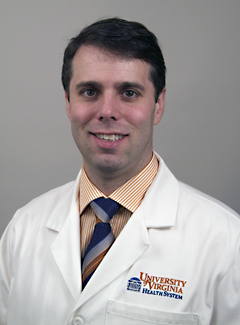 Jason Sheehan合作论文数Department of Biomedical Engineering, School of Engineering and Applied Science, University of Virginia;Department of Radiation Oncology, School of Medicine, University of Virginia;UVA Health16Xiaoqian Cheng合作论文数15
 Neil D Almeida合作论文数Department of Neurosurgery, Buffalo General Medical Center11
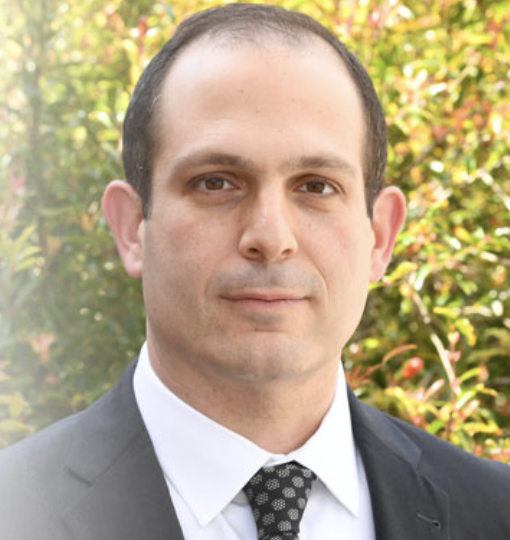 Nader Pouratian合作论文数Department of Bioengineering, School of Engineering, University of California, Los Angeles10
 John A Jane合作论文数Department of Neurosurgery, School of Medicine, University of Virginia;Virginia Tech Carilion School of Medicine10
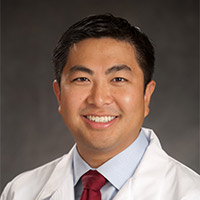 Isaac Yang合作论文数University of California10
 Louis Nabors合作论文数Department of Neurology, School of Medicine, The University of Alabama at Birmingham;Department of Cell, Developmental and Integrative Biology, The University of Alabama at Birmingham10Michael Schulder合作论文数Department of Neurosurgery, North Shore University Hospital10Nicholas Butowski合作论文数10Fabio M. Iwamoto合作论文数10Frank Lieberman合作论文数10Alan Siu合作论文数9
 Karen Fink合作论文数9Xiaoliang Yao合作论文数9Vikas Soni合作论文数9Erin M. Dunbar合作论文数9
 Priya U Kumthekar合作论文数Hematology and Oncologys, Department of Medicine, Feinberg School of Medicine, Northwestern University9
 Adhikari Manish合作论文数9
 Zachary Adam Smith合作论文数Feinberg School of Medicine, Northwestern University9Michael A. Badruddoja合作论文数9
 David M. Peereboom合作论文数Department of Medicine, School of Medicine, Case Western Reserve University;Case Comprehensive Cancer Center, Case Western Reserve University;Brain Tumor and Neuro-Oncology Center, Cleveland Clinic9
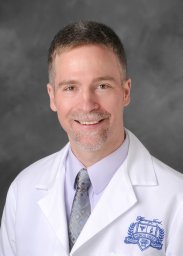 Tobias Walbert合作论文数Department of Neuro-Oncology, The University of Texas M. D. Anderson Cancer Center9
 Mark Shaffrey合作论文数Department of Neurological Surgery, University of Virginia9Eda Gjika合作论文数8Ross Lindsay合作论文数8Alisa Malyavko合作论文数Virginia Commonwealth University Health, Johns Hopkins University8
 Andrea L. Klein合作论文数Sch Med & Hlth Sci, George Washington Univ8
 David Reardon合作论文数Center for Neuro-Oncology, Dana-Farber Cancer Institute;Harvard Medical School8Qihui Wang合作论文数Dept Mech & Aerosp Engn, George Washington Univ7
 Jin Mo Cho合作论文数7Phuphanich Surasak合作论文数7
 David Tran合作论文数Department of Neurosurgery, University of Florida7
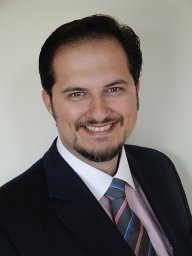 Daniel M Prevedello合作论文数Department of Neurological Surgery, University of Pittsburgh School of Medicine7Jay Jagannathan合作论文数University of Virginia7Robert M. Starke合作论文数7
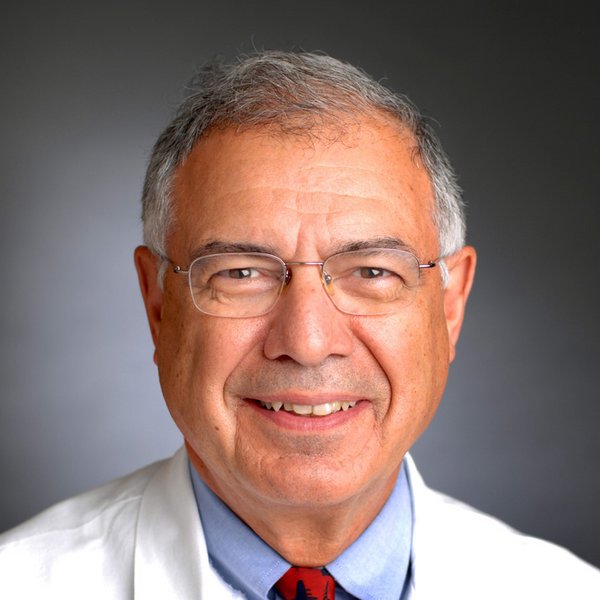 Edward R Laws合作论文数Neurosciences Center, Brigham and Women's Hospital;Harvard Medical School7Barry Trink合作论文数7
 Gordon Li合作论文数Department of Neurosurgery, School of medicine, Stanford University;Department of Neurology, School of medicine, Stanford University;Department of Otolaryngology - Head & Neck Surgery, School of medicine, Stanford University7Christopher L. Moertel合作论文数7Jessica Rainey合作论文数6Krzysztof Grzegorzewski合作论文数6Nassir Habboubi合作论文数6Niki Nourmohammadi合作论文数6
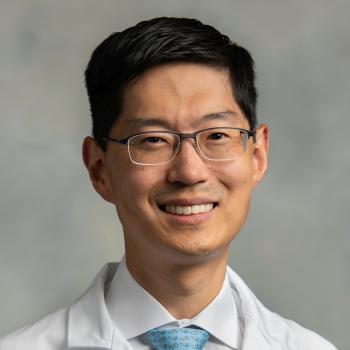 Michael Lim合作论文数School of Medicine, Johns Hopkins University;School of Medicine, Stanford University6




