Cross-Domain Few-Shot Object Detection (CD-FSOD) poses significant challenges to existing object detection and few-shot detection models when applied across domains. In conjunction with NTIRE 2025, we organized the 1st CD-FSOD Challenge, aiming to advance the performance of current object detectors on entirely novel target domains with only limited labeled data. The challenge attracted 152 registered participants, received submissions from 42 teams, and concluded with 13 teams making valid final submissions. Participants approached the task from diverse perspectives, proposing novel models that achieved new state-of-the-art (SOTA) results under both open-source and closed-source settings. In this report, we present an overview of the 1st NTIRE 2025 CD-FSOD Challenge, highlighting the proposed solutions and summarizing the results submitted by the participants.
Federated learning has become a popular method to learn from decentralized heterogeneous data. Federated semi-supervised learning (FSSL) emerges to train models from a small fraction of labeled data due to label scarcity on decentralized clients. Existing FSSL methods assume independent and identically distributed (IID) labeled data across clients and consistent class distribution between labeled and unlabeled data within a client. This work studies a more practical and challenging scenario of FSSL, where data distribution is different not only across clients but also within a client between labeled and unlabeled data. To address this challenge, we propose a novel FSSL framework with dual regulators, FedDure. FedDure lifts the previous assumption with a coarse-grained regulator (C-reg) and a fine-grained regulator (F-reg): C-reg regularizes the updating of the local model by tracking the learning effect on labeled data distribution; F-reg learns an adaptive weighting scheme tailored for unlabeled instances in each client. We further formulate the client model training as bi-level optimization that adaptively optimizes the model in the client with two regulators. Theoretically, we show the convergence guarantee of the dual regulators. Empirically, we demonstrate that FedDure is superior to the existing methods across a wide range of settings, notably by more than 11 on CIFAR-10 and CINIC-10 datasets.
The recently proposed MaskFormer gives a refreshed perspective on the task of semantic segmentation: it shifts from the popular pixel-level classification paradigm to a mask-level classification method. In essence, it generates paired probabilities and masks corresponding to category segments and combines them during inference for the segmentation maps. In our study, we find that per-mask classification decoder on top of a single-scale feature is not effective enough to extract reliable probability or mask. To mine for rich semantic information across the feature pyramid, we propose a transformer-based Pyramid Fusion Transformer (PFT) for per-mask approach semantic segmentation with multi-scale features. The proposed transformer decoder performs cross-attention between the learnable queries and each spatial feature from the feature pyramid in parallel and uses cross-scale inter-query attention to exchange complimentary information. We achieve competitive performance on three widely used semantic segmentation datasets. In particular, on ADE20K validation set, our result with Swin-B backbone surpasses that of MaskFormer's with a much larger Swin-L backbone in both single-scale and multi-scale inference, achieving 54.1 mIoU and 55.7 mIoU respectively. Using a Swin-L backbone, we achieve single-scale 56.1 mIoU and multi-scale 57.4 mIoU, obtaining state-of-the-art performance on the dataset. Extensive experiments on three widely used semantic segmentation datasets verify the effectiveness of our proposed method.
Few-shot object detection (FSOD) aims to transfer knowledge from base classes to novel classes, which receives widespread attention recently. The performance of current techniques is, however, limited by the poor classification ability and the improper features in the detection head. To circumvent this issue, we propose a Multi-level Feature Enhancement (MFE) model to improve the feature for classification from three different perspectives, including the spatial level, the task level and the regularization level. First, we revise the classifier’s input feature at the spatial level by using information from the regression head. Secondly, we separate the RoI-Align feature into two different feature distributions in order to improve features at the task level. Finally, taking into account the overfitting problem in FSOD, we design a simple but efficient regularization enhancement module to sample features into various distributions and enhance the regularization ability of classification. Extensive experiments show that our method achieves competitive results on PASCAL VOC datasets, and exceeds current state-of-the-art methods in all shot settings on challenging MS-COCO datasets.
Real-scanned point clouds are often incomplete due to viewpoint, occlusion, and noise, which hampers 3D geometric modeling and perception. Existing point cloud completion methods tend to generate global shape skeletons and hence lack fine local details. Furthermore, they mostly learn a deterministic partial-to-complete mapping, but overlook structural relations in man-made objects. To tackle these challenges, this paper proposes a variational framework, Variational Relational point Completion Network (VRCNet) with two appealing properties: 1) Probabilistic Modeling. In particular, we propose a dual-path architecture to enable principled probabilistic modeling across partial and complete clouds. One path consumes complete point clouds for reconstruction by learning a point VAE. The other path generates complete shapes for partial point clouds, whose embedded distribution is guided by distribution obtained from the reconstruction path during training. 2) Relational Enhancement. Specifically, we carefully design point self-attention kernel and point selective kernel module to exploit relational point features, which refines local shape details conditioned on the coarse completion. In addition, we contribute multi-view partial point cloud datasets (MVP and MVP-40 dataset) containing over 200,000 high-quality scans, which render partial 3D shapes from 26 uniformly distributed camera poses for each 3D CAD model. Extensive experiments demonstrate that VRCNet outperforms state-of-the-art methods on all standard point cloud completion benchmarks. Notably, VRCNet shows great generalizability and robustness on real-world point cloud scans. Moreover, we can achieve robust 3D classification for partial point clouds with the help of VRCNet, which can highly increase classification accuracy.
Federated learning emerges as a powerful method to learn from decentralized heterogeneous data while protecting data privacy. Federated semi-supervised learning (FSSL) is even more practical and challenging, where only a fraction of data can be labeled due to high annotation cost. Existing FSSL methods, however, assume independent and identically distributed (IID) labeled data across clients and consistent class distribution between labeled and unlabeled data within a client. In this work, we propose a novel FSSL framework with dual regulator, FedDure, to optimize and customize model training according to specific data distributions of clients. FedDure lifts the previous assumption with a coarse-grained regulator (C-reg) and a fine-grained regulator (F-reg): C-reg regularizes the updating of local model by tracking the learning effect on labeled data distribution; F-reg learns an adaptive weighting scheme tailored for unlabeled instances in each client. We further formulate the client model training as bi-level optimization that adaptively optimize the model in the client with two regulators. Theoretically, we show the convergence guarantee of dual regulator. Empirically, we demonstrate that FedDure is superior to the existing methods across wide range of settings, notably by more than 12% on CIFAR-10 and CINIC-10 datasets.
Knowledge distillation (KD) has shown very promising capabilities in transferring learning representations from large models (teachers) to small models (students). However, as the capacity gap between students and teachers becomes larger, existing KD methods fail to achieve better results. Our work shows that the `prior knowledge' is vital to KD, especially when applying large teachers. Particularly, we propose the dynamic prior knowledge (DPK), which integrates part of teacher's features as the prior knowledge before the feature distillation. This means that our method also takes the teacher's feature as `input', not just `target'. Besides, we dynamically adjust the ratio of the prior knowledge during the training phase according to the feature gap, thus guiding the student in an appropriate difficulty. To evaluate the proposed method, we conduct extensive experiments on two image classification benchmarks (i.e. CIFAR100 and ImageNet) and an object detection benchmark (i.e. MS COCO. The results demonstrate the superiority of our method in performance under varying settings. Besides, our DPK makes the performance of the student model positively correlated with that of the teacher model, which means that we can further boost the accuracy of students by applying larger teachers. More importantly, DPK provides a fast solution in teacher model selection for any given model.
Both high-level and high-resolution feature representations are of great importance in various visual understanding tasks. To acquire high-resolution feature maps with high-level semantic information, one common strategy is to adopt dilated convolutions in the backbone networks to extract high-resolution feature maps, such as the dilatedFCN-based methods for semantic segmentation. However, due to many convolution operations are conducted on the high-resolution feature maps, such methods have large computational complexity and memory consumption. To balance the performance and efficiency, there also exist encoder-decoder structures that gradually recover the spatial information by combining multi-level feature maps from a feature encoder, such as the FPN architecture for object detection and the U-Net for semantic segmentation. Although being more efficient, the performances of existing encoder-decoder methods for semantic segmentation are far from comparable with the dilatedFCN-based methods. In this paper, we propose one novel holistically-guided decoder which is introduced to obtain the high-resolution semantic-rich feature maps via the multi-scale features from the encoder. The decoding is achieved via novel holistic codeword generation and codeword assembly operations, which take advantages of both the high-level and low-level features from the encoder features. With the proposed holistically-guided decoder, we implement the EfficientFCN architecture for semantic segmentation and HGD-FPN for object detection and instance segmentation. The EfficientFCN achieves comparable or even better performance than state-of-the-art methods with only 1/3 of their computational costs for semantic segmentation on PASCAL Context, PASCAL VOC, ADE20K datasets. Meanwhile, the proposed HGD-FPN achieves higher mean Average Precision (mAP) when integrated into several object detection frameworks with ResNet-50 encoding backbones.
Deep learning-based multi-source unsupervised domain adaptation (MUDA) has been actively studied in recent years. Compared with single-source unsupervised domain adaptation (SUDA), domain shift in MUDA exists not only between the source and target domains but also among multiple source domains. Most existing MUDA algorithms focus on extracting domain-invariant representations among all domains whereas the task-specific decision boundaries among classes are largely neglected. In this paper, we propose an end-to-end trainable network that exploits domain Consistency Regularization for unsupervised Multi-source domain Adaptive classification (CRMA). CRMA aligns not only the distributions of each pair of source and target domains but also that of all domains. For each pair of source and target domains, we employ an intra-domain consistency to regularize a pair of domain-specific classifiers to achieve intra-domain alignment. In addition, we design an inter-domain consistency that targets joint inter-domain alignment among all domains. To address different similarities between multiple source domains and the target domain, we design an authorization strategy that assigns different authorities to domain-specific classifiers adaptively for optimal pseudo label prediction and self-training. Extensive experiments show that CRMA tackles unsupervised domain adaptation effectively under a multi-source setup and achieves superior adaptation consistently across multiple MUDA datasets.
Given labeled data in a source domain, unsupervised domain adaptation has been widely adopted to generalize models for unlabeled data in a target domain, whose data distributions are different. However, existing works are inapplicable to face recognition under privacy constraints because they re-quire sharing of sensitive face images between domains. To address this problem, we propose federated unsupervised do-main adaptation for face recognition, FedFR. FedFR jointly optimizes clustering-based domain adaptation and federated learning to elevate performance on the target domain. Specif-ically, for unlabeled data in the target domain, we enhance a clustering algorithm with distance constrain to improve the quality of predicted pseudo labels. Besides, we propose a new domain constraint loss (DCL) to regularize source do-main training in federated learning. Extensive experiments on a newly constructed benchmark demonstrate that FedFR outperforms the baseline and classic methods on the target domain by 3% to 14% on different evaluation metrics.
Image-to-image (I2I) translation is a challenging topic in computer vision. We divide this problem into three tasks: strongly constrained translation, normally constrained translation, and weakly constrained translation. The constraint here indicates the extent to which the content or semantic information in the original image is preserved. Although previous approaches have achieved good performance in weakly constrained tasks, they failed to fully preserve the content in both strongly and normally constrained tasks, including photo-realism synthesis, style transfer, and colorization, etc. To achieve content-preserving transfer in strongly constrained and normally constrained tasks, we propose StyleFlow, a new I2I translation model that consists of normalizing flows and a novel Style-Aware Normalization (SAN) module. With the invertible network structure, StyleFlow first projects input images into deep feature space in the forward pass, while the backward pass utilizes the SAN module to perform content-fixed feature transformation and then projects back to image space. Our model supports both image-guided translation and multi-modal synthesis. We evaluate our model in several I2I translation benchmarks, and the results show that the proposed model has advantages over previous methods in both strongly constrained and normally constrained tasks.
Image-based 3D detection is an indispensable component of the perception system for autonomous driving. However, it still suffers from the unsatisfying performance, one of the main reasons for which is the limited training data. Unfortunately, annotating the objects in the 3D space is extremely time/resource-consuming, which makes it hard to extend the training set arbitrarily. In this work, we focus on the semi-supervised manner and explore the feasibility of a cheaper alternative, i.e. pseudo-labeling, to leverage the unlabeled data. For this purpose, we conduct extensive experiments to investigate whether the pseudo-labels can provide effective supervision for the baseline models under varying settings. The experimental results not only demonstrate the effectiveness of the pseudo-labeling mechanism for image-based 3D detection (e.g. under monocular setting, we achieve 20.23 AP for moderate level on the KITTI-3D testing set without bells and whistles, improving the baseline model by 6.03 AP), but also show several interesting and noteworthy findings (e.g. the models trained with pseudo-labels perform better than that trained with ground-truth annotations based on the same training data). We hope this work can provide insights for the image-based 3D detection community under a semi-supervised setting. The codes, pseudo-labels, and pre-trained models will be publicly available.
Class-agnostic counting has recently emerged as a more practical counting task, which aims to predict the number and distribution of any exemplar objects, instead of counting specific categories like pedestrians or cars. However, recent methods are developed by designing suitable similarity matching rules between exemplars and query images, but ignoring the robustness of extracted features. To address this issue, we pro-pose a scale-prior deformable convolution by integrating exemplars’ information, e.g ., scale, into the counting network backbone. As a result, the proposed counting network can extract semantic features of objects similar to the given exemplars and effectively filter irrelevant backgrounds. Besides, we find that traditional L2 and generalized loss are not suitable for class-agnostic counting due to the variety of object scales in different samples. Here we propose a scale-sensitive generalized loss to tackle this problem. It can adjust the cost function formulation according to the given exemplars, making the difference between prediction and ground truth more prominent. Extensive experiments show that our model obtains remarkable improvement and achieves state-of-the-art performance on a public class-agnostic counting benchmark
Video highlight detection is a crucial yet challenging problem that aims to identify the interesting moments in untrimmed videos. The key to this task lies in effective video representations that jointly pursue two goals, \textit{i.e.}, cross-modal representation learning and fine-grained feature discrimination. In this paper, these two challenges are tackled by not only enriching intra-modality and cross-modality relations for representation modeling but also shaping the features in a discriminative manner. Our proposed method mainly leverages the intra-modality encoding and cross-modality co-occurrence encoding for fully representation modeling. Specifically, intra-modality encoding augments the modality-wise features and dampens irrelevant modality via within-modality relation learning in both audio and visual signals. Meanwhile, cross-modality co-occurrence encoding focuses on the co-occurrence inter-modality relations and selectively captures effective information among multi-modality. The multi-modal representation is further enhanced by the global information abstracted from the local context. In addition, we enlarge the discriminative power of feature embedding with a hard-pairs guided contrastive learning (HPCL) scheme. A hard-pairs sampling strategy is further employed to mine the hard samples for improving feature discrimination in HPCL. Extensive experiments conducted on two benchmarks demonstrate the effectiveness and superiority of our proposed methods compared to other state-of-the-art methods.
Most 3D shape completion approaches rely heavily on partial-complete shape pairs and learn in a fully supervised manner. Despite their impressive performances on in-domain data, when generalizing to partial shapes in other forms or real-world partial scans, they often obtain unsatisfactory results due to domain gaps. In contrast to previous fully supervised approaches, in this paper we present ShapeInversion, which introduces Generative Adversarial Network (GAN) inversion to shape completion for the first time. ShapeInversion uses a GAN pre-trained on complete shapes by searching for a latent code that gives a complete shape that best reconstructs the given partial input. In this way, ShapeInversion no longer needs paired training data, and is capable of incorporating the rich prior captured in a well-trained generative model. On the ShapeNet benchmark, the proposed ShapeInversion outperforms the SOTA unsupervised method, and is comparable with supervised methods that are learned using paired data. It also demonstrates remarkable generalization ability, giving robust results for real-world scans and partial inputs of various forms and incompleteness levels. Importantly, ShapeInversion naturally enables a series of additional abilities thanks to the involvement of a pre-trained GAN, such as producing multiple valid complete shapes for an ambiguous partial input, as well as shape manipulation and interpolation.
Unsupervised representation learning has achieved outstanding performances using centralized data available on the Internet. However, the increasing awareness of privacy protection limits sharing of decentralized unlabeled image data that grows explosively in multiple parties (e.g., mobile phones and cameras). As such, a natural problem is how to leverage these data to learn visual representations for downstream tasks while preserving data privacy. To address this problem, we propose a novel federated unsupervised learning framework, FedU. In this framework, each party trains models from unlabeled data independently using contrastive learning with an online network and a target network. Then, a central server aggregates trained models and updates clients' models with the aggregated model. It preserves data privacy as each party only has access to its raw data. Decentralized data among multiple parties are normally non-independent and identically distributed (non-IID), leading to performance degradation. To tackle this challenge, we propose two simple but effective methods: 1) We design the communication protocol to upload only the encoders of online networks for server aggregation and update them with the aggregated encoder; 2) We introduce a new module to dynamically decide how to update predictors based on the divergence caused by non-IID. The predictor is the other component of the online network. Extensive experiments and ablations demonstrate the effectiveness and significance of FedU. It outperforms training with only one party by over 5% and other methods by over 14% in linear and semi-supervised evaluation on non-IID data.
3D human shape and pose estimation is the essential task for human motion analysis, which is widely used in many 3D applications. However, existing methods cannot simultaneously capture the relations at multiple levels, including spatial-temporal level and human joint level. Therefore they fail to make accurate predictions in some hard scenarios when there is cluttered background, occlusion, or extreme pose. To this end, we propose Multi-level Attention Encoder-Decoder Network (MAED), including a Spatial-Temporal Encoder (STE) and a Kinematic Topology Decoder (KTD) to model multi-level attentions in a unified framework. STE consists of a series of cascaded blocks based on Multi-Head Self-Attention, and each block uses two parallel branches to learn spatial and temporal attention respectively. Meanwhile, KTD aims at modeling the joint level attention. It regards pose estimation as a top-down hierarchical process similar to SMPL kinematic tree. With the training set of 3DPW, MAED outperforms previous state-of-the-art methods by 6.2, 7.2, and 2.4 mm of PA-MPJPE on the three widely used benchmarks 3DPW, MPI-INF-3DHP, and Human3.6M respectively. Our code is available at https://github.com/ziniuwan/maed.
Deep learning-based 3D object detection has achieved unprecedented success with the advent of large-scale autonomous driving datasets. However, drastic performance degradation remains a critical challenge for cross-domain deployment. In addition, existing 3D domain adaptive detection methods often assume prior access to the target domain annotations, which is rarely feasible in the real world. To address this challenge, we study a more realistic setting, unsupervised 3D domain adaptive detection, which only utilizes source domain annotations. 1) We first comprehensively investigate the major underlying factors of the domain gap in 3D detection. Our key insight is that geometric mismatch is the key factor of domain shift. 2) Then, we propose a novel and unified framework, Multi-Level Consistency Network (MLC-Net), which employs a teacher-student paradigm to generate adaptive and reliable pseudo-targets. MLC-Net exploits point-, instance- and neural statistics-level consistency to facilitate cross-domain transfer. Extensive experiments demonstrate that MLC-Net outperforms existing state-of-the-art methods (including those using additional target domain information) on standard benchmarks. Notably, our approach is detector-agnostic, which achieves consistent gains on both single- and two-stage 3D detectors. Code will be released.
As a crucial task of autonomous driving, 3D object detection has made great progress in recent years. However, monocular 3D object detection remains a challenging problem due to the unsatisfactory performance in depth estimation. Most existing monocular methods typically directly regress the scene depth while ignoring important relationships between the depth and various geometric elements (e.g. bounding box sizes, 3D object dimensions, and object poses). In this paper, we propose to learn geometry-guided depth estimation with projective modeling to advance monocular 3D object detection. Specifically, a principled geometry formula with projective modeling of 2D and 3D depth predictions in the monocular 3D object detection network is devised. We further implement and embed the proposed formula to enable geometry-aware deep representation learning, allowing effective 2D and 3D interactions for boosting the depth estimation. Moreover, we provide a strong baseline through addressing substantial misalignment between 2D annotation and projected boxes to ensure robust learning with the proposed geometric formula. Experiments on the KITTI dataset show that our method remarkably improves the detection performance of the state-of-the-art monocular-based method without extra data by 2.80% on the moderate test setting. The model and code will be released at https://github.com/YinminZhang/MonoGeo.
 Hongsheng Li (李鴻升)合作论文数Department of Electronic Engineering, The Chinese University of Hong Kong;Multimedia Laboratory, The Chinese University of Hong Kong28
 Xiaogang Wang (王曉剛)合作论文数Department of Electronic Engineering, The Chinese University of Hong Kong21
 Haiyu Zhao合作论文数ByteDance15
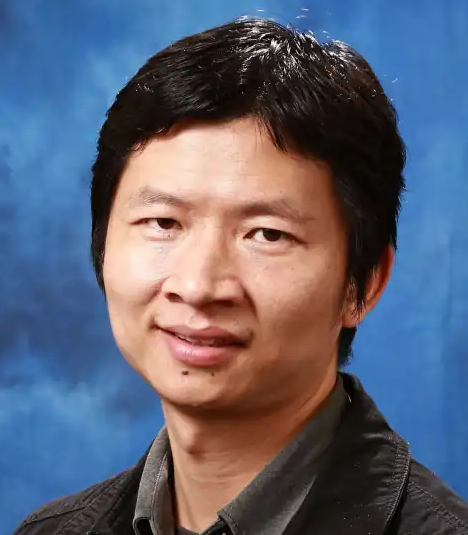 Wanli Ouyang (欧阳万里)合作论文数Shanghai Artificial Intelligence Laboratory13
 Jun Hou合作论文数Key Laboratory of Natural Resources of Changbai Mountain & Functional Molecules, Yanbian University),11
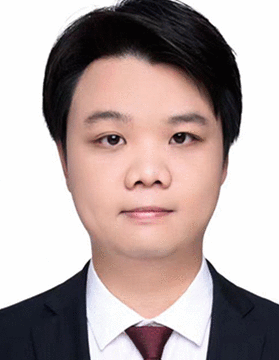 Maoqing Tian合作论文数SenseTime10
 Zhongang Cai (蔡中昂)合作论文数SenseTime Research9Xinchi Zhou合作论文数University of Sydney8
 Dongzhan Zhou合作论文数Shanghai Artificial Intelligence Laboratory8
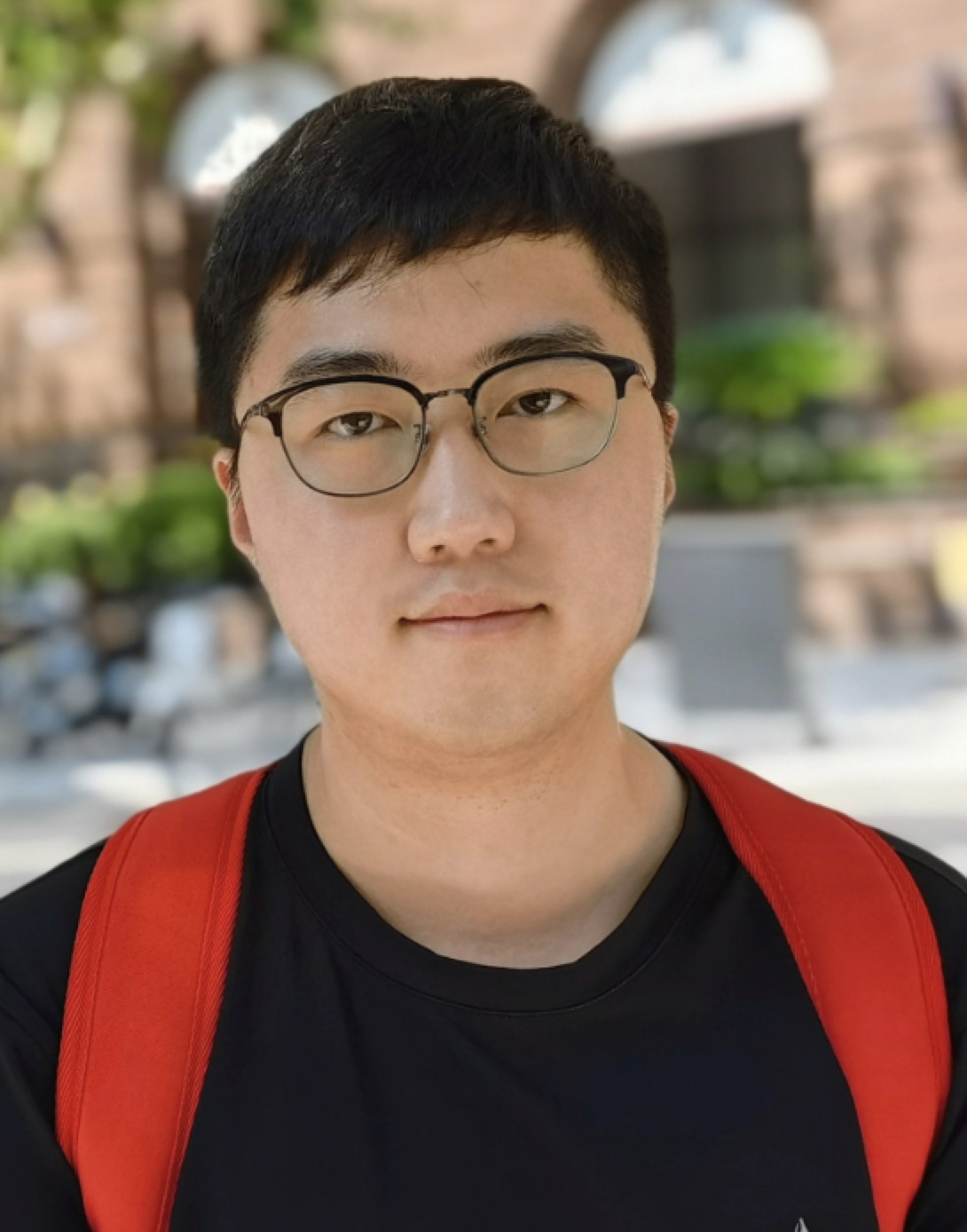 Mingyuan Zhang (张明远)合作论文数MMLab, Nanyang Technological University6
 Junzhe Zhang (张俊哲)合作论文数SenseTime;School of Computer Science and Engineering, Nanyang Technological University6
 Kunlin Yang合作论文数6Xuesen Zhang合作论文数SenseTime6
 Weiming Zhuang合作论文数Privacy-Preserving Machine Learning Team, SonyAI6
 Xinzhu Ma合作论文数University of Sydney5
 Junjie Yan (闫俊杰)合作论文数MiniMax5
 Liang Pan合作论文数Shanghai AI Lab5
 Xinyi Chen合作论文数4Xin Gan (甘辛)合作论文数4
 Tong Xiao合作论文数Yutori4
 Yantao Shen (沈岩涛)合作论文数Amazon Web Services4
 Shuai Zhang合作论文数Qualcomm AI Research4
 Jiawei Ren合作论文数Spatial Intelligence Lab, NVIDIA4
 Cunjun Yu合作论文数National University of Singapore4
 Xiao Ma (马骁)合作论文数Dyson Robot Learning Lab;School of Computing, National University of Singapore4Shuaicheng Li合作论文数Sensetime Research4
 Dapeng Chen合作论文数Huawei4
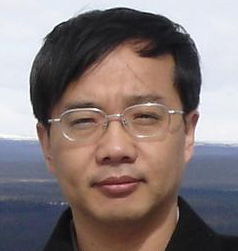 Jianbo Liu (刘建波)合作论文数School of Earth and Space Sciences, Peking University4
 Chen Change Loy (吕健勤)合作论文数College of Computing and Data Science, Nanyang Technological University4
 Yonggang Wen合作论文数School of Computer Science and Engineering, Nanyang Technological University;College of Engineering, Nanyang Technological University4
 Yinmin Zhang合作论文数University of Sydney3Shinan Liu合作论文数3
 Jianping Shi (石建萍)合作论文数SenseTime Group Limited3
 Jing Shao (邵婧)合作论文数SenseTime;Shanghai Jiao Tong University;Nanyang Technological University Singapore3
 Shuyang Sun (孙书洋)合作论文数University of Oxford3
 Junyu Gao (高君宇)合作论文数School of Artificial Intelligence, OPtics and ElectroNics, Northwestern Polytechnical University3
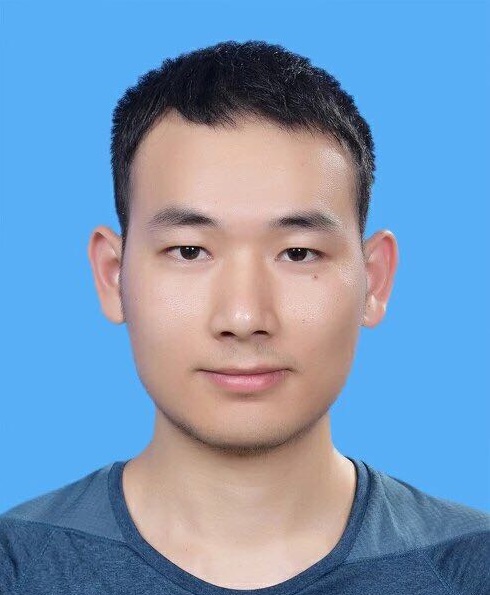 Lingbo Liu (刘凌波)合作论文数Research Institute of Multiple Agents and Embodied Intelligence, Pengcheng Laboratory3
 Ziwei Liu (刘子纬)合作论文数College of Computing and Data Science, Nanyang Technological University3
 Yeo Chai Kiat合作论文数School of Computer Science and Engineering, Nanyang Technological University 3
 Sikai Bai (白思开)合作论文数Department of Computer Science and Engineering, The Hong Kong University of Science and Technology2Zhengjia Li合作论文数Tongji Univ, Dept Comp Sci & Technol, Shanghai 201804, Peoples R China2
 Junming Fan合作论文数Laboratory for Artificial Intelligence in Design, Hong Kong Special Administrative Region2
 Yuan Liu合作论文数Zhejiang Univ, Interdisciplinary Ctr Quantum Informat, State Key Lab Modern Opt Instrumentat, Hangzhou 310027, Peoples R China2
 Zhuoran Shen合作论文数Google Research2
 Jiangmiao Pang (庞江淼)合作论文数OpenRobotLab, Shanghai AI Laboratory2
 Jiaya Jia (贾佳亚)合作论文数Department of Computer Science and Engineering, The Hong Kong University of Science and Technology2
 Bo Dai (戴勃)合作论文数University of Hong Kong;FeelingAI2
 Daxuan Ren (任达萱)合作论文数Autodesk2




