We consider the problem of modeling high-speed flows using machine learning methods. While most prior studies focus on low-speed fluid flows in which uniform time-stepping is practical, flows approaching and exceeding the speed of sound exhibit sudden changes such as shock waves. In such cases, it is essential to use adaptive time-stepping methods to allow a temporal resolution sufficient to resolve these phenomena while simultaneously balancing computational costs. Here, we propose a two-phase machine learning method, known as ShockCast, to model high-speed flows with adaptive time-stepping. In the first phase, we propose to employ a machine learning model to predict the timestep size. In the second phase, the predicted timestep is used as an input along with the current fluid fields to advance the system state by the predicted timestep. We explore several physically-motivated components for timestep prediction and introduce timestep conditioning strategies inspired by neural ODE and Mixture of Experts. We evaluate our methods by generating three supersonic flow datasets.
E(3)-equivariant networks are promising for 3D atomistic system modeling, yet their scalability is limited by the O(L^6) complexity of the Clebsch-Gordan Tensor Product (CGTP). The recently proposed Gaunt Tensor Product (GTP) reduces the complexity but is unable to capture the antisymmetric paths, resulting in incomplete expressivity. In this work, we present SpinGTP, an approach to overcome the GTP incompleteness by generalizing from scalar functions to Spin-Weighted Spherical Harmonics (SWSH). By relying on the algebraic properties of SWSH, SpinGTP recovers the missing antisymmetric interactions while maintaining the asymptotic efficiency of GTP. It also allows for a more expressive equivariant basis that naturally accounts for the parity-odd components of tensor products. We evaluate SpinGTP across diverse benchmarks, including Tetris, 3BPA, SPICE-MACE-OFF, and OC20. Our results show that SpinGTP achieves accuracies comparable to full CGTP. Notably, by explicitly capturing antisymmetric paths, SpinGTP exhibits superior performance in tasks involving chiral materials and non-centrosymmetric geometries. This work provides a complete, scalable, and mathematically rigorous path toward high-order equivariance in large-scale 3D atomistic system simulations.
LLM powered multi-agent systems (MAS) have emerged as a promising paradigm for complex tasks. However, their advantages over single-agent systems (SAS) remain unclear, with performance varying inconsistently across settings. Here, we provide an information bottleneck perspective on elucidating the differences between MAS and SAS. Specifically, our key observation is that a SAS accumulates its full reasoning trace in one shared context, while a MAS uses isolated local contexts connected by bounded relay messages. We show that, under infinite relay bandwidth, any SAS can be simulated by a MAS that transmits the full upstream context. Thus, the nontrivial advantage of MAS arises under bounded relays, where compression introduces a fundamental trade-off: reducing redundant context can improve efficiency, but may also incur loss of task-relevant information. We formalize this trade-off as an information bottleneck controlled by an effective parameter β, which captures how the balance shifts with model capability, and shows that MAS gains arise when context reduction outweighs relay information loss. We conduct 18 controlled experiments across five benchmarks and three model scales to validate our theoretical studies. We observe that MAS consistently helps when relays are near-sufficient, especially for weaker models. In contrast, MAS gains shrink or reverse when relays incur information loss, especially for stronger models that can already extract useful information from redundant context and thus gain little from compression. Our study shows that multi-agent design is fundamentally an information-bottleneck optimization problem. This perspective explains when bounded inter-agent communication helps or hurts.
RNA molecules underlie regulation, catalysis, and therapeutics in biological systems, yet de novo RNA design remains difficult with the tight and highly non-linear sequence–structure coupling. The RNA sequence–structure co-design problem generates nucleotide sequences and 3D conformations jointly, which is challenging due to RNA’s conformational flexibility, non-canonical base pairing, and the scarcity of 3D data. We introduce a joint generative framework that embeds RoseTTAFold2NA as the denoiser into a dual diffusion model, injecting rich cross-molecular priors while enabling sample-efficient learning from limited RNA data. Our method couples a discrete diffusion process for sequences with an $SE(3)$-equivariant diffusion for rigid-frame translations and rotations over all-atom coordinates. The architecture supports flexible conditioning, and is further enhanced at inference via lightweight RL techniques that optimize task-aligned rewards. Across de novo RNA design as well as complex and protein-conditioned design tasks, our approach yields high self-consistency and confidence scores, improving over recent diffusion/flow baselines trained from scratch. Results demonstrate that leveraging pre-trained structural priors within a joint diffusion framework is a powerful paradigm for RNA design under data scarcity, enabling high-fidelity generation of standalone RNAs and functional RNA–protein interfaces.
We address the problem of fine-tuning diffusion models for reward-guided generation in biomolecular design. While diffusion models have proven highly effective in modeling complex, high-dimensional data distributions, real-world applications often demand more than high-fidelity generation, requiring optimization with respect to potentially non-differentiable reward functions such as physics-based simulation or rewards based on scientific knowledge. Although RL methods have been explored to fine-tune diffusion models for such objectives, they often suffer from instability, low sample efficiency, and mode collapse due to their on-policy nature. In this work, we propose an iterative distillation-based fine-tuning framework that enables diffusion models to optimize for arbitrary reward functions. Our method casts the problem as policy distillation: it collects off-policy data during the roll-in phase, simulates reward-based soft-optimal policies during roll-out, and updates the model by minimizing the KL divergence between the simulated soft-optimal policy and the current model policy. Our off-policy formulation, combined with KL divergence minimization, enhances training stability and sample efficiency compared to existing RL-based methods. Empirical results demonstrate the effectiveness and superior reward optimization of our approach across diverse tasks in protein, small molecule, and regulatory DNA design.
Rapid advances in generative artificial intelligence have revolutionized biological modeling across domains such as protein, genetics, and single-cell. However, existing works often organize applications by molecule types or specific research tasks, overlooking the methodological convergence and cross-modal innovations. This paper aims to present a unified methodological perspective that highlights the fundamental technical commonalities across biological modalities. We systematically organize recent advances in generative modeling for biology through the lens of core machine learning paradigms, from language models (LMs) and diffusion models to their emerging hybrid architectures. Our work reveals how techniques initially developed for one molecular type (e.g., protein design) can be effectively transferred to others (e.g., RNA engineering), and identifies the convergence trend where discrete diffusion models and iterative language models represent different facets of a unified generative framework. We cover the evolution from domain-specific models to multi-modal biological foundation models and agent-based systems. By emphasizing methodological connections rather than applications, this paper aims to accelerate cross-domain innovation and make the field more accessible to the broader machine learning community. We conclude by identifying promising research directions where successful techniques in one biological domain remain unexplored in others, offering a roadmap for future advances in generative biology.
3D brain MRI generation has made significant advances in medical imaging, simulation, and controllable anatomical analysis. However, existing generative models typically synthesize 3D volumes monolithically, often overlooking regional anatomical structures and limiting local controllability. To address these limitations, we introduce AnaDiffusion, an anatomically compositional latent diffusion framework that factorizes the generation process into distinct, anatomically meaningful regions, followed by part-to-whole assembly and global refinement. Our approach first trains part diffusion models to capture local structural priors. We then inject an assembled anatomical composite of the parts into the whole-brain latent representation and continue denoising. This mechanism enables the model to resolve global context while preserving the injected anatomy. As a result, AnaDiffusion produces both explicit part assets and a globally coherent volume, thereby enabling controllable part editing without requiring subject-specific dense segmentation maps at inference time while maintaining consistent part-to-whole brain structure. On the subject-disjoint ADNI test split, AnaDiffusion achieves the lowest FID across the whole brain, left and right hemispheres, cerebellar-brainstem complex, and seam regions. It also achieves the best cerebellar and second-best ventricular and brainstem absolute Cohen's d values among the evaluated methods. In localized editing experiments, paired MS-SSIM demonstrates high target transfer and off-target preservation, supporting controllable part replacement with minimal unintended anatomical alterations.
We study the transformation of autoregressive models (ARLMs) into diffusion language models (DLMs). Rather than pretraining from scratch, prior work replaces the causal attention in ARLMs with bidirectional attention and then trains the resulting model using a DLM objective. However, these approaches incur two distribution shifts. First, transitioning from a next-token prediction objective to a DLM objective can discard knowledge acquired by the ARLM during training. Second, standard DLMs suffer from a train-inference mismatch, as the training loss is defined on randomly masked sequences rather than the trajectories encountered at inference produced by confidence-based decoding. To address both challenges, we introduce an On-Policy Diffusion Language Model (OPDLM) in which On-Policy Distillation (OPD) is employed for ARLM-to-DLM transformation. Specifically, OPDLM is trained via self-OPD, where the student, an ARLM with bidirectional attention, generates its own trajectories, and the teacher, the original frozen ARLM, distills its knowledge by providing target logits on these trajectories. By training directly in an on-policy manner, OPDLM eliminates the train-inference mismatch in DLMs, while distillation from the original model enhances knowledge retention from the ARLM. Empirical results demonstrate that OPDLM requires 15x to 7,000x fewer training tokens with strong performance across a wide variety of tasks. OPDLM avoids the prohibitive cost of DLM pretraining and positions DLM transformation as a form of ARLM post-training.
We aim to improve the reasoning capabilities of diffusion language models (DLMs). While SFT performs well for autoregressive models, its use in DLMs faces challenges. Our observation and analysis reveal that vanilla SFT does not consider learnability, i.e., what and when tokens are learned. Specifically, we observe that rare tokens are difficult to learn when most of the input is masked. In contrast, it is straightforward and thus of little value to learn common tokens when most of the input is unmasked. To consider learnability, we propose LIFT, a learnability-informed fine-tuning strategy for DLMs. LIFT learns easy tokens when most of the input is noisy and hard tokens when more input is available, thereby aligning training with information available at different diffusion time steps. Our results show that LIFT outperforms existing SFT baselines across six reasoning benchmarks, achieving up to a 3x relative gain on AIME'24 and AIME'25.
In this work, we present FRIGID, a framework with a novel diffusion language model that generates molecular structures conditioned on mass spectra via intermediate fingerprint representations and determined chemical formulae, training at the scale of hundreds of millions of unlabeled structures. We then demonstrate how forward fragmentation models enable inference-time scaling by identifying spectrum-inconsistent fragments and refining them through targeted remasking and denoising. While FRIGID already achieves strong performance with its diffusion base, inference-time scaling significantly improves its accuracy, surpassing 18
We aim to improve the reasoning capabilities of language models via reinforcement learning with verifiable rewards (RLVR). Recent RLVR post-trained models like DeepSeek-R1 have demonstrated reasoning abilities on mathematical and coding tasks. However, prior studies suggest that using RLVR alone to improve reasoning on inherently difficult tasks is less effective due to sparse rewards. Here, we draw inspiration from curriculum learning and propose to schedule tasks from easy to hard (E2H), allowing LLMs to build reasoning skills gradually. Our method is termed E2H Reasoner. Empirically, we observe that, although easy tasks are important initially, fading them out through appropriate scheduling is essential in preventing overfitting. Theoretically, we establish convergence guarantees for E2H Reasoner within an approximate policy iteration framework. We derive finite-sample complexity bounds and show that when tasks are appropriately decomposed and conditioned, learning through curriculum stages requires fewer total samples than direct learning. Experiments across diverse datasets and models demonstrate that E2H Reasoner substantially enhances LLM reasoning.
We aim to learn wavefunctions simulated by time-dependent density functional theory (TDDFT), which can be efficiently represented as linear combination coefficients of atomic orbitals. In real-time TDDFT, the electronic wavefunctions of a molecule evolve over time in response to an external excitation, enabling first-principles predictions of physical properties such as optical absorption, electron dynamics, and high-order response. However, conventional real-time TDDFT relies on time-consuming propagation of all occupied states with fine time steps. In this work, we propose OrbEvo, which is based on an equivariant graph transformer architecture and learns to evolve the full electronic wavefunction coefficients across time steps. First, to account for external field, we design an equivariant conditioning to encode both strength and direction of external electric field and break the symmetry from SO(3) to SO(2). Furthermore, we design two OrbEvo models, OrbEvo-WF and OrbEvo-DM, using wavefunction pooling and density matrix as interaction method, respectively. Motivated by the central role of the density functional in TDDFT, OrbEvo-DM encodes the density matrix aggregated from all occupied electronic states into feature vectors via tensor contraction, providing a more intuitive approach to learn the time evolution operator. We adopt a training strategy specifically tailored to limit the error accumulation of time-dependent wavefunctions over autoregressive rollout. To evaluate our approach, we generate TDDFT datasets consisting of 5,000 different molecules in the QM9 dataset and 1,500 molecular configurations of the malonaldehyde molecule in the MD17 dataset. Results show that our OrbEvo model accurately captures quantum dynamics of excited states under external field, including time-dependent wavefunctions, time-dependent dipole moment, and optical absorption spectra characterized by dipole oscillator strength. It also shows strong generalization capability on the diverse molecules in the QM9 dataset.
Tandem mass spectrometry is prominent in scientific discovery workflows for identifying unknown small molecules, yet high-throughput structural elucidation remains challenging. While recent autoregressive and graph diffusion models have shown promise in elucidation, performance remains limited by poor scalability during both training and inference time. In this work, we present FRIGID, a framework with a novel diffusion language model that generates molecular structures conditioned on mass spectra via intermediate fingerprint representations and determined chemical formulae, training at the scale of hundreds of millions of unlabeled structures. We then demonstrate how forward fragmentation models enable inference-time scaling by identifying spectrum-inconsistent fragments and refining them through targeted remasking and denoising. While FRIGID already achieves strong performance with its diffusion base, inference-time scaling significantly improves its accuracy, surpassing 15% Top-1 accuracy on the challenging MassSpecGym benchmark and more than doubling the Top-1 accuracy of the leading methods on NPLIB1. Further empirical analyses show that FRIGID exhibits log-linear performance scaling with increasing inference-time compute, opening a promising new direction for continued improvements in structural elucidation.
We consider the task of predicting Hamiltonian matrices to accelerate electronic structure calculations, which plays an important role in physics, chemistry, and materials science. Motivated by the inherent relationship between the off-diagonal blocks of the Hamiltonian matrix and the SO(2) local frame, we propose a novel and efficient network, called QHNetV2, that achieves global SO(3) equivariance without the costly SO(3) Clebsch–Gordan tensor products. This is achieved by introducing a set of new efficient and powerful SO(2)-equivariant operations and performing all off-diagonal feature updates and message passing within SO(2) local frames, thereby eliminating the need of SO(3) tensor products. Moreover, a continuous SO(2) tensor product is performed within the SO(2) local frame at each node to fuse node features. Extensive experiments on the large QH9 and MD17 datasets demonstrate that our model achieves superior performance across a wide range of molecular structures and trajectories, highlighting its strong generalization capability. The proposed SO(2) operations on SO(2) local frames offer a promising direction for scalable and symmetry-aware learning of electronic structures.
We consider molecule generation in 3D space using language models (LMs), which requires discrete tokenization of 3D molecular geometries. Although tokenization of molecular graphs exists, that for 3D geometries is largely unexplored. Here, we attempt to bridge this gap by proposing the Geo2Seq, which converts molecular geometries into SE(3)-invariant 1D discrete sequences. Geo2Seq consists of canonical labeling and invariant spherical representation steps, which together maintain geometric and atomic fidelity in a format conducive to LMs. Our experiments show that, when coupled with Geo2Seq, various LMs excel in molecular geometry generation, especially in controlled generation tasks.
Large language models (LLMs) have demonstrated remarkable success across a wide range of tasks; however, they still encounter challenges in reasoning tasks that require understanding and inferring relationships between distinct pieces of information within text sequences. This challenge is particularly pronounced in tasks involving multi-step processes, such as logical reasoning and multi-hop question answering, where understanding implicit relationships between entities and leveraging multi-hop connections in the given context are crucial. Graphs, as fundamental data structures, explicitly represent pairwise relationships between entities, thereby offering the potential to enhance LLMs' reasoning capabilities. External graphs have proven effective in supporting LLMs across multiple tasks. However, in many reasoning tasks, no pre-existing graph structure is provided. Can we structure implicit knowledge derived from context into graphs to assist LLMs in reasoning? In this paper, we propose Reasoning with Graphs (RwG) by first constructing explicit graphs from the context and then leveraging these graphs to enhance LLM reasoning performance on reasoning tasks. Extensive experiments demonstrate the effectiveness of the proposed method in improving both logical reasoning and multi-hop question answering tasks.
Advances in artificial intelligence (AI) are fueling a new paradigm of discoveries in natural sciences. Today, AI has started to advance natural sciences by improving, accelerating, and enabling our understanding of natural phenomena at a wide range of spatial and temporal scales, giving rise to a new area of research known as AI for science (AI4Science). Being an emerging research paradigm, AI4Science is unique in that it is an enormous and highly interdisciplinary area. Thus, a unified and technical treatment of this field is needed yet challenging. This work aims to provide a technically thorough account of a subarea of AI4Science; namely, AI for quantum, atomistic, and continuum systems. These areas aim at understanding the physical world from the subatomic (wavefunctions and electron density), atomic (molecules, proteins, materials, and interactions), to macro (fluids, climate, and subsurface) scales and form an important subarea of AI4Science. A unique advantage of focusing on these areas is that they largely share a common set of challenges, thereby allowing a unified and foundational treatment. A key common challenge is how to capture physics first principles, especially symmetries, in natural systems by deep learning methods. We provide an in-depth yet intuitive account of techniques to achieve equivariance to symmetry transformations. We also discuss other common technical challenges, including explainability, out-of-distribution generalization, knowledge transfer with foundation and large language models, and uncertainty quantification. To facilitate learning and education, we provide categorized lists of resources that we found to be useful. We strive to be thorough and unified and hope this initial effort may trigger more community interests and efforts to further advance AI4Science.
Computational quantum chemistry plays a critical role in drug discovery, chemical synthesis, and materials science. While first-principles methods, such as density functional theory (DFT), provide high accuracy in modeling electronic structures and predicting molecular properties, they are computationally expensive. Machine learning interatomic potentials (MLIPs) have emerged as promising surrogate models that aim to achieve DFT-level accuracy while enabling efficient large-scale atomistic simulations. The development of accurate and transferable MLIPs requires large-scale, high-quality datasets with both energy and force labels. Critically, MLIPs must generalize not only to stable geometries but also to intermediate, non-equilibrium conformations encountered during atomistic simulations. In this work, we introduce PubChemQCR, a large-scale dataset of molecular relaxation trajectories curated from the raw geometry optimization outputs of the PubChemQC project. PubChemQCR is the largest publicly available dataset of DFT-based relaxation trajectories for small organic molecules, comprising approximately 3.5 million trajectories and over 300 million molecular conformations computed at various levels of theory. Each conformation is labeled with both total energy and atomic forces, making the dataset suitable for training and evaluating MLIPs. To provide baselines for future developments, we benchmark nine representative MLIP models on the dataset. Our resources are publicly available at https://huggingface.co/divelab.
[This corrects the article DOI: 10.1039/D4SC05894A.].
 Jieping Ye (叶杰平)合作论文数Alibaba Group47
 Meng Liu (刘猛)合作论文数27
 Zhengyang Wang合作论文数Amazon26
 Yaochen Xie合作论文数24Hao Yuan合作论文数Department of Computer Science & Engineering, Texas A&M University24Xiner Li合作论文数21
 Youzhi Luo合作论文数Amazon Web Services21
 Yuchao Lin合作论文数Data Integration, Visualization, and Exploration Lab, Texas A&M University;Lambda20Hongyang Gao合作论文数20
 Haiyang Yu合作论文数Department of Computer Science and Engineering, Texas A&M University19
 Liang Sun合作论文数Alibaba Group17
 Xuan Zhang合作论文数Department of Computer Science & Engineering, Texas A&M University17
 Yi Liu (刘毅)合作论文数Department of Applied Mathematics & Statistics, Stony Brook University;Department of Computer Science, Stony Brook University17
 Keqiang Yan合作论文数Department of Computer Science and Engineering, Texas A&M University16
 Shurui Gui合作论文数Department of Computer Science and Engineering, Texas A&M University;Data Integration, Visualization, and Exploration Lab, Texas A&M University;Amazon15
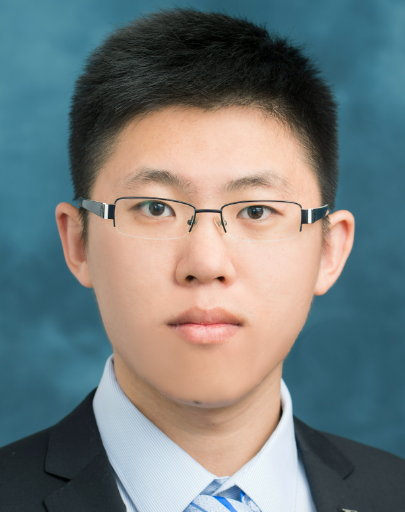 Cong Fu合作论文数Department of Computer Science and Engineering, Texas A&M University15
 Zhao Xu合作论文数Texas A&M University, Department of Computer Science and Engineering, College Station, TX 77843, USA.14
 Limei Wang合作论文数Meta14
 Xiaoning Qian合作论文数Department of Electrical & Computer Engineering, College of Engineering, Texas A&M University;Brookhaven National Laboratory14
 Sudhir Kumar合作论文数Department of Biology, College of Science and Technology, Temple University;Institute for Genomics and Evolutionary Medicine, Temple University;Department of Computer & Information Sciences, Temple University14Xiaofeng Qian合作论文数14
 Xia Ben Hu合作论文数Department of Computer Science, Rice University;AI POW LLC13
 Rongjian Li合作论文数Wells Fargo13
 Jacob Helwig合作论文数Department of Computer Science & Engineering, Texas A&M University12
 Zeng Tao合作论文数Department of Computer Science,Old Dominion University12
 Hongyi Ling (凌弘毅)合作论文数Department of Computer Science & Engineering, Texas A&M University;The DIVE Lab, Texas A&M University11
 Jie Wang (王杰)合作论文数Department of Electronic Engineering and Information Science, School of Information Science and Technology, University of Science and Technology of China;Key Laboratory of Brain-inspired Intelligent Perception and Cognition of the Ministry of Education, University of Science and Technology of China;MIRA Lab11
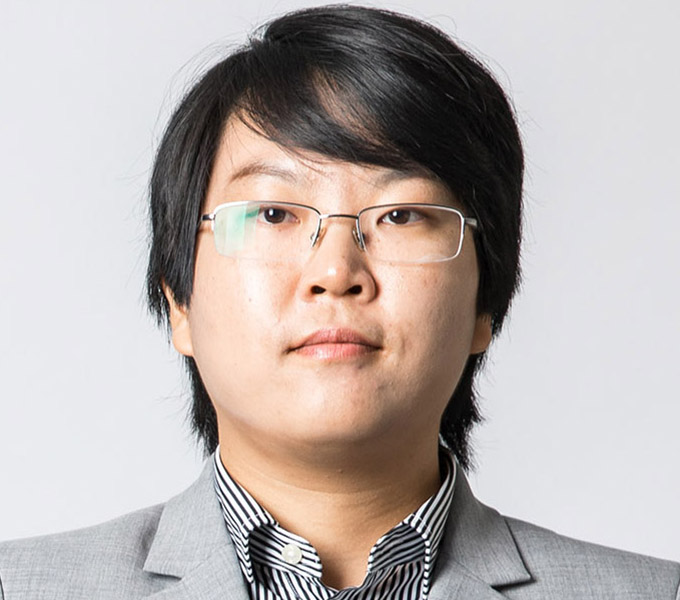 Wenlu Zhang合作论文数Department of Computer Engineering and Computer Science, College of Engineering, California State University Long Beach11
 Heng Ji (季姮)合作论文数Siebel School of Computing and Data Science, The Grainger College of Engineering, University of Illinois at Urbana-Champaign10
 Dinggang Shen (沈定刚)合作论文数School of Biomedical Engineering, ShanghaiTech University;Image Display, Enhancement and Analysis Lab, ShanghaiTech University10
 Marinka Zitnik合作论文数Department of Biomedical Informatics, Harvard Medical School, Harvard University;Kempner Institute for the Study of Natural and Artificial Intelligence, Harvard University8
 Fan Yang (杨帆)合作论文数Department of Computer Science, Wake Forest University7
 Fakhry Ahmed合作论文数Department of Computer Science, Old Dominion University7Lei Cai合作论文数School of Electrical Engineering and Computer Science, Washington State University7
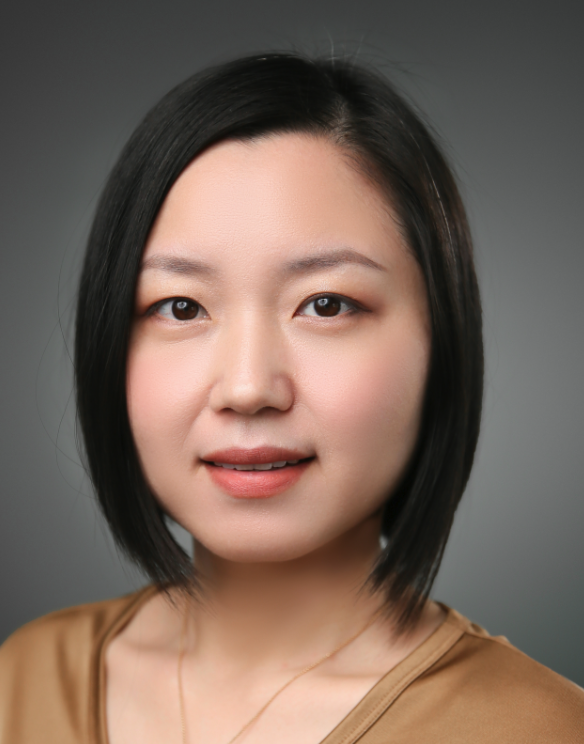 Na Zou合作论文数Department of Industrial Engineering, Cullen College of Engineering, University of Houston;Texas A&M University7
 Zhi-Hua Zhou (周志华)合作论文数School of Artificial Intelligence, Nanjing University7
 James Caverlee合作论文数Department of Computer Science and Engineering, College of Engineering, Texas A&M University7
 Hanchuan Peng (彭汉川)合作论文数Institute for Brain and Intelligence, Fudan University6
 Gabriele Scalia合作论文数Department of Electronics Information and Bioengineering, Politecnico di Milano Milano6
 Mengnan Du合作论文数Department of Data Science, New Jersey Institute of Technology6
 Maho Nakata合作论文数RIKEN6
 Feng Wu (吴枫)合作论文数Department of Electronic Engineering and Information Science, School of Information Science and Technology, University of Science and Technology of China;School of Artificial Intelligence, Xidian University6
 Masatoshi Uehara (上原雅俊)合作论文数EvolutionaryScale6Ziqian Xie合作论文数MN, HT, ZX contributed equally to this manuscript.5Carl Edwards合作论文数5
 Jun Liu (刘军)合作论文数Arizona State University, Tempe, AZ, USA5
 Tianming Liu合作论文数Department of Computer Science, School of Computing, University of Georgia5
 Jiliang Tang合作论文数Department of Computer Science and Engineering, College of Engineering, Michigan State University5